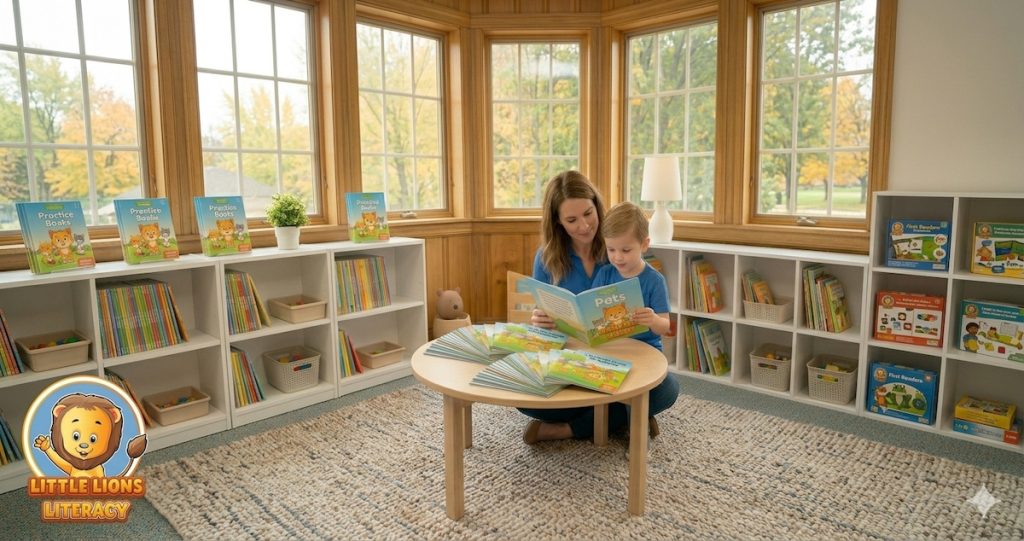
The final bell has rung, the backpacks are emptied, and the sun is finally shining. For many children, summer is a time of total relaxation. But for parents of children who find reading difficult, summer often comes with a side of literacy anxiety. We’ve all heard of the Summer Slide —the tendency for students to lose some of the achievement gains they made during the previous school year.
For students in Tier 2 or Tier 3 intervention, this slide can be more like a cliff. However, maintaining progress doesn’t mean sitting at a desk for three hours a day. By integrating some fun summer reading activities for struggling readers that align with the Science of Reading, you can keep those neural pathways firing while still enjoying the magic of summer.
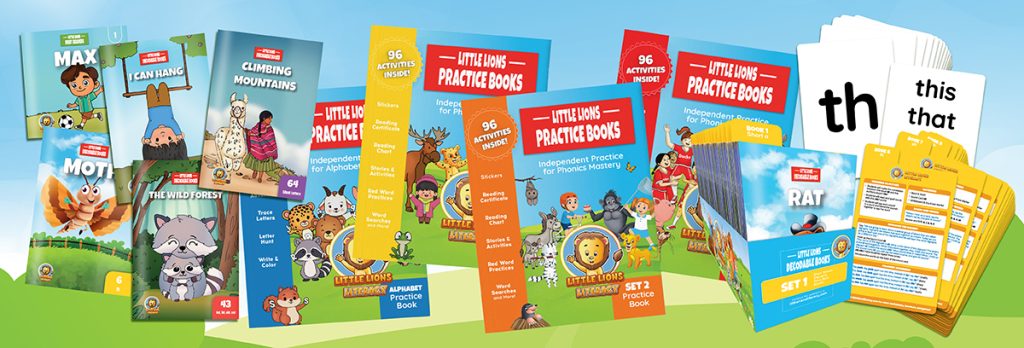
We often hear the advice: “Just let them read what they love!” While well-intentioned, for a child who struggles with phonemic awareness or decoding, being handed a book they can’t read is frustrating, not motivating.
According to Reading Rockets, children who struggle with reading require more than just “exposure” to books; they need explicit, systematic practice. This means focusing on foundational skills in a structured and consistent way, which helps build confidence alongside competence. To effectively support summer reading activities for struggling readers, we must shift the focus from independent reading to targeted, engaging activities that reinforce critical skills.
For example, effective practice can involve multisensory activities like using letter tiles to build words, which reinforces phonics and blending skills. Other useful activities include “Sound Boxes” (Elkonin boxes) to segment words into individual sounds, which strengthens phonemic awareness, and engaging in partner reading of decodable books, where the child practices applying learned phonics rules in context without the struggle of encountering too many unfamiliar words. This kind of intentional, skill-building work is the key to turning frustration into true reading motivation.
When we engage the senses—sight, sound, and critically, touch—we create stronger pathways to “glue” those letter-sound correspondences into long-term memory. This process, known as orthographic mapping, allows our brains to store words for immediate, effortless retrieval. Sand provides an ideal medium for tactile learning, transforming abstract letters into physical experiences.
A foundational activity is simply having the child write letters and words directly in the damp sand at the water’s edge or in a small tray of craft sand at home. The resistance of the sand offers sensory feedback that is vastly superior to standard pencil and paper practice, deeply embedding the letter-sound connection.
Draw an Elkonin box grid directly into the sand, then have the child push small pebbles or shells through the boxes as they blend the sounds of a CVC word written nearby.
Prompt the child to use the sand to build up the shapes of high-frequency words, running their fingers over the raised contours of the letters for extra tactile reinforcement.
Draw a single large shape representing a word, then ask the child to use their hand to pat or segment the shape into smaller ‘sandcastles’ representing each individual sound they hear in the word. These specific, sand-based activities integrate touch and sight, turning essential, systematic skill work into a highly engaging, concrete, and memorable summer experience.

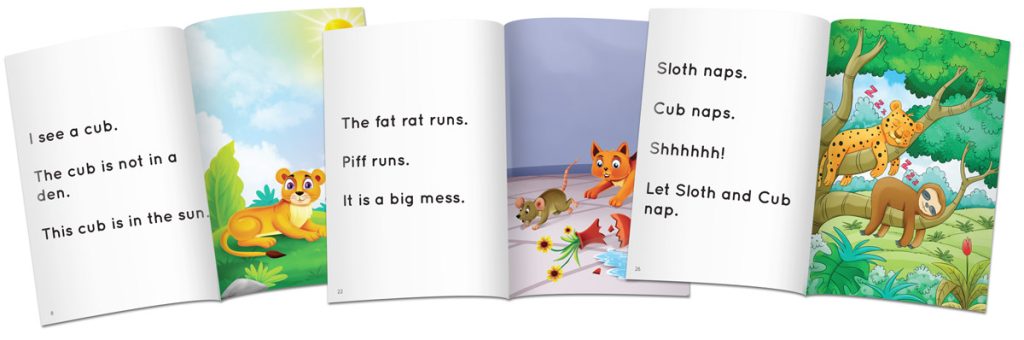
We often call high frequency words “heart words” because some parts of the word need to be learned “by heart.” Instead of boring flashcards, take it outside!
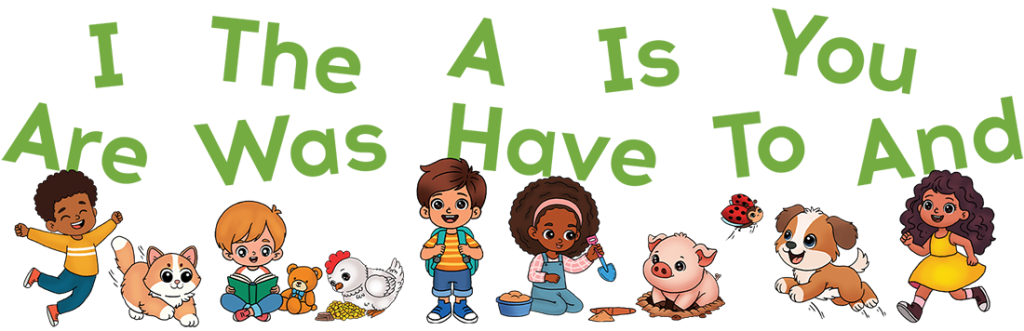
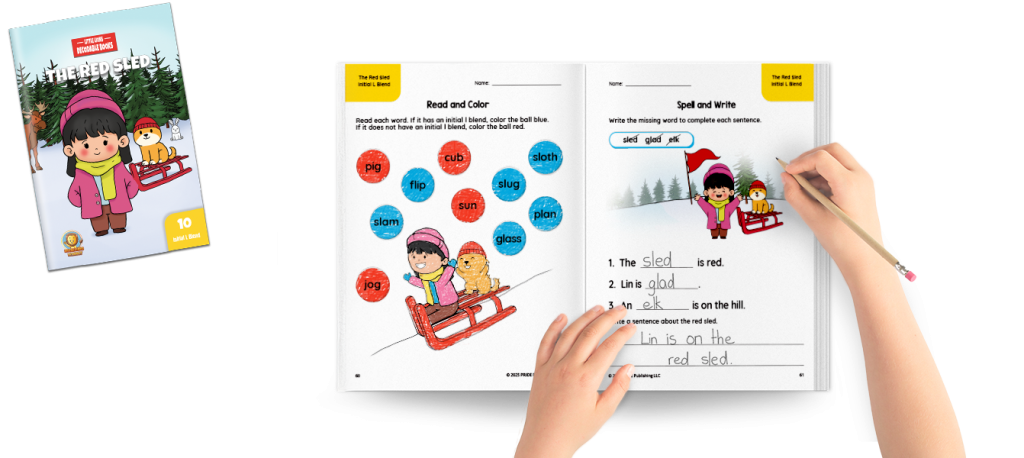
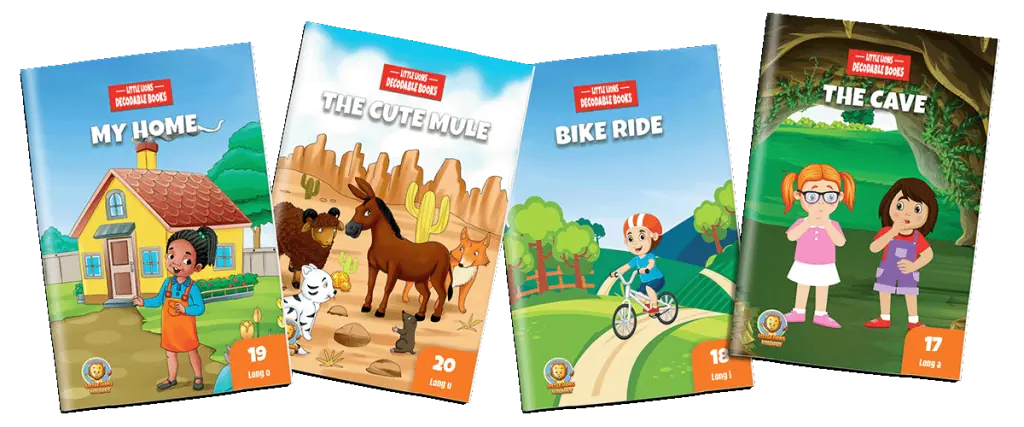
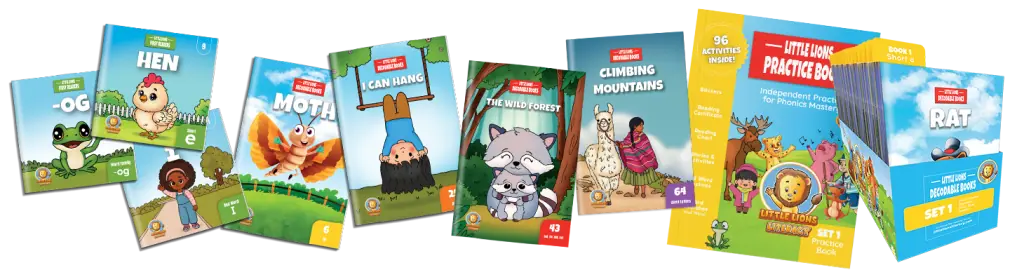
If your child is still mastering the alphabetic code, avoid “leveled” books (like Level A or Level B), which often encourage guessing based on pictures. Instead, stick to Decodable Books for Kindergarten and First Grade.
Decodable books ensure that the child can actually read the words using the phonics skills they have been taught. This builds the “I can do it!” confidence that is so often missing in struggling readers. When a child experiences success, they are much more likely to want to participate in summer reading activities for struggling readers.
Phonemic awareness—the ability to hear and manipulate sounds in spoken words—is the strongest predictor of reading success. You don’t even need a book for this!
During a hike or a walk to the park, play “I Spy” with a phonetic twist:
This reinforces Reading Intervention Strategies by focusing on the foundational auditory skills that must precede fluent reading.
Sometimes, the environment makes all the difference. A “Reading Fort” under the dining room table or a tent in the backyard can make summer reading activities for struggling readers feel like an elite club.
Inside the fort, keep a “toolbox” that includes:
While decoding practice is vital, we don’t want a child’s vocabulary or love for stories to stall just because they struggle to read the text themselves.
The International Dyslexia Association notes that audiobooks allow struggling readers to access complex language and grade-level content. This bridges the gap between their “reading level” and their “listening level.” Use car rides to the lake to listen to high-quality literature together.
Use marshmallows and graham crackers to build words.
Cooking is functional literacy at its finest. Pick a simple summer treat—like fruit popsicles—and have your child help read the ingredient list.
Look for words they can decode (e.g., “m-i-l-k,” “c-u-p,” “f-r-o-z-e-n”). If the recipe is too difficult, you can write the simplified steps on a recipe card using their current phonics knowledge.
The most effective summer reading activities for struggling readers are the ones that actually happen. Research shows that 15 minutes of targeted phonics practice 3–4 times a week is significantly more effective than a grueling two-hour session once a week.
Think of literacy like a vitamin—best taken in small, daily doses to keep the system running smoothly.
Preventing the summer slide doesn’t have to mean the end of summer fun. By choosing the right summer reading activities for struggling readers, you are giving your child the gift of confidence. Whether it’s writing in the sand, “splatting” heart words with water balloons, or snuggling up with Decodable Books, every minute of playful practice counts.
Keep it light, keep it structured, and watch your child fall in love with reading.
What is Systematic Phonics and How Does it Work?
The Analog Renaissance in Education: Why 2026 is the Year we go Back to Basics!
What are Structured Literacy Decodable Books?
How to Teach Phonics at Home: A Parent’s Guide
Pivot to games and oral activities. Phonemic awareness (playing with sounds in the air) is just as important as reading text. If they hate books right now, focus on “Sound Splat” or nature walks until their confidence returns.
Use the “Five Finger Rule,” but for struggling readers, we recommend the “Two Word Rule.” If they struggle to decode more than two words on a page, the cognitive load is likely too high, and they would benefit more from a decodable book.
Usually, summer is best spent consolidating what they learned in the previous grade. Mastery and fluency of “old” skills are more valuable than a shaky understanding of “new” ones.