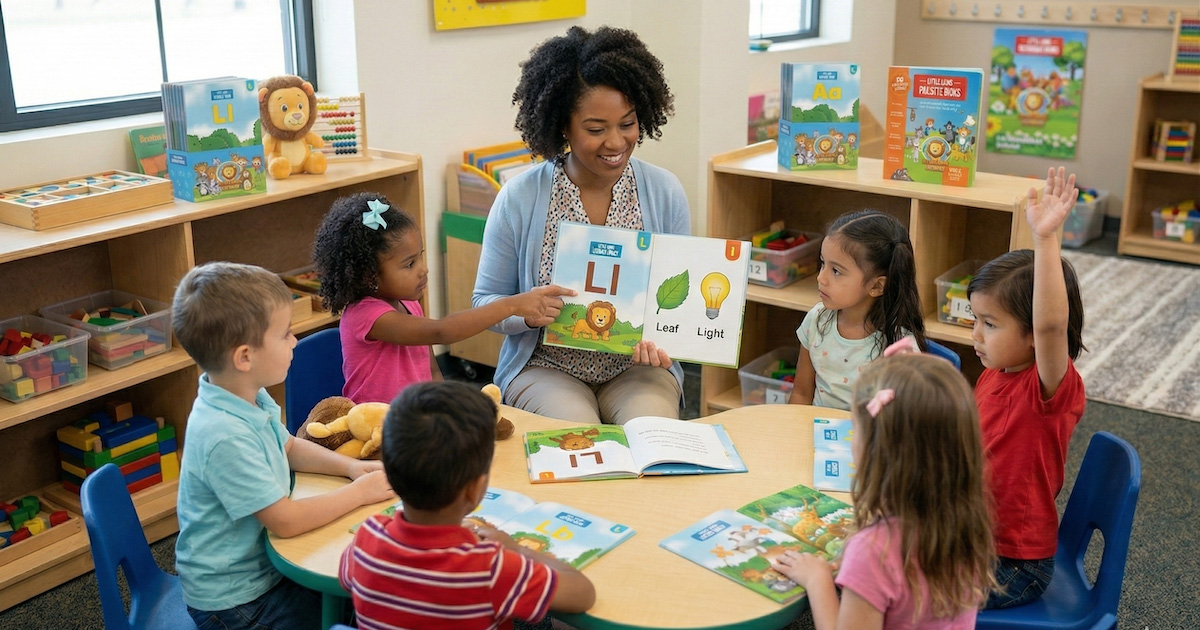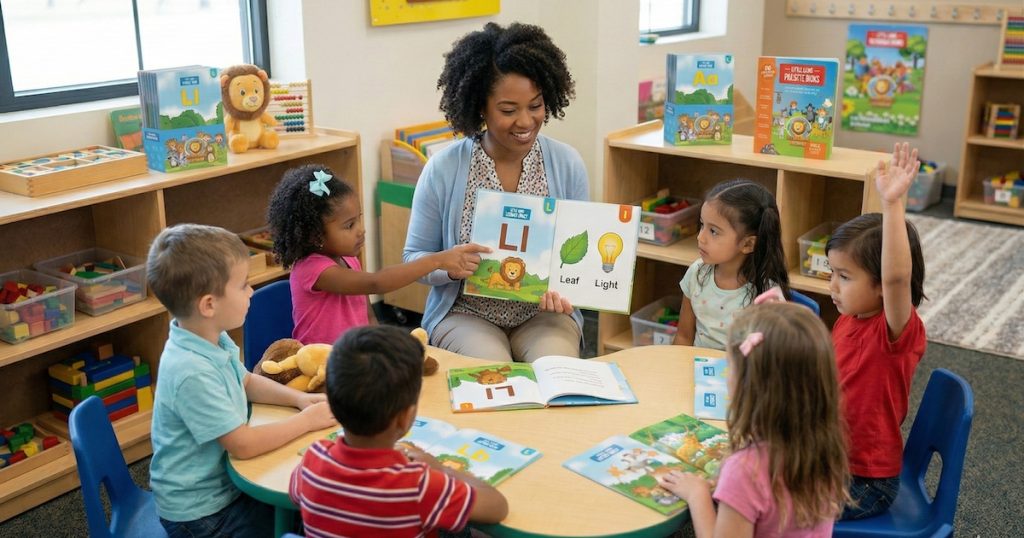
Watching your child struggle to sound out words can be tough. You see the frustration build as they guess from pictures or try to memorize words that all look the same. It can leave you feeling helpless, wondering if there’s a better way to teach them. There is, and it’s a method that takes the guesswork out of reading entirely. This guide is all about that approach. So, what is systematic phonics? It’s a clear, step-by-step plan that teaches children the reliable rules of our language, giving them a code to crack any word. We’ll explore how this method works, why it’s so effective at preventing reading difficulties, and how you can use it to build a confident, capable reader.
Think of systematic phonics as giving your child a secret codebook for reading. Instead of guessing words based on pictures or memorizing them one by one, they learn the rules for how letters and sounds work together. It’s a structured, logical approach that turns the seemingly random collection of letters on a page into something predictable and understandable. This method builds a strong foundation by teaching the relationships between letters and sounds in a very deliberate order, moving from simple concepts to more complex ones.
The key word here is “systematic.” It means there’s a plan. Instruction isn’t random; it follows a carefully chosen sequence that introduces skills logically. For example, a child will learn common letter sounds like /s/, /a/, and /t/ before they are asked to read words like “sat.” This intentional progression is what makes the learning process so effective and helps children become better at recognizing words and spelling them correctly. By following this clear path, children gain the tools they need to decode words they’ve never seen before, which builds incredible confidence and skill. It’s all about empowering them to become independent readers, one sound at a time, by making the rules of the English language explicit and clear.
Systematic phonics works because it’s so intentional. The instruction follows a specific, pre-planned sequence, ensuring that children build their skills on a solid foundation. Nothing is left to chance. Teachers or parents follow a clear map, introducing letter-sound relationships in a logical order, from the simplest and most common to the more complex. This step-by-step process means children aren’t overwhelmed. They master one skill before moving on to the next, creating a chain of understanding that grows stronger with each lesson. This planned phonics instruction is what helps learning stick, making reading feel less like a mystery and more like a puzzle they have all the right pieces for.
Unlike other approaches that might encourage kids to guess words from context or memorize long lists of sight words, systematic phonics gives them a reliable strategy for tackling any word. It teaches them to look closely at the letters and use their knowledge of letter-sound rules to sound it out. This is a huge shift from methods that can leave kids feeling lost when they encounter an unfamiliar word. While phonics is a critical piece of the puzzle, it’s important to remember it works alongside other literacy skills like vocabulary and comprehension. The goal of this structured approach is to provide a dependable decoding tool, building a reader’s confidence and preventing the frustration that often comes with guesswork.
Think of learning to read like building with LEGOs. You wouldn’t hand a child a complex instruction manual and a giant pile of bricks and expect them to build a castle. Instead, you’d start with the most basic blocks, showing them how two or three simple pieces connect. Systematic phonics works the same way. It’s a carefully planned, step-by-step method that teaches children how reading works, starting with the smallest pieces: sounds.
This approach isn’t about random guessing or memorizing whole words. It’s about giving your child a reliable toolkit to figure out words on their own. The instruction follows a logical sequence, where each new skill builds directly on the one before it. This creates a strong, stable foundation for reading, ensuring there are no gaps in your child’s understanding. We start with individual letter sounds, then blend those sounds into words, and finally, read those words in sentences. It’s a clear path that takes the mystery out of reading and builds confidence with every step.
The journey begins with the most fundamental connection in reading: linking a letter to the sound it makes. Systematic phonics instruction explicitly teaches children these letter-sound relationships one by one. For example, they learn that the letter ‘s’ makes the /s/ sound, and the letter ‘a’ makes the short /a/ sound, as in “apple.” This isn’t about just singing the alphabet song; it’s about understanding the job each letter does. The sounds are introduced in a specific, logical order, usually starting with letters that are common and make one reliable sound. This focused, uncluttered approach helps children master the basics before moving on to more complex concepts.
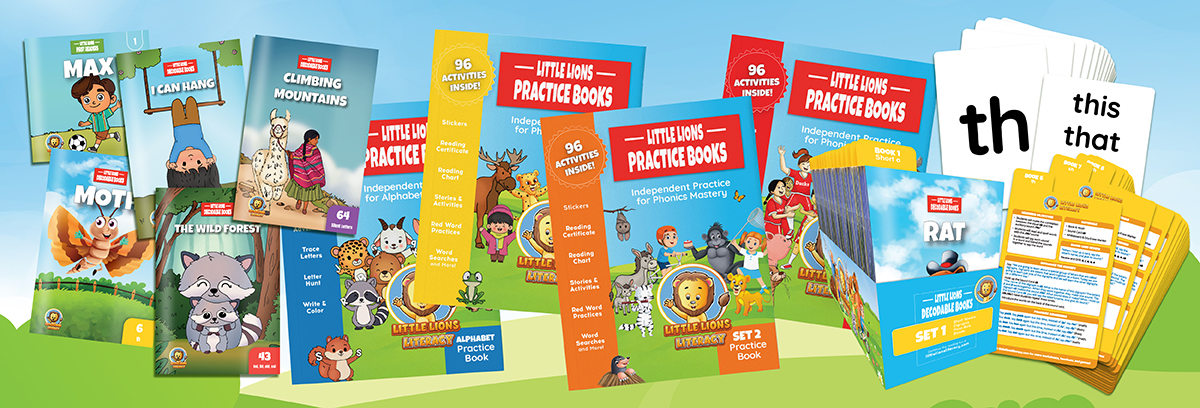
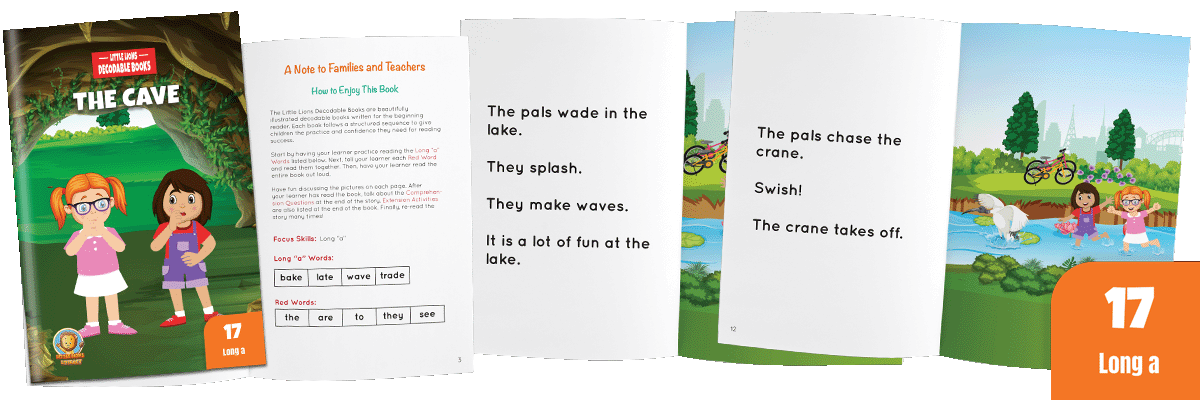
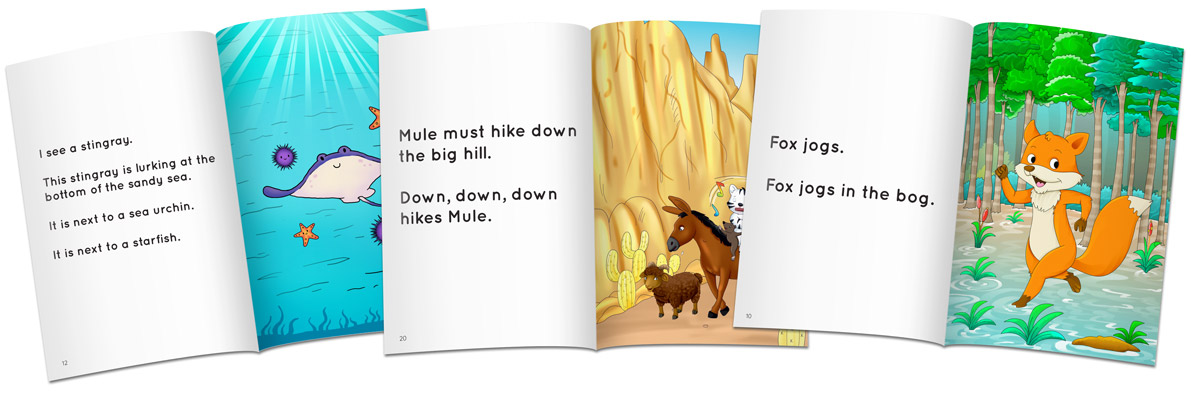
Once your child knows a few letter sounds, the real magic begins. They learn how to blend those sounds together to read a word. For instance, after learning the sounds for ‘c’, ‘a’, and ‘t’, they can slide them together: c-a-t becomes “cat.” This process, called decoding, empowers them to sound out new words. At the same time, they learn to do the reverse for spelling. They hear a word like “pin” and learn to break it apart into its individual sounds: p-i-n. As their knowledge grows, they practice these skills with decodable books that only use the letter-sound patterns they’ve already been taught, setting them up for success.
After mastering individual words, the final step is to put them together into sentences. This is where your child’s hard work pays off and they start to feel like a real reader. The sentences they begin with are simple and fully decodable, like “The dog sat on a mat.” Every word is an opportunity for them to use their new phonics skills, reinforcing what they’ve learned and building momentum. This practice is crucial for developing reading fluency, which is the ability to read smoothly and with expression. Because they have the tools to sound out each word, they can focus on the meaning of the sentence instead of getting stuck and frustrated.
When we think about teaching a child to read, we want to give them more than just the ability to recognize a few words. We want to hand them the keys to language itself. That’s exactly what systematic phonics does. It’s a game-changer because it moves beyond memorization and equips children with a reliable method for figuring out words on their own. This approach is so important because it builds a rock-solid foundation for literacy, helps head off reading difficulties before they can take root, and provides a clear path to success for every type of learner.
By teaching the relationships between letters and sounds in a logical, step-by-step way, we empower young readers. They learn that reading isn’t a guessing game but a code they can crack. This builds the confidence they need to tackle new books and more complex texts as they grow. It’s an investment in their future, setting them up not just to read, but to understand, learn, and communicate effectively for the rest of their lives.
Imagine trying to build a house without a solid foundation. It wouldn’t be very stable, right? The same is true for reading. Systematic phonics provides that essential foundation by teaching children how to decode. Decoding is simply the ability to use letter-sound knowledge to sound out and read words correctly. Instead of guessing based on pictures or context, kids learn a reliable system.
This instruction is planned and sequential, meaning skills are taught in a logical order, from simple to complex. A child first learns the most common sounds for letters, then moves on to blending those sounds into words, and eventually tackles more complex spelling patterns. This step-by-step process ensures there are no gaps in their learning. It gives them a toolkit they can use to approach any new word with confidence, which is the cornerstone of becoming an independent reader.
One of the most powerful aspects of systematic phonics is its ability to prevent reading difficulties. Research consistently shows that this approach significantly helps young children, especially in kindergarten and first grade, become better at word recognition and spelling. For many kids, this early success is what makes all the difference. It helps build a positive association with reading from the very beginning.
This method is particularly effective for children who might be at risk for reading challenges. By providing clear, direct instruction, we can often prevent and help overcome these difficulties before they become major hurdles. When a child feels capable and successful as a reader, their confidence grows, and they’re more motivated to pick up a book. It’s a proactive way to set every child on a path to literacy success.
Every child learns differently, and a one-size-fits-all approach to reading just doesn’t work. The beauty of systematic phonics is that its structured, logical nature is effective for children from all social and economic backgrounds. It doesn’t assume a child has a large vocabulary or extensive background knowledge to be successful. Instead, it provides a clear, explicit framework for understanding how our language works.
This method teaches reading and spelling by showing how sounds translate into written letters. It gives students a clear set of rules they can apply to read and spell almost any word. This consistency is incredibly helpful for all learners, including those who may struggle with less structured methods. By making the rules of English transparent and predictable, systematic phonics creates an equitable learning environment where every child has the tools they need to succeed.

When you hear “systematic phonics,” it might sound a bit rigid or complicated, but a quality program is actually quite dynamic and responsive. It’s not about endless drills or taking the fun out of reading. Instead, it’s a thoughtful, proven approach that gives kids the specific tools they need to become confident readers. An effective systematic phonics approach has four main components that work together to build a strong foundation for your child. When you see these elements in a classroom or in learning materials, you know your child is on the right track.
Effective phonics instruction is never a guessing game. Explicit instruction means the teacher or parent clearly explains and models every new skill. Think of it as a simple, three-step dance: “I do, we do, you do.” First, the teacher shows exactly how to blend the sounds /c/, /a/, and /t/ to say “cat.” Next, they practice the skill together with the child. Finally, the child gets a chance to try it on their own while the teacher offers support. This direct approach ensures there are no gaps in understanding.
The power of systematic phonics lies in its logical progression. Skills are taught in a planned, step-by-step way, with each new lesson building on the one before it. This isn’t a random collection of activities; it’s a carefully designed roadmap that guides children from simple to complex. Children start with the basics, like learning the most common letter sounds, and gradually move to more complex concepts, like vowel teams. This structure prevents kids from feeling overwhelmed and ensures they have mastered foundational skills before tackling more difficult ones, creating a smooth and successful learning journey.
Great phonics instruction gets kids moving and creating. A multi-sensory approach uses sight, sound, and touch to help concepts stick. A child might trace a letter in a sand tray while saying its sound, use magnetic letters to build words, or clap out the syllables in their name. By engaging different senses, we create more pathways in the brain for learning to happen. This makes the process more memorable and fun, especially for active young learners. It helps solidify the connection between letters and their sounds.
To make sure every child succeeds, effective phonics instruction includes regular check-ins. This isn’t about high-stakes testing. It’s about observing a child’s progress to see what’s clicking and where they might need a little extra support. Teachers can check students’ phonics skills by listening to them read or asking them to blend sounds. These quick assessments help pinpoint specific needs, allowing teachers and parents to provide targeted help right when it’s needed. This ensures no one falls behind and every child keeps moving forward with confidence.
Bringing phonics practice into your home is one of the best ways to support your child’s reading journey. You don’t need a teaching degree or a perfectly curated classroom to make a real difference. The goal is to create a positive and encouraging environment where your child can build skills and confidence. By focusing on a few key areas, you can reinforce what they’re learning in school and make reading a natural, enjoyable part of your daily life. It’s all about finding what works for your family and celebrating the small wins along the way.
One of the biggest challenges parents face is that every child learns at a different pace. It’s easy to feel discouraged if a particular activity or book doesn’t click right away. Many reading programs take a “one size fits all” approach, which can leave some kids behind. Instead of forcing a method that isn’t working, look for resources that offer a more differentiated learning path. The key is to follow your child’s lead. If they’re struggling with a specific sound, spend a little more time on it. If they’re flying through a set of books, let them move on. Your role is to be a supportive guide, not a rigid instructor.
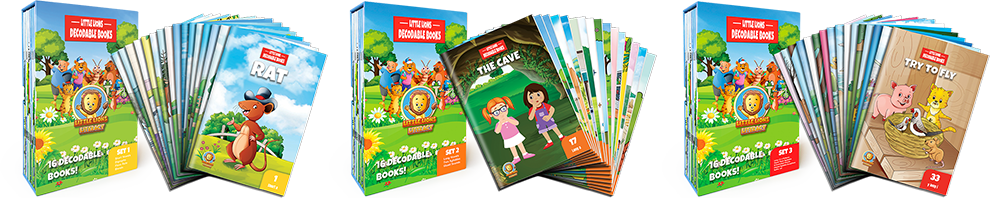
Having high-quality materials can make all the difference. When you have a reliable set of tools, you can spend less time searching for what to do next and more time actually helping your child. Decodable books are the perfect place to start. These books are written specifically for beginning readers and only use the letter-sound patterns they have already learned. Our decodable book sets are designed to follow a clear sequence, so you can feel confident that you’re giving your child practice that’s exactly at their level. Other simple tools like magnetic letters, a small whiteboard, or even phonics apps can also make practice more interactive and hands-on.
The best way to keep a child engaged is to make learning feel like play. You can easily incorporate phonics into everyday activities. Go on a sound hunt around the house, looking for objects that start with the /b/ sound. Use bath crayons to write letters on the tub wall. Build words with letter blocks or magnetic tiles. When it’s time to read, let your child choose from a few decodable books. As Scholastic suggests, reading short, simple books with the specific sounds they’re working on gives them a huge confidence boost. When they can successfully sound out the words on a page, they start to see themselves as real readers.
Consistency is far more important than intensity. A marathon 90-minute phonics session on a Saturday is less effective than 10 to 15 minutes of focused practice each day. A predictable routine helps your child know what to expect and makes practice feel like a normal part of the day, not a chore. This could be reading one decodable book together before bed, playing a quick word-building game after school, or reviewing flashcards for five minutes at the breakfast table. This steady, systematic practice is what helps cement letter-sound knowledge in a child’s brain, allowing them to apply their skills automatically when they encounter new words.
When you start looking into different reading methods, you’ll likely come across a lot of opinions about systematic phonics. While it’s a highly effective, research-backed approach, a few common myths can cause confusion for parents and educators. Let’s clear up some of the biggest misconceptions so you can feel confident in supporting your child’s reading journey.
This is a big one, but it’s simply not true. While phonics is a critical piece of the puzzle, it’s not the whole picture. Think of phonics as the key that unlocks the words on the page. It gives children the power to decode unfamiliar words without guessing. However, true reading involves much more. To become a skilled reader, a child also needs to develop vocabulary, fluency, and comprehension. Phonics instruction builds the foundation, allowing your child’s brain to focus on the ultimate goal: understanding the story.
Many people believe a phonics-first approach means kids won’t learn high-frequency words, often called sight words. In reality, systematic phonics teaches these words more effectively. Instead of encouraging kids to memorize whole words or guess from pictures, it equips them to decode them. Many “sight words” are actually decodable once a child learns the rules (like “that” or “and”). For the few truly irregular words (like “the” or “said”), this approach still encourages kids to identify the parts they can sound out, which is much more reliable than pure memorization.
Not all phonics instruction is created equal. You might see programs that teach letters and sounds, but that doesn’t automatically make them systematic. A true systematic synthetic phonics program follows a specific, carefully planned sequence. It starts with the simplest sounds and gradually builds to more complex patterns, ensuring no gaps are left in a child’s knowledge. This differs from approaches that teach phonics skills randomly or as they come up in a text. The structure is what makes it so powerful and prevents the “one size fits all” problem that can leave some learners behind.
When you commit to a systematic phonics approach, you’re giving your child more than just a reading lesson. You’re handing them a toolkit that will shape their entire learning journey. The changes you’ll see aren’t just academic; they build confidence and a genuine love for reading. Here are some of the key benefits you can expect as your child starts to connect sounds with letters in a clear, logical way.
One of the first things you’ll notice is how your child’s ability to identify words improves. Instead of relying on pictures or memorization, they learn to see words as a series of sounds that can be blended together. This method gives them a reliable strategy for decoding unfamiliar words. Research shows that systematic phonics significantly helps young children become better at recognizing words and spelling them correctly. Because they understand the relationship between letters and sounds, they can apply that knowledge when writing, leading to fewer spelling errors and more confidence in their own abilities.
Have you ever listened to a child painstakingly sound out every single word in a sentence? By the time they reach the end, they’ve often forgotten what the sentence was about. Systematic phonics helps solve this problem. As children become more skilled at decoding, their reading becomes faster and smoother, or more fluent. When their brain isn’t working so hard to figure out individual words, it’s free to focus on the story’s meaning. This is why strong decoding skills are directly linked to better comprehension. They can finally read for understanding and enjoyment, not just for survival.
Guessing at words can be incredibly frustrating for a new reader. It can make them feel anxious and uncertain, turning reading time into a battle. Systematic phonics removes the guesswork. It provides a clear set of rules and patterns that children can depend on, which is a huge confidence builder. This approach reduces confusion and frustration because kids feel equipped with a strategy that works every time. When children feel successful and in control, they are far more likely to see themselves as capable readers and pick up a book for fun.
Knowing the alphabet is a great first step, but it’s mostly about recognizing and naming the 26 letters. Systematic phonics goes much deeper. It teaches the relationship between those letters and the sounds they make. More importantly, it teaches children how to blend those sounds together to read words and take them apart to spell. It’s the difference between knowing the names of your tools and knowing exactly how to use them to build something.
It’s actually quite the opposite. When children have to guess at words or struggle to sound them out, their reading can sound slow and choppy. By giving them a reliable system for decoding, systematic phonics makes the act of reading words automatic. This frees up their mental energy to focus on the story itself, allowing them to read with expression, pace, and understanding. It builds the foundation that fluent, natural reading is built upon.
Decodable books are special books written for beginning readers that only use the letter-sound patterns they have already been taught. This is incredibly important because it guarantees success. Your child can pick up a decodable book and know they have the skills to read every single word. This provides essential practice, reinforces their learning, and builds the immense confidence they need to see themselves as a real reader.
Absolutely. Supporting your child with systematic phonics at home can complement any school curriculum by giving them a strong foundation in decoding. You can provide this clear, structured practice with decodable books and simple activities. This extra support can help fill any gaps and give your child the tools to tackle words confidently, no matter what method is being used in the classroom.
Consistency is much more important than duration. Short, positive, and focused sessions are far more effective than long, drawn-out ones. Aim for about 10 to 15 minutes of practice each day. This could be reading one decodable book together, playing a quick word-building game with magnetic letters, or practicing a few letter sounds. A little bit of consistent practice every day makes a huge impact.