
Late July is a unique time in the life of an educator. You are likely staring down stackable storage bins, blank bulletin boards, and a mental checklist that seems to grow longer by the minute. As you prepare your physical and digital spaces for a new cohort of early readers, the pressure to “get it right” can feel overwhelming—especially when trying to bridge reading research with day-to-day classroom reality.
The good news? Aligning your physical space with structured literacy does not require throwing out every resource you own or spending your entire weekend laminating new wall decor.
By conducting a quick Science of Reading classroom audit, you can make five high-impact, manageable tweaks before students walk through your door on day one. These low-lift adjustments ensure your environment actively supports explicit phonics instruction, speech-to-print connections, and orthographic mapping from the very first bell.
A Science of Reading classroom audit is a practical environmental check to ensure that the physical materials, visual displays, and instructional routines in your room align with how the brain actually learns to read.
| Component | Traditional Approach | Science of Reading Approach |
|---|---|---|
| Word Wall | Alphabetical (A-Z) | Sound Wall (Phoneme-based) |
| Book Organization | Leveled (A-Z) | Scope & Sequence (Skills-based) |
| Anchor Charts | Three-Cueing (Meaning/Structure/Visual) | Orthographic (Phonics/Grapheme-focused) |
| Small-Group Tools | Unstructured/General | Structured (Elkonin boxes, Sound boards) |
| Independent Centers | Open-ended/Choice-based | Skill-specific/Explicit phonics practice |
Rather than focusing on aesthetic trends, a Science of Reading (SoR) audit evaluates your classroom setup through cognitive science. Cognitive research demonstrates that human brains are not naturally wired to read written text; instead, we must connect speech sounds (phonemes) to print symbols (graphemes) through a process called orthographic mapping.
According to research published by the National Center on Improving Literacy, structured literacy environments that explicitly reinforce phoneme-grapheme correspondences directly accelerate reading acquisition, particularly for at-risk and struggling readers.
When your classroom displays and independent practice stations mirror these brain-based principles, students experience fewer conflicting signals, building confidence faster.
If there is one classic display item to reconsider during your Science of Reading classroom audit, it’s the traditional A–Z word wall.
Traditional word walls organize words alphabetically by their first letter. While logical to an adult who already knows how to spell, this setup forces early readers to work backward from print to speech.
For example, if a kindergarten or first-grade student wants to write the word the, placing it under the letter T is confusing because the word begins with an unvoiced dental fricative sound, not the hard /t/ sound found in tiger.
A sound wall organizes language by phonemes (the 44 speech sounds of English) rather than letters of the alphabet. It usually consists of two main sections:
How to Implement This Tweak:
For a complete breakdown on setting up speech-to-print wall displays, check out our guide on Sound Walls vs Word Walls
For decades, classroom libraries were sorted into bins labeled with letters A through Z based on traditional guided reading levels. While well-intentioned, leveled text systems rely on formulas that account for sentence length and vocabulary complexity rather than phonetic decodability.
When an emerging reader attempts an “A–Z” leveled text before mastering basic phonics patterns, they encounter words containing phonics elements they have never been taught. This forces them to guess words based on picture cues or context clues—habits that hinder long-term reading development.
Replace A–Z bins with skill-based decodable bins aligned directly with your scope and sequence:
Organizing texts by scope and sequence ensures independent practice aligns with explicit teaching.
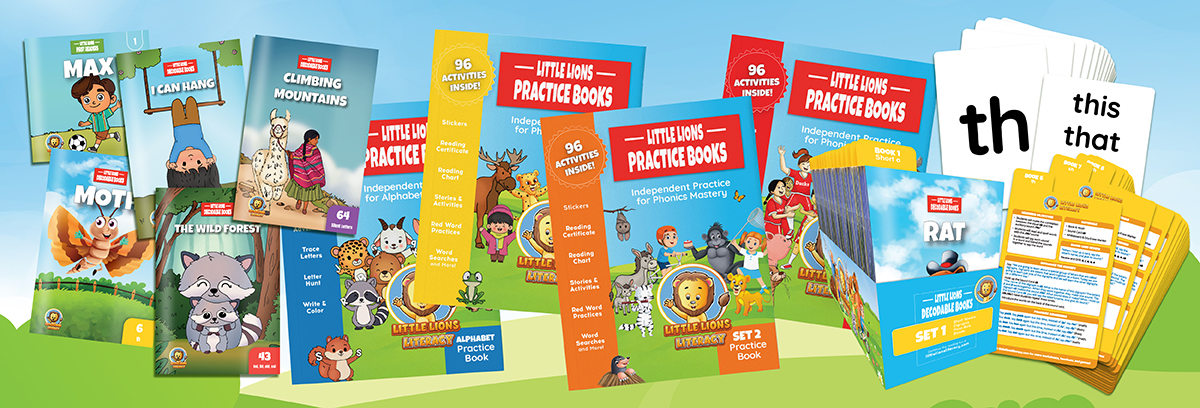
By ensuring students only practice with texts containing taught phonetic patterns, you build true reading stamina and orthographic mapping skills. Explore our collection of Decodable Books to build out your classroom skill bins.
Anchor charts are valuable visual tools, but during a Science of Reading classroom audit, it’s essential to review the prompting strategies embedded in your charts.
Remove any legacy anchor charts that encourage the “Three-Cueing System” (MSV: Meaning, Structure, Visual). Prompts such as:
These strategies direct student attention away from the printed word, training eyes to leave the text when difficulties arise.
Replace those charts with prompts that direct student eyes directly to the graphemes on the page:
✅ “Look at all the letters from left to right.”
✅ “Tap out each sound you see.”
✅ “Blend those sounds together.”
✅ “Do you recognize a syllable pattern or vowel team?”
According to reading research published on Reading Rockets, guiding children to keep their eyes on the printed letters strengthens neural pathways required for efficient word recognition.
To complement these charts with explicit small-group instruction, view our resources on The Essential Guide to Decodable Readers for Intervention.
When auditing your small-group instruction zone, focus on removing clutter and stocking tools that facilitate multisensory structured literacy routines.
Before Day One, ensure your small-group teacher table has:
Integrating systematic encoding alongside decoding accelerates progress. Browse our dedicated multisensory lessons on How to Teach Blending: A Practical Guide for structured small-group ideas.
Independent centers often become a friction point during SoR implementations. Traditional literacy centers frequently rely on open-ended creative writing or rainbow-writing sight words from memory, which may offer limited skill reinforcement.
During your pre-day-one audit, evaluate every independent station against these three criteria:
Little LIons Literacy offers a growing collection of FREE phonics games, independent literacy center ideas, and printable worksheets rooted in the science of reading – Little Lions Activities Den
Print this simple checklist to keep at your desk during late-July setup:
Preparing a structured literacy classroom isn’t about perfection on day one—it’s about creating an environment where reading research meets everyday practice. By making these five manageable tweaks during your Science of Reading classroom audit, you lay a clear, evidence-based foundation for your students from the very first week of school.
Pick just one or two tweaks to implement this afternoon, and build from there!
You can honor district mandates while keeping your daily setup SoR-aligned. Keep leveled texts stored in teacher cabinets for required benchmark assessments, but keep student-facing classroom library bins organized by phonics skills and decodable levels for independent and guided practice.
Yes! If vertical wall space is limited, consider using a tri-fold display board, a portable pocket chart on an easel, or individual student sound wall folders that fit inside desk sleeves.
Not at all! Trade books and authentic literature play a vital role in building vocabulary, background knowledge, and comprehension during teacher-led read-alouds. The distinction is simple: use authentic literature for interactive listening comprehension, and reserve decodable texts for early independent reading practice.