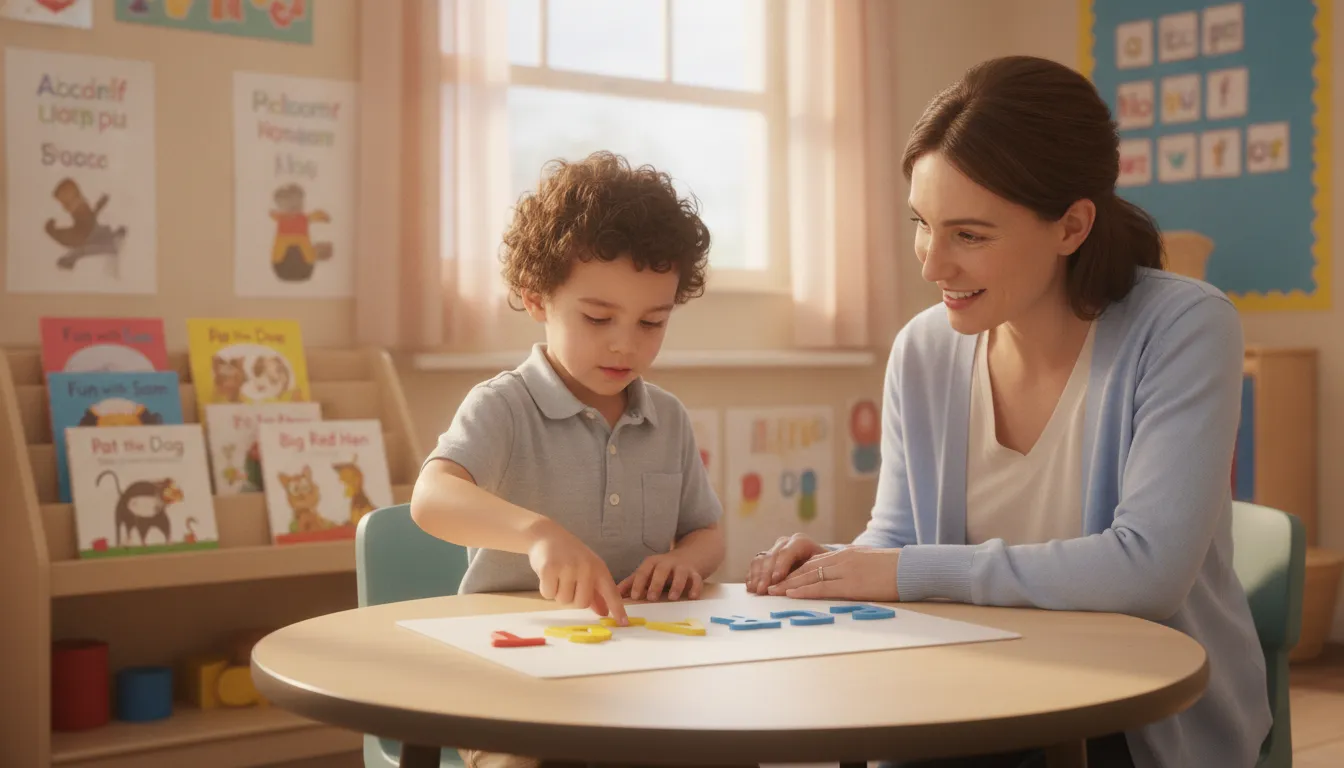
A child who knows their letter sounds may still freeze when they see the word “cat” on a page. This common block happens when a student has not yet mastered the art of blending sounds together. Success requires a focused plan that moves from simple sounds to complex words.
How to teach blending well starts with making sure students have a solid grasp of letter-sound links before they try to read full words. Start with simple two-sound words like “am” or “in.” Then move to three-sound words like “jam” or “sun” once the child feels sure of themselves. Phonics blending is a core decoding path where students fluently join single sound-spellings to read words, as noted by Understood. This connects directly to how children master both decoding vs encoding to read and write with ease. Success often comes from short daily practice times where children push sounds together slowly and then say the word fast. By using steady, clear steps with sounds the student knows, you can help them become strong and happy readers.
Teaching a child to merge sounds is a process that takes time and patience. You may wonder which games work best for your home or classroom. We have put together a guide on How to teach blending step by step to help you get started. The path begins with
Teaching a child to read is a big task that starts with basic steps. One of the most vital skills is phonics blending. This is when a child learns to join sounds to read a whole word. The science of reading shows that direct teaching helps kids become strong readers. It is a large part of learning to read new words. You can help your student move from hearing sounds to reading words by using a clear path. This method works well for all kids, but it is key for those who find reading hard.
Before you show letters to a child, start with listening games. This is called oral blending. It is a type of phonological awareness training. You say split sounds like /m/ /a/ /n/. Then, the child says the whole word “man.” They do not need to look at a page yet. This helps them learn to glue sounds together in their minds. Using phonemic awareness activities for blending can make this step fun. It builds a solid base before you add the hard work of reading letters on a page. Focus on this until the child can blend three sounds with ease.
Once a child can blend by ear, you can add letters. But do not jump to big words right away. Start with just two sounds. Words like “am,” “no,” or “in” are great choices for beginners. This keeps the task simple. It lets the child focus on the act of blending without getting tired. Make sure your student knows the sound for each letter before you start. If they have to stop to recall a sound, they might lose the blend. Focus on sounds they can hold out, like /m/ or /s/. These are called continuous sounds. They make it easier to slide from one sound to the next without a gap.
After a child can blend two sounds, move to three-letter words. These are usually consonant-vowel-consonant (CVC) words. A word like “jam” is a good start. Avoid words that do not follow the basic rules yet. Stay with words that use the sounds you have already taught. This ensures the student feels pride and success. Showing them how to do it is very vital here. You show them how to do it first. Then, you do it together. Finally, they try it on their own. Short bursts of work are best. Aim for five to ten minutes each day to keep their skills sharp. This steady practice will help them read on their own.
Being steady is the most vital part of this work. It helps to use the same words every time you teach. For example, always say “slide the sounds” or “stretch the word.” This gives the child a clear sign of what to do. If they get stuck, go back to oral blending for a short time. Remind them how the sounds fit together by ear. Then, try the printed word again. This back-and-forth work builds trust in their own skills. It shows the child that the letters on the page are just codes for the sounds they know. With time, they will blend words fast and with ease.
Learning how to teach blending is a key part of early reading. Blending is the way kids join sounds to read a whole word. For young kids, this task can feel hard. The goal is to make it easy for their brains to hold the sounds while they work. Choosing the right method helps reduce the load on a child’s mind. When the brain does not have to work as hard, the child can focus on the sounds.
Many kids face a “memory wall” when they first start. They might say the first sound, then the next, but forget the start of the word. This is why picking the right method is so key. It acts like a bridge for their growing skills. By using the right tools, you can help a child move past this wall and start reading with ease.
Some children struggle to keep sounds in their heads as they read. This is common when first starting with phonics blending. To help, teachers often use tools like “continuous blending” or “successive blending.” These styles keep the sounds moving. This way, the child does not forget the first sound by the time they reach the last one. Each of these tools has a place in a good lesson plan.
Continuous blending works by stretching out each sound. You do not stop between sounds. Successive blending builds the word one piece at a time. Both ways are great for those who are just starting out. Using these ways to teach is part of understanding blending and segmenting basics. The table below compares the most common ways to help kids blend.
| Blending Method | How It Works | Best For | Ease of Use |
|---|---|---|---|
| Continuous | Stretch sounds with no pause. | Kids who forget the first sound. | High |
| Successive | Build the word one sound at a time. | New readers building word skills. | High |
| Segmented | Pause between each separate sound. | Kids with strong sound skills. | Medium |
Using the best method helps kids feel sure as they read. Research shows that phonological awareness is a major part of learning to read. Training in these skills helps kids learn to find and blend sounds in spoken words. When kids use continuous or successive blending, they do not have to restart for each sound. This makes reading smoother and helps them read for a longer time.
As kids get better, they can move to harder tasks. You can start with mastering CVC word blending before moving to long words. Most kids will need about five to ten minutes of daily practice to get the best results. This helps them use the skill on their own when they see a new book. The right start leads to fast growth and better reading later on. It builds a strong base for all the learning that comes next.
Teachers should watch how a student acts with each style. If a child seems lost, try moving back to a simpler way. If they find it too easy, you can move to segmented blending. Being able to shift is key to helping every child win. By matching the method to the child, you make sure they stay on track with their reading goals.
Daily work helps children learn blending and segmenting basics until they can do it on their own. Studies show that five to ten minutes of work each day helps students build these skills. Short, fun tasks keep kids on track and help them remember what they learn. This routine makes sure they get the practice they need to become strong readers.
You can start teaching kids how to blend before they even look at letters. This is called oral blending. It helps build phonological awareness, which is a key step before a child learns to read. This training helps kids hear the sounds in words and learn how to join them. One simple game for this stage is “I Spy.” Instead of saying the whole word, you say the sounds. You might say. “I spy a /h/ /a/ /t/.” The child then says the word “hat.” This game is easy to play in the car or while eating lunch. It turns learning into a fun hunt for objects around the room. When you begin, use words with only two sounds. Words like “am,” “no,” or “in” are great for first steps. This keeps the task easy and helps them feel good. You can also try “Sound Slides.” Draw a slide on paper or use a toy slide. Say the sounds of a word as you move your finger down the slide.
Once kids know their letter sounds, you can use visual tools. Blending boards are a popular choice. You place three cards with letters on a board. The child says each sound as they point to the letter. Then, they sweep their finger under the cards to read the whole word. This move shows them how to move from sounds to words. Letter tiles are another great tool. Kids can move the tiles closer together as they blend the sounds. This tactile work makes the concept more real. It is a helpful way to practice CVC word blending at home or in class. You should only use letter sounds the child has already learned. This makes sure the words are decodable and not too hard for them to read. Letter sounds should be taught one at a time. This keeps kids from feeling lost. You can use flash cards or magnet letters on a fridge. The goal is to make the link between the letter and its sound solid. Once they know the sounds, blending becomes much easier.
The final goal is to use these skills while reading real books. Decodable books are perfect for this. These books only use words that follow the phonics rules the child knows. They do not use many “trick” words that are hard to sound out. This makes it easier for kids to use their new tools in a real story. As kids read, they may get stuck on a word. Remind them to tap out the sounds or use their finger to blend. This turns a hard moment into a quick lesson. Success in reading small books builds a love for stories. It also proves that their hard work is paying off. They will feel proud when they can read a whole book by themselves. Reading together for a few minutes each night can make a big difference. Let the child lead and sound out the words they know. You can help with the harder words to keep the story moving. This shared time makes reading a happy part of their day.
Learning how to teach blending is a big task. Many kids run into blocks as they try to join sounds. You might see a child who knows each letter but cannot say the word. These stalls are common in early reading. Most of the time, the fix is to change how you teach. Using facts from the science of reading helps us find the best path. You can get past these walls with a clear plan.
One common mistake is the “choppy” blend. A child says each sound but waits too long between them. They might say /c/, then /a/, then /t/. By the time they get to the last sound, they have lost the first one. This pause breaks the link in the brain. To fix this, you should use continuous blending. Tell the child to sing the sounds together. They should not stop their breath between letters. Instead of /m/ … /a/ … /t/, they say /mmmaaattt/. This keeps the whole word in their mind. You can practice this while mastering CVC word blending with them. This easy shift helps the child see how sounds flow into a single unit.
Stop sounds are letters that cannot be held, like /b/, /p/, /d/, and /k/. A big mistake kids make is adding a “uh” sound to the end of these letters. This extra sound is a schwa. If a child says “buh-a-tuh” for the word bat, they will struggle to hear the real word. The “uh” sound masks the true blend. You must teach the child to clip these sounds. They should say /b/ short and light. Do not let the voice linger. Keeping these sounds clean makes it easier to slide them into the next vowel. This is a key part of teaching phonics at home. When the sounds are crisp, the blend happens on its own.
If a child cannot blend letters, they might need to work on their ears first. Phonological awareness comes before reading print. This means kids should blend sounds they hear before they try it with letters they see. You can do this with oral games. Ask the child, “What word am I saying: /f/ /i/ /sh/?” If they can say “fish,” they are ready for print. If not, spend more time on these ear games. You can find more tips in our phonemic awareness activities for blending guide. These tasks build the base that decoding needs to work. Once the ear is trained, the eyes will follow faster.
Many kids try to guess words by looking at pictures. This might seem helpful, but it stops them from learning to blend. When a child guesses, they do not look at the letters. You can fix this by covering the art on the page. Use a card or your hand to hide the pictures. Force the child to look only at the print. This builds the habit of looking at every letter from left to right. It takes time, but it works. You should also make sure the words you use are easy to decode. If a word has a rule they do not know, they will get upset. Stick to words that match the sounds they have learned. Doing this for ten minutes each day will build their skill and their trust. Daily practice is the best way to help a child who feels stuck.
Teaching a child to read works best when you follow a clear path. You should move from easy sounds to harder ones. This helps children build trust as they learn understanding blending and segmenting basics. A good plan keeps kids from feeling stuck or sad as they grow.
Before kids look at letters, they need to hear sounds. This is called oral blending. You say the sounds /c/ /a/ /t/ and the child says “cat.” Research shows that phonological awareness is a key first step to reading. You can do this in the car or during play.
It only takes a few minutes each day to help a lot. Once they can blend three sounds by ear, they are ready for letters. Make sure they know the sounds for each letter you use. Do not use words with silent letters or odd rules yet. Stick to simple sounds that match the letters on the page.
Start with short words. These are often called VC words. This stands for vowel-consonant. Good words to start with include “am,” “no,” or “in.” These words only have two sounds to join. It is easier for a child to hold two sounds in their head than three or four.
Focus on words with stretchy sounds at the start. These are sounds you can hold for a long time, like /m/, /s/, or /f/. You can sing the sound /m/ without stopping. This helps the child slide right into the next sound. For example, in “mat,” you can stretch the “m” until you are ready for the “a.”
After two-phoneme words, move to three-sound words. These are consonant-vowel-consonant (CVC) words like “sun” or “hop.” First, use words that start with those stretchy sounds. Later, use words that start with “stop” sounds like /p/, /t/, or /k/. These sounds are harder to blend because you cannot stretch them as easily.
When the child is fast at CVC words, teach them digraphs. These are two letters that make one sound, like “sh,” “ch,” or “th.” Even though there are four letters in “ship,” there are only three sounds. This makes them a great next step. You can then move to words with four or five sounds, like “frog” or “stamp.”
You will know it is time to move on when the child can read words with no help. If they can read ten words in a row without a mistake, they are ready for the next level. Daily practice for five to ten minutes is the best way to see growth. Keep it fun and stop before they get tired or lose focus.
Short, daily practice is the best way to help children learn how to teach blending well. It works. Most experts recommend just five to ten minutes of work each day to see real progress. This simple routine helps kids learn to join sounds smoothly so they can read on their own. Daily practice helps students use this skill on their own. This is a key finding from Understood.org.
When you start teaching phonics at home, focus on quality over time. A quick, focused lesson is much better than a long session that makes the child feel tired. You want them to stay alert and happy while they work on new words. This keeps their mind fresh and ready to learn.
Recent research on the science of reading shows that frequent, brief sessions help build strong paths in the brain. This method helps the brain store new sound patterns well. It also gives the child a sense of a win every day. This keeps them eager to try more.
Focus on one small goal at a time during these short bursts. You might work on just one or two new sounds at first. You could also practice mastering CVC word blending with a few flash cards. This slow and steady path prevents the child from feeling like the work is too hard.
You can set up a basic 10-minute routine to keep things on track. Spend two minutes on a quick warm-up with sounds they already know well. Then, spend five minutes on new words or blending tasks. Finish with three minutes of reading a short story to end on a high note.
Always start with words that have only two sounds, like “am” or “in,” before you move to longer ones. Make sure the words use sounds you have already taught in your lessons. This keeps the child from getting stuck on letters they do not know yet. It builds their trust in their own ability to read.
You do not need big tests to see how a child is doing. Just watch them as they work through a new list of words or read a decodable book. Are they starting to blend the sounds more quickly? Do they seem to enjoy the challenge of a new page? These small signs tell you a lot about their growth.
Decodable books are a great tool to help kids use what they learn in a real way. These books only use sounds the child has already studied. They give them a safe place to practice. This type of phonological awareness training is a key early step for reading success. If they read a book smoothly, you know they are ready for harder words.
The best way to teach blending is to use long sounds. Do not stop as you say the word. For instance, hold the sounds as one like “sssuuunnn.” This helps kids keep the first sound in their head until they reach the end. A guide by Understood says that starting with words that have just two sounds like “am” or “in” keeps it simple as they learn.
Most children start to learn blending between four and six years old. They are ready once they know their letter sounds well. As noted by the IES, this skill is a key step that comes before reading. It is best to begin when a child can hear and work with sounds in spoken words. Short practice times each day will help them get ready to read books on their own.
For kids who find reading hard, focus on sounds first. Work on games where they push sounds as one to make a whole word. Experts at Reading Rockets say that building these skills is vital for students at risk for reading trouble. Use clear steps and give them five to ten minutes of practice each day. This short and steady work helps them use the blending path when they read.
Good words for blending start with two sounds like “am,” “no,” “in,” “it,” and “up.” Once those are easy. Try three-sound words like “cat,” “sun,” “map,” “sit,” and “hop.” These are known as CVC words because they follow a simple pattern. Using CVC word blending helps kids learn to join sounds in a clear way. These ten words are great for a child who is just starting to learn how to read.
Delaying reading help often leads to bigger gaps that are much harder to close when a child gets older. When kids miss the mark with blending now, they might face many years of struggle in every school subject. You can stop that cycle today by using a clear plan that works for every type of learner. Starting now gives your child a head start on the long path to becoming a strong, sure reader. Every day you wait is a lost chance for them to feel proud of their new reading skills. Building a strong base takes time and steady work, so the best time to begin is today.
Ready to help your child? Contact us today to explore decodable books and phonics resources.