
The bags are packed, the snacks are rationed, and you have finally cleared the driveway. Ten minutes into your multi-hour summer journey, a voice from the back seat asks the inevitable question: “Are we there yet?”
It is easy to default to tablet screens or movies to keep the peace during long drives. However, car trips offer a unique, distraction-free environment to engage in summer literacy activities that build critical early reading skills without ever picking up a book.
Decades of reading science show that reading development is a two-part equation. According to the Simple View of Reading—a foundational framework supported by researchers like Gough & Tunmer—skilled reading requires both Decoding (sounding out words) and Language Comprehension (understanding what words mean).
Before children ever learn to connect written symbols to sounds on a page, they must build a robust engine of oral language development. By incorporating conversational summer literacy activities that target vocabulary, listening comprehension, and sentence structure, you can actively strengthen your child’s early reading skills while making the miles fly by.
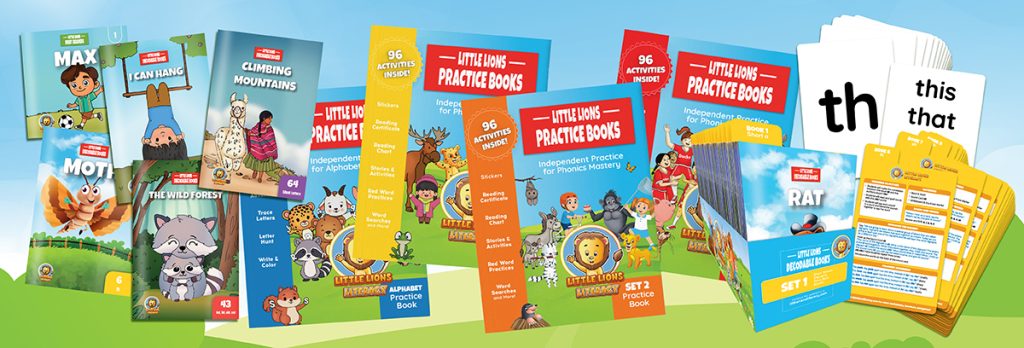
When parents think about early reading skills, they often picture alphabet flashcards and phonics worksheets. While letter-sound recognition is absolutely essential, it only covers one half of the reading equation.
If a child can decode the word a-d-m-i-r-e using perfect phonics rules, but has never heard the word used in conversation, they cannot comprehend the sentence. Oral language vocabulary acts as a ceiling for reading comprehension.
“Children with large oral language vocabularies are highly unlikely to have problems learning to read.” — National Center for Family Literacy
As leading literacy resource Reading Rockets notes, active everyday conversations and playful word games during early childhood lay the precise neural pathways required for advanced comprehension later on. When children learn to manipulate sounds, hear rare vocabulary words, and organize sentences mentally, they are building the structural runway for reading success.
Here are three low-prep, high-impact summer literacy activities designed to boost early reading skills on your next family road trip.
This game expands your child’s expressive vocabulary by replacing mundane, everyday words with descriptive, rich alternatives—what we call “juicy words.”
By moving beyond basic vocabulary, you expose your child to tier-2 vocabulary words—words that appear frequently in written texts but rarely in casual peer-to-peer conversations. When they eventually encounter these words in Decodable Books, they won’t stumble over the meaning.
Phonemic awareness is the ability to identify and manipulate individual sounds (phonemes) in spoken words. It is entirely auditory, making it a perfect match for a car ride.
This game directly trains tracking and isolation mechanics, which are critical components of phonics instruction. Children who can effortlessly segment sounds in spoken words find it significantly easier to practice decoding when learning to read print materials.
Strong comprehension requires understanding how sentences relate to one another to build a cohesive narrative structure. This game targets oral storytelling logic, cause-and-effect sequencing, and syntax.
To play successfully, children must listen intently to the previous speaker, hold the narrative thread in their working memory, and manipulate transition words. This directly builds the exact executive functioning and mental modeling skills needed when answering questions after reading text independently.
| Feature | Tablet/Movie Screen Time | Summer Literacy Activities |
| Cognitive Load | Passive consumption | Active brain retrieval |
| Vocabulary Type | Repetitive, entertainment-focused | Tier-2 descriptive “juicy” words |
| Literacy Skill Targeted | Visual tracking only | Auditory discrimination & oral comprehension |
| Social Interaction | Isolated | Collaborative family bonding |
Summer road trips provide a natural, changing backdrop that is perfect for spontaneous learning. Since landscapes shift from city streets to country roads and coastal highways, use these transitions to spark new conversations.
For example, when you pass a new landmark or enter a different state, ask your child to describe what they see using the “Juicy Word” skills they’ve practiced, or look for license plates to play advanced “Sound Strings.”
By framing these long travel hours as a unique summer adventure rather than just a way to get from point A to point B, you can keep engagement high and turn every rest stop or gas station break into a fresh opportunity for vocabulary and storytelling.
You do not need flashcards, digital apps, or formal lesson plans to nurture early reading skills during summer vacation. By turning your dashboard view into an interactive playground for summer literacy activities, you are giving your child the vocabulary and comprehension framework they need to become confident, lifelong readers.
The next time you hear a chorus of complaints from the back seat, bypass the tablet power button. Instead, challenge your passengers to a quick round of “Juicy Words” or a “Sound String” adventure. Your child’s reading teachers will thank you come September.
By making these quick games a regular habit during your daily commutes or weekend errands, you are providing the consistent practice necessary for long-term growth. Even short bursts of playful engagement help build a lasting love for language and storytelling, turning every trip into an opportunity for literacy success.
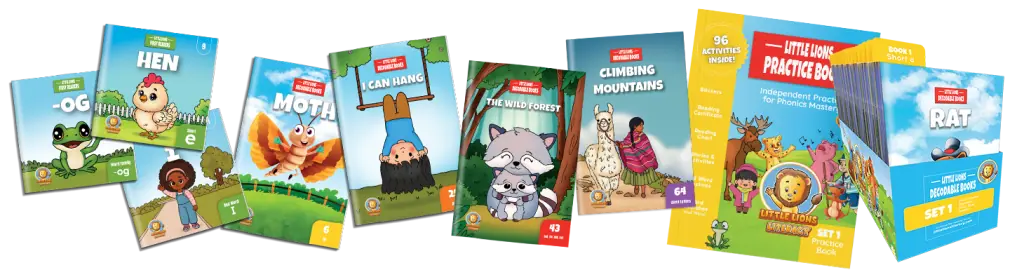
Looking for systematic, structured reading materials to keep your young learner on track between summer road trips? Explore our science-backed collections designed to make decoding practice easy, fun, and highly successful for home learning!
Yes! For children receiving reading intervention or working through dyslexia, the cognitive energy required to sound out words can be exhausting. By building their oral language development separately through speech, you ensure that once their decoding skills catch up, their comprehension skills are fully primed and waiting.
Keep the games accessible by narrowing or widening the scope. For a younger child playing “The Juicy Word Upgrade,” accept simple shifts like changing nice to happy. For an older child, challenge them to use a specific number of syllables or focus on abstract descriptions.
Absolutely. Oral language games require zero knowledge of print letters. In fact, training your child’s ears to hear, isolate, and manipulate oral sounds before introducing printed text is a core tenet of effective structured literacy implementation.