Have you ever tried to explain to a child why the ‘o’ in hop sounds nothing like the ‘o’ in hope? It can feel like you’re explaining a rule that was made to be broken. This is one of the most common hurdles in early reading. The five vowels—a, e, i, o, and u—each have at least two sounds, and this variability can be confusing for little learners. But it doesn’t have to be a point of frustration. Understanding how to teach long and short vowels clearly is the key. This article will demystify the process, giving you simple, effective strategies to explain the difference and fun games to make it stick.
When kids start learning to read, the vowels (a, e, i, o, and u) can feel a little tricky. That’s because each vowel can make at least two different sounds: a short sound and a long sound. Helping your child hear and identify these different sounds is a huge step in their reading journey. Think of it as giving them a key to unlock a secret code. Once they understand that ‘a’ can sound like it does in apple or like it does in cake, they’ll be able to decode new words with much more confidence. This isn’t just about memorizing rules; it’s about training their ear to hear the subtle differences in language. Mastering long and short vowels is a critical part of building a strong phonics foundation, which is essential for becoming a fluent, independent reader. It’s one of those lightbulb moments where suddenly, so many more words on the page become accessible. Before we get into fun activities and games, let’s make sure we’re clear on the basics. Let’s break down what makes these vowel sounds different and how you can explain them to your little learner in a way that makes sense and sticks.
Short vowel sounds are the first vowel sounds we usually teach young readers because their spellings are often simple and predictable. These sounds are quick and punchy. You can find them in many common three-letter words, which are perfect for beginners.
Here are the short vowel sounds:
These sounds don’t say the letter’s name. Instead, they make a distinct, short sound. Focusing on these first helps build a solid foundation and gives kids early wins in their reading journey, which is a huge confidence builder.
Long vowel sounds are pretty easy to remember with one simple trick: they “say their name.” When you hear a long vowel sound in a word, it sounds exactly like when you say the letter itself. This is a fun and memorable rule that really helps the concept click for many kids.
Here are the long vowel sounds:
The spellings for long vowels can be more complex. They often involve pairs of vowels (vowel teams) or the famous “silent e” at the end of a word. Introducing these spelling patterns usually comes after a child has a good handle on short vowels.
The main difference between long and short vowels comes down to sound and spelling. Short vowels make a quick, clipped sound, while long vowels sound just like the letter’s name. Think of the difference between hat (short a) and hate (long a). That tiny “e” at the end completely changes the vowel sound in the middle, making the ‘a’ say its name.
For early readers, short vowels are often found in simple CVC (consonant-vowel-consonant) words like mat, hen, and fin. Long vowels, on the other hand, introduce more advanced spelling rules, like the silent ‘e’ (cape) or vowel teams (rain, boat). Understanding this distinction helps you know what to focus on at each stage of your child’s reading development.
When you’re teaching a child to read, it can feel like there are a million rules to cover. A great place to start is with short vowel sounds. This approach isn’t random; it’s a strategic first step that sets kids up for success. By focusing on short vowels first, we give young readers a clear and manageable entry point into the world of words. This method helps them build skills systematically, moving from simple to complex concepts without feeling overwhelmed. It’s all about creating a positive and empowering learning experience right from the beginning. Let’s look at why this strategy is so effective.
Think about the first words a child learns to read: cat, sun, pig, dog, bug. What do they all have in common? A short vowel sound. Short vowels are everywhere in the simple, one-syllable words that fill early reader books. These are often CVC words (consonant-vowel-consonant), which are the perfect building blocks for a new reader. Because these sounds are so frequent, children get tons of practice right away. This constant exposure helps them quickly recognize patterns and apply their new skills, making the act of learning to read feel achievable and rewarding.
One of the biggest advantages of starting with short vowels is their simplicity. For the most part, each short vowel sound has one straightforward spelling. The ‘a’ in ‘cat’ almost always makes that /a/ sound in early reading words. This consistency is a game-changer for little learners. It removes the guesswork that comes with long vowels, which can be spelled in many different ways (think of the long ‘o’ in boat, show, sew, and toe). When a child sees a rule and it works reliably, their reading confidence grows. This early success makes them feel capable and excited to tackle the next challenge.
Mastering short vowels is like laying the foundation for a house. You need it to be strong and stable before you can build anything else on top. Understanding these five basic sounds is a crucial first step in a child’s phonics journey. Once they have a solid grasp of short vowels, they are much better prepared to learn more complex concepts, like long vowels, vowel teams, and the “silent e” rule. Starting here creates a logical progression that prevents confusion and helps children see how different reading rules connect. It’s the key to building a deep and lasting understanding of how words work.
Once a child knows their letter sounds, you can begin blending those sounds to form words. The best way to do this is by starting small and building confidence with predictable patterns. Short vowels are the perfect entry point because their spellings are consistent, making them easier for new readers to master.
Focusing on short vowels first gives children a reliable foundation to stand on. Instead of getting tangled in the many ways to spell long vowel sounds, they can experience early success by reading simple words like “cat,” “pen,” and “sun.” This builds momentum and excitement, showing them that reading is a code they can crack. The following strategies are designed to introduce
The easiest way to introduce short vowels is through CVC words—words made up of a consonant, a vowel, and a consonant. Think “cat,” “mop,” and “fin.” This simple, predictable pattern allows children to focus on blending just three sounds together. Start by teaching one short vowel sound at a time. For example, you can spend a week focusing only on the short ‘a’ sound.
You can say the sound, show them the letter, and practice blending it in CVC words like “cab,” “jam,” and “tap.” To make it more hands-on, use play dough or sand trays to form the letters, engaging more of their senses and helping the new knowledge stick.
After introducing a short vowel with CVC words, you can reinforce the pattern using word families. Word families are groups of words that share the same ending, like the -at family (cat, mat, hat) or the -ig family (big, dig, pig). This approach is powerful because it uses repetition to build fluency. Once a child can read “cat,” it’s a small leap for them to read “mat” and “hat.”
This shows them how changing just one letter can create a whole new word. You can create simple flipbooks or use flashcards to practice. This method helps children recognize patterns in language, which is a critical skill for decoding more complex words later on.
Bringing in tactile tools can make learning abstract concepts like vowel sounds much more concrete. Letter tiles, magnetic letters, or even simple letter cards are fantastic for this. You can give your child a set of letters and ask them to build CVC words you say aloud. This hands-on practice helps solidify the connection between letters and their sounds.
For another activity, you can build a word like “pin” and ask them to swap the vowel to make “pan” or “pen.” This simple act of physically moving the letters helps children understand how vowels function within words. It turns phonics practice into a fun, puzzle-like game rather than a rote memorization task.
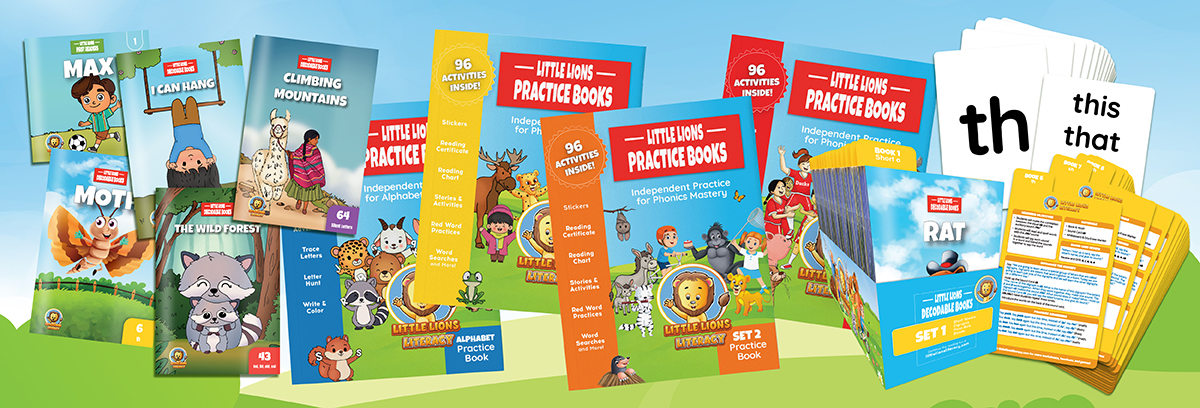
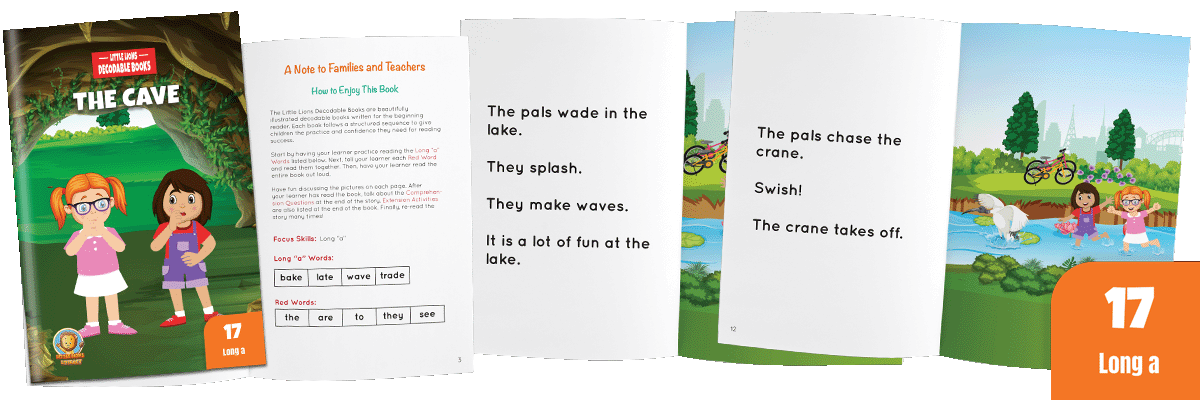
Once your child is comfortable with a few CVC word families, it’s time to put their new skills to work with decodable books. Unlike many picture books, decodable books are intentionally written using only the letter-sound patterns a child has already learned. This is a game-changer for building confidence.
When a child opens a book and discovers they can actually read the words inside, it’s an incredibly empowering moment. It proves to them that the phonics skills they’re learning have a real purpose. Reading books that feature short vowel CVC words in simple sentences provides the perfect context for them to practice and celebrate their growing abilities.
Once your child has a good handle on short vowels, it’s time to introduce their long vowel counterparts. This is an exciting step that opens up a whole new world of words! The simple rule of thumb is that long vowels “say their name.” So, the long A sounds like the ‘a’ in ape, the long E sounds like the ‘e’ in eat, and so on.
Unlike short vowels, which usually follow a simple CVC pattern, long vowels can be spelled in several different ways. This can feel a bit tricky at first, but breaking it down into clear, manageable rules makes all the difference. We’ll walk through four effective strategies to teach these new sounds with confidence.
One of the first and most common long vowel patterns to teach is the “silent e,” also known as the “magic e” or “bossy e.” This rule is a game-changer for early readers. Explain that when an ‘e’ sits at the end of a short word, it’s usually silent. Its job is to tell the other vowel in the word to say its name.
You can show this in action by transforming CVC words into CVCe words. For example, show how kit becomes kite, cap becomes cape, and hop becomes hope. Teach that the ‘e’ at the end makes the preceding vowel say its name. This foundational rule helps children see a clear pattern for how a single letter can change a word’s sound and meaning.
Another key to decoding long vowels is understanding vowel teams. This is when two vowels work together to make a single sound. A helpful phrase to remember is, “When two vowels go walking, the first one does the talking.” This means the first vowel says its name, and the second one is silent.
You can find common vowel teams like ‘ai’ in rain, ‘ea’ in team, ‘ie’ in pie, and ‘oa’ in boat. Long vowels can be spelled in many different ways, so introducing these pairs helps kids recognize them in new words. Using flashcards or creating a chart of vowel teams can be a great way to help your child memorize these common patterns.
Visual aids can make abstract phonics rules much more concrete. When you’re writing out words, you can show children how a curved mark (a breve: ă) above a vowel means it’s short, and a straight line (a macron: ā) means it’s long. These marks act as helpful clues for pronunciation.
For example, you can write the word cap and draw the curved mark over the ‘a’. Then, write the word cape next to it and draw a straight line over the ‘a’ while crossing out the silent ‘e’. This simple visual distinction helps children see and remember the difference between the two sounds. Practicing marking up words together can reinforce this concept in a hands-on way.
Just like with short vowels, word families are a powerful tool for teaching long vowel sounds. When you teach groups of words that share a pattern, children learn to sound out and spell many words at once. This builds fluency and confidence.
Focus on families that share a long vowel pattern, like the “-ake” family (bake, cake, make, take) or the “-ight” family (light, right, night, fight). You can create word sliders or flipbooks to make practice fun and interactive. This method of repetition helps solidify their understanding of spelling patterns. Using decodable books is also an excellent way to practice, as they are specifically designed to give children opportunities to apply these new phonics skills in a real reading context.
Kids learn in all sorts of ways, and the more senses we can engage, the better the information sticks. This is the idea behind multisensory learning—using sight, sound, movement, and touch to make abstract concepts like vowel sounds more concrete and memorable. When a child can see, hear, say, and feel the difference between the /a/ in “apple” and the /a/ in “acorn,” they build stronger neural pathways for that information.
Instead of just relying on flashcards or worksheets, a multisensory approach turns learning into an active experience. It’s especially effective for teaching phonics because it helps children connect the shape of a letter to its sound in multiple ways. By layering these experiences, you give your child more opportunities to grasp and retain the rules of reading. It’s a simple but powerful way to make learning more effective and a lot more fun.
Visual cues are a fantastic starting point for teaching vowels. You can create simple anchor charts that connect each short vowel to a familiar image, like an apple for ‘a’ or an igloo for ‘i’. This gives your child a concrete picture to associate with the abstract sound. For long vowels, you can add visual markers, like drawing a straight line (a macron) over the vowel to show it says its name. Using different colors for short and long vowels in words can also help a child’s eyes spot the patterns more easily. Flashcards are great, but try to go beyond just the letter—include a picture and the word to build context.
Our brains are wired to remember music and rhythm, which is why auditory learning is so powerful. Use catchy phonics songs and simple rhymes to reinforce vowel sounds. You can sing together during car rides or playtime. You can also create your own simple chants, like, “A says /a/, /a/, /a/, apple!” while pointing to the letter. Saying the sounds out loud, exaggerating the mouth movements, and listening to how they sound in different words helps children tune their ears to the subtle differences between vowels. This repetition makes the sounds familiar and automatic.
Getting the body involved can make a huge difference in memory retention. Assign a simple hand motion or gesture to each vowel sound. For example, you could pretend to bite an apple for the short ‘a’ sound or wiggle your fingers like an octopus for the short ‘o’. When you say the sound, do the motion together. This creates muscle memory that connects the physical action to the sound. These kinesthetic learning activities don’t have to be complicated—even just tracing the letter in the air while saying its sound can help solidify the connection in a child’s mind.
Tactile activities allow children to physically feel and manipulate letters, which is incredibly helpful for understanding how words work. Use magnetic letters on a cookie sheet to build CVC words, letting your child swap out the middle vowel to see how the word changes. You can also have them form letters with play dough or write them in a tray of sand or salt while saying the sound. A great way to introduce the silent ‘e’ rule is to have your child build a word like “cap” with letter tiles, say it, and then add the ‘e’ tile to the end to see how it magically changes the word to “cape.”
Once you’ve introduced the basic concepts, the key to mastery is practice, practice, practice. But practice doesn’t have to feel like a chore. Turning vowel lessons into games and hands-on activities is one of the best ways to keep your child engaged and help those tricky sounds stick in their memory. When kids are having fun, they’re more relaxed and open to learning. These activities are designed to reinforce vowel sounds in a playful, low-pressure way, building both skills and confidence. You can mix and match these ideas based on your child’s energy levels and interests. The goal is to make learning a positive experience they look forward to, not something they dread. By incorporating play, you’re not just teaching vowels; you’re fostering a lifelong love of reading.
Who doesn’t love a good game of bingo? Create simple bingo cards with vowels or pictures of CVC words (like cat, sun, pig). As you call out a vowel sound, your child can place a marker on the corresponding square. You can also play a vowel-sound scavenger hunt, asking your child to find objects around the house that start with a specific short vowel sound. These interactive games are fantastic for reinforcing learning because they don’t feel like work. They help children practice identifying sounds quickly and accurately in a fun, competitive (but friendly!) format.
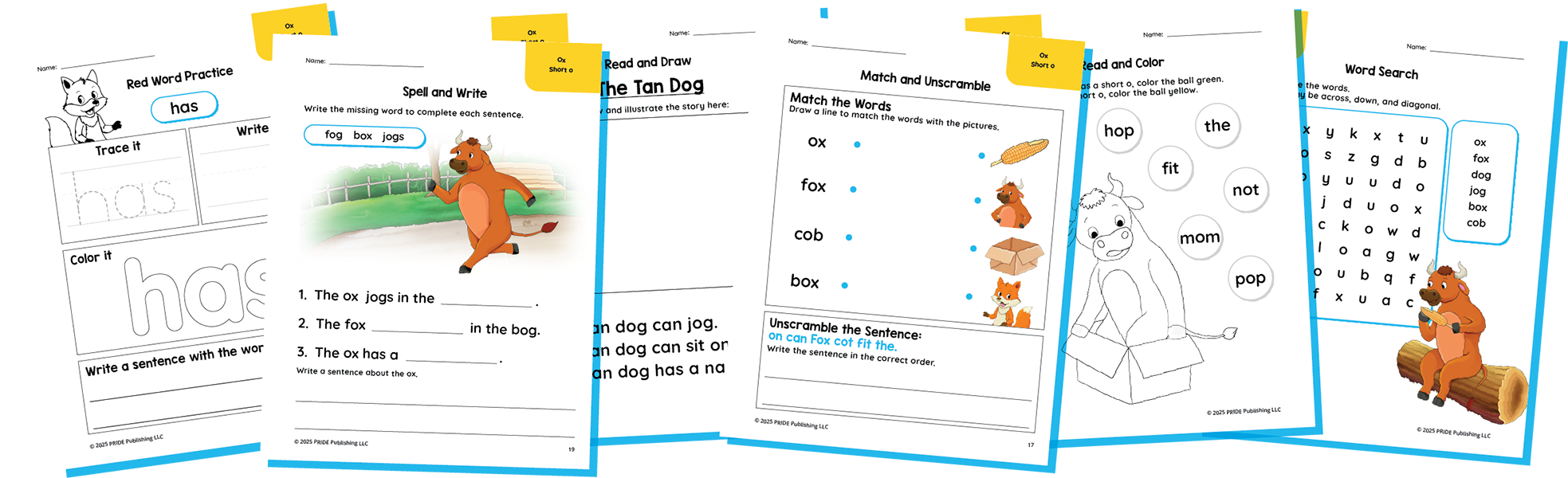
Sorting is a powerful way to help children recognize patterns in words. Write down various CVC words on small cards and have your child sort them into piles based on their middle vowel sound (e.g., all the “-a-” words in one pile, “-e-” words in another). This simple activity helps them physically and visually organize the different sounds. You can also do this with picture cards to focus purely on the sound without the pressure of reading. This hands-on approach helps kids internalize the distinct sounds and builds a strong foundation for understanding word families.
For kids who need to move, sitting still can be the biggest hurdle to learning. Why not incorporate movement into your vowel practice? Assign a simple action to each short vowel sound—for example, touch your toes for /a/ (as in apple), rub your elbows for /e/ (as in egg), or itch your nose for /i/ (as in itch). Call out a sound and have your child do the action. This kinesthetic approach connects physical movement to auditory sounds, creating a stronger memory link that is especially helpful for active learners.
It can be tempting to introduce all five vowels at once, but that can easily overwhelm a young learner. A much more effective strategy is to focus on one vowel sound at a time. Spend a few days, or even a whole week, dedicated to the short “a” sound. Play games, do word sorts, and read books that feature that sound prominently. Once your child feels confident with it, you can move on to the next one. This methodical approach prevents confusion and allows for deep, lasting learning. It respects a child’s cognitive load and sets them up for success.
It’s completely normal for young readers to mix up vowel sounds, especially the tricky ones like short e and short i. Think about how similar “pen” and “pin” sound! The key is to give them clear, hands-on strategies to see, hear, and feel the difference. When a child struggles to tell vowels apart, it’s not a sign of failure—it’s just a signal to try a more direct approach. These targeted exercises help build the strong phonics foundation they need to read confidently. With a little focused practice, these confusing sounds will start to click into place.
One of the most effective ways to help children hear subtle differences is to present similar sounds back-to-back. Use word pairs, often called minimal pairs, that change by only one vowel sound. Say “map” and then “mop.” Ask your child, “What sound was different?” You can do this with word lists, simple flashcards, or word-sorting games. This direct comparison helps train their ear to tune into the specific vowel sounds. Using multisensory teaching methods that involve seeing, hearing, and touching can make this even more effective for young learners.
Sometimes, feeling the sound is just as important as hearing it. Vowel sounds are made with an open mouth, but the shape of our lips and the position of our tongue change for each one. A small mirror can be your best friend here. Have your child say the short e sound (as in bed) and notice how their mouth forms a slight smile. Then, have them say the short i sound (as in bid) and see how their mouth is a bit more closed. This physical feedback helps them connect the shape of their mouth to the sound they’re making, creating a powerful memory anchor.
To build speed and accuracy, try using contrast cards. These are simply word cards featuring words with similar vowel sounds. You can create your own with index cards or print some out. Hold up a card with the word “cat” and then quickly switch to one with “cut.” Have your child read the word aloud and identify the vowel sound. This quick-drill activity helps make their sound recognition more automatic. The goal isn’t to pressure them, but to turn the practice into a quick, low-stakes game that sharpens their phonics skills over time.
Breaking words apart (segmenting) and putting them back together (blending) is a core skill that reinforces how vowels function within words. Use letter tiles or simply tap your fingers to segment a word like “fin” into its three sounds: /f/ /i/ /n/. Then, blend them back together to say “fin.” Do the same with a similar word like “fan” (/f/ /a/ /n/). This activity forces the child to isolate and identify that middle vowel sound before blending it with the consonants. Practicing this skill prepares them to apply their knowledge when they encounter new words in decodable books.
It’s completely normal for young readers to hit a few bumps in the road when learning vowels. These sounds can be abstract and tricky, and some of the rules feel like they were made to be broken. But the good news is that most of these hurdles are predictable, and with a little patience and the right strategies, you can help your child clear them with confidence.
The most common sticking points usually involve telling similar sounds apart (hello, short ‘e’ and ‘i’!), figuring out the many ways to spell long vowels, and forming the sounds correctly when the mouth movements are so subtle. Think of these challenges not as roadblocks, but as signposts showing you exactly where to focus your attention. By breaking down these concepts into smaller, more manageable pieces, you can provide the targeted support your child needs to master vowels and continue on their reading journey.
If your child constantly mixes up words like pin and pen or sit and set, you’re not alone. Many children have trouble telling the difference between short vowel sounds, especially the short /e/ and /i/ sounds, which are produced in a very similar part of the mouth. The key is to make the distinction as clear and concrete as possible.
Try using picture cards for a word-sorting game. Have your child say the name of the picture out loud, exaggerating the vowel sound, and then sort it into a pile for /e/ or /i/. This hands-on activity helps them both hear and see the difference, reinforcing the unique sound of each vowel in a fun, low-pressure way.
Just when a child gets the hang of short vowels, long vowels introduce a new layer of complexity. A single long vowel sound can be spelled in different ways, which can feel confusing for a new reader. For example, the long ‘a’ sound can be spelled with an ‘a_e’ (as in cake), ‘ai’ (as in rain), or ‘ay’ (as in play).
Instead of teaching all these spellings at once, introduce them one at a time. You can dedicate a week to mastering the “silent e” rule before moving on to vowel teams like ‘ai’ or ‘ee’. By focusing on one pattern until it’s solid, you give your child a chance to build mastery and confidence before adding another rule to their toolkit.
Unlike consonants such as ‘p’ or ‘t’ that have very distinct mouth actions, vowels can be tricky because their sounds don’t involve much obvious movement. The subtle shifts in tongue and lip position that create different vowel sounds can be hard for children to see and replicate.
A simple and effective tool to help with this is a small handheld mirror. Have your child say a vowel sound while looking in the mirror, and you can do it alongside them. This allows them to see what their mouth is doing and compare it to yours. You can say things like, “Look how my mouth makes a small circle for the ‘o’ sound,” to give them a clear visual cue to follow.
When you hit a sticking point, sometimes the simplest strategies are the most effective. One of the best things you can do is to teach one vowel sound at a time. This prevents children from feeling overwhelmed and allows them to achieve mastery before moving on.
Another great technique is to use hand motions. Adding a simple gesture for each vowel sound helps connect the sound to a physical movement, which can cement it in a child’s memory. For example, you could pretend to itch your nose for the short /i/ sound or open your mouth wide like you’re taking a bite of an apple for the short /a/ sound. These multisensory connections make learning more engaging and memorable.
Having the right tools in your teaching toolkit can make all the difference when it comes to vowels. Instead of relying on rote memorization alone, you can use a mix of resources to engage your child’s senses and make learning feel more like play. From books that put sounds into context to songs that make rules stick, these resources are fantastic for reinforcing what you’re teaching and building a strong foundation for reading.
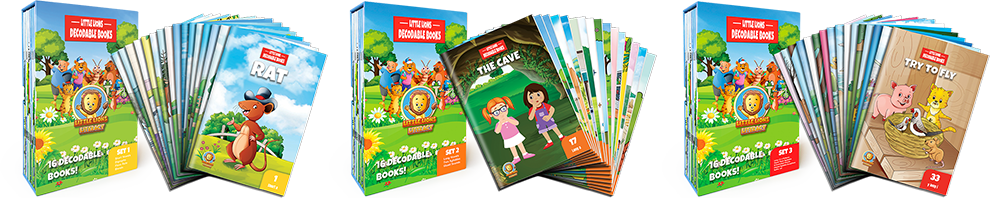
Once a child learns a new vowel sound, they need to see it in action. This is where decodable books shine. These books are carefully written to include specific phonetic patterns, giving kids a chance to practice their new skills in a real story. For example, after learning short ‘a’, a child can read a book filled with CVC words like ‘cat,’ ‘sat,’ and ‘mat.’ This provides meaningful context and repetition, helping the vowel sound click. Our Little Lions Literacy sets are designed to follow this progression, allowing your child to build confidence as they apply what they’ve learned.
Sometimes, a simple visual cue is all a child needs to remember the difference between a long and short vowel. Flashcards are a classic for a reason, but you can make them even more effective by adding diacritical marks—the little symbols that show how a vowel should be pronounced (like a straight line for long vowels and a little curve for short ones). These visual aids help children connect the letter to its sound more concretely. You can also use anchor charts with keyword pictures for each vowel sound (like an apple for short ‘a’ and an acorn for long ‘a’) to hang in your learning space for easy reference.
Getting hands-on is a powerful way to help concepts stick, especially for young learners. Using tactile materials allows children to physically engage with letters and sounds, creating a stronger neural connection. You can roll out play dough to form vowels, trace them in a sand tray, or build words with magnetic letters. This multisensory approach involves more than just seeing and hearing; it lets kids feel the shape of the letters, making the abstract concept of a vowel sound much more tangible and memorable. It’s a fun, low-pressure way to practice that feels more like crafting than schoolwork.
Music and rhythm are incredible tools for memory. Think about how easily you remember the lyrics to your favorite songs! You can apply the same principle to teaching vowels. There are tons of catchy vowel songs online that teach the different sounds, or you can create your own simple rhymes using word families (e.g., “The cat in the hat sat on the mat”). Engaging multiple senses through hearing, seeing, and even moving to the beat helps solidify learning. Singing a quick song before a reading session is a great warm-up to get your child’s brain tuned into vowel sounds.

As your child learns about vowels, it’s helpful to check in on their progress. This isn’t about testing them—it’s about observing what’s clicking and where they might need a little more support. Keeping an eye on their understanding helps you tailor your approach and celebrate their wins along the way. Think of yourself as their reading guide, ready to offer a hand when they reach a tricky spot. These simple check-ins can be woven right into your daily routine, making them feel natural and encouraging.
Consistency is key when it comes to phonics. A few minutes of focused practice each day can make a huge difference. You can easily make learning fun with quick games like Vowel Bingo, Go Fish with word cards, or a scavenger hunt for objects that start with a specific vowel sound. The goal is to keep these check-ins light and positive. Even just five minutes of reviewing flashcards or reading a single short story together reinforces their skills without feeling like a chore. This regular, low-pressure practice builds confidence and helps new concepts stick.
Your shared reading time is the perfect opportunity for an informal progress check. As you read together, you can gently point out different vowel sounds. Ask simple questions like, “Is the ‘a’ in ‘cake’ making its long or short sound?” This helps reinforce what they’re learning in a meaningful context. This is especially effective when you read decodable books together, as they are specifically designed to provide practice with certain phonics patterns. By turning it into a conversation, you can see what they know without the pressure of a quiz, all while enjoying a story.
Every child learns at their own speed, so it’s completely normal for some vowel sounds to be trickier than others. The most important thing you can do is offer plenty of encouragement. If you notice your child consistently mixing up similar sounds, like the short ‘e’ and ‘i’, it might be a sign to try a different approach. This is where multisensory techniques can be a game-changer. Using methods that involve touch, movement, and sound can often help the concept click. Remember, your patient support is the most valuable tool you have.
Why is it so important to teach short vowels first? Starting with short vowels gives your child a solid, reliable foundation to build on. These sounds are incredibly common in the simple, three-letter words that new readers encounter first, like cat, sun, and pig. Because their spellings are so consistent, children can learn a rule and see it work over and over, which is a huge confidence builder. Mastering these five basic sounds first makes it much easier for them to understand more complex spelling patterns later on.
My child constantly confuses the sounds for ‘e’ and ‘i’. What’s a simple way to help? This is one of the most common mix-ups, so you’re not alone! The sounds are very similar, but the way we form them with our mouths is different. A great trick is to use a small mirror. Have your child look in the mirror as they say the short ‘e’ sound (like in bed), and point out how their mouth makes a slight smile. Then, have them say the short ‘i’ sound (like in big) and notice how their mouth is a little more closed. Connecting the sound to this physical, visual cue can make all the difference.
What’s the easiest way to explain the “silent e” rule to a young child? A fun way to explain this is to call it the “magic e.” You can show your child a word like cap and have them read it. Then, add an ‘e’ to the end to make cape. Explain that the ‘e’ at the end is silent, but it has a special job: its magic makes the other vowel in the word say its name. Physically adding the ‘e’ with a letter tile and seeing the word transform from hop to hope or kit to kite makes this abstract rule feel concrete and memorable.
Beyond worksheets, what are some hands-on ways to practice vowel sounds? Getting kids to move and touch makes learning stick so much better. You can use magnetic letters on a cookie sheet to build and change words, letting your child physically swap vowels to see how a word changes. Another great activity is to assign a simple motion to each vowel, like pretending to bite an apple for short ‘a’ or wiggling like an octopus for short ‘o’. Calling out sounds and having them do the motion turns practice into a fun, active game.
How do I know when my child is ready to move from short vowels to long vowels? You’ll know your child is ready to tackle long vowels when they can confidently and consistently read CVC (consonant-vowel-consonant) words with short vowels. They should be able to look at a word like “mop” or “sit” and blend the sounds together without much hesitation. Once they have that solid foundation with all five short vowel sounds, you can begin introducing long vowel patterns, starting with a simple one like the “silent e” rule.