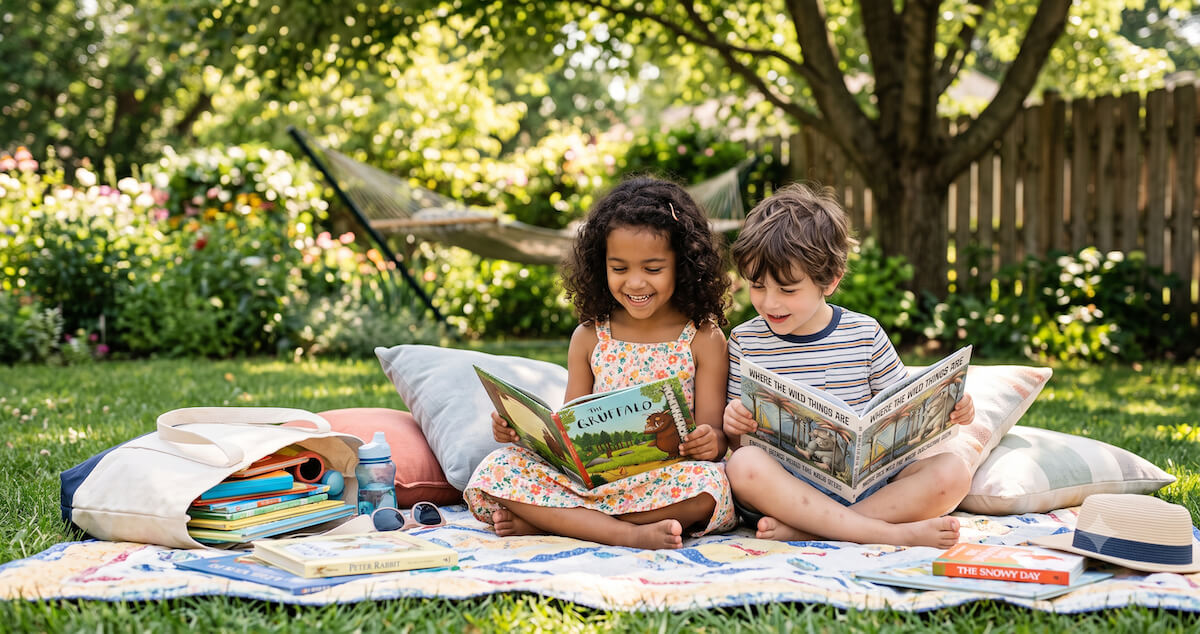
The end of June has arrived. The backpacks are buried somewhere in the closet, the school-year alarm clocks are turned off, and your family has officially transitioned into summer mode. But as summer reading routines for K-2 dissolve into pool days and backyard barbecues, many parents of rising kindergarteners, first graders, and second graders face a familiar wave of anxiety. You start worrying about the dreaded “summer slide“—that seasonal loss of academic skills that can set early readers back by months before the next school year even begins.
Traditionally, the advice given to parents has been simple: “Just read 20 minutes a day.” But if you have an emerging or struggling reader, you know that simply handing them a random book from the library pile often leads to tears, frustration, and guessing.
Thanks to modern brain research, we know that learning to read isn’t a natural process like learning to speak. It requires explicit, structured pathways. To keep your young reader’s skills sharp without turning your summer vacation into a battleground, you don’t need rigid school-year structures. Instead, you need science-backed, joyful summer reading routines for K-2 that fit naturally into your warmer months.
By understanding how a K-2 child should actually be interacting with text during the break, you can prevent regression and actively build confidence. Let’s look at the three distinct ways early readers should engage with text this summer.
When parents think about reading practice, they often focus entirely on the words their child can sound out independently. However, according to the Harvard Graduate School of Education, reading aloud to your child—even after they begin learning to decode on their own—is one of the most powerful tools for long-term comprehension.
In the Science of Reading framework, comprehension relies heavily on two elements: vocabulary and background knowledge. Building these skills often starts with Phonemic Awareness, which provides the foundation for early literacy. When decoding skills are still developing in grades K-2, a child’s listening comprehension level is significantly higher than their independent reading level.
Choose high-quality picture books or early chapter books that are 1–2 grade levels above what your child can read alone. Look for books packed with “Juicy Words” (sophisticated vocabulary words like industrious, persevered, or bountiful).
Don’t just read straight through. Stop to explain unfamiliar words, ask your learner what they think will happen next, and connect the story to real summer adventures.
Long road trips or quiet afternoons are perfect opportunities for audiobooks. Listening to a story while staring out the window or coloring builds robust mental imagery skills essential for deep reading comprehension.
While listening to complex stories expands your child’s mind, they still need to practice the mechanical mechanics of reading. This is where standard summer reading lists often fail young children. Many well-meaning lists suggest predictable picture books (books with repetitive sentences like, “I see a brown bear. I see a blue bird.”).
Predictable texts force children to guess words based on pictures or context clues rather than looking closely at the letters. This habit counteracts classroom instruction rooted in phonics. To build true fluency, independent summer reading routines for K-2 must center on decodable text.
What is a decodable book? A decodable book contains only the phonics patterns and high-frequency words a child has been explicitly taught. Instead of guessing, the child has the exact tools they need to successfully sound out every word on the page.
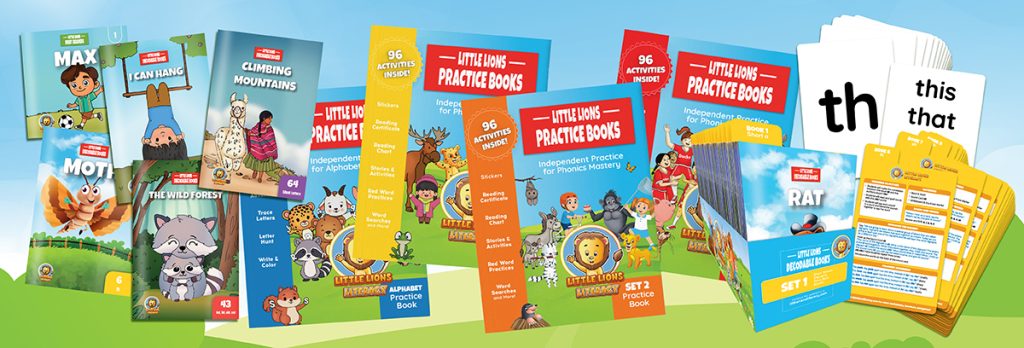
When packing your travel bags, make sure you include structured resources tailored to your child’s specific developmental stage. Using targeted Decodable Books for Kindergarten ensures your rising first grader is practicing sound-letter correspondences rather than relying on memorization.
Independent reading practice doesn’t need to take an hour. In fact, short, focused sessions are much more effective for young brains. Aim for 10 to 15 minutes of accurate decoding practice daily.
If your child stumbles on a word like shop, don’t tell them to “look at the picture.” Instead, point to the letters and say: “Let’s sound it out together: /sh/ /o/ /p/. Shop.” This reinforces the process of orthographic mapping—the way the brain permanently stores words for instant retrieval.
Reading practice shouldn’t only happen while sitting on the couch or at a desk. The summer months offer a goldmine of environmental print that can make reading feel purposeful, functional, and deeply rewarding. Show your K-2 child that reading is a super-power they can use to navigate the world around them.
According to this guide published by Reading Rockets, embedding informal literacy moments into your daily routine reduces reading resistance and keeps children engaged in text throughout the day without feeling like they are doing “homework.”
Have your child read the simple steps or ingredient measurements out loud while you make popsicles, bake cookies, or put together a summer salad.
Hand your child the physical map or brochure when visiting a zoo, museum, or theme park. Ask them to decode signs like EXIT, STOP, ZOO, or GIFT SHOP.
Take learning outside! Write CVC words or consonant blends on the driveway with chalk and have your child stomp on, spray with a water gun, or jump to the sounds as you call them out. This multi-sensory approach keeps vital phonics skills intact.
To help you get started today, here is a quick reference guide on how to balance these routines based on the grade your child is entering this fall:
| Rising Grade Level | Listen & Learn Focus | Practice the Code (Independent) | Real-World Interaction |
| Rising Kindergarten | Rhyming stories, fairy tales, and rich picture books read aloud by an adult. | Alphabet recognition and tracking print from left to right using your finger. | Finding letters on cereal boxes and street signs. |
| Rising 1st Grade | Non-fiction books about animals, space, or nature to build background knowledge. | CVC words (like cat, sit, bug) and basic digraphs (ch, sh, th) in early decodable readers. | Reading simple grocery lists or writing postcards to grandparents. |
| Rising 2nd Grade | Chapter books read aloud by a parent, or engaging, complex audiobooks. | Consonant blends, long vowels (silent e), and multi-syllable words in decodable chapter books. | Reading board game instructions or helping read a recipe steps out loud. |
To make these summer reading routines for K-2 sustainable, it helps to anchor them to existing parts of your day. You don’t need a rigid classroom schedule; instead, aim for a predictable rhythm that allows literacy to feel like a natural part of your summer life. Here is a simple way to structure your week:
Right after breakfast or before the pool, do a quick “Practice the Code” session with a decodable book while focus is at its peak.
Use the “Real World Read” routine while grocery shopping or driving. Have your child decode three items on your list or read the signs at the post office.
Wind down with your “Listen and Learn” read-aloud. This is the perfect time for complex stories and rich vocabulary without the pressure of decoding.
By spacing these moments out, you ensure your child is getting high-quality practice without the burnout.
Protecting your child’s literacy development over the summer break doesn’t require workbooks or strict schedules. By implementing simple, sustainable summer reading routines for K-2 that balance rich read-alouds, real-world text interactions, and explicit decodable book practice, you will keep your young reader’s brain active, confident, and perfectly prepared for the first day of school.
Keep it light, keep it structured, and remember that just 15 minutes of intentional literacy interaction a day can make all the difference.
Ready to set your early reader up for success this summer? Explore our curated collection of Science of Reading Summer Tips resources and find the perfect, travel-friendly Decodable Books for Early Readers to pack in your bag today!
Frustration usually means the book is too difficult or is forcing them to guess. Swap out the book for a highly controlled decodable text that matches what they learned in school. If they are still struggling, shift to “echo reading”: you read a sentence accurately while pointing to the words, and then your child reads the exact same sentence back to you.
Audiobooks are incredible for building vocabulary, comprehension, and a love for storytelling, but they do not replace the physical mechanics of decoding. A balanced summer approach includes both: listening to audiobooks for enjoyment and vocabulary building, and reading physical decodable books aloud to practice phonics skills.
Keep it low-stakes and highly collaborative. You can alternate pages with your child, create a cozy outdoor reading tent with sheets and lawn chairs, or reward their reading consistency with a special trip to get ice cream. Letting them pick the topic of their read-aloud books also dramatically boosts motivation.