The short e sound is one of the trickiest vowel sounds for young readers to master. Unlike the short a or short i, the short e can be hard for children to hear clearly, which is why focused practice matters so much. It is the vowel sound in everyday words like bed, pen, and net.
This guide provides a complete list of short e words organized by word family, along with example sentences and hands-on activities you can use at home or in the classroom today.
Shop Little Lions Short Vowel CVC Decodable Books
The short e sound is the vowel sound you hear when you say the word egg. Linguists write it as /ĕ/, and it is produced with the mouth slightly open and the tongue in a mid-front position. If you say the words bed, pen, and jet out loud, the middle sound in each word is the short e.
Short e is different from the long e sound. Long e says its own name, like in tree or feet. Short e is quicker and more relaxed, like in red or set. Understanding this difference is a foundational phonics skill that every beginning reader needs.
In systematic phonics instruction, short e is usually taught after short a and short i because:
Why do children confuse short e and short i? The two sounds are produced in a very similar position in the mouth. Words like bed and bid, or pen and pin, sound almost identical to young ears. Use a mirror during practice so children can watch their mouth position. For short e, the mouth is slightly more open than for short i. Practicing word pairs side by side is one of the best ways to train the ear.
One of the most effective ways to teach short e words is to group them by word family. A word family is a set of words that share the same ending sounds (called the rime). When children learn the -et pattern, for example, they can quickly read bet, get, jet, met, and net just by changing the first letter.
Below are the most common short e word families, organized into CVC patterns and beyond.
| bed | fed | led | red | wed |
| bled | bred | fled | pled | shed |
| sled | shred |
Example sentences:
– I fed the dog and made the bed.
– The cat fled to the shed.
| Ben | den | hen | Ken | men |
| pen | ten | then | when | wren |
Example sentences:
– The hen sat in the den.
– Ben had ten red pens.
| bet | get | jet | let | met |
| net | pet | set | vet | wet |
| yet | fret |
Example sentences:
– The vet will pet the wet dog.
– I have not met him yet.
| beg | keg | leg | Meg | peg |
Example sentences:
– Meg hurt her leg.
– The dog will beg for a treat.
| bell | cell | dell | fell | jell |
| sell | tell | well | yell | dwell |
| shell | smell | spell | swell |
Example sentences:
– I can tell by the smell.
– The bell fell into the well.
| beck | deck | neck | peck | check |
| fleck | speck | wreck |
Example sentences:
– Check the deck for a speck.
– The bird gave a peck on the neck.
| best | jest | nest | pest | rest |
| test | vest | west | zest | quest |
| chest | crest |
Example sentences:
– The nest is in the west.
– She did her best on the test.
| bent | dent | lent | rent | sent |
| tent | vent | went | scent | spent |
Example sentences:
– He went to the tent.
– Mom sent the rent check.
| bend | blend | end | fend | lend |
| mend | rend | send | spend | tend |
| trend |
Example sentences:
– Can you lend me a hand to mend this?
– Blend the sounds from start to end.
| bless | dress | guess | less | mess |
| press | stress | chess |
Example sentences:
– Her dress is a mess.
– Press the button and guess.
| gem | hem | stem | them |
Example sentences:
– Cut the stem and hem the cloth.
– Give them the gem.
| pep | rep | step | prep |
Example sentences:
– Step up and show some pep.
– Time to prep for the next step.
Teaching Tip: The short e sound can be particularly tricky because children may hear it as short i. When practicing these word families, try pairing short e words with short i words side by side: bed/bid, pen/pin, set/sit. Have your child touch their chin while saying each pair. The jaw drops slightly more for the short e sound.

Having a word list is a great start, but how you practice matters just as much. Here are four proven strategies that turn these short vowel words into real reading skills.
Write short e words on index cards. Have your child sort them into piles by word family (-ed, -en, -et, and so on). This trains the brain to notice patterns instantly, which is the foundation of fluent reading.
Use magnetic letters, letter tiles, or even Scrabble tiles. Start with a rime like -et and have your child swap out the beginning consonant to make new words: b-et, g-et, j-et, n-et. This is called onset-rime blending, and it is one of the most effective phonics strategies for early readers.
Read a simple sentence aloud and have your child write it. Start easy:
– The hen sat on the bed.
– Ben got a wet pet.
– A red jet left the deck.
This builds encoding skills (spelling) alongside decoding skills (reading). When children can both read and write short e words, the sound-letter connection is locked in.
The most powerful practice tool is a decodable book. Unlike leveled readers that encourage guessing from pictures, decodable books use only the sounds your child has already learned. Every word is an opportunity to practice real decoding.
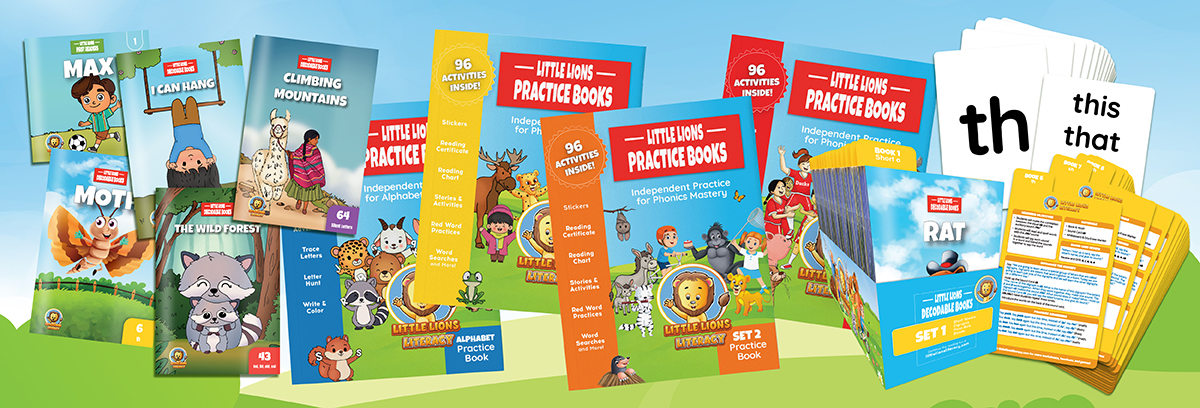
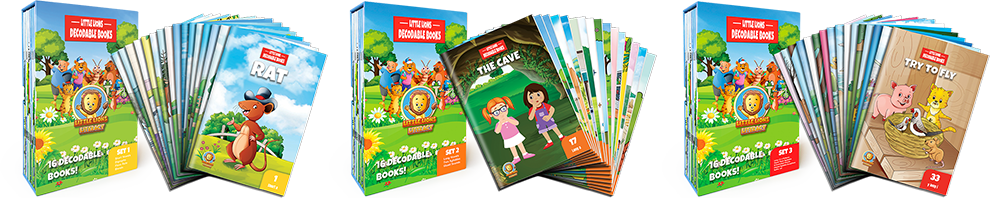
The Little Lions Decodable Books include stories focused specifically on short vowel CVC words, so your child practices the exact patterns from the word lists above in a real reading context.
Browse the Little Lions Decodable Books Collection

These hands-on activities keep kids engaged while reinforcing the short e sound. Each one takes less than 15 minutes and needs minimal materials.
Create bingo cards with short e words from the word families above. Call out words one at a time. Children cover the word on their card with a token. First to get a row wins. This is perfect for classrooms because it gets the whole group practicing simultaneously.
Start with a word like bed. Change one letter at a time to make a new word:
– bed > red > led > leg > beg
Word ladders teach children that changing a single sound changes the entire word, which is a core phonemic awareness skill.
Label each cup of an egg carton with a short e word family (-ed, -en, -et, -ell, -eck, -est). Write short e words on small slips of paper. Have children read each word and drop it into the correct cup. This is a tactile activity that works well for kinesthetic learners.
Give kids three piles of cards: beginning sounds, word family endings, and simple sight words (the, a, on, is). Challenge them to build the silliest sentence they can using only short e words. “A wet hen fell on a red bed” becomes a source of giggles and genuine reading practice.
Pick a room in your house or a page in a book. Challenge your child to find every word with the short e sound. Keep a tally. Can they beat their record tomorrow? This builds phonemic awareness, the ability to hear individual sounds within words, which is the foundation of all reading.
Once your child can confidently read and spell short e CVC words, they are ready for the next step. In most systematic phonics programs, the typical progression is:
After mastering all five short vowels, children move on to consonant blends, digraphs, and eventually long vowel patterns. The key is to not rush. Let your child build fluency with short e before introducing the next sound. Rereading decodable books at this level multiple times builds speed and confidence.
Get the Little Lions Decodable Books for Your Child
The short e sound is the vowel sound /ĕ/ heard in words like bed, get, and hen. It is produced with the mouth slightly open and the tongue in a mid-front position. It is different from the long e sound (as in tree), which says the letter’s name.
Common short e words include bed, red, pen, hen, net, jet, set, leg, bell, well, nest, and best. These all follow CVC (consonant-vowel-consonant) or similar short vowel patterns, making them ideal for beginning readers.
Start by introducing the /ĕ/ sound in isolation. Then practice blending simple CVC words like bed and net. Use word family sorts to help your child notice patterns. Read short vowel decodable books together, and use hands-on activities like letter tiles and word ladders to keep practice engaging.
Short e is the sound in bed and net. Long e says the letter’s name, as in tree, feet, and see. The key difference is in the vowel pattern: short e appears in closed syllables (CVC), while long e appears in open syllables, silent-e words, and vowel team patterns like ee and ea.
The short e (/ĕ/) and short i (/ĭ/) sounds are produced very close together in the mouth. Words like bed/bid and pen/pin sound almost identical to young children. Use mirror practice, word pair comparisons, and vowel-intensive drills to help children learn to distinguish the two sounds.