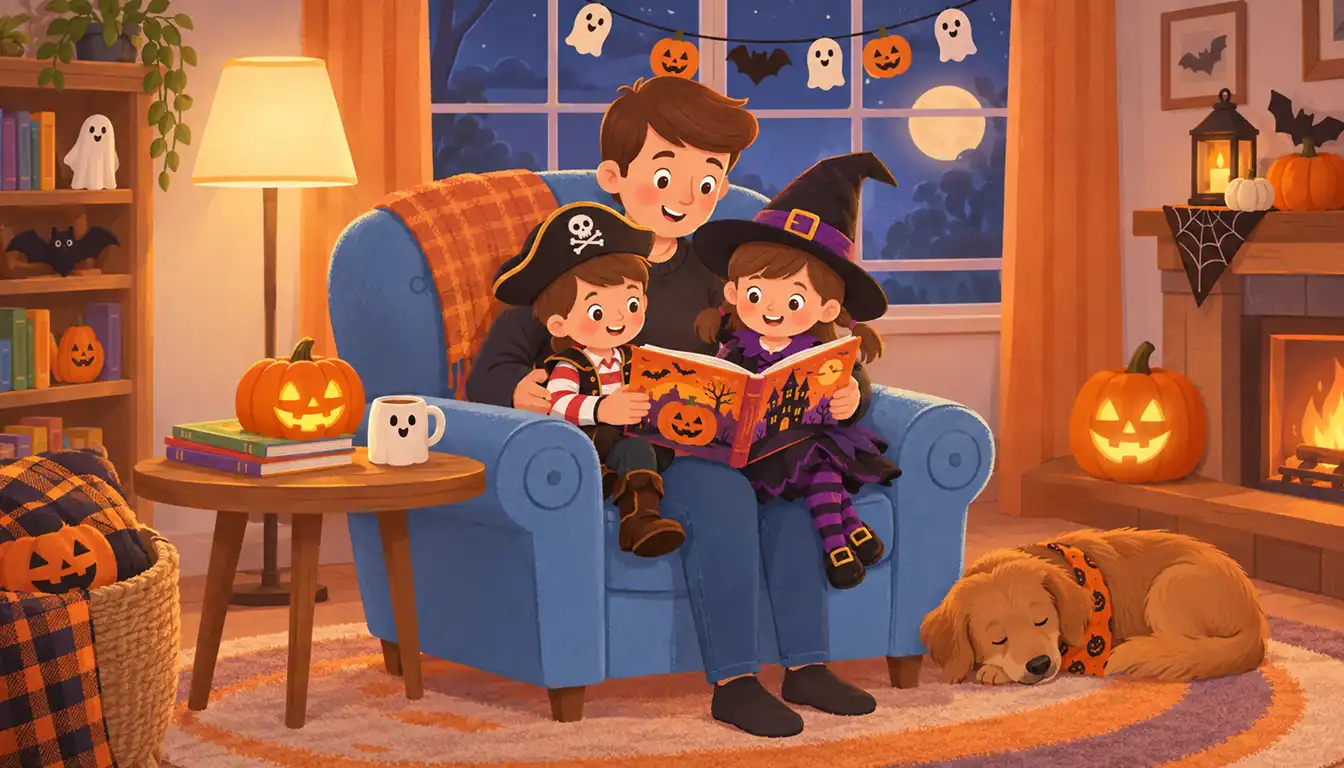
October is here, and Halloween is right around the corner! While costumes and trick-or-treating get most of the spotlight, Halloween is also one of the absolute best times of year to snuggle up and build a love for reading.
Spooky (and not-so-spooky!) stories are fantastic for helping children explore feelings of bravery, practice predicting what happens next, and learn new, colorful vocabulary. Choosing themed Halloween books for early readers is a great way to make reading time feel extra special and exciting.
Here are 3 spooky-good Halloween book picks for your Little Lions this month, along with quick comprehension prompts to try after you read together!
Reading mildly suspenseful stories helps young children process mild fear in a safe, controlled environment. If a book feels a little scary to your reader, pause and remind them: “You’re safe right here with me, and we can turn the page whenever you’re ready!”
Looking for a fun, seasonal way to help your child practice decoding skills? Download our free printable Halloween decodable book, The Little Witch! It’s the perfect spooky-fun story to build reading confidence and phonics skills this October.
FREE Book > The Little Witch

While decodable readers are essential for practicing specific sound-spelling patterns, interactive read-alouds play a crucial complementary role. Engaging with rhyming stories and rich text builds foundational phonological awareness—such as recognizing rhythm, alliteration, and word sounds—which directly strengthens a child’s ability to decode new words independently.
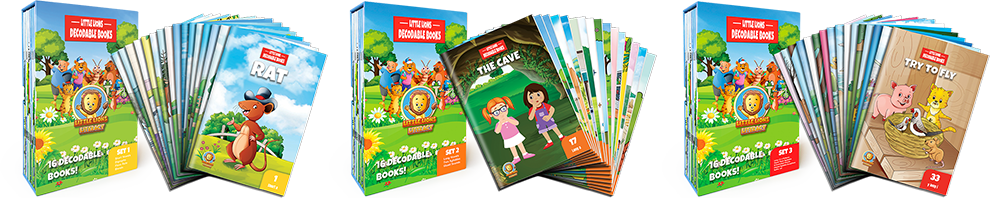
Ready to support your young reader with targeted practice? Explore our collection of Little Lions decodable books to help build confidence, master foundational phonics patterns, and foster a lifelong love for reading today!
A Guide to Decodable Books for Independent Reading
Reading Fluency Practice: A Complete Guide for Families and Teachers
19 Fun Family LIteracy Night Ideas for Your School
5 Best Beginner Free Printable Phonics Books
Yes, provided the scare factor is mild and age-appropriate! Mildly suspenseful stories keep engagement high and teach children how to process mild emotions within a safe context. However, always ensure the resolution of the story is comforting, funny, or reassuring. For struggling readers, high-interest themes like Halloween provide the extra motivation needed to push through challenging reading tasks.
Most seasonal picture books contain advanced vocabulary and complex sentence structures, making them ideal for interactive read-alouds led by a parent or educator. For independent reading, children should be given text that strictly matches their current phonics knowledge, such as skill-appropriate decodable reader sets. Use picture books to build comprehension and decodable books to build word recognition.
Try “choral reading” (reading the text aloud together in unison) or “echo reading” (you read a sentence first with expression, and your child repeats it back to you). You can also use a blank index card or tracking bookmark to isolate one line of text at a time, which reduces visual clutter and helps early readers maintain focus.