The Science of Reading wasn’t invented in a single moment; it was carefully built over many years by dedicated pioneers. These researchers—neurologists, psychologists, and educators—wanted to understand the most complex skill the human brain learns: how to read. Their work has given us a clear map of the reading brain and the most effective ways to teach this essential skill. So, if you’re wondering who created the science of reading, the answer is a group of brilliant minds. Their groundbreaking studies provide the solid evidence behind structured literacy, giving us the confidence to use proven methods, like systematic phonics and decodable books, to support our young readers.
If you’ve spent any time in parenting or education circles lately, you’ve probably heard the phrase “Science of Reading.” It sounds a bit intimidating, but the concept is actually pretty straightforward. The Science of Reading isn’t a specific curriculum, a new trend, or a teaching philosophy. Instead, it’s a comprehensive body of research that spans over five decades. This research pulls from multiple fields—including cognitive psychology, education, and neuroscience—to give us the clearest possible picture of how our brains learn to read.
Think of it as a massive collection of studies that all point to the same conclusions about what works best for teaching kids to read. This research helps us understand everything from how a child first learns to recognize sounds in words to how they eventually make sense of complex sentences. It moves reading instruction away from guesswork and toward proven, evidence-based methods. By understanding the science, we can give every child the tools they need to become a confident, proficient reader and avoid common instructional practices that we now know are ineffective.
At the heart of the Science of Reading are a few key ideas. The most well-known are the “five pillars” of reading, identified by the National Reading Panel back in 2000. These are the essential components that need to be taught for a child to become a skilled reader: phonemic awareness, phonics, fluency, vocabulary, and comprehension.
Ultimately, all of these pillars work together to support the main goal: reading comprehension. For a child to understand what they read, two foundational skills are essential. First, they need to be able to decode the words on the page (phonics). Second, they need to understand the language of those words (vocabulary and background knowledge). When both of these skills are strong, a child has everything they need to truly understand a text.
So, why is all this research so important? Because it shows us what truly works. For years, there has been a significant gap between what scientists have discovered about reading and the methods used in many classrooms. This has unfortunately left many children struggling. When teachers use instructional methods that are backed by solid evidence, students have a much better chance of success.
Research consistently shows that systematic phonics instruction is one of the most effective ways to teach children how to read. When kids are explicitly taught how letters and sounds work together, they build a strong foundation for decoding words accurately and fluently. Adopting these evidence-based practices means we can stop guessing what might work and start using strategies that science has proven will help our kids thrive.
The Science of Reading isn’t a new trend or a program created by a single person. It’s a vast body of research built over decades by dedicated scientists, psychologists, and educators who wanted to understand one thing: how we learn to read. These researchers have given us a clear map of the reading brain and the most effective ways to teach children this essential skill. Their work forms the foundation of everything we know about evidence-based literacy instruction.
Getting to know these pioneers helps us understand why certain teaching methods work so well. Their studies and models provide the evidence behind practices like systematic phonics and phonemic awareness activities. They’ve moved reading instruction from a field of competing philosophies to one grounded in scientific proof. By exploring their key contributions, you can feel more confident in the structured literacy approach and better equipped to support the young reader in your life. Let’s meet some of the brilliant minds who shaped our modern understanding of reading.
Long before brain imaging existed, neurologist Samuel T. Orton and educator Anna Gillingham were on the front lines, working with students who struggled to read. In the 1930s, they developed the Orton-Gillingham approach, a groundbreaking method for teaching reading and writing. They recognized that for many children, especially those with dyslexia, learning to read required a structured, multisensory plan. Their work emphasized explicitly and systematically connecting letters to their sounds. This laid the foundation for the structured literacy instruction that we know is effective for all children today.
Have you ever wondered what the essential ingredients for reading comprehension are? In 1986, Philip Gough and William Tunmer gave us a straightforward answer with their “Simple View of Reading.” They proposed that reading comprehension is the product of two key skills: decoding (being able to sound out words) and language comprehension (understanding what those words mean in spoken language). Think of it as a formula: Decoding x Language Comprehension = Reading Comprehension. This model makes it clear that a child needs to be strong in both areas. A child who can sound out every word but doesn’t know what they mean won’t understand the text, and vice versa.
To build on the Simple View of Reading, researcher Hollis Scarborough developed a beautiful and powerful visual in 2001: the Reading Rope. This model shows how skilled reading is woven together from many different sub-skills. The rope has two main strands: Word Recognition and Language Comprehension. Each of these main strands is made of smaller threads, like phonological awareness, decoding, vocabulary, and background knowledge. Over time and with practice, these threads intertwine and tighten, creating a strong, integrated rope that represents a fluent, skilled reader. It’s a perfect illustration of the complexity and interconnectedness of learning to read.
In the 1960s, a major debate was raging in education about the best way to teach reading. On one side was the “whole language” approach, which focused on guessing words from context, and on the other was systematic phonics. Educational psychologist Jeanne Chall conducted a massive analysis of the existing research and found a clear winner. Her pivotal work demonstrated that systematic phonics instruction was significantly more effective for teaching children how to read. Her findings were controversial at the time but have since been validated again and again, shaping reading education for decades to come.
Dr. Sally Shaywitz, a neuroscientist at Yale University, has dedicated her career to understanding the reading brain, particularly for individuals with dyslexia. Using modern brain imaging technology, her research has shown exactly what happens in the brain during reading. She helped identify the neural signature for dyslexia, showing it’s a difference in brain wiring, not a lack of intelligence. Most importantly, her work highlights the brain’s incredible plasticity. Dr. Shaywitz’s research emphasizes the critical need for early identification and intervention, proving that with the right kind of instruction, children’s brains can build new pathways to become successful readers.
To understand why the Science of Reading is so important today, it helps to look back at how reading instruction has changed over the years. The methods used in classrooms haven’t always been based on the solid evidence we have now. For decades, different philosophies competed for the top spot, leading to a lot of confusion for teachers, parents, and especially for kids. This ongoing argument, often called “The Reading Wars,” pitted two main ideas against each other: teaching kids to sound out words (phonics) versus teaching them to recognize whole words and use context clues.
This history isn’t just an academic exercise; it shows a journey toward discovering the most effective ways to teach children how to read. It’s a story of passionate educators, groundbreaking research, and a few key moments that completely shifted our understanding of the reading brain. From influential books that challenged the status quo to massive government-led studies, the path to our current understanding was long and often contentious. By exploring these major debates and landmark findings, we can better appreciate the structured, evidence-based approach that the Science of Reading provides. This context helps us feel more confident in how we support our young readers and why tools like decodable books are so critical for building a strong foundation.
For a long time, the central conflict in teaching reading was between phonics and the “whole language” approach. Phonics instruction focuses on explicitly teaching children the relationships between letters and sounds so they can decode words. In contrast, the whole language philosophy suggested that learning to read is a natural process, much like learning to speak. It encouraged children to use context clues, pictures, and memory to guess words. This debate created a lot of uncertainty in schools, with many adopting a “balanced literacy” approach that tried to mix elements of both, often without the strong, systematic phonics instruction that research shows is essential for most children.
In the 1950s, just as the whole language approach was gaining momentum, a writer named Rudolf Flesch published a book that sent shockwaves through the education world. His book, Why Johnny Can’t Read, made a powerful and public case for returning to systematic phonics instruction. Flesch argued that the popular methods of the time were failing students by not teaching them the basic code of the English language. His work brought the phonics debate to the forefront of public conversation, influencing parents and educators to question the prevailing teaching methods and demand a more direct, code-based approach to reading.
A major turning point came in 2000 with the release of the National Reading Panel Report. Congress asked a large panel of experts to conduct a massive review of over 100,000 studies on reading. Their goal was to find out, based on evidence, what truly works. The report’s findings were clear and conclusive. It identified five essential components of effective reading instruction: phonemic awareness, phonics, fluency, vocabulary, and comprehension. These “five pillars of the Science of Reading” provided a research-backed roadmap for teachers and became the foundation for the modern Science of Reading movement, emphasizing the need for explicit and systematic instruction.
If you think of a skilled reader as a sturdy house, these five components are the foundation, walls, and roof. In 2000, the National Reading Panel published a landmark report identifying five essential components for teaching children how to read. These “five pillars” are phonemic awareness, phonics, fluency, vocabulary, and comprehension.
A strong literacy program doesn’t just pick one or two of these areas to focus on; it weaves all five together. Each pillar supports the others, and weakness in one area can affect a child’s overall reading ability. Understanding what each pillar represents helps you see the full picture of your child’s reading journey and identify where they might need a little extra support. Let’s look at what each one means for your little reader.
Before kids can read words, they need to be able to hear the individual sounds within them. That’s phonemic awareness. It’s all about auditory skills—no letters involved. This is the ability to play with sounds: to blend them, break them apart, and change them. Think about rhyming games, clapping out syllables in a name, or asking, “What’s the first sound in ball?” (/b/). The National Reading Panel identified this as a critical skill that prepares children for phonics. When a child can hear that the word “cat” is made up of three sounds—/k/ /a/ /t/—they are ready to connect those sounds to the letters c, a, and t.
Phonics is the pillar that connects spoken language to written language. It teaches the relationship between sounds (phonemes) and the letters or letter groups that represent them (graphemes). This is the “code-breaking” part of reading. Systematic phonics instruction shows children that our written language has a predictable system. For example, they learn that the letter ‘m’ makes the /m/ sound. This knowledge allows them to decode, or sound out, unfamiliar words. As the National Reading Panel report explains, this is a fundamental skill for reading success. Using decodable books gives children the perfect opportunity to practice these new skills with texts that only use the letter-sound patterns they have already learned.
Fluency is the bridge between decoding words and understanding them. A fluent reader can read text accurately, at a good pace, and with expression—they sound like they’re talking, not like a robot. When children can read fluently, they don’t have to spend all their mental energy sounding out every single word. Instead, their brain is free to focus on the story’s meaning. You can help your child build fluency by encouraging them to reread their favorite books. Each time they read a familiar story, their speed and accuracy improve, building the confidence they need to tackle new texts. This skill is crucial for developing strong comprehension.
Vocabulary is all about the words a child knows and understands. The more words a child has in their mental library, the more they can comprehend what they read. A child might be able to sound out the word “enormous,” but if they don’t know what it means, the sentence won’t make much sense. Vocabulary is built in two ways: directly, through instruction, and indirectly, through everyday experiences. Reading books aloud to your child is one of the best ways to expose them to new words. When you come across a new word, take a moment to talk about what it means. These conversations build a rich vocabulary that directly supports reading comprehension.
Comprehension is the ultimate goal of reading. It’s the ability to process text, understand its meaning, and integrate it with what you already know. A child can read every word on a page perfectly, but if they can’t tell you what it was about, they haven’t truly comprehended it. This pillar relies on all the others working together. Strong decoding skills, fluency, and a wide vocabulary all pave the way for deep understanding. You can support your child’s comprehension by asking questions as you read together. Ask them to predict what might happen next, talk about the characters’ feelings, or connect the story to their own life. These simple strategies turn reading into an active, thoughtful process.

The “Science of Reading” isn’t just a catchy phrase; it’s a massive body of research built over decades by experts from many different fields. Think of it like building a house. You need an architect to draw the plans, an engineer to ensure the structure is sound, and a construction crew to put it all together. Each expert brings a unique skill set, but they all work toward the same goal. In reading science, these experts are cognitive psychologists, neuroscientists, and education researchers. They each use their own tools and methods to understand one of the most complex things our brains learn to do: read.
By looking at reading from these different angles, we get a complete and reliable picture. Cognitive psychologists help us understand the mental steps a child takes to sound out a word. Neuroscientists show us what’s happening inside the brain when those connections are made. And classroom researchers test teaching methods to see what actually works with real kids in real schools. This collaborative effort is what makes the Science of Reading so powerful. It’s not based on one person’s opinion or a passing trend. Instead, their combined findings give us a solid, evidence-based foundation for teaching reading effectively, taking the guesswork out of instruction and giving every child the best possible start on their literacy journey.
Cognitive psychology looks at the “how” of reading—the mental processes happening behind the scenes. Researchers in this field design controlled experiments to figure out how kids recognize words, make sense of sentences, and eventually read smoothly. For example, they might measure how quickly a child can identify a word versus a non-word to understand their decoding skills. By isolating these specific mental tasks, they can pinpoint exactly where a child might be struggling. This work provides critical insights into how children learn to read, forming the basis for many of the structured literacy approaches we use today.
If cognitive psychology is about the “how,” neuroscience is about the “where.” Using tools like fMRI scans, scientists can actually watch the brain in action as a person reads. These brain imaging studies show us which parts of the brain light up when we’re decoding words versus understanding their meaning. This research has been groundbreaking, especially for understanding reading difficulties like dyslexia. It shows us the specific neural pathways involved in reading and reveals clear differences in brain activity between skilled and struggling readers, confirming that reading isn’t natural—it’s a skill the brain has to be taught to do.
Theories and lab results are great, but they have to work in the real world. That’s where classroom-based research comes in. Researchers go into actual schools to observe and analyze how different teaching methods affect student learning. They might compare a class using a phonics-based program with one using a different approach to see which gets better results over time. This type of research is essential because it bridges the gap between scientific theory and practical application, helping to identify the most effective teaching methods for teachers to use.
The Science of Reading isn’t a new trend or a specific curriculum; it’s a massive collection of research from the last several decades, all pointing to how children actually learn to read. This evidence gives us a clear, reliable roadmap for the most effective ways to teach them. When we talk about using a structured, phonics-based approach, we’re not just going with a hunch—we’re following the science. This research provides a solid foundation for why methods like using decodable books are so successful in building confident, capable readers. Let’s look at some of the key evidence that supports this approach.
One of the most significant milestones in reading research was the 2000 report from the National Reading Panel. After reviewing thousands of studies, this expert panel identified five essential components of effective reading instruction. These “five pillars” are the non-negotiables for any strong reading program:
These pillars all work together to build a skilled reader, and a strong phonics foundation is critical to the entire structure.
Here’s a fascinating fact: reading isn’t a natural process like learning to speak. Our brains aren’t born wired for it. Research in cognitive science has shown us exactly how the brain learns to repurpose other areas to create the complex neural pathways required for reading. This research highlights why simply surrounding children with books, while wonderful, isn’t enough for many of them to become proficient readers. It confirms that explicit, systematic instruction is necessary to build these connections efficiently. Understanding the cognitive processes involved helps educators and parents provide the right kind of support at the right time, making the journey to literacy smoother and more successful.
Have you ever wondered what’s actually happening inside a child’s brain as they learn to read? Thanks to advancements in brain imaging, we can now see it in action. These studies show us the specific areas of the brain that work together to process letters, connect them to sounds, and make meaning from words. This technology has also revealed key differences in the brain activity of skilled readers versus those who struggle, including individuals with dyslexia. The findings are clear: learning to match letters to sounds is a complex task that forges new connections in the brain. This visual evidence powerfully reinforces the need for direct, structured teaching methods to build a strong foundation for every reader.
You are your child’s first and most important teacher, and supporting their reading journey at home can be one of the most rewarding parts of parenting. It doesn’t require special training or hours of prep work. By weaving simple, fun activities into your daily routine, you can reinforce what your child is learning in school and show them that reading is a joyful, exciting adventure. These small moments of connection build a strong foundation for a lifetime of learning and discovery.
Turning your home into a place where words are celebrated is a powerful way to support your young reader. This is about more than just having a bookshelf; it’s about making reading a visible and natural part of everyday life. Keep books in the living room, in the car, and by their bed. Let your child see you reading for pleasure, whether it’s a novel or a magazine. Talk with them, ask questions, and tell stories to build their vocabulary. Creating a literacy-rich environment shows your child that reading is not just a school subject, but a gateway to new ideas and fun.
Before children can read words on a page, they need to be able to hear and play with the individual sounds in spoken words. This skill is called phonemic awareness, and you can practice it anywhere, no materials needed! Play rhyming games, sing songs, and say tongue twisters. A simple car game could be, “I’m thinking of a word that starts with the /m/ sound… mom!” As they get more advanced, you can practice blending sounds together (/c/ /a/ /t/ makes “cat”) and segmenting them (“How many sounds in ‘ship’? /sh/ /i/ /p/… three sounds!”). These playful activities are foundational to reading science and prepare your child’s brain for decoding.
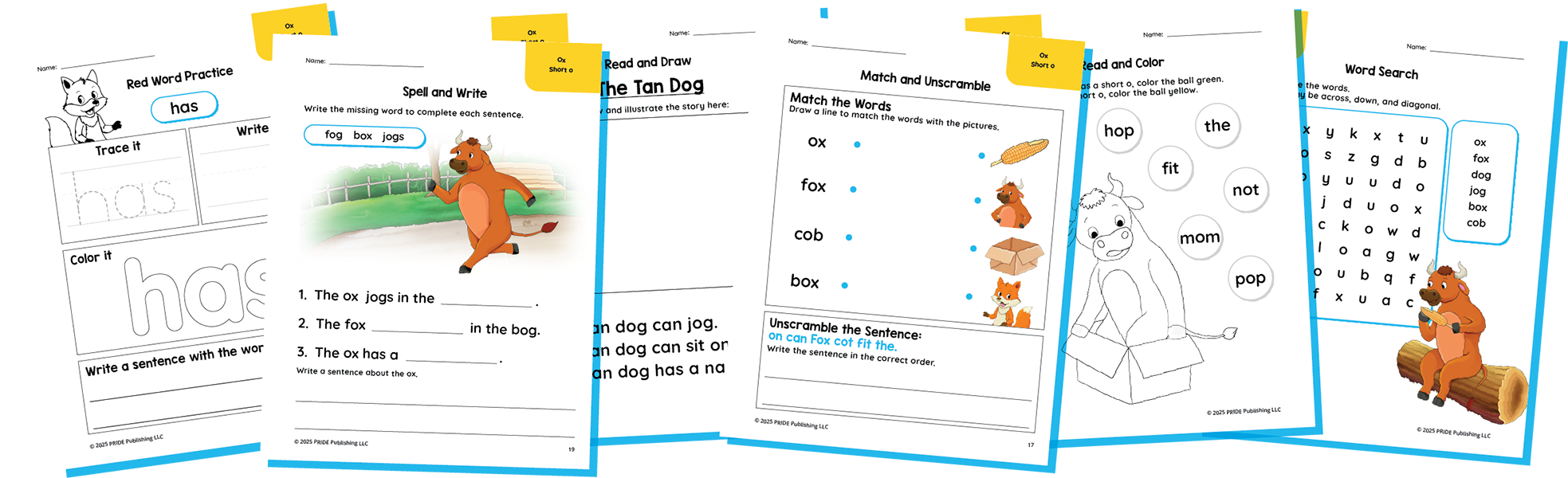
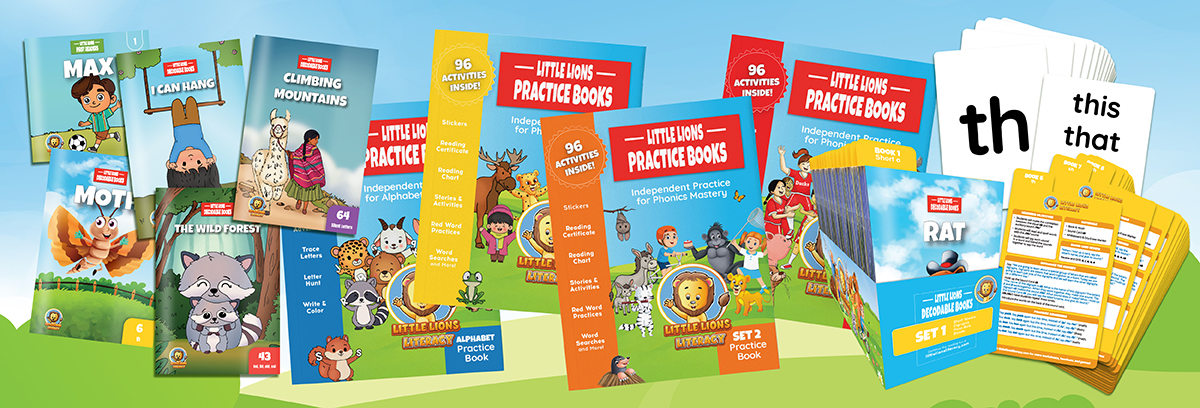
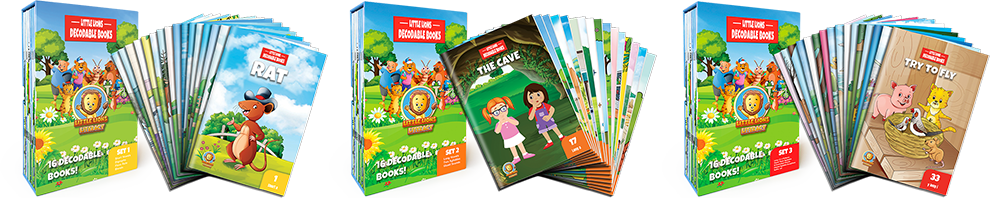
Once your child starts learning letter sounds, decodable books are the perfect tool to help them practice. Unlike many picture books, decodable books are carefully written using only the letter-sound patterns your child has already been taught. This allows them to sound out words successfully instead of guessing. Each time they read a decodable book, they are applying their phonics knowledge and building a real sense of accomplishment. This success is a massive confidence builder and reinforces the idea that they can learn to read. It’s a critical step in solidifying the importance of phonics in their learning journey.
You and your child’s teacher are a team with the same goal: helping your child become a confident, successful reader. Open a line of communication to stay on the same page. At the beginning of the year or during conferences, ask the teacher about the school’s reading curriculum and how they teach phonics. You can ask simple questions like, “What letter sounds are you working on this week?” or “Are there any specific skills I can support at home?” Understanding the school’s curriculum allows you to align your efforts at home, creating a consistent and supportive learning experience for your child.
The conversation around reading instruction is changing, and for good reason. After decades of debate, a massive body of research known as the Science of Reading is making its way into schools, bringing a renewed focus on what truly works for our kids. This isn’t just a new trend; it’s a fundamental change in how we approach literacy, grounded in scientific evidence. For parents and teachers, this means more clarity and better tools to support every child on their reading journey. It’s about moving away from guesswork and toward proven methods that give all children the chance to become confident, capable readers.
At the heart of this movement is a push toward structured literacy programs. Think of this as a clear, step-by-step roadmap for learning to read. Instead of hoping kids will absorb reading skills naturally, this approach teaches them directly and systematically. It breaks reading down into its essential components—like hearing sounds in words (phonemic awareness), connecting letters to sounds (phonics), building vocabulary, and reading smoothly (fluency)—and teaches them in a logical order. This explicit instruction ensures there are no gaps in a child’s learning, creating a solid foundation that is especially crucial for children who might otherwise struggle.
For years, many dedicated teachers entered their classrooms without formal training in these evidence-based practices. The curriculum in their college programs often didn’t align with the scientific research on how the brain learns to read. Thankfully, that’s changing. There’s a growing call for teacher education programs to integrate the principles of the Science of Reading into their coursework. This ensures new educators walk into their first classroom equipped with the knowledge and skills to teach reading effectively from day one. School districts are also investing in professional development to get current teachers up to speed, creating a more consistent and effective approach to literacy instruction for all students.
This shift isn’t just happening in individual schools; it’s being supported by new laws and policies at the state level. A growing number of states are passing legislation that requires schools to use reading instruction backed by science. These new policies often highlight the importance of systematic phonics as a non-negotiable part of early literacy education. This legislative support is a game-changer. It signals a widespread recognition that how we teach reading matters immensely and that aligning our methods with research is the best way to improve literacy outcomes and ensure every child has the opportunity to succeed.
Is the Science of Reading a specific curriculum my child’s school should be using? Not at all. Think of the Science of Reading as the massive body of research that shows us how our brains learn to read, not a specific brand name or program you can buy. A school that follows this research will choose a curriculum that is structured, systematic, and explicitly teaches children the skills they need, like how to connect letters to sounds.
Why is there so much emphasis on phonics? Phonics gets a lot of attention because decades of research confirm it’s the most effective way to teach a child how to read the words on a page. Our brains aren’t naturally wired for reading, so we have to be taught the code. Phonics instruction directly teaches that code—the relationship between letters and their sounds—which gives kids the essential tools to sound out words they’ve never seen before.
My child seems to be a good reader, but they guess at words a lot. Is that okay? While it might seem like a clever strategy, relying on pictures or context to guess words can create problems down the road. Strong readers don’t guess; their brains decode words with incredible speed. Encouraging your child to sound out words, even if it’s slow at first, builds the right mental habits for long-term success and prevents them from hitting a wall when books have fewer pictures and more complex words.
What’s the difference between phonemic awareness and phonics? This is a great question because the two are closely linked. Phonemic awareness is all about sound and is purely an auditory skill. It’s the ability to hear and play with the individual sounds in spoken words, like knowing “cat” is made of three sounds: /k/ /a/ /t/. Phonics is the next step, where a child learns to connect those sounds to written letters, understanding that the letter ‘c’ makes the /k/ sound.
How can I tell if my child’s school is following the Science of Reading? You can get a good sense by talking with your child’s teacher. Ask if they provide daily, explicit instruction in phonics and phonemic awareness in the early grades. You can also ask if students use decodable books to practice the letter-sound skills they are learning. A school aligned with the research will be able to talk about how they directly teach all five pillars of reading.