The transition from picture books to chapter books is a huge step, and it’s one we often want to rush in our excitement. We see it as a clear sign of progress. However, some of the most common mistakes parents make come from this well-intentioned eagerness. Handing a child a book that’s too complex or phasing out foundational readers too quickly can unintentionally create frustration. Understanding when to move to chapter books is less about hitting a target and more about ensuring the experience is positive. We’ll cover the common pitfalls to avoid and show you how to build a sturdy bridge to longer stories, ensuring your child steps into this new phase with confidence and joy.
Think of chapter books as the perfect bridge between picture-heavy stories and full-length novels. They are designed for children who are ready for a more sustained narrative but still benefit from a structured, approachable format. As the name suggests, these books are broken down into shorter chapters, which makes a longer story feel much less intimidating. Each chapter acts as a mini-story with its own small arc, making it easy for a child to pause and pick up the book again later without losing the thread.
This format is a game-changer for young readers. It allows them to engage with more complex plots, get to know characters over time, and build the reading stamina needed for longer books. Instead of a story that resolves in ten pages, they get to follow characters through a series of events, which helps them understand cause and effect, character development, and the overall structure of a narrative. Moving to chapter books is a major milestone that signals a child is developing more advanced reading skills and a longer attention span.
The most noticeable difference between picture books and chapter books is the balance of text and illustrations. Picture books often rely on images to carry the story, with the text providing context. In chapter books, the roles are reversed. The story is told primarily through words, with fewer, if any, illustrations. This shift encourages children to use their imagination to visualize characters and settings, a critical step in developing deeper comprehension. The language and sentence structures are also more complex, moving beyond simple, repetitive phrases to introduce richer vocabulary and varied sentence patterns.
Chapter books play a huge role in a child’s literacy journey. By tackling a longer story, kids learn to track plot points and character arcs over time, which strengthens their memory and analytical skills. Finishing that first chapter book also provides an incredible sense of accomplishment that can ignite a real passion for reading. Getting invested in a character’s adventures makes reading feel less like a task and more like an exciting escape. Even reading chapter books aloud to your child can be incredibly beneficial, as it exposes them to a wider vocabulary and more complex story structures than they might be able to read on their own.
One of the most common questions I hear from parents is, “When should my child start reading chapter books?” It’s a sign that you’re invested in their reading journey and excited for what’s next. The simple answer is that there isn’t one perfect age. Every child develops at their own pace, and readiness for longer stories depends more on individual skill and interest than on their birthday.
While some kids might be ready to listen to chapter books as early as preschool, others might not show interest until they’re a bit older. The goal is to make reading a positive experience, not a race to a specific type of book. Thinking about the transition to chapter books is less about hitting a milestone and more about following your child’s lead. Before you make the switch, it helps to understand what readiness looks like and why your child’s personal pace is the most important guide.
If you’re looking for a general timeframe, many parents begin reading simple, illustrated chapter books aloud to their children around ages four or five. These early chapter books often have short chapters, large print, and plenty of pictures to keep young listeners engaged. Some experts suggest you can start reading chapter books to kids as early as preschool. Reading aloud exposes them to richer vocabulary and more complex story structures long before they can decode the words themselves. Think of this stage as building a bridge from picture books to longer narratives, all while enjoying a story together.
Letting your child set the pace is the single most important part of this process. Pushing them into chapter books before they’re ready can backfire, making reading feel like a chore and potentially hurting their reading development. Instead, pay close attention to their cues. Try reading a page from a simple chapter book and see how they react. Are they captivated, or do they seem restless? Their engagement is your best indicator. While reading books that are slightly above their independent reading level can introduce them to new words and ideas, it’s crucial that they have a solid foundation first. This ensures they feel successful and confident as they grow into more complex texts.
Seeing your child pick up their first chapter book is a huge milestone. But how do you know if they’re truly ready? Moving on too quickly can lead to frustration and turn reading into a chore. The goal is to keep the magic alive by making the transition at the right time. Instead of focusing on age, watch for these three key signs. They’ll tell you when your child has the skills, focus, and understanding to successfully make the leap.
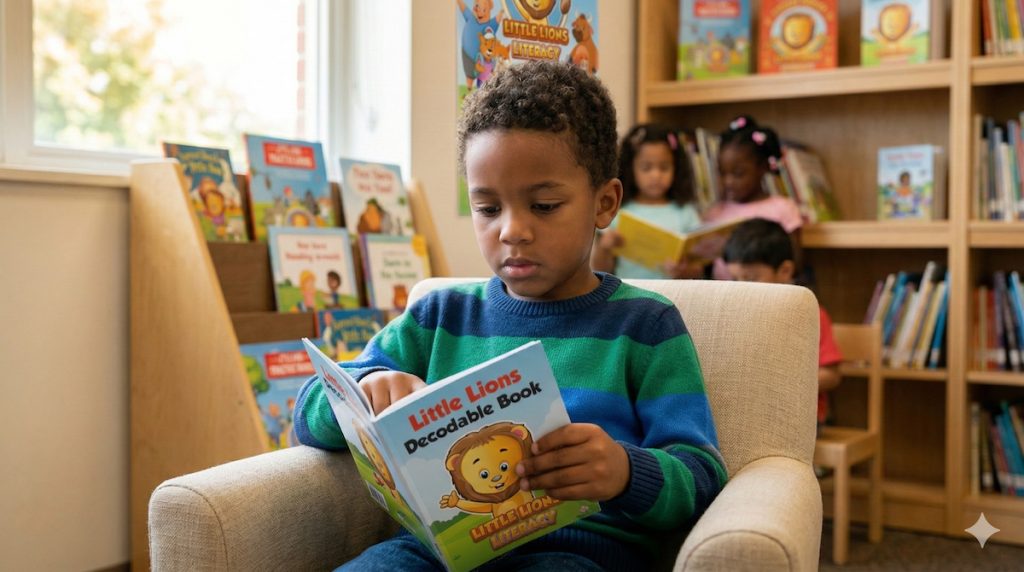
Before a child can enjoy a chapter book, they need to read with ease. If they’re still sounding out every word, the effort of decoding will overshadow the story. A ready reader recognizes many words automatically and has a solid grasp of phonics to tackle new ones. This is where decodable books play a critical role; they build the strong foundation needed for this next step. When your child reads smoothly and confidently, it’s a good sign they have the skills to handle longer texts and more complex sentences.
A child’s attention span is a great indicator of readiness. Have you noticed them sticking with longer picture books or asking you to read “just one more chapter”? That growing ability to stay engaged is what’s needed to follow a plot across multiple sittings. You can test the waters by reading a simple chapter book aloud. If they’re captivated, asking questions, and remembering events from the day before, they’re showing you they can track a more complex narrative. Let their curiosity guide the way; if they seem lost, it’s okay to stick with shorter stories.
Reading isn’t just about saying the words—it’s about understanding them. This is called reading comprehension, and it’s essential for chapter books, which have fewer picture clues. A ready reader can follow the plot and make sense of the characters’ feelings and motivations. You can check for this by talking about the stories you read together. Ask questions like, “Why do you think she did that?” or “What might happen next?” If your child can retell the main points of a story, they are ready for the richer worlds that chapter books offer.
Once you see the signs that your child is ready, the next step is finding that perfect first chapter book. Walking into a library or bookstore can feel overwhelming, with rows and rows of options. The goal here is to find a book that builds excitement and confidence, not frustration. A positive first experience can set the stage for a lifelong love of reading, so it’s worth taking a moment to choose wisely.
Think of it like finding a “bridge” book—one that gently guides them from the world of picture-heavy stories to longer narratives with more text. You’re looking for something that feels like a special, “big kid” book but is still completely accessible. By focusing on the book’s format, tapping into popular series, and following your child’s unique interests, you can find a story that makes them eager to turn the page.
The leap from a picture book to a novel can look intimidating to a young reader. The best first chapter books are designed to ease this transition. Look for books with short, manageable chapters—maybe just a few pages each. This gives your child a natural place to pause and provides a sense of accomplishment as they finish each one.
Many of these early reader chapter books also include illustrations on nearly every page. While there’s more text, the pictures still provide context clues and break up dense blocks of words, making the page feel more welcoming. Books from series like Scholastic’s Branches are specifically created to help kids move from picture books to chapter books.
Book series are your best friend during this stage. When a child falls in love with a set of characters or a story’s world, they’ll be excited to read the next installment. This takes the pressure off you to constantly find a new, engaging book. The familiarity of the characters and the predictable structure of a series help build reading fluency and stamina.
There are so many wonderful beginner chapter book series to explore. Some classics that kids often love include the sweet and funny Mercy Watson books by Kate DiCamillo or the adventurous Magic Tree House series by Mary Pope Osborne. Finding a series they connect with can turn them into a reader who can’t wait to see what happens next.
This might be the most important tip of all: pick a book about something your child already loves. Are they obsessed with animals, fascinated by magic, or do they love silly, laugh-out-loud stories? There is a chapter book for every interest. When a child is genuinely curious about the topic, they are far more motivated to work through new vocabulary and longer sentences.
Don’t be afraid to let their passions guide your selections. Reading should feel like a treat, not a chore. As you read, pause and ask them what they’re picturing in their head. This helps them engage with the story on a deeper level, especially since they’re relying less on illustrations. And remember, there’s no need to abandon picture books entirely. Continuing to read rich, beautifully illustrated picture books together is still incredibly valuable.
Moving from picture-filled stories to pages with more words is a huge milestone for a young reader. While it’s an exciting step, it can also feel a little daunting. The good news is you don’t have to just hand them a thick book and hope for the best. You can make this a smooth, positive experience by building a bridge from the books they know to the ones they’ll grow to love. These simple strategies will help you guide your child into the wonderful world of chapter books with confidence.
Think of illustrated chapter books as the perfect stepping stone. They break up dense blocks of text with pictures, making the pages feel more welcoming and less intimidating. These books often feature shorter chapters and simpler plots, giving your child a sense of accomplishment as they finish each section. Many popular beginner chapter book series are designed for this transition. They provide the structure of a longer story while still offering the visual cues your child is used to, helping them follow the narrative and stay engaged.
Just because your child is ready for chapter books doesn’t mean you should pack away all the picture books. Reading experts suggest that a good portion of a child’s reading should be with books that are slightly easier than their current level. This is fantastic for building reading confidence. When a child can read a book smoothly without struggling over words, it reinforces their skills and reminds them that reading is fun. So, keep a healthy mix of picture books, decodable readers, and early chapter books available.
Turning reading into a conversation is one of the best ways to support your child’s comprehension as they tackle longer stories. Don’t just read the words; talk about them. Pause to ask questions like, “What do you think will happen next?” or “Why do you think the character did that?” You can also model how to think about a story by sharing your own thoughts aloud, like, “Hmm, I’m curious about where that secret door leads.” This interactive approach helps your child learn to think critically about the plot and characters, turning them into an active participant in the story.
It’s so exciting to see your child’s reading skills blossom. As they grow more confident, it’s natural to want to hand them their first chapter book. But in our eagerness, it’s easy to make a few missteps that can unintentionally slow their progress. Let’s walk through a few common pitfalls and how you can sidestep them to keep reading a positive and joyful experience.
When your child starts reading more fluently, the temptation to jump straight into chapter books is strong. We see it as the next logical step, a sign of real progress. However, making this leap too soon can actually hurt a child’s reading development. A book that’s too challenging can turn reading from a fun activity into a frustrating chore. Instead of building confidence, it can create anxiety and make them hesitant to pick up a book at all. The goal isn’t just to get through the book, but to enjoy the journey. Giving them time to master their current level ensures they step into chapter books feeling capable and excited, not overwhelmed.
A child might be able to decode every word on a page, but that doesn’t mean they’re ready for the story’s content. Beyond vocabulary, consider if a story is too complex for your child to imagine. Books with intricate plots, multiple character perspectives, or abstract themes can be difficult for young minds to follow. For example, a series like Harry Potter involves a complex world and mature themes that are often better suited for slightly older children. When a story is too hard to visualize or understand, kids can lose interest and miss the magic of getting lost in a good book. Stick with straightforward narratives as they build their comprehension skills.
Moving on to chapter books doesn’t mean leaving behind the books that got them there. In fact, it’s essential to keep easier books in the rotation. Experts suggest that a good portion of a child’s reading time should be spent with books below their current level to help them build fluency and speed. This is where high-quality decodable books continue to play a vital role. Revisiting these books allows your child to practice their phonics skills without the strain of decoding new, complex words on every page. This practice builds the automaticity they need to read smoothly and confidently, making the transition to more challenging texts feel much more manageable.
As your child’s reading skills grow, you might wonder whether to keep reading to them or let them fly solo. The great news is, you don’t have to choose. A healthy reading life includes a mix of both shared stories and independent practice. It’s not about replacing one with the other, but about finding a rhythm that supports your child’s development and keeps reading fun.
Reading together exposes them to richer language and more complex plots than they might be ready to tackle on their own. At the same time, reading alone gives them the space to practice their skills, build fluency, and develop confidence. The goal is to create a balanced approach where they get the benefits of both worlds, strengthening their abilities while deepening their love for stories.
There’s something magical about snuggling up and sharing a book. Continuing to read aloud to your child, even after they can read on their own, is one of the best things you can do for their literacy journey. When you read books that are slightly above their independent reading level, you introduce them to new vocabulary, sophisticated sentence structures, and exciting new worlds. This shared experience helps build their listening comprehension, which is a crucial foundation for their own reading comprehension later on.
Many literacy experts suggest you can keep reading aloud to your kids well into elementary school. This practice helps them discover books they might not be able to read or understand on their own yet. It’s a wonderful, pressure-free way to foster a love for storytelling and keep them engaged with books as they grow.
While reading together is essential, giving your child the space to read alone is just as important for building confidence. The key is to provide them with books that are at the right level—ones they can read successfully without too much struggle. Reading books that feel easy helps children build reading fluency and self-assurance. This success is what motivates them to keep picking up books and tackling more challenging texts down the road.
Let your child help guide their independent reading journey. If you hand them a book and they seem frustrated or bored, it might be a sign that it’s too difficult. Try something a little easier and see how they respond. The goal is for them to feel capable and proud of their accomplishments, turning reading into a positive and rewarding activity they choose to do on their own.
Finding the perfect balance between reading together and reading alone is unique to every child. Even as they venture into longer books, don’t pack away the picture books just yet. These books are still incredibly valuable, especially for first and second graders. Young children often still use pictures to help them understand stories. Illustrations provide important context clues that help them piece together the narrative and make sense of what they’re reading.
Continuing to share a variety of books, from picture books to decodable readers to the chapter books you read aloud, creates a rich and supportive reading environment. It shows your child that all reading is valuable and gives them different ways to engage with stories. This balanced approach ensures they get the cozy connection of read-aloud time and the empowering satisfaction of reading all by themselves.
So, you’ve checked the signs, and it seems your little one isn’t quite ready for chapter books. My first piece of advice? Take a deep breath and know that this is completely and totally okay. Every child develops on their own unique timeline, and the last thing you want to do is turn reading into a stressful race to the finish line. In fact, moving to chapter books too early can actually backfire, making them feel frustrated and discouraged. Instead of looking at this as a delay, see it as a wonderful opportunity. This is the perfect time to double down on the foundational skills that will make them strong, confident readers for life. It’s about building a solid base so that when they do pick up that first chapter book, they can tackle it with excitement, not anxiety. By giving them the right books and support now, you’re setting them up for a future where they don’t just read, but truly love to read.
This is where decodable books truly shine. Unlike chapter books that might introduce complex words and sentence structures all at once, decodable books are carefully designed to grow with your child. They introduce phonics skills systematically, so your child only encounters words they have the tools to sound out. This creates a powerful cycle of success: they try, they succeed, and their confidence soars. Our decodable book sets are built on this principle, progressing through a specific scope and sequence. This ensures your child is building skills brick by brick, creating a sturdy foundation that makes the eventual leap to more complex texts feel natural and exciting, not overwhelming.
Did you know that reading experts suggest that a good portion of a child’s reading should be with books that are actually easier than their current level? It sounds counterintuitive, but this is how they build fluency—the ability to read smoothly and with expression, like how we talk. When a child isn’t struggling to decode every single word, they can focus on the rhythm and flow of the story. This makes reading more enjoyable and less like work. Encourage your child to reread their favorite decodable books. Every time they do, they’re building speed, accuracy, and confidence. This practice is what turns sounding out words into actual, joyful reading.
There is absolutely no rush. Giving your child more time with picture books and decodable readers is a gift. These books are rich with vocabulary and help children connect words with images, which is a huge boost for comprehension. Pushing a child into a story that’s too complex before they’re ready can mean they miss the nuances and joy of the plot. They might get through the words, but they won’t fully grasp the story, which can be discouraging. The goal isn’t just to get to the end of a book; it’s to foster a deep and lasting love for stories. Trust your child’s pace. Let them linger with the books they love. This patience now will pay off immensely in their reading journey later.
Not at all. It’s so easy to fall into the comparison trap, but every child’s reading journey unfolds at its own pace. Readiness for chapter books is about skill and genuine interest, not age or what their peers are doing. Pushing them before they’re ready can make reading feel like a chore. The best thing you can do is continue to foster a love for stories with books they truly enjoy, like decodable readers and picture books, which build the strong foundation they’ll need when they are ready.
Absolutely not! Think of it as adding to your library, not replacing it. Picture books are still incredibly valuable, even for kids who can read chapter books. They often contain rich vocabulary and complex art that deepens comprehension. Continuing to read a mix of books—including easier ones your child can read fluently—is fantastic for building their confidence and reminding them that reading is, above all, a fun and relaxing activity.
This is a great question. Decodable books are specifically designed to help children practice their phonics skills in a systematic way. The words in these books are carefully chosen so a child can sound them out using the letter-sound rules they’ve already learned. Early chapter books, on the other hand, assume a child already has those foundational skills. They use a much wider range of vocabulary and sentence structures to tell a longer, more complex story. Decodables build the foundation; chapter books build on it.
This is very common and highlights the difference between decoding and comprehension. Just because a child can say the words doesn’t mean they’re visualizing the story. The best way to help is to make reading more interactive. Pause every so often and chat about what’s happening. Ask simple questions like, “Wow, what do you think of that character?” or “What do you guess will happen next?” This turns them from a passive reader into an active thinker, helping them connect the words to the story’s meaning.
The ideal approach includes a healthy mix of both. Reading chapter books aloud to your child exposes them to more complex stories and richer vocabulary than they could handle on their own, which is wonderful for their development. At the same time, having them read easier books independently is crucial for building fluency and confidence. You don’t have to choose one over the other; a balance of shared stories and solo reading practice creates a supportive and enjoyable reading life.
Share via: