When a child has a hard time with reading, it can feel like you’re trying to solve a mystery without any clues. The Simple View of Reading is the tool that helps you become a reading detective. It gives you a clear lens to look through, helping you move beyond the general problem of “my child is struggling” to pinpoint the specific cause. Is the breakdown happening when they try to sound out words, or when they try to make sense of the story? So, what is the simple view of reading? It’s your guide to identifying the root of the issue so you can provide targeted, effective support.
When you think about teaching a child to read, it can feel like a huge, complicated task. Where do you even begin? Luckily, researchers have a straightforward way to think about it called the Simple View of Reading. It’s not a teaching method, but rather a formula that breaks down reading into its two most critical parts. Understanding this simple equation can completely change how you support your child’s reading journey, helping you pinpoint exactly where they might need a little extra help. It takes the guesswork out of the process and gives you a clear path forward.
The Simple View of Reading boils down to a simple multiplication problem: Decoding (D) x Language Comprehension (LC) = Reading Comprehension (RC). Let’s look at what each part means. Decoding is the ability to look at a word on a page and sound it out. It’s the skill of connecting letters to their sounds to read words accurately. Language Comprehension is the ability to understand the meaning of those words and sentences, just like when you’re listening to someone speak. The final piece, Reading Comprehension, is the goal: truly understanding the meaning of what you’ve just read. It’s a multiplication formula because both skills are equally essential; a weakness in one will impact the final result.
This formula is so powerful because it shows that a child needs both skills to be a strong reader. Think about the multiplication: if either decoding or language comprehension is weak, the child’s ability to understand the text will also be weak. This framework helps you become a reading detective. It provides a clear way to understand different types of reading difficulties. For example, a child might be able to sound out every word perfectly but have no idea what the story is about. That points to a weakness in language comprehension. Another child might understand stories you tell them but struggle to read the words on the page, which signals a decoding issue. By identifying the specific hurdle, you can offer the right kind of support.
When we talk about reading comprehension, it’s easy to think of it as one single skill. But it’s actually more like a recipe with two essential ingredients. According to a framework trusted by educators for decades, called the Simple View of Reading, true understanding comes from the combination of two distinct abilities: decoding and language comprehension.
Think of it as a simple math problem: Decoding x Language Comprehension = Reading Comprehension. The multiplication sign is key here. If a child is strong in one area but has a zero in the other, the end result is always zero. They might be able to sound out every word perfectly but have no idea what the story is about. Or they might have a fantastic vocabulary but can’t figure out the words on the page. To become a successful reader, a child needs to be solid in both areas. Let’s break down what each of these ingredients really means for your little learner.
Decoding is the ability to look at letters on a page and translate them into the correct sounds and words. It’s the mechanical side of reading. At first, this means carefully sounding out new words, like c-a-t. As a child’s skills grow, they begin to recognize familiar words instantly, without needing to sound them out each time.
The goal of decoding is to make word recognition quick and accurate. When a child can read words effortlessly, their brain is freed up to focus on the more important task: understanding the meaning of the text. This is the foundational skill that all other reading abilities are built upon. Without strong decoding, a child will always struggle to read fluently.
Language comprehension is the other half of the equation. It’s the ability to understand the meaning of spoken language. This includes everything from knowing what individual words mean (vocabulary) to understanding how sentences are put together (grammar) and grasping the overall point of a story. It’s the “thinking” part of reading.
This skill is built long before a child ever learns to read, through conversations, listening to stories, and general life experiences. A child’s background knowledge plays a huge role here. If they can understand a story when you read it aloud to them, they have the language comprehension skills needed to understand it when they read it themselves. It’s all about making sense of the words once they get them off the page.
Decoding is the first major piece of the reading puzzle. It’s the ability to look at letters on a page and translate them into the correct sounds. This foundational skill allows a child to read the words in a book. Without strong decoding skills, the words remain a jumble of symbols, and the meaning of the story stays locked away. This process isn’t magic; it’s a skill that can be taught and mastered with the right approach, turning your child into a confident word detective.
At the heart of decoding are two critical skills: phonemic awareness and phonics. Before a child can read “cat,” they first need to hear that it’s made of three sounds: /c/ /a/ /t/. This ability to hear and play with individual sounds in spoken words is called
When children first learn to decode, the process is slow and deliberate. You’ll hear them carefully sounding out each letter, like “c-a-t,” before blending them to say “cat!” This takes a lot of mental energy, but practice is everything. With repeated exposure and instruction, this sounding-out process becomes faster. Over time, your child will move from painstakingly sounding out every word to recognizing familiar words instantly. This transition to quick, automatic word recognition is a major milestone on the path to becoming a fluent reader.
The goal of decoding instruction is to make word recognition so automatic it requires almost no conscious effort. When a child knows a word instantly, their brain is freed up to do the more important work: understanding the story. If a child is spending all their mental energy just trying to figure out the words, there’s little brainpower left for comprehension. Think of it like driving a car. Once it becomes automatic, you can focus on the road ahead. Automaticity allows a child to think about the characters, plot, and meaning behind the words.
If decoding is about reading the words on the page, language comprehension is about understanding what those words actually mean. It’s the second, equally important, piece of the reading puzzle. Think of it this way: a child can perfectly sound out the sentence, “The weary traveler trudged through the blizzard,” but if they don’t know what “weary,” “trudged,” or “blizzard” mean, the sentence is just a string of sounds. The story is lost.
Language comprehension is the ability to make sense of spoken and written language. It’s a skill that starts developing long before your child picks up their first book. Every conversation you have, every story you tell, and every new place you visit builds a foundation for it. This broad skill involves a few key components that work together. It relies on a child’s vocabulary, their background knowledge about the world, and their understanding of how sentences are built. When these elements are strong, a child can move beyond simply reading words to truly thinking about and enjoying a story.
A child’s vocabulary is like a toolkit for understanding. The more words they know, the better equipped they are to grasp the meaning of a text. When a reader understands the words and phrases in a story, they can focus on the plot and the author’s message. A strong vocabulary is essential because it allows children to connect words to concepts, which is the heart of comprehension. For example, a child might be able to decode the word “courageous,” but if they don’t know its meaning, they miss a key detail about the character. Building this word bank happens naturally through reading aloud and talking with your child about the world around them.
Background knowledge is everything a child knows about the world from their own experiences, conversations, and things they’ve learned. When they read, they pull from this mental library to make sense of the text. A story about a farm will mean much more to a child who has visited one or has read other books about farm animals. This prior knowledge helps them create mental images, make predictions, and understand ideas that aren’t explicitly stated. As noted by reading experts, readers draw on their experiences to enhance their understanding and remember what they’ve read. This is why talking, exploring, and learning together are so powerful for building strong readers.
Beyond knowing what individual words mean, a child needs to understand how those words work together. This is where sentence and text structure come in. It’s the unspoken grammar that tells us who did what to whom. For instance, knowing the difference between “The lion chased the zebra” and “The zebra chased the lion” depends entirely on understanding sentence structure. This skill also helps children follow the flow of a story, recognizing how different ideas connect and build on one another. Understanding how sentences are put together allows a reader to see the bigger picture, making the text feel less like a list of words and more like a complete, coherent idea.
Think of reading comprehension as a bicycle. For the bike to move forward, both wheels need to be in good working order and turning together. Decoding is one wheel, and language comprehension is the other. If one wheel is flat, it doesn’t matter how great the other one is; you’re not going to get very far. In the same way, a child needs to be able to both read the words on the page and understand what those words mean to truly comprehend a text.
This core idea is explained by a framework called the Simple View of Reading. It shows that strong reading comprehension is the product of two separate but equally important skills working in tandem. A child might be a pro at sounding out words, but if they don’t have the vocabulary or background knowledge to make sense of them, the meaning is lost. On the other hand, a child with a fantastic vocabulary will still be stuck if they can’t figure out what the words on the page actually say. Both skills must be strong for your child to become a confident, successful reader.
When we look at the formula for the Simple View of Reading, it’s presented as Decoding x Language Comprehension = Reading Comprehension. The use of multiplication here is intentional and very important. It’s not an addition problem where a strength in one area can make up for a weakness in another. Instead, the two skills are multiplied, meaning they are completely dependent on each other.
Think about it this way: if a skill is rated on a scale of 0 to 1 (with 1 being perfect), and a child’s decoding is at 0, it doesn’t matter how strong their language comprehension is. Anything multiplied by zero is zero. This is why simply memorizing words or guessing from pictures isn’t enough. A child needs a solid foundation in both skills, as any weakness will significantly limit their overall ability to understand what they read.
Let’s imagine a child who is an excellent decoder. They can sound out long, complex words with ease. If we were to score their decoding ability, we’d give it a perfect 1. However, their vocabulary is limited, so they only understand half of the words they read. Their language comprehension score would be 0.5. When we multiply these skills (1 x 0.5), their reading comprehension is only 0.5, or 50%. Even with perfect decoding, their understanding is capped by their language skills.
Now, consider the opposite scenario. A child has a rich vocabulary and can understand complex stories when they are read aloud (a language comprehension score of 1). But they struggle to sound out basic words (a decoding score of 0.2). The result is the same: their reading comprehension is severely limited (0.2 x 1 = 0.2). This shows that both pieces of the puzzle are essential.
The Simple View of Reading isn’t just a theory; it’s a practical tool that helps us understand why a child might be struggling. By looking at their decoding and language comprehension skills separately, we can pinpoint the exact area of need. This framework helps us see that not all reading difficulties are the same. Generally, struggling readers fall into one of three main groups.
Some children have strong language comprehension but poor decoding skills. Others are great at decoding but have weak language skills, often called “word callers.” And a third group struggles with both. Understanding which profile fits your child allows you to provide the specific support they need to grow.
The Simple View of Reading is more than just a theory; it’s a practical tool that helps you become a reading detective. When you notice your child struggling, it’s easy to feel overwhelmed and unsure of how to help. This framework gives you a starting point by helping you figure out why your child is having a hard time. Is the breakdown happening when they try to sound out the words on the page, or is it happening when they try to make sense of what those words mean?
By observing your child through the lens of this simple formula, you can move from knowing there’s a problem to understanding the nature of the problem. This clarity is the first and most important step toward finding the right solution. Once you can pinpoint the specific area of weakness, you can provide targeted support that truly makes a difference.
You don’t need to be a reading specialist to get a sense of your child’s decoding skills. The key is to listen and observe. When your child reads aloud, what do you notice? Strong decoders can read words quickly and accurately, whether they’ve seen them before or not. A child who struggles with decoding might read slowly, sound out every word (even common ones), or guess at words based on the first letter.
A great way to check their skills is by having them read a simple decodable book. Since these books use phonetic patterns they’ve already learned, you can see how well they apply their knowledge. You can also try using nonsense words like “bim” or “lat.” Because these words are new, they can’t rely on memory, forcing them to use their phonics skills to sound them out.
Assessing language comprehension is all about listening. Since this skill involves understanding spoken language, you can evaluate it without your child having to read a single word. The next time you read a book aloud to your child, pause and ask questions. Can they retell the story in their own words? Do they understand the characters’ feelings or motivations? This shows you if they are grasping the meaning behind the words.
Pay attention during everyday conversations, too. Does your child have a strong vocabulary for their age? Can they follow multi-step directions? Strong language comprehension means a child can understand word meanings, grammar, and the overall point of a story they hear. If they struggle to answer questions or follow along, they may need more support in this area.
Once you have a better idea of where the struggle lies, you can provide the right kind of help. This is where the Simple View of Reading becomes so powerful. If your observations point to a weakness in decoding, your child needs direct, explicit instruction in phonics. This involves learning how to connect sounds to letters and blending them to read words. Using decodable books is a perfect way to practice these skills in a supportive, confidence-building way.
If your child’s decoding is strong but they struggle with comprehension, they need help building their vocabulary and background knowledge. You can do this by reading a wide variety of books to them, having rich conversations about new topics, and explaining new words as you encounter them. Giving the right kind of help is crucial; the support you provide must match your child’s specific needs.
Understanding the Simple View of Reading is one thing, but putting it into practice is where the magic happens. As a parent or educator, you can use this framework to guide your teaching and support your child exactly where they need it most. It’s not about doing everything at once; it’s about focusing your efforts on the right skills at the right time. By nurturing both decoding and language comprehension, you help build a confident, capable reader who doesn’t just read words, but understands worlds.
These strategies are designed to help you support both sides of the reading equation, creating a balanced approach that addresses the whole reader.
Decoding is a skill that can be taught directly and, with practice, mastered. The key is a clear, step-by-step approach to phonics. This involves teaching children how letters represent sounds and how to blend those sounds together to read words (like /c/ /a/ /t/ becomes “cat”). This systematic instruction removes the guesswork and gives kids a reliable strategy for tackling new words.
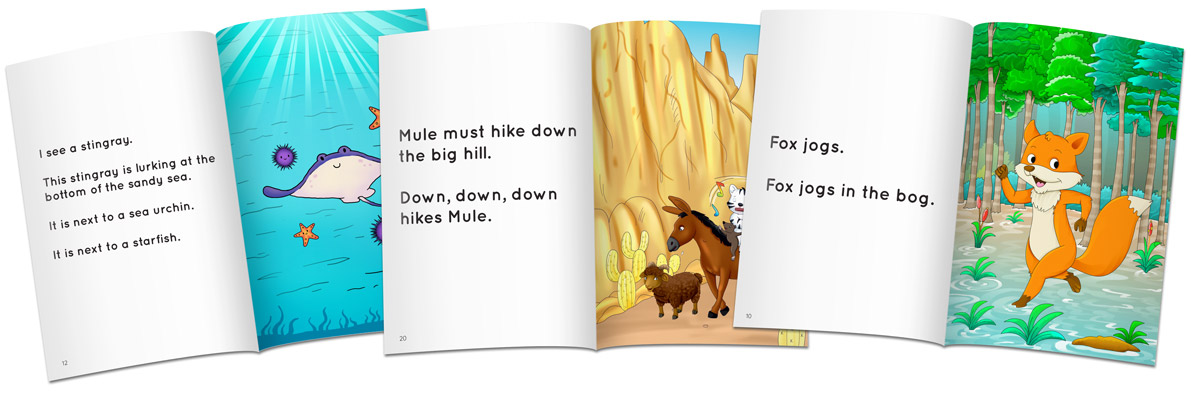
Using decodable books is one of the best ways to practice this skill. These books are carefully written to include only the letter-sound patterns your child has already learned, allowing them to apply their new phonics knowledge and build confidence. As they successfully sound out words and read sentences, they begin to build the fluency needed for automatic word recognition.
While your child is mastering decoding, you can work on the other crucial piece of the puzzle: language comprehension. This skill grows from a child’s knowledge of the world, their vocabulary, and their ability to reason. The best way to build it is through rich, back-and-forth conversation. Talk with your child constantly, starting from infancy.
Reading books together is a fantastic way to do this. Don’t just read the words on the page; talk about the pictures, ask questions about the story, and connect it to your child’s own experiences. This turns reading into an interactive dialogue that builds vocabulary and background knowledge. The goal is to provide families and caregivers with the tools to make reading a shared, engaging activity that supports deep understanding.
The Simple View of Reading is an incredible diagnostic tool. It helps you understand that a child struggling with reading comprehension isn’t just a “poor reader.” Instead, you can pinpoint whether the breakdown is happening with decoding, language comprehension, or both.
If your child struggles to sound out words, they need more direct, explicit instruction in phonics. If they can read the words fluently but can’t tell you what they just read, they need more support in building vocabulary and background knowledge. For many children, weak decoding is the primary cause of their reading difficulties. By identifying the specific area of weakness, you can provide targeted support that directly addresses the root of the problem instead of trying a little bit of everything and hoping something sticks.
As a parent, you are your child’s first and most important teacher. The support you provide at home can make a world of difference in their reading journey. You don’t need a special degree or fancy equipment, just a willingness to engage with your child and make reading a positive part of your daily life. By understanding what to look for and how to help, you can build a strong foundation for literacy and a lifelong love of stories. The key is to focus on connection and fun, turning learning moments into cherished memories.
It’s easy to assume that if a child can say the words on a page, they understand the story. However, one of the most overlooked signs of a reading challenge is a gap between decoding and comprehension. Your child might read a sentence aloud perfectly but have no idea what it means. Other early signs include trouble remembering letter sounds, guessing words based on pictures instead of sounding them out, or avoiding reading altogether. If you notice these patterns, it’s not a cause for panic, but it is a signal to pay closer attention. Understanding these common reading challenges is the first step toward providing the right kind of support.
Building strong language skills doesn’t have to feel like a lesson. It can be woven into the simple moments you already share. Talk with your child constantly, starting from infancy. Narrate your day, ask them questions about their toys, and listen to their stories, no matter how silly. Reading aloud together is one of the most powerful things you can do. As you read, pause to talk about the pictures and ask open-ended questions like, “What do you think will happen next?” This simple habit helps your child develop comprehension skills and shows them that reading is a fun and engaging activity you can enjoy together.
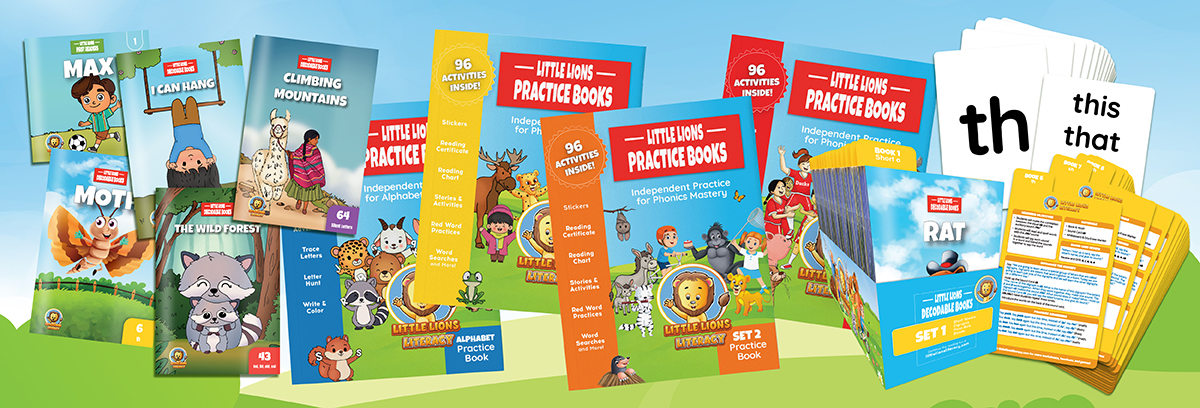
When a child is learning to decode, giving them books they can actually read is a huge confidence builder. This is where decodable books shine. These books are carefully crafted to include only the letter sounds and patterns your child has already learned, allowing them to practice their new skills and feel successful. Our decodable book sets are designed to grow with your child as they master more complex phonics rules. You can also reinforce these skills with fun, hands-on activities. Play with magnetic letters on the fridge, write letters with sidewalk chalk, or go on a sound hunt around the house. The goal is to make learning feel like play.
Supporting your child’s reading journey is one of the most rewarding things you can do, but it’s not always a straight path. It’s completely normal to hit a few bumps along the way, whether you’re trying to figure out why a certain skill isn’t clicking, searching for the right books, or just trying to keep your little one excited about reading. Many parents face these same questions, and the good news is that these hurdles are manageable.
The key is to remember that you are your child’s best advocate and first teacher. You don’t need a degree in education to make a huge difference. By understanding some of the most common challenges, you can find simple, effective ways to clear them. Let’s walk through a few of these obstacles and talk about practical steps you can take to help your child build confidence and find joy in reading.
One of the most confusing moments for a parent is when your child can read the words on a page perfectly but can’t tell you what they just read. It’s easy to assume that sounding out words automatically equals understanding. However, a disconnect between reading words and understanding their meaning is a common sign of a reading comprehension struggle. This goes right back to the Simple View of Reading: both decoding and language comprehension have to be working together. If one part is weak, the whole process can fall apart. A simple way to check for this is to pause after a page and ask your child simple questions like, “What do you think will happen next?” or “Who was your favorite character on that page?”
When you start looking for reading support, the number of apps, books, and programs can feel overwhelming. The most effective tools are those grounded in the science of reading, focusing on a systematic approach to phonics. This is where decodable books are so valuable. Unlike many picture books, decodable readers are intentionally written with words that children can sound out using the phonics skills they’ve already learned. This builds confidence and reinforces their decoding abilities step-by-step. When choosing resources, look for ones that teach phonemic awareness (the sounds in words) and phonics in a clear, structured way. This ensures you’re building a strong foundation, not just guessing at words.
If reading starts to feel like a chore, motivation can quickly fade. The best way to keep your child engaged is to make reading a warm and positive experience. You can encourage a love for reading by making it a special time you share together. Snuggle up on the couch, use funny voices for the characters, and talk about the pictures. Let your child pick the book sometimes, even if it’s the same one for the tenth time. While educational apps have their place, nothing replaces the connection and conversation that happens when you share a physical book. Celebrate their effort and progress, not just perfection. This helps them see reading not as a test, but as a wonderful adventure you get to have together.
Supporting your child’s reading journey doesn’t have to be a solo mission. Your community is filled with resources and people who want to help. From the local library to school workshops, tapping into this network can provide you with new tools, expert advice, and a sense of shared purpose. When you feel stuck or just need fresh ideas, remember that a whole village is ready to help your little reader thrive. Finding the right support can make a world of difference for both you and your child, turning potential challenges into opportunities for connection and growth.
Your local library is one of the best free resources available to you. It’s so much more than a building full of books; it’s a community hub designed to foster a love of reading. Librarians are fantastic guides who can help you find age-appropriate books, including decodable readers that are perfect for practicing phonics. Many libraries also host story times, reading challenges, and literacy programs for young children. These events are wonderful for building language comprehension in a fun, social setting. Some libraries even partner with community groups to offer tutoring or volunteer reading support, so don’t hesitate to ask what’s available.
Have you ever wondered about the best way to practice sight words or support your child’s decoding skills at home? You’re not alone. Many schools and community centers offer workshops specifically for parents. These sessions are designed to explain the reasoning behind current literacy instruction and give you practical, effective strategies to use at home. Attending a workshop can help you feel more confident and aligned with what your child is learning in the classroom. If your school doesn’t offer them, check with your district or look for online resources from trusted educational organizations that provide guidance for families and caregivers.
Helping a child learn to read is a team effort, and your community can be a key player on your team. Look for local after-school programs or tutoring services that focus on early literacy. These programs provide structured support and can be especially helpful for children who need a little extra practice with decoding or comprehension. You can also find or organize local reading events, like a book swap in the park or a neighborhood reading club. As organizations like Colorín Colorado highlight, these community-led efforts create a powerful, supportive environment that shows children that reading is a valued and enjoyable part of life.
Is one skill more important to focus on first, decoding or language comprehension? That’s a great question, and the answer is that you’re actually building both from day one, just in different ways. Language comprehension starts at birth. Every time you talk to your baby, sing a song, or tell a story, you are building their vocabulary and understanding of the world. Direct decoding instruction, where you teach letter sounds, usually starts a little later, around preschool or kindergarten. The key is to remember they are parallel tracks; you continue building language skills through conversation and read-alouds while you begin teaching the mechanics of decoding.
My child can read all the words correctly but can’t tell me what the story was about. What should I do? This is a very common situation, and it’s a perfect example of the Simple View of Reading in action. It sounds like your child has strong decoding skills but needs support with language comprehension. To help, you can make reading more of an interactive conversation. Before you read, talk about the cover and predict what might happen. As you read, pause to ask questions like, “How do you think she’s feeling right now?” After you finish, ask them to retell the story in their own words. This shifts the focus from just reading words to thinking about their meaning.
So, is the Simple View of Reading just another name for phonics? Not quite. Think of it this way: phonics is the tool, decoding is the skill, and the Simple View of Reading is the blueprint that shows how everything fits together. Phonics is the method we use to teach children how to connect letters to sounds, which allows them to decode words. But decoding is only half of the equation. The Simple View of Reading is the framework that reminds us that a child needs both strong decoding skills and strong language comprehension to truly understand what they read.
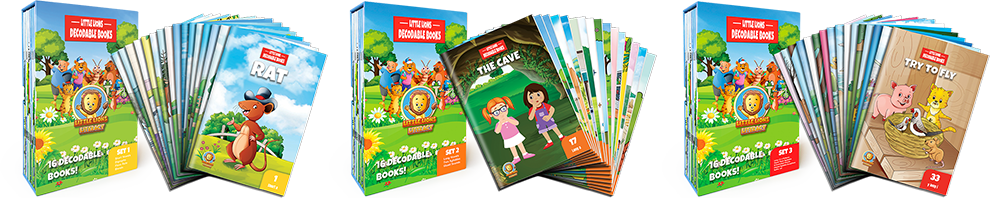
How do I know if a book is good for practicing decoding? The best books for practicing decoding are called decodable books. These are different from typical storybooks because they are written specifically for practice. A decodable book will only use letter-sound patterns that your child has already been taught, along with a few high-frequency words. This allows your child to apply their phonics knowledge successfully without having to guess at words. When you’re looking for one, you’ll notice the text is simple and repetitive, giving your child the chance to feel confident and successful as they sound out the words.
Can’t my child just learn to read by being exposed to lots of books? Surrounding your child with books is one of the best things you can do to foster a love of reading and build their language comprehension. However, for most children, learning to decode isn’t something that happens naturally. The ability to connect letters on a page to the sounds in spoken words is a skill that needs to be taught directly and systematically. So while a book-rich environment is essential for the language part of the equation, direct phonics instruction is the key to unlocking the decoding part. You really need both.