If you’re looking for ways to support your kindergartener’s reading journey, you might be surprised to learn that the most important first step has nothing to do with books. It’s all about sound. The ability to hear that “cat” is made of three sounds—/k/ /a/ /t/—is the bedrock of learning to read. So, what is phonemic awareness in kindergarten? It’s this crucial listening skill that allows children to tune their ears to the building blocks of language. The best part is that you can teach it through simple, playful games. This guide is filled with fun, actionable ideas for making phonemic awareness a natural part of your day.
Let’s start with the basics. Phonemic awareness is the ability to hear, identify, and play with the individual sounds—or phonemes—in spoken words. It’s a listening skill, which means it happens with your ears, not your eyes. Before a child can read a word on a page, they first need to be able to hear the sounds that make up that word. For example, a child with phonemic awareness can hear that the word “cat” is made up of three distinct sounds: /k/ /a/ /t/. They can also play with those sounds, like changing the /k/ sound to a /b/ sound to make the word “bat.”
This skill is a specific part of a bigger umbrella skill called phonological awareness, which includes recognizing larger sound units like rhymes and syllables. Think of it this way: phonological awareness is noticing that “cat” and “hat” rhyme. Phonemic awareness is drilling down to hear the individual /k/, /a/, and /t/ sounds in “cat.” It’s the most advanced level of phonological awareness and one of the most critical building blocks for learning to read.
This is a question I hear all the time, and it’s a great one because these two skills are often confused. The easiest way to remember the difference is this: phonemic awareness is all about sounds, while phonics is about the relationship between sounds and letters. Phonemic awareness is purely auditory. You could practice it in a dark room with your eyes closed. Phonics, on the other hand, brings in the visual element of written letters. It’s the system that connects a spoken sound (/k/) to its written letter or letters (c, k, or ck). So, when a child learns that the letter ‘s’ makes the /s/ sound, they are learning phonics.
Phonemic awareness is the foundation upon which phonics is built. A child must first be able to hear the individual sounds in a word before they can learn to connect those sounds to letters on a page. Research consistently shows that children with strong phonemic awareness skills are more likely to become successful readers. When kids can hear that “sun” is made of three sounds—/s/ /u/ /n/—they have a huge head start when it comes time to sound out the word in a book. This ability to break words down into their smallest sounds is essential for both decoding (reading) and encoding (spelling). It prepares their brains for the complex task of mapping sounds to symbols, which is the heart of learning to read.
Think of phonemic awareness as the essential first step on the path to reading. It’s not just another box to check on the kindergarten curriculum; it’s the bedrock upon which all other literacy skills are built. Before a child can connect a letter to a sound (which is phonics), they first need to be able to hear that individual sound in a spoken word. This auditory skill is what allows them to eventually decode words on a page and spell them out on their own. Without a strong sense of phonemic awareness, learning to read can feel like trying to solve a puzzle with missing pieces. By focusing on these foundational skills early, we set our little learners up for a smoother, more confident, and more joyful reading journey.
Phonemic awareness is one of the strongest predictors of future reading success. When children can hear and play with the individual sounds, or phonemes, in spoken words, they have the core ingredient needed to make sense of printed text. For example, a child who can identify the three distinct sounds in the word “sun”—/s/, /ŭ/, /n/—is well-prepared to later connect those sounds to the letters S, U, and N. This ability to tune into the sound structure of language is what makes reading possible. It’s the invisible work that happens before their eyes even land on the page, creating a solid foundation for learning to read and spell.
The connection between hearing sounds and writing them down is direct and powerful. Phonemic awareness helps children understand that words aren’t just single units of sound; they’re made up of smaller, individual phonemes. This understanding is crucial when it comes time to spell. A child with strong phonemic awareness can listen to a word like “mop,” segment it into its three sounds (/m/, /ŏ/, /p/), and then find the corresponding letters to write it down. This turns spelling from a pure memorization task into a logical process of listening and recording. It empowers kids to attempt new words with confidence, knowing they have the tools to sound them out and get their ideas on paper.
Investing time in phonemic awareness in kindergarten pays dividends for years to come. These early skills are critical for preventing reading difficulties down the road. Children who master the ability to hear, blend, and manipulate sounds are less likely to struggle when they encounter more complex words and texts. While some children may need extra support, developing strong phonological and phonemic awareness is a key strategy for helping every child become a proficient reader. By making these skills a priority, we aren’t just teaching them for a test; we’re equipping them with a fundamental tool for lifelong learning and a genuine love of reading.
Phonemic awareness isn’t a single skill but a set of abilities that help children hear and work with the individual sounds in words. As kindergarteners develop, they typically master four core skills that create a solid base for reading and spelling. These skills build on each other, moving from simple sound identification to more complex sound manipulation.
This is the starting point for most children. It’s the ability to pick out a specific sound in a word, like the first, middle, or last one. You can practice this by asking simple questions like, “What’s the first sound you hear in the word map?” The goal is for your child to respond with the sound, not the letter name: “/m/.” Mastering this helps kids tune their ears to the distinct sounds that make up spoken language, which is the first step toward connecting those sounds to written letters.
Blending is the process of pushing individual sounds together to form a whole word. If you say the sounds /b/ /a/ /t/ slowly, a child with blending skills can smoothly combine them to say the word bat. This is a huge milestone because it’s the direct link to sounding out words on a page. Understanding the different key phonemic awareness skills like blending is what allows a child to see C-A-T and read it as “cat” instead of just three separate letters. It’s the magic moment where letters and sounds click together to make meaning.
Segmenting is the opposite of blending. It’s the ability to break a whole word down into its individual sounds. For example, if you say the word “log,” a child can pull it apart into its three sounds: /l/ /o/ /g/. This skill is incredibly important for spelling. When a child wants to write a word, they first need to hear all the separate sounds so they can write a letter for each one. You can practice by having them tap their fingers or use counters for every sound they hear in a short word.
This is the most advanced phonemic awareness skill and shows a child has true flexibility with sounds. Sound manipulation involves adding, deleting, or substituting sounds to create new words. For example, you might ask, “What word is left if you take the /s/ sound out of stop?” (top). Or, “What word do you make if you change the /p/ in top to /m/?” (mop). This playful practice demonstrates a deep understanding of word structure and is a strong indicator of future reading success.
Even with the best intentions, teaching phonemic awareness can feel like hitting a few bumps in the road. It’s completely normal to face challenges, whether you’re a teacher managing a classroom of diverse learners or a parent working one-on-one with your child at home. Understanding these common hurdles is the first step to finding simple, effective solutions that keep the learning process positive and fun. From figuring out if a child is truly ready to start, to squeezing practice into a packed schedule, these obstacles are manageable. Let’s walk through some of the most frequent challenges and how you can approach them with confidence.
One of the biggest questions is, “Is my child ready for this?” Every child develops at their own pace, and some may not have the necessary foundational skills to grasp sound manipulation just yet. Pushing a child before they are developmentally ready can lead to frustration for everyone involved. Instead of forcing it, look for signs of readiness. Do they enjoy rhyming games? Can they clap out the syllables in their name? Starting with these broader phonological awareness skills can build the groundwork they need. If a child is struggling, it might just mean they need a little more time to play with language in a less structured way before they’re ready to isolate individual sounds.
Between school schedules and busy home lives, it can feel impossible to find enough time for literacy practice. The good news is that you don’t need long, drawn-out lessons. In fact, short and sweet is the way to go. Experts often recommend that kindergarten and first-grade teachers should set aside about five minutes for phonemic awareness instruction each day. This is great news for parents, too. You can easily weave five minutes of sound play into your daily routine. Try segmenting the sounds in words while you’re driving to the store (“Let’s get some m-i-l-k”) or blending sounds while getting dressed (“Can you find your s-o-ck-s?”). Consistency is more important than duration.
Many parents and even some educators feel underprepared to teach phonemic awareness because they lack formal training or professional experience. You might worry that you’ll teach it “the wrong way” or confuse your child. Please let go of that fear! You don’t need a degree in literacy to make a huge impact. The most important thing is your enthusiasm and willingness to play with sounds. Start by familiarizing yourself with the core skills, like blending and segmenting. Using high-quality, structured resources can also give you a clear path to follow, ensuring you’re introducing concepts in a logical order and making the process feel much less intimidating.
In any group of children, you’ll find a wide range of skills and learning styles. Some kids will pick up phonemic awareness almost intuitively, while others will need much more direct instruction and repetition. For children who struggle, it’s important to remember that they can absolutely succeed with the right support. Research shows that when parents and teachers work together, kids can learn strategies to overcome challenges with phonemic awareness. The key is to be patient, provide plenty of positive reinforcement, and use multi-sensory activities that make learning feel like play. A collaborative approach ensures every child gets the support they need to build a strong reading foundation.
Figuring out where a child stands with their phonemic awareness skills doesn’t require a formal, high-pressure test. In fact, the best assessments often feel like simple games or conversations. The goal is to observe a child’s ability to hear and play with the sounds in spoken language. By watching and listening during everyday activities, you can get a clear picture of their progress and identify which skills need a little more practice. This approach removes the anxiety that can come with testing, allowing children to show you what they know in a natural, comfortable setting.
Think of assessment as a way to gather information so you can provide the right support at the right time. It’s about being a good detective, not a judge. Whether you’re a teacher in a bustling classroom or a parent reading a bedtime story, you can easily check for understanding without disrupting the flow of learning. These simple, low-stress methods will help you tune into a child’s developing skills and guide them on their path to becoming a confident reader. It’s all about meeting them where they are and celebrating every small step forward.
You can easily weave phonemic awareness checks into your daily routines. For teachers, this might mean demonstrating a skill during the morning message and then coaching students on it during guided reading. For example, you could say, “Our word of the day is ‘cat.’ Let’s all say the sounds in ‘cat’: /c/ /a/ /t/.” Then, you can observe who is able to follow along. At home, you can do this during story time by pointing to a picture and asking, “I see a ‘dog.’ What’s the first sound you hear in ‘dog’?” These informal check-ins provide valuable insight without ever feeling like a test.
Sometimes, all you need is a minute to gauge a child’s skills. Quick, focused activities can be incredibly effective. You can make it feel like a game by using manipulatives like colorful blocks or tokens to represent sounds. For instance, you could say a word like “mop” and have the child push a block forward for each sound they hear: /m/, /o/, /p/. These one-minute exercises are perfect for transitions in the classroom or while waiting in line at the grocery store. They are engaging, provide immediate feedback, and help you pinpoint exactly which skills a child has mastered and which ones need more attention.
Play is a child’s natural language, making it the perfect setting for assessment. You can learn so much about a child’s phonemic awareness by playing simple sound games together. A fun one is “Secret Sound,” where you might say, “I’m thinking of a word that starts with the /b/ sound. Is it ‘ball’ or ‘tall’?” Another great option is an “I Spy” variation focused on sounds: “I spy with my little eye something that rhymes with ‘bug’.” Observing children during these interactive games reveals their ability to identify and manipulate sounds in a relaxed, joyful way, reinforcing that learning is fun.
The best way to teach phonemic awareness is to make it feel like playtime. When kids are having fun, they’re more engaged and absorb concepts much more easily. These activities are designed to be simple, require minimal prep, and can be woven into your daily classroom routine. From quick sound games to movement-based exercises, you can help your students build a solid foundation for reading without them even realizing they’re “learning.” Let’s get into some fun, effective ways to practice these essential skills.
Games are a fantastic way to help children hear the smaller sounds in words. Start with activities that focus on rhyming, syllables, and breaking words into their first sound and the rest of the word (like /c/ and /at/ in ‘cat’). You could play a simple ‘Thumbs Up, Thumbs Down’ game where you say two words, and students give a thumbs up if they rhyme. Or, try a sound sorting game with picture cards. For example, have students sort pictures into piles based on their beginning sound. These playful exercises are key for helping children recognize and manipulate sounds in spoken language.
Bringing movement into sound play is a game-changer. Clapping or tapping out the syllables in words helps children feel the rhythm of language and understand that words are made of smaller parts. You can start with their names—’Let’s clap for Ma-ri-a!’ (three claps). Then move on to classroom objects, animals, or food. This hands-on, kinesthetic approach makes an abstract concept like syllables feel concrete and memorable. It’s a simple but powerful way to build phonological awareness and can be done anytime, like when you’re lining up for recess or during circle time.
Once children are comfortable with identifying sounds, you can introduce phoneme manipulation. This involves playing with sounds by adding, deleting, or swapping them to create new words. It sounds complex, but you can frame it as a fun ‘word magic’ game. For example, ask, ‘What word do we get if we take the /s/ sound away from seat?’ (eat). Or, ‘What happens if we change the /p/ in pat to a /c/ sound?’ (cat). These phonemic awareness activities challenge kids to listen closely and think flexibly about how sounds work together to form words.
For kids who have a hard time sitting still, listening games that involve movement are perfect. Tying physical action to auditory tasks helps keep them focused and makes practice more enjoyable. You could play a version of ‘Simon Says’ with sounds: ‘Simon says hop if you hear the /m/ sound in mop.’ Another great option is a sound scavenger hunt. Say a sound, like /b/, and have the children find something in the room that starts with that sound. These games are especially helpful for building phonological awareness in children who learn best when they’re on their feet.
You don’t need a teaching degree to help your child build a strong foundation for reading. Supporting phonemic awareness at home is all about weaving simple, playful activities into your everyday life. Think of it as tuning your child’s ears to the sounds that make up words. When they can hear and play with these sounds, they’re building the essential skills needed to connect those sounds to letters and, eventually, read on their own.
The best part is that you’re likely already doing some of these things without even realizing it. Singing songs, reading bedtime stories, and playing simple word games are all powerful ways to develop these abilities. The key is to be a little more intentional. By focusing on the sounds in words during these moments, you can turn any activity—from a car ride to cooking dinner—into a fun learning opportunity. Below are a few practical ways you can make your home a place where phonemic awareness skills can grow naturally. These simple habits can make a huge difference in your child’s reading journey.
This sounds more complicated than it is. Creating a sound-rich environment simply means talking, listening, and being playful with sounds throughout the day. It helps your child become more aware of the sounds in language and the world around them. You can do this by pointing out the whoosh of the wind, the drip-drip of a faucet, or the rumble of a truck. When you talk about these sounds, you’re encouraging your child to listen closely. This practice of active listening is a core part of developing phonemic awareness. It trains their brain to pay attention to auditory details, a skill they’ll use to distinguish between similar-sounding words like “pat” and “bat.”
There’s a reason nursery rhymes have been passed down for generations—they’re fantastic for teaching kids about language. Reading and singing classic nursery rhymes is a fun way to help kids hear rhyming sounds and word patterns. The rhythm and repetition in songs reinforce the melody of language, making it easier for children to recognize individual sounds. When you sing “Twinkle, Twinkle, Little Star,” try emphasizing the rhyming words: “How I wonder what you are!” This simple act helps your child’s brain make connections between words that sound alike. It’s a playful, pressure-free way to build a critical pre-reading skill.
You can turn almost any moment into a fun sound game. These games don’t require any special materials and are perfect for car rides, waiting in line, or during bath time. Try playing “I Spy” with a twist: instead of colors, use beginning sounds. For example, “I spy with my little eye something that starts with the /m/ sound.” Another great one is a guessing game where you say a word by breaking it into sounds (“Can you guess what I’m thinking of? It’s a /d/-/o/-/g/.”) and have your child blend them together. These simple sound games make learning feel like play and strengthen your child’s ability to hear and work with sounds.
Reading together is one of the most powerful things you can do for your child, and you can easily add a phonemic awareness focus to your story time. As you read, help your child understand how sounds connect to words. When you come across a simple word like “sun,” you can stretch it out slowly: “ssss-uuuu-nnnn.” Ask questions like, “What sound do you hear at the beginning of sun?” This helps them isolate individual sounds. This practice is a perfect first step before they start reading printed words on their own. It builds a direct bridge to phonics and prepares them for using decodable books, where they’ll put this sound knowledge into action.

When it comes to teaching phonemic awareness, the right strategies can make all the difference. You don’t need complicated lesson plans or expensive tools to help children tune their ears to the sounds in language. The most effective approaches are often simple, consistent, and woven into the fabric of your day. By focusing on short, engaging activities and using multi-sensory techniques, you can create a rich learning environment that feels more like play than work. These strategies help make abstract sound concepts concrete and accessible for every young learner, building a solid foundation for the reading journey ahead.
Young children have short attention spans, so it’s important to keep phonemic awareness instruction brief and to the point. Aim for about five minutes of focused practice each day. These short bursts are perfect for maintaining engagement and preventing kids from feeling overwhelmed. You can easily fit these mini-lessons into your existing routine, like during circle time, as a transition between activities, or while waiting in line. A quick rhyming game or a sound-blending challenge can be incredibly effective without disrupting the flow of your day. The key is consistency, not duration. A few minutes of daily, targeted practice will build stronger skills than one long, weekly lesson.
Children learn best when they can engage multiple senses. A multi-sensory approach helps make the abstract concept of sounds more concrete. For example, have children look in a mirror to see how their mouths move when making different sounds, like /p/ or /m/. You can have them tap out the sounds in a word on their arm or use small blocks to represent each phoneme. These tactile and visual cues reinforce what they are hearing. This method is especially helpful because it caters to different learning styles and helps solidify the neural pathways needed for reading. By making learning an active, hands-on experience, you help children build stronger connections between sounds.
Consistency is the secret ingredient to mastering phonemic awareness. Daily practice helps reinforce learning and makes manipulating sounds second nature for children. When skills are practiced every day, they move from short-term to long-term memory more effectively. This doesn’t have to be a formal drill. You can build this practice into everyday conversations and activities. Play “I Spy” with beginning sounds (“I spy something that starts with /s/”) during a walk, sing rhyming songs in the car, or challenge your child to find objects around the room that start with the same sound. Making these sound games a regular part of your routine makes learning feel effortless and fun, ensuring children get the consistent exposure they need.
A sound wall is a fantastic tool for teaching phonemic awareness because it organizes words by their sounds (phonemes) rather than by their first letter like a traditional word wall. This helps children focus on the individual sounds they hear in language. A sound wall typically includes a vowel valley and a consonant chart, showing pictures of how the mouth is formed for each sound. You can use a sound wall interactively by pointing to a sound and having children say it, or by asking them to find the sound they hear at the beginning of a word like “cat.” This visual aid provides a constant reference point, helping students connect the sounds they hear with the way those sounds are produced.
Once a child can hear the individual sounds in words, the next step is connecting those sounds to written letters. This is where decodable books become an indispensable tool. While phonemic awareness is purely auditory, reading is both auditory and visual. Decodable books are specifically designed to bridge that gap, providing a clear and supportive path for children to apply their new skills in a real reading context.
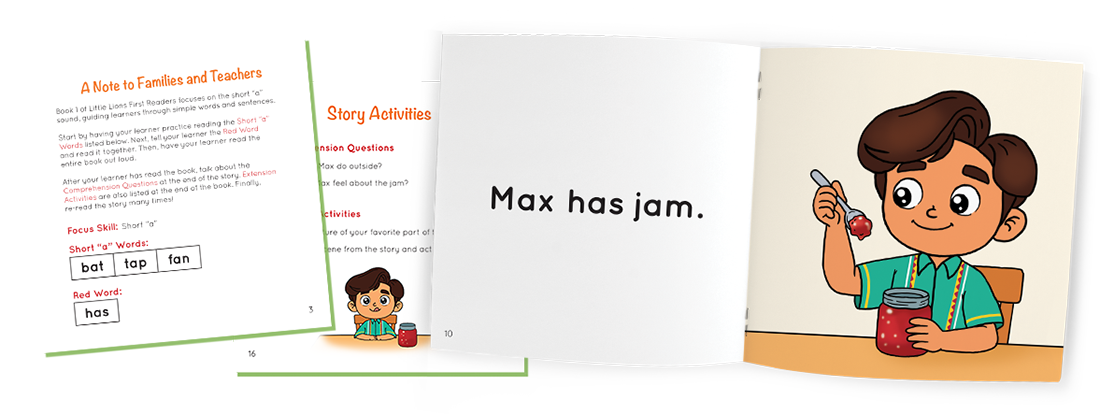
These books aren’t just random stories; they are carefully crafted to include only the letter-sound patterns a child has already learned. This systematic approach transforms the abstract skill of hearing sounds into the concrete act of reading words. By putting their phonemic awareness skills to work on the page, children see firsthand how sounds and letters collaborate to create meaning. This process makes learning to read less about memorization and more about cracking a code they already have the keys to.
The primary role of a decodable book is to make the relationship between sounds and letters explicit. Phonemic awareness is the ability to hear that the word “map” is made of three sounds: /m/, /a/, /p/. Phonics is knowing that the letters m, a, and p represent those sounds. A decodable book puts that knowledge into practice. Early readers will only feature words with the specific letter-sound pairings a child has been taught, allowing them to successfully sound out words. This direct application is crucial for cementing the foundational skills of literacy and turning auditory understanding into reading ability.
Imagine the feeling of accomplishment a child gets when they read their first sentence all by themselves. Decodable books make this happen early and often. Because the text is controlled and predictable, children can rely on their phonics knowledge instead of guessing. This high rate of success is a powerful motivator. Research shows that strong phonemic awareness is a great predictor of reading success, and decodable books provide the perfect arena to prove that skill. Each word they decode correctly builds their self-esteem and reinforces their identity as a reader. This positive reading experience encourages them to keep practicing, creating a wonderful cycle of skill-building and confidence.
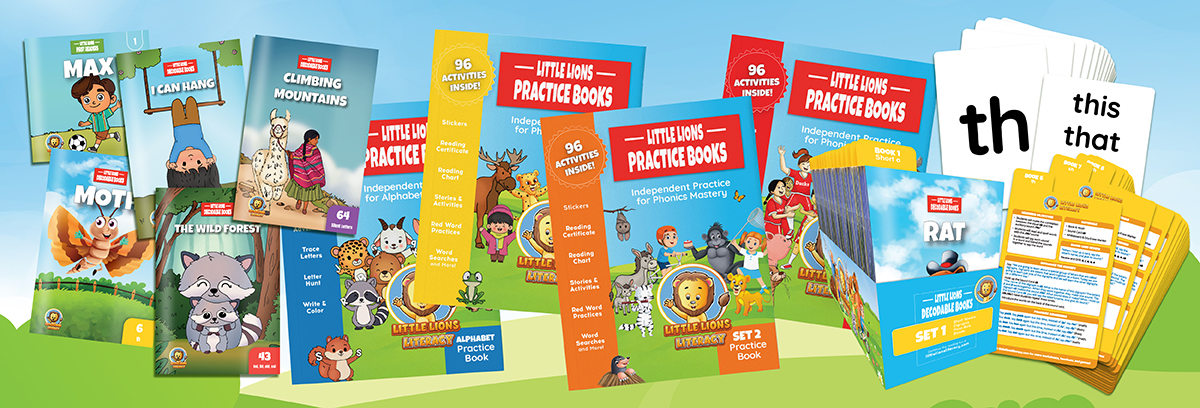
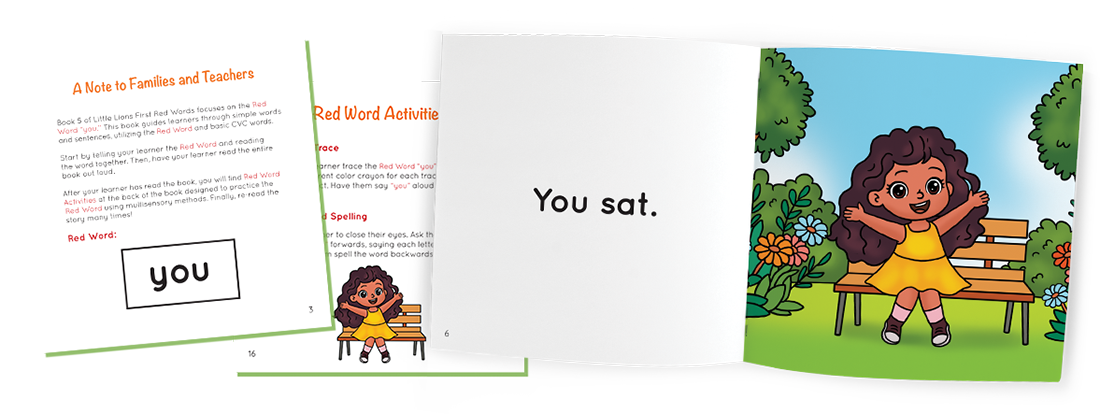
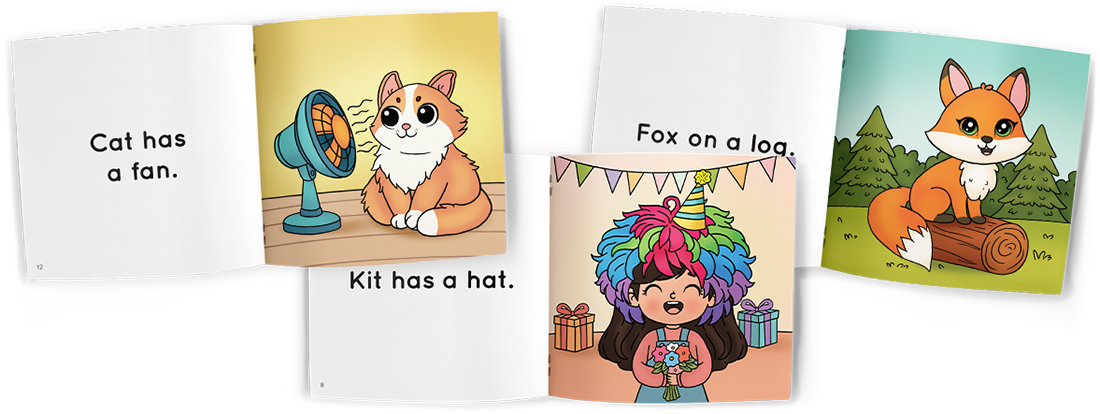
Reading a decodable book is active practice for essential phonemic awareness skills like blending and segmenting. Every time a child encounters a word like “sit,” they segment the sounds /s/, /i/, /t/ and then blend them back together to read the word. Doing this within the context of a story is far more engaging than drills with flashcards. Our Little Lions Literacy book sets are designed to provide this reinforcement systematically. As children progress through the sets, they get repeated exposure to specific sound patterns, helping them move from slow, deliberate decoding to more automatic word recognition. This repeated, meaningful practice is what solidifies their skills for the long term.
As you guide your kindergartener through the world of sounds, it’s helpful to know about a few common bumps in the road. Supporting a child’s phonemic awareness is more about consistent, joyful practice than getting everything perfect. By steering clear of a few common missteps, you can create a positive learning environment that keeps your child engaged and confident.
Think of this as a marathon, not a sprint. The goal is to build a solid foundation one sound at a time, ensuring your little learner feels successful every step of the way. Let’s look at a few key things to keep in mind.
It’s completely normal for children to develop at different paces. One of the biggest mistakes is expecting a child to master a skill before they’re ready. Kids who struggle with sound-based activities may simply be facing challenges that are not aligned with their developmental stage. For example, if a child is still learning to clap out syllables in their name, asking them to swap sounds in a word (like changing /c/ in “cat” to /m/ to make “mat”) is too advanced. Instead, focus on meeting them where they are. Keep activities light and playful, and celebrate small wins, like identifying a rhyming word in a favorite book.
Phonemic awareness skills build on each other, so it’s important not to rush the process. Think of it like building with blocks—you need a sturdy base before you can add the next layer. Consistent, short bursts of practice are far more effective than long, overwhelming sessions. In fact, many kindergarten and first-grade teachers reserve just five minutes for daily phonemic awareness instruction. Before moving on to blending and segmenting, make sure your child is confident with earlier skills like rhyming and identifying the first sound in a word. This steady approach prevents gaps in their understanding and reduces frustration for everyone.
While every child learns differently, sometimes a persistent struggle can be a sign that a little extra support is needed. If you notice your child consistently has trouble with rhyming, hearing individual sounds, or blending sounds to make a word, it’s worth paying closer attention. The good news is that with help from parents and teachers, kids can learn strategies to work through phonemic awareness problems that affect their reading. Start by talking with your child’s teacher to see if they’re observing the same challenges in the classroom. If concerns continue, a reading specialist can offer targeted strategies and support.
Of course! It’s a common point of confusion. The simplest way to think about it is that phonemic awareness is all about what you can hear. It’s the ability to play with the sounds in spoken words, which you could do with your eyes closed. Phonics is the next step, where you connect those sounds to the letters you see on a page. You need to hear the sounds first before you can link them to written letters.
If you’re just starting out, the best place to begin is with rhyming. Reading nursery rhymes, singing songs, and playing simple games like “What word sounds like cat but starts with /b/?” is a fun, low-pressure way to get your child’s ears tuned into word sounds. Once they get the hang of rhyming, you can move on to identifying the very first sound in a word.
This is a great question and something that happens all the time. When a child says the letter name (“Em”) instead of the sound (/m/), it’s a good opportunity to gently guide them. You can say something like, “That’s the letter’s name! Let’s make its sound: /m/.” The goal of these activities is to focus purely on the sounds, so consistently modeling the correct sound will help them separate the two concepts over time.
You don’t need to set aside a huge chunk of time for this. In fact, short and sweet is much more effective. Aim for just five to ten minutes of playful practice each day. You can easily fit this into your existing routines, like playing a sound game in the car or while making dinner. Consistency is far more important than duration.
Decodable books are the perfect tool to introduce once your child has a solid grasp of a few letter sounds and can blend those sounds together to make a simple word. For example, if they know the sounds for s, a, t, and can hear you say /s/ /a/ /t/ and blend it into “sat,” they are ready. These books are designed to let them practice exactly what they’ve learned, which builds incredible confidence.