Have you ever wondered if your child is truly reading or just has an amazing memory for their favorite books? It’s a common question for parents and educators. The real test of reading ability isn’t recognizing familiar words but tackling new ones with confidence. This is where practicing with made-up words comes in. By using words like “fep” or “zoj,” we can see if a child is genuinely applying their phonics skills. This practice helps us understand what is nonsense word fluency and why it’s such a reliable indicator of a strong foundation. It’s the key to knowing if they’ve learned the code of reading, not just memorized the words.
Have you ever heard a teacher mention “nonsense words” and wondered what they were talking about? It might sound a bit silly, but practicing with made-up words is actually a super effective way to see how well a child is grasping phonics. Nonsense Word Fluency, or NWF, is a key tool that helps us understand a young reader’s decoding skills. It’s all about figuring out if a child can apply their knowledge of letter sounds to read words they’ve never seen before, which is a huge step on their reading journey.
Nonsense Word Fluency is a simple assessment that measures a child’s ability to decode. Instead of using real words, it uses short, made-up words that follow predictable phonetic patterns, like “keb,” “wim,” or “zoj.” The goal is to see if a child can correctly identify the sounds each letter makes and then blend those sounds together to read the word. Because the words are fake, children can’t rely on memory or context clues to guess. This gives parents and teachers a pure, direct look at a child’s developing phonics skills and shows us exactly where they might need a little extra support.
The magic of nonsense words is that they level the playing field. When a child sees a real word like “cat,” they might already have it memorized. But when they see a word like “fep,” they have no choice but to use their decoding skills. This practice directly tests their understanding of the alphabetic principle, which is the concept that letters and letter combinations represent the sounds of spoken language. By using made-up words, we can accurately see if a child can connect letters to their sounds and blend them together smoothly. It’s a clear window into their ability to tackle new and unfamiliar words in the future.
Working with nonsense words does more than just test skills; it actively builds them. This practice strengthens a child’s phonological awareness, or their ability to recognize and work with the sounds in language. This is a foundational skill for both reading and spelling. When a child successfully sounds out a nonsense word, they are reinforcing the phonics rules they’ve learned and building confidence in their ability to decode. Think of it as a warm-up for reading real words. Mastering these “silly” words prepares them to confidently approach complex, multi-syllable words they’ll encounter in books, creating a solid base for a lifetime of reading.
It might sound a little strange to practice reading with made-up words, but nonsense word fluency is one of the most effective tools we have for building strong, confident readers. Think of it as a diagnostic check-up for your child’s phonics skills. By removing the guesswork of familiar words, we get a clear picture of how well they can apply their knowledge of letters and sounds. This simple practice has a huge impact, helping us strengthen decoding, identify potential hurdles, and set kids up for a lifetime of reading success. It’s not about memorizing silly words; it’s about building a flexible, resilient foundation that will support them as they learn to read more complex texts.
Nonsense words require a child to rely purely on their decoding abilities. When they see a word like “vap” or “jib,” they can’t pull it from memory or use context clues to guess. Instead, they have to sound it out, blending the individual sounds together to read the word. This exercise directly targets their understanding of how letters and sounds work together, a foundational concept known as the alphabetic principle. It’s like a workout for their phonics muscles, making them stronger and more adaptable when they encounter new, real words in books.
A child’s ability to read nonsense words is a surprisingly accurate predictor of their future reading ability. Studies show that students who are good at reading nonsense words are very likely to become strong readers down the road. Why? Because it proves they have the core skills needed to tackle unfamiliar words without hesitation. This makes nonsense word fluency a key milestone for early readers and a reliable sign for parents and educators that a child is on the right track with their literacy journey. It shows they aren’t just memorizing words but are actually learning the code of reading.
Nonsense word fluency assessments are like a magnifying glass for a child’s phonics skills. They help us pinpoint specific challenges before they become ingrained habits. For example, if a child consistently struggles with certain letter sounds or has trouble blending, these assessments make it obvious. Formal tools like DIBELS NWF give teachers and parents clear data on a child’s progress. This allows for early and targeted support, ensuring small gaps in understanding don’t turn into bigger reading difficulties. It’s a proactive way to check a student’s progress and provide help exactly where it’s needed most.
The kindergarten through second-grade years are a critical time for building a solid reading foundation. This is when children are wiring their brains for literacy. Practicing with nonsense words is especially important during this period because it solidifies their ability to apply phonics rules to any word they see. Mastering this skill prepares them to read more complex, multi-syllable words they’ll encounter in later grades. Strong nonsense word fluency is the bridge between knowing letter sounds and confidently reading full sentences and stories. It ensures they have the tools to grow with every book they open.

Measuring nonsense word fluency isn’t as complicated as it sounds. It’s a straightforward way for teachers and reading specialists to check in on a child’s developing phonics skills. Think of it as a quick snapshot that shows how well a student can connect letters to their sounds and blend them together. These assessments are designed to be quick, low-stress, and incredibly insightful. They provide valuable information that helps guide instruction, ensuring every child gets the support they need to become a confident, fluent reader. Let’s walk through how it works.
You might hear your child’s teacher mention assessments like DIBELS (Dynamic Indicators of Basic Early Literacy Skills) or FAST. These are some of the most common tools used to measure nonsense word fluency. The process is simple and quick. A child is given a sheet of paper with rows of simple, made-up words like “vap,” “sil,” or “jeb” and is asked to read as many as they can in one minute. They can either say the individual sounds (“v-a-p”) or read the whole word (“vap”). The goal isn’t to trick them; it’s to see if they can apply their phonics knowledge to new words without relying on memory or context clues.
After the one-minute assessment, you’ll get a score. This number typically represents the total number of correct letter sounds the child read within the time limit. For example, if a child reads “sil” as “s-i-l,” they get credit for three correct letter sounds. The score reflects two crucial skills: accuracy and automaticity. Accuracy is about saying the correct sound for each letter. Automaticity is the ability to do it quickly and effortlessly. A strong score shows that a child isn’t just accurate; they’re becoming so comfortable with letter sounds that decoding is becoming second nature.
An NWF score is more than just a number; it’s a window into your child’s decoding abilities. A high score is a great sign that a child has mastered their letter sounds and can blend them together smoothly. It’s a strong predictor that they’ll be successful as they move on to reading real words and sentences. If the score is lower, it doesn’t mean failure. Instead, it provides a clear road map for what to work on next. It might show that a child is struggling with specific vowel sounds or has trouble blending sounds together. This information allows teachers and parents to provide targeted phonics instruction right where it’s needed most.
Nonsense word fluency is usually assessed a few times throughout the school year, often at the beginning, middle, and end. This regular check-in allows educators to monitor a student’s progress and see how well their teaching methods are working. It helps them catch any potential challenges early on and adjust their instruction to meet each child’s needs. For parents, there’s no need to run formal, timed tests at home. Instead, you can informally observe your child’s progress as you practice with decodable books. Noticing them sound out new words with more ease and confidence is a wonderful way to see their skills growing over time.
As children learn to connect letters with sounds, it’s completely normal for them to hit a few bumps along the way. Every reader’s journey is unique, and some challenges are a common part of the process. Understanding these hurdles is the first step in helping your child overcome them with confidence. For many kids, the path to reading isn’t a straight line. They might feel frustrated when they can’t quite figure out a word, or you might worry that they aren’t progressing as quickly as their peers. These feelings are valid, but it’s important to remember that these moments are opportunities for growth.
The key is to identify exactly where the difficulty lies. Is it trouble telling similar letters apart? Or is it a struggle to blend sounds together smoothly? This is where targeted practice becomes so valuable. By breaking down the complex act of reading into smaller, manageable skills, we can help children build a solid foundation, one piece at a time. Activities like practicing with nonsense words are designed to do just that. They isolate specific phonics skills and give kids a low-pressure way to practice without the added challenge of comprehension. From mixing up letters to feeling shy about sounding out silly words, these are the moments where a little extra support and the right tools can make all the difference.
One of the most frequent challenges for new readers is distinguishing between letters that look alike, such as ‘b’ and ‘d’ or ‘p’ and ‘q’. This isn’t usually a sign of a deeper issue; it’s often just a matter of a child’s brain still learning to process the specific orientation of symbols. When a child struggles with word recognition, reading can feel slow and frustrating. They might spend so much mental energy trying to identify the correct letter that they lose the flow of the word or sentence. Nonsense word practice helps isolate this skill, allowing them to focus purely on letter shapes and sounds without the pressure of guessing a word from context.
Have you ever wondered if your child is truly reading or just has a great memory for words they’ve seen before? This is a common question, and it’s where nonsense words really shine. A child might easily recognize the word “cat” because they’ve memorized its shape. But when faced with a nonsense word like “zat,” they have to rely on their knowledge of phonics rules to sound it out. This practice reveals whether a child is truly sounding out words or just guessing. It’s a pure test of their decoding skills, which is the foundation for becoming an independent reader who can tackle any text.
Let’s be honest, reading made-up words can feel a little strange at first, both for kids and adults. Some children might feel shy or think it’s a trick. It’s important to frame nonsense word practice as a fun, low-stakes game. Since there’s no picture to guess from or story to follow, the only goal is to sound out the word. This removes the fear of being “wrong” and helps children build confidence in their decoding abilities. Celebrating their effort in sounding out a silly word like “mib” or “fep” reinforces the process, showing them that they have the skills to read anything. Strong Nonsense Word Fluency is a key building block for confident reading.
As a parent or educator, you might find yourself asking, “What’s the point of reading words that aren’t real?” It’s a fair question. Think of nonsense words as a quick check-up for your child’s reading skills. They are powerful diagnostic tools. Nonsense word assessments give a clear and accurate picture of how well a child understands letter sounds and blending. They help pinpoint exactly which phonics skills are solid and which ones need more practice. This information allows you to provide targeted support right when it’s needed, ensuring your young reader builds a strong foundation for future success without falling behind.
Helping your child become a confident reader doesn’t require a complicated plan. By incorporating a few simple and consistent strategies into your routine, you can make a huge difference in their journey. The goal is to build their skills in a way that feels supportive and fun, turning practice from a chore into a positive experience. These actionable steps will help you reinforce their phonics foundation and watch their confidence grow.
The magic of reading nonsense words lies in blending. It’s all about taking individual sounds and smoothly connecting them to form a word. This skill shows that a child truly understands how letters and sounds work together, a concept known as the alphabetic principle. You can practice this by writing simple CVC (consonant-vowel-consonant) nonsense words like “bim,” “keg,” or “wom” on flashcards. Sit with your child and sound out each letter together, then guide them in blending the sounds faster until it sounds like a word. The focus isn’t on memorizing these silly words but on mastering the action of blending.
One of the best ways to encourage learning is to make it feel like play. Turning nonsense word practice into a game can remove any pressure and keep your child excited to participate. You could create a “Silly Word Jar” and take turns pulling out a word to read aloud, or use flashcards in a matching game. There are tons of reading games and activities you can adapt for nonsense words. When children are having fun, they’re more relaxed and open to learning. This positive association with reading helps build both their skills and their enthusiasm for literacy.
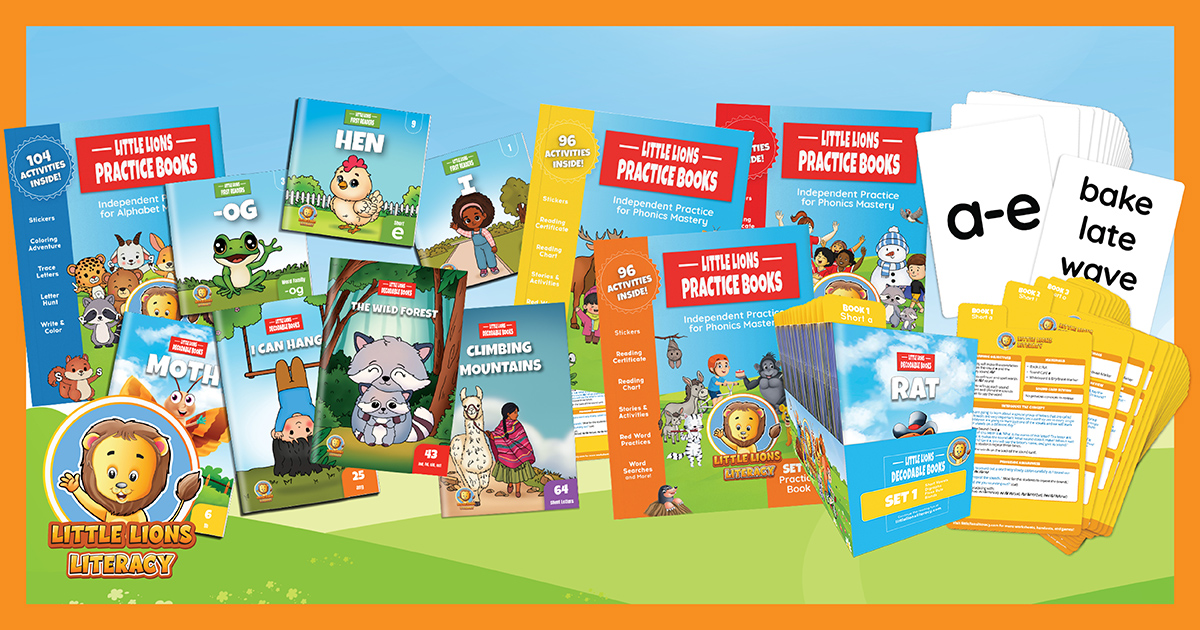
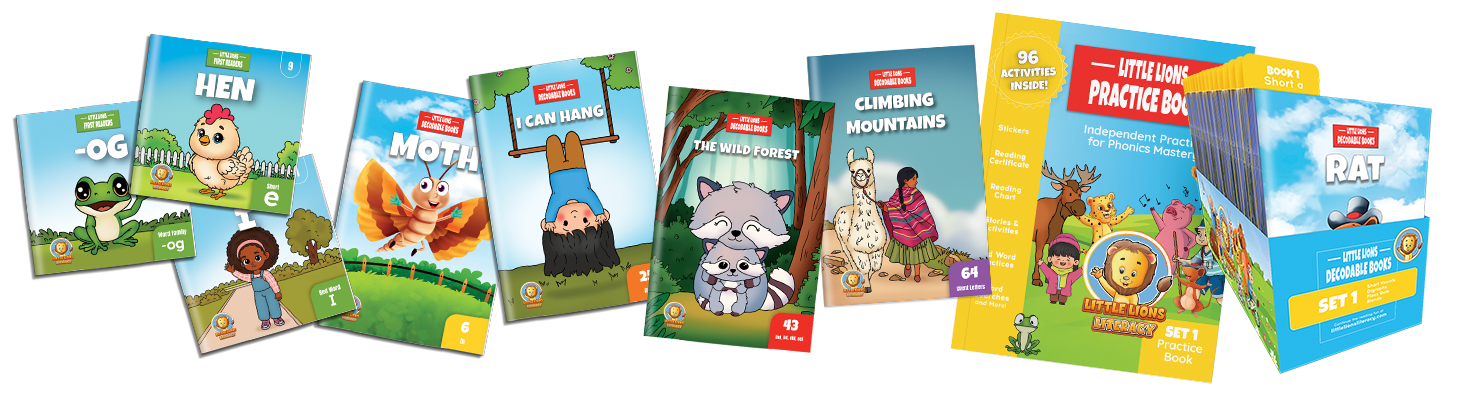
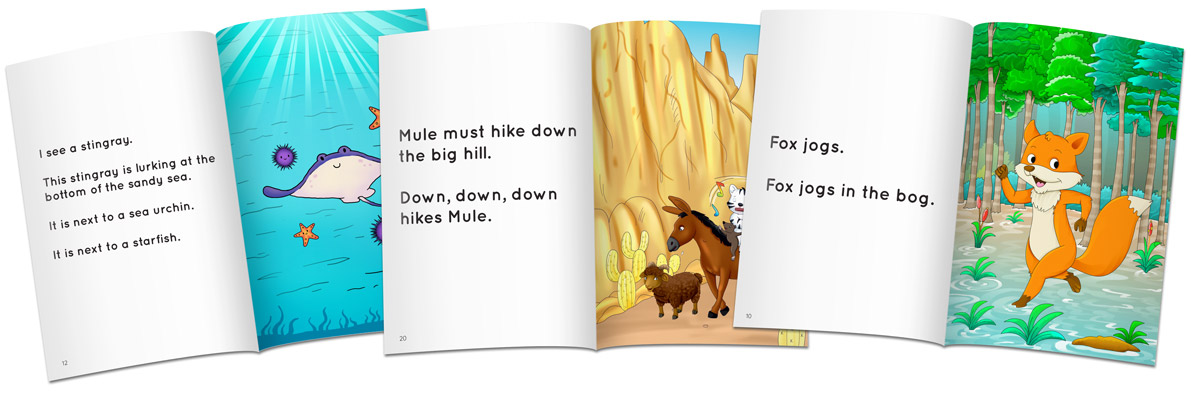
After practicing with individual nonsense words, the next step is to apply those blending skills in a real reading context. This is where decodable books shine. These books are carefully written with words that follow the phonics rules your child is learning, giving them the perfect opportunity to practice their new skills. When they successfully read words in a story, it reinforces their understanding and shows them the real purpose of phonics. Our Little Lions Literacy decodable book sets are designed to grow with your child, providing the targeted practice they need to become fluent, confident readers.
Consistency is more important than intensity. A short, daily routine can have a much bigger impact than one long, weekly session. Find a time that works for your family, whether it’s five minutes after breakfast or ten minutes before bed, and make it your dedicated reading practice time. This regularity helps build muscle memory for decoding and makes the process feel automatic over time. A predictable routine also provides comfort and helps build a child’s confidence, as they know what to expect and can see their own steady progress day after day.
Above all, your child needs a learning environment filled with patience and encouragement. Reading can be challenging, and it’s important to create a space where mistakes are seen as learning opportunities, not failures. Celebrate their effort and persistence, not just their correct answers. A supportive learning environment is crucial, especially for children who find reading difficult. When you approach reading practice with a positive and gentle attitude, you show your child that you’re on their team. This partnership makes them feel safe to try, stumble, and ultimately, succeed.

That’s a completely normal reaction. The best approach is to frame it as a fun challenge or a secret code game. Explain that sounding out these “silly” words is like a workout for their brain that makes them strong enough to read any word, even long and tricky ones in their favorite stories. Keep practice sessions short and playful, maybe using flashcards for a quick game or writing words with sidewalk chalk. When the pressure is off, they’re more likely to see it as a fun activity rather than a chore.
This is a common question, but there isn’t one single number to aim for. Benchmarks for these assessments vary depending on the specific tool used, your child’s grade level, and the time of year. Instead of focusing on a specific score, it’s more helpful to look at your child’s progress over time. A growing score shows that their decoding skills are getting stronger and more automatic. If you have questions about your child’s results, their teacher is the best person to provide context and explain what the numbers mean for their individual learning path.
Strong nonsense word fluency is an excellent sign. It shows your child has a solid grasp of the alphabetic principle, which is the ability to connect letters to sounds and blend them together. This is a critical foundation for all future reading. While it’s a very strong predictor of future success, it is one important piece of the puzzle. True reading proficiency also involves building vocabulary, understanding sentence structure, and comprehending the meaning of the text. Mastering nonsense words ensures they have the decoding skills needed to access those bigger ideas.
Think of it this way: practicing nonsense words is like a musician practicing scales, while reading a decodable book is like playing a simple song. Nonsense words isolate the single skill of decoding in its purest form, strengthening a child’s ability to sound out unfamiliar words without any other clues. Decodable books are the next step, allowing your child to apply that skill in the context of a real story. The two work together perfectly to build a confident reader who can both decode words and find meaning in them.
It’s best to leave the stopwatch to the teachers. At school, timed assessments are used to gather specific data about a student’s progress. At home, the goal is different. Your focus should be on creating a positive, low-pressure environment where your child can practice and build confidence. Instead of timing them, celebrate their effort, praise them for working through a tricky word, and focus on accuracy. Keeping practice relaxed and encouraging will do more to foster a love of reading than a timer ever could.