
Watching a young child struggle with a word, guessing from the pictures or the first letter, can be tough. You want to help, but telling them to “sound it out” only works if they have the right tools. This is where a more direct approach makes all the difference, replacing the frustrating guessing game with real skills. This is the core of understanding what is explicit phonics instruction. It’s a method that directly teaches the connections between letters and sounds in a logical order. It gives children a reliable system for decoding words, building the confidence they need to see themselves as capable readers from the very beginning.
If you’ve ever felt like teaching a child to read is like trying to solve a puzzle without the picture on the box, you’re not alone. Explicit phonics instruction is the clear, straightforward guide that shows how all the pieces fit together. Put simply, it’s a teaching method where we directly and clearly show students how letters and letter combinations connect to specific sounds. Instead of leaving kids to guess or figure out the rules on their own, we teach them the code of reading step-by-step.
Research consistently shows that this direct approach is incredibly effective for helping children learn to read and spell. It takes the mystery out of reading by giving kids a reliable toolkit they can use to sound out new words. This method builds confidence and creates a solid foundation for a lifetime of reading.
Explicit phonics works because it’s both direct and systematic. A teacher or parent directly explains a concept, like how the letters ‘oa’ team up to make the long ‘o’ sound you hear in “boat.” Then, kids get plenty of practice reading and writing words with that specific letter-sound pattern until it sticks. This proven way to teach reading introduces skills in a logical sequence, starting with the simplest concepts and gradually building to more complex ones. Each new skill connects to the last, creating a strong, interconnected web of knowledge that helps children decode words accurately and efficiently.
The main difference between explicit and implicit phonics lies in how the information is presented. With explicit phonics, the teacher is the guide. They directly state, “This letter makes this sound.” It’s a clear, no-guesswork approach. On the other hand, implicit phonics is more like a discovery mission. It encourages children to look at a word, maybe guess from the pictures or the first letter, and try to figure out the sound patterns on their own. While curiosity is great, relying on guessing can be unreliable and frustrating for many young readers. Explicit instruction provides the reliable framework kids need to become successful decoders.
Explicit phonics breaks down the process of learning to read into clear, manageable steps. It’s not about memorizing words but about understanding the code that makes up our language. This approach is direct, structured, and incredibly effective because it leaves no room for guessing. Instead, it empowers children by showing them exactly how letters and sounds work together to form words. Let’s look at the key components that make this method so successful.
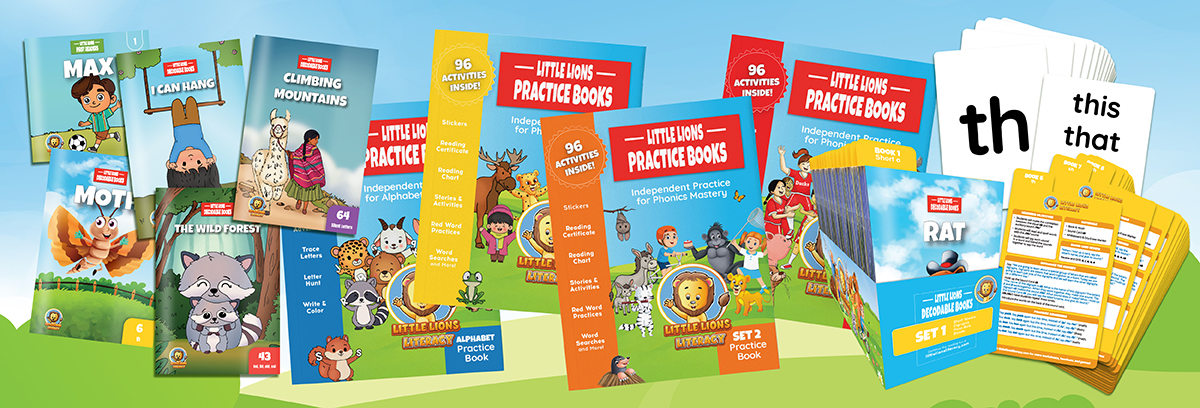
Think of explicit phonics as a friendly guide showing your child exactly how reading works. Instead of hoping they’ll figure it out on their own, we directly teach them how letters and sounds connect. This often follows a simple “I Do, We Do, You Do” pattern. First, the teacher or parent models the sound a letter makes (“This is the letter ‘m,’ and it makes the /m/ sound.”). Then, they practice it together. Finally, the child tries it independently. This clear, step-by-step process removes the guesswork and builds confidence from the very first lesson, ensuring every child understands the relationship between what they see on the page and the sounds they hear.
The magic of explicit phonics is that it’s also systematic. This means we are teaching skills in a logical order, moving from simple concepts to more complex ones. For instance, a child will learn the sounds for letters like ‘s’, ‘a’, and ‘t’ before learning to blend them into a word like ‘sat’. They master basic letter sounds before moving on to trickier combinations like ‘sh’ or ‘ch’. This structured sequence acts like a roadmap for reading, ensuring there are no gaps in a child’s knowledge. It builds a strong, sturdy foundation, which research shows is essential for all students, especially those who might find reading more challenging.
Explicit instruction isn’t about boring drills. A great phonics lesson is active and engaging, often using multiple senses to help learning stick. Think of tracing letters in sand, building words with magnetic tiles, or clapping out syllables in a name. These hands-on activities help children form stronger connections in their brains between letters and sounds. Incorporating movement and touch makes learning more memorable and inclusive for every type of learner. A well-stocked toolkit of phonics resources can make practice feel like play, keeping kids excited about their reading journey.
So, what does explicit phonics actually do for a young reader? The benefits are huge, going far beyond just passing a spelling test. This approach gives children a reliable toolkit for tackling words, building a solid foundation for everything that comes after. When kids have a clear way to understand how letters and sounds connect, reading becomes less of a mystery and more of a skill they can master. Let’s look at some of the biggest advantages.
Explicit phonics directly teaches children how to decode, or sound out, unfamiliar words. Instead of guessing from pictures, they learn a reliable system for connecting letters to sounds and blending them together. This is a game-changer for early reading. As children practice this skill, their decoding becomes faster and more automatic. This is the key to developing reading fluency: the ability to read with speed and accuracy. When a child doesn’t have to struggle with every word, they can focus on what the story means, making reading more enjoyable.
For children who find reading challenging, explicit phonics instruction is often essential. The clear, step-by-step process leaves no room for confusion. Every rule is taught directly and practiced, providing the structure many struggling readers need to succeed. Research shows this method is more effective than approaches that leave kids to discover rules on their own. By teaching phonics systematically, we can improve a child’s ability to not only read words but also to understand what they read. It gives them a clear path forward, building skills piece by piece until reading clicks.
The ultimate goal is to raise children who not only can read but love to read. Explicit phonics builds confidence from the start. When children feel capable and successful as readers, they are more likely to pick up a book for fun. This creates a positive cycle: the more they read, the better they get, and the more they enjoy it. Research confirms that a systematic phonics approach is the most effective way to ensure early reading progress. By giving kids a strong foundation, we’re not just teaching a skill for school; we’re giving them a tool for lifelong learning and enjoyment.
While every child can gain from a structured approach to reading, explicit phonics is absolutely essential for many. Think of it like building a house. Some people might be able to figure out the basics on their own, but everyone benefits from a solid blueprint. For a large number of children, that blueprint is the only way they’ll successfully learn to build words.
This direct, step-by-step method provides the clarity and structure that many young minds need to connect sounds with letters. It removes the guesswork that can lead to frustration and a dislike of reading. Research consistently shows that for new readers, children with reading difficulties, and those learning English, explicit phonics isn’t just a good idea; it’s a critical component of their literacy education. Let’s look at why this approach is so effective for these specific groups of learners.
Every child starting their reading journey deserves a strong foundation. Explicit phonics provides just that by giving them a clear, reliable system for decoding words. Instead of encouraging them to guess based on pictures or context, it teaches them how to look at a word, break it down into its sounds, and put it all together. This systematic process builds confidence right from the start.
When children have a dependable strategy, they feel empowered to tackle new and unfamiliar words. This early success is so important for fostering a love of reading. Studies on effective phonics instruction confirm that a systematic approach is beneficial for all students, setting them up with the fundamental skills they need to become fluent, independent readers.
For children who find reading challenging, including those with or at risk for dyslexia, explicit phonics is a game-changer. It’s not just helpful; it’s necessary. Some estimates suggest that nearly 60% of students require this type of direct instruction to truly crack the code of reading. For these learners, the connections between letters and sounds don’t always happen intuitively.
Explicit instruction breaks down reading into manageable pieces and provides the repetition and multi-sensory engagement these children need to build and strengthen neural pathways. It leaves nothing to chance, ensuring they master each skill before moving on to the next. This targeted support can make all the difference, preventing long-term struggles and helping every child feel capable and successful.

Learning to read is hard enough, but learning to read in a new language adds another layer of complexity. English, with all its tricky spellings and rules (and exceptions to those rules), can be especially confusing for multilingual learners. Explicit phonics brings order to the chaos by directly teaching the sound-spelling patterns of English in a logical sequence.
This approach is significantly more effective than simply hoping students will absorb the patterns through exposure. It provides a clear framework that helps them understand how English words work. By learning the code systematically, students learning English can build their reading, spelling, and pronunciation skills on a solid foundation, giving them the confidence to become proficient readers in their new language.
When you’re choosing a reading method for your child, you want to know it’s backed by solid evidence. The good news is that when it comes to explicit phonics, the research is not just supportive, it’s overwhelming. For decades, scientists, educators, and literacy experts have studied how children learn to read, and their findings consistently point to one conclusion: explicit, systematic phonics instruction is the most reliable way to build a foundation for reading success. This isn’t just one study or a passing trend. The support comes from major national reports, brain science, and a large body of educational research. Let’s look at what the experts have found.
One of the most significant reviews of reading research was conducted by the National Reading Panel. After analyzing thousands of studies, they came to a clear conclusion. Their findings show that systematic and explicit phonics instruction is beneficial to all students but is absolutely essential for some. This means that while every child gets a leg up from this approach, it’s a complete game-changer for children who might otherwise struggle. This includes kids with reading difficulties, those learning English as a new language, and any young reader who needs a bit more support to make the pieces click. It’s a universal approach that also provides a critical safety net.
Learning to read isn’t something our brains do automatically, like learning to talk. Reading actually rewires the brain, building new connections between the parts that process visual information (letters) and the parts that process language (sounds). Brain imaging studies show us that explicit phonics instruction is what helps build these connections efficiently. In fact, research shows that direct phonics instruction leads to gains in word reading and comprehension. It’s estimated that nearly 60% of students require this kind of direct, code-based teaching to become skilled readers. For the majority of kids, learning to read simply doesn’t happen without it.
The idea of teaching phonics isn’t new, and for years, researchers have compared different methods. The evidence consistently shows that a systematic approach is far more effective than non-systematic or no phonics instruction. The key is the word “systematic.” This means skills are taught in a logical sequence, building on one another from simple to complex. This organized approach prevents gaps in a child’s knowledge and builds their confidence. Most importantly, this method has a significant impact on improving children’s reading comprehension. After all, the goal isn’t just to say the words on the page, but to understand the story they tell.
Bringing phonics practice home is one of the best ways to support your child’s reading journey. You don’t need a teaching degree or a perfectly quiet house to make a huge impact. It’s all about creating a positive, encouraging space where your child can build confidence.
Think of it as extending the great work their teacher is doing in the classroom. A little bit of consistent, fun practice at home can reinforce what they’re learning and help those new skills stick. The goal isn’t to replicate a school lesson but to weave reading practice into your daily life in a way that feels natural and joyful for both of you. These simple strategies can help you get started.
Consistency is your best friend when it comes to phonics. Short, daily practice sessions are far more effective than one long cram session on the weekend. Just 10 to 15 minutes of focused time each day can make a world of difference. You can make it a special part of your day, like reading together on the couch after school or right before bed. To help your child connect sounds to letters, encourage them to point to each word as they read it aloud. This simple action reinforces tracking and helps them slow down, giving them time to decode. Remember, the goal is to build a positive routine, not a stressful one, so keep it light and celebrate their effort.
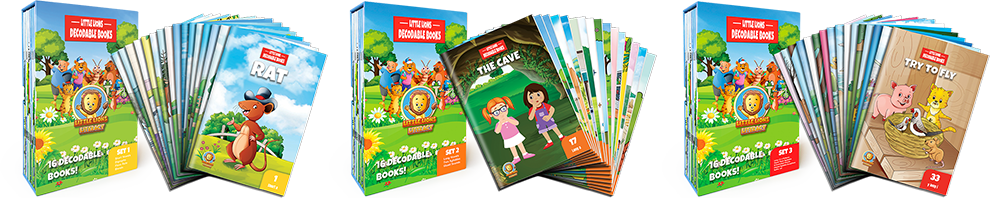
Having the right tools can turn practice from a chore into playtime. This is where decodable books shine. Because these books are written using only the letter-sound patterns your child has already learned, they set your little reader up for success. They get to experience the thrill of reading a whole book by themselves, which is a massive confidence builder. Beyond books, you can use hands-on materials to make learning fun. Magnetic letters on the fridge, alphabet puzzles, or even tracing letters in a sand tray can make phonics feel like a game. A well-stocked toolkit helps you deliver systematic instruction and keeps your child engaged and excited to learn.
It’s completely normal for children to hit a few bumps on the road to reading. Every child learns at their own pace, and a “one size fits all” approach rarely works. If your child gets stuck on a word or seems frustrated, stay patient and positive. Gently guide them, perhaps by reminding them of a specific phonics rule or helping them sound out the first letter. It’s also powerful to apply phonics skills to everyday life. Point out words on signs, menus, or cereal boxes. This shows them that reading is a useful tool for exploring the world around them, making the practice feel more meaningful and relevant.
When it comes to teaching reading, phonics is a topic that comes with a lot of opinions and, frankly, a few misunderstandings. You might have heard that it’s dull or that it’s the only skill a child needs. Let’s take a moment to clear the air and look at what explicit phonics instruction is really all about. By separating fact from fiction, you can feel more confident in supporting your child’s reading journey.
Some people worry that phonics instruction is just endless drills of letters and sounds, which could turn kids off from reading altogether. While a structured approach is key, it doesn’t have to be boring. Great phonics instruction is active, engaging, and multi-sensory. It’s not a “one size fits all” method; effective teachers know that children learn in diverse ways and adapt their lessons accordingly. Think of it less like a rigid script and more like a toolbox, filled with games, songs, and hands-on activities that bring letter-sound relationships to life.
This is a big one. While phonics is absolutely essential for building a strong foundation, it’s one important piece of a much larger puzzle. Think of phonics as the tool that helps a child decode the words on the page. But to truly read, they also need to understand what those words mean (comprehension), build their vocabulary, and read smoothly (fluency). A complete reading program will always include phonics alongside activities like reading stories aloud, discussing books, and practicing phonemic awareness. Phonics gives kids the key to unlock words, opening the door to a lifetime of reading enjoyment.
What’s the real difference between explicit and implicit phonics? Think of it this way: explicit phonics is like a direct cooking lesson where I show you exactly how to measure the flour and crack an egg. I state the rules clearly. Implicit phonics is like giving you the ingredients and hoping you figure out the recipe on your own. The explicit approach is more direct and reliable, removing the guesswork that can frustrate young learners.
Is explicit phonics only for struggling readers? Not at all. While it is absolutely essential for children who find reading difficult, explicit phonics benefits every single new reader. It provides a strong, reliable foundation for everyone, ensuring no child is left to guess how reading works. It’s a universal tool that provides critical support for those who need it most.
How can I tell if a book is “decodable”? A decodable book is carefully written to include only the letter-sound patterns your child has already been taught. For example, if they’ve learned the sounds for s, a, t, p, i, and n, a decodable book at that level would use words like “sat,” “pin,” and “tap.” This allows them to practice their skills and experience success, building confidence by reading an entire story independently.
Will focusing so much on rules make my child hate reading? This is a common worry, but it’s usually the opposite that’s true. Frustration, not phonics, is what can turn a child off from reading. Explicit phonics gives children a sense of mastery and confidence. When they have a reliable method for figuring out new words, reading becomes less of a struggle and more of an accomplishment. The key is to keep practice sessions fun, short, and positive.
My child keeps guessing at words instead of sounding them out. What should I do? This is a very common habit, especially if a child has been encouraged to use pictures or the first letter to guess. When this happens, gently redirect them. You can cover the picture with your hand and say, “Let’s use our sounds to figure that one out.” Guide them to look at all the letters, sound them out one by one, and then blend the sounds together. Consistently encouraging them to decode builds a much more reliable reading habit.