A consonant digraph is a combination of two consonant letters that work together to represent one single sound (phoneme).
Unlike individual letters where each makes its own sound, a digraph creates a brand-new sound. For example, in the word ship, the letters s and h team up to make the /sh/ sound. You don’t hear the /s/ or the /h/ individually—only the new /sh/ sound.
Understanding digraphs builds confidence in early reading and spelling. Unlike consonant blends, where both sounds can be heard (like “st” in stop), digraphs merge into a single new sound—one that helps words flow more naturally. By learning to spot and pronounce these sound pairs, children unlock a deeper level of phonemic awareness that sets the stage for fluent reading.
In this guide, you’ll discover everything you need to know about consonant digraphs—what they are, how they differ from vowel digraphs, and how to introduce them effectively. We’ll also share fun and engaging activities, free printable games, and helpful teaching resources designed to make phonics learning enjoyable for both kids and adults. Whether you’re a parent supporting your child at home or an educator building literacy foundations in the classroom, this is your go-to resource for mastering digraphs with confidence!
A consonant digraph is a group of two consonants that come together to create a single sound this is the most basic consonant digraph definition. If you’re wondering what is a digraph in phonics, it’s simply when two letters combine to form one unique sound that differs from their individual pronunciations. For example the two letters “ s” and “ h” form the sound /sh/. Most of the time the sound that the two letters make will be different from the sound that each letter makes individually.
If you’re wondering the digraph meaning, it’s when two letters combine to form one unique sound that differs from their individual pronunciations.
Here are some consonant digraphs examples and digraph examples:
There are also less common combinations, such as: ph, gh, kn, wr, and gn. These less common ones are typically introduced in the later grades of elementary school.
Consonant digraph words should be introduced only after your learner has mastered the basic alphabet sounds, including phonics short vowels and consonant sounds. These foundational skills set the stage for recognizing digraphs in both reading and spelling. Once your learner is reading three letter words (cat, hop, sun), they are typically ready to learn sh, th, ch, and ck.
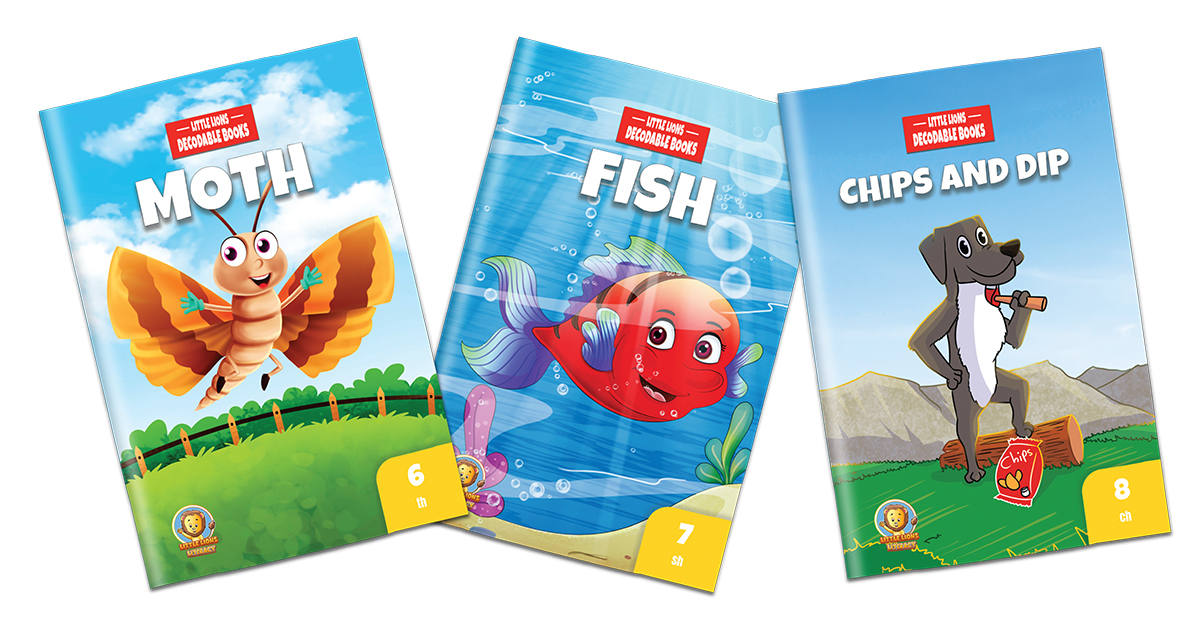
Reading decodable books with controlled text is probably the best way to help your learner develop the ability to read and eventually spell with digraphs. It is very important to use decodable books that focus on only one concept at a time, so that your learner will not get confused.
It is easy to confuse these two, but here is the simple rule to remember:
Digraphs: Two letters = One sound (e.g., sh in shop).
Blends: Two letters = Two sounds (e.g., st in stop).
In a blend, you can still hear each individual letter if you say the word slowly. In a digraph, the individual sounds disappear to form a “team” sound. These two phonics skills are completely different.
A consonant blend is when two letters come together, but each gets to say its own sound. For example in the word swim, the s and the w form sw. You can clearly hear the sound of the s and the sound of the w.
Some examples of blends:
Digraphs are different from blends in that we don’t hear each individual letter sound. In a consonant digraph the letters come together, but they form a single sound. For example in the word chip, the c and h come together to form one sound /ch/.
The “H Brothers” Mnemonic Many teachers use the “H Brothers” story to help kids remember the four most common digraphs:
Charlie (CH): He’s crazy about trains and says “/ch/ /ch/ /ch/!”
Whit (WH): He’s always whistling or asking questions: “/wh/?”
Sherman (SH): He likes things quiet and says “/sh/!”
Theo (TH): He’s the rude brother who sticks his tongue out and says “/th/!”
The Two Sounds of “TH” The digraph th is unique because it makes two different sounds:
Unvoiced /th/: Your vocal cords don’t vibrate. (Examples: thumb, thin, bath, math)
Voiced /th/: Your vocal cords vibrate (your “motor” is on). (Examples: this, that, then, mother)
The best way to practice reading consonant digraph words and sentences with consonant digraphs is through fun and engaging learning activities. Activities in literacy centers and small groups will help your learner build confidence as they learn phonics. It takes a lot of practice and repetition to learn to read and spell, so providing these opportunities will help. At Little Lions Literacy, we have a fantastic selection of practice activities and resources for early literacy.

Thank you so much for reading this post today. You might also be interested in reading our previous posts:
Decodable Books for Beginning Readers
Support Your Beginning Reader with These 5 Tips!
Take a look at our decodable books. Your learner will get a lot of practice reading words and sentences and answering comprehension questions. There are also extension activities listed at the end of each book.
The 21 consonant digraphs include common pairs like sh, ch, th, wh, ph, ck, kn, gn, wr, and gh. Others include sc, sk, sl, sm, sn, sp, st, sw, tr, tw, and qu. These are two-letter combinations that make one sound when we read them.
The 7 digraphs’ sounds most kids learn first are:
sh, ch, th (voiced), th (unvoiced), wh, ph, and ck. Each of these makes a unique sound that’s different from the single letters used to spell them.
Here are 20 examples of consonant digraphs:
sh (ship), ch (chip), th (thin), ph (phone), wh (when), ck (duck), kn (knee), wr (write), gh (laugh), gn (gnome), sc (scarf), sk (skip), sl (slip), sm (smile), sn (snow), sp (spin), st (star), sw (swim), tr (tree), tw (twin).
The 7 consonant blends most students learn include:
bl, cl, fl, gl, pl, sl, and br. These are different from digraphs because each letter keeps its own sound when we say them together.
Here are 20 examples of consonant blends in words:
bl (blue), cl (clap), fl (flag), gl (glad), pl (plant), sl (slip), br (brick), cr (crab), dr (drop), fr (frog), gr (grab), pr (print), tr (tree), sc (scarf), sk (skip), sm (smile), sn (snow), sp (spin), st (stop), sw (swim).
The 8 most common digraphs are:
sh, ch, th (voiced), th (unvoiced), ph, wh, ck, and ng. These are often taught early in phonics to help young readers blend letter sounds into words.
Most phonics experts consider qu a blend because you can hear two sounds: /k/ and /w/. However, because “q” is almost never seen without “u” in English, some curricula teach it alongside digraphs.
Students are usually ready for digraphs after they have mastered single consonant sounds and Short Vowel (CVC) words like cat, hop, and bin.
A trigraph is three letters that make one sound, such as tch in watch or dge in bridge.


Share via: