Think of your child’s brain as building a huge mental library of words. To read fluently, they can’t just toss books on the floor; they need a system to file them away for quick access. Orthographic mapping is that filing system. It’s the process of analyzing a word’s sounds and letters and creating a permanent mental blueprint for it. This is what allows a reader to see a word and instantly know what it is without sounding it out. So, what does orthographic mapping mean? It’s the cognitive process that organizes words in the brain, making retrieval fast, efficient, and automatic, which is the foundation of skilled reading.
Have you ever wondered how skilled readers can recognize thousands of words in a split second without sounding them out? The secret isn’t memorizing words like pictures. It’s a powerful brain process called orthographic mapping. This is the mental filing system that allows children to store words for instant, effortless retrieval. When a child orthographically maps a word, they are permanently storing it in their long-term memory, which is the key to becoming a fluent reader.
Instead of just memorizing a word’s shape, your child’s brain is busy building connections. It links the sounds in the word (phonemes) to the letters that represent those sounds (graphemes). This process turns unfamiliar words into familiar sight words that they can read automatically.
Think of orthographic mapping as your child’s brain creating a detailed file for every new word. This mental file connects three crucial pieces of information: the word’s sounds, its spelling, and its meaning. When a child encounters the word “cat,” their brain links the sounds /k/ /a/ /t/ with the letters c-a-t and the image of a furry, four-legged pet. This is the mental process that helps us store and remember words efficiently. Once these connections are made and practiced, the word is securely stored for quick use, allowing your child to recognize it instantly the next time they see it.
You might be thinking, “Isn’t this just memorizing sight words?” It’s a common question, but the two are quite different. Traditional sight word memorization often encourages kids to learn words as whole shapes, almost like memorizing a logo. This relies purely on visual memory and can be very inefficient. Orthographic mapping, on the other hand, is about understanding a word’s structure. It’s a much deeper connection between sounds and letters. Instead of just memorizing how a word looks, a child learns why it’s spelled that way by connecting its sounds to the letters on the page. This creates a stronger, more reliable pathway for word recognition.
Orthographic mapping might sound technical, but it’s a natural process the brain uses to make reading feel effortless. Think of it as the brain creating a permanent file for every word, connecting its sounds, spelling, and meaning all in one place. This process is what separates struggling decoders from fluent, confident readers. It’s not about memorizing whole words as pictures; it’s about understanding their structure from the inside out. Let’s walk through how this mental magic happens.
At its core, orthographic mapping is about making connections. A child’s brain takes the sounds in a spoken word (the phonemes) and links them to the letters that represent those sounds on the page (the graphemes). For example, when a child sees the word “cat,” they first need to recognize that it has three distinct sounds: /k/, /a/, and /t/. Then, they connect those sounds to the letters c, a, and t.
This process isn’t possible without strong foundational skills. A child needs solid phonemic awareness to hear and manipulate the individual sounds in words. They also need phonics knowledge to understand which letters make which sounds. By consciously working through this sound-to-letter connection, a child’s brain begins to build a blueprint for the word.
The first few times a child encounters a new word, they have to sound it out. This is active, effortful decoding. But after successfully decoding a word just a few times, the brain’s orthographic mapping process takes over. The connections between the sounds and letters become so strong that the word is stored in long-term memory. The next time the child sees that word, they don’t need to sound it out. They recognize it instantly.
This is the leap from decoding to automatic word recognition. It’s what allows reading to become fluent and smooth. When a child no longer has to spend mental energy figuring out individual words, they can focus all their attention on what the words mean. This is when reading for understanding and enjoyment truly begins.
For a word to become permanently stored, the brain needs to see it as a meaningful sequence of letters, not a random jumble. The process of sounding out a word and connecting its letters to its sounds cements its spelling in the child’s mind. Each successful attempt strengthens this mental file until the word is instantly accessible. This is why practice with the right materials is so important.
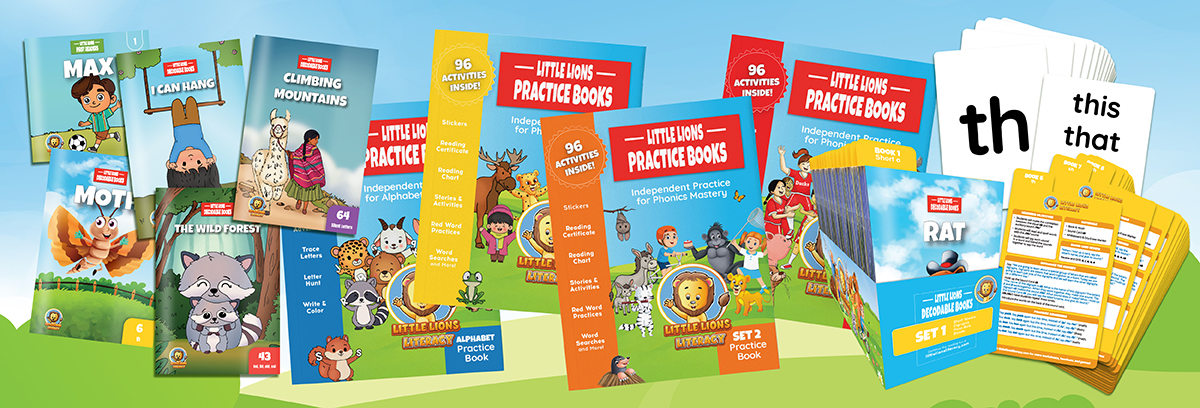
Using decodable books gives children the repeated exposure they need to map words effectively. These books are carefully designed to include words with phonetic patterns that children have already learned. This structured practice provides the brain with the consistent information it needs to build strong, lasting connections, turning unfamiliar strings of letters into familiar, instantly recognizable words.
Orthographic mapping isn’t just another educational buzzword; it’s the mental process that transforms a child from a hesitant decoder into a skilled, fluent reader. It’s how our brains store words for instant retrieval, making reading feel effortless and natural. When this process works well, it lays the foundation for a lifetime of successful reading, impacting everything from speed and accuracy to comprehension and even spelling. Let’s look at why this brain-based process is such a critical piece of the reading puzzle.

Think of orthographic mapping as your child’s brain taking a snapshot of a word and filing it away for immediate use. Once a word is “mapped,” they no longer need to sound it out letter by letter. They just know it. This is the very foundation of reading fluency. When a child can read smoothly and accurately, their confidence soars. The struggle of decoding fades away, replaced by the joy of simply reading a story. This shift is monumental, making reading feel less like a chore and more like an adventure.
When a child’s brain isn’t working overtime to sound out every single word, it has more power to focus on the important stuff: what the story actually means. This is where orthographic mapping directly impacts reading comprehension. Automatic word recognition frees up mental energy, allowing a young reader to think about the characters, follow the plot, and make connections to their own experiences. They can absorb new ideas and learn new words from the context of the story. This is how children move from the basics of decoding to truly understanding and learning from what they read.
Have you ever wondered how reading and spelling are connected? Orthographic mapping is the bridge. The process of locking a word into long-term memory involves permanently linking its sounds to the letters that represent them. This solidifies the phoneme-grapheme connection, creating a strong mental blueprint of the word’s structure. When a child has this clear map, they can easily retrieve it not just for reading, but for spelling, too. They can visualize the correct letter sequence when they write. Strong readers are often strong spellers because their brains have built a robust library of correctly mapped words to pull from.
Orthographic mapping might sound complex, but it’s built on a few key skills that every child can develop with the right support. Think of it like building with blocks: you need a solid foundation before you can create a masterpiece. For reading, that foundation consists of understanding sounds, knowing the letters that represent them, and making those connections lightning-fast. When these skills work together, children can move from sounding out words to recognizing them in a snap. Let’s look at the essential ingredients your child needs to become a successful word mapper.
Before a child can map a word, they first need to hear all the individual sounds within it. This skill is called phonemic awareness, and it’s purely auditory. It’s the ability to hear that “bed” is made of three sounds: /b/, /ĕ/, and /d/. Without this, the brain has nothing to connect the letters to. A child who can’t pull apart the sounds in a spoken word will struggle to match them to the letters on a page. Developing this skill is the non-negotiable first step, giving children the mental hooks they need to hang letters on.
Once a child can hear the individual sounds, the next step is connecting them to letters. This is where phonics comes in. Phonics is the instruction that teaches the relationship between letters and sounds. If a child hears the sounds /sh/ /o/ /p/ in “shop,” they need solid phonics skills to know that ‘s’ and ‘h’ work together to make the /sh/ sound. This is the “mapping” process in action: the brain is drawing a line from the sound it hears to the letters it sees. Systematic phonics instruction is critical for building this bridge.
Knowing letter sounds isn’t quite enough; a child needs to know them automatically. The connection between a letter and its sound must be instant. When a child sees ‘m’, the /m/ sound should come to mind without hesitation. This rapid recall frees up mental energy, allowing the brain to focus on the whole word instead of individual letters. Consistent practice with resources like decodable books helps cement these connections until they become second nature. When letter-sound knowledge is fast and effortless, the brain can efficiently store words, paving the way for fluent reading.
Helping a child develop strong orthographic mapping skills might sound technical, but it’s really about creating fun, consistent, and meaningful connections between sounds and letters. As a parent or educator, you can easily incorporate simple activities into your daily routine to strengthen these crucial brain pathways. The goal is to make the process of linking sounds to letters so automatic that it becomes second nature. When a child no longer has to painstakingly sound out every single word, they can focus their mental energy on what the story actually means. This is the bridge from decoding to fluent reading.
With a little intention and the right tools, you can provide the perfect environment for a young reader to build a robust sight word vocabulary and read with confidence. You don’t need fancy equipment or a special degree; you just need a playful approach and an understanding of how this learning process works. The strategies below are designed to be simple, effective, and easy to adapt. They work beautifully whether you’re setting up a literacy center in a classroom or just spending a few minutes together at the kitchen table after school. By focusing on these foundational skills, you’re giving a child the best possible start on their reading journey.
Before a child can map letters to sounds, they first need to be able to hear the individual sounds in a word. This skill is a key part of phonemic awareness, and we can practice it with simple games. The act of breaking a word into its smallest sounds is called segmentation. For example, you can ask a child, “How many sounds are in the word ‘cat’?” and tap it out together: /k/ (tap), /a/ (tap), /t/ (tap). Three sounds! You can also make it more hands-on by having them push counters or blocks into boxes for each sound. These phoneme-grapheme mapping activities are a research-backed way to guide children in connecting sounds to the letters that represent them, laying the essential groundwork for mapping.
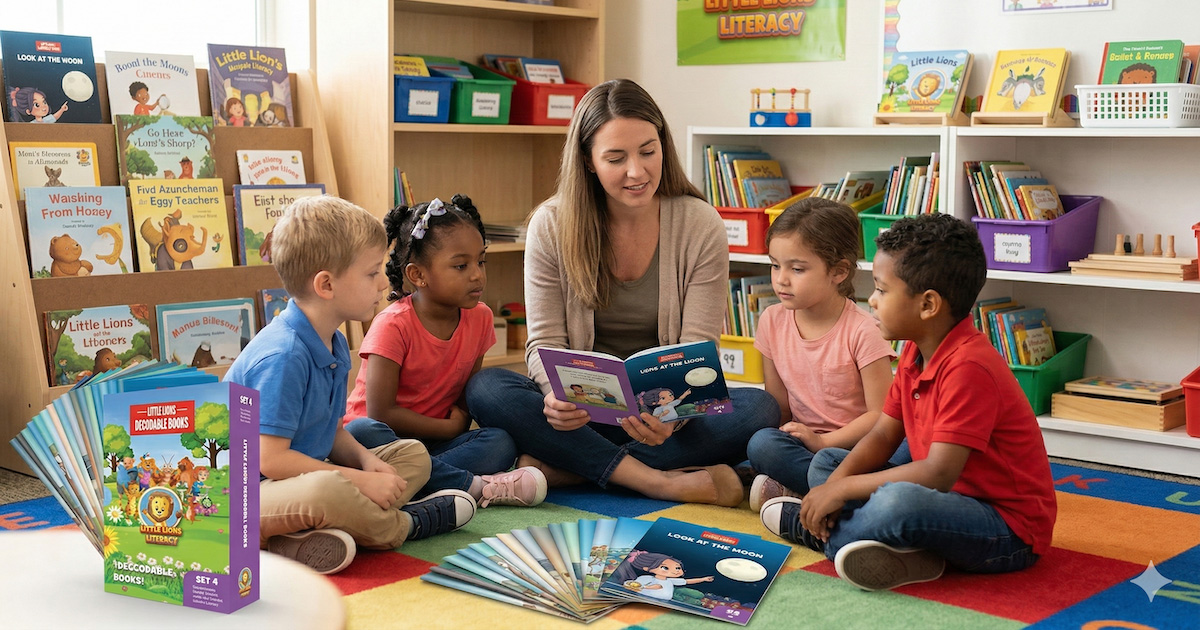
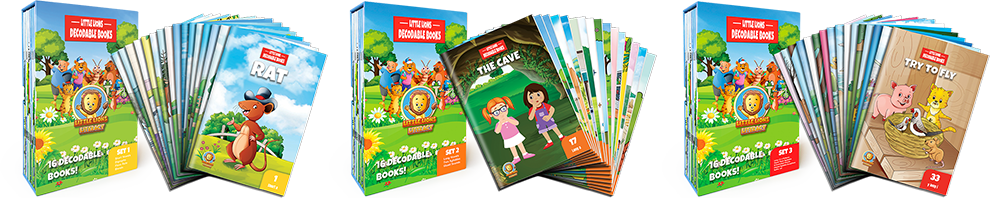
Once a child has some basic letter-sound knowledge, they need lots of opportunities to apply it. This is where decodable books are so important. Unlike many picture books that can encourage guessing from pictures or context, decodable books are carefully written with words that use the phonics rules a child has already learned. This controlled practice is exactly what their brain needs to start permanently mapping words. When a child successfully sounds out words in a story, they get immediate, positive reinforcement. This repetition builds the neural pathways for instant word recognition. Providing your reader with high-quality decodable book sets gives them the material they need to practice their skills and build true reading confidence.
Getting hands-on with letters is a fantastic way to make the abstract concept of reading more concrete for young learners. Use magnetic letters or letter tiles to build words. Start by saying a simple word like “sun,” have the child repeat it and segment the sounds (/s/ /u/ /n/), and then ask them to find the letters that make those sounds. Another powerful tool is using sound boxes, sometimes called Elkonin boxes. You draw one box for each sound in a word (e.g., three boxes for “ship”: /sh/ /i/ /p/). The child then pushes a token into a box for each sound they hear, and eventually writes the corresponding letter or letters in each box. This makes the connection between spoken sounds and written letters crystal clear.
Kids learn best when they can engage more than just their eyes and ears. Incorporating touch and movement into reading practice can make letter-sound connections stick much more effectively. Multisensory activities help create stronger memories in the brain and are especially helpful for kids who struggle with traditional methods. You can have your child trace letters in a sand tray, in shaving cream, or on a textured surface while saying the sound aloud. Use play-doh to form letters or build words. When sounding out a word, have them tap their arm for each sound. These simple, multisensory techniques make learning an active, playful experience, helping to cement those important connections in the brain.
Orthographic mapping is a natural process, but it doesn’t always happen automatically. Certain instructional methods and underlying skill gaps can create roadblocks that slow a child’s progress. When a child struggles to map words, it’s often because a crucial piece of the reading puzzle is missing. Understanding these common obstacles is the first step toward clearing the path for your young reader and helping them build a strong foundation for literacy. By identifying what gets in the way, you can provide targeted support where it’s needed most.
Before a child can map letters to sounds, they first need to be able to hear the individual sounds in spoken words. This skill is called phonemic awareness. If a child has weak phonemic awareness, they might struggle to identify rhymes, clap out syllables, or separate the sounds in a simple word like “cat” (c-a-t). Without this ability, the brain has nothing to anchor the letters to. It’s like trying to write down a song you can’t quite hear clearly. Strong phonemic awareness is the bedrock of reading, and a weakness in this area can directly disrupt orthographic mapping.
Have you ever heard a child encouraged to “look at the picture” or “think about what word would make sense” to figure out a tricky word? While well-intentioned, these strategies teach children to guess, which is the opposite of decoding. Guessing encourages kids to look away from the letters and rely on context clues instead. This habit actually prevents them from orthographically mapping the words because their brain isn’t doing the hard work of connecting sounds to the specific letters on the page. To build a mental library of words, a child needs to carefully analyze the letters in front of them, not look for clues elsewhere.
For orthographic mapping to occur, children need consistent and structured phonics instruction. A random “letter of the week” approach or lessons that don’t build on each other can leave a child with confusing gaps in their knowledge. Phonics instruction that isn’t systematic or doesn’t offer enough practice makes it difficult for a child to internalize letter-sound relationships. Children need to learn phonics in a logical order, starting with the basics and gradually moving to more complex patterns. They also need plenty of opportunities to apply these skills by reading books with words they can successfully sound out. This repetition is what helps cement words in their long-term memory.
Watching a child struggle with reading can be tough, but your support can make all the difference. The key is to move away from frustrating memorization drills and focus on strategies that build a solid foundation for reading success. When a child has the right tools and targeted practice, they can strengthen the mental connections needed for orthographic mapping. Let’s walk through some practical steps you can take to help your young reader get on the right track and build the confidence they need to thrive.
It’s completely normal for kids to need a few tries before a new word clicks. In fact, children in the early stages of reading often need to decode a word many times before it becomes permanently stored in their brain. However, if you notice your child is consistently struggling to recognize the same common words, it might be a sign they need a little extra support. Pay attention if they frequently guess words based on pictures or the first letter, get frustrated easily during reading time, or have significant trouble with spelling. These can be indicators that the orthographic mapping process isn’t happening smoothly. Recognizing these signs early is the first step to providing the targeted help they need.
When a child is struggling, the best approach is a targeted and systematic one. A powerful, research-backed method is guiding them through phoneme-grapheme mapping. This simply means helping your child connect a word’s individual sounds (phonemes) to the letters that make them (graphemes). Instead of just memorizing a word’s shape, they learn to analyze its structure. You can make this a hands-on activity by having them tap out the sounds in a word like “cat” (/c/ /a/ /t/) and then match each sound to a letter. Using magnetic letters, blocks, or even just drawing boxes for each sound can make this process concrete and engaging, helping to build those crucial brain connections for effortless reading.
For orthographic mapping to happen, a child needs lots of successful practice with words that follow the phonics rules they’ve been taught. This is where decodable books are essential. Unlike many storybooks that contain complex and irregular words, decodable book sets are carefully written to only include letter-sound patterns your child has already learned. This controlled environment allows them to apply their decoding skills with confidence, building fluency and reinforcing the connections between sounds and letters. Reading these books provides the focused repetition needed to help new words stick, turning them from a string of letters into instantly recognizable words. This structured practice is the bridge from slow, effortful decoding to smooth, automatic reading.
Isn’t this just a fancy term for memorizing sight words? Not at all. Traditional sight word memorization often relies on visual memory, like trying to remember a picture of a word. Orthographic mapping is a much deeper process. It’s about the brain understanding a word’s internal structure by connecting its individual sounds to its specific letters. This creates a strong mental file for the word, making it instantly recognizable for both reading and spelling.
How many times does my child need to see a word before it’s mapped? This can vary from child to child, but research suggests it can happen surprisingly fast, often within just one to four successful readings. The key is that the child must actively sound out the word and connect the letters to the sounds. Passive exposure isn’t enough; it’s the focused decoding practice that helps the brain store the word for good.
My child tries to guess words from pictures. Why is that a problem? While it might seem like a clever strategy, guessing actually prevents orthographic mapping from happening. When a child looks at a picture or uses context clues, they are looking away from the word itself. Their brain isn’t doing the essential work of linking the sounds to the letters on the page. To build a strong reading foundation, we want to encourage them to keep their eyes on the word and sound it out.
Why are decodable books so important for this process? Decodable books are specifically designed to support orthographic mapping. They provide the structured, repetitive practice children need to master letter-sound patterns. Because the words in these books follow the phonics rules a child has already learned, they can successfully sound them out. This repeated success is exactly what builds the brain’s pathways for instant word recognition.
What is the very first skill my child needs to start mapping words? The most critical starting point is phonemic awareness. This is the ability to hear and identify the individual sounds in spoken words, like hearing that “mop” is made of three sounds: /m/, /o/, and /p/. Before the brain can connect letters to sounds, it must be able to clearly hear those sounds first. It’s a purely auditory skill that lays the groundwork for everything else.