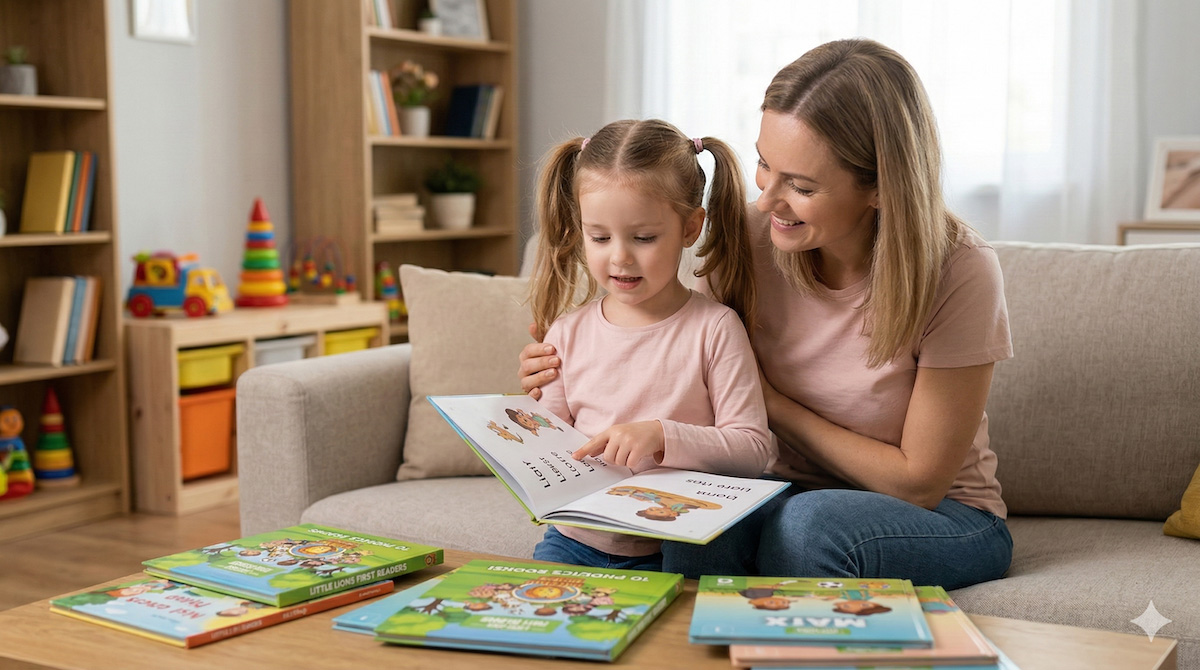
If you’ve ever listened to a new reader struggle, you know the sound of it. There’s the long pause, the frustrated sigh, and the eventual guess based on the first letter or a picture on the page. It’s a tough moment for them and for you. This is where decodable readers change the game. They are special books designed to turn that frustration into triumph by giving children a real chance to practice their phonics skills. Instead of asking kids to read words they haven’t learned how to sound out, these books are carefully built with only the letter-sound patterns they’ve already been taught. This article will explain what are decodable readers, how they work, and why they are such a powerful tool for building confident, successful readers from the very first page.
If you’ve ever watched a child struggle to sound out a word, you know how frustrating it can be for them. Decodable readers are special books designed to turn that frustration into triumph. Think of them as a bridge between knowing letter sounds and reading full sentences. These books are carefully written using only the phonetic skills your child has already been taught. This means no tricky, unfamiliar words are thrown in to trip them up. Instead, every word is an opportunity for them to practice their decoding skills and experience a well-deserved “I did it!” moment. They get to apply what they’ve learned in a real, rewarding way, building a strong foundation for a lifetime of reading.
The main goal of decodable text is to build confidence. When children open a decodable book, they enter a safe reading space where they have the tools to succeed. Because the words are tied to phonics lessons they’ve already mastered, they can sound them out successfully. This repeated practice is what builds reading fluency and helps their brain recognize words more quickly over time. Instead of guessing from pictures or memorizing whole words, they are actively using their phonics knowledge. This process empowers young readers, showing them that they can read independently and that reading is a skill they can master one sound at a time.
A book is considered decodable because its text is intentionally controlled. The words are chosen to align with a specific phonics scope and sequence, meaning they only contain letter-sound patterns that the child has already learned. For example, if a child has learned the sounds for s, a, t, p, i, and n, their decodable book will be filled with words like “sat,” “pin,” “tap,” and “sit.” As their phonics knowledge grows, the complexity of the decodable text grows with them. The best decodable books manage this control while still telling fun, engaging stories with supportive illustrations, ensuring that the reading practice is not just effective but also enjoyable.
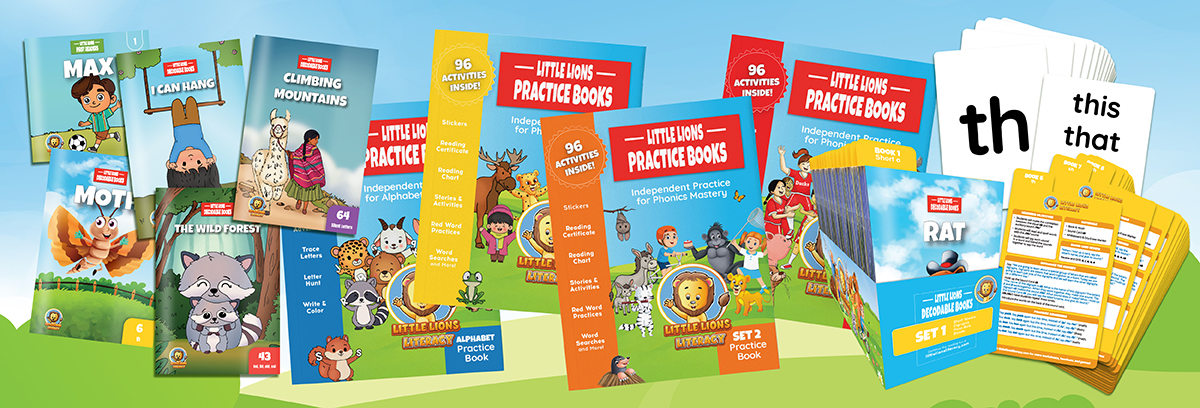
Decodable readers operate on a simple yet powerful principle: they give children the chance to practice the exact phonics skills they are learning. Instead of asking a child to read words they haven’t been taught how to decode, these books are carefully written to include only the letter-sound patterns they already know, plus a handful of high-frequency words. This creates a direct bridge between a phonics lesson and the act of reading a real story. It’s a systematic approach that turns abstract rules into tangible success, showing kids that they have the tools they need to read on their own.
At their core, decodable readers are the practical application of phonics instruction. They are designed to work hand-in-hand with a structured literacy curriculum. When a child learns the sounds for the letters m, a, t, and s, a decodable book will feature words like “mat,” “sat,” and “Sam.” This immediate practice helps children master the skill of sounding out words, which is essential for fluent reading. By providing this targeted practice, decodable texts help children build a solid habit of looking at letters and connecting them to sounds, rather than guessing from pictures or context clues.
One of the most effective features of decodable readers is their careful, step-by-step progression. These books aren’t random collections of simple words; they follow a specific plan, or scope and sequence, that slowly introduces new letter sounds and phonetic patterns as a child learns them. For example, a child will first read books with simple consonant-vowel-consonant words (like “cat” and “sun”) before moving on to texts with consonant blends (like “stop”) or silent-e words (like “cake”). This gradual increase in complexity ensures that children are always challenged but never overwhelmed, allowing them to build their skills systematically and confidently.
The ultimate goal is for a child to read for meaning and enjoyment, and decodable readers pave the way for that to happen. They provide the crucial opportunity for a new reader to practice blending sounds into words and then connecting those words to form sentences and stories. This process helps develop automaticity—the ability to recognize words quickly and accurately without having to sound them out every time. As children read stories they can actually decode, they experience the satisfaction of reading independently. This success is a powerful motivator that builds confidence and transforms the hard work of learning to read into a rewarding experience.
When you’re looking for books for a new reader, the options can feel overwhelming. You’ll see terms like “leveled,” “predictable,” and “decodable,” and it’s not always clear what they mean. While they all aim to help children read, their methods are quite different. Understanding these differences is key to choosing books that truly support your child’s journey and build a solid foundation for reading success. Let’s break down how decodable readers stand apart from the crowd.
Think of decodable readers as practice books for a specific skill. They are carefully written to include only the letter-sound patterns (phonics) that a child has already been taught. If your child has learned the sounds for s, a, t, p, i, and n, their decodable book will be filled with words like “sat,” “pin,” “tap,” and “sit.” Their main job is to help students practice sounding out words in full sentences.
Leveled readers, on the other hand, are organized by overall difficulty using a letter or number system (like A, B, C or 1, 2, 3). While they start simple, they don’t stick to specific phonics rules. A level A book might include words with tricky spellings simply because they are common. This can force a child to rely on memorization or guessing instead of their developing phonics skills.
Predictable books are designed with repeating sentence patterns and strong picture clues. For example, a book might say, “I see a red ball,” “I see a blue car,” and “I see a yellow duck.” The repetitive structure and illustrations encourage children to guess the next word rather than sound it out. While this can feel like reading, it teaches a habit of guessing that can be difficult to unlearn, especially for kids who struggle.
Decodable books do the opposite. They control the vocabulary so the child must use their letter-sound knowledge to read the words. The focus is on applying phonics skills, not on using context clues to guess. This builds a reliable strategy for tackling new words in the future.

The distinction between these book types is crucial because it shapes how a child learns to read. Decodable books are a core part of strong phonics instruction because they give children an immediate opportunity to apply what they’ve learned in a real reading context. This direct practice builds a powerful connection between letters, sounds, and meaning.
When children read decodable texts, they learn that they have a reliable tool—sounding out—to figure out words. This builds immense confidence and reduces the frustration that comes from guessing. Studies even show that children are more likely to use their phonics skills and read more accurately when using decodable books, setting them up for a lifetime of successful reading.
When you see your child successfully read a book from cover to cover for the first time, the look of pride on their face is priceless. Decodable readers are designed to create more of those moments. They go beyond just telling a story; they systematically build a strong foundation for reading by giving children a real opportunity to practice what they’ve learned in their phonics lessons. Instead of asking them to memorize or guess words, these books provide a controlled environment where they can apply their knowledge of letter-sound relationships and feel successful.
This approach transforms reading from a daunting task into an exciting and achievable adventure. The benefits ripple through their entire learning journey, fostering not just skill, but a genuine love for reading that comes from a place of confidence and competence. By setting them up for early wins, you’re not just teaching them to read—you’re showing them that they are readers.
Nothing builds confidence like success. Decodable books are carefully crafted so that your child can actually read them using the letter-sound knowledge they already have. Every word they successfully sound out is a small victory that says, “I can do this!” This repeated success is incredibly empowering and helps children see themselves as capable readers. Over time, this practice helps them recognize words more quickly and automatically, which is the foundation of reading fluency. Instead of feeling overwhelmed by unfamiliar words, they feel accomplished and are eager to pick up the next book in the series.
Think of decodable books as a targeted workout for your child’s reading brain. Each book focuses on specific phonics patterns that a child has recently been taught, giving them the chance to apply their new skills in a meaningful context. This isn’t just random practice; it’s a systematic way to reinforce the crucial connections between letters and sounds. By repeatedly seeing and sounding out words with patterns like “cat,” “hat,” and “mat,” a child solidifies their understanding of the short ‘a’ sound. This focused repetition is essential for mastering the foundations of phonics and building a strong base for tackling more complex words later on.

When children feel confident and equipped with the right skills, they are far more likely to read on their own. Decodable books give them the tools they need to be independent. Because the text is manageable, they don’t have to stop every few words to ask for help. This sense of ownership is a game-changer. It allows them to experience the joy of reading a story all by themselves, following the narrative and enjoying the accomplishment. This positive feedback loop—where success fuels the desire to read more—is what helps turn reading from a required activity into a beloved hobby.
Many early readers inadvertently encourage children to guess words based on pictures or sentence patterns. This can create confusion and frustration when those clues are gone. Decodable readers do the opposite. They train a child’s brain to focus on the letters on the page and use their phonics knowledge to sound out words. This builds a reliable and effective strategy for reading any new word they encounter. By eliminating the guessing game, you reduce frustration and help your child build a strong “reading reflex” that relies on decoding, not chance. This approach prevents the formation of ineffective reading habits and ensures they become resilient, strategic readers.
Decodable readers are for any child who is learning to connect letters to their sounds. While they are most commonly associated with beginning readers in kindergarten through second grade, their benefits extend much further. Think of them as the perfect practice tool for anyone building a phonics foundation. If a child is learning that the letter ‘m’ makes the /m/ sound, a decodable book will give them a chance to practice reading words like “mat,” “Sam,” and “ham” in a simple story. This immediate application of a new skill is incredibly powerful.
These books are a cornerstone of structured literacy because they provide systematic and explicit practice. They aren’t just for early readers, though. Decodable texts are also an excellent resource for older students who may be struggling with reading. For a third or fourth grader who still guesses at words or has gaps in their phonics knowledge, going back to decodable books can help fill in those missing pieces and rebuild their confidence from the ground up. They provide a safe and successful reading experience, which can change a child’s entire outlook on reading. Essentially, if a child is actively learning phonics, a decodable reader is the right tool for the job.
The sweet spot for decodable readers is typically between kindergarten and second grade. This is the period when most children are formally introduced to phonics and are actively learning how to blend sounds together to read words. Decodable books are designed to align perfectly with this stage of development. As the experts at Reading Rockets explain, decodable books play a vital role in phonics instruction and building a child’s confidence. By providing texts that kids can read successfully using the skills they’ve just been taught, we set them up for a win. This early success is crucial for fostering a positive attitude toward reading and building the momentum they need to become lifelong readers.
Not all decodable books are created equal, and they certainly aren’t one-size-fits-all. The key is to match the book to the child’s specific reading stage. Decodable books are carefully leveled to follow a scope and sequence, which is the order in which phonics skills are taught. A child just learning short ‘a’ sounds shouldn’t be handed a book filled with silent ‘e’ words. The best decodable readers introduce new letter-sound patterns gradually. This systematic approach ensures that children are practicing what they know and are gently introduced to new concepts without feeling overwhelmed. It’s all about finding that “just right” book that provides enough practice to build mastery and just enough challenge to keep them growing.
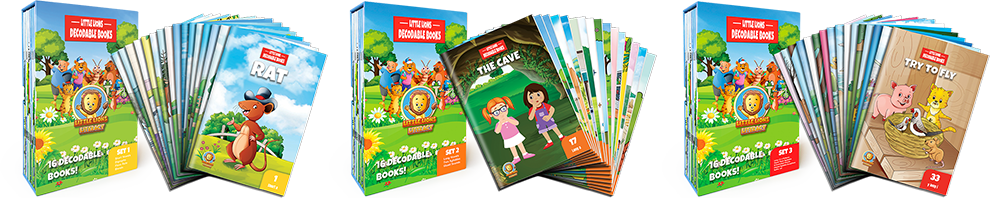
When choosing decodable readers, the most important factor is that the text aligns with the phonics skills your child is learning. The books should only use letter sounds a child has already been taught, allowing them to sound out words with ease. A good rule of thumb is to make sure the specific letter sounds being taught appear many times throughout the book for ample practice. Beyond that, look for books with engaging illustrations that support the story without giving away the words. The goal is for the child to read the text, not guess from the pictures. Our decodable book sets are designed with this principle in mind, offering fun stories that grow with your child’s skills.
Decodable readers are a hot topic in early literacy, and with that comes a lot of chatter and a few misconceptions. It’s easy to get mixed messages, so let’s clear the air. Understanding the truth behind these common myths can help you feel confident that you’re giving your child the best possible start on their reading journey. Let’s walk through some of the biggest myths and set the record straight.
This is probably the most common concern I hear from parents. The worry is that because decodable books use a specific set of words, the stories will be dull or sound unnatural. While early versions of decodable texts may have felt a bit stiff due to their limited words, today’s options are a different story. High-quality decodable books, like the ones we create at Little Lions Literacy, are written with engaging plots and charming illustrations. The real magic, though, is the confidence they build. For a child who is just learning to read, the thrill of successfully reading a whole book on their own is anything but boring—it’s empowering.
This myth suggests that decodable books are like training wheels that kids will never want to take off. In reality, they are the essential first step that makes reading “real” books possible. Think of it like learning to play the piano. You start with scales and simple songs before you can play a complex piece. Decodable books teach children the fundamental rules of reading. As they master more phonics skills, they begin progressing to more complex texts naturally. They are a bridge, not a destination, providing the solid foundation needed to read anything and everything with confidence.
Predictable books, which use repeating sentences and picture clues, have been popular in classrooms for years. The problem is that they often encourage children to guess words rather than read them. A child might see a picture of a dog and say “dog” without ever looking at the letters in the word. This can create the illusion of reading, but it doesn’t build the skills needed for long-term success. Decodable books do the opposite. They require children to look closely at the letters and use their phonics knowledge to sound out words, which is what true reading is all about.
Building on the last point, some reading approaches have taught children to use guessing as a primary strategy. But relying on pictures or context clues is a habit that can hold a reader back. When a child guesses, they aren’t practicing the essential skill of decoding. They aren’t learning how letters and sounds work together, which prevents them from truly “cracking the code” of the English language. Sounding out words is the most reliable strategy a child can learn. It equips them to tackle unfamiliar words in any book they pick up, paving the way for them to become fluent, independent readers.
Once you’re ready to bring decodable readers into your child’s life, you’ll quickly find there are a lot of options out there. Choosing the right set can feel like a big decision, but it doesn’t have to be complicated. The goal is to find books that not only support your child’s developing skills but also make them feel excited and successful. A great decodable book meets a child exactly where they are, providing just the right amount of challenge to help them grow without causing frustration.
Think of it like finding the perfect pair of shoes—you need the right fit for them to walk (or in this case, read) confidently. When you’re looking at different books, focus on a few key areas: how they connect to phonics lessons, the quality of the writing and story, how the skills build over time, and whether they offer enough practice. Keeping these points in mind will help you select a series that truly supports your little reader’s journey and turns practice into a positive, confidence-building experience.
The most effective decodable readers are the ones that align perfectly with a structured phonics curriculum. This is probably the most important factor to consider. The books should follow a specific order of introducing letter sounds, known as a scope and sequence. This ensures your child is only encountering words with letter-sound patterns they have already been taught. When the books match the lessons, reading becomes a direct and successful practice of their new skills. If your child’s school uses a phonics program, ask their teacher for the scope and sequence so you can find books that match.
Let’s clear up a common misconception: decodable books don’t have to be dull. The best ones feature engaging stories and use language that sounds natural. While the vocabulary is controlled, the text should still flow well with correct grammar and punctuation. A good story, even a simple one, can capture a child’s imagination and make them want to turn the page. Pay attention to the illustrations, too. They should support the story and add interest, but they shouldn’t be so obvious that your child can guess the words without even trying to read them. The goal is to encourage decoding, not picture-guessing.
Reading skills are built one step at a time, and a good decodable book series reflects that. Look for a set of books that offers a clear, gradual progression. The first books should be very simple, focusing on just a few letter sounds and short words. As your child moves through the series, the books should slowly introduce new sounds, longer words, and more complex sentences. This structured literacy approach prevents young readers from feeling overwhelmed. It allows them to build a solid foundation and gain confidence with each book they complete, creating a positive cycle of learning and achievement.
For a new phonics skill to stick, a child needs to practice it repeatedly. That’s why you should choose decodable readers that provide high-frequency exposure to the target letter sounds. If the book is meant to teach the “sh” sound, you should see it pop up in many different words throughout the text. This repetition is what helps a child internalize the pattern and commit it to memory. It gives them multiple chances to practice decoding the new sound in context, which is far more effective than just seeing it on a flashcard. This focused practice is key to building fluent, automatic reading skills.
Having the right decodable books is the first step, but how you use them makes all the difference. Think of them as a powerful tool in your reading toolkit. When used thoughtfully, they can transform a child’s reading journey from a struggle into a series of confident wins. The goal isn’t just to get through the book; it’s to build a solid foundation of skills and a genuine love for reading. By creating a positive and structured approach, you can help your young reader connect their phonics knowledge to real stories, making the process feel both manageable and rewarding. These simple strategies will help you make the most of your time with decodable readers.
Consistency is your best friend when teaching a child to read. Set aside a short, dedicated time each day for reading practice with decodable books. Just 10 to 15 minutes of focused effort can have a huge impact. Make it a calm and cozy time without distractions. As you read together, pay attention to which sounds or words your child finds tricky. This isn’t a test, but a chance to see where they might need a little extra support. Using these observations to inform your instruction allows you to tailor your approach and ensure your child is always building on what they know. A predictable routine makes practice feel safe and helps build confidence one book at a time.
While decodable books are essential for practicing phonics skills, they should be part of a bigger reading picture. It’s incredibly important to also read engaging, language-rich stories to your child. Decodable texts are intentionally simple to help a child practice specific sound-letter patterns. Read-alouds, on the other hand, expose them to complex vocabulary, exciting plots, and the pure magic of storytelling that isn’t limited by phonics rules. This balance is key: decodables build the skill of reading, while read-alouds build the will to read. By doing both, you show your child that reading is not only a skill they can master but also a wonderful source of joy and adventure.
One of the most rewarding parts of using decodable readers is seeing a child’s progress firsthand. As they work through a series of books, you’ll start to notice clear signs of growth. They’ll read with more speed and accuracy, and their confidence will blossom. A good rule of thumb is that a child should be able to read about 95% of the words in a decodable book correctly. If they are struggling with many words, the book might be a bit too advanced. If they breeze through it with no effort, they’re likely ready for the next level. This is how decodable texts allow children to apply what they learned in phonics in a tangible way, turning abstract rules into successful reading.
Decodable readers are a bridge to reading independence, not the final destination. The ultimate goal is for children to read and enjoy all kinds of books. Once a child has mastered their phonics skills and can confidently decode words in their decodable readers, it’s time to start introducing more complex texts. This transition should be gradual. You can start with books that still have many decodable words but also include more high-frequency sight words and varied sentence structures. This process is part of building a robust literacy ecosystem where children have all the tools they need to become lifelong readers who can tackle any book that sparks their interest.
There isn’t a magic age or grade level for this transition. You’ll know your child is ready to move on when they can confidently and accurately read their decodable books and have mastered the majority of their foundational phonics skills. The goal is for them to start applying those skills to unfamiliar words in other texts. Think of it as a gradual hand-off, where you begin introducing books with more varied words alongside their decodables, rather than stopping cold turkey.
Absolutely not! Decodable books are for the child to practice reading independently. At the same time, you should be reading all sorts of wonderful, rich, and complex stories to them. This balance is crucial. The decodable books build their technical skills and confidence, while the read-alouds you share build their vocabulary, comprehension, and a deep love for storytelling.
A “just right” decodable book is one where your child can read most of the words without a struggle. A good guideline is that they should be able to read it with about 95% accuracy. If they are stopping to sound out nearly every word and getting frustrated, the book is likely too advanced. If they fly through it without any effort, they are probably ready for the next level in the series.
Yes, and it can be incredibly helpful. Using decodable books at home provides the focused, systematic phonics practice your child needs to become a strong decoder. This practice will only strengthen their ability to tackle any kind of book they encounter at school. Think of it as giving them an extra tool that ensures they are learning to rely on sounding out words, not just guessing from pictures or patterns.
Not at all. The most effective decodable books follow a clear and logical progression of skills, known as a scope and sequence. This ensures that new letter-sound patterns are introduced one step at a time. High-quality decodable books also manage to tell fun, engaging stories with supportive illustrations, which makes the reading practice much more enjoyable for your child.