
A CVCe word follows the pattern consonant–vowel–consonant–silent e. The silent e at the end of the word does not make a sound on its own. Instead, it reaches back over the consonant and tells the vowel to say its name. That is why many teachers and parents call this pattern the “magic e” rule.
Take the word cap. It has a short a sound. Now add an e to the end: cape. The a suddenly says its name, and the meaning of the word changes completely. That single silent letter transforms both the sound and the meaning, which is what makes CVCe words such a powerful milestone in early reading.
If your child has already learned long vowel sounds, CVCe words are the first spelling pattern that puts those long vowels into action.
CVCe words are typically the first long-vowel pattern children learn after mastering CVC words (short-vowel words like cat, sit, and hop). They matter for several important reasons:
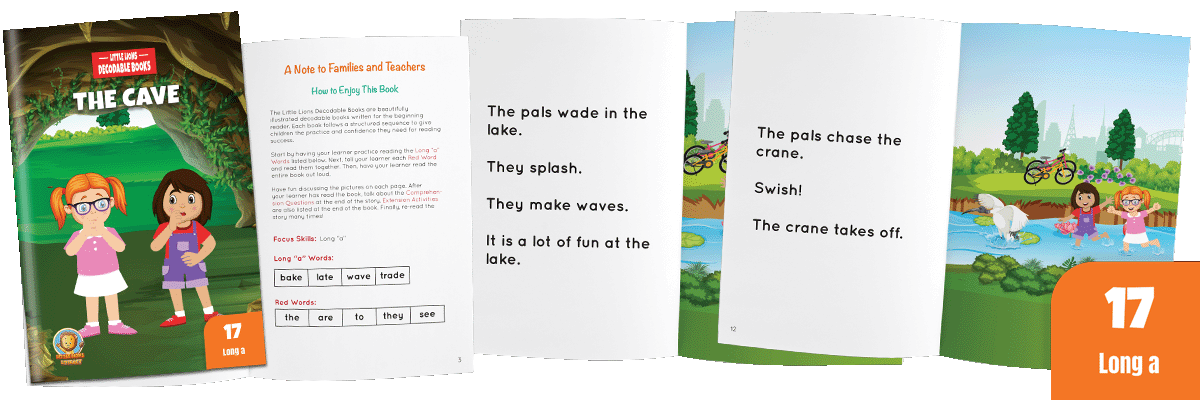
The rule is simple: when a word ends in a silent e, the vowel before the final consonant says its name (makes its long sound).
Here is the pattern broken down:
A fun way to explain it to kids: “The e is magic! It is quiet, but it uses its power to make the vowel shout its own name.”
Below you will find common CVCe words grouped by each long vowel. Use these lists for practice, word sorts, dictation, and reading games.
bake, cake, fake, lake, make, rake, sake, take, wake, came, fame, game, name, same, tame, cape, tape, base, case, vase, cave, Dave, gave, pave, save, wave, blaze, gaze, grade, made, shade, trade, wade, late, gate, hate, rate, date, fate, mate, skate, state, plate, place, space, face, lace, race, pace
bike, hike, like, Mike, pike, dime, lime, mime, time, dine, fine, line, mine, nine, pine, vine, wine, bite, kite, mite, site, dive, five, hive, jive, live, ride, hide, side, wide, slide, bride, pride, file, mile, pile, smile, tile, while, fire, hire, tire, wire, ice, dice, mice, nice, price, rice, slice, twice
bone, cone, dome, home, hole, mole, pole, role, sole, tone, zone, hope, mope, rope, cope, code, mode, node, rode, those, chose, close, dose, hose, nose, pose, rose, note, vote, woke, wove, cove, dove, drove, froze, globe, phone, smoke, spoke, stoke, stone, stove, stroke, whole, wrote
cube, tube, cute, flute, mute, dude, dune, June, tune, prune, fume, fuse, huge, mule, rule, rude, ruse, use, crude, brute, duke, Luke, plume, plunge
The e_e pattern is the least common CVCe group. Examples include: Pete, eve, theme, gene, scene, and complete. Because there are fewer everyday e_e words, most teachers introduce this group last.
Make sure your child can confidently read CVC words before introducing CVCe. If they can read cap, pin, hop, cut, and pet, they are ready for the next step.
Write a CVC word on a whiteboard or piece of paper. Read it together. Then add an e to the end and show how the vowel sound changes:
Say something like: “Watch what happens when I add this magic e. The vowel changes its sound and says its own name!”
Start with a_e words because they are the most common. Once your child is confident with a_e, move to i_e, then o_e, u_e, and finally e_e.
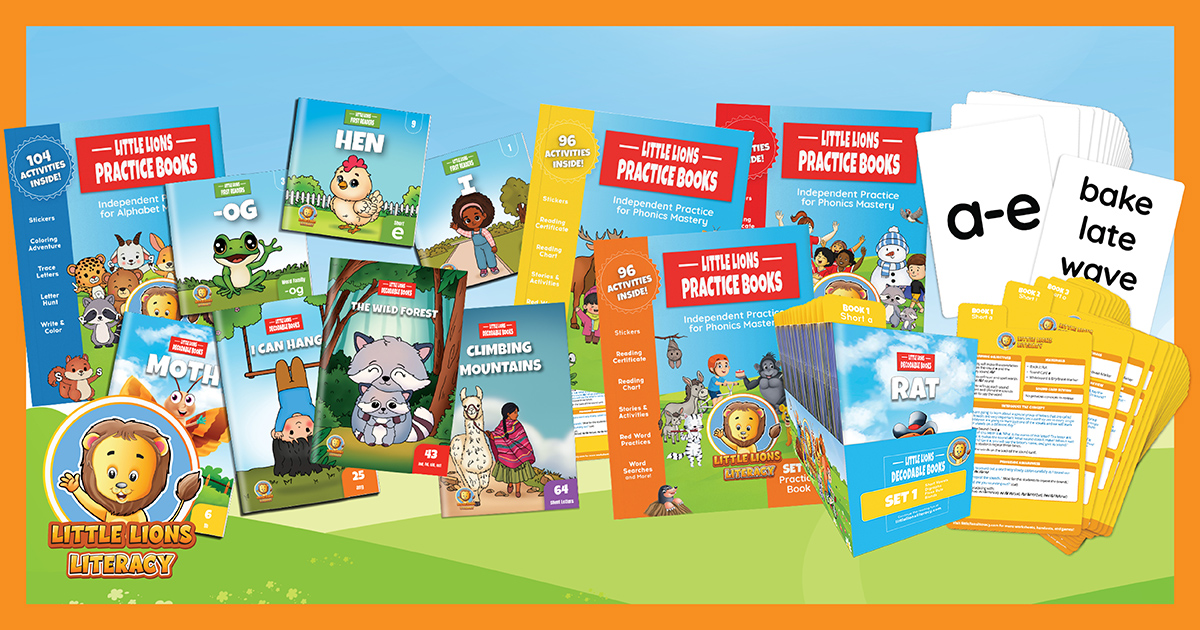
After introducing the pattern, give your child texts that are filled with CVCe words so they can practice in context. Decodable books are perfect for this because every word follows the patterns your child has already learned.

CVCe stands for consonant-vowel-consonant-silent e. It describes the letter pattern in words like <em>cake</em>, <em>bike</em>, <em>note</em>, and <em>cube</em> where the final e is silent and makes the vowel say its name.
CVC words have a short vowel sound (like <em>cap</em>, <em>pin</em>, <em>hop</em>). CVCe words have a long vowel sound because the silent e at the end changes the vowel (like <em>cape</em>, <em>pine</em>, <em>hope</em>). The only structural difference is that extra silent e.
Teach CVCe words after your child can confidently read and spell CVC words with all five short vowel sounds. For most children, this is sometime during kindergarten or early first grade.
Yes. “Magic e” and “silent e” are informal names for the same CVCe pattern. Teachers use “magic e” because it makes the concept fun and memorable for young learners.
Start with <strong>a_e</strong> words. The long a sound is easy to hear, and there are many common a_e words for practice (cake, make, lake, game, name). Move to i_e next, then o_e and u_e.
There are hundreds of CVCe words in English. The lists in this guide cover the most common ones organized by vowel, but your child will continue to encounter new CVCe words as their reading level grows.
CVCe words are a turning point in your child’s reading journey. Once they understand that a silent e can change a vowel’s sound, they have a tool that works across hundreds of words. Pair direct instruction with plenty of practice, and your child will move from short-vowel CVC words to confident long-vowel reading in no time.
Looking for books that let your child practice CVCe patterns in real stories? Explore Little Lions decodable books designed to reinforce the phonics patterns your child is learning, including magic e words. Each book is carefully sequenced so kids only encounter patterns they are ready for, building confidence with every page.