There’s a magical moment when a child realizes that the letters c-a-t aren’t just three separate sounds, but that they blend together to make the word “cat.” This breakthrough is often a child’s first big reading success, and it’s powered by CVC words. These three-letter words are specifically designed to be easy to sound out, providing the early wins that build a child’s confidence and motivation. They see themselves as a real reader for the first time. This guide will show you how to create more of those powerful moments. We’ll cover what are CVC words examples, fun practice games, and simple ways to support this crucial stage at home.
If you’re helping a little one learn to read, you’ve probably come across the term “CVC words.” So, what exactly are they? CVC words are simple, three-letter words that follow a specific pattern: Consonant-Vowel-Consonant. Think of words like cat, pen, sit, log, and cup. They are the foundational building blocks of reading because their predictable structure makes them easy for young readers to sound out, or “decode.”
Mastering CVC words is one of the first major milestones in a child’s reading journey. It’s that magical moment when they realize the individual letter sounds they’ve been learning can be blended together to make real words. This breakthrough is a huge confidence builder and sets the stage for tackling more complex words later on. Because CVC words are so consistent, they give children a reliable entry point into reading. Instead of memorizing whole words, kids learn a system they can apply to new words they see. This process of sounding out words is what builds strong, independent readers. By starting with these simple words, children learn the basic rules of phonics in a manageable way, creating a solid foundation for a lifetime of reading.
The magic of CVC words is right in their name. The C-V-C pattern means each word is built with a consonant, followed by a vowel (a, e, i, o, u), and ends with another consonant. For example, in the word bug, ‘b’ is the first consonant, ‘u’ is the vowel, and ‘g’ is the final consonant. This simple, reliable structure helps children see how letters work together to form words. It takes the guesswork out of early reading and allows them to practice the essential skill of blending sounds together without feeling overwhelmed.
Another key feature of CVC words is that the vowel almost always makes its short sound. This is a crucial concept in early phonics. For instance, the ‘a’ in map makes the /a/ sound you hear in apple, not the long ‘a’ sound you hear in cake. The same goes for the other vowels: ‘e’ as in bed, ‘i’ as in pig, ‘o’ as in mop, and ‘u’ as in sun. This consistency helps children build a reliable understanding of letter-sound relationships, making it easier for them to decode new words they encounter.
When your child is just starting their reading journey, CVC words are the first major milestone. Think of them as the foundational building blocks for literacy. They are simple, predictable, and give new readers the perfect opportunity to practice the essential skill of decoding—sounding out letters and blending them together to read a word. Mastering CVC words isn’t just about learning a few dozen three-letter words; it’s about understanding how our written language works. This crucial step gives children the tools and the confidence they need to move on to more complex words and, eventually, read fluently.
Before kids can read words, they need to be able to hear the individual sounds within them. This skill is called phonemic awareness, and it’s a game-changer for learning to read. CVC words are the perfect training ground for this. Because they contain only three distinct sounds, they make it easy for children to practice isolating each sound (/b/, /a/, /t/) and then blending them together to say the whole word (“bat”). Learning CVC words helps kids understand how sounds connect to form words, which is a huge step toward becoming a skilled reader. It’s this fundamental understanding that allows them to tackle unfamiliar words with confidence.
Nothing motivates a child like success. Those early “I did it!” moments are pure magic, and CVC words deliver them in spades. Because CVC words follow a simple and predictable pattern, children can often sound them out correctly on their first try. This immediate success is incredibly powerful. It builds a positive association with reading and helps children see themselves as capable readers. Our decodable book sets are filled with CVC words for this very reason—they are designed to provide these confidence-building wins. When reading feels achievable and fun, kids are much more likely to stick with it, even when things get more challenging down the road.
CVC words are the solid foundation upon which all future reading skills are built. The process a child uses to decode “cat” is the same fundamental process they will later use to decode “catalog” and “catastrophe.” They learn to look at letters, identify their sounds, and blend those sounds together in order. This systematic approach to reading is at the heart of structured literacy. By starting with simple, consistent CVC words, you are equipping your child with a reliable strategy for decoding. This sets the stage for them to eventually read longer words, sentences, and entire stories with skill and understanding.
Once your child can identify individual letter sounds, you can show them how those sounds come together to form words. The best way to do this is by focusing on one vowel sound at a time. Grouping CVC words by their middle vowel helps children hear patterns and recognize word families, which makes the process of sounding out words feel much more manageable.
Think of it as giving your child a reliable formula: consonant + a specific vowel sound + consonant. By practicing words with the same vowel, they build momentum and confidence. Below are some common CVC word examples organized by their short vowel sound. You can use these lists to create flashcards, practice blending, or simply have them on hand for a quick review.
The short ‘a’ sound, as in “apple,” is often the first vowel children learn. It’s a great starting point because it’s so common in simple words. When you introduce these words, say the sound of each letter clearly—/c/ /a/ /t/—and then blend them together to say “cat.” This helps your child connect the individual phonemes to the whole word. For even more ideas, you can find a great printable CVC word list to use for games and activities.
Here are some short ‘a’ words to practice:
Next up is the short ‘e’ sound, like the ‘e’ in “egg.” This sound can sometimes be a little tricky for young learners to distinguish from the short ‘i’ sound, so it helps to exaggerate the sound slightly when you’re modeling it. Make sure your child is watching your mouth as you say words like “jet” and “hen.” Repetition is your best friend here! Keep practice sessions light and fun, focusing on just a few words at a time until your child feels comfortable with the sound.
Here are some short ‘e’ words to try:
The short ‘i’ sound is the one you hear in “igloo.” It’s a quick, sharp sound that’s fun for kids to say. As you work through these words, continue to emphasize the process of sounding out each letter before blending them together. For example, with the word “pig,” you would say /p/ /i/ /g/ and then slide the sounds together to say “pig.” This consistent routine helps build a strong foundation for decoding. You can find a free list of CVC words to expand your practice with every vowel sound.
Here are some short ‘i’ words to get you started:
The short ‘o’ sound, as in “octopus,” is another foundational vowel. It has a nice, round sound that children can usually form easily. You can make practicing these words interactive by looking for objects around the house that follow the CVC pattern. Point out a “pot” in the kitchen, a “mop” in the closet, or a toy “box.” Connecting written words to tangible objects makes the learning process more concrete and meaningful for your child.
Here are some short ‘o’ words to practice:
Finally, we have the short ‘u’ sound, like the ‘u’ in “up.” This sound completes the set of short vowels your child needs to decode hundreds of simple words. By the time you reach this vowel, your child will likely be much more confident in their ability to blend sounds together. Celebrate their progress and keep the encouragement high! Mastering CVC words is a huge milestone, and it opens the door to reading their very first stories with CVC decodable books.
Here are some short ‘u’ words to finish with:
Teaching CVC words is all about following a clear, simple process. It’s not about memorizing lists of words but about giving your child the tools to decode them independently. By breaking it down into manageable steps, you can guide your little reader from knowing their letters to confidently reading their first words. These strategies focus on building a strong foundation in a way that feels more like play than work, which is the best way to keep young learners engaged and excited about reading.
Before you can build a word, you need the right building blocks. The first step is making sure your child has a solid grasp of individual letter sounds. They should be able to confidently identify the sounds each letter of the alphabet makes. It’s especially important that they understand the difference between consonants and vowels, and that they are familiar with the short vowel sounds (like the ‘a’ in ‘apple’ or the ‘i’ in ‘igloo’). This foundational knowledge is what makes decoding CVC words possible. Rushing this step is like trying to build a house without a foundation—it just won’t hold up.
Once your child knows their letter sounds, it’s time to start putting them together. This skill is called blending, and it’s where the magic really happens. Start by modeling the process out loud. For the word “cat,” you would slowly say each sound—/k/…/a/…/t/—and then slide them together to say the full word, “cat.” You can use your finger to point to each letter as you say its sound. This helps your child make the connection between the separate sounds and the complete word. Be patient and practice often; it can take a little while for this skill to click.
Segmenting is the flip side of blending, and it’s just as important. While blending involves putting sounds together to read a word, segmenting is about breaking a spoken word apart into its individual sounds. For example, you would say the word “sun” and help your child identify the three sounds they hear: /s/, /u/, /n/. This skill is a huge part of developing phonemic awareness, which is the ability to hear and work with individual sounds in language. Activities like “sound tapping”—tapping a finger for each sound in a word—can make this a fun and concrete exercise.
Kids learn best when they can get their hands dirty—literally! Bringing a multi-sensory approach to CVC words makes learning sticky and way more fun. Instead of just using pencil and paper, try having your child form letters with playdough while saying their sounds. You can also fill a shallow tray with sand, salt, or shaving cream and let them practice writing CVC words with their finger. These hands-on activities reinforce letter-sound connections and help develop fine motor skills at the same time, turning practice into playtime.
Once your child understands what CVC words are, it’s time to practice, practice, practice. The key is to make it feel like play, not work. Hands-on, multi-sensory activities are fantastic for helping kids connect sounds to letters and lock in their learning. When kids are having fun, they’re more engaged and willing to try. Here are a few simple, low-prep activities you can use to bring CVC words to life and keep your little learner excited about reading.
This is a classic for a reason. Using magnetic letters or letter tiles on a fridge or cookie sheet is a great way to get kids physically building words. Start with a simple word like “cat.” Ask your child to say the word, then swap out just one letter to make a new word. For example, change the ‘c’ to a ‘b’ to make “bat,” then change the ‘a’ to an ‘i’ to make “bit.” This simple act of manipulating letters enhances their phonemic awareness by showing them how changing a single sound can create a whole new word.
Who doesn’t love a good game of bingo? CVC Bingo is an enjoyable way to review words without the pressure of flashcards. You can find pre-made bingo cards online or easily make your own. As you call out words, your child can find and cover the matching word on their card. Another simple idea is a matching game. Write CVC words on one set of index cards and draw corresponding pictures on another. Lay them face down and take turns trying to find a match. This interactive approach makes practicing CVC words fun and reinforces word recognition skills.
If you have a child who loves to get their hands messy, this activity is perfect. Grab some playdough and encourage your child to roll, squish, and shape it into the letters needed to form CVC words. As they build a word like “sun,” they can say each sound—/s/, /u/, /n/—while forming the letters. This tactile experience is wonderful for kinesthetic learners, as it connects the physical act of creating with the mental process of reading. Plus, it’s a fantastic way to improve their fine motor skills at the same time.
For another great sensory activity, try writing CVC words in a shallow tray of sand, salt, or even shaving cream. Spread a thin layer on a cookie sheet or plate and let your child use their finger to write. As they trace the letters for a word like “dog,” have them say each sound aloud. This method provides a sensory experience that helps solidify letter formation and sound association in a child’s memory. It’s a low-stakes way to practice writing that feels more like play and less like a lesson.
Once your child is getting the hang of blending sounds, it’s time to practice, practice, practice! The key is to keep it light and fun so they stay excited about reading. Think of these resources as your toolkit for reinforcing CVC words without it feeling like a chore. Mixing and matching different tools can help you find what clicks best for your little learner, whether they love hands-on activities, digital games, or curling up with a good book.
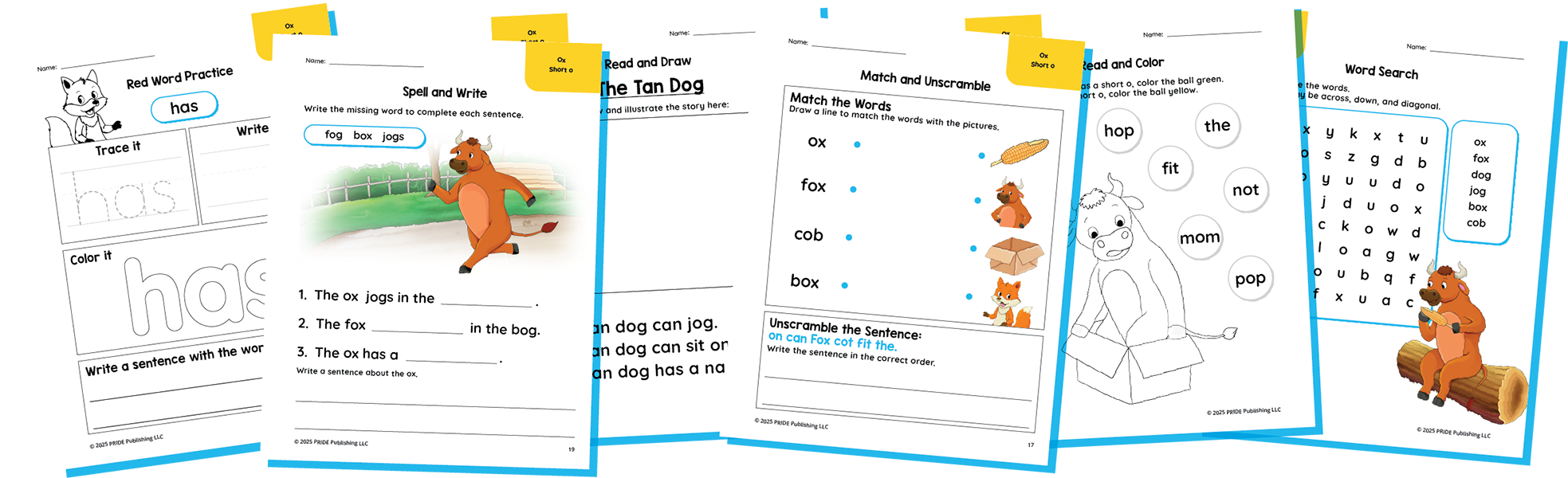
Worksheets get a bad rap sometimes, but they can be a fantastic, low-prep way to practice CVC words. Good worksheets go beyond simple drills, offering activities like matching pictures to words, filling in missing letters, or unscrambling CVC words. These tasks help solidify the connection between reading, writing, and spelling. You can find tons of free printable worksheets online that target specific short vowels or mix them all up for a review. They’re perfect for a quiet 10-minute activity at the kitchen table or as a supplement to your reading lessons.
Let’s be real—kids love screen time. Why not make it educational? There are some wonderful interactive reading apps designed to make learning CVC words feel like a game. These apps often use bright colors, fun characters, and rewarding sounds to keep children engaged as they match, build, and read words. You can find great recommendations on sites like Common Sense Media that review apps for kids. Look for options that focus on phonics and allow your child to hear the individual sounds as they tap on letters. This digital approach can be a great change of pace and is especially helpful for auditory and visual learners.
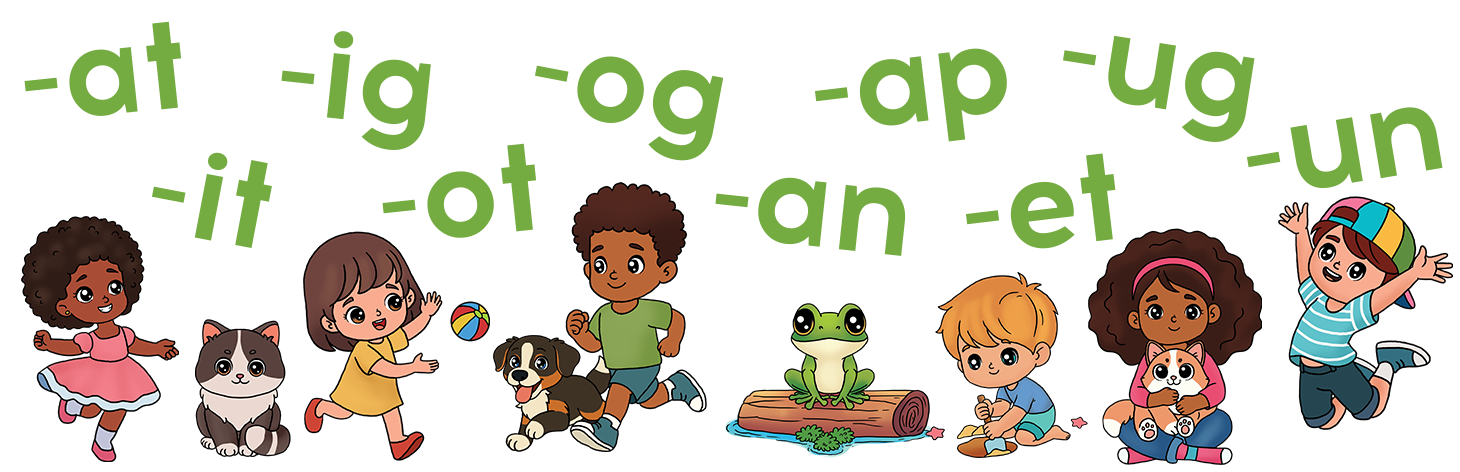
Word family charts are a simple yet powerful visual tool. A word family is a group of words with the same ending, like the “-at” family (cat, hat, mat, sat). Displaying a chart with these word families helps children see patterns in words, which is a huge step in learning to read efficiently. Instead of sounding out every single word from scratch, they start to recognize chunks. You can make your own charts on poster board or find printable ones online. Point to them often and have your child practice reading down the list. This repetition builds both speed and confidence.
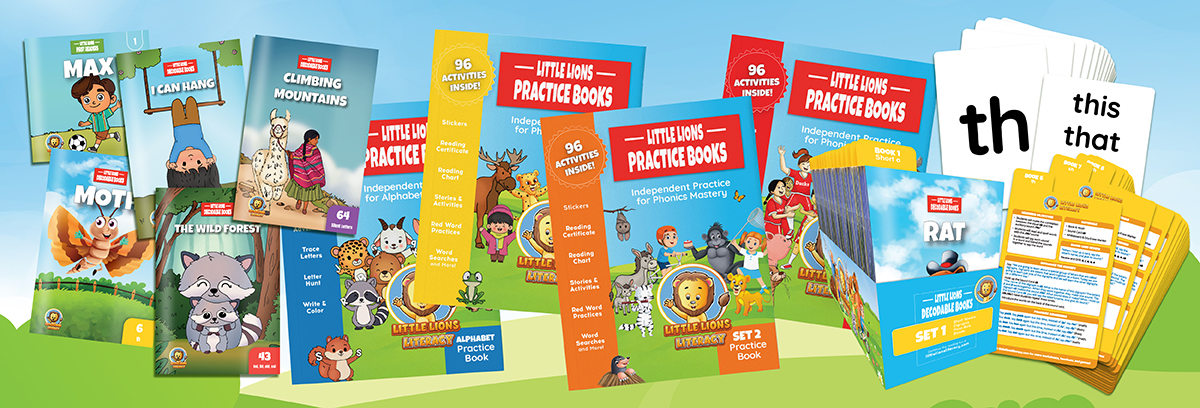
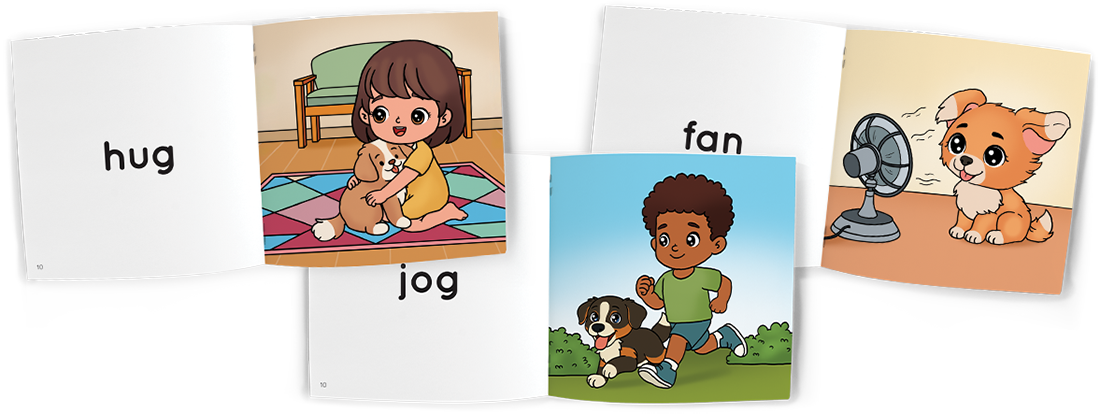
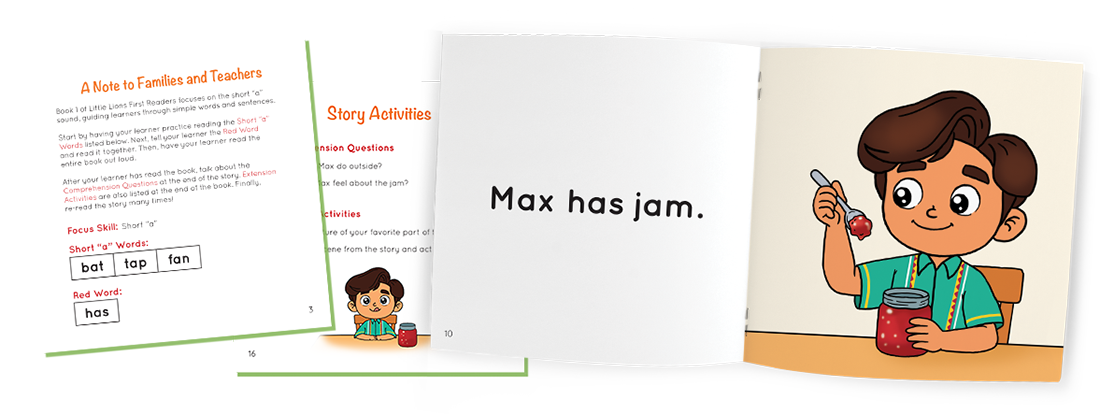
This is where all the practice comes to life! Decodable books are specifically written for new readers, using only the phonetic skills they have already learned. For a child practicing CVC words, reading a book filled with words like “the cat sat on a mat” is incredibly empowering. It allows them to apply their blending skills in a real story, which is the whole point of learning to read. Our Little Lions Literacy CVC book sets are carefully designed to follow a logical progression, giving your child the chance to feel like a successful reader from the very beginning.

Learning to read is a journey with many important milestones, and CVC words are one of the first major stops. They act as the perfect bridge between knowing individual letter sounds and reading whole words. Understanding where
Before tackling CVC words, children learn to connect letters to their sounds. But CVC words are where they first get to put that knowledge into action in a meaningful way. Because these words use the most common, predictable letter sounds (especially short vowels), they are incredibly rewarding for new readers. A child can look at the letters c-a-t, say each sound, and blend them together to say “cat!” This process, known as decoding, is the foundation of reading. For most kids around ages 4 to 6, this is a huge lightbulb moment that makes them feel like a real reader.
Once children get comfortable reading individual CVC words, they start to notice patterns. This is the perfect time to introduce word families—groups of words that rhyme and share the same ending. For example, after learning “cat,” you can show them “hat,” “mat,” and “sat.” They’ll quickly realize they only need to change the first sound to read a whole new word. This is so powerful because it teaches them to read in chunks rather than sounding out every single letter, every single time. Recognizing these word families makes reading much faster and helps build their vocabulary.
Think of CVC words as the essential building blocks of reading. Once a child has a solid foundation with them, they have the skills and confidence to move on to more complex word structures. The next steps often include words with consonant blends (like ‘frog’ or ‘swim’) and words with long vowels and silent ‘e’s (like ‘cake’ or ‘bike’). The fundamental skill of blending sounds remains the same. Our decodable book sets are carefully designed to follow this natural progression, introducing new patterns one step at a time after CVC words are mastered, ensuring your child feels successful every step of the way.
As you guide your child into the world of CVC words, it’s easy to get caught up in the excitement. But moving too quickly or skipping foundational steps can lead to frustration for everyone. Think of it like building with blocks—you need a solid base before you can build a tower. By avoiding a few common missteps, you can ensure the learning process is smooth, positive, and sets your reader up for long-term success. Here are a few things to keep in mind as you get started.
When a child first sees the letters ‘c-a-t,’ their brain is doing a lot of work. They have to recall each sound and then stitch them together to form a word. This blending process can feel slow and clunky at first, and that’s completely normal! Resist the urge to rush them or say the word for them. Instead, encourage them to stretch out the sounds, like a snail moving slowly: /c/…/a/…/t/. With practice, they’ll get faster at connecting the sounds until ‘cat’ pops out smoothly. Patience is your best tool here; celebrating the effort helps build the confidence they need to keep trying.
Before a child can blend ‘b-u-g,’ they need to know the sounds for /b/, /u/, and /g/ without hesitation. Jumping into CVC words before they have mastered individual letter sounds can cause confusion and frustration. If you notice they are mixing up letters, like ‘b’ and ‘d,’ take a step back and focus on those specific sounds. Using fun, multi-sensory activities can help solidify their knowledge. Having a strong grasp of the alphabet is the bedrock of reading, so make sure that foundation is solid before you start building words with our fun literacy resources.
The goal of teaching CVC words isn’t for your child to memorize a long list of them. The real magic happens when they develop the skill of decoding. This means they can look at a new, unfamiliar CVC word like ‘z-i-p’ and sound it out all by themselves. While it’s great for a kindergartener to recognize a couple dozen CVC words, the true victory is their ability to apply their phonics knowledge to any simple word they encounter. This skill is what turns them into independent readers. Using tools like CVC decodable books reinforces this skill by providing repeated, successful practice.
You don’t need a teaching degree to support your child’s reading journey. Bringing CVC word practice into your home can be simple, fun, and incredibly effective. By weaving a few easy habits into your daily routine, you can reinforce what they’re learning and show them that reading is a rewarding part of everyday life. The key is to keep it light and playful, focusing on connection and celebrating every small win.
Making your home a print-rich environment is one of the best ways to support a new reader. This just means making words a natural and visible part of your child’s space. You can put up lists of the CVC words they’re currently learning on the fridge or a bulletin board. Keep fun materials like magnetic letters, flashcards, and CVC word games in a basket where your child can easily reach them. You don’t need to set aside hours for practice; spending just a few minutes each day looking at and talking about these words can make a huge difference in their ability to recognize them on sight.
Turn CVC practice into a game by using things you already have around the house. Go on a scavenger hunt to find objects that are CVC words (like cup, pen, or box) or things that rhyme. Use magnetic letters on the fridge to build words, then have fun changing one letter at a time to make a new word (like turning cat into bat and then bit). For a more hands-on approach, let your child practice writing CVC words in a tray of sand, salt, or shaving cream. This tactile experience helps connect the physical act of writing with the sounds the letters make, solidifying their learning.
Consistency is your best friend when it comes to building reading skills. Set aside a little time each day to read together. Repetition is powerful, so encourage your child to read the same list of CVC words or the same simple book multiple times until they can do it smoothly. This builds incredible confidence and fluency. As they get more comfortable, practice reading short phrases or sentences that use CVC words, like “the big red dog.” Using CVC decodable books is perfect for this stage, as they are specifically designed to let your child practice their new skills and experience the success of reading a whole story on their own.
There isn’t a magic age, as it’s more about readiness than a number on a birthday cake. The most important prerequisite is that your child can confidently identify most of the individual letter sounds, especially the short vowel sounds. Once they have that foundation, they’re ready to start learning how to put those sounds together to build their very first words. For many kids, this happens somewhere between ages four and six.
First, know that this is a very common hurdle! Blending is a tricky new skill. The best thing you can do is slow down and model it physically. Try saying the sounds while stretching them out like a rubber band, then snapping it back as you say the whole word. You can also write a word on a whiteboard and have your child touch each letter as you say its sound, then slide their finger underneath the whole word as you blend it together. Patience and repetition are key here; it will click.
Not at all. The real goal is for your child to learn the skill of decoding. We want them to understand that they can look at the letters in a simple word, sound them out, and blend them together to read it. This skill is what empowers them to read words they’ve never seen before. While they will naturally start to recognize common CVC words over time, the focus should always be on practicing the process of sounding out, not just memorizing flashcards.
Once your child is confidently reading CVC words, they have a fantastic foundation to build upon. The natural next step is to introduce slightly more complex words. This usually involves words with consonant blends, where two consonants sit next to each other, like in frog or swim. After that, you can introduce digraphs, which are two letters that make one sound, like ‘sh’ in ship or ‘ch’ in chin. Each new step uses the same blending skills they perfected with CVC words.
This is a great question because both are crucial for early readers. Think of it this way: CVC words are “sound-it-out” words. They follow predictable phonics rules, so your child can decode them letter by letter (like cat or sun). Sight words, on the other hand, are words that often don’t follow the rules and appear frequently, so kids learn to recognize them instantly, or “by sight” (like the, was, or you). A strong reader needs to be able to do both