Has your child’s reading progress started to feel a bit stuck? Maybe they can sound out “cat” and “dog” with no problem, but they freeze when they see a word like “frog” or “chick.” This is a very common plateau, and it’s often a sign that they’re ready for the next step in their phonics journey. The key to moving forward is learning how to handle consonant teams. But what are consonant blends and digraphs, and why are they so essential for breaking through this barrier? They are the building blocks that allow children to decode a much larger vocabulary. This guide will walk you through everything you need to know to help your reader tackle these new patterns and get their reading momentum back.
fr in “frog,” you can hear each individual letter sound. In a consonant digraph, like the sh in “ship,” the two letters join to create one brand-new sound.ch, sh, th) after your child is comfortable with CVC words but before you introduce consonant blends. This progression builds on their existing skills and prevents confusion.As your child gets comfortable with individual letter sounds, you’ll notice they start encountering words with a new challenge: consonant clusters. This is where consonant blends come into play. Think of them as two or three consonant buddies that stand side-by-side in a word. The most important thing to remember about a blend is that each letter holds onto its own sound. They are said quickly together, so they blend, but you can still hear each individual sound if you listen closely.
For example, take the word “frog.” The “fr” at the beginning is a consonant blend. You can clearly hear the /f/ sound and the /r/ sound. They work as a team to start the word, but neither one loses its voice. This is a crucial step in building strong phonemic awareness, which is the ability to hear and work with individual sounds in spoken words. Understanding blends helps kids move from sounding out simple CVC (consonant-vowel-consonant) words like “cat” to tackling more complex words like “stop” and “crib.” It’s the next natural step on their reading journey, giving them the tools to decode a much wider range of words and build reading confidence.
The magic of a blend is that it’s not a new sound to memorize. Instead, it’s about training the ear to hear two familiar sounds spoken in rapid succession. Let’s use the word “brag” as an example. When your child sounds it out, you want them to identify the /b/ sound and the /r/ sound. They aren’t creating a new, single sound. They are simply saying /b/ and /r/ so closely together that they flow smoothly. You can practice this by saying the sounds separately and then gradually speeding them up: “/b/ … /r/ … br.” This helps your reader understand that they already have the tools they need to decode these words.
You’ll find consonant blends at the beginning of words (initial blends) or at the end (final blends). They often fall into a few common groups, which can make them easier to teach. Some of the most frequent consonant blends include L-blends like black and clap, R-blends like brick and drop, and S-blends like stop and slip. You’ll also see three-letter blends, such as splash and string. Giving your child examples they can see and say helps solidify the concept. For instance, you can point out the “sl” in “sleep,” the “tr” in “tree,” and the “sp” in “spot.”
Once your child has a good handle on individual letter sounds, the next step in their reading journey involves learning how letters can work together. This is where consonant digraphs come in. A consonant digraph is when two consonant letters join together to make a single, new sound. This sound is different from what each letter makes on its own. Think of it like a team of two letters that decided to create a brand-new sound that’s all their own.
You’ll find these letter teams everywhere in the English language, in words like ship, chat, and duck. Understanding that these letter pairs represent one sound is a huge milestone for a beginning reader. It helps them move from sounding out simple words like “cat” to decoding more complex words they’ll see in everyday books. It’s a foundational piece of the phonics puzzle that helps build confident, fluent readers.
The key thing to remember about consonant digraphs is that two letters make one completely new sound. You don’t hear the individual sounds of each letter. This is the main difference between a digraph and a consonant blend, which can often be a point of confusion. With a digraph, the original letter sounds disappear completely. For example, in the word “phone,” you don’t hear the /p/ or /h/ sounds. Instead, the digraph ph creates the /f/ sound. It’s a bit like mixing blue and yellow paint to make green—you can no longer see the original colors, just the new one.
Getting familiar with the most common digraphs will give your reader a great head start. You can introduce these sounds one or two at a time, giving your child plenty of opportunities to see, hear, and say them in different words. Practicing with decodable books that focus on specific digraphs is an excellent way to build confidence and mastery.
Here are some of the first consonant digraphs your child will likely learn:
At first glance, consonant blends and digraphs can seem confusingly similar. Both involve two consonant letters sitting side-by-side in a word. But the way they function, both in sound and on the page, is completely different. Understanding this distinction is a huge step for new readers because it helps them predict how to pronounce unfamiliar words.
Think of it as a team of letters. In a blend, the letters are teammates that work together but keep their own identities. In a digraph, the letters merge to become a single, new player. Once you and your child can spot the difference, you’ll see them everywhere. Let’s break down exactly what sets them apart.
The easiest way to tell blends and digraphs apart is to listen closely. The main difference is that a blend keeps each letter’s individual sound, while a digraph combines two letters to make one brand-new sound.
In a blend, you can hear each consonant. For example, in the word brag, you can clearly hear the /b/ sound and the /r/ sound. They are spoken quickly together, but both sounds are there. The same goes for stop (/s/ and /t/) or flag (/f/ and /l/).
In contrast, a consonant digraph is when two letters join forces to create a single, new sound that is different from either of the individual letter sounds. In the word ship, you don’t hear /s/ and /h/—you hear the unique /sh/ sound. The same is true for chin (/ch/) and that (/th/).
Visually, the trick is to connect what you see with what you hear. When your child sees a blend like ‘sp’ in spot, you can teach them to recognize that both letters get to “speak.” You can point to the ‘s’ and then the ‘p’ to show that both sounds are present, just blended together. Each letter retains its individual identity.
When they see a digraph like ‘wh’ in whale, they need to learn that these two letters have a special partnership. Together, they represent a single sound, or phoneme. You can’t separate them without changing the sound completely. Recognizing these letter teams on sight is a crucial part of developing strong decoding skills and helps build reading fluency.

Once your child gets the hang of what blends and digraphs are, you’ll start noticing them everywhere. They come in a few different varieties, and understanding these nuances can help you guide your reader through more complex words. Let’s look at the different types of blends and digraphs your child will encounter as they build their reading skills.
Consonant blends are groups of two or three consonants where you can hear each individual letter sound. Think of the word “frog”—you can clearly hear the /f/ and the /r/ sounds working together. These blends can show up at the start of a word, like st in “stop” or pl in “plan.” These are often called initial blends. But they can also appear at the end of a word, which we call final blends. You can find final blends in words like “fast” (st), “jump” (mp), and “hand” (nd). Pointing out these patterns during read-alouds helps children see that the same blend can live in different parts of a word, making them easier to recognize and decode.
Just when your reader feels confident with two-letter blends, three-letter blends will start popping up. While they might look a little intimidating, the rule is exactly the same: each letter keeps its own sound. They just blend together in a sequence. Common three-letter blends include spl as in “splash,” str as in “street,” and scr as in “scrape.” A great way to practice these is to say each sound slowly—/s/ /p/ /l/—and then gradually speed up until they flow together. This helps your child hear how the individual sounds combine to form the blend. You can find many lists of words with these blends to use for practice games and activities.
This might sound a bit technical, but it’s a simple concept that can really help with pronunciation. Some digraphs have sounds that make your vocal cords vibrate, while others are made with just air. We call these voiced and voiceless sounds. The best example is the digraph th. Place your hand on your throat and say the word “this.” You’ll feel a little buzz or vibration—that’s a voiced th. Now, say the word “thin.” You’ll notice it’s just a puff of air, with no vibration. That’s a voiceless th. Recognizing the difference helps kids fine-tune their pronunciation and is a key part of understanding consonant digraphs.
Understanding blends and digraphs is a major milestone for a new reader. Once a child has a good handle on individual letter sounds, these letter combinations are the next logical step. They act as a bridge, helping kids move from sounding out simple CVC (consonant-vowel-consonant) words like “cat” and “dog” to tackling more complex words they’ll see every day. Mastering these concepts is essential for building the confidence and skills needed to become a fluent, independent reader. It’s not just about memorizing rules; it’s about showing a child how letters work together in predictable ways to create the sounds of our language.
Learning about blends and digraphs significantly sharpens a child’s phonemic awareness. This is the ability to hear and identify the individual sounds, or phonemes, within spoken words. When a child learns that the letters ‘s’ and ‘h’ team up to make a single /sh/ sound, it deepens their awareness of sounds in words. They begin to understand that reading isn’t just about a one-to-one letter-sound correspondence. This insight helps them read more smoothly and confidently, as they start recognizing these letter patterns in new words. It’s a critical skill that moves them beyond choppy sounding-out and toward more fluid reading.
Blends and digraphs are fundamental to strengthening a child’s decoding skills—the ability to sound out written words. The key is knowing the difference: with a blend, you hear each individual letter sound (like the /b/ and /l/ in “blue”), while a digraph creates one entirely new sound (like the /ch/ in “chip”). This distinction is crucial. When a child sees a blend, they know to put together sounds they already know. When they see a digraph, they know to recall the single new sound it represents. This knowledge removes a lot of guesswork and helps them approach unfamiliar words with a clear strategy, which is exactly what decodable books are designed to help them practice.
Knowing when to introduce new phonics concepts is just as important as knowing what to teach. If you introduce blends and digraphs too early, before a child has a solid grasp of individual letter sounds, it can lead to confusion and frustration. On the other hand, waiting too long can slow down their reading progress. The key is to follow a logical sequence that builds on what your reader already knows.
Think of it like building with blocks. You need a strong foundation before you can start adding more complex structures. In reading, that foundation is letter-sound correspondence and the ability to blend simple CVC (consonant-vowel-consonant) words like “cat” and “sun.” Once a child is confident with short vowel sounds and can read CVC words with ease, they’re likely ready for the next step. This ensures they have the prerequisite skills to understand how two consonants can work together at the beginning or end of a word. Following a structured phonics scope and sequence helps you introduce skills in an order that makes sense, setting your child up for success without overwhelming them.
So, which comes first—blends or digraphs? While every child learns differently, the general consensus among literacy experts is to teach digraphs before consonant blends. This is because a digraph represents one new sound (sh = /sh/), which is a more concrete concept than a blend, where two sounds are pushed together while remaining distinct (st = /s/ /t/).
Most phonics programs introduce digraphs after a child has mastered short vowels but before they move on to long vowels. A common progression for kindergarteners might look like this: first, introduce digraphs like ‘ch,’ ‘sh,’ ‘th,’ ‘wh,’ and ‘ck.’ Then, you can begin to teach initial consonant blends, starting with the most common ones like ‘s,’ ‘l,’ and ‘r’ blends (e.g., st, sl, fr).
When you’re ready to start, introduce these concepts slowly and methodically. It’s best to focus on just one new digraph or blend family at a time to avoid confusion. For example, you might spend a whole lesson on the ‘sh’ digraph, practicing with words like ship, shop, and fish.
When you move on to blends, constantly remind your reader that each letter keeps its own sound—they’re just working together as a team. It’s completely normal for children to need plenty of practice before they can recognize and decode these patterns automatically in their reading. Patience and consistent, focused practice are your best tools for helping them build confidence and master these important skills.
Once a child is ready, you can introduce blends and digraphs using simple, engaging strategies. The key is to make the learning process feel natural and fun, not like a drill. By focusing on one new concept at a time and providing plenty of hands-on practice, you can help your young reader build the skills and confidence they need to tackle more complex words. These methods are designed to be effective without overwhelming your child.
Kids learn best when they can get their hands involved. Multi-sensory activities connect concepts to touch, sight, and sound, which helps cement them in a child’s memory. Introduce one blend or digraph at a time using picture cards—for example, showing a picture of a ship for sh. Let your child trace the letters in a sand tray, with shaving cream, or on textured paper. You can also use letter tiles or magnetic letters to build words together. This tactile approach makes abstract letter patterns feel concrete and easier to grasp.
Turning practice into a game is one of the best ways to keep kids motivated. Simple, low-pressure games help children practice identifying sounds without the fear of getting it wrong. Try a game like “Does It Have the Digraph?” where you show a picture or say a word, and your child gives a thumbs-up if they hear the target sound (like ch in cheese) or a thumbs-down if they don’t. This quick activity sharpens their listening skills and helps them distinguish between similar sounds in a playful way.
When it’s time to practice reading, it’s important to use the right tools. Decodable books are specifically designed to help children apply their new phonics skills. Unlike many storybooks that contain unpredictable spelling patterns, decodable readers focus on a limited set of sounds, including the specific blend or digraph you’re teaching. This allows your child to practice successfully and build fluency without feeling overwhelmed. By reading stories they can actually decode, they gain the confidence they need to see themselves as real readers.
As your child starts working with blends and digraphs, you might notice a few common stumbling blocks. Don’t worry—this is a completely normal part of the learning process! Understanding these hurdles is the first step to helping your young reader clear them with confidence. Most challenges come down to hearing the sounds, telling them apart, and knowing how to approach them. Let’s walk through what to look out for and how you can offer the right support.
It’s very common for children to need extra time and practice to hear the distinct sounds in blends or the single new sound in a digraph. Even after a concept has been taught, it takes a while for their ears to catch up. This is a key part of developing phonemic awareness, which is the ability to identify and manipulate individual sounds in spoken words. If your child says “fog” instead of “frog,” they’re not making a mistake—they’re just still training their ear to hear that quick /r/ sound. The best thing you can do is model the sounds clearly and offer plenty of patient practice.
Blends and digraphs are often mixed up because they both involve two consonants sitting next to each other. The key difference is in the sound they make. It’s helpful to constantly reinforce this simple rule: consonant digraphs are two letters that team up to make one new sound, like ‘sh’ in “ship.” You can’t hear the /s/ or the /h/. Consonant blends are two letters that slide together, but you can still hear each individual sound, like ‘st’ in “stop.” You can clearly hear both the /s/ and the /t/. When your child gets stuck, ask them, “Can you hear both sounds, or is it one new sound?” This simple question can help them sort it out.

It might seem like the easiest way to teach blends is to have kids memorize them with flashcards (fr-, fl-, gr-, gl-). But this can actually be counterproductive. The goal isn’t for a child to memorize every possible blend. Instead, you want them to master the skill of blending the individual sounds together. When a child sees the word “frog,” they should be able to sound out /f/…/r/…/o/…/g/ and then blend those sounds to read the word. This decoding skill is far more powerful than memorization because it can be applied to any word they encounter. Using decodable books provides the perfect opportunity to practice this skill in a real reading context.
When we’re excited to see our kids read, it’s easy to rush ahead or overlook a few key steps. But when it comes to teaching blends and digraphs, a thoughtful approach can make all the difference. By steering clear of a few common pitfalls, you can create a more positive and effective learning experience for your child. Let’s walk through some of the most common mistakes and how you can avoid them, ensuring your young reader builds a strong and confident foundation.
It can be tempting to jump right into teaching blends and digraphs, but these concepts build on earlier skills. Before a child can understand that s and h team up to make a new sound in ship, they first need to know the individual sounds of s and h. Skipping over this foundational knowledge is like trying to build a house without a foundation. Learning digraphs helps young readers become more confident, but only after they have a solid grasp of letter-sound correspondence. Make sure your child is comfortable with individual consonant and vowel sounds before you introduce more complex phonics patterns. This ensures they have the tools they need to truly understand how blends and digraphs work.
Another common misstep is teaching blends and digraphs as if they’re just lists of letters to memorize. While flashcards can be helpful, learning happens best in context. Blends and digraphs are different concepts, and because they are different, they should be taught differently. The best way to do this is by integrating them into real reading and writing. When a child sees the blend st in the word stop within a story, it sticks. Using decodable books that purposefully include words with the target blends and digraphs allows children to practice their new skills in a meaningful way, connecting the dots between the patterns they’re learning and the words on the page.
Patience is your best friend when teaching a child to read. It’s completely normal for a child to learn about the ch digraph one day and forget it the next. It takes time and practice for students to recognize digraphs and blends in words, even after they’ve been taught. Pushing for instant mastery can lead to frustration for both you and your child. Instead, focus on providing consistent, gentle practice and celebrate small victories. Remember that every child learns at their own pace. The goal is steady progress, not perfection. Creating a supportive and low-pressure environment will help your child build confidence and develop a genuine love of reading.
Now that you understand the what and why behind blends and digraphs, let’s talk about how to put it all into practice. Helping a child master these concepts doesn’t require complicated lesson plans or hours of drills. It’s really about creating a supportive environment with the right tools and a little bit of consistency. By focusing on targeted practice and making it a positive part of their day, you can help your young reader build the confidence they need to tackle more complex words and truly begin to love reading.
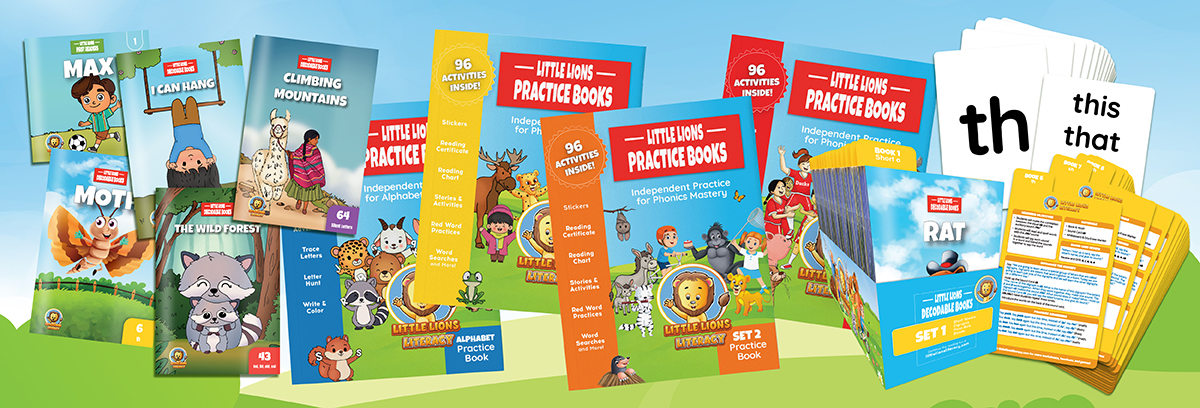
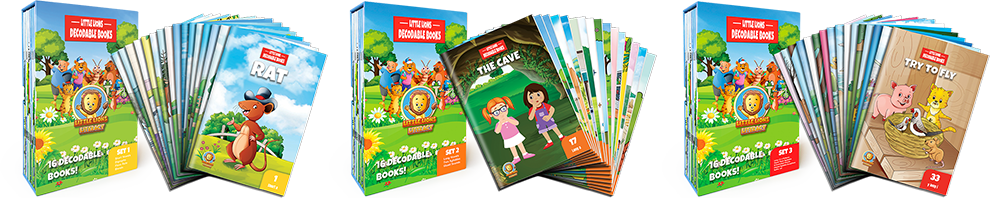
The single most effective tool in your toolkit will be decodable books. Unlike many storybooks that use a wide range of vocabulary, decodable books are written specifically for practicing phonics skills. When teaching digraphs, for example, you should use special books that focus on only one digraph at a time. This helps kids practice and become fluent without getting confused by too many new concepts at once. These books give children a huge confidence boost because they are filled with words they can successfully sound out. Our decodable book sets are designed to follow a clear progression, introducing skills systematically so your reader is never overwhelmed.
Practice is key for making these new skills stick, but it doesn’t have to feel like a chore. Fun and engaging activities, along with lots of repetition, are crucial for helping children learn to read and spell words with consonant digraphs. Aim for short, positive practice sessions every day instead of one long, overwhelming one. Even after your child moves on to other phonics skills, like long vowels, keep practicing digraphs and blends by using words that include them in games or daily reading. This consistent review helps cement their learning and builds a strong foundation for reading fluency.
The easiest way to tell them apart is to listen for the number of sounds. A consonant blend has two or three distinct sounds that you can hear, like the /s/ and /t/ in “stop.” Think of them as two letters standing side-by-side, each using its own voice. A consonant digraph is a team of two letters that create one single, new sound, like the /sh/ in “ship.” With a digraph, the original letter sounds disappear completely.
Most literacy experts recommend teaching digraphs before blends. The reason is that a digraph represents one new, concrete sound (like ch), which can be easier for a child to grasp than the more abstract skill of sliding two separate sounds together (like in a blend). Following this order helps build skills logically, ensuring your child has a solid foundation before moving on to a more complex task.
This is incredibly common and a normal part of learning. It simply means their ear is still training to hear those quick, back-to-back sounds. You can help by physically stretching the word out. Say the sounds very slowly and distinctly, “f…r…og,” and then gradually say them faster until they blend together. This helps your child isolate each sound before putting them together to form the word.
It’s best to avoid having your child memorize blends as if they are a list of vocabulary words. The real goal is to teach them the skill of blending individual sounds together. When they see “bl,” you want them to think, “/b/ and /l/ together make /bl/,” not just recall a memorized flashcard. This approach gives them a powerful tool they can apply to any word they encounter, rather than limiting them to only the blends they’ve memorized.
Forgetting is a completely normal part of the learning process, so the best thing you can do is stay patient and positive. It takes a lot of repetition for a new phonics rule to stick. Instead of drilling, try to incorporate gentle, consistent practice. Reading decodable books that specifically feature the ‘ch’ digraph is a great way to give them successful practice in a real context, which helps build both their skills and their confidence.