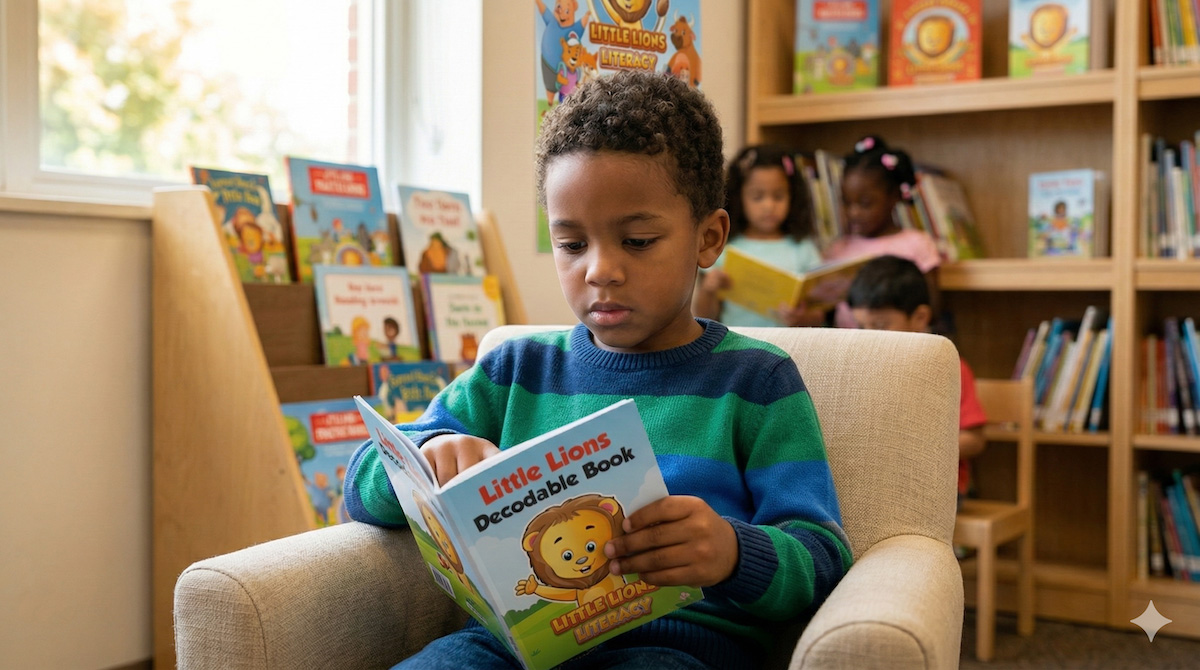
Your seven-year-old is making a huge leap, moving from slowly sounding out “c-a-t” to tackling words like “sunshine” and “playground.” This transition from basic decoding to reading more complex text is where many kids need extra support. The key is giving them practice with books that are designed for this specific stage of development. Handing them a book that’s too difficult can encourage guessing, but the right materials will reinforce their skills and show them how to handle bigger words. Here, we’ll explore how the best phonics books for 7 year olds bridge this gap and help turn your growing decoder into a confident reader.
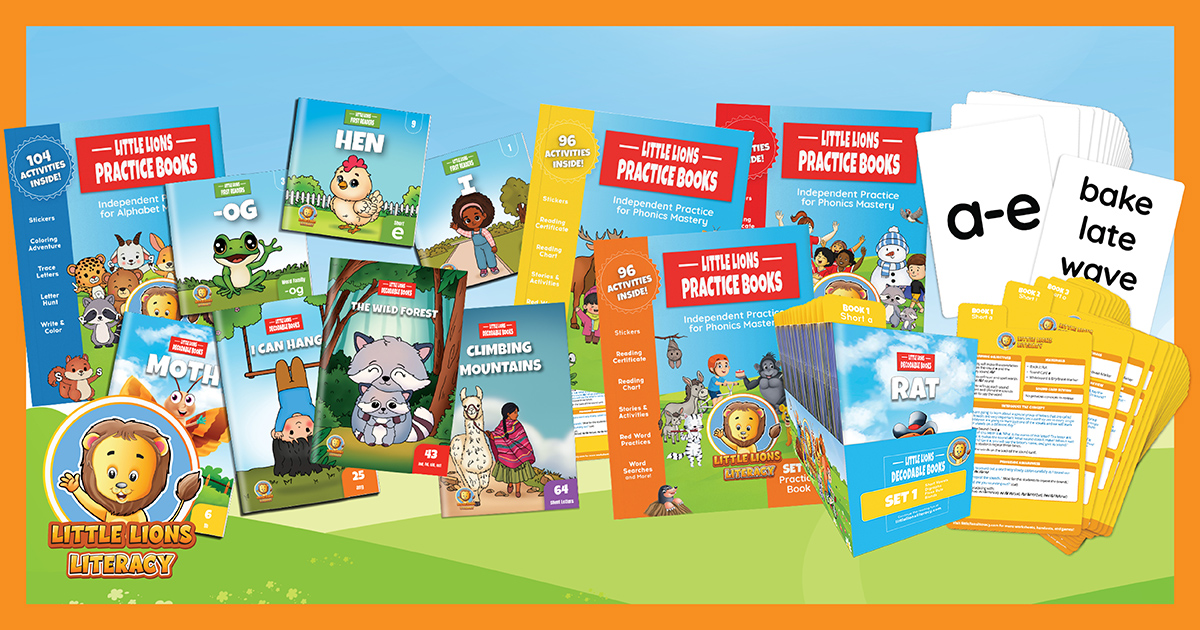
Choosing the right phonics book for your 7-year-old comes down to a few key ingredients. At this age, kids are ready to tackle more complex words, and the best books are designed to support this specific stage. To find a book that truly helps your child grow as a reader, focus on three main things: decodable text, a clear skill progression, and a reader-friendly design. Let’s break down what each of these means.
The most effective phonics books are “decodable.” This means they are written using only the letter sounds and phonics rules your child has already been taught. Instead of guessing from pictures, your child gets to practice applying their skills, which is a huge confidence builder. This targeted approach ensures they are actively decoding words, not just memorizing them. When a child successfully sounds out a word, it reinforces their learning and makes them feel capable. Our decodable book sets are crafted to give children this experience, turning practice into a series of satisfying wins.
Great phonics books teach skills in a logical, step-by-step order, often called a “scope and sequence.” The books start with simple concepts and gradually introduce more complex ones, like consonant blends or long vowel patterns. This structure prevents your child from feeling overwhelmed. Each new book builds directly on what they learned in the last one, creating a smooth path forward. You can see how skills build on one another in a well-designed phonics scope and sequence, which ensures your child is always ready for the next challenge without feeling frustrated.
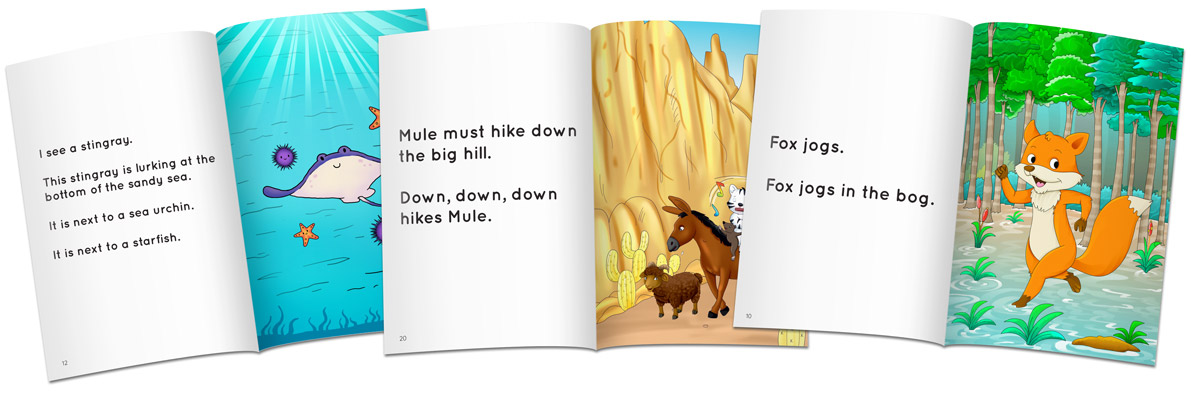
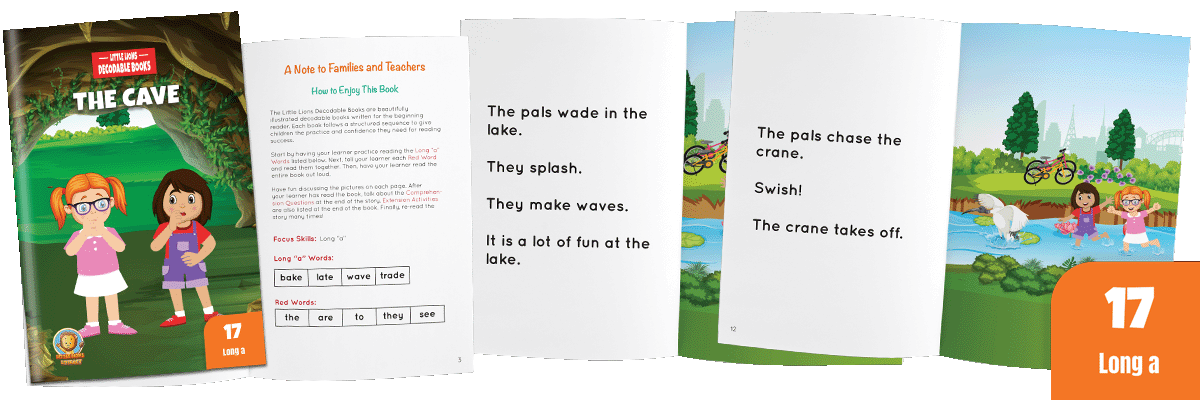
How a book looks is just as important as the words inside. Look for books with a clean, simple design that makes reading feel approachable. This includes clear fonts and plenty of white space so the page doesn’t look crowded. The illustrations should be engaging and support the story, but they shouldn’t give the words away. This encourages your child to focus on decoding the text themselves. A thoughtful, uncluttered layout helps reduce visual stress and allows your young reader to concentrate on the exciting task of reading, making the experience more positive and enjoyable.
When you’re searching for phonics books, it’s helpful to think in terms of a series rather than just a single book. A well-designed series can guide your child from one skill to the next, creating a smooth and encouraging learning journey. But what exactly should you look for? The best phonics book series share a few key features that make them powerful tools for building confident, independent readers. By knowing what to spot, you can choose materials that truly support your seven-year-old’s development.
A great phonics series is built on a logical, step-by-step plan. Educators call this a scope and sequence, which is just a formal way of saying the books teach skills in a specific, sensible order. The series starts with simple concepts and gradually introduces more complex ones, ensuring your child has mastered one skill before moving on to the next. This thoughtful progression prevents them from feeling overwhelmed and builds a solid foundation for reading. Each book serves as a stepping stone, reinforcing what they’ve already learned while gently introducing a new challenge. This structure is the backbone of effective reading instruction.
Phonics practice doesn’t have to be boring. The most effective books wrap skill-building in stories that are genuinely fun for a seven-year-old to read. Look for books with relatable characters and simple, engaging plots that will capture your child’s imagination. The design of the book matters, too. Choose books with a clear, easy-to-read font and plenty of white space on the page so the text doesn’t feel crowded. The illustrations should support the story without giving away the words, encouraging your child to decode the text themselves. This combination of great storytelling and reader-friendly design makes practice feel less like work and more like an adventure.
Investing in a complete book set takes the guesswork out of supporting your reader. When you have a full series, you always know which book to pick up next. This provides a clear and consistent learning path for your child, allowing them to become familiar with the characters, format, and progression. This familiarity builds confidence and momentum, making them excited to see what happens in the next story. Buying a complete set of books is often more economical and ensures you have the right materials on hand exactly when your child is ready for them, keeping their reading journey moving forward without interruption.
Some of the best phonics book series come with extra materials designed to reinforce learning. These resources can turn reading into a more interactive and multi-sensory experience. Look for sets that include tools like printable worksheets, fun activities, or simple guides for parents and teachers. These extras provide more opportunities to practice the specific phonics skills covered in the books. For example, an activity sheet might focus on building words with a new vowel pattern. These supplemental resources are fantastic for making learning feel dynamic and can help solidify concepts for different types of learners.

As your child grows as a reader, the phonics skills they need to learn become more complex. Around age seven, most children are moving beyond simple three-letter words and are ready to tackle new challenges. A great phonics program introduces these skills in a logical, step-by-step order, ensuring your child builds on what they already know without feeling overwhelmed. This structured approach helps them feel successful and motivated to keep reading. Here are the key phonics skills a typical first or second grader is ready to learn.
Once your child has a firm grasp of individual letter sounds, they’re ready to start working with consonant blends and digraphs. Blends are groups of consonants where you can hear each individual sound, like the ‘bl’ in ‘blue’ or the ‘str’ in ‘string.’ Digraphs are two letters that team up to make a single new sound, like ‘sh’ in ‘ship’ or ‘ch’ in ‘chair.’ Learning to spot these patterns is a huge step forward. Quality decodable books provide plenty of practice with these concepts, allowing your child to see them in different words and contexts until they become second nature.
After mastering short vowel sounds (like the ‘a’ in ‘cat’), your 7-year-old is ready to explore long vowels. These are the vowels that say their name, like the ‘a’ in ‘cake.’ Children will learn about different long vowel patterns, including the “silent e” rule, where adding an ‘e’ to the end of a word changes the vowel sound (think ‘cap’ vs. ‘cape’). They will also learn about vowel teams, where two vowels work together to make one sound, like ‘ai’ in ‘rain’ or ‘ea’ in ‘team.’ A good book series will introduce these patterns systematically, following a clear scope and sequence that builds skills logically.
Tackling longer words can feel intimidating for a new reader, but it’s a critical skill for building fluency. At this stage, children learn to break multi-syllable words into smaller, more manageable chunks. For example, they learn to see a word like ‘basket’ as ‘bas-ket’ or ‘picnic’ as ‘pic-nic.’ This strategy makes big words less scary and shows kids they have the tools to figure them out. Phonics books designed for this level help kids feel confident by reinforcing how they connect letters to sounds. This encourages them to read on their own and is especially helpful for any child who finds reading challenging.

Watching your child’s reading confidence grow is one of the most rewarding parts of their learning journey. When kids feel successful, they are more motivated to practice, which creates a powerful cycle of improvement. Phonics books are specifically designed to foster this sense of accomplishment. By providing the right challenges at the right time, they help children see themselves as capable readers from the very beginning. This foundation of confidence is just as important as the phonics skills themselves.
Think of learning to read as learning a code. Phonics books help your child master this code by consistently reinforcing the connections between letters and their sounds. Each time your 7-year-old successfully sounds out a word using the phonics rules they’ve learned, it strengthens that neural pathway. The text in these books is carefully controlled, so they get repeated practice with specific skills. This repetition is what moves knowledge from a short-term effort to an automatic skill. When decoding becomes second nature, your child can focus less on the mechanics and more on the meaning of the story, which is where the real magic of reading happens.
One of the biggest confidence-killers for a new reader is being handed a book filled with words they can’t possibly sound out. It encourages guessing and can lead to frustration. The best phonics books are decodable, meaning they only use words your child can read based on the letter-sound patterns they already know. This structure sets them up for success. Every page they read and every book they finish becomes a tangible victory. This string of “I did it!” moments builds a positive association with reading. Instead of feeling like a struggle, reading becomes a rewarding activity they know they can succeed at.
Every child is unique, with their own interests and ways of learning. A high-quality phonics book series recognizes this by offering variety. Many series, including our Little Lions sets, include both fiction and non-fiction topics, from silly stories about animals to fascinating facts about science. When a child is genuinely interested in the subject matter, the effort of reading feels more like an exciting discovery than a chore. This variety allows you to match books to your child’s passions, keeping them engaged and eager to pick up the next book. It shows them that reading is a gateway to exploring all the things they love.

When you’re searching for the right phonics books, reviews from other parents and teachers are your best friend. They offer a real-world look at how a book series performs outside of the product description. While every child’s journey is unique, these firsthand accounts can give you valuable clues about whether a particular set of books will be a good fit for your young reader. Sifting through comments can feel overwhelming, so it helps to know exactly what to look for. Pay attention to feedback on skill-building, how much kids enjoy the stories, and the overall satisfaction of the person who made the purchase.
The most important question is: do these books actually help kids learn to read? Look for reviews that mention specific progress. Parents and teachers will often share how a book helped a child connect letters with their sounds. The best phonics books are decodable, meaning they only use words your child can sound out based on the phonics rules they’ve already been taught. Scan reviews for comments about how the books build skills systematically. When a reviewer says their child’s confidence grew because they could successfully read the words on the page, that’s a strong indicator that the books are well-structured and effective at teaching foundational reading skills.
An effective phonics book also has to be one your child actually wants to open. As you read reviews, look for comments about the fun factor. Do reviewers mention that their kids are excited to read? Positive signs include mentions of engaging pictures that support the story without giving the words away. Some reviews might also point out reader-friendly details like clear fonts and a simple layout that isn’t overwhelming for a new reader. Books with recurring characters can also make the experience more enjoyable, so keep an eye out for reviews that talk about how much a child loved following the adventures of specific characters throughout a series.
Finally, look for the big-picture takeaway. Are parents and teachers happy with their purchase? Reviews that express high overall satisfaction often point to a book’s ability to create a “cycle of success.” This is where each correctly read word builds a child’s self-assurance, making them feel capable and excited to continue reading. Educator reviews can be especially helpful here, as teachers often use these books with multiple students and can speak to their effectiveness across different learning styles. When a review confidently recommends a series to others, it’s a great sign that the books deliver on their promise to support young readers.
Once you know what to look for, finding great phonics books becomes much easier. The right resources are often available from a few key places, whether you prefer shopping online or browsing in person. Knowing where to look can save you time and help you find materials that perfectly match your child’s reading journey. From specialized publishers to your neighborhood library, here are the best places to find effective and engaging phonics books.
Going straight to the source is one of the best ways to find high-quality, systematic phonics books. Publishers that specialize in literacy resources design their materials with a deep understanding of how children learn to read. For example, companies like Phonic Books create reading materials specifically for children who are just starting their reading journey, with the goal of building confidence and skill.
When you buy from an educational publisher, you often get access to entire series that follow a specific scope and sequence. This ensures your child is learning skills in a logical order. We at Little Lions Literacy design our decodable book sets this way, so you can feel confident that you’re guiding your child through a structured and effective learning path.
Your local bookstore or library can be a treasure trove of phonics readers, and they offer the huge advantage of letting you see the books before you commit. When you’re browsing the shelves, you can check for key features that support early readers. A great tip is to “look for books with clear, simple fonts, plenty of white space, and engaging pictures that don’t give away the words.”
These design elements are crucial. Simple fonts and good spacing make the text less overwhelming, while illustrations that complement the story without revealing the words encourage your child to practice their decoding skills. Don’t hesitate to ask a children’s librarian or bookseller for recommendations; they are often fantastic resources for finding hidden gems.
Building a home or classroom library can get expensive, but there are smart ways to save. For parents and educators, looking for book sets or bundles is a great strategy. As we often say, “buying a complete series or set is often cheaper and gives your child a clear learning path.” This approach not only saves money but also provides a cohesive set of books that grow with your child’s abilities.
Many educational publishers, including Little Lions Literacy, offer classroom sets and bundles at a discounted price. It’s also a good idea to sign up for newsletters from your favorite publishers to get alerts about sales and special promotions. This way, you can stock up on quality resources without stretching your budget.
Having the right phonics books is a fantastic start, but how you use them with your child can make all the difference. Creating a positive and effective reading practice doesn’t require hours of prep or special training. It’s about creating small, consistent habits that build confidence and make reading feel like a fun activity rather than a chore.
By focusing on three simple things, you can turn reading time into a powerful learning experience. First, you’ll want to set up a comfortable and inviting space where your child can focus. Next, it’s key to make sure the books you’re using are a good fit for their current skills. Finally, building a simple, daily routine will help solidify their learning and make reading a natural part of their day. Let’s walk through how to put these ideas into practice.
A great reading environment is about more than just a comfy chair. It’s about creating a space where your child feels relaxed, supported, and ready to learn. Find a quiet spot away from distractions like the TV or noisy siblings. The goal is to make this a special, low-pressure time for both of you. The book itself also contributes to this supportive space. Look for books with clear, simple fonts, plenty of white space, and engaging pictures that don’t give away the words. This kind of thoughtful design, found in our decodable book sets, helps prevent visual overwhelm and keeps your child focused on the task of decoding. Celebrate their effort, not just their perfection, and let them know it’s okay to make mistakes.
One of the most important things you can do is choose books that match your child’s reading ability, not just their age. A book that’s too easy can be boring, while one that’s too difficult can lead to frustration and a sense of failure. For most 7-year-olds, this means they are ready for books that focus on long vowels, consonant blends, and digraphs. The sweet spot is a book where they can read most of the words but are still gently challenged. This is why a series that follows a clear phonics scope and sequence is so helpful. It ensures that each book builds on the last, introducing new skills systematically so your child is always working at the right level.
Consistency is your best friend when it comes to building reading skills. Try to listen to your child read every day, even if it’s just for five or ten minutes. This regular practice is far more effective than one long session on the weekend. When they get stuck on a word, gently guide them. You can show them how to sound out and blend the word, reminding them of the phonics rules they’ve already learned. Keep it light and fun. You can take turns reading pages, use silly voices for the characters, or talk about the story afterward. Making reading a predictable and enjoyable part of your daily routine helps build a positive association with books that can last a lifetime.
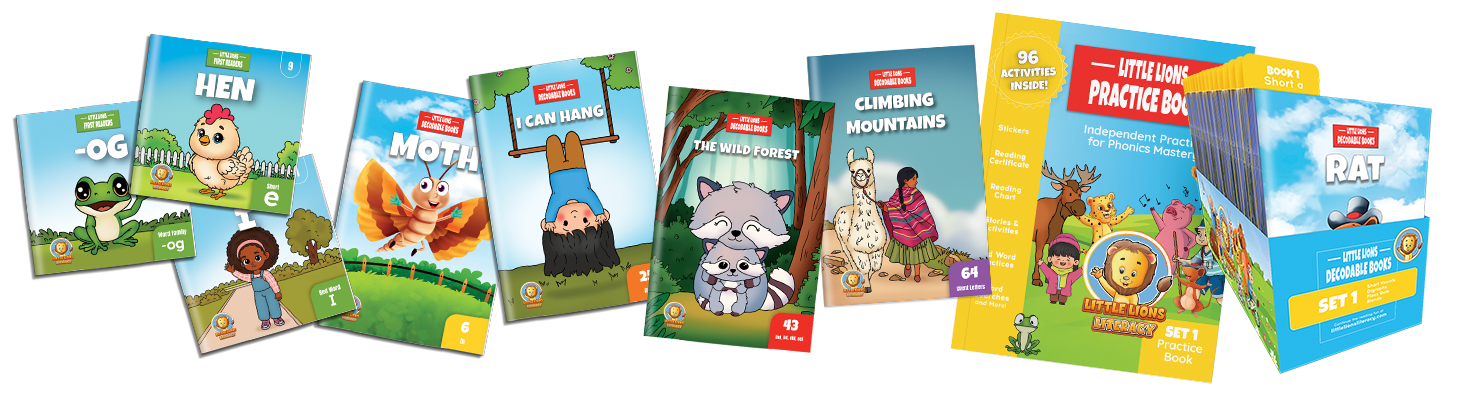
A decodable book is a story written using only the letter-sound rules your child has already been taught. Think of it as a practice field designed for success. Unlike a typical storybook where a child might encounter unfamiliar words and have to guess from pictures, a
The best way to know is to observe them reading. If they can easily read simple, three-letter words (like cat, sun, and pig), they are likely ready for the next step. This usually involves consonant blends, like ‘st’ in ‘stop’, and digraphs, like ‘sh’ in ‘ship’. A good phonics series will follow a clear skill progression, so you can simply move to the next book in the set to introduce a new, appropriate challenge.
The key is to create a supportive and low-pressure environment. Keep reading sessions short, maybe just five to ten minutes a day, in a quiet and comfortable spot. When they get stuck on a word, gently guide them to sound it out rather than giving them the answer right away. Your calm encouragement and focus on their effort, not just their accuracy, will help them see reading as a rewarding activity instead of a stressful test.
While any practice is helpful, a complete set provides a clear and structured learning path. A series is designed to teach skills in a specific, logical order, so you never have to guess what your child should learn next. Each book builds on the concepts from the previous one, which helps your child gain momentum and familiarity. This consistency is a powerful tool for building a confident, independent reader.
These books are absolutely still appropriate. Reading development is about skill, not age. If an older child is struggling, it often means they missed some of these foundational phonics concepts along the way. Using a systematic, decodable series is a fantastic way to go back and fill in those gaps. Meeting them at their current ability level is the most effective way to build the skills and confidence they need to catch up.