So, you’ve made the shift. You’ve cleared out the old “leveled” baskets and you’re ready to embrace the Science of Reading. It’s an exciting time! But as you look at your classroom library, you might be wondering: Are these books actually doing what they’re supposed to do?
Not all books labeled “decodable” are created equal. Some are just leveled readers in disguise, while others don’t follow a logical sequence. To help you navigate the sea of literacy resources, we’ve put together the ultimate Science of Reading checklist. This will help you ensure your materials are truly aligned with how the brain learns to read.
For years, classrooms relied on “three-cueing“: asking kids to look at the picture, look at the first letter, or think about what makes sense. The Science of Reading has shown us that this actually mimics the habits of struggling readers. To build strong readers, we need to teach them to decode the words on the page.
Your classroom library is the bridge between your phonics lesson and independent reading. If that bridge is shaky: meaning the books don’t match what you’ve taught: your students will revert to guessing. That’s why auditing your library isn’t just about “cleaning up”; it’s about providing the right tools for the job.
When evaluating a set of books for your classroom, run them through these five essential checks:
A decodable book isn’t just a “simple” book. It is a book where the phonics patterns have been explicitly taught. If your students are working on short a, but the book has words like “lake” or “play,” it’s not truly decodable for them yet.
Research suggests that for a text to be considered decodable for a beginning reader, a high percentage of the words must be decodable based on previously taught patterns. While there is no “magic number,” many experts look for 80-90% decodability.
We call these Heart Words, Red Words or Irregular Words. A good decodable text introduces these sparingly and only after they’ve been taught. They shouldn’t overwhelm the phonetic focus of the story.
Look at the illustrations. In a truly decodable book, the pictures support the story but don’t “give away” the text. If a child can tell exactly what the sentence says just by looking at the picture of a “giraffe eating a leaf,” they aren’t practicing their decoding skills.
You don’t have to do this alone. Organizations like The Reading League and the University of Florida Literacy Institute (UFLI) provide guides and lists of vetted materials.

When we talk about being “UFLI approved” or “vetted by The Reading League,” we’re talking about a rigorous review process. These organizations look at the linguistic accuracy, the progression of difficulty, and the overall instructional value.
For example, UFLI Foundations provides a trusted decodable text guide that matches books to their specific lesson sequence. When a resource is featured there, you know it has been scrutinized by experts who live and breathe the Science of Reading.
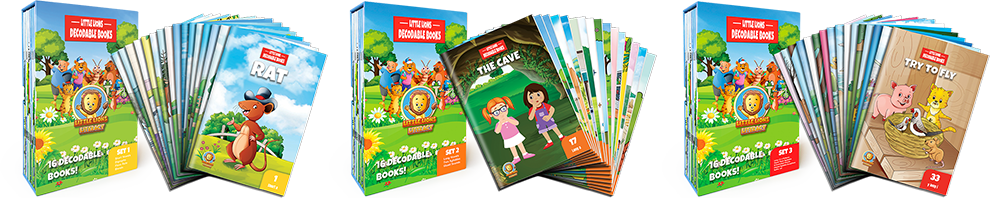
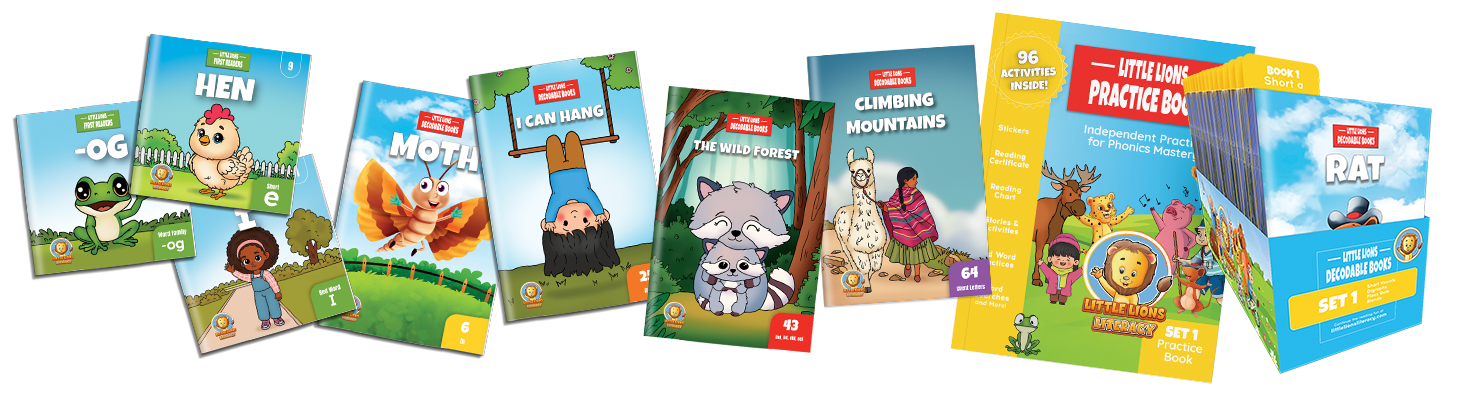
At Little Lions Literacy, we didn’t just write stories; we built a system. Every one of our books was crafted by teachers who were tired of “decodables” that weren’t actually decodable.

Your students will grow, and your library needs to grow with them. This is why we organized our resources into clear, manageable sets:
By having a structured progression, you ensure that no student hits a “wall” in their reading journey. You can confidently hand a student a book from Set 2 knowing they have the foundational skills from Set 1 and our Practice Books to back them up.

Auditing your library is a big task, but it’s one of the most impactful things you can do for your students. Start small: look at one basket of books today and see if they pass the “Truly Decodable” test. If they don’t, it might be time to refresh your resources with materials that actually support the hard work you’re doing during your phonics block.
Your students deserve books that help them feel successful from the very first page. When the text matches their knowledge, that “lightbulb moment” happens much faster.