
Choosing a new reading curriculum is a major investment—not just of money, but of your time and your students’ precious instructional minutes. Making the wrong choice can lead to frustration for both teachers and students, resulting in lost progress that’s hard to regain. That’s why it’s so important to get it right from the start. Before you commit your budget to any structured literacy curriculum for sale, use this guide to understand the key differences between programs, what to look for in teacher support, and how to find the perfect fit for your specific classroom or homeschool environment.
If you’ve ever felt like traditional reading instruction is leaving some kids behind, you’re not alone. That’s where Structured Literacy comes in. Think of it as a clear, detailed roadmap for learning to read. It’s an instructional approach that teaches reading in a very direct, systematic, and sequential way. Instead of hoping kids will just “pick up” reading through exposure, Structured Literacy breaks it down into manageable skills, from understanding individual sounds to making sense of whole sentences. This method is built on decades of research, often called the “Science of Reading,” and it provides a solid framework for literacy instruction.
While this approach is an absolute game-changer for students with reading difficulties like dyslexia, the truth is, it’s beneficial for all students. It creates a strong foundation that prevents reading gaps from forming in the first place. The instruction focuses on the core building blocks of language, including phonology (the sounds in a language), sound-symbol association (phonics), syllable types, morphology (the meaningful parts of words, like prefixes and suffixes), syntax (how sentences are built), and semantics (the meaning behind words and sentences). By teaching these elements explicitly, we give every child the tools they need to become a confident, capable reader.
So, what does Structured Literacy actually look like in practice? It’s defined by a few key principles that make it so effective. First, it’s systematic and explicit. This means skills are taught in a logical order, starting with the simplest concepts and building from there. Nothing is left to chance; every rule and pattern is taught directly and clearly. It’s also comprehensive, covering all the essential pieces of literacy, from phonemic awareness and phonics to vocabulary, fluency, and comprehension. Finally, these methods are evidence-based, meaning they are backed by solid scientific research on how children learn to read. These features of Structured Literacy instruction ensure a thorough and reliable path to reading success for every student.
For children who find reading challenging, Structured Literacy can feel like a lifeline. Many traditional methods rely on guessing or memorization, which simply doesn’t work for students with dyslexia or other learning differences. This approach removes the guesswork. The explicit instruction directly teaches the connections between letters and sounds that other kids might absorb more naturally. The systematic progression provides a clear, predictable path, which helps build confidence and reduces the anxiety that so often comes with reading struggles. Research from organizations like the International Dyslexia Association confirms that this approach is far more successful for struggling readers because it directly addresses their needs, building skills step-by-step on a solid foundation.
With so many options out there, picking the right structured literacy curriculum can feel overwhelming. The good news is that the most effective programs share a few key features. When you’re comparing curricula, look for these four non-negotiables. They are the hallmarks of a program that’s built on the science of reading and designed to help every child succeed. Think of this as your checklist for finding a curriculum that truly works.
A great curriculum doesn’t just throw random phonics rules at kids and hope they stick. Instead, it follows a clear, logical path. Effective structured literacy instruction is systematic, meaning skills are taught in a specific order that builds on what students have already learned. For example, children will master basic letter sounds before moving on to blending those sounds into words. This step-by-step progression makes reading feel less like a mystery and more like a code they can confidently crack, one piece at a time.
Kids learn best when they can engage more than one sense at a time. That’s why multi-sensory techniques are a core component of structured literacy. This approach goes beyond just looking at letters on a page. It might involve tracing letters in sand (touch), saying sounds out loud (hearing), or using arm movements to form letters (kinesthetic). By incorporating these hands-on activities, the curriculum helps solidify connections in the brain, making it easier for children to remember and apply what they’ve learned. These decoding strategies are essential for building a strong foundation.
How do you know if your instruction is actually working? The right curriculum will give you the tools to find out. Look for programs that include built-in assessments, progress monitoring charts, and other ways to check for understanding. These resources are crucial for identifying where a student is excelling and where they might need a little extra support. Having a full set of materials, including plenty of decodable books and assessment tools, allows you to tailor your teaching to meet each child’s individual needs and celebrate their growth along the way.
You shouldn’t have to be a literacy expert to use a curriculum effectively. A high-quality program will come with robust support materials that empower you to teach with confidence. This includes detailed lesson plans, scripts, and a variety of activities designed to help every child learn. When a program provides clear, step-by-step guidance, it takes the guesswork out of teaching. This kind of structured literacy support ensures you’re using methods that align with how the brain actually learns to read, making your instruction more powerful and effective.
With so many options out there, finding the right structured literacy curriculum can feel overwhelming. The good news is that there are fantastic, research-backed programs designed to support every kind of learner. Whether you’re a classroom teacher, a homeschool parent, or an intervention specialist, one of these top-tier curricula can provide the systematic, explicit instruction your students need to become confident readers. Let’s look at five of the best programs available today.
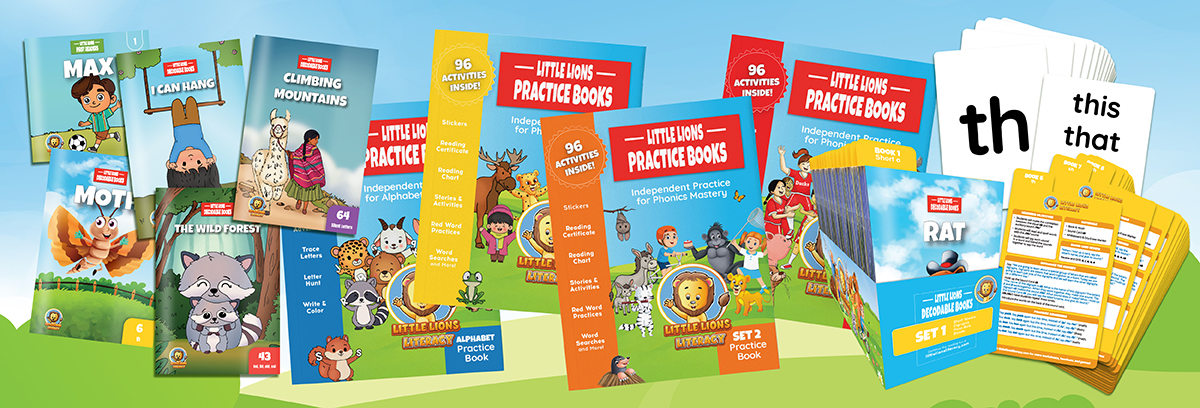
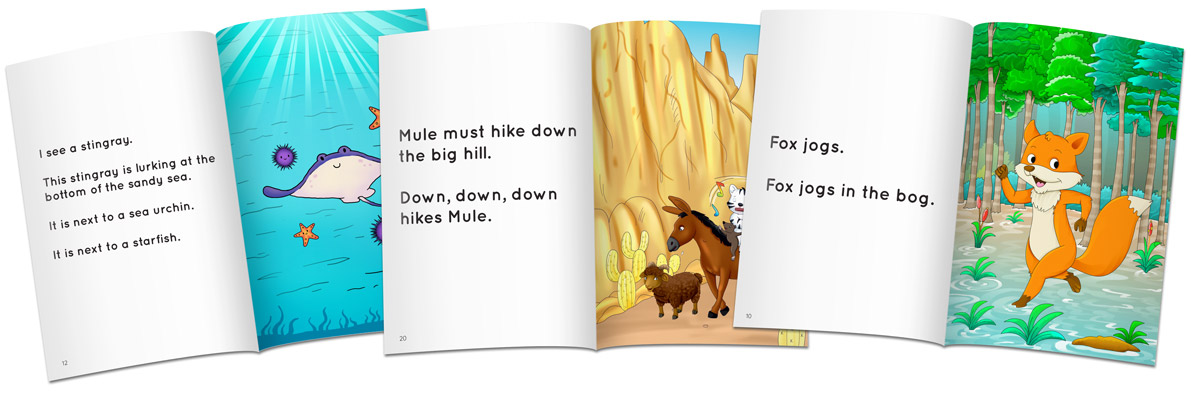
If you’re focused on building a strong foundation for your youngest readers, Little Lions Literacy is a wonderful place to start. This company provides decodable book sets that are specifically designed to align with phonics instruction, making them a perfect fit for preschool and early elementary students. The books are engaging, fun, and follow a clear progression, allowing children to practice the phonics skills they’re learning in a meaningful context. By providing stories that kids can actually read themselves, these sets build confidence right from the start and help make the process of learning to read a joyful one. They are an excellent resource for reinforcing early literacy development.
The Wilson Reading System is a comprehensive and highly respected structured literacy program. It’s particularly well-known for its effectiveness with students who have language-based learning disabilities, like dyslexia. The program takes a deep dive into phonics and spelling through a systematic and explicit approach. Instruction is intensive and cumulative, ensuring students master concepts before moving on to the next. Wilson is a Tier 3 intervention program, meaning it’s designed for students who need the most intensive reading support. It provides a clear, structured path that helps struggling readers build the skills they need to improve their decoding, encoding, and fluency, ultimately leading to greater reading success.
The Orton-Gillingham approach is less of a specific curriculum and more of a powerful, instructional framework. It’s a well-established method that is explicit, systematic, and multisensory, making it a gold standard for helping individuals with dyslexia and other reading challenges. Because it’s an approach, it can be adapted to fit the unique needs of each student. Lessons break down reading and spelling into smaller, manageable skills, connecting sounds to letters in a very direct way. Many different programs are based on Orton-Gillingham principles, but they all share the core commitment to providing personalized, diagnostic, and prescriptive instruction to support diverse learners.
The 95 Percent Group offers a suite of structured literacy programs designed to meet students where they are. Their resources are systematic, explicit, and comprehensive, making them a great fit for whole-class instruction, small groups, and one-on-one intervention. What makes their approach so useful is its focus on improving reading outcomes across all instructional tiers. Whether you’re working with students who are right on track, those who are struggling, or those who need a little extra enrichment, their programs provide the tools and instructional routines to help every child succeed. They offer a clear roadmap for teachers to deliver effective phonics and word study instruction.
Grounded in the Science of Reading, Structured Literacy with E.A.S.E. is a research-based reading program created specifically for K-2 students. The name says it all—it’s designed to make implementing structured literacy easy for teachers. The program emphasizes effective, explicit reading instruction and gives educators all the tools they need to foster strong literacy skills in their young learners. It provides a clear scope and sequence for teaching phonological awareness, phonics, fluency, vocabulary, and comprehension. By equipping teachers with ready-to-use lesson plans and materials, it helps create a consistent and supportive learning environment where children can thrive as readers.
Investing in a structured literacy curriculum is an investment in your students’ future, but it doesn’t have to break the bank. The cost of these programs can vary widely, from affordable digital resources to comprehensive, multi-year classroom kits. The price often reflects the scope of the materials, the level of teacher support, and whether you’re getting physical books or digital access. Understanding the different pricing tiers can help you find a high-quality program that fits your budget and meets your students’ needs.
If you’re working with a tight budget, you can still find excellent structured literacy resources. Many companies offer digital-only subscriptions that provide access to a wealth of materials without the cost of printing and shipping. For example, the K-2 Reading Program (Digital Only) from Structured Literacy with E.A.S.E. is a great choice, priced at $267 for a one-year membership. This gives you access to 129 decodable books and a full curriculum. Another way to start is by purchasing individual decodable book sets to supplement what you already have in your classroom or home.
For those with a bit more to invest, mid-range programs often provide a blend of physical and digital materials for a more hands-on learning experience. These kits are typically more comprehensive and can serve as the core of your reading instruction. A great example is the Structured Literacy with E.A.S.E. K-2 Reading Program (Physical Kit), which costs $1,443 per kit. This package includes everything from the digital version plus physical copies of 774 decodable books, an assessment guide, and other hands-on materials. This price point usually gets you a robust, ready-to-use system for a single classroom.
Comprehensive packages are designed to be all-in-one solutions, perfect for intervention specialists, new teachers, or anyone wanting a complete, step-by-step reading program. While the price is higher, these kits are packed with value. The Structured Literacy with E.A.S.E. physical kit at $1,443 is a great example of a comprehensive package for a single classroom. Programs at this level typically include extensive teacher manuals, scripted lessons, assessment tools, and a massive library of student materials, ensuring you have everything you need to teach reading effectively from day one.
Every dollar counts, especially in education. Before you purchase, always look for ways to save. Many companies offer free trials or samples so you can test out the materials. For instance, you can get a 7-day free trial for a digital library with over 900 decodable books. It’s also a good idea to sign up for company newsletters and follow them on social media to catch announcements about sales or special promotions. Don’t forget to ask about potential discounts for purchasing multiple kits for a school or district.

Choosing a new curriculum can feel like a huge commitment, but you don’t have to go it alone. The best structured literacy programs understand that teacher confidence is just as important as the materials themselves. That’s why they come with robust support systems designed to help you succeed from day one. Instead of just getting a box of books, you get a partnership. This support ensures you can use the curriculum effectively and feel empowered in your classroom. From initial training to ongoing coaching, these programs provide the resources you need to help your students thrive.
A great curriculum is only as effective as the teacher using it. That’s why many structured literacy programs offer extensive professional development opportunities for educators. Think of it as a dedicated learning path for you, too. These opportunities often include workshops, webinars, and even in-person training sessions. The goal is to deepen your understanding of the science of reading and the specific strategies used in the program. This training equips you with the knowledge and confidence to walk into your classroom ready to make a real difference for your students.
Ever opened a new curriculum and wondered, “Where do I even start?” Quality structured literacy programs eliminate that guesswork. They typically include detailed implementation guides that serve as your roadmap. These guides provide clear, step-by-step instructions on how to introduce concepts, structure your lessons, and integrate the materials into your daily routine. It’s like having an expert coach by your side, ensuring you’re following the scope and sequence correctly and maximizing the program’s impact. This level of detail helps you stay organized and focused on what matters most: teaching your students to read.
Sometimes, seeing is believing. Reading about a teaching strategy is one thing, but watching it in action can make all the difference. Many programs offer a library of video demonstrations and tutorials that bring the curriculum to life. These videos often showcase real teachers using effective strategies in their classrooms. This allows you to see the flow of a lesson, hear the precise language used, and observe student engagement firsthand. It’s an incredibly practical way to learn and refine your own instructional techniques, ensuring you can apply the curriculum with fidelity.
Your learning journey doesn’t stop after the initial training. Questions will come up, and you might face challenges with specific students. That’s why access to ongoing support is such a critical component of a strong structured literacy program. Many providers offer continued coaching, mentorship, and access to a community of fellow educators. This support system means you have someone to turn to when you need to troubleshoot a lesson or find a new way to explain a tricky concept. It’s this continuous partnership that helps you grow as an educator and adapt your practices to meet every student’s needs.
It’s one thing to understand the science behind structured literacy, but it’s another to see it in action. Across the country, teachers, reading specialists, and school administrators are sharing their experiences with these programs, and the feedback is overwhelmingly positive. They’re not just seeing small, incremental improvements; they’re witnessing fundamental shifts in how their students approach reading and how they, as educators, teach this essential skill.
From kindergarten classrooms to intervention groups, the consensus is clear: a systematic, explicit approach to literacy instruction works. Teachers are finding that when they have a clear roadmap and high-quality materials, they feel more equipped to meet the needs of every child. Let’s look at what educators are saying about the real-world impact of structured literacy curricula in their schools and classrooms.
When you give teachers a clear, evidence-based curriculum, the results speak for themselves. Educators using structured literacy programs report seeing their students make incredible progress. They notice students starting to apply phonics rules, like using syllable types to decode long words, not just during reading lessons but also in their own writing. This transfer of skills is a key indicator that the learning is sticking.
Many school leaders have shared that these programs are highly effective, leading to students learning to read at much higher levels than they saw with previous methods. The consistent, structured approach removes the guesswork and provides a reliable path to literacy for all students.
So, why is this approach so successful? Structured literacy is effective because it aligns with how the brain actually learns to process written language. Instead of asking kids to guess or memorize whole words, it provides them with the code. By focusing on these foundational skills, students build a strong base that equips them to tackle any reading challenge they encounter. This method of evidence-aligned reading instruction is particularly powerful.
This direct, systematic instruction is a game-changer for all children, but it’s especially crucial for those with dyslexia and other literacy challenges. Research consistently shows that structured literacy approaches are far more successful than typical literacy practices at meeting the needs of struggling readers, giving them the tools they need to succeed.
A great curriculum doesn’t just benefit students; it empowers teachers, too. Many educators feel more confident and prepared when they have a program that provides clear steps and a variety of activities to help every child learn. They can trust that they are using teaching methods that match how the brain learns to read, which takes the pressure off and allows them to focus on delivering great instruction.
This confidence is often supported by strong professional learning opportunities. When schools invest in early years’ reading instruction and provide coaching, teachers feel fully prepared to implement the curriculum effectively. This combination of a solid program and ongoing support helps create a positive and successful learning environment for everyone.
Switching to a structured literacy curriculum is an exciting step, but like any big change, it can come with a few bumps in the road. Knowing what to expect can help you create a smoother transition for your teachers and students. Let’s walk through some of the most common challenges and how you can prepare for them. From getting your team on board to managing budgets, a little planning goes a long way in setting your school up for reading success.
One of the first hurdles many schools face is getting every teacher excited and on board with a new approach. It’s completely normal for educators to feel hesitant about changing methods that they’ve used for years. The key to a successful transition is strong support. Providing comprehensive professional learning and ongoing coaching is essential. When teachers feel confident in their understanding of the science of reading and have the tools to apply it, they are much more likely to embrace the new curriculum and use it effectively in their classrooms.
It’s natural to want to see results right away, but patience is a virtue when implementing a new literacy program. While research consistently shows that structured literacy is highly effective, especially for the 20% of students with dyslexia, progress isn’t always immediate. The initial phase is about building a solid foundation—for both students and teachers. Think of it as building momentum. The careful, systematic instruction will pay off, leading to deep, lasting reading skills. Focusing on strong implementation from day one is the best way to ensure you see those incredible breakthroughs down the line.
Let’s talk logistics. School administrators have a lot to juggle, from changing state standards to integrating new technology. Finding room in the budget for a new curriculum and the necessary resources can feel like a complex puzzle. The good news is that a growing number of states and districts are prioritizing literacy programs based on the science of reading. This shift can make it easier to advocate for funding. When planning your budget, remember to account for not just the curriculum itself, but also for teacher training, supplemental materials, and any technology needed to support instruction.
The best structured literacy curriculum isn’t one-size-fits-all. Your specific role, the students you serve, and your learning environment all play a part in choosing the right program. A classroom teacher has different needs than a homeschool parent or an intervention specialist. Thinking about your unique context will help you find a curriculum that provides the exact support your young readers need to succeed. Let’s look at some common scenarios to help you identify the perfect fit.
As a classroom teacher, you’re managing a diverse group of learners, each at a different point in their reading journey. You need a program that is clear, comprehensive, and easy to implement amidst the hustle of a school day. Look for curricula that offer explicit, step-by-step lesson plans and a variety of activities to keep students engaged. A program like Structured Literacy with E.A.S.E. is built on the Science of Reading and gives you research-backed methods that match how the brain learns to read. The goal is to find a curriculum that empowers you with the tools and confidence to help every child in your classroom build a strong foundation.
Teaching your child to read at home is an incredible gift, and you need resources that are both effective and enjoyable. The ideal homeschool curriculum is straightforward, engaging, and doesn’t require a degree in education to use. You want materials that you and your child can explore together. Our Little Lions Classroom Sets are designed for this, providing a clear path with decodable books that build skills sequentially. This approach takes the guesswork out of phonics instruction, allowing you to focus on creating positive, confidence-building reading experiences right from your living room. It’s all about making the journey to literacy a fun and successful adventure.
When you’re working with students who have dyslexia or other reading challenges, your approach needs to be targeted and intensive. As an interventionist, you need a program that can diagnose specific skill gaps and provide explicit, systematic instruction to close them. Structured Literacy is especially successful for these learners because of its direct approach. Curricula from the 95 Percent Group are designed to find and fix foundational reading issues. You’re looking for a robust toolkit that allows you to deliver precise, powerful instruction to help struggling readers catch up and build the skills they need to thrive.
Implementing a new curriculum across an entire school or district is a major undertaking. Success hinges on consistency and teacher buy-in. Administrators should look for a comprehensive program that includes robust professional development and ongoing support. The curriculum must be grounded in the science of reading to ensure every teacher is equipped with effective instructional practices. A unified approach ensures that all students receive high-quality, consistent instruction as they move from one grade to the next. The right program will not only provide excellent materials for students but also build a strong, confident team of educators.
Feeling informed and ready to make a change is a huge step. Now, it’s time to turn that knowledge into action. Moving forward doesn’t have to be complicated. By breaking it down into a few manageable steps—choosing your materials, planning your rollout, and diving into the first lesson—you can set your students (and yourself) up for a successful transition to structured literacy. Think of this as your simple guide to getting started on the right foot.
The first step is acquiring the right materials for your students. There are many excellent programs available, each with a slightly different focus. For a complete, all-in-one K-2 curriculum, you might explore something like the Structured Literacy with E.A.S.E. program, which includes hundreds of decodable books and teacher guides. Another well-regarded option is the 95 Percent Group, which offers a variety of programs designed to deliver research-based, step-by-step instruction.
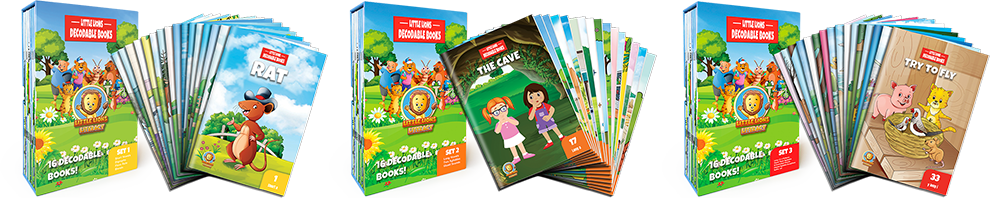
If you’re focused on building a strong foundation with engaging, high-quality decodables, Little Lions Literacy provides book sets and resources perfect for preschool and early elementary learners. These are great for supplementing your existing curriculum or for targeted phonics practice.
Once you’ve chosen your curriculum, avoid the temptation to just hand out the books and hope for the best. A thoughtful rollout makes all the difference. Start by creating a simple timeline. The first thing to schedule is teacher training. Giving educators dedicated professional learning time ensures they feel confident and prepared before the program even reaches students.
Next, set a realistic start date. When will you officially begin using the new materials? Put it on the calendar. Finally, build in time for check-ins. Planning ahead to discuss progress and any challenges that arise is a key part of a successful implementation plan. This way, you can make adjustments as you go.
With your materials in hand and a plan in place, you’re ready to begin. The beauty of a structured literacy program is that it’s designed to be systematic and explicit, so your best bet is to trust the process. Start with lesson one and follow the sequence as it’s laid out. These programs are built to introduce concepts in a specific, cumulative order that makes sense for young learners.
Remember that structured literacy relies on direct teaching and a lively pace to keep children engaged. Embrace the interactive nature of the lessons. Your role is to guide, model, and provide immediate feedback, creating a supportive environment where every child can build their reading skills one step at a time.
Is Structured Literacy only for students with dyslexia? While this approach is an absolute game-changer for students with dyslexia, it’s designed to be effective for all learners. Think of it like building a ramp into a building. The ramp is essential for people who use wheelchairs, but it also makes access easier for parents with strollers, delivery drivers, and anyone who has trouble with stairs. Structured Literacy provides that clear, accessible path for everyone, preventing reading difficulties before they even start.
How is this different from the ‘balanced literacy’ approach my school might be using? The biggest difference is how the skills are taught. Structured Literacy teaches reading and spelling in a very direct and systematic way, leaving nothing to chance. It equips children with the tools to sound out words based on clear rules. In contrast, many balanced literacy programs encourage a mix of strategies, including guessing words from pictures or context. Structured Literacy removes the guesswork, giving kids a reliable method for decoding any word they encounter.
Does all this focus on phonics rules take the fun out of reading? It’s actually quite the opposite. The goal of teaching phonics explicitly is to give children a sense of mastery and confidence. When a child can pick up a book and successfully read the words on the page by themselves, it’s an incredibly empowering feeling. That success is what truly sparks a love of reading. These skills are the key that opens the door to a lifetime of enjoying books, rather than feeling frustrated by them.
Where do decodable books, like the ones from Little Lions Literacy, fit into this approach? Decodable books are the essential practice field for Structured Literacy. After a child learns a new phonics skill, like the “sh” sound, they need a chance to apply it in a real reading context. Decodable books are carefully written to include the specific letter-sound patterns that students have been taught. This allows them to practice their new skills and experience immediate success, which builds the momentum they need to become fluent readers.
My child’s school doesn’t use Structured Literacy. What can I do at home to support them? You can still make a huge impact at home. Start by incorporating decodable books into your daily reading routine. These books give your child a chance to practice sounding out words in a controlled and supportive way. You can also play simple sound games, like saying three words and asking which one starts with a different sound. Most importantly, keep the lines of communication open with your child’s teacher to stay informed about how they are learning to read at school.