The short i sound is one of the first vowel sounds children learn, and it shows up in hundreds of everyday words. Whether your child is just starting to read CVC words like sit, big, and pin or is ready to tackle blends and digraphs, having a well-organized short i words list makes all the difference. Below you will find 100+ short i words grouped by word family, example sentences, hands-on activities, and links to decodable books that put these words into practice.
The short i sound is the vowel sound /ĭ/, as heard in words like sit, fin, and big. It is one of the five short vowel sounds in English.
To make the short i sound, the mouth opens slightly and the tongue sits in the middle of the mouth. The lips stay relaxed, not rounded. It sounds like the “ih” in itch or insect.
Short i vs. long i: In short i words, the vowel says /ĭ/ (as in kit). In long i words, the vowel says its name /ī/ (as in kite). The silent e at the end changes the vowel sound entirely.
| Short I | Long I |
|---|---|
| bit | bite |
| fin | fine |
| kit | kite |
| pin | pine |
| rid | ride |
| dim | dime |
| Tim | time |
| win | wine |
One important note: many children confuse the short i sound with the short e sound. Words like sit and set or pin and pen sound very similar, especially to beginning readers. The best way to address this is through explicit teaching with blending and segmenting practice and plenty of reading repetition with decodable texts.
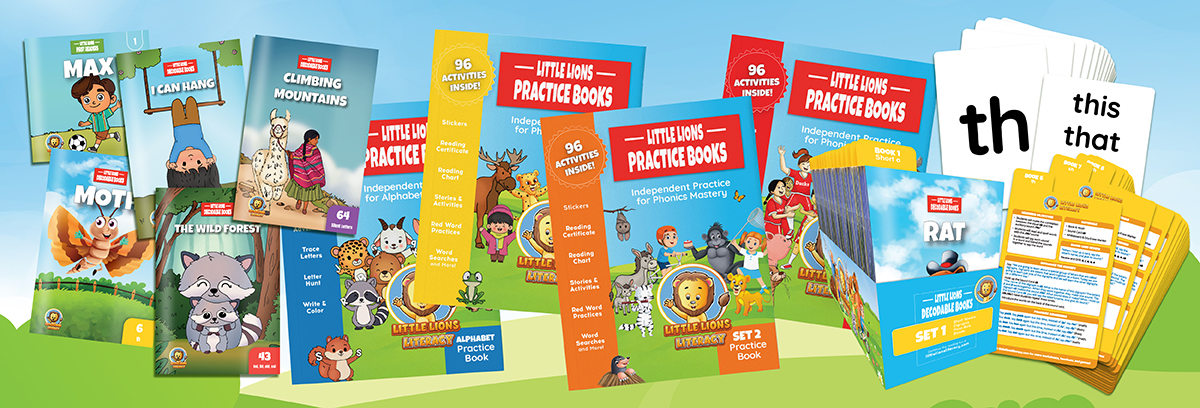
Below are 100+ short i words organized by CVC (consonant-vowel-consonant) word families. These are ideal for phonemic awareness practice, spelling exercises, and early reading instruction.
| bit | fit | hit | kit |
|---|---|---|---|
| lit | pit | sit | wit |
| zit | skit | spit | slit |
| bin | din | fin | kin |
|---|---|---|---|
| pin | sin | tin | win |
| grin | shin | thin | twin |
| dip | hip | lip | nip |
|---|---|---|---|
| rip | sip | tip | zip |
| chip | clip | drip | flip |
| grip | ship | skip | slip |
| snip | strip | trip | whip |
| big | dig | fig | gig |
|---|---|---|---|
| jig | pig | rig | wig |
| zig | twig | sprig | — |
| bid | did | hid | kid |
|---|---|---|---|
| lid | rid | Sid | grid |
| skid | slid | squid | — |
| dim | him | Jim | rim |
|---|---|---|---|
| Tim | brim | grim | slim |
| swim | trim | whim | skim |
| bib | fib | nib | rib |
|---|---|---|---|
| crib | — | — | — |
| fix | mix | six | — |
|---|---|---|---|
| kick | lick | pick | sick |
|---|---|---|---|
| tick | wick | brick | click |
| flick | quick | slick | stick |
| thick | trick | — | — |
| bill | fill | gill | hill |
|---|---|---|---|
| kill | mill | pill | will |
| chill | drill | grill | skill |
| spill | still | thrill | — |
| bing | ding | king | ping |
|---|---|---|---|
| ring | sing | wing | zing |
| bring | cling | fling | sling |
| spring | sting | string | swing |
| thing | wring | — | — |
| ink | link | mink | pink |
|---|---|---|---|
| rink | sink | wink | blink |
| brink | clink | drink | shrink |
| stink | think | — | — |
Reading short i words in context helps children move from decoding individual words to reading fluently. Here are example sentences using short i words at different levels.
Simple CVC sentences:
– The pig is big.
– I will sit and sip.
– Tim hid the lid.
– She can rip the tip.
– The kit will fit in the bin.
Sentences with blends and digraphs:
– The fish can swim in the pond.
– Bill will drink the milk.
– She had a quick trip to the ship.
– Tim will bring a gift for his twin.
– The chick will sit on the brick.
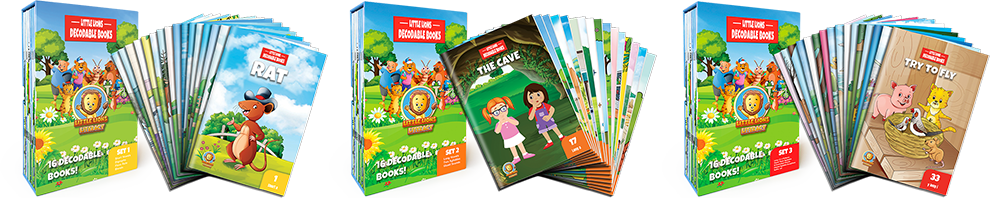
These sentences work well for reading practice at home or in the classroom. For more structured reading practice with controlled text, the Little Lions Decodable Books Set 1 features short vowel CVC stories that build on exactly these word families.

Hands-on activities make learning short i words engaging and memorable. Here are five research-backed strategies that work well for children in preschool through second grade.
Write 15-20 short i words on index cards. Label paper bags or cups with word family endings (-it, -in, -ip, -ig). Have your child read each word aloud and sort it into the correct family. This builds pattern recognition and helps children decode new words by analogy.
Create bingo cards with short i words in each square. Call out words one at a time and have players find and cover them. For an extra challenge, call out definitions or show pictures instead of saying the words. This game reinforces word recognition and listening skills.
Start with a short i CVC word like sit. Change one letter at a time to make a new word: sit → bit → big → dig → did → hid. Word ladders develop phonemic awareness by showing how changing a single sound creates an entirely new word.
Give your child 3-4 short i words and challenge them to create a silly sentence. For example: “The pig did a jig in a wig.” Children love the humor, and the exercise practices reading, writing, and comprehension simultaneously.
Go on a short i sound hunt around the house or classroom. Children look for objects with the short i sound: dish, fish (toy), bin, clip, lid, zipper. When they find an object, they say the word, segment the sounds, and write it down. This multi-sensory approach connects the short i sound to real-world objects.
You do not need expensive materials to reinforce short i words. Here are simple printable ideas parents and teachers can create at home.
Most phonics programs introduce the short i sound after short a. In a systematic phonics sequence, children typically learn short vowels in this order: a, i, o, u, e (though the exact order varies by curriculum).
Children are ready for short i words when they can:
– Identify the letter i and its sound
– Blend three sounds together (e.g., /s/ /ĭ/ /t/ = sit)
– Read CVC words with at least one other vowel (usually short a)
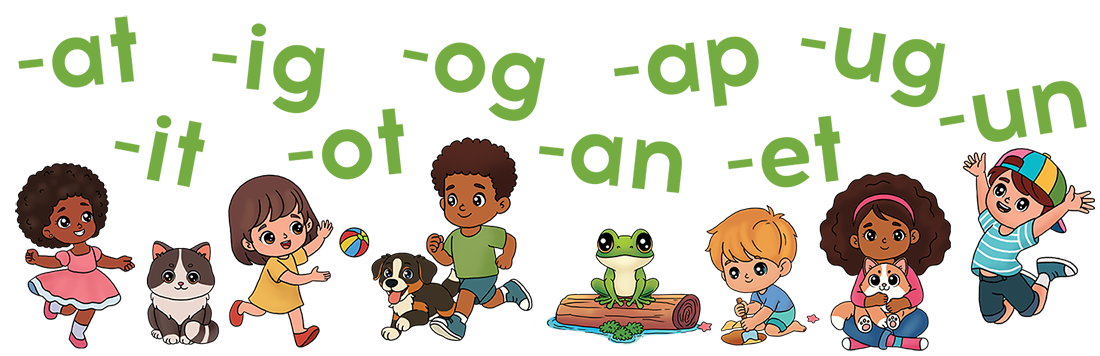
If your child is still working on these foundational skills, the Little Lions Alphabet Books introduce letters and sounds through engaging stories with animal characters, building the foundation needed for CVC word reading.
Once your child reads short i CVC words confidently, they are ready for:
The Little Lions Decodable Books follow this exact progression. Each set builds on previously learned sounds, ensuring children never face words they have not been taught to decode. Explore the long vowel patterns when your child is ready for the next step.
The short i sound is the vowel sound /ĭ/, pronounced “ih” as in the words sit, big, and pin. It is one of the five short vowel sounds in English. Unlike the long i (which says its name, as in kite), the short i is a quick, clipped sound made with the mouth slightly open and the tongue in the middle of the mouth.
Common short i words include sit, hit, big, pig, fin, pin, dip, rip, kid, lid, dim, him, fix, mix, and six. These are all CVC (consonant-vowel-consonant) words. More advanced short i words include swim, trip, think, drink, fish, chip, and string.
Start by introducing the /ĭ/ sound in isolation. Say words like itch, insect, and igloo and have your child listen for the beginning sound. Then move to CVC words organized by word family (-it, -in, -ip). Use multi-sensory methods: say the word, tap out each sound, and blend the sounds together. Decodable books with controlled short i text provide the reading practice children need to build fluency.
Short i (/ĭ/) as in sit and short e (/ĕ/) as in set are two of the most commonly confused vowel sounds. The short i is made with the tongue slightly higher in the mouth than short e. To help children hear the difference, practice minimal pairs like sit/set, pin/pen, big/beg, and hid/head. Sorting activities with pictures are especially effective.
Most children are ready to learn short i words in kindergarten or early first grade, after they have mastered letter-sound recognition and can blend three sounds together. In a typical phonics sequence, short i is introduced after short a. Children who can read CVC words like cat, map, and sad are usually prepared to move on to short i words like sit, pig, and fin.