
Many of us were taught to read by guessing words from pictures or using the first letter as a clue. For a lot of kids, this simply doesn’t work, and it can lead to years of frustration. The Science of Reading explains why. It shows us that reading isn’t a natural skill like speaking; it has to be taught explicitly and systematically. This research is a game-changer for homeschool parents because it takes the mystery out of reading instruction. It gives you a proven framework for building a strong foundation, piece by piece. By choosing a science of reading homeschool curriculum, you can avoid the pitfalls of outdated methods and give your child the tools they need to decode words with confidence.
If you’ve spent any time in homeschooling circles, you’ve probably heard the term “Science of Reading.” It sounds a bit intimidating, but it’s really just a way of describing the huge body of research on how we learn to read. It’s not a curriculum or a specific program, but rather the evidence-based foundation for what works. For homeschool parents, this is fantastic news. It means you don’t have to guess your way through teaching one of the most critical life skills.
The Science of Reading gives you a clear roadmap. It shows that our brains aren’t naturally wired to read. While children pick up spoken language almost automatically, learning to connect written letters to sounds is a skill that has to be explicitly taught. Understanding this is a game-changer because it shifts the focus from hoping your child will “just get it” to knowing you can give them the exact tools they need to succeed. It empowers you to choose materials and methods that are proven to build strong, confident readers right from the start.
At its core, the Science of Reading is a comprehensive body of research from fields like cognitive science, psychology, and education. For decades, scientists have studied the brain to understand what’s happening when a person reads. They’ve found that learning to read involves building pathways in the brain that connect the parts responsible for speech with the parts that process visual information.
This isn’t an automatic process. Unlike speaking, reading must be taught systematically. The research provides a clear framework for the most effective way to do this, emphasizing direct and explicit instruction. For you as a homeschool teacher, this means you can rely on proven methods instead of trying to piece together a reading plan from scratch.
Many of us grew up with reading instruction that encouraged guessing words from pictures or using the first letter as a clue. These traditional reading methods, often part of a “balanced literacy” or “whole language” approach, simply don’t work for a lot of kids. They often fail to provide the strong phonics foundation children need to decode unfamiliar words.
The Science of Reading shows that strong readers don’t guess—they decode. They can sound out words because they have been taught the relationships between letters and sounds in a clear, step-by-step way. When kids are taught to rely on context or pictures, it can create habits that are hard to break later on, leaving them struggling when they encounter books without illustrations.
One of the biggest sources of anxiety for homeschooling parents is the timeline. There’s a common myth that all children must learn to read by Kindergarten to be successful. While early literacy skills are important, research shows that every child develops on their own schedule. Pushing for intense, formal instruction too early isn’t always helpful.
The Science of Reading isn’t about rushing your child. It’s about providing the right kind of instruction when they’re ready. Another myth is that reading will eventually just “click.” For most children, it doesn’t. Reading is a complex skill that requires building a solid foundation, piece by piece. Relying on a proven, systematic approach ensures you’re not leaving any of those crucial pieces out.
When you hear educators talk about the Science of Reading, they’re often referring to the five essential components of reading instruction. Think of these as the five pillars holding up a strong, confident reader. A solid homeschool curriculum won’t just hand your child a book and hope for the best; it will systematically build skills in each of these areas.
Understanding these pillars helps you see the “why” behind different reading activities. It also gives you the confidence to spot a high-quality curriculum that covers all the bases. While phonemic awareness and phonics are the heavy hitters in the early years, all five pillars work together to help your child go from sounding out letters to reading for pleasure and understanding. Let’s walk through what each one means for your child.
Before kids can read words, they need to be able to hear the individual sounds within them. That’s phonemic awareness. It’s the ability to identify and play with the smallest sounds in spoken language, called phonemes. This is a listening skill, so it doesn’t involve any letters or written words yet. It’s all about training the ear to hear that the word “cat” is made up of three sounds: /k/ /a/ /t/. Activities like rhyming, clapping out syllables, and identifying the first sound in a word are all building this foundational skill. A strong sense of phonemic awareness is one of the best predictors of future reading success.
Phonics is where we connect the sounds of spoken language to written letters. This is the pillar that teaches children the code of reading—that the letter b makes the /b/ sound, for example. A systematic phonics approach teaches these letter-sound relationships in a logical order, from simple to complex. This is why decodable books are so powerful. They are carefully written with words that only use the letter-sound patterns your child has already learned, giving them a chance to practice their new decoding skills and build confidence. Instead of guessing, your child learns to sound out words accurately.
Fluency is the ability to read with speed, accuracy, and proper expression. A fluent reader sounds natural, almost like they’re talking. When a child reads fluently, they no longer have to struggle to decode every single word. This frees up their mental energy to focus on what the text actually means. You can help your child build fluency by encouraging them to reread favorite short stories or poems. Reading aloud together is another great way to model what fluent reading sounds like. It’s the bridge between decoding words and understanding them.
Vocabulary is simply the collection of words a child knows and understands. A child can sound out the word “extraordinary,” but if they don’t know what it means, they’re missing a huge piece of the story. A rich vocabulary is crucial for reading comprehension. You can build your child’s vocabulary every day just by talking to them and reading books aloud that are slightly above their own reading level. When you come across a new word, take a moment to explain what it means in a kid-friendly way. These small, consistent efforts make a huge difference in their ability to understand complex texts later on.
Comprehension is the ultimate goal of reading. It’s the ability to understand, interpret, and get meaning from what you’ve read. All the other pillars work in service of this one. A child uses phonics to decode the words, fluency to read them smoothly, and vocabulary to understand what they mean. All of this comes together for comprehension. You can support this skill by asking simple questions as you read together. Try things like, “What do you think will happen next?” or “How do you think that character is feeling?” These conversations help your child think actively about the story and make connections.
Before you can pick the right curriculum, you need a clear picture of where your child is right now. Think of it as finding your “you are here” dot on the map of their reading journey. This isn’t about formal testing or creating pressure; it’s about observing their skills so you can choose a program that meets them exactly where they are and builds their confidence from day one.
Understanding your child’s current abilities helps you set them up for success. When the material is at the right level—not too easy, not too hard—they’ll feel capable and motivated to keep going. By taking a little time to assess their skills, you can spot any areas where they might need extra support and find a curriculum that provides it. This simple step ensures you’re building on a solid foundation, making the entire process of learning to read smoother and more enjoyable for both of you.

First, let’s forget about grade levels. When we talk about a “reading level” for a new reader, we’re really talking about their grasp of foundational skills. The most important one is their understanding of phonics—the connection between letters and their sounds. Can your child recognize the letters of the alphabet? Do they know the sound that the letter ‘m’ makes? Can they blend simple sounds together to read a word like “sit”?
You can figure this out through simple, low-pressure activities. Play a game of “I spy” with letter sounds (“I spy something that starts with the /t/ sound”). Or, while reading a simple book together, point to a word like “cat” and ask them to help you sound it out. Your goal is to find their starting point so you can begin instruction there.
It’s completely normal for kids to hit a few bumps on the road to reading. Remember, reading isn’t a skill we’re born with; it has to be taught step-by-step. Many reading struggles happen when there’s a gap in a child’s early phonics knowledge. You might notice your child guessing words based on the first letter or the pictures on the page, rather than sounding them out.
Other common signs include confusing similar-looking letters (like b and d), struggling to remember letter sounds consistently, or showing frustration when it’s time to practice. Spotting these challenges early doesn’t mean there’s a problem—it just gives you valuable information. It tells you exactly where to focus your efforts, often with a renewed emphasis on phonics, to help them get back on track.
Sometimes, a child’s reading challenges might be more persistent, and that’s okay too. If you’ve been working on phonics consistently and your child still has significant trouble remembering letter sounds, rhyming, or blending sounds, it might be a sign that they could benefit from a more specialized approach. This is especially true for children who may be at risk for dyslexia.
This isn’t a reflection of your teaching or your child’s intelligence. It simply means their brain is wired a bit differently for learning to read. For these learners, research shows that multisensory language instruction—which uses sight, sound, and touch to teach reading—can be incredibly effective. If you suspect your child needs more support, looking into programs with this methodology or speaking with a reading specialist is a great next step.
Choosing a reading curriculum can feel like a huge decision, but it doesn’t have to be overwhelming. The goal isn’t to find a single “perfect” program, but to find the one that’s the right fit for your child and your teaching style. A curriculum aligned with the Science of Reading will have a few key things in common. It will be structured, engaging, and give you the tools you need to help your child succeed.
Think of a good curriculum as your roadmap. It should guide you and your child from learning the first letter sounds all the way to reading sentences with confidence. The best programs are clear and easy for you to teach, even without a background in education. They provide plenty of practice materials and give you a way to see your child’s progress. When you’re looking at different options, keep an eye out for these four essential features. They are the hallmarks of a curriculum that’s built on what we know about how children really learn to read.
A solid reading curriculum isn’t random; it’s built on a logical, step-by-step progression. This is often called a scope and sequence. It starts with the simplest concepts, like learning the sounds of a few letters, and systematically builds from there. The program should explicitly teach children how to connect sounds to letters and then how to blend those sounds together to read words.
This structure is so important because it prevents gaps in your child’s learning. Each new skill is introduced only after the foundational skills are in place. This ensures your child isn’t asked to read words with sounds they haven’t learned yet, which builds their confidence and reduces frustration. Look for a curriculum that clearly lays out what you’ll be teaching and in what order.
Kids learn best when they can engage more than one sense at a time. That’s why a curriculum that uses multisensory instruction is so effective. This just means the program incorporates sight, sound, touch, and even movement into its lessons. Instead of just looking at letters on a page, your child might trace them in sand, build words with magnetic tiles, or clap out the syllables in a word.
These hands-on activities help cement concepts in a child’s brain, making it easier for them to remember what they’ve learned. It also keeps learning fun and active, which is a huge plus for young children. A good program will have a variety of games, activities, and hands-on tools built right into the lessons, making learning feel more like play.
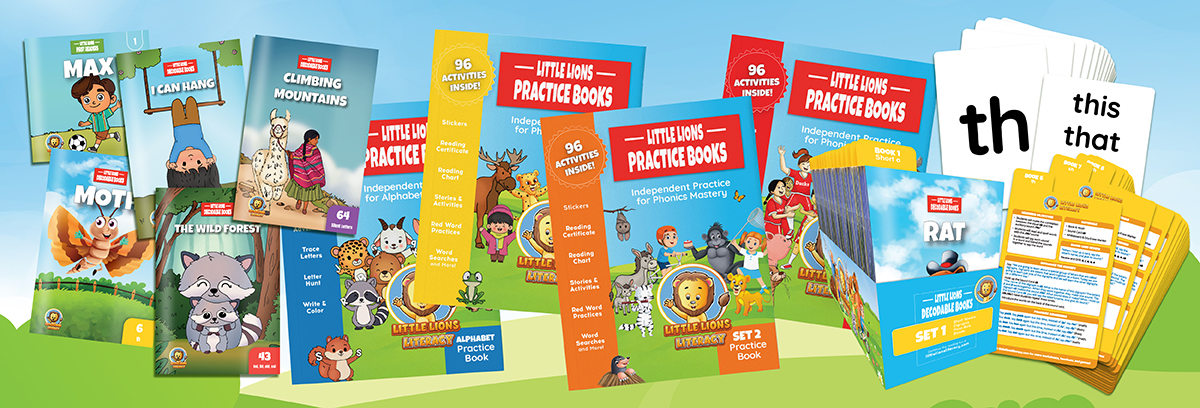
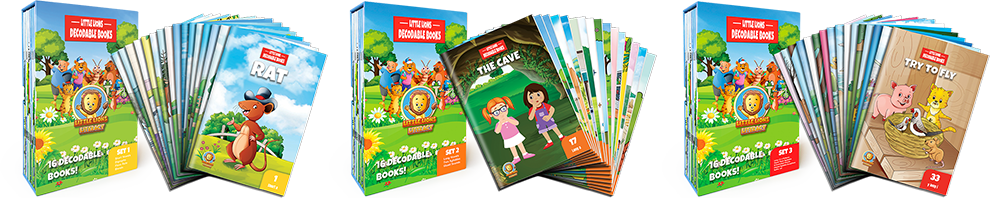
This might be the most important piece of the puzzle. A curriculum based on the Science of Reading must include decodable books. These are simple stories written using only the letter sounds and word patterns your child has already been taught. When a child picks up a decodable book, they have all the tools they need to read it successfully from cover to cover.
This experience is incredibly empowering. It shows children that the phonics skills they’re learning have a real purpose. Instead of guessing words based on pictures, they are actually reading. This builds immense confidence and motivation to keep going. Our Little Lions Literacy decodable book sets are designed to grow with your child, providing the perfect practice at every stage of their reading journey.
How do you know if what you’re doing is working? A great curriculum will give you the tools to answer that question. This doesn’t mean you need to give your child stressful tests. Instead, look for programs that include simple assessments, informal checklists, or observation guides to help you see where your child is thriving and where they might need a bit more practice.
These tools are for your benefit as the teacher. They help you confirm that your child has mastered a skill before moving on to the next one. A good curriculum should also explain the how and why behind its teaching methods, giving you the confidence to support your child effectively. Tracking progress allows you to celebrate every win and adjust your approach when needed, ensuring your child stays on the path to becoming a happy, confident reader.
Choosing a curriculum can feel like the biggest decision you’ll make on your homeschool journey, but it doesn’t have to be stressful. The great news is that there are fantastic, evidence-based options out there that do the heavy lifting for you. All the programs I’m sharing here are built on the principles of the Science of Reading, so you can feel confident that you’re using a method that’s proven to work. This isn’t about finding a magic bullet, but about selecting a tool that aligns with how your child’s brain actually learns to read.
Each curriculum has its own unique style and strengths. Some are known for their hands-on activities and games, while others are celebrated for their straightforward, open-and-go lesson plans that require minimal prep. As you explore these options, think about your child’s personality and your own teaching style. Are you looking for something playful and engaging for a young learner who is just starting out? Or do you need a more intensive, therapeutic program designed specifically for a struggling reader? This guide will walk you through some of the best choices available, helping you find the perfect fit for your family’s needs and goals.
If you want to make learning to read a joyful and engaging experience, Little Lions Literacy is a wonderful choice. It’s designed to provide a comprehensive approach to reading instruction, focusing on phonemic awareness, phonics, fluency, vocabulary, and comprehension. The curriculum fully aligns with the Science of Reading principles, ensuring your child builds a strong foundation from the very beginning.
What really makes this program shine is its collection of beautiful and fun decodable books. The stories are sweet, the illustrations are captivating, and kids genuinely look forward to reading them. The books are organized into sets that follow a clear scope and sequence, so skills build on each other logically. It’s an ideal curriculum for young readers in preschool through second grade.

All About Reading is a popular and trusted name in the homeschool community for a reason. It’s a well-known program that emphasizes systematic phonics instruction and is designed to be engaging for children. One of its key features is that it incorporates multisensory techniques to help children learn to read effectively. This means your child will learn through sight, sound, and touch using letter tiles, activities, and read-alouds.
Parents especially love the lightly scripted, “open-and-go” lesson plans that make teaching feel simple and straightforward. If you’re looking for a complete, step-by-step program that takes the guesswork out of teaching, All About Reading is a solid choice that has helped countless children become confident readers.
For the child who loves to know “why,” Logic of English Foundations is a fantastic fit. This program offers a structured literacy curriculum that teaches phonics, spelling, and reading comprehension through a logical and systematic approach. It’s designed to be suitable for all learners, including those with dyslexia, because it demystifies the rules of the English language. Instead of just memorizing rules, kids learn the phonograms and spelling patterns that explain how words work.
This curriculum integrates handwriting, spelling, and reading into cohesive lessons. It helps children see the connections between these skills, creating a more holistic understanding of language. If your child thrives on order and logic, Logic of English Foundations can provide those “aha!” moments that make reading click.
If you have a struggling reader or a child diagnosed with dyslexia, the Barton Reading & Spelling System is an excellent, research-based option. It is specifically designed for this group of learners and uses a structured, multisensory approach to teach reading and spelling, aligning with the Science of Reading. This program is Orton-Gillingham-influenced, which is considered the gold standard for dyslexia instruction.
Barton is more intensive than some other programs and requires the parent or tutor to watch training videos before teaching each lesson. However, this upfront investment pays off. The lessons are scripted and systematic, providing the direct, explicit instruction that struggling readers need to succeed. The Barton Reading & Spelling System is a powerful tool for helping children overcome significant reading challenges.
The PRIDE Reading Program is another fantastic curriculum that uses the Orton-Gillingham approach in a way that’s easy for parents to implement at home. It’s a hands-on curriculum that utilizes the Orton-Gillingham approach, focusing on explicit phonics instruction and is particularly effective for students with dyslexia or other learning differences. The program is broken down into short, manageable steps that help build a child’s confidence and prevent them from feeling overwhelmed.
One of the biggest benefits of the PRIDE Reading Program is its user-friendly design. The lessons are scripted and all-inclusive, so you have everything you need to teach effectively without extensive training. If you’re looking for an Orton-Gillingham-based program that feels accessible and supportive for the parent-teacher, this is a wonderful option to consider.
Teaching your child to read is one of the most rewarding parts of homeschooling, but let’s be honest—it can also feel like a huge responsibility. You’re not alone if you’ve hit a few bumps in the road. Most parents face similar hurdles when they take on the role of reading teacher. The good news is that these challenges are completely manageable with the right mindset and tools. Understanding what to expect can help you create a positive and effective learning environment, turning potential frustrations into moments of growth for both you and your child. Let’s walk through some of the most common challenges and how you can approach them with confidence.
One of the biggest worries for homeschooling parents is feeling unqualified. You might think, “I don’t have a teaching degree, how can I possibly teach my child to read?” This feeling is incredibly common. Many parents and caregivers lack basic information about whether their approach aligns with the science of reading. But you don’t need a formal degree to be an effective teacher for your child. What you need is a clear, evidence-based plan. A high-quality curriculum built on the science of reading acts as your expert guide, giving you the structure, materials, and step-by-step instructions to teach phonics and other foundational skills with confidence. You know your child best, and combining that knowledge with a solid program is a powerful recipe for success.
It’s easy to get caught up in comparing your child’s progress to others or to traditional school benchmarks. You might worry if your five-year-old isn’t reading yet. However, homeschooling offers the gift of flexibility. As psychologist Peter Gray notes, homeschooled children don’t have the same “critical period” for reading as their schooled peers because they aren’t bound by rigid timelines. There is no research proving that learning to read by kindergarten has long-term benefits. In fact, pushing a child before they’re ready can sometimes have negative effects. Instead of focusing on a specific age, focus on consistent progress. Celebrate small wins and follow your child’s lead. The goal is to foster a love of reading, not to win a race.
The internet is flooded with reading resources, but not all of them are effective. Sifting through the options to find materials that are actually based on the science of reading can be exhausting. Many programs fail because they don’t have an adequate focus on phonics, and as experts will tell you, reading is not a natural skill—it must be taught explicitly. This is why the intentionality with implementation is so crucial. Choosing a comprehensive, phonics-based curriculum is the single best thing you can do to set your child up for success. Look for programs that include decodable books and structured lessons. These resources do the heavy lifting for you, ensuring you’re providing high-quality, evidence-based instruction every step of the way.
Once you have a curriculum, it’s time to put it into action. Teaching your child to read is a marathon, not a sprint, and having a solid plan will make the process smoother and more enjoyable for both of you. Think of these steps as your roadmap. You can always adjust your route based on your child’s pace and needs, but having a clear direction helps you stay on track and build a positive learning environment right from the start.
Consistency is your best friend when teaching reading. Set aside a specific time each day for your reading lesson, even if it’s just for 15-20 minutes. This helps your child know what to expect and turns reading practice into a natural part of their day, just like brushing their teeth. Find a cozy, quiet spot free from distractions where you can focus together. You can also weave literacy into your entire day by reading aloud, pointing out letters on signs, and playing word games. The goal is to create a low-pressure, supportive atmosphere that makes your child feel safe to learn and make mistakes.
Decodable books are the heart of a Science of Reading approach because they are designed for practice. Unlike many picture books, they only contain words with the letter-sound patterns your child has already learned. This allows them to apply their phonics skills and build confidence. A good program teaches children the sounds letters make and how to blend them together to read words. When you read a decodable book together, encourage your child to sound out the words. If they get stuck, point to the letter and prompt them with the sound. This direct connection between sounds and letters is what builds a strong foundation for independent reading.
Observing your child is the best way to know what’s working. Are they confidently blending three-letter words? Are they struggling with a specific vowel sound? You don’t need formal tests to see their growth. Simply listen to them read and take note of their strengths and areas that need more practice. If you notice your child is getting frustrated, it’s a sign to slow down. Spend a few more days on the current skill before moving on. The beauty of homeschooling is the ability to personalize the pace to your child’s unique needs, ensuring they feel successful every step of the way.
If your child continues to struggle despite consistent practice, don’t panic. Many children need a different approach to make the connections for reading. Research shows that using multisensory techniques can be incredibly effective, especially for kids who may be at risk for dyslexia. This means engaging more than one sense at a time. You can have your child trace letters in sand or shaving cream while saying the sound, use magnetic letters to build words, or tap out sounds on their arm. Making learning a physical, hands-on experience can often help concepts click into place when listening and seeing aren’t quite enough.
Teaching your child to read is a big responsibility, but you don’t have to do it alone. The right support system can make all the difference, helping you stay motivated and on track. Think of these resources as your personal support crew—from expert-led courses to communities of parents who are on the exact same path. They can provide the knowledge, encouragement, and tools you need to feel confident and prepared for every step of your homeschool reading adventure.
You are your child’s first and most important teacher. To be an effective partner in their learning, it helps to understand the fundamentals of the Science of Reading yourself. Look for training designed specifically for parents that breaks down concepts like phonemic awareness and phonics into simple, actionable terms. These courses can give you the background knowledge to reinforce lessons at home and troubleshoot when your child gets stuck. When you understand the “why” behind your curriculum, you’ll feel much more empowered to teach it effectively.
Sometimes, the best support comes from other parents who just get it. Joining an online community or support group connects you with other homeschoolers who are also using Science of Reading principles. These groups are fantastic for asking questions about curriculum, sharing what’s working, and getting encouragement on tough days. Since reading is a skill that must be explicitly taught, it’s helpful to surround yourself with people who understand the importance of a structured, phonics-based approach. You can find dedicated Science of Reading homeschool groups on platforms like Facebook where parents share resources and cheer each other on.
How do you know if your teaching is working? Simple assessment and progress-tracking tools are your answer. You don’t need complicated diagnostics; many resources offer straightforward ways to check your child’s grasp of letter sounds, decoding skills, and reading fluency. Using these tools helps you pinpoint exactly where your child is excelling and where they might need a little more practice. This data empowers you to adjust your lessons and provide targeted support, ensuring your child is always moving forward. It’s all about having clear information to guide your teaching.
You don’t need a formal degree to successfully teach your child to read. Your greatest assets are your dedication and a high-quality curriculum. Confidence comes from having a clear, intentional plan and sticking with it. When you use materials grounded in the Science of Reading, you can trust the process. Celebrate the small victories—like when your child sounds out a new word or reads a sentence with expression. Each little win builds momentum and proves that you have what it takes to guide your child on their reading journey.
Think of it this way: a regular storybook is for you to read to your child, while a decodable book is for your child to read to you. Decodable books are practice tools. They are carefully written to only include the letter-sound patterns your child has already learned in their lessons. This allows them to successfully sound out every word, building incredible confidence and proving that the phonics rules they’re learning actually work. Regular picture books are still essential for building vocabulary and a love of stories, but they often contain complex words a new reader isn’t equipped to decode yet.
This is such a common concern, and it usually means it’s time to step away from the workbook and get hands-on. Phonics instruction doesn’t have to be flashcards and drills. You can practice building words with magnetic letters on the fridge, trace letters in a tray of sand or salt, or play games where you hop on pillows for each sound in a word. A good curriculum will incorporate these multisensory activities, but you can also add them in yourself. The goal is to make learning an active, playful experience rather than a passive one.
For young children, consistency is far more important than duration. Aim for short, focused, and positive sessions of about 15 to 20 minutes each day. You’ll accomplish much more in a cheerful 15-minute lesson than in a frustrating 45-minute one. When your child starts to get wiggly or discouraged, that’s your cue to wrap it up for the day. The goal is to build positive momentum and leave them feeling successful and ready to try again tomorrow.
Absolutely not. In fact, the Science of Reading approach is incredibly effective for struggling readers of any age. The process works by identifying the specific gaps in a child’s foundational skills and addressing them with direct, systematic instruction. It’s not about starting over from scratch, but about going back to pinpoint and strengthen the weak spots. A structured phonics program can provide the clarity and logic that a struggling reader needs to finally make sense of our language.
A strong, comprehensive curriculum will give you everything you need to teach the mechanics of reading, especially phonics. However, you still play a huge role in building the other pillars of reading. The single most important supplement is to continue reading rich, interesting books aloud to your child every day. This is how you build their vocabulary, background knowledge, and comprehension skills. While they use decodable books to practice their decoding, you use read-alouds to expose them to beautiful language and complex stories they aren’t ready to read on their own yet.