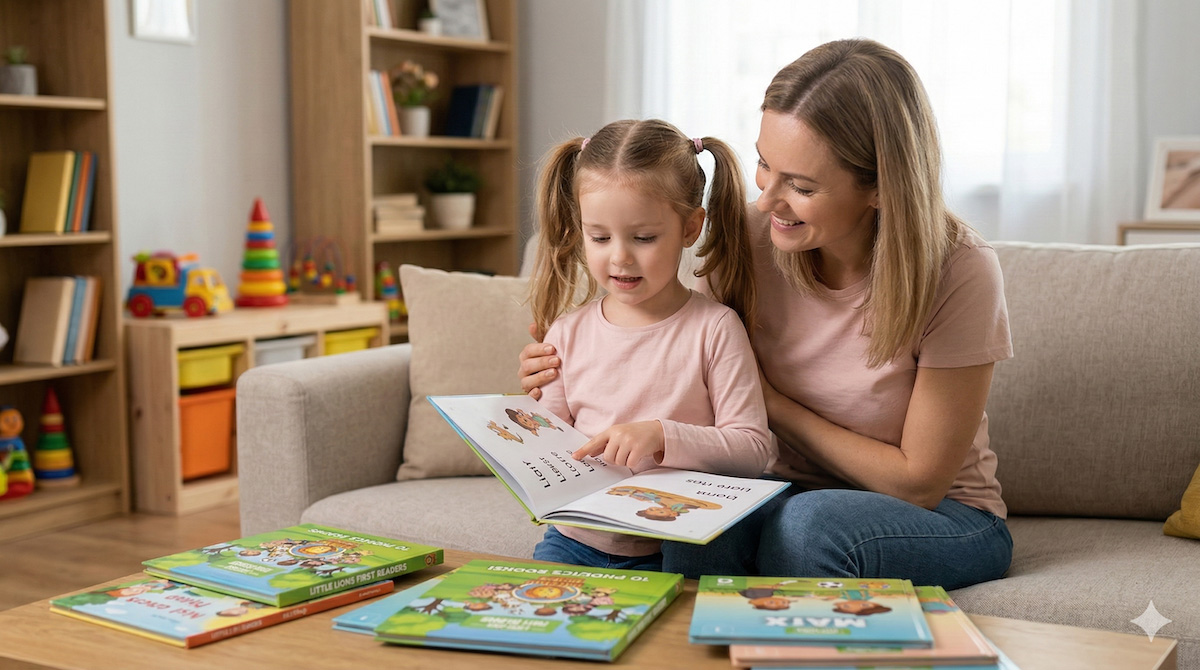
Is my child on track? What do I do when they get stuck on a word? How can I help without turning reading into a chore? If you’ve asked yourself these questions, you’re not alone. Every parent wants to give their child the best possible start, and it’s normal to feel a little uncertain about the reading process. This guide is here to provide clear answers and simple strategies. We’ll walk you through common hurdles and offer straightforward reading tips for kindergarten parents that build skills and confidence. Let’s make this journey less stressful and more joyful for both of you.
Snuggling up with a book is more than just a sweet bedtime ritual. It’s one of the most powerful ways you can support your child’s development. Every story you share lays a foundation for their future, not just in school, but in life. Reading together is a special time that builds your connection while also preparing them for the exciting journey of learning ahead. It helps them understand the world, express their own ideas, and develop the confidence they need to tackle new challenges. Let’s look at a few of the incredible benefits that come from opening a book with your kindergartener.
Every book you read together is a treasure chest of new words. Children’s stories are filled with rich, descriptive language that you might not use in your everyday conversations. When your child hears words like “enormous,” “scamper,” or “glisten” in the context of a story, they learn their meaning in a natural and memorable way. This exposure helps them build a strong vocabulary, which is the bedrock of communication. A bigger vocabulary allows them to express their thoughts and feelings more clearly and understand more of what they hear and read from others. It’s a gift that helps them connect with the world around them.
Reading is a workout for your child’s growing brain. As you read a story, their mind is hard at work. They’re learning to focus their attention, listen carefully, and remember details from one page to the next. Following a plot teaches them about cause and effect, while guessing what might happen next develops their critical thinking abilities. This process also nurtures their imagination and helps them understand different perspectives by stepping into a character’s shoes. These essential thinking skills are crucial for problem-solving and learning in all areas of life, from the classroom to the playground.
A child who reads regularly at home arrives at kindergarten with a huge advantage. Reading is the key that unlocks all other subjects. Think about it: to solve a math word problem, they need to read and understand the question. To learn about science or history, they need to read their textbooks. As the Florida Department of Education notes, parents play a vital role in helping their children learn to read, as it’s essential for all learning. By making reading a positive and consistent part of your routine, you’re not just teaching them a skill. You’re giving them the confidence and preparation needed to thrive in their academic journey.
Walking into a library or bookstore can feel overwhelming. With so many options, how do you find a book your child will not only enjoy but can also read successfully? The goal is to find that sweet spot: a book that’s challenging enough to help them grow but not so difficult that it leads to frustration. These simple tips will help you find the perfect “just-right” book for your little reader every time.
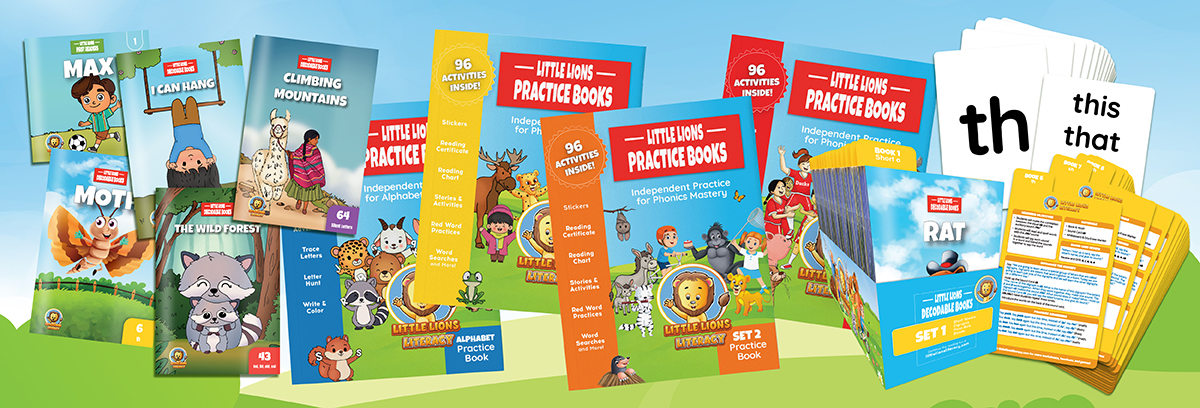
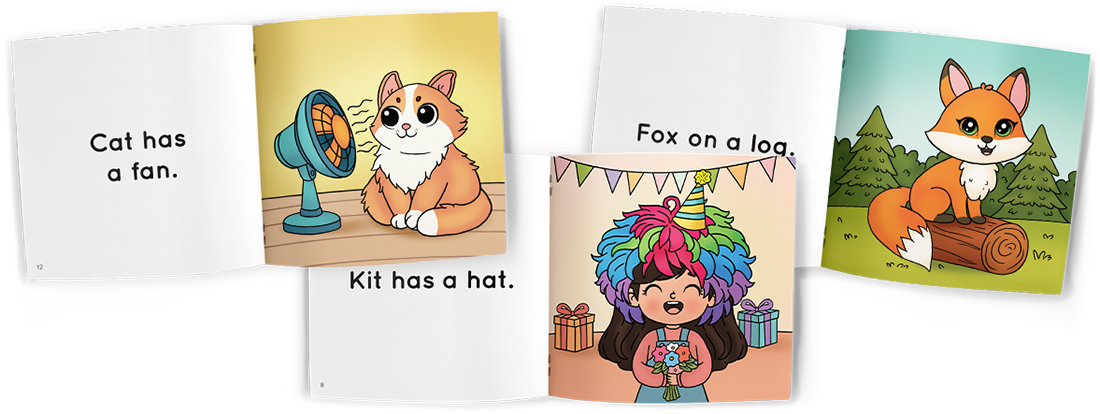
Decodable books are specifically designed to help your child practice the exact phonics skills they are learning. If your kindergartener is working on the “short a” sound, a decodable book will be filled with words like “cat,” “ran,” and “map.” This approach allows them to apply their new knowledge immediately, which is a huge confidence builder. Instead of guessing, they can actually sound out the words on the page. Our decodable book sets are carefully structured to grow with your child, introducing new sounds and patterns in a logical, step-by-step way that sets them up for reading success.
Here’s a simple trick to check if a book is a good fit for your child to read independently: the Five-Finger Rule. Ask your child to read one page from a book they’ve chosen. As they read, have them hold up one finger for each word they don’t know or can’t sound out. If they get to five fingers before finishing the page, the book is likely too challenging for them to read on their own right now. This isn’t a test, but rather a tool to prevent reading frustration. You can still read it to them, but for their own practice, it’s best to find a book with fewer than five tricky words per page.
What does your child absolutely love to talk about? Dinosaurs? Magical kingdoms? Big construction vehicles? Whatever it is, find books about it. A child’s motivation to read soars when the topic is something they are already passionate about. Make book selection a team effort. Let them help you choose books at the library or while browsing online. When they have a say in what they read, it gives them a sense of ownership over their learning journey and transforms reading from a task into a treat you can share together.

Books with rhyming words and repeating phrases are pure gold for kindergarten readers. These predictable patterns help children anticipate what’s coming next, which makes them feel like successful readers. The rhythm and musicality make the story fun to listen to and even more fun to read aloud. This repetition is also fantastic for building phonemic awareness, which is the ability to hear and play with the individual sounds in words. This is a critical pre-reading skill that lays the groundwork for sounding out words on their own.
One of the best ways to support your new reader is to make reading a natural part of your day, just like brushing teeth or eating dinner. When kids know what to expect, they feel secure and are more open to learning. A consistent routine turns reading from a “have-to” into a “get-to,” creating a positive association that can last a lifetime. It signals that reading is a priority in your family and gives you dedicated time to connect with your child.
This doesn’t need to be complicated or rigid. The goal is to build a predictable rhythm that works for your family’s unique schedule. By setting aside a specific time and place for reading, you help your child build focus and look forward to their daily story time. It’s about creating small, consistent moments that add up to big progress in their reading journey.
The “best” time to read is any time that you can stick with consistently. For many families, reading before bedtime is a perfect way to wind down after a busy day. For others, a quiet morning session or a post-snack story time after school works better. Take a look at your family’s daily rhythm and see where you can carve out 15 to 20 minutes. The key is to make it predictable. When your child knows that story time happens after their bath every night, they’ll start to anticipate and even initiate it. You can start a family reading routine by simply picking a time and trying it out for a week.
You don’t need a home library to make reading feel special. Creating a designated reading nook can make story time an experience your child looks forward to. Find a quiet corner in your living room or their bedroom and make it cozy. Add a soft rug, some comfy pillows, or a favorite beanbag chair. Make sure there’s good lighting and a small basket or shelf where you can keep a rotation of books, including their favorite decodable book sets. This special spot helps minimize distractions from toys or screens, signaling to your child that this is a time for focus and imagination. It becomes their personal escape for literary adventures.
Kids learn so much by watching us. When they see you enjoying a book, it sends a powerful message that reading is a valuable and pleasurable activity. Try setting aside time for “family reading,” where everyone grabs a book and reads quietly together. Your kindergartener can practice their decodable books while you read your own novel. You can also take turns reading pages aloud from a picture book. Even having your child “read” to a younger sibling, a stuffed animal, or the family pet can build their confidence and make practice feel like play. These shared moments show that reading is a fun activity for the whole family.
Let’s be real, family life is busy. Between school, work, and extracurriculars, it can feel hard to find time for one more thing. But a reading routine doesn’t have to be an hour long. Even 15 minutes of focused reading each day can make a huge impact on your child’s skills and confidence. Treat this time like any other important appointment by putting it on the family calendar. If your evenings are packed, look for smaller pockets of time. You can read a book while waiting at a sibling’s soccer practice or listen to an audiobook in the car. The goal is consistency, not perfection.
Reading with your kindergartener is about more than just getting through the book. It’s a chance to connect, explore new worlds, and show them that stories are exciting. When you make reading an interactive experience, you help your child build a deeper understanding of the story while creating positive memories. Instead of just reading the words on the page, think of yourself as their co-pilot on a story adventure. A little bit of playfulness can transform your daily reading routine into the highlight of their day and strengthen their love for books.
Pausing to ask questions is a simple way to keep your child engaged and check their understanding. It turns them from a passive listener into an active participant in the story. Before you turn the page, try asking, “What do you think will happen next?” or “Why do you think the character did that?” You can also ask about their personal connection to the story with questions like, “Have you ever felt sad like the little bear?” These small interruptions help them think critically about the plot and characters, which are key reading comprehension skills for their future academic success.
You don’t need to be a professional voice actor to make a story come alive. Using different voices for each character, adding sound effects, and matching your facial expressions to the story’s emotions can capture your child’s attention like nothing else. A deep, booming voice for a giant or a high, squeaky voice for a mouse makes the story more entertaining and memorable. This playful approach helps your child connect the words they see on the page with feelings and personalities, making the entire experience more dynamic and fun. So go ahead, get a little dramatic!
For young readers, the illustrations are just as important as the text. They provide crucial clues about the story, characters, and setting. Take time to explore the pictures together. You can ask your child to describe what they see or find specific objects on the page. Point out details that add to the story, like a character’s facial expression or something interesting happening in the background. Discussing the illustrations helps develop your child’s vocabulary and observational skills, and it reinforces their understanding of the narrative. You can find more great tips at Reach Out and Read.
After you’ve finished a book, ask your child to tell the story back to you in their own words. This is a fantastic way to see what they understood and remembered. They can use the pictures as a guide or just tell it from memory. Don’t worry if they mix up details or add their own creative flair; the goal is to practice sequencing and narrative skills. You can also encourage them to act out their favorite scene or draw a picture of what happened. Retelling a story builds their confidence and reinforces the basic structure of a narrative, which is a foundational skill for both reading and writing.
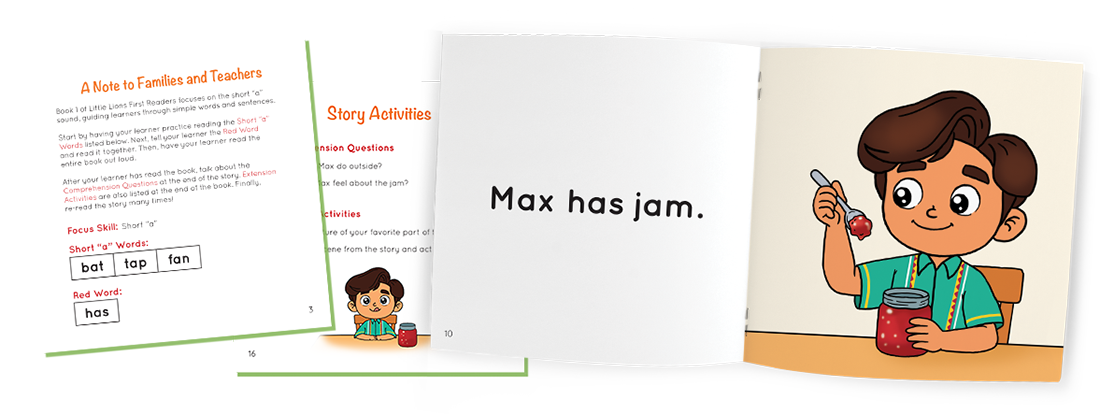
Phonics is the method of teaching children to read by connecting sounds with the letters that represent them. It’s a foundational piece of the reading puzzle, helping your child decode the words they see on a page. You don’t need a teaching degree to support this learning at home. By turning phonics practice into a fun, everyday activity, you can help your kindergartener build the confidence they need to become a strong reader. These simple strategies focus on core skills that will make a huge difference in their reading journey.
Before kids can read words, they need to know the sounds that individual letters make. This goes beyond just singing the alphabet song; it’s about connecting a symbol (the letter) with its sound (the phoneme). You can practice this by focusing on one new letter and sound every few days. Use alphabet flashcards, magnetic letters on the fridge, or even draw letters in sand or shaving cream. As they learn more sounds, you can introduce them to decodable books that use only the letters they know. This approach builds confidence by ensuring they can successfully read the words in their books.
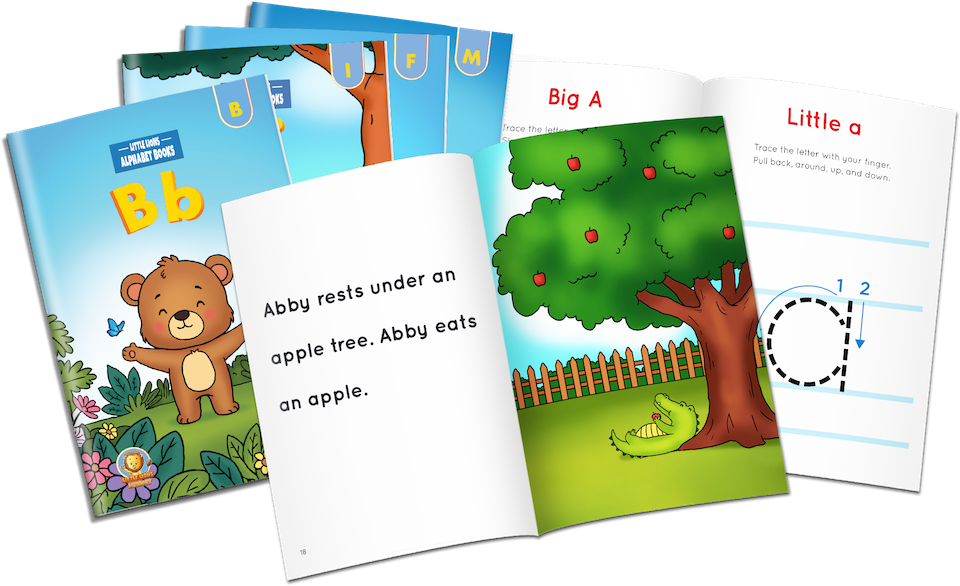
Blending is the magic trick of reading. It’s the process of stringing letter sounds together to read a whole word, like saying /c/ /a/ /t/ and blending it into “cat.” This is a huge milestone for new readers! You can practice this skill by playing simple sound games. Say the sounds in a word and have your child guess what it is: “I’m thinking of an animal that says ‘moo.’ It’s a… /c/ /ow/.” You can also play “I Spy” with sounds instead of colors, saying, “I spy something that starts with the /b/ sound.” These games build phonemic awareness, which is the ability to hear and work with individual sounds.
You can reinforce phonics skills every time you read together. As you read a book, gently point to each word. This simple action helps your child understand that we read from left to right and that the words you say match the print on the page. If you come across a simple word they can sound out, encourage them to try. You can model this by sounding it out yourself first: “L-e-t’s s-ou-n-d this one out. /p/ /o/ /t/. Pot!” This shows them how the process works without putting them on the spot. Making these small connections during your regular story time can have a big impact.

Learning doesn’t have to feel like work. In fact, some of the best ways to practice phonics are through play. Singing songs, chanting nursery rhymes, and reading rhyming books all help tune your child’s ears to the different sounds in words. Try saying silly tongue twisters or making up your own rhymes about things you see during the day. You can also play word games like “What’s the first sound in ‘ball’?” or “Can you think of a word that rhymes with ‘bug’?” These playful activities are fantastic for building a strong foundation in phonics and making learning a joyful experience for your kindergartener.
Reading practice doesn’t have to stop when you close a book. You can weave literacy-building activities into your daily routine in ways that feel like simple, fun connection. By expanding your child’s exposure to letters, sounds, and words throughout the day, you reinforce what they’re learning and show them how reading is a part of everyday life. These moments are powerful because they happen in context, making learning more meaningful and memorable. From the kitchen to the car, opportunities to practice are everywhere.
Turn your daily errands into a fun literacy game. At the grocery store, you can ask your child to find the letter “A” in the aisle signs or help you read the items on your shopping list. On a walk, point out street signs and read them together. These small interactions show your child that words are all around us and have a real purpose. Reading well is essential for all future learning, and these everyday moments help build a strong foundation by connecting letters and sounds to the world they see.
Music and rhythm are fantastic tools for developing phonological awareness, which is the ability to hear and play with the smaller sounds in words. Singing classic nursery rhymes, chanting silly poems, or even making up your own songs helps your child tune into the sounds of language. The repetition and rhyming patterns in songs make it easier for them to recognize and remember letter sounds. It’s a playful way to practice that doesn’t feel like work at all, and it’s perfect for car rides or during playtime.
Reading and writing are two sides of the same coin. As your child learns to read, encouraging them to write and draw can solidify their understanding of letter-sound relationships. Keep paper and pencils handy and invite your child to draw a picture and tell you about it. You can write a simple sentence for them that describes their drawing, pointing to each word as you read it aloud. This helps them understand that spoken words can be written down and read back.
A strong vocabulary is a key ingredient for reading comprehension. The more words a child knows, the more they can understand what they read. You can build their vocabulary simply by talking with them. Ask open-ended questions about their day, their toys, or the story you just read. When you introduce a new word, explain what it means in a simple way. These conversations not only expose them to new words but also teach them how to express their own thoughts and ideas clearly.
It’s completely normal for young readers to hit a few bumps in the road. Learning to read is a complex process, and every child moves at their own pace. When challenges pop up, your patient and positive support can make all the difference. Instead of seeing these hurdles as setbacks, think of them as opportunities to build resilience and problem-solving skills. Here are a few common issues you might encounter and some simple, effective ways to work through them together.
That moment when your child stops, furrows their brow, and just can’t figure out a word can be tough. The key is to stay calm and encouraging. When they get stuck, gently prompt them to sound it out, letter by letter. You can point to each letter as they say the sound, helping them blend it all together. Tracing the word with your finger is another great way to help them focus. If they’re still struggling, it’s okay to simply tell them the word and move on. The goal is to keep the experience positive and avoid frustration, which helps them build the phonemic awareness needed to decode words independently over time.
What if your child just isn’t interested in reading? First, don’t push too hard. Instead, focus on making reading an enjoyable, low-pressure part of your day. Try to set aside a consistent time for reading together, like right before bed. Let them see you reading your own books for fun to model that it’s a relaxing activity, not a chore. A fun trick is to let them read to a captive audience that won’t judge their mistakes, like the family dog, a cat, or a favorite stuffed animal. Giving them control over what they read also works wonders. When they get to pick the book, they’re much more invested in the story.
Kindergarteners are bundles of energy, so it’s no surprise that sitting still for a whole book can be a challenge. If your child has a short attention span, try to pick a time to read when they are calm and not overly tired or hungry. Keep reading sessions short and sweet to start; even just five or ten minutes can be impactful. Let your child choose the book to give them a sense of ownership. You can also make reading more interactive by asking questions about the pictures or what they think will happen next. This keeps their mind engaged in the story and helps them connect with the material on a deeper level.
Positive reinforcement is your best friend on this reading journey. Learning to read is hard work, and every little step forward deserves to be celebrated. Did they sound out a tricky word? Finish a whole page by themselves? Read for ten minutes without getting distracted? Acknowledge it with a high-five, a sticker, or just some enthusiastic praise like, “Wow, you did an amazing job sounding out that word!” Setting small, achievable reading goals can also keep them motivated. Celebrating these small victories builds their confidence and helps create a positive association with reading, making them excited to pick up the next book.
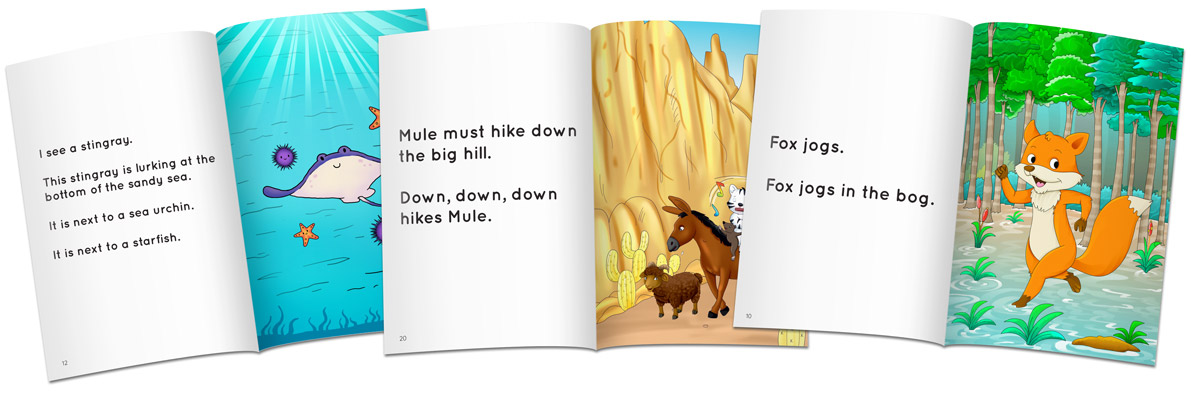
As you guide your little one through the exciting world of reading, you don’t have to do it alone. A wealth of resources is available to support you and make the process fun and effective. From community spaces to tools you can use at home, these resources can help you build a strong foundation for your child’s literacy skills and keep them excited about every new page they turn. Think of these as your go-to toolkit for making reading a joyful and successful part of your family’s life.
Your local library is one of the best free resources you can find. Making regular trips there helps your child discover new authors and explore a variety of genres, from silly picture books to fascinating non-fiction. It’s a wonderful way to keep their reading choices fresh and exciting. Many libraries also host programs and events like story times, puppet shows, and reading challenges that make learning feel like play. Turning a library visit into a weekly family outing can create positive memories and reinforce the idea that reading is a fun adventure.
Choosing the right books is essential for a beginning reader. The best books for kindergarteners feature simple text, sight words, and engaging illustrations that help them connect words to meaning. This is where decodable books shine. They are carefully crafted to include words with phonics patterns your child is currently learning, which builds their confidence and reinforces their skills. At Little Lions Literacy, our decodable book sets are designed to progress with your child, introducing new sounds and skills in a logical, step-by-step way that makes learning to read feel manageable and rewarding.
A little encouragement goes a long way. Setting personal reading goals and celebrating milestones can be incredibly motivating for young children. You can track progress in a way that feels fun, not like a chore. Try using a sticker chart for every book they finish or a simple log where they can draw a star for every 15 minutes of reading. Acknowledging their effort helps build consistency and shows them that their hard work is paying off. It turns reading practice into a game they can win, one book at a time.
Consistency is key to building strong reading skills. Making reading a regular habit at home creates a predictable and comforting routine that children can look forward to. Setting aside just 20 minutes each evening for reading can make a huge difference. This dedicated time not only strengthens their literacy skills but also fosters a lifelong love for stories. It’s a perfect opportunity to cuddle up, connect with your child, and end the day on a positive, quiet note. This shared experience makes reading a cherished family activity rather than just a school requirement.
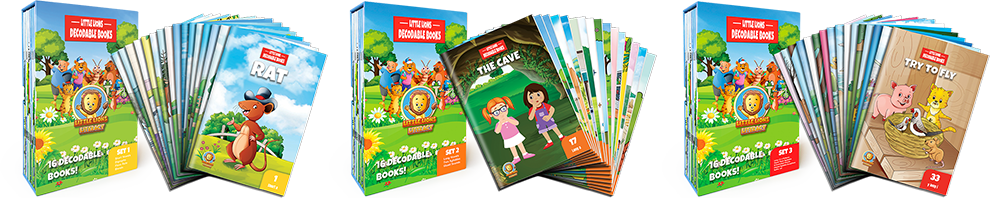
Why are decodable books so important for new readers? Think of decodable books as the perfect practice field for your child. While any storybook is great for listening, decodable books are specifically designed with the phonics skills your child is learning right now. This means they can actually sound out the words on the page instead of relying on guessing from the pictures. This success builds incredible confidence and shows them that the letter-sound rules they’re learning really work.
How much should we read each day, and is it okay if we miss a day? Aiming for about 15 to 20 minutes of reading together each day is a fantastic goal. But the most important thing is consistency, not perfection. If you have a chaotic evening and can only fit in one short book, that’s still a win. And if you miss a day entirely, don’t worry about it. The goal is to build a positive and sustainable routine, not to follow a rigid rule. Just pick the book back up tomorrow.
What should I do if my child just guesses at words instead of sounding them out? This is a very common habit, especially when pictures are very descriptive. When this happens, you can gently cover the picture with your hand and say, “Let’s use our reading eyes and look at the letters.” This encourages them to focus on the word itself. You can also point to each letter and help them say the sound, then blend the sounds together. The key is to be patient and gently guide them back to the text.
My child knows all their letter sounds but still can’t put them together to read a word. What’s the next step? This is a completely normal stage in learning to read. Knowing individual sounds and blending them together are two different skills. The next step is to practice that blending motion. You can make it a game by saying the sounds in a word very slowly and then gradually saying them faster until they merge into the word, like “/m/…/a/…/p/… map!” This takes practice, and decodable books provide the perfect opportunity to work on this specific skill.
Should I correct every single mistake my child makes when they read aloud? It can be tempting to correct every error, but this can sometimes make a child feel anxious or discouraged. A good approach is to focus on the purpose of the reading. If a mistake changes the meaning of the story, you can gently go back and help them figure out the word. If the mistake is minor and doesn’t affect their understanding, it’s often okay to let it go to keep the story flowing. The main priority is to keep reading a positive and enjoyable experience.