Learning to read doesn’t start with the ABCs. It starts with sound. A child’s ability to hear, identify, and play with the sounds in spoken words is the single most important predictor of their future reading success. This ability is built through two sets of skills: phonological awareness and phonemic awareness. They are the essential prep work that makes phonics click. But if you’re wondering what is phonological awareness vs phonemic awareness, you’ve hit on a crucial question. One skill deals with bigger sound chunks, like clapping syllables, while the other is about isolating the smallest sounds, like the /m/ in “mat.”
Before children can learn to read print, they first need to learn to hear the sounds in spoken language. That’s where phonological awareness comes in. Think of it as a listening skill. It’s the ability to recognize and play with the different sounds in the words we say out loud. This isn’t about letters or the alphabet just yet—it’s purely about sound.
According to literacy experts at Reading Rockets, phonological awareness is the ability to hear and manipulate the spoken parts of sentences and words. This includes a whole range of auditory skills, like noticing that “cat” and “hat” rhyme, hearing that “Peter Piper” starts with the same sound, or clapping out the syllables in a word like “butterfly” (but-ter-fly). It’s about understanding that sentences are made of words, and words are made of smaller parts. When we sing nursery rhymes, tell silly knock-knock jokes, or play rhyming games, we are building this crucial pre-reading skill. It’s the foundation upon which all other literacy skills are built, preparing a child’s brain for the work of connecting sounds to written letters later on.
Phonological awareness is a big umbrella term that covers a lot of different sound-based skills. It’s helpful to think of these skills as building blocks that stack on top of one another, starting with bigger sound chunks and getting progressively smaller. These core abilities include recognizing rhymes (“Do sun and run sound the same at the end?”), practicing alliteration (“Sally sells seashells…”), and segmenting sentences by clapping for each word. Another key building block is syllable awareness, which involves counting or clapping the “beats” in a word. These playful activities help children tune their ears to the structure of our language long before they ever have to decode a word on a page.
Children develop these skills over time, and it’s a pretty predictable process. This developmental progression typically starts in the preschool years and continues through kindergarten and first grade. Toddlers and preschoolers usually grasp the larger sound concepts first, like enjoying nursery rhymes and recognizing that their name has parts you can clap to. As they get older, they start to notice smaller units of sound, like identifying the first sound in a word (“‘ball’ starts with the /b/ sound”). This gradual refinement is completely normal and sets the stage for the more advanced skill of phonemic awareness, where they’ll focus on the tiniest individual sounds in words.
If phonological awareness is the big-picture view of sounds in language, phonemic awareness is where we zoom in to the finest detail. It’s a more advanced skill that involves the ability to hear, identify, and play with the individual sounds—or phonemes—in spoken words. Think of it as developing a superpower for hearing. Instead of just hearing the word “sun,” a child with phonemic awareness can hear the three separate sounds that make it up: /s/, /u/, /n/.
This skill is purely auditory. It has nothing to do with letters on a page (that’s phonics!). It’s all about training the ear to tune into the smallest units of sound that create meaning in our language. According to the experts at Reading Rockets, this ability to work with individual sounds is a critical step on the path to reading. Before a child can connect a sound to a letter, they first have to be able to hear that sound in isolation. This is why we focus so much on sound play before ever introducing the alphabet. Developing this skill gives kids the mental toolkit they need to eventually decode words and become confident readers. It’s the invisible work that makes the visible act of reading possible.
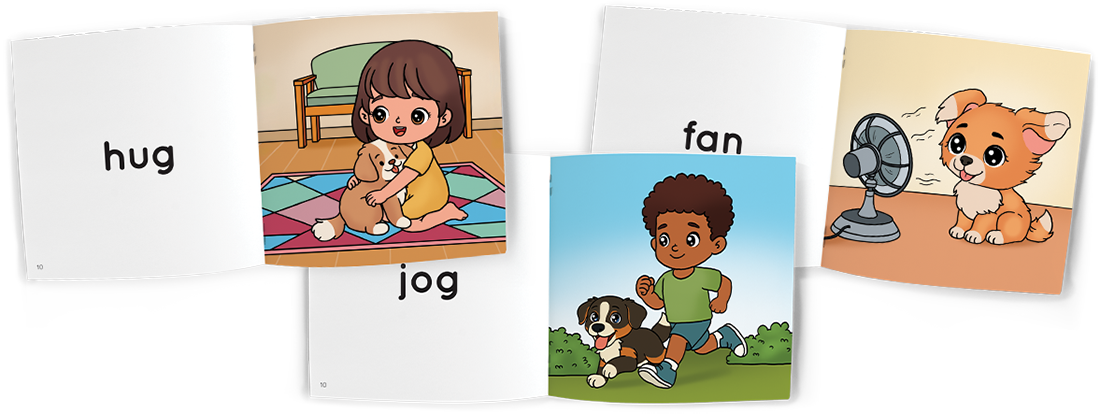
So, what does “playing with sounds” actually look like? It breaks down into a few key abilities. First is blending, which is pushing sounds together to make a word. If you say /b/ /a/ /t/, your child can blend them to say “bat.” The opposite of that is segmenting, or breaking a word apart into its individual sounds. For “bat,” they would say /b/ /a/ /t/.
The most advanced skill is manipulating sounds. This includes adding, deleting, or swapping sounds to create new words. For example, you might ask, “What word do you get if you change the /c/ in ‘cat’ to a /m/?” The answer is “mat.” These phonemic awareness skills are the final auditory hurdles before a child is truly ready for phonics.
Children don’t typically jump straight into manipulating individual phonemes. They usually start with the broader phonological awareness skills first, like clapping out syllables in their name or coming up with rhyming words. It’s much easier for a young learner to hear the two “beats” in “tiger” than it is to isolate the /g/ sound in the middle.
As their listening skills become more refined, phonemic awareness begins to emerge. This progression from whole words to smaller parts like syllables, and finally to tiny individual sounds, is a natural developmental path. How well a child develops phonemic awareness is a very good sign of how successfully they will learn to read. It’s a foundational piece that makes all the difference in their early literacy journey.
When you first hear the terms “phonological awareness” and “phonemic awareness,” they can sound like complicated jargon. But understanding the distinction is one of the most helpful things you can do for a beginning reader. Think of it this way: both are about a child’s ability to hear and play with the sounds in spoken language, long before they ever pick up a book. Getting a handle on these terms helps you see the clear, step-by-step path a child takes on their journey to becoming a confident reader. Let’s break down exactly what each one means and how they work together.
The easiest way to understand the relationship between these two skills is to picture a big umbrella. That umbrella is phonological awareness. It’s a broad term that covers a whole range of auditory skills, from big to small. It includes the ability to hear rhymes, count the words in a sentence, and clap out the syllables in a name (like “el-e-phant”). Underneath this big umbrella, you’ll find several specific skills. Phonemic awareness is one of those skills—it’s the most advanced and arguably the most critical one for reading. It’s a specific part of the larger phonological awareness skillset, focusing only on the tiniest individual sounds in words.
So, what does this look like in practice? Phonological awareness deals with the big picture of spoken language. A child with strong phonological awareness can tell you that “cat” and “hat” rhyme. They can clap the two syllables in “tiger” (ti-ger) or tell you that the sentence “The dog ran” has three words. It’s all about manipulating larger chunks of sound.
Phonemic awareness, on the other hand, zooms all the way in. It’s the ability to hear and work with the smallest individual sounds, or phonemes, in words. A child with phonemic awareness can tell you the first sound in “sun” is /s/. They can blend the sounds /p/-/i/-/g/ to say the word “pig” or break the word “stop” into its four sounds: /s/-/t/-/o/-/p/.
One of the biggest points of confusion is the idea that phonological awareness, phonemic awareness, and phonics are all just different words for the same thing. Let’s clear that up: they are distinct but related terms. Phonological and phonemic awareness are purely auditory skills—they are all about sounds, no letters involved. Phonics is the next step, where children learn to connect those sounds to written letters. You can’t build a strong house without a solid foundation, and in the same way, a child needs a firm grasp of phonemic awareness before they can successfully learn phonics. These skills build on one another to create a clear path to literacy.

You might be wondering if all this focus on sounds is really necessary. The short answer is: absolutely. Phonological and phonemic awareness aren’t just educational buzzwords; they are the bedrock of learning to read. Without a strong sense of sound structure in language, children will struggle to make sense of the letters on a page. These skills are the essential prep work that happens before the real construction of reading can begin. Let’s break down exactly why they are so critical for your child’s success.
Before a child can look at the word cat and sound it out, they first need to hear that the spoken word “cat” is made of three distinct sounds: /k/, /a/, and /t/. This ability to hear and manipulate individual sounds is what allows them to connect sounds with letters, a process known as decoding. Without this foundation, letters on a page are just abstract symbols. Phonological awareness builds the mental framework a child needs to understand that printed words represent spoken words, making it the first and most important step toward reading fluency.
This awareness of sounds doesn’t just impact reading; it’s also the key to spelling. When a child can break a word down into its individual phonemes, they can then map those sounds back to letters to write the word. This understanding is the core of the alphabetic principle—the idea that letters represent the sounds of spoken language. As children become more skilled at decoding, they can read more complex texts. This exposure to a wider range of words helps grow their vocabulary naturally. It’s a powerful cycle that all starts with sound.
The time you invest in building these skills early on pays off for years to come. Research consistently shows that a child’s level of phonemic awareness in kindergarten is one of the strongest predictors of future reading success. Children who master these skills are better equipped to tackle phonics, read with greater accuracy, and comprehend what they read. This early confidence creates a positive feedback loop, encouraging them to read more and become skilled, engaged readers throughout their school years and beyond. It’s truly a foundational gift for their entire literacy journey.
Think of phonological and phonemic awareness as the essential “pre-reading” skills that happen entirely with a child’s ears and voice. They are all about sound. Phonics, on the other hand, is where we connect those sounds to the letters we see on a page. It’s the bridge that takes a child from just hearing language to actually reading it. You can’t build a sturdy bridge without a strong foundation on either side, and the same is true for literacy.
A child needs a solid grasp of sound awareness before they can successfully make sense of phonics. When a child can hear the individual sounds in a word, they have something to anchor the letters to. This connection is what makes reading possible. Without it, letters are just abstract shapes, and learning to read becomes a frustrating exercise in memorization rather than a process of discovery. By focusing on these auditory skills first, you set the stage for phonics to click into place naturally. This approach helps children understand that our written language is a code for the sounds we speak, which is a huge “aha!” moment for a young learner. It transforms reading from a mystery into a puzzle they have the tools to solve.
Before a child can learn that the letter ‘b’ makes the /b/ sound, they first need to be able to hear the /b/ sound in words like “ball” and “tub.” This is where phonological awareness comes in. These auditory skills are the bedrock for learning to read and spell because they train a child’s ear to notice, identify, and play with the sounds in spoken language.
It’s a bit like learning to play the piano. You wouldn’t start by just memorizing where the notes are on the page; you’d first learn what each note sounds like. Phonological and phonemic awareness serve that same purpose for reading, helping children tune into the sounds that make up our words.
Once a child has a handle on manipulating sounds, phonics enters the picture. Phonics is the system that teaches the relationship between letters (graphemes) and the sounds they represent (phonemes). This is the crucial step where reading becomes visual. A child who has strong phonemic awareness can hear the three distinct sounds in “cat”—/c/ /a/ /t/. Phonics instruction then teaches them to connect those sounds to the letters c, a, and t.
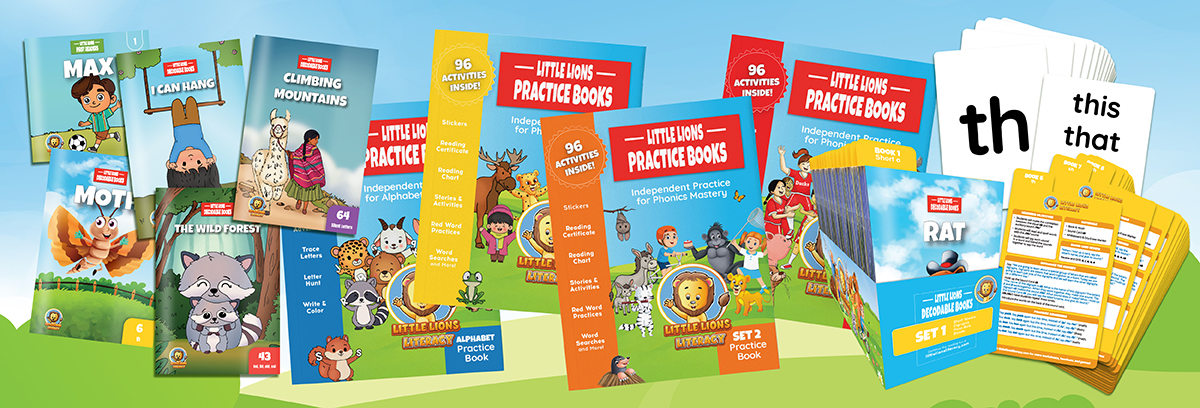
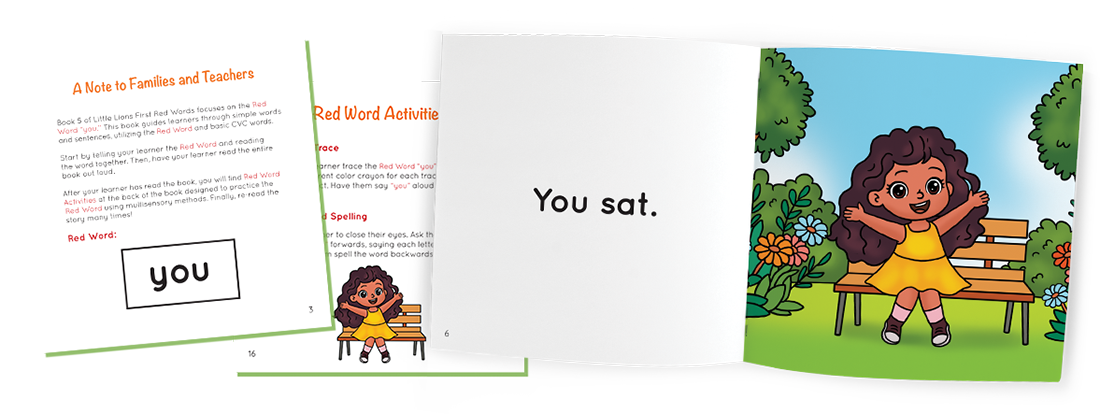
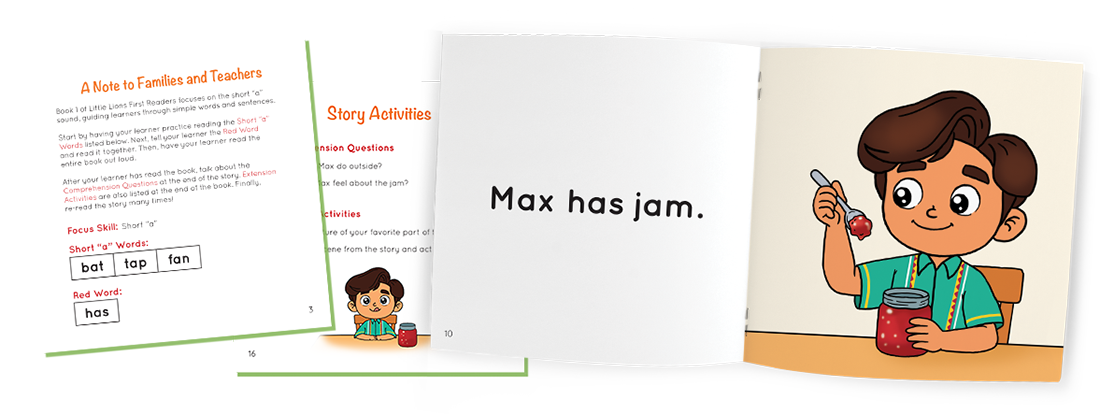
This is the key to decoding, or sounding out words. Instead of guessing or memorizing whole words, a child can use their phonics knowledge to read unfamiliar words systematically. This is exactly why decodable books are so powerful; they provide practice with the specific letter-sound connections a child is learning, building confidence and skill one step at a time.
Learning to read follows a logical path, moving from broad sound skills to more specific ones, and finally to connecting those sounds with letters. Children typically develop phonological awareness first by noticing bigger chunks of sound, like rhyming words or clapping out syllables in their name. From there, they refine this ability into phonemic awareness, where they can isolate and work with the smallest individual sounds in a word.
This developmental sequence is what makes phonics instruction effective. Once a child can successfully hear and identify the first sound in “sun” as /s/, they are ready to learn that the letter ‘s’ is the symbol that represents that sound. Each stage builds upon the last, creating a smooth and supportive pathway toward becoming a skilled, confident reader.

The best way to build sound awareness is to make it a natural and fun part of your child’s day. You don’t need fancy flashcards or rigid lesson plans. These skills are best developed through play, conversation, and connection. By turning sound practice into a game, you help your child build a strong foundation for reading without the pressure. The goal is to get their ears tuned into the sounds of language, and you can do that during a car ride, at the grocery store, or while reading a favorite book together.
Phonological awareness activities help children hear the larger sound chunks in words. Think of it as playing with rhymes, rhythms, and syllables. Start with simple rhyming games like, “I’m thinking of a word that sounds like bug.” You can also read books full of rhymes and pause before the rhyming word to let your child fill in the blank. Another great activity is clapping out syllables. Clap the “beats” in everyone’s name (Ma-ry, Da-vid) or the names of their favorite toys (di-no-saur). These engaging activities make learning feel like simple playtime while building crucial pre-reading skills.
Once your child is comfortable with bigger sound chunks, you can start playing with the smallest individual sounds, or phonemes. A simple starting point is identifying the first sound in a word. Ask, “What sound does monkey start with?” You can also play “I Spy” with sounds instead of colors: “I spy something that starts with the /p/ sound.” As they get more advanced, you can try sound substitution. Ask, “What word do we make if we change the /m/ in mat to a /s/?” These quick phonemic awareness activities are perfect for filling a few minutes while waiting in line or during transitions.
The key to success is keeping it light and fun. For younger children, lean heavily on music and movement. Sing nursery rhymes, clap along to the rhythm of a song, or march around the room while chanting silly rhyming words. For slightly older kids who are ready for more, use objects to make it concrete. Line up three blocks to represent the three sounds in “cup” (/k/ /u/ /p/) and have them touch each block as they say the sound. Remember to keep these sessions short—just a few minutes at a time is all you need. Weaving these instructional guidelines into your daily routine makes learning feel effortless.
So, you’re playing all these fun sound games, but how do you know if the skills are actually sinking in? Checking for understanding isn’t about giving your child a pop quiz. It’s about being an observant and supportive guide on their reading journey. A few simple, informal checks can give you a great sense of where your child is thriving and where they might need a little more practice. Think of it as taking a quick peek at the map to make sure you’re both heading in the right direction.
You don’t need any fancy equipment to get a read on your child’s sound awareness. The best way to check in is by weaving simple questions into your daily conversations and playtime. Early and regular screening is key to catching any potential hurdles before they become bigger obstacles. You can use quick, game-like tasks to see what they know. For example, ask, “Can you tell me a word that rhymes with bug?” or “Let’s clap the parts in your name: Sa-man-tha.” These informal phonemic awareness assessments feel like a natural part of playing and learning, giving you valuable insight without any pressure.
Phonological awareness is a big umbrella covering many different skills, from rhyming and clapping syllables to isolating individual sounds. As you play and practice, you’ll start to notice your child’s progress. Maybe they’ve completely mastered rhyming but are still working on blending sounds to form a word. That’s completely normal! The goal is to see gradual improvement across these skills over time. You can keep a mental checklist or jot down quick notes. Observing their development helps you tailor your activities to what they need most. Remember, progress isn’t always a straight line, but consistent, playful practice will help them get there.
Every child develops at their own unique pace, but sometimes a little one might need extra help solidifying these foundational skills. If you notice your child is consistently struggling with sound awareness activities while their peers are catching on, it might be a sign to offer more targeted support. For example, if a first-grader still has significant trouble identifying the first sound in a word (like /s/ in sun), it’s worth paying attention. The best first step is to simply increase the fun, integrated instruction, making a stronger link between sounds and the letters that represent them. If you’re still concerned, chatting with their teacher is a great next step.
As you guide your child or students through the world of sounds, you might encounter a few bumps in the road. That’s completely normal! Every child learns at their own pace, and the key is to stay patient, keep it positive, and have a few strategies ready for when you need them. Let’s walk through some common challenges and how you can confidently clear them, turning potential frustrations into moments of growth.
It’s easy to worry if a child isn’t picking up a skill as quickly as their peers, but remember that the journey to literacy isn’t a race. Some children will grasp rhyming instantly, while others might need more time to hear the individual sounds in a word. The great news is that direct instruction in these skills is incredibly effective. Research shows that most children, with or without learning disabilities, are likely to benefit from such instruction. If a child is struggling with a fine-grained skill like phoneme blending, try taking a step back to a broader phonological skill, like clapping out syllables. Meeting them where they are is the best way to build their confidence and keep them moving forward.
If learning about sounds feels like a chore, you’ve lost the battle before it even begins. The goal is to make this exploration so fun that kids don’t even realize they’re learning. Turn sound practice into a game you can play anywhere—in the car, at the grocery store, or during bath time. Using games that focus on rhyming, syllables, and identifying beginning sounds can make all the difference. Challenge your child to a round of “I Spy” using sounds instead of colors (“I spy something that starts with the /m/ sound”). Sing songs, make up silly rhymes, and celebrate every small success. When learning is joyful, children are more motivated to participate and practice.
Noticing that a child is struggling can be tough, but your observation is the first step toward helping them succeed. The next step is to figure out exactly where the breakdown is happening. Simple, informal assessments can give you a clearer picture. For example, can the child tell you the first sound in the word mat? Can they blend the sounds /sh/ /o/ /p/ to say shop? One-on-one assessments don’t have to be formal; they can be quick, playful checks for understanding. If you find a specific area of weakness, you can provide more targeted practice. Consistent, low-pressure exposure is key. By monitoring their progress, you can adjust your approach and ensure they get the support they need to build a strong foundation.
Of course! Think of it this way: phonological awareness is the big picture. It’s about hearing the larger chunks of sound in language, like recognizing that “star” and “car” rhyme or clapping the two beats in the name “Ro-ver.” Phonemic awareness zooms all the way in to focus on the tiniest individual sounds in a word, like hearing that “sit” is made up of three sounds: /s/ /i/ /t/. You start with the big picture skills and gradually work your way to the finer details.
That’s a great question, and the answer is no. In fact, it’s best to focus on these sound skills first. Phonological and phonemic awareness are completely auditory, meaning they are all about what your child can hear, not what they can see. By playing sound games first, you are training their ears to tune into the building blocks of language. This prepares their brain for the next step, which is connecting those sounds to the letters of the alphabet.
You can start building these skills much earlier than you might think. For toddlers and preschoolers, the focus should be on the broader phonological awareness skills. This looks like singing nursery rhymes, reading rhyming books, and clapping the syllables in names and words. As they get closer to kindergarten, you can begin introducing the more specific phonemic awareness games, like identifying the first sound in a word.
The key is consistency, not duration. You don’t need to set aside a formal lesson time. Just five to ten minutes of playful practice woven throughout your day is incredibly effective. You can play “I Spy” with sounds while driving, make up silly rhymes during bath time, or sound out words while you’re at the grocery store. Short, fun, and frequent is the best approach.
First, don’t worry. Every child develops at their own pace. If you notice they’re struggling with a specific skill, like breaking a word into its individual sounds, simply take a step back to a skill they feel more confident with, like rhyming or clapping syllables. The goal is to keep it positive and build their confidence. If you continue to have concerns, having a conversation with their teacher is always a wonderful next step.