Helping a child learn to read can sometimes feel like you’re trying to solve a puzzle without all the pieces. You might hear experts talk about sound skills, but terms like phonological and phonemic awareness can seem abstract and confusing. What do they actually mean, and how do they fit together? Knowing the difference between phonological awareness vs phonemic awareness is like finding the corner pieces of that puzzle. It provides the framework for everything else. This article will walk you through each concept in simple terms, explaining how these skills develop and giving you practical, play-based ways to build them at home.
Before children can learn to read letters on a page, they first need to learn how to hear the sounds in the words we speak. That’s the simple, powerful idea behind phonological awareness. Think of it as playing with the sounds of language. It’s the ability to recognize and work with the different sound structures in spoken words. This isn’t about letters or spelling yet—it’s a purely auditory skill that helps kids tune into the language they hear all around them.
This foundational skill includes a whole range of listening abilities. According to the experts at Reading Rockets, it’s about being able to hear and play with the spoken parts of words and sentences. This means noticing words that rhyme (like cat and hat), picking up on the same starting sound in a group of words (like big, blue, ball), and even breaking sentences down into individual words. It’s a broad umbrella skill that covers everything from clapping out the syllables in a name to hearing the smaller parts inside a word. Developing this auditory skill is the first major step on the path to becoming a confident reader, laying the groundwork for connecting sounds to letters later on.
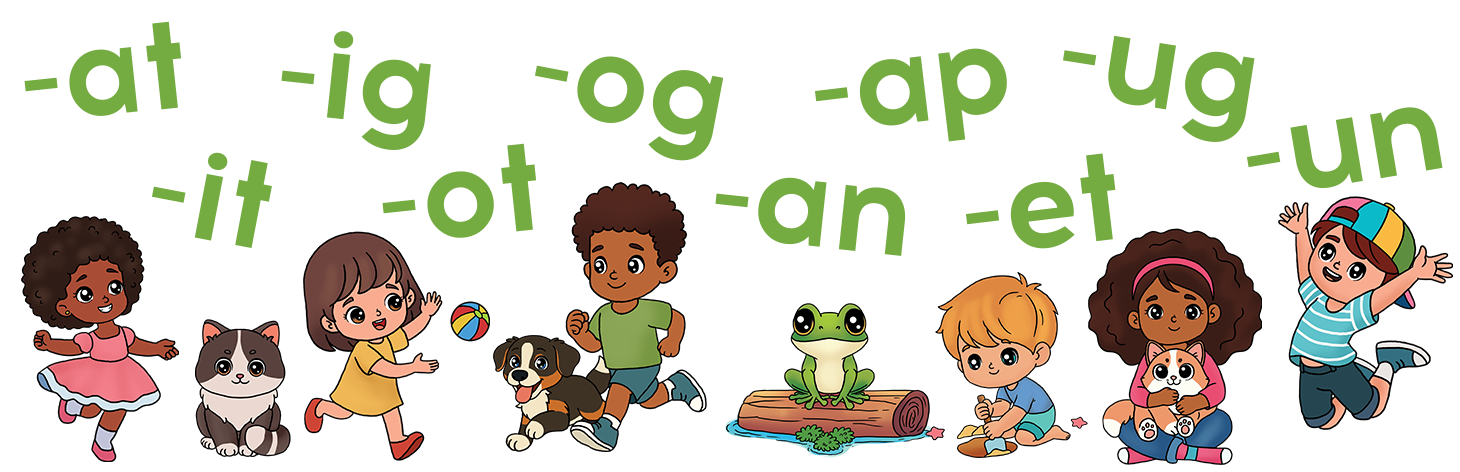
Phonological awareness is a big concept, but it’s made up of smaller, more manageable skills. It focuses on larger chunks of sound within our language. This includes recognizing and creating rhymes, which is often one of the first ways children start to play with words. It also involves working with syllables—the beats in a word. For example, a child with strong phonological awareness can clap out the parts of el-e-phant or blend syllables together to figure out that ba + na + na makes banana. Another key building block is identifying the first sound in different words, a skill that helps children tune their ears to the specific sounds that make up our language.
Children naturally develop these sound-awareness skills in a predictable order, starting with bigger chunks of sound and gradually moving to smaller ones. They’ll typically grasp rhyming and syllables before they can isolate the tiny, individual sounds within a word (which is a more advanced skill called phonemic awareness). This progression makes sense—it’s much easier to hear the two beats in tiger than it is to hear the four separate sounds /t/ /ī/ /g/ /er/.
This development is critical for early reading success, especially for kids in preschool, kindergarten, and first grade. When we directly and clearly teach phonological awareness skills during these early years, we can help many students avoid reading problems down the road. It’s a proactive way to build a solid foundation for literacy before they ever feel discouraged.
If you’ve ever felt like the terms “phonological awareness” and “phonemic awareness” are used interchangeably, you’re not alone. They sound similar, and they are closely related, but they aren’t the same thing. Understanding the distinction is one of the most helpful things you can do to support your young reader.
Think of it this way: phonological awareness is the big picture of sound skills, and phonemic awareness is a close-up on the most important detail. As we covered, phonological awareness is a broad skill that involves recognizing and working with the sounds of spoken language. This includes bigger chunks of sound, like identifying rhymes, counting syllables in a word, and recognizing alliteration. It’s the foundation for hearing the sound structure of our language. A child with strong phonological awareness can hear that “cat” and “hat” rhyme, or that “butterfly” has three beats.
Phonemic awareness is the most advanced and critical level of phonological awareness. It’s where we get into the nitty-gritty of sounds, and it’s directly linked to a child’s ability to learn to read. It’s the skill that allows a child to hear the individual sounds in a word, which is the first step toward matching those sounds to letters. Let’s break down exactly what it is and how these two skills work as a team.
Phonemic awareness is the ability to zoom in on the smallest individual sounds—or phonemes—in a spoken word. While phonological awareness deals with bigger sound chunks like syllables (“clap-ping”), phonemic awareness is about hearing the individual sounds within that word. For example, a child with phonemic awareness can hear that the word “cat” is made up of three distinct sounds: /c/ /a/ /t/.
This is purely an auditory skill; it doesn’t involve letters or print. It’s all about hearing, identifying, and manipulating those tiny units of sound. A child demonstrates this skill when they can blend sounds together to make a word or break a word apart into its separate sounds.
Think of phonological awareness as a big umbrella covering all the ways we can play with spoken sounds. Under this umbrella, you’ll find skills like rhyming, counting syllables, and identifying the first sound in a word. Phonemic awareness is one of the most important skills under that umbrella—it’s the most advanced and specific one.
Children develop these skills on a continuum. They typically master the broader phonological skills first, like enjoying nursery rhymes or clapping out the syllables in their name. As their listening skills become more refined, they begin to develop phonemic awareness. They move from hearing the “chunks” of sound to hearing the individual phonemes, which is a much more complex task that prepares them for connecting sounds to letters.
So, why does this difference matter for you and your child? Because it gives you a roadmap. Knowing that phonemic awareness is a more advanced skill helps you meet your child where they are. If a child is still struggling to hear rhymes (a phonological skill), they aren’t ready to start blending individual sounds to read a word (a phonemic skill). This understanding helps you choose the right activities and avoid frustration for both of you.
It also helps you see why resources like decodable books are so effective. They are designed to directly connect these essential sound skills to the letters on the page, building a solid bridge from hearing sounds to reading words. By focusing on the right skill at the right time, you can provide targeted, effective support.
These sound-based skills aren’t just a small part of learning to read—they are the entire foundation. Understanding why they matter so much can help you focus your efforts where they will have the biggest impact on your child’s literacy journey. From sounding out words to spelling them correctly, phonological and phonemic awareness are at the heart of it all.
Think of phonological and phonemic awareness as the keys that unlock the written code. Before a child can read the word “cat” on a page, they first need to hear and understand that the spoken word is made up of three distinct sounds: /k/, /a/, and /t/. This ability to hear individual sounds in words is what allows them to connect those sounds to letters. This process is called decoding, and it’s the bedrock of reading. When a child has strong phonemic awareness, they can sound out new words with confidence instead of relying on guesswork. It’s the difference between memorizing a word’s shape and actually being able to read it.
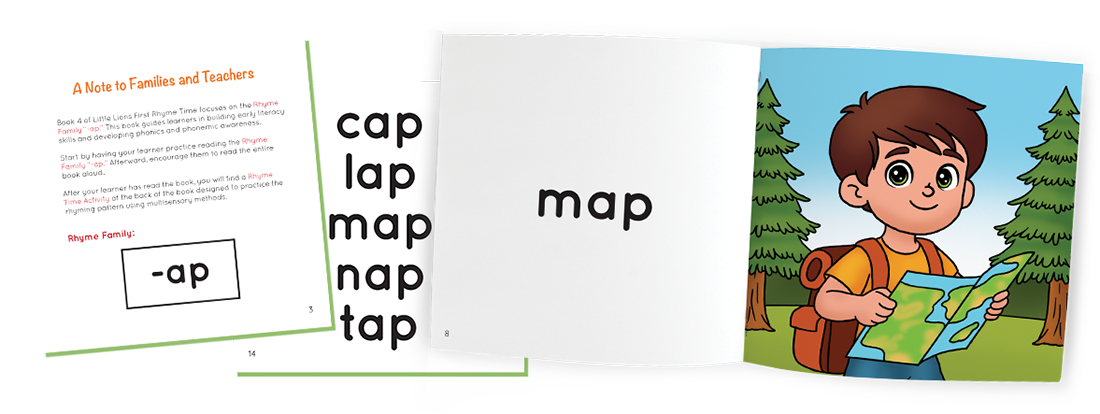
The connection between sound awareness and literacy doesn’t stop with reading. These skills are just as important for spelling and writing. When a child wants to write the word “map,” they have to do the reverse of decoding: they need to break the spoken word into its individual sounds—/m/, /a/, /p/—and then recall the letters that represent them. This skill, called encoding, is built on a strong phonemic awareness foundation. Children who can easily manipulate sounds in their minds find it much more natural to put their thoughts onto paper. This early confidence in spelling is directly tied to how writing develops and paves the way for more complex expression down the road.
If you’re wondering just how important these skills are, the science is overwhelmingly clear. Decades of research show that a child’s level of phonological and phonemic awareness in their early years is one of the strongest predictors of their future reading success. In fact, teaching these skills directly and explicitly can help many children avoid reading problems later on. When we focus on building this foundation in preschool, kindergarten, and first grade, we are giving children the essential tools they need to become skilled, confident readers for life. It’s a proactive approach that sets them up for a successful journey with literacy.
Now that we understand the difference between phonological and phonemic awareness, let’s break down the specific skills your child will practice. Think of these as a ladder—your child will start with the bigger, more obvious sounds and gradually work their way to the smallest, most specific ones. Mastering each step builds a strong foundation for the next, making the path to reading much smoother.
Phonological awareness is all about hearing the larger chunks of sound in language. It’s the ability to play with words and sounds without needing to see them written down. We start here because these skills are more concrete for young learners. Key activities include recognizing rhymes, like knowing that “cat” and “hat” share an ending sound. Another core skill is clapping out syllables in a word, such as breaking “dinosaur” into “di-no-saur.” These playful exercises help children understand that words are made up of smaller parts, a crucial first step in learning to read. It’s about tuning their ears to the rhythm and structure of spoken language before they ever connect sounds to letters.
Once a child is comfortable with bigger sound chunks, we can zoom in on phonemic awareness. This is the more advanced skill of identifying and working with the smallest individual sounds, or phonemes, in spoken words. This is where the real magic for reading happens. Key skills include blending sounds together to form a word (hearing /b/ /a/ /t/ and knowing it says “bat”) and segmenting, which is the opposite (hearing “bat” and breaking it into /b/ /a/ /t/). Children also learn to manipulate sounds, like changing the /t/ in “bat” to a /g/ to make “bag.” These skills directly support decoding, which is essential for sounding out new words.
Children naturally develop these skills in a predictable order, moving from broad to specific. They typically master phonological skills first—rhyming and clapping syllables are much easier than isolating the middle sound in “sit.” This is why direct instruction in these skills during preschool and kindergarten is so effective. By starting with larger sound units, we build the confidence and foundational knowledge children need to tackle the more abstract work of phonemic awareness. Rushing this process can lead to frustration, but following this natural progression helps ensure that each new skill is built on solid ground, setting your child up for long-term reading success.
Understanding the general timeline for sound awareness helps you support your child’s reading journey. While every child learns at their own pace, there are typical stages for developing phonological and phonemic awareness. Think of it less as a strict schedule and more as a gentle roadmap. Knowing what to expect makes it easier to spot progress and offer the right kind of playful practice. Below, we’ll walk through key milestones and share simple ways you can encourage these skills at home or in the classroom.
Phonological awareness skills begin to form long before a child picks up a book, typically emerging between preschool and kindergarten. Explicitly teaching these skills in the early years is incredibly effective and can help many students avoid reading problems later on. Children usually start with broader sound skills, like recognizing rhymes and clapping syllables. As they progress, they move toward the more advanced skill of phonemic awareness, which continues to develop through first grade and is often refined through third or fourth grade. This natural progression from big sound chunks to individual sounds is key to learning to read.
As your child grows, you’ll notice their sound skills becoming more refined. In preschool, they might start recognizing rhymes in songs or enjoying wordplay. By kindergarten, many children can clap out the syllables in their name and identify the first sound in a word, like knowing “ball” starts with the /b/ sound. As they move into first grade, you’ll see them begin to blend sounds to make words (hearing /c/ /a/ /t/ and saying “cat”) and segment words into sounds. Because these skills are vital for early reading, it is important to screen children’s ability if you have concerns about their progress.
The best way to build these skills is through play. You don’t need complicated lesson plans—just a little creativity. You can improve their phonological awareness with simple activities at home. For younger children, focus on rhymes, songs, and reading fun, repetitive books together. As they get older, play sound games like “I Spy” using letter sounds instead of colors. You can also practice blending and segmenting with everyday words. For example, ask, “What sounds do you hear in the word cup?” or “What word do we get if we put together /s/ /u/ /n/?” These small moments of sound play build a powerful foundation for reading.
Teaching your child to read is one of the most rewarding things you’ll ever do, but let’s be honest—it can also be challenging. It’s completely normal to hit a few bumps along the way. You might wonder if you’re doing it right, how to keep your little one from getting frustrated, or when to be concerned about their progress. The good news is that most of these hurdles are common, and with a few simple strategies, you can work through them together.
The key is to stay patient and remember that every child learns at their own pace. Instead of getting overwhelmed, focus on creating a positive and supportive environment where your child feels safe to make mistakes and celebrate small wins. We’ll walk through some of the most frequent challenges parents face and give you actionable steps to solve them, so you can feel confident and empowered on this reading journey.
It’s easy to feel lost when you first start teaching sound awareness. Maybe you’ve tried practicing rhymes, but your child just isn’t getting it, or they struggle to clap out the syllables in their own name. This can be discouraging, but it doesn’t mean you’re failing. It often just means you need to break the skills down into smaller, more manageable pieces. If rhyming is a struggle, put it aside for a bit and focus on something else, like identifying the first sound in a word.
Children who have difficulty with phonological awareness might not hear the similarities in words like ‘cat’ and ‘hat.’ The best approach is to focus on one skill at a time until they feel confident. You can find many simple ways to learn strategies that help your child build these foundational abilities without pressure.

One of the biggest challenges is keeping a young child focused. If learning starts to feel like a chore, they’ll quickly lose interest. The secret is to make practice feel like play. You don’t need formal lessons or flashcards to build phonological awareness. In fact, some of the most effective practice happens during everyday moments. You can easily incorporate skills into everyday life just by talking and playing together.
Turn car rides into a game of “I Spy” with sounds (“I spy something that starts with the /m/ sound”). At the grocery store, ask your child to find items that rhyme with ‘pear.’ At dinner, clap out the syllables in everyone’s name. When you weave these activities into your daily routine, you build consistency without the struggle, making learning a natural and fun part of their day.
It’s natural to worry if your child seems to be progressing more slowly than their peers. While every child develops differently, there are a few signs that might indicate they need a little extra help. For example, if your child consistently has trouble blending sounds to form a word (like hearing /c/-/a/-/t/ and not being able to say “cat”), or if they struggle to remember letter sounds after repeated practice, it might be worth paying closer attention.
Phonemic awareness is a critical skill for learning to read, and for some children, it doesn’t develop as easily. Targeted practice can make a huge difference for struggling readers. If you have concerns, the first step is to talk with your child’s teacher. They can provide insight and partner with you to create a plan. Understanding the importance of phonemic awareness can also help you find the right resources, like decodable books, to provide structured support at home.
Now that you understand the importance of these skills, let’s get to the fun part: how to actually teach them. The good news is you don’t need fancy flashcards or rigid lesson plans. The best learning happens through play and everyday interactions. By weaving simple activities into your daily routine, you can build a strong foundation for reading without adding pressure or stress. These moments of connection are where the real magic happens.
One of the best ways to build sound awareness is through play. When children are having fun, they’re more open to learning. Turn sound practice into a game by clapping out the syllables in family members’ names (Ma-ri-a, three claps!) or playing “I Spy” with sounds instead of colors (“I spy something that starts with the /m/ sound”). You can also play rhyming games by asking, “What word rhymes with cat?” These interactive activities engage multiple senses, helping your child connect what they hear with what they see and do. This multi-sensory approach makes abstract sound concepts more concrete and memorable for young learners.
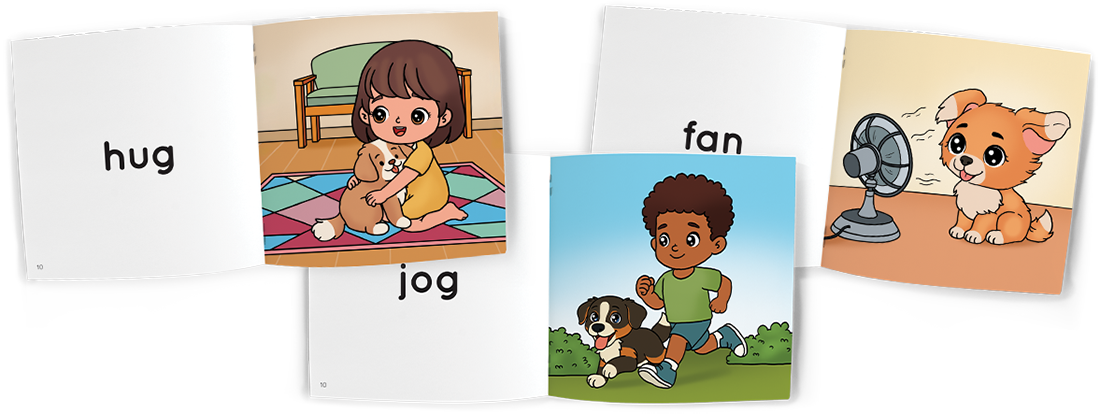
Sorting and changing sounds helps children learn to treat words as objects they can take apart and put back together. Start with a simple sound-sorting game. Gather a few small toys or objects and ask your child to find all the ones that start with the /b/ sound (ball, boat, block). As they get more advanced, you can practice manipulating sounds. Ask them what word is left if you take the /s/ sound off of stop (top) or what word you get if you change the /p/ in pan to a /f/ (fan). These playful exercises are fantastic for building the phonemic awareness skills needed to decode words.
Music and movement are powerful tools for teaching phonological awareness. Nursery rhymes and simple songs are packed with rhythm, repetition, and rhyming words, which naturally train a child’s ear to hear the patterns in language. You can find countless songs and fingerplays online that are perfect for this. Don’t just sing the words—get moving! Clap your hands to the beat, stomp your feet for each word, or dance along to the rhythm. Connecting sounds to physical actions helps children internalize these patterns and makes learning a joyful, full-body experience. It’s a simple way to make literacy practice feel like playtime.
You don’t need formal tests to see how your child is doing. You can easily track their progress by paying attention during your daily reading and playtime. Can they hear the rhyming words in a Dr. Seuss book? Can they tell you the first sound in the word dog? When you say sounds like /c/ /a/ /t/, can they blend them together to say cat? These informal check-ins give you valuable insight into their developing skills. Noticing what comes easily and what’s still a bit tricky helps you know what to focus on next. It’s all about gentle observation, not quizzing, to support their unique learning journey.
Knowing how to help your child with sound awareness is one thing, but putting it into practice is another. The key is to have a simple plan that feels manageable for you and fun for them. Instead of trying to do everything at once, focus on consistency and using the right tools for the job. A little bit of structure goes a long way in building a strong foundation for reading. By creating a simple routine, choosing supportive materials, and making time for daily practice, you can guide your child toward reading success without feeling overwhelmed. This approach turns learning into a positive and rewarding part of your day.
Consistency is your best friend when teaching phonological awareness. Aim for short, focused sessions of about 5 to 10 minutes each day rather than one long lesson per week. This keeps your child engaged and helps solidify skills over time. You can build this practice into your existing schedule—like playing a rhyming game in the car or clapping out the syllables in everyone’s name at the dinner table. Teaching these skills directly and clearly in the early years can help many students avoid reading problems down the road. The goal is to make sound play a natural and fun part of your daily life.
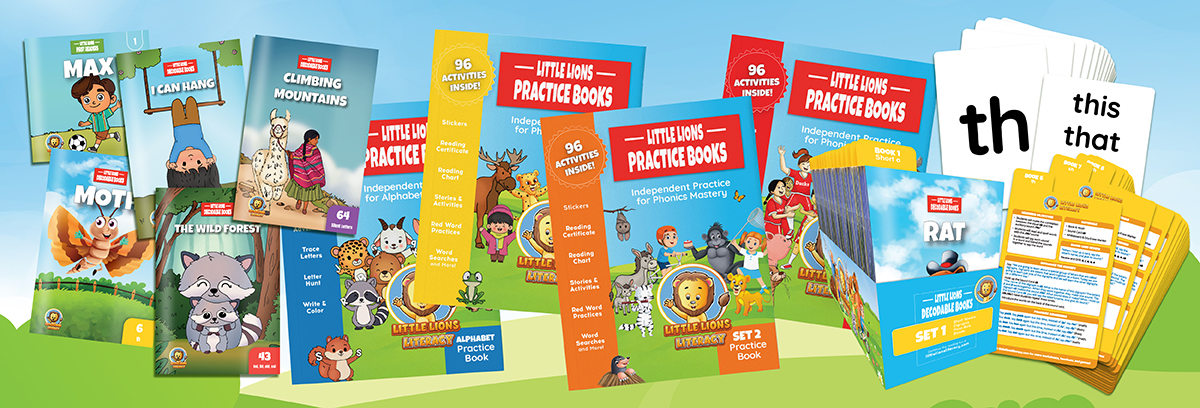
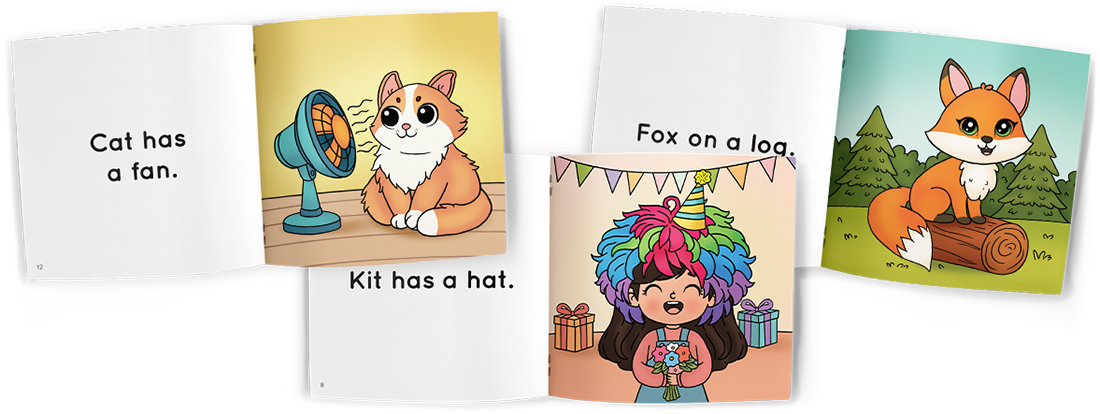
The right resources connect abstract sound skills to the concrete act of reading. This is where decodable books shine. Unlike many picture books, decodable books are written specifically for children to practice the phonics rules they are learning. As you teach sounds, you can give your child books that let them apply that knowledge immediately. Our decodable book sets are designed to follow a clear progression, so you can easily match the books to your child’s current skill level. This ensures they feel successful and confident as they begin to read words on their own, turning practice into a rewarding experience.
The ultimate goal of practicing rhymes, syllables, and individual sounds is to make reading words easier. When children have strong phonemic awareness, they are more likely to excel in reading tasks and build momentum. Create a daily habit of reading together, and make sure to use decodable books that align with the skills you’re practicing. When your child successfully sounds out a word in a book using a skill you worked on earlier, celebrate that win! This direct connection between the sound games and the words on the page is what makes the concepts click. It shows them that the skills they are learning have a real, exciting purpose: unlocking stories.
Of course! Think of phonological awareness as hearing the big, chunky parts of language. It’s like being able to hear the different beats in a song (syllables) or noticing the rhyming words in the lyrics. Phonemic awareness is like being able to zoom in and hear every single individual note that makes up the melody. It’s the most detailed level of listening, and it’s what allows a child to hear that the word mop is made of three separate sounds: /m/, /o/, and /p/.
That’s a great question. Think of sound awareness as the foundation you build before you put up the walls of a house. These auditory skills train your child’s ear to hear the sounds that letters represent. It’s much easier for a child to learn that the letter ‘S’ makes the /s/ sound if they can already hear that /s/ is the first sound in the word sun. The two skills work as a team, but starting with sound play makes learning phonics much more intuitive.
First, know that this is completely normal. Children develop these skills in a predictable order, and rhyming is an earlier, easier skill than blending individual sounds. Your child’s success with rhyming shows they have a great foundation. Continue to make rhyming fun, and gently introduce blending games for just a minute or two at a time. You can say, “I’m going to say a word slowly, can you guess what it is? /sh/…/oe/.” Keep it light and playful, and they will get there when they are ready.
You don’t need to set aside a huge chunk of time for formal lessons. In fact, short and sweet is the most effective approach. Aim for five to ten minutes of playful practice woven into your day. Consistency is what truly matters. Playing a sound game on the way to the store or clapping out the syllables in the names of fruits as you put them away is more than enough to build a strong foundation over time.
Decodable books are the perfect tool to connect all this sound play to actual reading. After your child practices hearing the individual sounds in words, decodable books allow them to immediately apply that skill to words on a page. They are carefully written so that your child will only encounter words with sounds they have already learned. This creates a huge confidence surge and shows them that the sound games you’ve been playing have a real, exciting purpose: to help them read all by themselves.