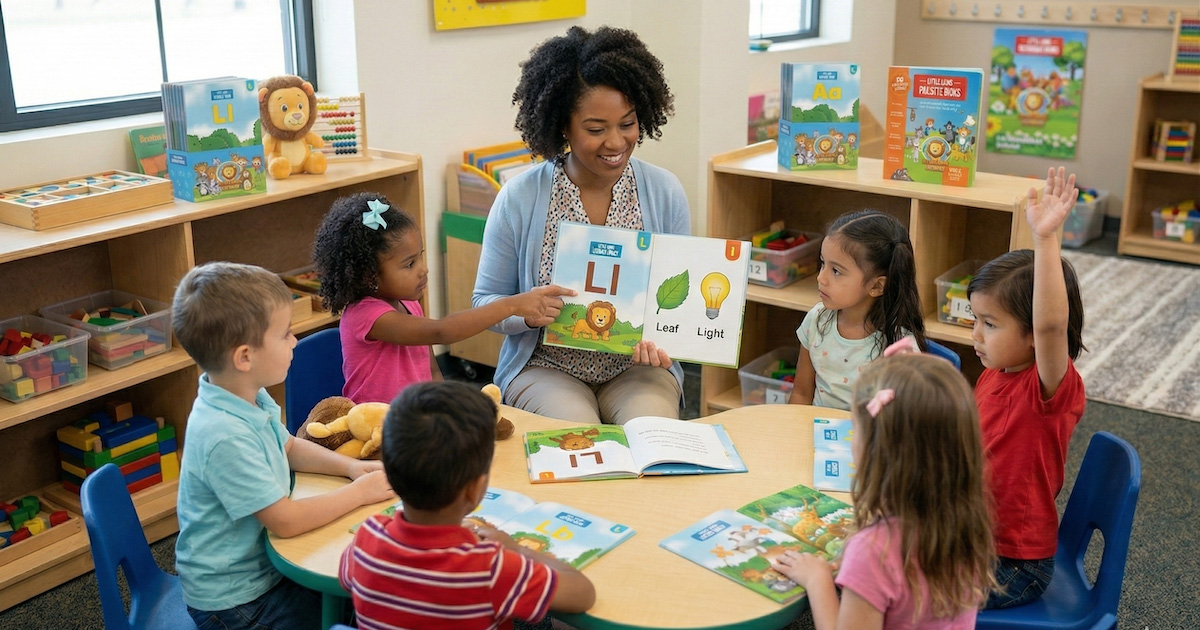
If you have an active child, you know that asking them to sit still can be the quickest way to end a learning activity. But what if their wiggles could actually help them learn to read? When it comes to building phonological awareness, movement is a powerful tool. Connecting a physical action—like a clap, a stomp, or a jump—to an abstract concept like a syllable or a sound helps make it concrete in a child’s mind. This guide is packed with phonological awareness games specifically designed for kids on the move, helping you channel their energy into building a strong foundation for literacy.
Before children can learn to read words on a page, they first need to learn how to hear the sounds in the words we speak. That’s the whole idea behind phonological awareness. It’s an umbrella term for the ability to recognize and play with the sounds in spoken language. Think of it as a listening skill, not a reading skill. It’s about tuning your child’s ears into the sounds that make up words, from big chunks to the tiniest individual units.
This skill develops in a predictable way, starting with broader concepts. According to the North Carolina Department of Public Instruction, phonological awareness focuses on the bigger ‘chunks’ or ‘parts’ of language, like recognizing rhymes (cat/hat), counting syllables (clapping out el-e-phant), and hearing the first sound in a word. As children get more skilled, they can focus on the smallest individual sounds, or phonemes. This more advanced skill is called phonemic awareness.
So, why is this so important? Because phonological awareness is the foundation upon which all other literacy skills are built. A child who can hear the three separate sounds in the word “map” (/m/ /a/ /p/) is ready to connect those sounds to the letters m-a-p. This ability to manipulate individual sounds (phonemes) is the critical link between spoken language and written language. Without it, phonics instruction can feel abstract and confusing. By building this skill, you’re giving your child the essential tools they need to become proficient in decoding words and, eventually, a confident, fluent reader.
Think of phonological awareness not as one giant skill, but as a set of building blocks that stack on top of each other. It’s the ability to hear and play with the sounds in spoken language, and it starts big before getting small. First, kids learn to hear large sound chunks, like rhyming words and the rhythm of sentences. Then, they start to notice smaller parts, like syllables. Finally, they can zoom in on the tiniest individual sounds in a word, which is called phonemic awareness.
This entire process is auditory—it’s all about listening. No letters or reading required! These skills are the bedrock upon which children learn to connect sounds to letters, a process known as phonics. Before a child can read the word “cat,” they first need to be able to hear that it’s made up of three distinct sounds: /k/ /a/ /t/. Developing a strong sense of phonological awareness through playful, sound-based games gives children the foundation they need to become confident readers. It’s one of the most reliable predictors of future reading success, making it an essential focus in the early years.
Rhyme awareness is all about hearing and creating words that sound alike. When a child can tell you that “cat” and “hat” rhyme, or can finish the line “Twinkle, twinkle, little ____,” they’re using this skill. It’s often one of the first phonological skills to develop, thanks to nursery rhymes and rhyming picture books. Recognizing rhymes helps children tune into the sound patterns of our language. It teaches them to listen closely to the ends of words and notice similarities and differences, which is a crucial first step in learning to manipulate sounds.
Syllable awareness is the ability to hear the individual “beats” or parts within a word. For example, a child with syllable awareness can clap out the three beats in “dinosaur” (di-no-saur) or the single beat in “dog.” This skill helps children understand that words are made of smaller, distinct chunks of sound. Learning to break words apart into syllables makes longer, more intimidating words feel manageable. It’s a key step that bridges the gap between hearing whole words and hearing the tiny, individual sounds within those words, setting the stage for more advanced decoding skills.
This skill involves breaking a single-syllable word into two parts: the onset and the rime. The onset is the very first sound or sounds, and the rime is the rest of the word. In the word “stop,” the onset is “st-” and the rime is “-op.” In “cat,” the onset is “c-” and the rime is “-at.” Understanding this concept helps children recognize word families (like cat, hat, bat, sat). It’s a powerful tool for early readers because once they can read “-at,” they can easily decode a whole list of new words just by changing the beginning sound.
Phonemic awareness is the most advanced and critical of the phonological skills. It’s the ability to hear and work with the smallest individual sounds, or phonemes, in spoken words. This includes skills like isolating the first sound in “sun” (/s/), blending the sounds /b/ /i/ /g/ to say “big,” or segmenting the word “mop” into its three sounds: /m/ /o/ /p/. This is the skill that is most directly linked to reading and spelling success. When children can hear and manipulate individual phonemes, they hold the key to sounding out unfamiliar words and spelling them correctly.
The best phonological awareness games have a secret identity: they feel like pure fun, but they’re actually powerful tools for building a strong reading foundation. These games aren’t about letters or spelling—they are entirely auditory. The goal is to get kids to tune their ears to the sounds within spoken language, long before they have to connect those sounds to letters on a page. A great game is one that gets children actively listening, laughing, and playing with sounds, syllables, and rhymes.
While the vibe is playful, a good game is also purposeful. It should have a clear, simple objective that targets a specific skill. Whether the goal is to hear the first sound in a word, clap out syllables, or come up with a rhyming word, the child should understand what they’re trying to do. This isn’t a test; it’s a guided exploration of language. Effective games help children learn to identify and make oral rhymes, recognize words that start with the same sound, and break words into smaller parts.
Finally, the most successful games are often hands-on and adaptable. Young children learn best when they can move their bodies and interact with the world around them. Incorporating actions like clapping, stomping, or moving objects helps make the abstract concept of a “sound” feel more concrete. The best games can also be easily adjusted. You can simplify them for a child who is just starting out or add a layer of complexity for a kid who is ready for a challenge. This flexibility ensures the game remains engaging and effective as your child’s skills grow.
Let’s be honest: kids have a sixth sense for educational activities disguised as fun. If a game feels like a lesson, they’re out. The trick is to find activities that are genuinely playful but also sneak in some powerful learning. Rhyming is one of the first and most important phonological awareness skills a child develops. It teaches them to listen to the sounds within words, setting the stage for them to later connect those sounds to letters.
The best rhyming games don’t require flashcards, worksheets, or even a quiet room. They can be played in the car, in line at the grocery store, or during a walk around the block. They’re built on silliness, movement, and observation—things kids are already experts at. The goal is to make playing with sounds a natural and enjoyable part of their day. Here are a few simple, no-prep rhyming games that will get your kids listening, laughing, and learning without even realizing it.
This game is a classic for a reason—it’s pure, imaginative fun. Start by telling your child you’re making a big pot of “silly soup.” The only rule is that everything you put in the soup has to start with the same sound. You can start it off by saying, “I’m making silly soup, and I’m putting in a… banana!” Then, have your child add something that starts with the /b/ sound, like a ball, a bear, or a boat. This activity is fantastic for helping kids isolate and identify the initial sounds in words, a critical step in developing their overall phonological awareness.
If you have a child who needs to move, this game is for you. It connects the concept of rhyming with physical action, which helps make the idea more concrete. You simply say a sentence that includes a rhyming pair, where one of the words is an action. For example, say, “Log rhymes with JOG!” and have your child repeat the sentence while jogging in place. You can try others like, “Star rhymes with CAR!” (pretend to drive) or “Mouse rhymes with HOUSE!” (make a roof shape with your hands). These phonological awareness games are perfect for getting the wiggles out while reinforcing the sound patterns in rhyming words.
Give the classic game of “I Spy” a phonological twist. Instead of spying something of a certain color, you spy something that rhymes with a word you choose. Start by saying, “I spy with my little eye, something that rhymes with chair.” Your child can then look around the room and guess bear (if they have a teddy bear) or hair. This version encourages kids to actively listen for rhyming sounds in the world around them. It’s a simple, screen-free way to practice both producing and identifying rhymes, making it a perfect activity for car rides or waiting rooms.

Little learners are often bursting with energy, and asking them to sit still for a lesson can be a challenge. The good news is you don’t have to. You can channel that physical energy directly into learning by turning phonological awareness into a full-body activity. When kids connect a physical motion to an abstract concept like a syllable, it helps the idea stick. It makes learning feel like playing, not like work.
These games are perfect because they don’t require any materials—just a little space to move. They help children feel the “beats” in words, a critical step in learning to break words down for reading and spelling. Mastering syllables builds a strong foundation for tackling more complex words later on. Once they can confidently segment syllables, they’ll be better prepared for reading practice with resources like decodable books. Try these active games to get your kids moving and listening.
This game is a fantastic way to help kids feel the rhythm of language. The goal is to connect the parts of a word with a physical action. Start by saying a simple sentence, like “I see a big dog.” Have your child repeat the sentence and stomp one foot for each word they say. This helps them understand that sentences are made of individual words.
Once they get the hang of that, you can switch to stomping syllables. Say a single word, like “butterfly.” Have your child repeat it, then stomp for each syllable or “beat” they hear: “but” (stomp), “ter” (stomp), “fly” (stomp). This physical feedback makes the concept of syllables much more concrete and memorable for active learners.
Clap and Count is a classic for a reason—it’s simple, effective, and can be done anywhere. This activity helps children practice segmenting, or breaking words into their syllable parts. Start by saying a word clearly, and then clap out the syllables as you say it again, slightly exaggerating the breaks. For example, for the word “table,” you would clap twice, once for “ta” and once for “ble.”

Invite your child to join in. You can use their name, names of family members, or words for objects around the room. This game makes learning feel natural and fun while reinforcing a key phonological awareness skill. It’s an easy one to pull out while waiting in line or during a car ride.
For kids who love a little more action, Karate Chop It is a guaranteed hit. This game turns syllable counting into a high-energy martial arts practice. Start by saying a word, like “dinosaur.” Have your child repeat the word, and then use a karate chop motion for each syllable they hear. They would make three sharp chops in the air for “di-no-saur.”
You can make it even more fun by having them hold one arm out flat and use their other hand to “chop” it for each syllable. This game is especially great for kinesthetic learners who retain information best when their bodies are involved. It’s a playful way to practice segmenting words that feels more like a game than a lesson.
Once your child is comfortable with rhymes and syllables, you can move on to the smallest units of sound in our language: phonemes. This is where we get into the nitty-gritty of hearing the individual sounds that make up words, like the three sounds in cat (/k/ /a/ /t/). Mastering this skill, known as phonemic awareness, is one of the most important steps on the path to reading. It’s what allows kids to sound out new words and connect spoken language to written letters.
These games are designed to make this abstract concept feel more like a fun puzzle. Instead of just talking about sounds, your child will get to play with them—stretching them, counting them, and listening for them. This hands-on practice helps build the mental muscle needed for decoding and spelling. Don’t worry if it seems tricky at first; the goal is to play and explore sounds together in a low-pressure way. With a little practice, you’ll both be hearing words in a whole new way.
This game is a silly and effective way to help your child hear how sounds blend together to form words. The idea is simple: you talk like a snail, stretching out each sound in a word very slowly. For example, you might say, “Can you get your c-o-a-t?” stretching it out like /kkkkkooooot/. Your child’s job is to listen to the slow-motion word and guess what you’re saying.
You can use Snail Talk for simple directions or just for fun. Try it with words like cup, sun, or fish. This activity encourages kids to listen closely and practice the mental process of blending sounds, a skill they’ll use every time they sound out a word while reading.
Sound Counting helps children practice segmenting, or breaking words apart into their individual sounds. Grab a few small objects like LEGOs, pennies, or pom-poms. Say a word, and have your child move one object for each sound they hear. For the word “top,” they would push forward three objects: one for /t/, one for /o/, and one for /p/.
It’s important to remember that you’re counting sounds, not letters. For example, the word “bike” has four letters but only three sounds: /b/ /i/ /k/. The silent ‘e’ doesn’t get a block! This hands-on game makes the abstract idea of phonemes tangible and helps your child physically represent the sound structure of a word.
Beginning Sound Bingo is a fantastic game for practicing sound identification, and it’s easy to adapt for one child or a whole group. Create a few simple bingo cards with pictures of familiar objects (like a sun, a ball, a fish, and a moon). Instead of calling out the word, you call out the beginning sound: “Find the picture that starts with the /m/ sound.” Your child then finds the moon and covers it with a marker.
This game sharpens their ability to isolate the first sound in a word, which is a key step in learning letter-sound correspondence. You can find pre-made cards online or have fun drawing your own for a more personalized game.

Even the most exciting games can hit a snag. Maybe your child’s attention starts to wander, or a concept just isn’t clicking. It’s completely normal! The key is to have a few strategies ready for when you need to adjust. Instead of feeling like you have to stick to a rigid plan, think of these games as flexible frameworks. The goal is to create positive, playful interactions around sounds and words, not to achieve perfection on the first try.
When you run into a hurdle, take a moment to observe. Is the game too challenging? Not engaging enough? Is the concept too abstract? Often, a small tweak is all it takes to get back on track. You might need to shorten the activity, add a physical component, or bring in some hands-on tools. By anticipating these common challenges, you can keep the learning light and effective, ensuring your child continues to build a strong and confident foundation for reading.
If you notice your child is getting restless, it’s a sign to switch things up. Young children have short attention spans, so keep game sessions brief—just five to ten minutes is plenty. The best way to hold their interest is to make it fun. Focus on play and laughter rather than getting it “right.” Kids in pre-K and kindergarten are naturally wired to play with words, rhymes, and syllables they hear in everyday speech. Tap into their interests. If they love dinosaurs, hunt for rhyming dinosaur names. If they’re full of energy, turn syllable counting into a jumping game. Following their lead makes learning feel less like a task and more like a fun part of their day.
Whether you’re in a classroom or at home with siblings, you’ll likely be working with children at different stages. It’s important to meet each child where they are. Some kids might pick up rhyming instantly, while others need more direct practice to grasp that words are made of individual sounds. For skills like phonemic awareness, explicit instruction is often necessary to help children learn to isolate sounds in words. Start with a simple version of a game, and if a child is ready for more, add a layer of difficulty. For a child who is struggling, simplify the task. The goal is progress, not perfection, so celebrate small wins along the way.
Sounds are invisible, which can make them a tricky concept for young learners. Using a hands-on, multifaceted approach can make a huge difference. To make sounds tangible, use physical objects. When you’re counting syllables or phonemes, have your child push a counter, tap a block, or touch a finger for each sound they hear. This multisensory technique connects the abstract idea of a sound to a concrete action or object. You can use anything you have on hand—coins, LEGO bricks, or even snack crackers. By giving children something to see and touch, you help them build a mental model for how words are constructed from individual sounds.
One of the best things about phonological awareness games is how easily you can adjust them to fit a child’s specific needs. Kids develop at their own pace, so a game that’s perfect for one five-year-old might be too simple or too challenging for another. The goal is to find that sweet spot where they feel successful but are still learning something new. Think of it as a progression: children usually master larger sound chunks like rhymes and syllables before they can work with tiny individual phonemes. This natural order helps build a strong foundation, preventing frustration down the line.
You can modify almost any game to meet your child right where they are. If a game feels too hard, take a step back and simplify it. Are they struggling to count syllables? Start by just clapping the rhythm of a word together. If a game seems too easy, you can add a layer of complexity. Can they easily identify the first sound in a word? Challenge them to find the last sound. The key is to stay flexible and keep the experience positive and playful. Remember, the point is engagement, not a perfect performance. By tailoring the activities, you ensure that game time remains a fun, confidence-building part of their journey to reading.
For preschoolers, the focus should be on listening and playing with the sounds they hear in everyday language. At this stage, we’re building the foundation by tuning their ears into rhymes and syllables. You can simplify the games by taking on more of the “work” yourself. For example, in Silly Soup, instead of asking them to come up with a rhyming word, you can say two words (“cat” and “hat”) and ask, “Do these rhyme? Yes or no?” This focuses on rhyme recognition, which comes before rhyme production. For syllable games, start small by clapping the syllables in their name or the names of family members. These early pre-reading skills are all about joyful exploration, not performance.
Kindergarten is often when children make the big leap from working with syllables to isolating individual phonemes, which can be tricky. To make games more challenging, you can add steps. If your child has mastered identifying the beginning sound in “I Spy,” you can switch it up to “I spy something that ends with the /t/ sound.” For syllable clapping games, you can move from single words to clapping every word in a short sentence. This is also a great time to connect with your child’s teacher. Ask about the school’s reading program to understand how phonological awareness is being taught in the classroom and how you can support that learning at home.
If a child is finding these skills difficult, the most important thing you can do is offer patience and break tasks into even smaller steps. A multi-sensory approach can also be a huge help. For a child struggling to hear the individual sounds in “sun,” try using blocks or tokens. Say the word slowly as you push one block forward for each sound: /s/, /u/, /n/. You don’t have to wait for them to master phonemic awareness before introducing letters. In fact, teaching phonics alongside these sound games can help make the abstract concept of a phoneme more concrete. The connection between a sound and a letter can be the very thing that makes it all click.
Let’s be real: finding extra time in the day can feel impossible. Between school, work, and everything else, the idea of adding one more thing to your to-do list is overwhelming. The good news is that you don’t need to schedule a formal “phonological awareness lesson” to help your child build these crucial pre-reading skills. The most effective way to practice is by weaving simple games into the things you’re already doing.
Think of it as finding little pockets of learning throughout your day. These five-minute games during a car ride or while making dinner might not feel like much, but these consistent, playful interactions add up. They build a strong foundation for reading without the pressure of flashcards or worksheets. By turning routine moments into opportunities for fun, you can help your child master sounds, syllables, and rhymes naturally. The key is to keep it light and make it part of your everyday life, transforming mundane tasks into moments of connection and learning.
Instead of dreading the next “Are we there yet?” turn your travel time into game time. The car is a perfect, contained space for sound games that require nothing more than your voices. Start a simple round of “I Spy,” but with a twist: “I spy with my little eye, something that starts with the /b/ sound.” You can also play with rhymes. As you drive, point out things you see and ask your child to think of a rhyming word: “I see a tree! Can you think of a word that rhymes with tree?”
If you have books in the car, you can also ask your child to listen for rhyming words as you read a story aloud. These simple activities are fantastic ways to build phonological awareness and make any trip, long or short, more engaging.
Mealtime is another golden opportunity to play with language. While you’re waiting for the pasta to cool, you can easily incorporate a syllable-clapping game. Say the name of a food on your child’s plate and clap out the syllables together: “broc-co-li” (three claps!) or “corn” (one clap!). This helps them hear the smaller parts within words.
You can also bring back classic nursery rhymes. Recite one together and then ask your child to identify the rhyming words. For an extra challenge, say three words (like “cat,” “hat,” “sun”) and ask them which one doesn’t belong. It’s a simple way to practice rhyming and auditory discrimination while sharing a meal and connecting as a family.
Those little “in-between” moments of the day are perfect for quick, playful practice. Waiting in line at the store, walking from the car to the front door, or cleaning up toys are all chances to play a sound game. While tidying up, you can say, “Let’s put away all the toys that start with the /t/ sound first!”
Another great transition game is “Snail Talk.” Say a simple word very slowly, stretching out each sound (like “mmmm-aaaa-p”), and have your child guess the word. Then, let them try being the snail. These quick, one-minute games make transitions smoother and use those otherwise empty moments to reinforce important reading readiness skills without disrupting your schedule.
The games we’ve covered are fantastic for building foundational skills in a playful, low-pressure way. They get kids listening for sounds, clapping out syllables, and finding rhymes without them even realizing they’re learning. But as your child’s abilities grow, you might find yourself looking for more structured support to continue their journey toward reading. This is a natural and important next step. Moving from hearing sounds to seeing them represented by letters on a page requires a different set of tools.
Whether you’re a parent wanting to reinforce learning at home or a teacher planning lessons for your classroom, there are plenty of high-quality resources available to help you make that transition smooth and successful. You don’t have to create everything from scratch. From interactive apps that make practice feel like a game to decodable books that bridge the gap between sounds and words, these tools can complement your efforts and provide targeted practice right where your child needs it. For educators and parents who want to go a step further, professional development materials can offer deeper insights and new strategies for teaching these crucial skills. Let’s look at some of the best places to find these resources.
Let’s be honest, kids love screen time. The right digital tools can turn that interest into a powerful learning opportunity. As one resource for teachers points out, “digital tools and apps can provide interactive and engaging ways for children to practice these skills.” The best apps offer immediate feedback and adapt to your child’s level, keeping them challenged but not frustrated. Look for programs that focus on specific phonological awareness skills, like identifying rhymes, counting syllables, or isolating the first sound in a word. These tools are perfect for independent practice and can make learning feel less like work and more like play.
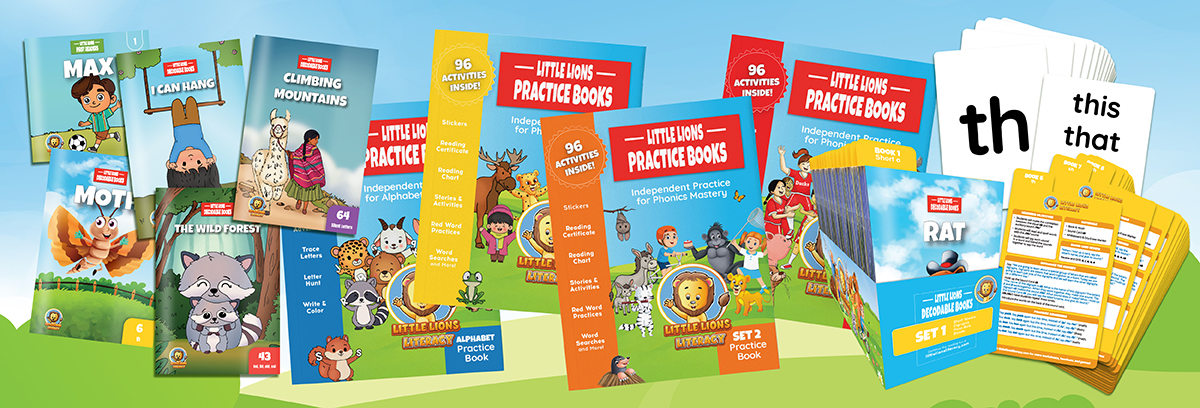
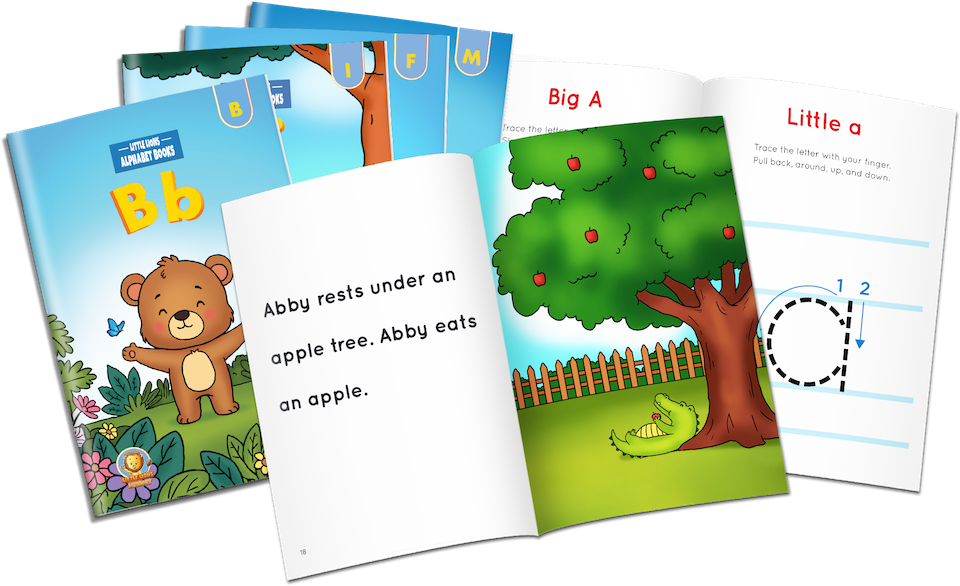
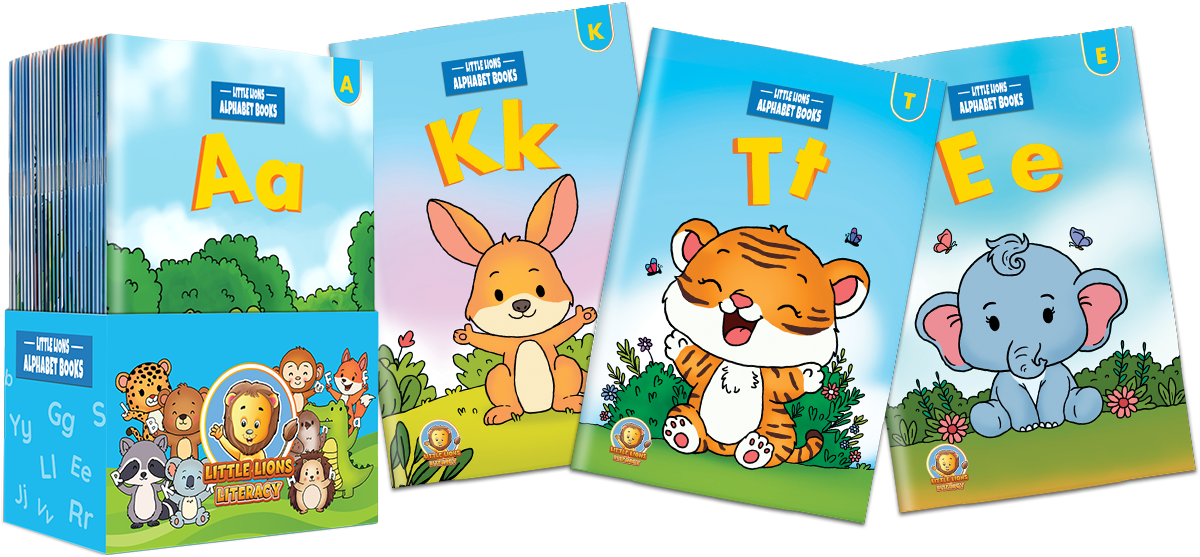
Once a child can hear and manipulate sounds, the next step is connecting those sounds to letters. This is where decodable books shine. Research confirms that phonological awareness is a powerful predictor of reading success, and decodable books are designed to build on that foundation. They are carefully written to include only the letter-sound patterns a child has already learned, allowing them to practice their skills and build confidence. Our Little Lions Literacy book sets are designed to do just that, progressing through a specific scope and sequence to systematically build a strong phonics foundation and turn your little learner into a proud reader.
For teachers and homeschooling parents who want to deepen their understanding, professional development materials are invaluable. Explicit, direct instruction is key, because as experts note, many students will not grasp the concept that words are made up of individual sounds without it. These resources can equip you with effective, research-backed strategies for teaching phonological awareness. Look for webinars, books, and articles from trusted literacy organizations that provide clear lesson plans and activities. Investing in your own knowledge is one of the best ways to support the young readers in your life and help them build the skills they need to succeed.
What’s the difference between phonological awareness and phonics? Think of it this way: phonological awareness is all about hearing. It’s the ability to recognize and play with the sounds in spoken language, and it doesn’t involve any letters at all. Phonics is the next step, where your child learns to connect those sounds to the actual letters that represent them on a page. A child uses phonological awareness to hear the three sounds in the word “cat” (/k/ /a/ /t/), and they use phonics to read the letters c-a-t and blend them into a word.
At what age should I start playing these sound games? You can start much earlier than you might think. When you sing nursery rhymes with your baby or read rhyming board books to your toddler, you’re already building the earliest phonological awareness skills. For more intentional games like clapping out syllables or spotting rhymes, the preschool years are a perfect time to begin. The most important thing is to keep it light and playful, simply making it a natural part of how you talk and read together.
Do we need to master rhyming before we can move on to syllables? While skills do tend to develop in a general order, from bigger sound chunks to smaller ones, you don’t have to wait for perfect mastery of one before introducing another. Think of it less like a strict ladder and more like a playground. You can play with rhymes one day and clap syllables the next. Children often work on multiple skills at once. The goal is to provide lots of fun, low-pressure exposure to all different kinds of sound play.
My child doesn’t seem to be getting it. Should I be worried? It’s completely normal for some of these concepts to take a while to click, especially the smaller, individual sounds called phonemes. Every child develops at their own pace. If a particular game is causing frustration, just put it aside and try something different, or go back to an easier skill for a while. The goal is to build positive experiences with language. If you have ongoing concerns about your child’s development, it’s always a great idea to chat with their teacher or pediatrician.
How long should we play these games each day? You can make a big impact in just a few minutes a day. Aim for five to ten minutes of focused, playful practice. It’s much more effective to have a short, fun session during a car ride or while making dinner than to try and force a long, drawn-out lesson. Consistency is far more important than duration, so weaving these little games into your daily routine is the perfect approach.