Teaching a child to read can feel like you’re choosing between two very different paths. One path is carefully paved, with each step clearly marked, teaching the smallest parts of language first and building up from there. The other is a scenic trail through a forest of stories, encouraging exploration and discovery from the very beginning. In the world of education, these two paths represent the phonics vs whole language debate. Understanding the fundamental differences between these approaches is the first step in supporting your young reader. This article will break down each philosophy, helping you see how they approach learning, structure lessons, and ultimately aim to create a confident, happy reader.
When you start looking into how children learn to read, you’ll quickly come across two main teaching philosophies: phonics and whole language. Think of them as two different roadmaps to the same destination: a love of reading. One starts with the smallest parts of language and builds up, while the other starts with the big picture and fills in the details. Understanding how each one works is the first step in figuring out the best way to support your little reader.
The phonics approach teaches reading by connecting sounds to letters. It’s a “bottom-up” method that gives kids the tools to decode words on their own. Instead of memorizing whole words, children learn that the letter ‘c’ makes a /k/ sound, ‘a’ makes a /ă/ sound, and ‘t’ makes a /t/ sound. They can then blend those sounds together to read the word “cat.” This method is systematic, meaning skills are taught in a specific, logical order. Research shows that systematic phonics instruction is especially powerful for new readers and children who struggle with reading, as it empowers them to tackle unfamiliar words with confidence.
The whole language approach is a “top-down” philosophy that immerses children in reading and writing. It’s built on the idea that learning to read is as natural as learning to speak. Instead of breaking words down into individual sounds, this method encourages kids to use context clues, pictures, and their own background knowledge to guess the meaning of words. The focus is on understanding the story and enjoying the reading experience from the very beginning. Lessons often integrate reading, writing, speaking, and listening into activities that are meaningful and relevant to the child.
At first glance, phonics and whole language might seem like two paths to the same destination. But they start from completely different places. Understanding their core philosophies can help you see why one might be a better fit for your child’s learning style. The main distinctions come down to their learning models, lesson structures, and primary focus. By breaking down these differences, you can get a clearer picture of how each method approaches the complex task of teaching a child to read.
Phonics is what’s known as a “bottom-up” approach. Think of it like building with LEGOs. You start with the smallest pieces: individual letter sounds. Kids learn to connect letters to their sounds and then blend those sounds to form words. From there, they build sentences and eventually, full stories. This method gives children a clear, systematic way to assemble words from their most basic parts.
The whole language method is the opposite, taking a “top-down” approach. Instead of starting with the pieces, it starts with the big picture: the meaning of the story. Children are immersed in rich texts and encouraged to use context, pictures, and their own experiences to understand the material. The idea is that they will learn to recognize words through repeated exposure in a meaningful context, connecting new information to what they already know.
Phonics instruction is typically very structured and sequential. Lessons are taught explicitly, following a specific order where skills build on one another. For example, a child will master basic consonant and short vowel sounds before moving on to more complex letter combinations. This systematic process ensures there are no gaps in a child’s foundational knowledge. Phonics is often taught as a dedicated part of the school day, especially in kindergarten and first grade.
Whole language, on the other hand, favors a more immersive reading experience. Instead of isolated drills, learning happens through engaging with authentic children’s literature. Reading, writing, speaking, and listening are all integrated. The classroom is filled with books, and reading is woven into every subject. The goal is to create a love for reading by making it a natural and enjoyable part of the child’s day, with many educators now urging for a balance between phonics and whole language.
The primary goal of phonics is to teach children how to decode. Decoding is the skill of sounding out words you don’t recognize. By giving kids a reliable toolkit for tackling new words, phonics empowers them to read independently. The belief is that once a child can decode effectively, their comprehension will follow as they begin to read more fluently and with greater confidence.
In contrast, the whole language approach prioritizes meaning from the very beginning. It encourages children to act like detectives, using clues from the story and illustrations to predict words. The focus is on comprehension and enjoying the story, not on perfectly sounding out every single word. While phonics builds strong decoding skills, whole language is designed to nurture a deep understanding of the text. Ultimately, a skilled reader needs both decoding ability and a focus on meaning.

Every parent and teacher wants to raise a confident, happy reader. Both phonics and whole language aim for this goal, but they take very different paths to get there. Understanding the strengths and weaknesses of each approach can help you figure out the best way to support the young reader in your life. Let’s look at what each method brings to the table.
The biggest advantage of phonics is its clear, systematic approach. Research shows that phonics instruction gives kids from kindergarten through sixth grade a solid foundation for reading. It directly teaches the relationships between letters and sounds, giving children the tools to decode words they’ve never seen before. This builds incredible confidence and independence. Because it’s so structured, it’s especially helpful for children who have difficulty learning to read.
However, phonics isn’t without its challenges. If the lessons are just repetitive drills, some kids might lose interest. The focus is so much on the mechanics of reading that the joy of the story can sometimes take a backseat, at least initially. It’s also important to remember that English has plenty of tricky, irregular words that don’t follow the rules, so phonics can’t be the only tool in a child’s reading toolkit.
The whole language approach shines when it comes to fostering a love for stories. By focusing on meaning and using rich, authentic books, it can make reading feel like a wonderful adventure. This method encourages children to use context clues and pictures to understand the text, which promotes comprehension from day one. The idea is to immerse kids in great literature, hoping they’ll absorb reading skills naturally.
The main drawback, however, is a significant one. Whole language often fails to provide children with strong decoding skills. Instead of learning to sound out words, kids are encouraged to guess based on context, which isn’t a reliable strategy in the long run. This can become a major hurdle for children who struggle with reading and don’t pick up on patterns intuitively. While the intention is good, skipping explicit phonics instruction can leave many young readers without the foundational skills they need to become truly proficient.
If you’ve spent time in parent or teacher groups, you’ve likely heard of the “Reading Wars.” It’s the name for a long-running debate over the best way to teach reading. For decades, educators have discussed whether phonics or the whole language approach is more effective. This conversation has shaped reading instruction in schools, and understanding its history can help you feel more confident supporting your young reader. It’s not about picking a side, but about understanding how we arrived at today’s teaching methods.
The core of the Reading Wars has always been about two different ideas. On one side is phonics, which teaches kids to read by sounding out letters and letter combinations. It’s a structured, skills-based method. On the other side is the whole language approach, which suggests children learn to read naturally, like they learn to speak. This method focuses on immersing kids in great stories and using context clues to guess words. These two philosophies are fundamentally different, and that’s where the debate began: should we teach the code, or focus on meaning from the start?
For a long time, the debate was mostly philosophical. But in the 1960s, researchers started to study how children actually learn to read. The work of researchers like Jeanne Chall was a major turning point in the history of the reading wars. Her 1967 book, Learning to Read: The Great Debate, presented evidence that direct, systematic phonics instruction was more effective than whole language methods. This research provided concrete data supporting a phonics-first approach and led many educators to seek a “balanced approach” that combined the best of both methods.
The whole language approach is wonderful for getting kids excited about books and helps build a love for reading. However, studies showed its significant downside: it often failed to give children the strong decoding skills they needed. For kids who didn’t pick up reading intuitively, this was a huge problem. Research consistently found that systematic phonics instruction led to better word recognition, spelling, and comprehension, especially for struggling readers. Because it left too many children behind, the whole language movement has largely been replaced by methods grounded in the science of reading.

Every child learns at their own pace and in their own way. When it comes to reading, the method that works wonders for one student might not click for another. Understanding how phonics and whole language cater to different learning styles is key to providing the right support for your young reader. Whether a child is just starting, struggling a bit, or reading with ease, the teaching approach can make all the difference in their journey.
For children who have a hard time learning to read, phonics can be a game-changer. Its structured, step-by-step process provides a clear path forward. Instead of guessing, kids learn to sound out words piece by piece, giving them a reliable strategy for tackling unfamiliar text. Research consistently shows that phonics instruction produces significant benefits for students from kindergarten through sixth grade. This explicit focus on the relationship between letters and sounds helps children decode and spell words more accurately, building a strong foundation for future reading success.
The whole language approach often resonates with children who already have a grasp of basic reading skills. By focusing on context and the overall meaning of stories, it helps nurture a genuine love for reading. This method encourages kids to use pictures and sentence structure to make sense of the text, which can be an engaging way to build comprehension. For a child who can already decode simple words, immersing them in rich, interesting stories helps them see reading not just as a skill to master, but as a gateway to new worlds and ideas.
When it comes to supporting students who are at risk for reading difficulties, research points toward a systematic approach. Studies show that explicit phonics instruction is highly effective in improving the reading skills of children from all backgrounds, especially those who may not have strong pre-literacy skills. However, that doesn’t mean context and meaning should be ignored. Many experts now agree that the most effective teaching requires a balance between phonics activities and reading in context. This integrated method ensures that children learn how to decode words while also learning to understand and enjoy what they read.
After decades of debate, you’d think we’d have a clear winner. The truth is, while the conversation has evolved, a large body of research points in one primary direction. When it comes to building a strong foundation for reading, one method has consistently shown more effective results, especially for young and struggling learners. Let’s look at what the science says, how it works, and where most educators land today.
When researchers compare phonics and whole language, the evidence leans heavily in favor of phonics. Studies consistently show that systematic phonics instruction produces significant benefits for children from kindergarten all the way through sixth grade. This is especially true for kids who are having a tough time learning to read. The findings are clear: teaching children the relationships between letters and sounds is a more effective way to build early literacy skills. This approach gives them the tools they need to recognize sounds and, eventually, read words accurately and confidently, setting them up for future success.
The “Science of Reading” refers to a massive body of research that explains how our brains learn to read. It turns out, reading isn’t a natural process like speaking. We have to build the neural pathways that connect letters with sounds and sounds with meaning. Phonics instruction is the most direct way to build this foundation. It empowers children to decode new words they’ve never seen before, which is a critical skill for tackling more complex texts and expanding their vocabulary. By learning the code of written language, kids gain the independence to read on their own.
The intense debate between these two methods has softened over the years, leading many educators toward a more integrated model. You’ll often hear the term “balanced literacy,” which aims to combine explicit phonics instruction with the meaning-focused activities of whole language. A federally funded study concluded that effective teaching requires a balance between phonics and reading in context. The goal isn’t to choose one method over the other but to build a program where a strong, systematic phonics foundation is the starting point for all children, creating the pathway to reading for meaning and enjoyment.
After decades of debate, many educators and literacy experts agree that the most effective way to teach reading isn’t about choosing a side. Instead, it’s about finding a sensible middle ground. This is often called a balanced approach to literacy, and it thoughtfully blends the explicit, skill-based instruction of phonics with the meaning-focused, literature-rich elements of whole language. This integrated method acknowledges a fundamental truth: children need to learn how to decode words and understand what they’re reading. It moves past the “either/or” argument and focuses on what truly works for young learners as they build their skills. By combining these strategies, we can equip children with a complete toolkit for becoming confident, capable readers who not only know how to read but also develop a lifelong love for it. The goal isn’t to diminish the importance of systematic phonics; in fact, a strong phonics foundation is the non-negotiable starting point. A balanced approach simply ensures that as children are learning the mechanics of reading, they are also consistently exposed to the magic of stories, the power of vocabulary, and the joy of understanding a text. It’s about teaching the code and the context simultaneously, creating a richer, more effective, and more enjoyable learning experience for every child.
A balanced literacy approach takes the strongest elements from both phonics and whole language to create a more complete reading program. Think of it this way: phonics provides the keys to unlock words, while the focus on great stories provides the exciting worlds those words can open up. This method involves direct, systematic instruction in phonics, ensuring kids learn the essential letter-sound relationships they need to decode text. At the same time, it immerses them in high-quality children’s literature, sparking their curiosity and building their vocabulary and comprehension skills. It’s a practical strategy that allows educators to utilize the strengths of both methods to support the whole reader, addressing both their technical skills and their engagement with stories.
An integrated method works because it recognizes that reading is a complex process. Relying solely on phonics can sometimes feel disconnected from the joy of stories, while relying only on whole language can leave children without the tools to tackle unfamiliar words. Research has consistently shown that effective teaching requires a balance between phonics activities and reading for meaning. The goal isn’t to prove one method is superior but to create a customized approach that meets the needs of each child. This flexible strategy allows teachers and parents to provide foundational skills while fostering a genuine love for reading, leading to more successful and well-rounded literacy development for all learners.
Putting a balanced approach into practice means teaching decoding and comprehension side-by-side. This starts with organized, explicit skills instruction, where children learn phonics and spelling rules in a clear, step-by-step way. Using decodable books is a perfect way for them to practice these new skills in a controlled and supportive context. Alongside this structured practice, you can introduce rich, engaging stories to read aloud. This builds vocabulary, models fluent reading, and helps children develop critical comprehension skills. Discussing the story, asking questions, and making connections helps them understand that the ultimate goal of decoding words is to discover meaning and enjoy a good book.

Figuring out the best way to teach your child to read can feel like a huge decision, but it doesn’t have to be complicated. The key is to pay close attention to your child’s unique personality and learning style. There isn’t a single magic formula that works for every kid. Instead, your role is to be a supportive guide, observing what clicks for them and what causes frustration. By understanding their specific needs, you can create a reading plan that feels less like a chore and more like an adventure, building their confidence one word at a time.
Before you commit to any single method, take a moment to observe your child. How do they approach new challenges? Are they a logical thinker who loves finding patterns, or are they a big-picture dreamer who thrives on stories? Some children feel empowered by the clear rules of phonics, while others are more motivated by the meaning and emotion in a good book. As experts at the Neuhaus Education Center note, every child learns to read differently, so understanding their individual style is the best first step. This isn’t about labeling them, but about gathering clues to help you support them effectively.
If your child is just starting out or seems to be struggling, a strong foundation in phonics is often the answer. Watch for a few common signs. Do they frequently guess words based on the first letter or the pictures on the page? Do they have trouble sounding out new words they’ve never seen before? Maybe they mix up similar-looking words, like “cat” and “cot.” These are all signals that they could benefit from more direct, systematic instruction. Research consistently shows that phonics instruction provides significant benefits for young readers, especially those who find reading difficult, by giving them the tools to decode words confidently.
While phonics provides the building blocks, whole language activities help build a lifelong love of reading. If your child can sound out words but struggles to tell you what a story was about, it might be time to bring in more meaning-focused activities. Or, if they can read but show little interest in picking up a book for fun, these strategies can help. The goal is to connect the act of reading with the joy of storytelling. You can do this by reading engaging books aloud, talking about the characters and plot, and encouraging them to predict what will happen next. Finding a balance between phonics and reading in context is essential for raising a well-rounded, enthusiastic reader.
As a parent, you are your child’s first and most important teacher. The great news is that you don’t need a degree in education to make a huge impact on their reading journey. Creating a supportive environment at home can reinforce what they learn in school and build a positive association with books that will last a lifetime. It’s all about finding small, joyful moments to connect with words and stories together.
Whether you have five minutes or an hour, you can help your child build confidence and skill. The key is to blend structured practice with the simple fun of a good story. By focusing on a few core areas, you can provide the balanced support your child needs to grow into a happy, successful reader. From choosing the right books to turning everyday errands into learning opportunities, here are a few practical ways to get involved.
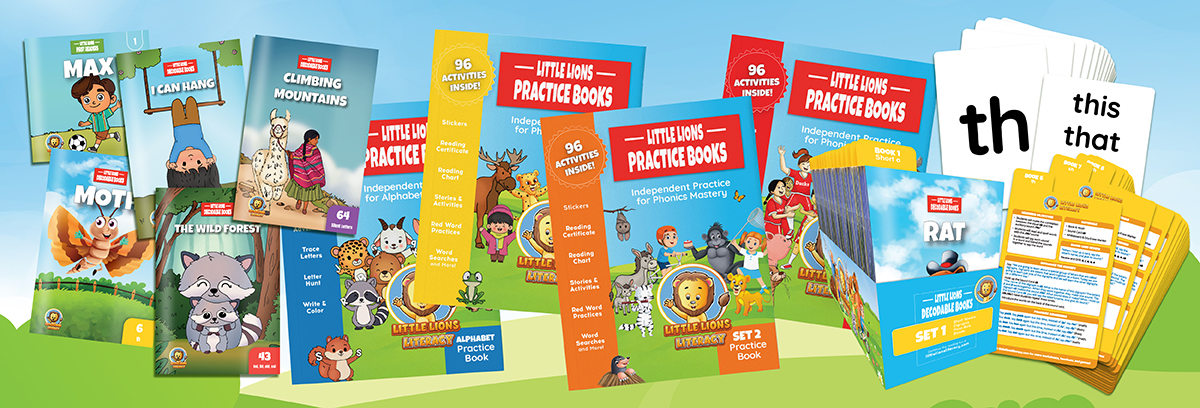
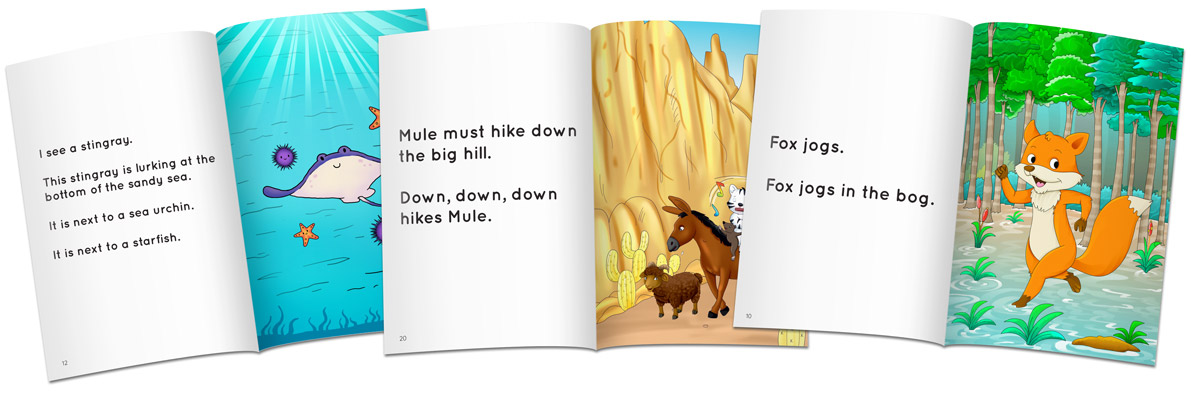
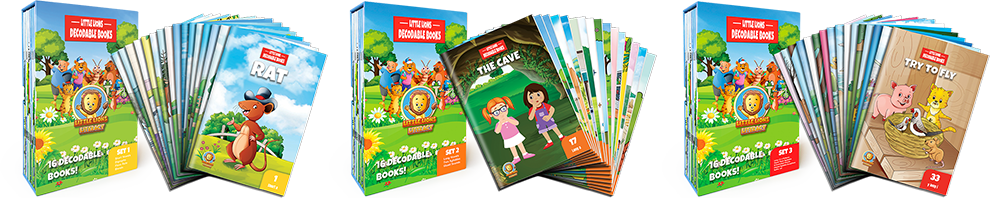
One of the most effective tools you can have at home is a set of decodable books. Think of these as a “learn to read” series on training wheels. Unlike many picture books, decodable books are carefully written using only the letter-sound patterns your child has already been taught. This intentional design allows them to practice their phonics skills and actually read on their own. When a child can successfully sound out the words on a page, it builds immense confidence. They start to see themselves as a reader, which is a powerful motivator to keep going.
While phonics provides the “how” of reading, sharing stories together provides the “why.” It’s essential to balance skill-building with the joy of getting lost in a good book. Make time for reading aloud to your child every day. Choose books with engaging plots and rich language, even if they are too advanced for your child to read independently. This exposes them to new vocabulary and complex sentence structures. Talk about the story, ask questions like, “What do you think will happen next?” and connect the characters’ experiences to your child’s own life. These shared moments nurture comprehension and a genuine love for reading.
You can reinforce phonics skills without ever sitting down for a formal lesson. The world is full of opportunities to learn. Use magnetic letters on the fridge to spell out simple words. As you drive, play “I Spy” with letter sounds instead of colors (“I spy something that starts with the /m/ sound”). Point out words on street signs, cereal boxes, and toy packaging. These fun literacy activities show your child that reading is a useful and relevant part of everyday life. The goal is to make learning feel like play, keeping the experience light, positive, and encouraging.
My child’s school uses a “balanced literacy” approach. Is that the same as phonics? That’s a great question, as the term can mean different things in different schools. A truly balanced approach should start with a strong, systematic phonics foundation as the primary way to teach reading. It then incorporates activities that build vocabulary and comprehension, like reading wonderful stories aloud. If you’re curious about your school’s method, you can ask how they teach phonics directly and what specific skills your child will learn and when.
So, should I avoid regular picture books that aren’t decodable? Absolutely not! Keep reading all the beautiful, engaging picture books your child loves. The key is to understand their different purposes. Decodable books are for your child to practice reading to you, using the phonics skills they are learning. Rich, classic picture books are for you to read to them, which builds their vocabulary, exposes them to complex story ideas, and shows them how magical reading can be.
How can I tell if my child is guessing words instead of decoding them? One of the clearest signs is when they substitute a word that makes sense but doesn’t match the letters on the page, for example, reading “car” when the word is “automobile.” You might also notice them relying heavily on pictures to figure out the text or looking to you for the word after only a brief glance. If this happens often, it’s a good signal they could use more practice sounding out words from left to right.
Is it possible to focus too much on phonics and take the fun out of reading? Yes, that’s definitely a risk if the practice feels like a constant drill. The goal of phonics is to give your child the skills to become an independent reader, which is incredibly empowering. To keep it fun, treat phonics practice as a quick, positive part of your day, and always balance it with the joy of sharing stories. Celebrate their effort, not just their perfection, and remind them that learning these skills is what will allow them to read all the fun books they want on their own.
What is the single most important thing I can do to support my beginning reader at home? Create a warm and encouraging reading environment. This involves two main things: giving them opportunities to practice with books they can succeed with, like decodable readers, and continuing to read aloud to them every single day. The practice builds their skill and confidence, while your read-alouds build their love for stories. Combining these two activities sends a powerful message that reading is both an achievable skill and a wonderful experience.