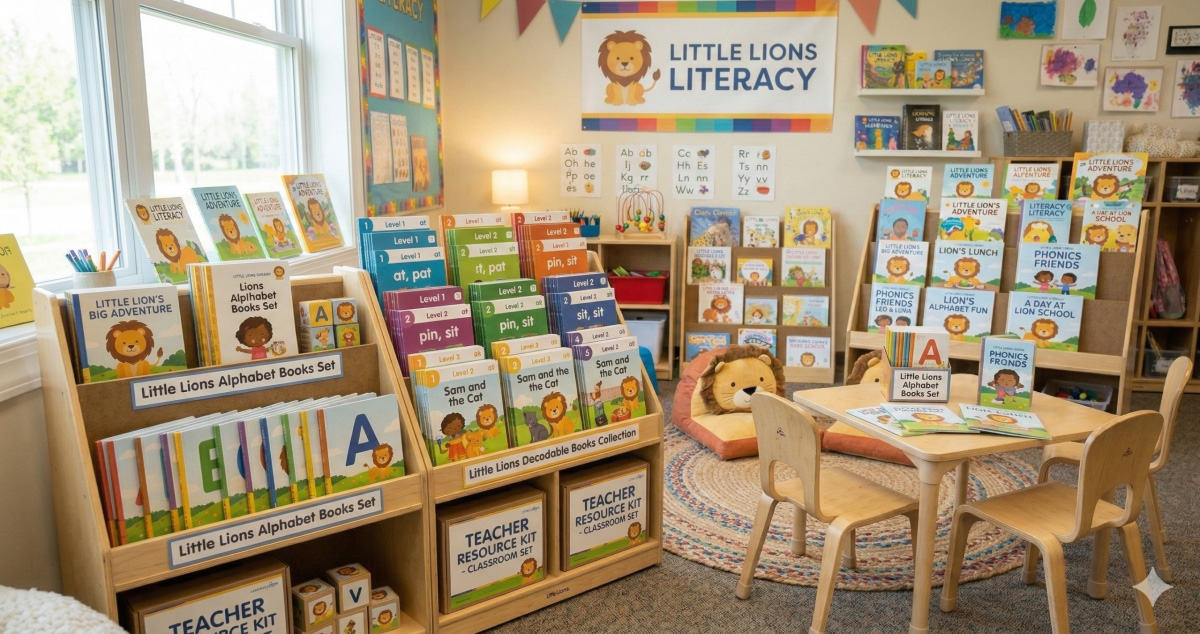
We now understand more than ever about how a child’s brain learns to read. It isn’t a natural process like learning to speak; it’s a skill that needs to be taught explicitly. The science is clear: children need to learn how letters and sounds connect to become strong readers. This is the core principle of phonics. Phonics readers are the practical, kid-friendly application of this science. Instead of encouraging memorization, these books empower children to become word detectives, giving them the tools to sound out words they’ve never seen before. We’ll explore why phonics readers for kindergarten are so essential for building this foundation and how they set your child up for a lifetime of reading success.
If you’ve ever watched your kindergartener try to sound out words, you know that learning to read is a huge milestone. Phonics readers, also known as decodable books, are specifically designed to support this exact stage of their journey. Unlike a regular storybook you might pick off the shelf, these books only use words made up of the letter sounds your child has already learned. This means no more guessing or getting stuck on tricky words they haven’t been taught yet.
Phonics instruction is a way of teaching that focuses on the relationship between sounds and their corresponding letters. Phonics readers put this method into practice. As your child learns new letter sounds, they get a new set of books with stories they can actually read. This systematic approach turns the overwhelming task of learning to read into a series of manageable, exciting steps. It gives your child the tools to decode words on their own, building a solid foundation for a lifetime of reading.
The science of reading shows that mastering phonics is essential for a child to become a successful reader. Instead of encouraging kids to memorize whole words or guess from pictures, phonics teaches them how to crack the code of written language. This method builds a child’s skills one small step at a time, so their confidence stays high. By learning to connect sounds to letters, children can sound out unfamiliar words. This decoding skill doesn’t just help them read the words on the page; it also improves their comprehension and fluency, which are key parts of becoming a strong reader.
One of the best things about phonics readers is the incredible sense of accomplishment they give to young children. Because these books are carefully designed to match what a child has learned, they can often read an entire story by themselves. Imagine the pride on your little one’s face when they finish a book from cover to cover for the first time. This feeling is powerful. This gradual introduction to reading helps children feel successful, which prevents frustration and nurtures a genuine love for books. Each story they complete is a small victory that builds their confidence and makes them excited to pick up the next one in their decodable book set.
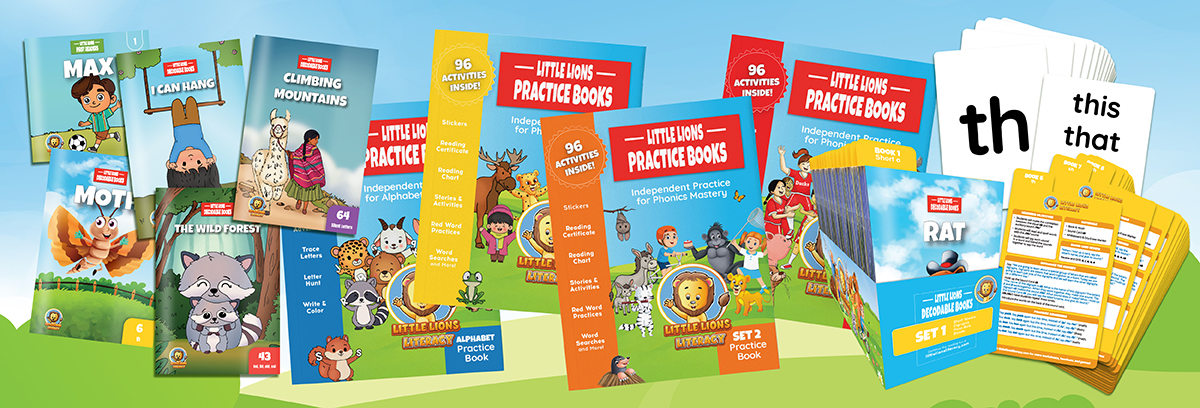
Walk into any children’s library, and you’ll find shelves packed with beautiful storybooks. But when your child is just starting their reading journey, not all books are created equal. While classic picture books are perfect for read-alouds, phonics readers serve a very specific purpose: they are designed to teach your child how to read independently. They provide the support and structure a new reader needs to build skills and confidence, one word at a time. Let’s look at what makes them so different from the other books on your child’s shelf.
The biggest difference is how a child approaches an unfamiliar word. Phonics instruction emphasizes decoding words, which means children learn to sound them out rather than guessing from pictures. Phonics readers are filled with “decodable” text, using letter-sound patterns your child has already been taught. This gives them a reliable strategy for reading. Regular storybooks often use a wide range of vocabulary and complex sentences. This can encourage early readers to guess from illustrations, a habit that can hinder their long-term reading development.
Phonics readers follow a clear, logical progression. A good phonics program teaches reading in a step-by-step way, building skills from simple sounds to reading whole stories. Your child will first learn a few letter sounds and then read books containing only those sounds. As they master more complex phonics rules, those new patterns are gradually introduced. This structured literacy approach ensures your child is never asked to read a word they don’t have the tools to figure out. It turns learning to read into a series of manageable, confidence-building wins.
Learning to read isn’t about memorizing words; it’s about understanding a system. Phonics instruction builds a foundation where each skill supports the next, leading to greater reading fluency and comprehension. Each phonics reader reinforces what your child already knows and prepares them for the next level. This cumulative process helps solidify their skills, allowing them to read more smoothly and accurately. When a child can decode words with ease, their brain is free to focus on what the story actually means, which is the ultimate goal of reading.
Walking into a bookstore or searching online for phonics readers can feel overwhelming. With so many options, how do you know which ones will actually work for your child? The good news is that the best
Think of learning to read like climbing a staircase. You wouldn’t ask your child to jump straight to the top, right? The best phonics programs teach reading in the same way, with a clear, step-by-step progression. They introduce a few letter sounds at a time, let your child master them with simple words, and then gradually build from there. This systematic approach ensures there are no gaps in their learning. A well-designed scope and sequence is the foundation of a strong phonics program, helping your child feel successful and motivated as they move from one skill to the next without feeling overwhelmed.
Once a child can sound out a few words, they need stories that make them want to read. Look for books with fun, simple plots and characters they can connect with. While the primary goal is decoding practice, the stories shouldn’t be an afterthought. A silly story about a cat on a mat is much more engaging than a random list of “-at” words. The words should be mostly decodable based on the skills they’ve already learned, which prevents frustration and encourages them to rely on their phonics knowledge. When kids enjoy the stories, reading practice stops feeling like a task and starts feeling like an adventure.
In a regular storybook, kids often use pictures to guess the words. But with phonics readers, the goal is different. We want them to look at the letters and sound out the words. Because of this, the illustrations in a good decodable book should support the story without giving away the text. They provide context and make the book more engaging, but they don’t allow for easy guessing. This encourages your child to use their new decoding skills. It’s a subtle but important difference that separates effective decodable readers from other types of early reader books.
You don’t have to be a reading teacher to help your child learn to read, especially when a phonics program comes with support for you, too. Many great phonics sets include a parent or teacher guide. These guides are gold. They can offer tips on how to introduce new sounds, suggest simple activities to reinforce learning, and explain the “why” behind the method. This takes the guesswork out of the process and empowers you to be your child’s best reading coach. Having a little guidance can make the entire journey feel more manageable and ensure you and your child are getting the most out of every story.

When you start looking at phonics programs, you’ll quickly realize they aren’t all the same. A truly effective program does more than just teach letter sounds; it builds a complete system that guides your child toward becoming a confident, independent reader. The best programs are thoughtfully designed with the child’s experience at the center of everything. They combine structured learning with the joy of storytelling, making the process feel less like a lesson and more like an adventure.
So, what are the key ingredients? A great phonics program is built on a few core principles that work together to support young readers. It provides the right tools at the right time, ensures the material is fun and motivating, and gives parents and teachers the resources they need to help along the way. Let’s look at the essential elements you should look for.
The heart of a strong phonics program is its use of decodable books. These books are special because they are written using only the letter-sound patterns your child has already learned. This means every word is an opportunity for them to succeed. Instead of guessing from pictures or context, they can apply their growing skills to sound out the words on the page. Decodable books are essential for early readers because they build confidence and fluency, turning practice into a series of rewarding wins that encourage your child to keep going.
Learning to read is a lot like building with blocks. You have to start with a solid base and add new pieces one at a time. A great phonics program follows a clear, sequential approach, introducing letter sounds and phonics rules in a logical order. It starts with the basics and gradually introduces more complex concepts, making sure your child masters each skill before moving on. This systematic progression prevents kids from feeling overwhelmed and ensures they build a sturdy foundation for all their future reading. It takes the guesswork out of the process for both you and your child.
Let’s be honest: practice is a lot easier when it’s fun. The best phonics programs understand this and use stories with relatable characters and engaging plots to capture a child’s imagination. When a child connects with the characters and is curious about what happens next, reading practice stops feeling like a chore. They become motivated to sound out the words because they genuinely want to know what’s on the next page. This emotional connection is a powerful tool that makes learning feel effortless and helps foster a lifelong love of reading.
You are your child’s most important teacher, and a great phonics program will support you in that role. Look for programs that include helpful resources like parent guides, activity suggestions, or tips for reinforcing skills at home. These tools can make a world of difference, giving you the confidence to support your child’s learning journey effectively. By engaging parents and providing clear guidance, a program empowers you to become an active and successful partner in teaching your child to read. It ensures you’re never left wondering what to do next.

Choosing the right phonics readers can feel like a big decision, and it’s completely normal to hit a few bumps along the way. You might wonder if the books are too easy or too hard, or you might not even be sure where to begin. Many parents and teachers face the same questions. The good news is that these hurdles are easy to clear once you know what to look for.
The key is to find a reading program that meets your child right where they are. Instead of trying to fit your child into a rigid system, you can find resources that adapt to their unique needs and personality. Whether you’re worried about your child’s learning pace, feeling lost about the first steps, or just trying to keep reading from feeling like a chore, there’s a clear path forward. Let’s walk through some of the most common challenges and talk about simple, effective ways to handle them.
Every child learns on their own timeline, and what works for one might not work for another. It’s easy to feel pressured by a “one size fits all” approach, but that can lead to frustration for both you and your little reader. If a book series moves too quickly, your child can feel overwhelmed. If it moves too slowly, they can get bored.
The solution is to find a phonics program that progresses in small, manageable steps. Look for book sets that build skills sequentially, ensuring your child masters one concept before moving to the next. This allows them to build confidence with each book they finish. A great program respects a child’s individual pace and celebrates every small win, making the journey feel successful and encouraging.
If you’re new to phonics, the terminology and different methods can feel like a whole new language. Where do you even start? It’s a common feeling, but you don’t need a degree in education to help your child learn to read. The most important first step is focusing on the foundational skills that come before reading letters.
Before a child can connect letters to sounds (phonics), they need to be able to hear and identify those sounds in spoken words. This is called phonemic awareness, and it’s the true starting block for reading. Look for a program that includes activities for this skill, like rhyming games or sound identification. A well-designed set of readers will guide you and your child through the process, so you can feel confident you’re starting in the right place.
Reading starts with the ears, not the eyes. A child’s ability to listen carefully and distinguish between different sounds is a huge predictor of their future reading success. Sometimes, a child’s reading challenges stem from underdeveloped listening skills or even small vocabulary gaps. If they can’t hear the difference between the first sound in “pat” and “bat,” connecting those sounds to letters will be tricky.
To clear this hurdle, make listening a fun part of your day. Read rhyming books aloud, sing songs, and play “I Spy” with sounds instead of colors (“I spy something that starts with the /k/ sound”). Choose phonics readers that emphasize sounds with clear, simple words. By strengthening their listening skills first, you’re building a solid foundation for all the letter-learning to come.
Let’s be honest: if learning feels like a chore, your child is going to resist it. There’s a common misconception that phonics has to be dry and repetitive, but that couldn’t be further from the truth. The best phonics programs know that engagement is everything. After all, the goal is to create a lifelong love of reading, not just to check a box.
Look for phonics readers with engaging stories, lovable characters, and fun illustrations that support the text. When a child is excited to find out what happens next in a story, they’re more motivated to sound out the words. You can also supplement reading time with interactive activities, like building words with magnetic letters or going on a “letter hunt” around the house. When learning is joyful, it sticks.
Every child learns a little differently, and what works for one might not click for another. When you match phonics practice to your child’s natural learning style, you can make the process smoother and a lot more fun. Think about how your child likes to play and explore the world. Do they love drawing and looking at pictures? Are they always singing or telling stories? Or are they constantly on the move, needing to touch and build things?
Recognizing these tendencies can help you choose activities and phonics readers that resonate with them. By leaning into their strengths, you’re not just teaching them to read; you’re showing them that learning can be tailored just for them. Let’s look at how you can support visual, auditory, and kinesthetic learners on their reading journey.
If your child is a visual learner, they absorb information best when they can see it. They are often drawn to bright colors, illustrations, and charts. For these kids, decodable books with clear, supportive pictures are a game-changer. The illustrations should help them connect the words they’re sounding out with their meanings, but not be so distracting that they encourage guessing. You can also make reading practice more visual by using flashcards with letters and sounds or turning it into a game. Try a sound scavenger hunt where they have to find objects around the house that start with a certain letter sound.
Auditory learners tune in with their ears. They thrive on hearing information, listening to stories, and picking up on sounds and rhythms. If this sounds like your child, bring music and rhyme into your reading routine. Singing the alphabet song or chanting nursery rhymes helps them hear the patterns and sounds within words, which is a key part of phonics. When you read together, emphasize the different sounds in each word. You can make it silly by stretching out the sounds (like “ssssss-aaaaa-t”). This approach helps make the process of learning to read feel more like play and less like a lesson.
Kinesthetic learners, or tactile learners, learn by doing. They need to move their bodies and engage their sense of touch to really grasp a concept. Sitting still with a book might be a challenge, so find ways to make reading a hands-on activity. Have them point to each word as they read it aloud. Use magnetic letters on the fridge to build words or write letters in a tray of sand or shaving cream. Simple family activities like playing word games, drawing pictures about the story, or acting out scenes can also help them connect with the material in a way that feels natural and exciting.

When you’re helping your child learn to read, it feels like there’s a mountain of advice out there, and not all of it is helpful. Phonics is a powerful, research-backed method for teaching reading, but it’s surrounded by a lot of confusion. Let’s clear the air and debunk a few common myths so you can feel confident you’re on the right track.
When people hear “phonics,” they sometimes picture endless, repetitive drills with flashcards. While that might have been the old way, modern phonics instruction is anything but boring. The best phonics programs are designed to be playful and interactive. Think of it less like a chore and more like a game. You can use songs, hands-on activities, and fun stories to teach letter sounds and blending. Great decodable books, like the ones we create at Little Lions Literacy, use engaging characters and simple plots to make practicing these new skills feel like an adventure, not a lesson. The goal is to spark joy and curiosity, showing kids that reading is fun from the very first word.
This is a big one, but it’s simply not true. Phonics isn’t just a tool for kids who are having trouble reading; it’s a foundational skill that benefits every single child. Waiting until a child struggles is like waiting for a house to have a leaky roof before building a solid foundation. A systematic phonics approach gives all children the tools they need to understand how words work. This builds a strong base for future reading, helping them decode unfamiliar words with confidence and ease. It’s a proactive way to set your child up for a lifetime of successful reading, right from the start.
Many of us grew up memorizing long lists of “sight words.” The idea was that some words just had to be learned by heart. While there are some truly irregular words in English, a strong phonics education drastically reduces the number of words a child needs to memorize. Phonics teaches children to analyze words and sound them out, which is a much more powerful skill than memorizing shapes. Many so-called sight words are actually decodable once a child learns the right phonics rules. By focusing on decoding, you empower your child to become an independent problem-solver who can tackle new words they’ve never seen before.
Let’s talk about the cost. Investing in your child’s reading journey is one of the most important things you can do, and thankfully, you don’t have to break the bank to get high-quality phonics readers. The price can vary quite a bit, depending on whether you buy single books or a complete set. A full program might seem like a bigger upfront cost, but it often provides the best value and, more importantly, the most effective learning path for your child.
Think of it as an investment in a foundational skill. A strong start in reading builds confidence that extends into every other area of learning. The good news is that there are plenty of ways to find the right resources for your budget. From looking for sales to knowing where to find educator discounts, you can make a smart choice that supports your little reader without straining your wallet. We’ll walk through what to expect and how to find the best deals.
You might see individual phonics books for sale, and it can be tempting to pick one up here and there. While this seems like a low-cost option, it can be a bit like buying random puzzle pieces. A single book doesn’t give your child the structured practice they need to truly master phonics skills. The real power of decodable readers comes from their sequential nature, where each book builds on the last. Buying one-off books can create gaps in their learning and may not follow a clear progression. For just a bit more, you can often get a small box set that provides a more connected and effective reading experience.
This is where you’ll see the biggest impact on your child’s reading skills. Investing in a full set of decodable books means you’re getting a complete, structured program designed to take your child from one skill to the next seamlessly. Companies often sell these as decodable libraries, which provide a clear path for your child to follow. Instead of guessing which book to read next, you can feel confident that each story is reinforcing what they’ve already learned and gently introducing new concepts. This systematic approach is what makes phonics so effective, as it builds a solid foundation for reading fluency and prevents frustration.
Finding great phonics resources on a budget is entirely possible with a little planning. A great first step is to sign up for email newsletters from companies you’re interested in, as they’ll often announce sales and send exclusive discount codes directly to your inbox. Keep an eye out for promotions around major holidays and the back-to-school season, as this is a popular time for deals. Many brands, like Hooked on Phonics, frequently have sales on their products. Buying larger bundles or complete sets instead of smaller packs can also offer a lower price per book, giving you more value for your money.
If you’re an educator or buying for a school, don’t hesitate to reach out to companies directly. Many offer special pricing for schools and can provide custom quotes for bulk orders, which can lead to significant savings. Some even have dedicated representatives to help schools use specific funding, like CLSD funds, for their purchases. For parents, the best deals are often found right on the publisher’s website, where they might offer bundles you can’t find anywhere else. It’s always worth checking their site directly before buying from a third-party retailer. A quick email to customer service to ask about any available educator or homeschool discounts can also uncover savings you might have missed.
When you’re trying to find the right phonics readers, reviews from other parents and teachers are like gold. They give you a real-world look at how a program works for actual kids. But scrolling through comments can be overwhelming. Instead of just looking at star ratings, focus on what people are saying about the child’s experience and the program’s structure. Here’s how to read between the lines and find the feedback that truly matters.
Parents are on the front lines, so their reviews often highlight two key things: engagement and confidence. Let’s be honest, a common worry is that phonics instruction can feel a bit dry. Look for reviews that mention how the books made learning fun. While repetition is necessary for mastering phonics, the best lessons are engaging and dynamic. Parents will often share if their child was excited to read the next book in a series.
Pay close attention to comments about a child’s confidence. The best phonics readers are designed to build skills one small step at a time, so kids feel successful instead of frustrated. When a parent says, “My child finally feels like a reader,” that’s a huge indicator that the program is paced correctly and providing those important early wins.
Educators have a different but equally valuable perspective. They’ve seen dozens of students with different learning needs, so they know what works for a wide range of kids. Teachers tend to favor resources that aren’t a “one-size-fits-all” solution. Look for reviews from teachers that mention how a set of readers can be adapted for different skill levels or used in small groups.
Teachers also understand that phonics is just one piece of the literacy puzzle. The Science of Reading is a broad field, and a good phonics program should fit within a balanced approach to reading. When a teacher review mentions how well the books complement their other classroom activities, it’s a sign that the resource is well-rounded and thoughtfully designed.
The ultimate goal of phonics readers is to create independent readers who can tackle any book they want. Look for reviews that speak to this long-term success. Does the program teach reading in a clear, step-by-step way, moving from simple sounds to whole stories? Parents and teachers will often comment on how a program’s structure helped a child connect the dots.
Also, see if reviewers mention how the books empowered them to help their child. Great programs often include tips for parents, making it easier to support phonics instruction at home. When a parent shares that they learned how to help their child break down bigger words, it shows the program is building a foundation for the whole family, creating a supportive environment for a lifetime of reading.
You’ve chosen the phonics readers, and now you’re ready to dive in. Your role at home is less about being a formal teacher and more about being a supportive guide and cheerleader. Creating a positive, encouraging space for your child to practice their new skills is one of the most important things you can do. By building a simple routine, making it fun, and paying attention to their progress, you can help solidify the phonics foundation they need to become confident readers.
Consistency is your best friend when it comes to reading. A simple, predictable routine helps your child feel secure and makes reading a natural part of their day. This doesn’t need to be a long, drawn-out session. Just 10 to 15 minutes of focused time together can make a huge difference. Find a cozy spot and let your child read their decodable book to you. As you listen, you can gently support their phonics practice by helping them sort words by their sounds or break bigger words into smaller, manageable chunks. The goal is connection and encouragement, not a test.
Who said learning to read can’t be all fun and games? Turning phonics practice into playtime is a fantastic way to keep your child engaged without them even realizing they’re learning. You can go on a sound scavenger hunt around the house (“Find something that starts with the /s/ sound!”) or play “I Spy” with letter sounds in the car. Many classic activities like singing songs, telling stories, and even drawing together can foster early literacy skills. When learning feels like a game, children are more motivated to participate and build the skills they need to succeed.
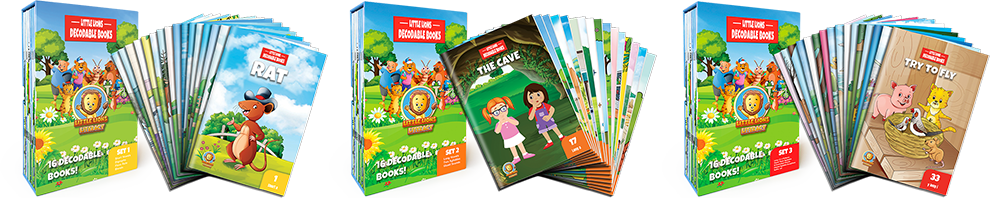
Every child learns at their own pace, so a “one-size-fits-all” approach rarely works. Pay attention to how your child interacts with their current readers. Are they decoding words with ease and reading smoothly? If so, they might be ready for the next set of books. If they’re still struggling or getting frustrated, it’s perfectly fine to spend more time reinforcing their current skills. A great phonics program will have a clear progression. Our Little Lions Literacy book sets are designed to build skills sequentially, so you’ll always know exactly what comes next in your child’s reading journey.
What’s the difference between a phonics reader and a “leveled reader” my child brings home from school? That’s a great question, as they can look similar. The main difference is their purpose. Phonics readers, or decodable books, are built around specific letter sounds your child has learned, giving them a chance to practice sounding out words. Leveled readers, on the other hand, are often organized by sentence length and word repetition, and they can sometimes encourage guessing from pictures. Phonics readers teach a reliable strategy for tackling new words, while leveled readers focus more on overall text patterns.
My child knows all their letters. Can’t we just skip phonics books and move on to regular storybooks? Knowing the names of the letters is a fantastic first step, but it’s different from knowing the sounds each letter makes and how to blend those sounds together to form a word. Phonics readers are designed to bridge that exact gap. They provide the crucial practice of taking individual sounds, like /c/, /a/, and /t/, and smoothly blending them to read “cat.” This decoding skill is the foundation that allows them to eventually read any book they choose.
How long will my child need to use phonics readers? Think of phonics readers as training wheels for reading. They provide essential support while your child is building the skills and confidence they need to ride on their own. They’ll use them until they have a solid grasp of the phonics code and can decode words automatically without having to sound out every single letter. Once they can read with more fluency and ease, they will naturally transition to reading a wider variety of books for pleasure.
What should I do if my child gets frustrated and doesn’t want to practice reading? First, know that this is completely normal. The best thing you can do is keep the experience positive and low-pressure. If they’re getting frustrated, it might be a sign that the book is a little too challenging or they’re just tired. Try shortening your reading time to just five or ten minutes. You can also go back to an earlier book in the series that you know they can read easily. A quick win can do wonders for their confidence and motivation.
If we’re using phonics readers, should I stop reading regular picture books to my child? Absolutely not! Please keep reading those wonderful, rich storybooks together. The two types of books serve different, equally important purposes. Phonics readers are for your child to practice the skill of reading to you. Regular storybooks are for you to read to them to build their vocabulary, expose them to complex stories, and nurture their love for books. Doing both creates a well-rounded and joyful reading life.