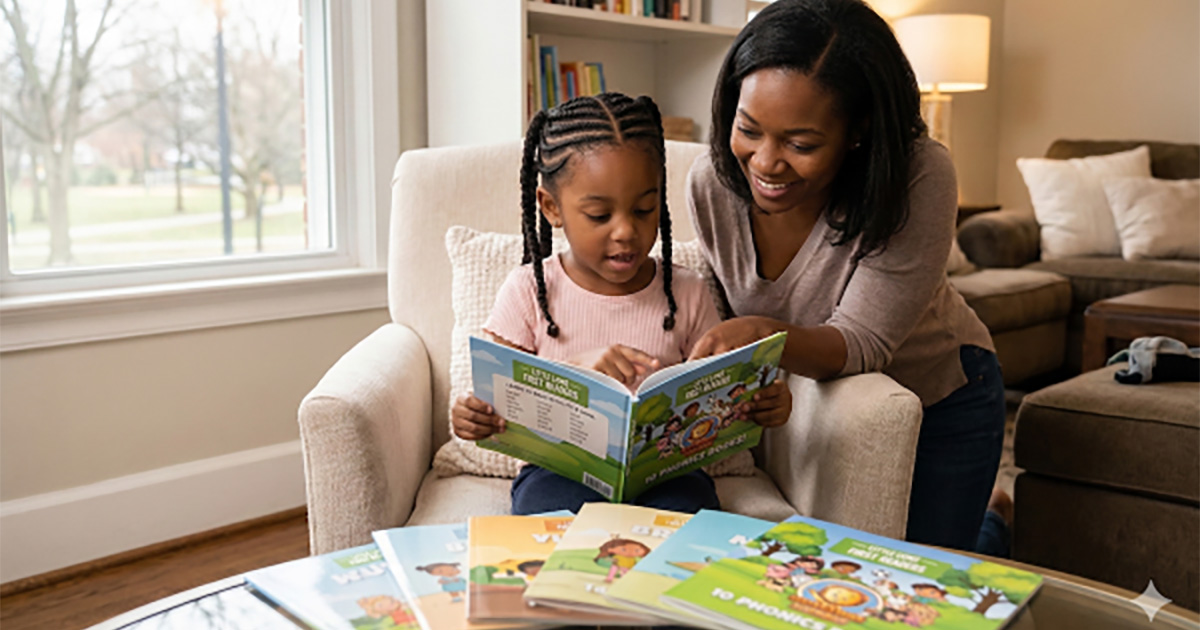
One of the greatest gifts of homeschooling is the ability to tailor your child’s education to their unique personality. This is never more important than when you’re teaching them to read. A program that works wonders for a quiet, visual learner might not click with a child who needs to move and learn with their hands. Instead of searching for a one-size-fits-all solution, the goal is to find a program that honors how your child is wired. This article will help you become an expert observer of your own child, so you can confidently select a phonics curriculum for homeschool that matches their learning style, builds on their strengths, and makes them feel successful from the very first lesson.
Choosing a phonics curriculum can feel like a huge decision—and it is! You’re laying the foundation for your child’s entire reading journey. But don’t let the pressure get to you. The best program is one that fits your child’s learning style and your teaching style. A great curriculum will provide a clear, step-by-step path, making it easy for you to teach and fun for your child to learn. It moves beyond just memorizing letters and sounds, showing your child how to put those pieces together to read and write words confidently. Let’s look at the key components that make a phonics program truly effective.
When you’re comparing programs, look for a few key features. A solid curriculum should be systematic and sequential, meaning it teaches skills in a logical order, with each lesson building on the last. It should also be comprehensive, covering everything from letter sounds to blending, decoding, and sight words. Look for programs from established companies with positive reviews and clear websites that explain their methods. One of the most important features is a simple way to check your child’s progress. This helps you see where they’re excelling and where they might need a little extra practice, so you can adapt your lessons as you go.
Most effective phonics programs use a structured and explicit approach. This means they don’t leave anything to chance; skills are taught directly and clearly. Many of the best programs are based on the Orton-Gillingham approach, which was originally designed for students with dyslexia but is beneficial for all learners. This method breaks reading and spelling down into small, manageable parts and teaches them in a logical sequence. While strong phonics instruction is the backbone of learning to read, remember it’s one part of a bigger picture. The goal is to create a confident reader who also understands and enjoys what they’re reading.
Have you ever noticed how kids learn best when they can use their hands? That’s the idea behind multisensory learning. This approach uses sight, sound, and touch to help children make stronger connections and remember what they’ve learned. For reading, this could look like tracing letters in sand, using magnetic tiles to build words, or clapping out syllables. This hands-on method is especially helpful for young children and those who might find reading challenging. When you combine a multisensory learning style with a clear, step-by-step curriculum, you create a powerful learning experience that makes abstract concepts like letter sounds feel concrete and understandable.
Choosing a phonics curriculum can feel overwhelming, but the best program is simply the one that works for your child and your family. After years of working with early readers, I’ve seen that there’s no single “right” answer. Some children thrive with structured, multisensory lessons, while others prefer game-based digital apps. To help you find the perfect fit, I’ve gathered my top picks for homeschool phonics programs. Each one offers a unique approach to building a strong foundation for reading, catering to different learning preferences, teaching styles, and budgets.
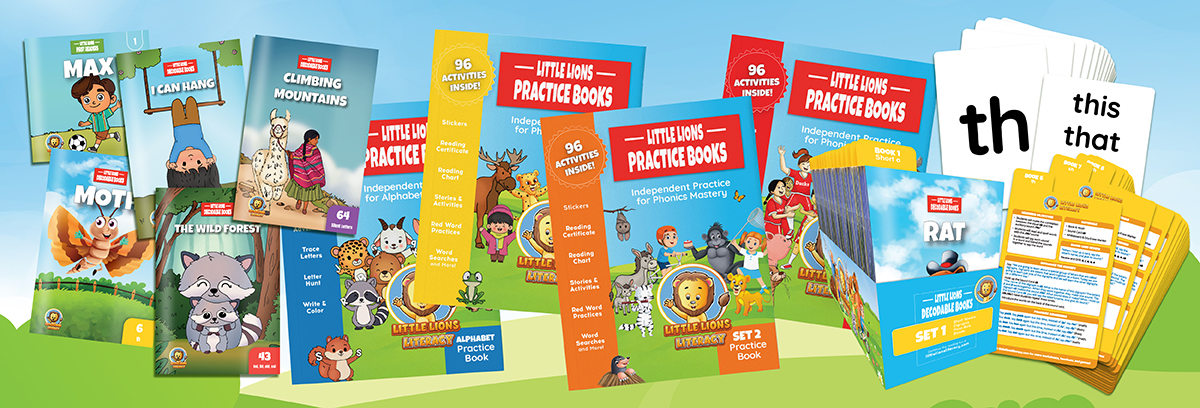
While not a full curriculum, the Little Lions Literacy decodable book sets are an essential resource for any phonics-based approach. These books are carefully designed to grow with your child, introducing new phonetic concepts in a logical sequence. As your child learns specific letter sounds and patterns, they can immediately practice their new skills with engaging stories. This direct application is a huge confidence builder. It transforms reading practice from a chore into a rewarding experience, showing kids that they can read. These books are the perfect supplement to a structured curriculum, providing the real-world practice needed to achieve fluency.
If you’re looking for a comprehensive, hands-on program, All About Reading is a fantastic choice. Based on the Orton-Gillingham approach, it’s especially effective for children who benefit from multisensory learning, including struggling readers. The lessons are scripted, so you don’t need any special training to teach them effectively. Each lesson involves physical letter tiles, fun activities, and beautifully illustrated readers that your child will genuinely enjoy. While it’s one of the more expensive options, its step-by-step, mastery-based system ensures there are no gaps in your child’s learning, making it a worthwhile investment for many families.
Hooked on Phonics has been a household name for decades, and for good reason. It excels at making learning to read feel like a game. The program uses a brilliant combination of short digital lessons, workbooks, and their own decodable readers to keep kids engaged. This is an excellent option for children who work well independently or for busy parents who need a more open-and-go solution. The app is particularly well-designed, with catchy songs and interactive activities that effectively reinforce phonics concepts. If your child is motivated by screen time, Hooked on Phonics can be a powerful tool for building their reading skills.
For the child who always asks “why,” Logic of English provides the answers. This curriculum dives deep into the rules and phonograms that govern English spelling and reading. It’s an incredibly thorough and systematic program that integrates phonics, reading, spelling, and grammar into cohesive lessons. By explaining the logic behind the language, it empowers children to decode even complex words with confidence. Logic of English offers different starting points based on your child’s age and ability, making it a versatile choice that can grow with your student. It’s a robust curriculum perfect for families who want a complete language arts solution.
Explode the Code is a classic for a reason. These affordable workbooks are the perfect supplement to any phonics curriculum or as a standalone practice tool. The series is known for its simple, predictable format and charming illustrations. Each book focuses on a specific set of phonics skills, with plenty of exercises for reinforcement, from word matching to sentence completion. Kids often love the sense of accomplishment they get from finishing a page or an entire workbook. Because the instructions are clear and consistent, many children can work through the exercises independently, building both their skills and their confidence.
If you’re looking for a faith-based curriculum with a gentle approach, Foundations Phonics from Master Books is a wonderful option. This program is designed to be easy to implement, with short, engaging lessons that take just a few minutes each day. It uses a Charlotte Mason-inspired style, incorporating rhymes, hands-on activities, and simple worksheets to teach letter sounds in a fun, stress-free way. The curriculum is straightforward and affordable, making it accessible for many families. It’s a great choice for introducing phonics to younger learners (preschool and kindergarten) and for parents who want a curriculum that is both effective and easy to use.
One of the biggest advantages of homeschooling is the ability to tailor your child’s education to their unique needs. Every child learns differently, and what works for one might not click for another. Understanding your child’s primary learning style can help you choose a phonics program that feels less like a chore and more like play. When a curriculum aligns with how your child naturally processes information, you’ll see more confidence, better retention, and a lot less frustration for both of you. Trying to fit a hands-on kid into a worksheet-heavy program, or asking a visual learner to rely only on auditory cues, can lead to unnecessary struggles. It’s not about finding the “best” curriculum in a vacuum; it’s about finding the best fit for your child. This personalized approach is where the magic of homeschooling really shines, turning potential roadblocks into opportunities for growth. By observing how your child interacts with the world, you can gather clues about what will make learning stick. Let’s look at how different programs cater to visual, auditory, and kinesthetic learners, as well as children who need a more structured approach.
Does your child love picture books, remember faces easily, and enjoy drawing? You might have a visual learner on your hands. These kids learn best when they can see what they’re learning. Phonics programs that use colorful illustrations, letter tiles, and visual aids are perfect for them. A curriculum like All About Reading is a fantastic choice because it uses engaging visuals to help children build a strong connection between letters, their sounds, and the words they form. For a visual learner, seeing the letter ‘a’ next to a picture of an apple makes the abstract concept of phonics much more concrete and memorable.
If your child is a little chatterbox who loves singing songs, listening to stories, and can easily repeat things they’ve heard, they are likely an auditory learner. These children thrive when they can hear information. The best phonics programs for them will include components like songs, chants, rhymes, and plenty of read-aloud opportunities. Logic of English, for example, excels here by incorporating auditory elements that help children hear the patterns and rules of the English language. For these kids, hearing the rhythm and sound of phonics rules makes them stick in a way that simply seeing them on a page won’t.
Kinesthetic learners are the movers and shakers. These are the kids who need to do something to truly understand it. They learn best through touch, movement, and hands-on activities. If your child has trouble sitting still and would rather build with blocks than look at a book, look for a program that gets them physically involved. Curricula like Explode the Code and All About Reading are great because they incorporate games, puzzles, and other interactive lessons. Activities like tracing letters in sand, using magnetic letters to build words, or playing a phonics board game allow them to engage their bodies and minds simultaneously.
For children with dyslexia or other learning differences, a specialized approach can make all the difference. Many of the most effective programs are based on the Orton-Gillingham approach, which is a structured, multisensory, and sequential method of teaching literacy. This approach explicitly teaches the connections between letters and sounds, leaving no room for guessing. Programs like All About Reading and Logic of English are designed with these principles in mind. They break down phonics into manageable steps and use sight, sound, and touch to reinforce learning, providing the direct, systematic instruction that helps these bright kids thrive.

Let’s talk about one of the biggest factors in any homeschool decision: the budget. The cost of a phonics curriculum can range from completely free to several hundred dollars for a comprehensive, multi-level system. The price tag often depends on what’s included. A simple workbook will cost less than a full kit with a teacher’s manual, student books, flashcards, and hands-on learning tools.
It’s helpful to think about the cost not just as a one-time purchase but as an investment in your child’s reading journey. A higher upfront cost might feel like a lot, but if the program includes reusable components that you can use with younger siblings, it could save you money in the long run. On the other hand, you don’t need to spend a fortune to teach your child to read effectively. There are fantastic, affordable options that get the job done beautifully. The key is to find the right balance between your budget and the features that will best support your child’s learning style.
You can absolutely build a strong phonics foundation on a small budget. Many effective, low-cost programs and resources are available if you know where to look. Some options, like Progressive Phonics, are available for free online. A classic, highly-recommended book like Teach Your Child to Read in 100 Easy Lessons costs less than a pizza dinner and provides a complete, scripted program. Don’t forget your local library, which is a treasure trove of free reading materials. A great homeschool phonics curriculum guide can help you find even more free and affordable resources to get started without a big financial commitment.
In this price range, you’ll find a great balance of structure and affordability. This is where you start seeing the entry-level kits for some of the more comprehensive programs or complete systems that are a bit more streamlined. For example, you can often purchase the first level of a program like All About Reading for around this price. You’ll also find popular choices like the beloved Bob Books sets, which are fantastic for building confidence in the earliest stages of reading. These mid-range options are perfect for families who want a bit more guidance and ready-made materials without investing in a large, all-inclusive system right away.
If you’re looking for an open-and-go solution with all the bells and whistles, a comprehensive system is likely your best fit. These programs are thorough, structured, and often include everything you need to teach phonics for an entire year or level. A program like All About Reading falls into this category, with individual levels costing between $95 and $170. While the initial cost is higher, these kits are packed with value, including teacher’s manuals, readers, activity books, and hands-on components like letter tiles. The high-quality, reusable materials make them a smart investment for families planning to homeschool multiple children over the years.
Getting the right curriculum doesn’t have to drain your bank account. One of the best ways to save is by choosing a program with non-consumable materials that you can reuse with younger children. You only have to buy the student workbooks or activity sheets for each subsequent child. You can also look for used curricula online through homeschooling groups or resale websites—just be sure all the essential pieces are included. Another great strategy is to buy a very affordable, foundational program and supplement it with engaging resources like our Little Lions Literacy decodable books to make learning more fun and effective.
Choosing a curriculum can feel like a huge decision, and it helps to hear from other parents who have been in your shoes. Online reviews and homeschool forums are full of honest feedback—the good, the bad, and the surprising. While every family’s experience is unique, a few common themes pop up again and again when parents talk about teaching phonics at home. Understanding these can help you know what to look for and what potential bumps to expect along the way.
Across the board, parents rave about programs that are easy to use and simple to teach. You don’t need to be a phonics expert to give your child a great start, and the best curriculums are designed for you to open the book and go. Parents often share their relief in finding a program that doesn’t require hours of prep time. Even better is when their children genuinely love the lessons. When a curriculum uses games, stories, and engaging activities, kids see it as playtime, not work. This positive engagement is what turns a daily lesson into a cherished routine, helping children excel and build confidence right from the start.
One of the biggest myths parents encounter is that learning to read is a natural process that just happens on its own. In reality, reading is a complex skill that needs to be taught explicitly. This is why a structured phonics program is so important. Another common concern is that phonics lessons will be boring and repetitive. While repetition is definitely part of mastering phonics, it doesn’t have to be dull. A great program will build in variety with hands-on activities, fun songs, and interactive games. If you find your child getting restless, it might just mean it’s time to switch up the activity, not abandon the concept you’re working on.
Knowing if your child is actually absorbing the material is key. A good curriculum will have simple, built-in ways to check for understanding without making your child feel like they’re taking a test. This could be as simple as asking them to read a short list of words using the new phonics pattern or observing them as they read a decodable book. These informal check-ins help you see what they’ve mastered and what might need a little more practice. This allows you to adjust your lessons as you go, ensuring your child feels successful and confident before moving on to the next skill.
Picking a phonics curriculum can feel like a high-stakes decision. After all, you’re laying the foundation for your child’s entire reading journey. But it doesn’t have to be overwhelming. The best program isn’t the most popular or the most expensive—it’s the one that works for your child and for you. By thinking through your child’s needs, your own teaching preferences, and some common misconceptions, you can find a curriculum that sets your family up for success and makes learning to read a positive experience.
Before you even start looking at programs, take a moment to observe your child. Are they a visual learner who loves picture books and drawing? An auditory learner who remembers song lyrics after hearing them once? Or a kinesthetic learner who needs to move and build things with their hands? Understanding their natural learning preferences will help you find a curriculum that clicks. Next, get a baseline of their current reading ability. A good program will offer simple placement tests or assessments to help you start in the right place and track their progress, so you always know what skills to reinforce.
Your teaching style is just as important as your child’s learning style. Are you looking for a program with a scripted, open-and-go teacher’s manual that tells you exactly what to say and do? Or do you prefer a more flexible framework that allows for creativity? Most children benefit from direct, explicit instruction, so look for a curriculum with clear guidance. The right program should also fit your family’s rhythm. It needs a clear, sequential path but should also give you the freedom to slow down on tricky concepts or move ahead when your child is ready.
Let’s clear up a few common myths about phonics. First, learning to read is not a natural process that just happens on its own; it requires systematic instruction. Second, while phonics involves repetition, it doesn’t have to be boring. Great programs use games, stories, and hands-on activities to make practice fun. Finally, phonics isn’t just for struggling readers. It’s a foundational skill that gives all children the tools to decode unfamiliar words, which builds the confidence they need to become fluent, independent readers. A strong phonics foundation is essential for everyone.
Picking a curriculum is a fantastic first step, but the real magic happens in how you bring it to life at home. Think of your chosen program as a roadmap; you’re still the one driving the car. Creating a positive and consistent learning environment is just as important as the materials you use. It’s about setting a tone that makes your child feel supported and excited to learn, not pressured. This is where you, as the parent and teacher, have the biggest impact. Your enthusiasm and patience are contagious and can make all the difference in your child’s attitude toward reading.
Success isn’t about perfectly executing every lesson. It’s about showing up with patience, celebrating the small wins, and being flexible enough to adapt when things aren’t clicking. A little bit of structure, a dash of fun, and a whole lot of encouragement can transform phonics practice from a daily chore into a cherished routine. The goal is to build a foundation not just for reading, but for a lifelong love of learning. Remember that you know your child best—better than any curriculum developer. Trust your instincts to know when to push a little and when to pull back and just read a fun story together. Below are a few simple strategies to help you create a supportive framework for your family’s reading journey.
You don’t need a dedicated classroom to teach phonics effectively. A cozy corner of the living room or a special spot at the kitchen table works perfectly. The key is to make the space feel inviting and consistent. Keep your books, flashcards, and any other materials in a designated basket or shelf so you can get started quickly.
Try to pick a time of day when your child is most alert and receptive—maybe it’s right after breakfast or during a quiet afternoon hour. A predictable routine helps manage expectations, but remember to keep it flexible. The goal is to create a positive environment that feels encouraging and fun, not rigid. If your child is having an off day, a shorter session or a simple reading game is better than forcing a full lesson.
Even the most enthusiastic learner will have days when they feel stuck or unmotivated. If your child starts to find phonics repetitive, it’s a sign to mix things up. While repetition is essential for mastery, lessons can be made more dynamic by incorporating games and hands-on activities. Use magnetic letters on the fridge, write words with chalk outside, or play “I Spy” with letter sounds.
And if you’re starting with an older child who is struggling, don’t worry. It’s a common myth that phonics is only for little kids. Quality phonics instruction can help readers of all ages build confidence and skill. The key is to stay patient and celebrate their effort, not just their performance.
Tracking your child’s progress doesn’t require formal tests or quizzes. Simply pay attention during your lessons. Are they recognizing letter sounds more quickly? Are they starting to blend sounds together to read new words? These are the real signs of progress.
Most experts suggest that 30 to 60 minutes of phonics instruction per day is an effective timeframe, but let your child’s needs be your guide. If a particular concept is tricky, it’s okay to slow down and spend a few extra days on it. On the other hand, if they’re grasping things quickly, feel free to move ahead. The best curriculum is one that you can adapt to fit your child’s unique pace.
Your phonics curriculum is the foundation, but building a confident, happy reader involves more than just daily lessons. The right supplemental tools, a strong support system for you, and a joyful approach to reading can make all the difference. Think of your curriculum as the main course; these resources are the delicious sides that complete the meal. They help reinforce skills, keep you from feeling overwhelmed, and ensure that reading feels like an adventure, not a chore. By weaving these elements into your routine, you create a rich learning environment where your child can truly thrive and develop a genuine love for books that lasts a lifetime. It’s about creating positive memories around reading, so your child sees it as a gateway to new worlds, not just another subject to master.
Decodable books are a game-changer for early readers. These aren’t just random storybooks; they are carefully crafted stories that use only the letter sounds and phonics rules your child has already been taught. This means your child can actually read them independently, which is a huge confidence builder. Instead of guessing or getting frustrated by unfamiliar words, they get to experience the success of applying their new skills. Using a set of decodable books gives them a chance to win, reinforcing that the hard work they’re putting into phonics pays off. This targeted practice is the bridge between learning a sound and reading it smoothly in a sentence.
Teaching your child to read is a big responsibility, and you don’t have to do it alone. Feeling supported and confident as the teacher directly impacts how well your child learns. Look for resources that offer you guidance, whether it’s through clear lesson plans, online communities, or helpful customer service. When you have a question or hit a snag, knowing where to turn can prevent a lot of frustration for both you and your little one. A great phonics curriculum often comes with a community or resources that help you teach better, ensuring the reading journey is a positive one.
The ultimate goal is to raise a child who reads for pleasure. You can nurture this by making reading fun and connecting it to their interests. Supplement your phonics lessons with hands-on games, silly rhymes, and trips to the library where they can choose any book that catches their eye. Read aloud to them every day from books that are more advanced than what they can read on their own—picture books, chapter books, and non-fiction books about their favorite topics. When they see you enjoying books and you make reading a cozy, pressure-free part of your day, you show them that reading is more than a skill; it’s a source of joy and wonder.
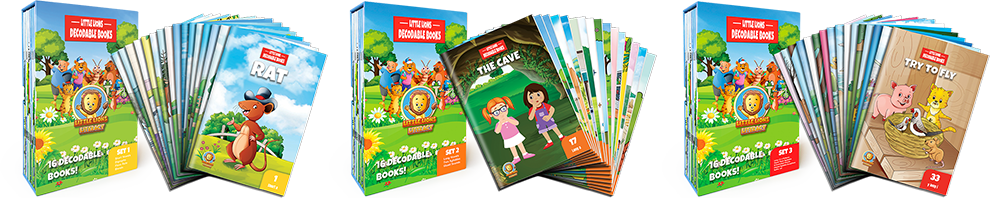
What’s the difference between a full curriculum and a set of decodable books? Think of a curriculum as your complete roadmap—it provides the daily lesson plans, the sequence of skills to teach, and the specific activities for instruction. Decodable books, like the sets from Little Lions Literacy, are the essential practice tool. They give your child the chance to apply the skills you’ve taught them from your curriculum in a real reading context, which is crucial for building confidence and fluency.
How do I know if I’ve chosen the “wrong” curriculum? There’s really no such thing as the “wrong” curriculum, only one that isn’t the right fit for your child or your family right now. If you consistently find that lessons are leading to tears, you’re dreading the prep work, or your child isn’t making any progress over a reasonable period, it might be a sign of a mismatch. Don’t be afraid to trust your gut and make a switch if you need to.
My child seems bored with phonics. What can I do? This is completely normal! While repetition is key to learning phonics, it doesn’t have to be dull. If your child is getting restless, see it as a cue to change the activity, not the concept. Try taking the lesson outside with sidewalk chalk, use magnetic letters on a cookie sheet, or turn a word list into a scavenger hunt. A little creativity can transform a tedious task into a fun game.
Do I need to be a reading expert to teach my child effectively? Not at all. The best homeschool phonics programs are designed with parents in mind. They often include scripted teacher’s manuals that tell you exactly what to say and do, so you can teach with confidence. Your role is to be a patient and encouraging guide, and a good curriculum will give you all the tools you need to do that well.
Is phonics the only thing my child needs to become a good reader? Phonics is the essential foundation that gives children the tools to sound out words, but it’s one piece of the puzzle. To become a truly skilled reader, a child also needs to build vocabulary, develop reading comprehension, and achieve fluency. The best way to support this is by reading aloud to your child every day from rich, engaging books that are above their own reading level.