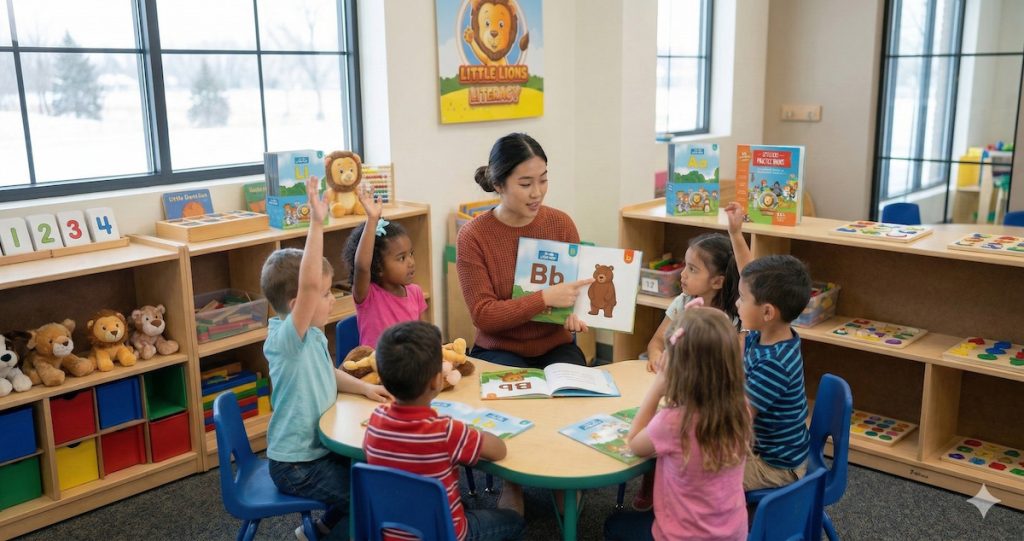
Choosing the best phonics books for 7-year-olds shouldn’t feel like a test you didn’t study for. While the options are endless, the criteria for a truly effective phonics book are actually quite simple and straightforward. You just need to know what to look for. A great book does more than tell a fun story; it strategically builds skills in a way that makes sense to a child’s developing brain. Think of this guide as your cheat sheet. We’ll give you a simple checklist to use when selecting phonics books for 7 year olds, covering everything from decodable text and clear layouts to ensuring the book matches your child’s specific skill level, making your next trip to the bookstore a success.
When you’re standing in a library or scrolling online, the sheer number of children’s books can be overwhelming. How do you pick the one that will actually help your seven-year-old learn to read? It’s not just about finding a cute story. The right phonics book has specific features that empower new readers and turn practice into a positive experience.
Choosing a book that aligns with your child’s reading level and skills is the most important step. You want them to feel successful, not frustrated. A good phonics book gives them the tools to decode words on their own, building a foundation of confidence that will stick with them long after they finish the last page. To find the perfect fit, focus on three key elements: decodable text, engaging illustrations, and a clear progression of skills. These features work together to create a supportive and effective reading journey.
The best phonics books are “decodable.” This simply means they only use words your child can sound out using the letter sounds they’ve already learned. Instead of encouraging guessing, decodable books give your child a chance to apply their phonics knowledge successfully. This is a huge confidence builder. When a child sees a word and knows they have the skills to read it, they start to see themselves as a real reader. Finding a book at their specific level ensures they are challenged just enough to grow without feeling defeated. It’s that sweet spot where learning clicks and reading starts to feel like fun.
Pictures play a huge role in children’s books, but in phonics books, they have a special job. The illustrations should be fun and vibrant, pulling the child into the story and making them want to turn the page. However, the pictures shouldn’t give away the words. If your child can figure out the story just by looking at the images, they might skip the important work of decoding the text. Look for books with clear, appealing layouts and illustrations that complement the story without acting as a cheat sheet. This balance ensures your child stays engaged while still practicing their essential reading skills.
Learning to read happens one step at a time. Good phonics books follow this natural learning curve by teaching skills progressively. They start with simple sounds and word structures, then slowly introduce more complex concepts as your child is ready. This systematic approach helps kids learn without getting frustrated. When you’re choosing a book or series, look for a clear scope and sequence that shows you exactly what skills are being taught and in what order. This ensures that each book builds on the last, creating a smooth and logical path toward reading fluency and preventing gaps in their knowledge.
Walking into a bookstore or browsing online can feel overwhelming with so many options. How do you pick the book that will actually help your 7-year-old and not just collect dust on the shelf? The secret is to look for books that are designed not just to entertain, but to teach systematically. The right phonics book meets your child where they are, builds on their existing skills, and makes them feel like a reading superstar. It’s less about finding a single “perfect” book and more about finding the right system that will support their entire reading journey.
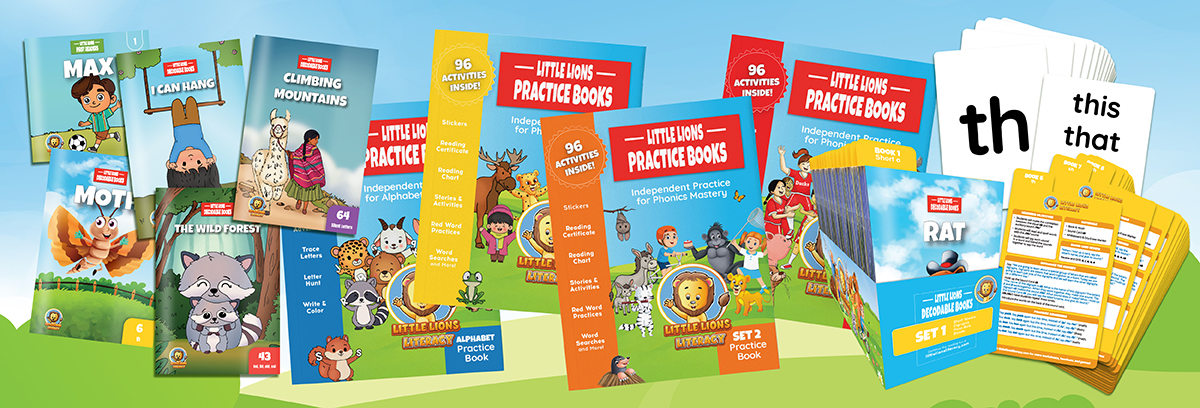
The most effective phonics books are “decodable.” This simply means the books only use words your child can sound out based on the letter-sound rules they’ve already been taught. This is a game-changer because it eliminates the guessing game. Instead of getting frustrated by unfamiliar words, your child gets to successfully apply their knowledge, which builds incredible confidence. Our decodable book sets are built on this principle. By providing text that is 100% decodable, we empower kids to see themselves as capable readers from the very first page. This systematic approach ensures they are practicing specific skills without being overwhelmed.
Especially when a child is learning a new phonics pattern, repetition is key. Look for books that use simple sentence structures and repeat key words and phrases. This isn’t boring for a new reader; it’s reassuring. Repetitive text allows them to practice a new skill until it becomes automatic, which is how we build reading fluency. It gives their brain a chance to master one concept before moving on to the next. Think of it like learning a new song; you sing the chorus over and over until you know it by heart. Simple, predictable text does the same thing for reading skills, making the learning process feel fun and achievable.
This might sound like teacher-speak, but it’s a really important concept for parents to understand. A scope and sequence is just a plan that lays out which phonics skills are taught and in what order. A good phonics program doesn’t teach skills randomly. Instead, it introduces them logically, starting with the simplest concepts and building toward more complex ones. For example, a child learns short vowel sounds before they tackle tricky vowel teams. Following a clear scope and sequence ensures there are no gaps in your child’s learning and that each new book builds directly on what they learned in the last one.
Let’s be honest, kids are more likely to pick up a book if they’re excited about it. Books that feature recurring characters can create a powerful connection for young readers. Seeing a familiar face on the cover makes the book feel like a new adventure with a good friend. While popular TV characters can certainly draw kids in, many phonics series create their own cast of lovable characters that children grow to adore. This familiarity makes reading practice feel less like a chore and more like storytime. It helps build a positive association with books that can last a lifetime, turning “have to read” into “get to read.”
Sometimes, a book is more than just a book. Many phonics book sets are part of a larger reading program that includes extra resources to support learning. These can be things like printable worksheets, fun activities, or even simple guides for parents. These additional resources can be incredibly helpful for reinforcing the skills your child is learning. They offer a hands-on way to practice phonics concepts away from the page, which is great for kids who learn in different ways. For parents, having these tools can make you feel more confident and equipped to help your child succeed on their reading journey.
As your child enters first or second grade, their reading journey really starts to take off. This is a time of incredible growth where foundational skills solidify into more confident reading. While every child develops at their own pace, there are a few key areas you can focus on to support them. By understanding these skills, you can choose phonics books and activities that meet them exactly where they are and help them move forward.
At this age, a major focus is on blending, which is the ability to smoothly connect individual letter sounds to read a whole word. For example, seeing c-a-t and saying “cat.” This is the heart of decoding. Decodable books are perfect for practicing this skill because they only use words that children can sound out using the letter-sound patterns they’ve already been taught. This builds a huge amount of confidence and helps prevent the habit of guessing at words based on pictures. It’s a systematic way to show kids that they have the tools to figure out new words on their own.
While phonics rules cover most words, some high-frequency words just don’t play by the rules (think “the,” “was,” and “of”). These are often called sight words because the goal is for kids to recognize them instantly. Strong, systematic phonics instruction is effective for all children, and it can be adapted to help them master these tricky words. When a child can recognize sight words automatically, they can read more smoothly without stopping to sound out every single word. This frees up their mental energy to focus on what the story is actually about.
Fluency is reading with accuracy, a good pace, and expression, much like how we talk. Comprehension is understanding the meaning behind the words. The two are deeply connected. When a child can decode words and recognize sight words easily, their fluency improves. Consistent and positive phonics practice not only builds this fluency but also fosters problem-solving skills and a lifelong love of reading. Using well-designed decodable books is a key part of this process, as it gives children the successful practice they need to become fluent readers who truly understand and enjoy what they’re reading.
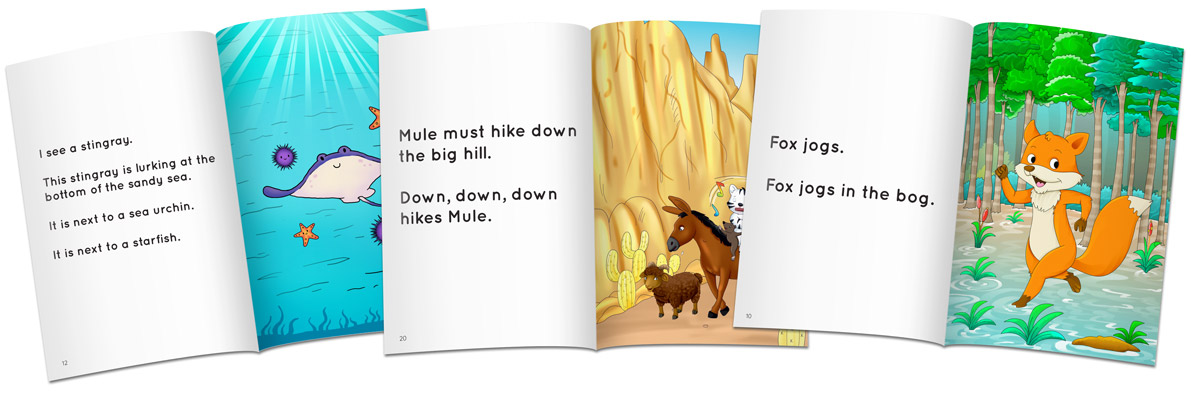
Phonics books are more than just stories; they are carefully designed tools that turn the abstract concept of reading into a concrete, achievable skill. Instead of encouraging kids to guess words based on pictures or context, these books give them a code to crack. By focusing on the relationship between letters and sounds, phonics books empower children to decode words independently. This systematic approach builds a strong foundation, making reading less about memorization and more about understanding a system. For a 7-year-old, this method can be the key that helps them transition from a hesitant new reader to a confident book lover.
Nothing makes a child want to give up faster than feeling like they’re failing. Phonics books are designed to create a cycle of success. Because decodable books only use words your child can sound out using the letter sounds they’ve already learned, they are set up to succeed from the very first page. Each word they correctly decode is a small victory that builds their self-assurance. This process eliminates the need to guess, which can often lead to frustration and a feeling of inadequacy. When children know they have the tools to read the words in front of them, they approach reading with excitement instead of anxiety, creating a positive association that can last a lifetime.
The most effective way to teach reading is through what experts call systematic and explicit phonics instruction. This just means teaching letter sounds and reading rules in a logical, step-by-step order. Phonics books are the practical application of this method. Each book or set of books focuses on specific skills, allowing your child to practice and master them before moving on. For example, they might start with simple CVC (consonant-vowel-consonant) words like “cat” and “sun” before progressing to more complex patterns. This repetition solidifies the connections in their brain, making the process of sounding out words faster and more automatic over time.
One of the most rewarding moments for any parent or teacher is seeing a child pick up a book and read it all by themselves. Phonics books make this happen sooner and more often. Because good phonics books teach skills incrementally, children aren’t overwhelmed by words they don’t know how to read. This manageable challenge gives them the confidence to read on their own. They learn that they don’t need to wait for an adult to help them with a tricky word because they have the decoding skills to work through it. This sense of independence is incredibly motivating and is a huge step toward developing a genuine love of reading.
For children who find reading challenging, phonics-based instruction isn’t just helpful, it’s essential. Many struggling readers, including those with dyslexia, have difficulty with the “guessing” method of reading. Phonics provides a clear, logical, and reliable system they can depend on. By directly explaining letter-sound rules, it removes the ambiguity that can make reading so frustrating. This structured approach helps build a solid foundation that may have been missing, allowing them to catch up and build skills methodically. It’s a powerful and effective way to support children and help them see themselves as capable readers.
When you’re searching for the right phonics books, it can feel like every option looks the same. But the small details make a huge difference in your child’s reading journey. A great phonics book doesn’t just tell a story; it strategically builds skills and confidence. To help you sort through the options, I’ve put together a simple checklist of what to look for. Keep these four things in mind, and you’ll be able to choose books that truly support your young reader.
First things first, pick books that match your child’s current reading ability, not just their age. A 7-year-old is typically in first or second grade and is ready to tackle more than just simple CVC (consonant-vowel-consonant) words. Look for books that introduce and practice specific skills they’re working on, like long vowels, consonant blends, and digraphs. The goal is to find that sweet spot where they feel challenged but not frustrated. The story itself should also be engaging enough to hold their interest. When the content is a good fit, your child will feel successful and motivated to keep reading.
The look of the page matters more than you might think. A book filled with crowded text and a busy design can be overwhelming for a new reader. Look for books with a clean, simple font and plenty of white space around the words and lines. This helps your child’s eyes track the text without getting lost. Illustrations are important, too. They should be engaging and complement the story, but they shouldn’t give the words away. The best phonics books use pictures to add context and fun, encouraging your child to decode the words themselves rather than guessing from the images.
This is probably the most important item on the checklist. The best phonics books are “decodable,” which is a fancy way of saying they only use letter-sound relationships that your child has already learned. This is a game-changer because it allows them to use their phonics skills to sound out words successfully, which builds incredible confidence. A book series should follow a clear and logical scope and sequence, introducing new skills one by one and building on previous lessons. This systematic approach prevents guessing and ensures your child is developing a solid foundation for reading.
A great story is wonderful, but extra resources can make a book set even more valuable. Some decodable book sets come with parent guides, activity suggestions, or printable worksheets that help reinforce the skills covered in the stories. For parents, these guides can offer simple tips on how to best support your reader at home. For teachers, supplemental activities are perfect for small group instruction or literacy centers. These bonus materials can help you extend the learning beyond the page and make practice feel more like play, creating a richer and more effective reading experience.

Once you know what to look for, the next step is finding the right books. Quality phonics books are available from a variety of places, from big online stores to specialized publishers. Here are a few of the best places to look to build your child’s reading library.
Large online retailers are a convenient place to start your search. Websites like Amazon have a huge selection, allowing you to easily compare different series and read reviews from other parents and educators. You’ll find everything from individual books and complete boxed sets to workbooks for extra practice. The wide variety makes it easier to find something that matches your child’s specific interests and current reading level. Just remember to apply what you know about quality phonics instruction to sift through the many options and find the true gems that will actually help your child learn.
Going straight to the source is a fantastic way to get high-quality, effective materials. When you buy directly from publishers who specialize in decodable books, you’re getting a resource that has been carefully designed by literacy experts. These books are created to follow a specific and logical scope and sequence, which helps your child build skills systematically without overwhelming them. This takes the guesswork out of the process, as you can trust that each book in a series is designed to work together to build reading confidence and make learning feel like a success.
Building a home library can be an investment, so it’s always a good idea to look for sales. Many publishers and retailers offer discounts during certain times of the year, like back-to-school season or major holidays. A great tip is to sign up for email newsletters from your favorite educational companies to get alerts about promotions sent right to your inbox. You can also find great value in book bundles, which often cost less than buying the same books individually. A little planning can help you get the best resources for your child without stretching your budget.
You don’t have to break the bank to support your young reader. As we’ve mentioned, buying phonics books in a complete set is often much more affordable than purchasing them one at a time. Another amazing and completely free resource is your local library. Most libraries have a great selection of early readers and librarians who can point you in the right direction. You can also supplement your physical books with free online resources, like printable stories and activities from trusted educational websites, which are perfect for some extra practice at home.
Building a home or classroom library of quality phonics books is an investment in your child’s reading journey. While the costs can add up, a little planning goes a long way in making sure you get the most value for your money. Understanding the typical price points for different types of books and knowing where to find the best deals will help you build a fantastic collection without breaking the bank. Think of it as curating a toolkit that will support your reader for years to come.
The good news is there are options for every budget. Whether you’re buying individual titles to target a specific skill or investing in a comprehensive set, you can find materials that fit your needs. Let’s walk through what you can expect to spend and how you can shop smarter to stretch your dollars.
When you start shopping, you’ll notice that many phonics resources are sold as small sets rather than single paperbacks. This is because they are designed to progress through a specific skill sequence. For many individual book sets and activity books, you can expect to see prices ranging from about $45 to $52. This price point typically gets you a collection of titles focused on a particular phonics pattern or skill level. Knowing this range gives you a solid baseline for what to expect and helps you budget for targeted purchases to fill any gaps in your child’s learning.
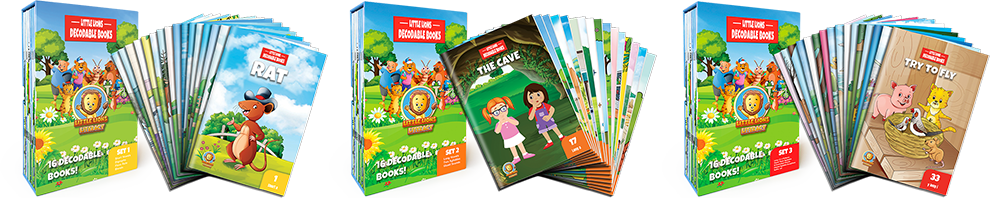
If you’re looking for the most economical way to build a library, investing in larger book sets is often your best bet. Bundles usually offer a lower price per book compared to buying them individually. More importantly, a good set is designed to grow with your child, providing a clear and structured path from one skill to the next. Many publishers offer bundled phonics practice books that cover an entire reading level. This approach not only saves money but also ensures you have a cohesive set of resources ready to go as your reader’s confidence and abilities develop.
You can find great deals on phonics books if you know where to look. Online retailers like Amazon offer a wide selection of phonics books, from boxed sets to individual activity books. Keep an eye out for promotions like “buy two, get one free” or percentage-based discounts that can significantly lower your costs. Don’t forget to explore other budget-friendly avenues, too. Your local library is a fantastic free resource, and many educational websites offer printable phonics stories. Being a savvy shopper helps you provide your child with excellent reading materials while staying on budget.
When you find a phonics series that clicks with your child, it feels like magic. But it’s not magic, it’s smart design. Parents and teachers who have been through the learn-to-read journey know what works, and they tend to agree on the same key elements. Understanding these features can help you find a series that truly supports your young reader.
The best phonics books are always decodable. This simply means they only use words your child can sound out with the letter-sound rules they’ve already been taught. This is a huge confidence builder because it removes the need to guess. A great series also teaches skills in a step-by-step, logical order. It starts with simple sounds and gradually introduces more complex patterns, so your child learns without feeling overwhelmed. Finally, look for engaging features like fun illustrations that complement the story (without giving the words away), clean layouts, and maybe even ideas for hands-on activities to extend the learning.
One of the biggest pitfalls is choosing a book that’s too difficult. If your child seems frustrated, it’s a sign to take a step back. The goal is to build confidence, not create anxiety around reading. You can switch to an easier book or try a hands-on phonics game instead. Also, be wary of books that don’t follow a clear progression. Grabbing random books off the shelf can create gaps in your child’s knowledge. A well-structured series ensures every skill builds on the last, creating a solid foundation for reading success and preventing long-term struggles.
Reading specialists are clear on what works best: systematic and explicit phonics instruction. This means teaching reading in a structured, logical sequence where letter-sound relationships are taught directly. It’s the most reliable way to teach all children how to read. Experts overwhelmingly prioritize decodable books as the primary tool for practice because they allow kids to apply their phonics knowledge immediately. This approach, backed by extensive research showing why phonics works for all kinds of learners, empowers children to become independent readers who can tackle new words with confidence.
What exactly makes a book “decodable?” A decodable book is one that is written using only the letter-sound patterns your child has already been taught. Think of it as a book that speaks their language. Instead of containing random words that might be too hard, it strategically uses words they have the skills to sound out successfully. This approach helps them practice what they know and builds their confidence by ensuring they can read the words on the page.
My child guesses at words instead of sounding them out. How can phonics books help? This is a very common habit, and phonics books are the perfect tool to address it. Guessing often happens when a child feels they don’t have another strategy. Because decodable books only contain words they can sound out, it removes the need to guess. The books are designed to show your child that sounding out words is a reliable strategy that works every time, helping them build better reading habits and trust in their own skills.
How do I know which book or set is the right starting point for my child? The best way to find the right starting point is to match a book series to the skills your child is currently learning. Look for a publisher’s scope and sequence, which is a roadmap of which skills are taught in what order. You can compare this to what your child is working on in school or what you know they need practice with. When in doubt, it’s always better to start with a slightly easier set to build success and momentum.
Are phonics books just for practice, or are they actual stories? This is a great question. While their primary purpose is to build reading skills, the best phonics books absolutely tell engaging stories. They often feature recurring characters, fun plots, and vibrant illustrations that capture a child’s imagination. The text is carefully written to be decodable, but that doesn’t mean it has to be boring. A well-designed series makes reading practice feel like you’re simply enjoying a good book.
What should I do if my child gets frustrated with a phonics book? If your child seems frustrated, it’s usually a sign that the book is a bit too challenging for their current skill level. The goal is always to build confidence, so it’s perfectly fine to put the book aside for a little while. You can try a book from an earlier level in the series or switch to a hands-on phonics game to practice the skill in a different way. Reading should feel successful, so don’t be afraid to take a step back to ensure it does.