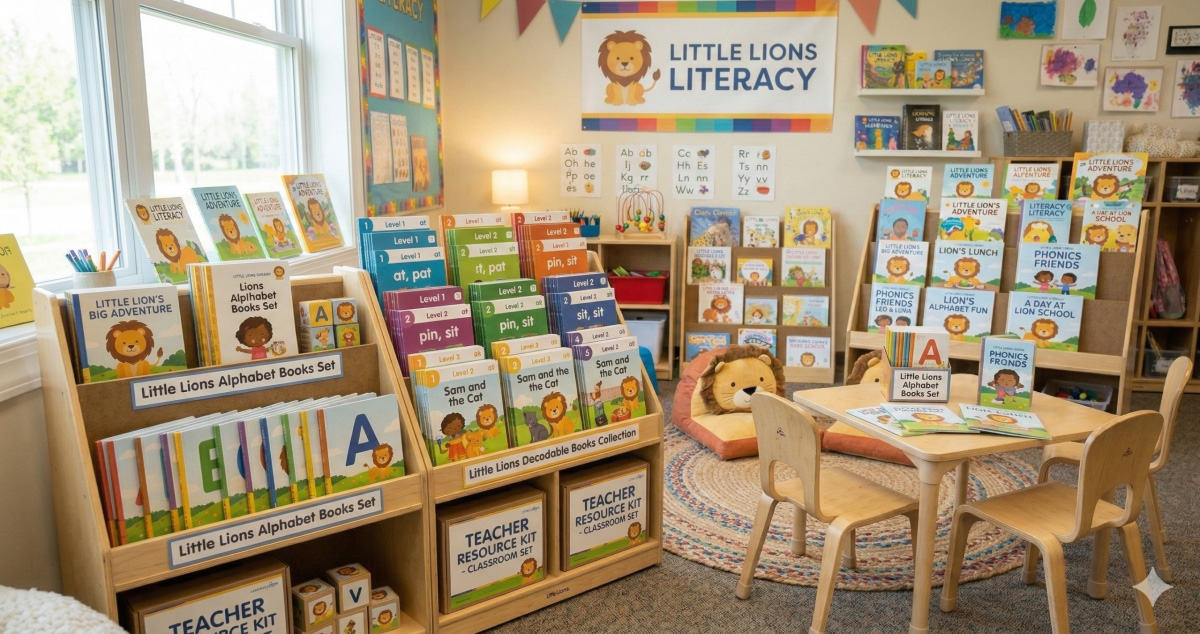
We’ve all seen classroom walls covered in posters. But are the kids actually using them? Too often, they become colorful wallpaper that students learn to ignore. The most effective visual aids, however, are created with a purpose. When made correctly, phonics anchor charts are not just decorations; they are living documents that capture the learning process. The best charts are co-created with students, using their words and ideas to build a shared understanding of a phonics skill. They become a go-to resource that children feel ownership over, turning a simple piece of paper into one of the most powerful and frequently used tools in the room.
Think of a phonics anchor chart as a big, visual cheat sheet for your young readers. It’s a poster you create with your students that captures a key phonics skill, like the “sh” sound or the “magic e” rule. Instead of just talking about these concepts, an anchor chart puts them on display, giving kids a constant reference point right in the classroom. These charts break down the tricky rules of reading into bite-sized, visual pieces of information.
So, why are they such a big deal? For starters, phonics can be abstract. Anchor charts make it concrete. They are useful tools for teaching because they show the relationship between letters and sounds with clear examples and pictures. When a child forgets what sound the “ch” digraph makes, they can just glance at the chart on the wall for a quick reminder. This simple act is incredibly empowering.
Beyond being a handy reference, anchor charts are fantastic for building student independence. They act as a silent teaching assistant, available whenever a student needs a little nudge. Instead of raising their hand for help, a child can use the chart to solve problems on their own. This process helps them internalize phonics rules and builds the confidence they need to tackle new words. Ultimately, these charts help students learn to do things on their own, turning them into more resourceful and self-assured readers. They aren’t just decorations; they are active learning tools that support your child’s entire reading journey.
Think of a phonics anchor chart as more than just a pretty poster. It’s a living, breathing tool that captures your child’s learning in real-time. While you can find endless inspiration online, the most effective charts aren’t just copied—they’re built around a few key ingredients that make them powerful reference tools for young readers.
The best anchor charts are clear, focused, and created with your students, not just for them. They serve as a visual reminder of a specific phonics skill you’ve worked on together, whether it’s the short ‘a’ sound or the tricky ‘sh’ digraph. When a child gets stuck on a word, they can glance at the chart to find the clue they need. This process builds independence and reinforces the idea that they have the tools to solve reading challenges on their own. It’s not about creating a perfect, laminated poster from the start; it’s about documenting the learning journey. By including the right elements, you can transform a simple piece of chart paper into one of your most valuable teaching resources, one that your child will actually use.
At its core, a phonics anchor chart must clearly show the connection between a letter (or group of letters) and the sound it makes. This is the foundation of phonics instruction. For a beginning reader, remembering all these connections is a huge task, and a great anchor chart makes this job much easier. The goal is to create a simple, direct visual link that a child can recall instantly.
For example, a chart for the letter ‘m’ should prominently feature the letter itself alongside a picture of something that starts with that sound, like a mouse. This helps make difficult reading concepts easier for young minds to grasp. Keep it focused on one skill at a time to avoid overwhelming your reader.
Children are visual learners, so pictures are non-negotiable. Every sound-letter relationship on your chart should be paired with a clear, simple image that exemplifies the sound. For the ‘ch’ digraph, you might draw a chair or a chick. These visuals act as a memory hook, helping your child retrieve the sound when they see the letters.
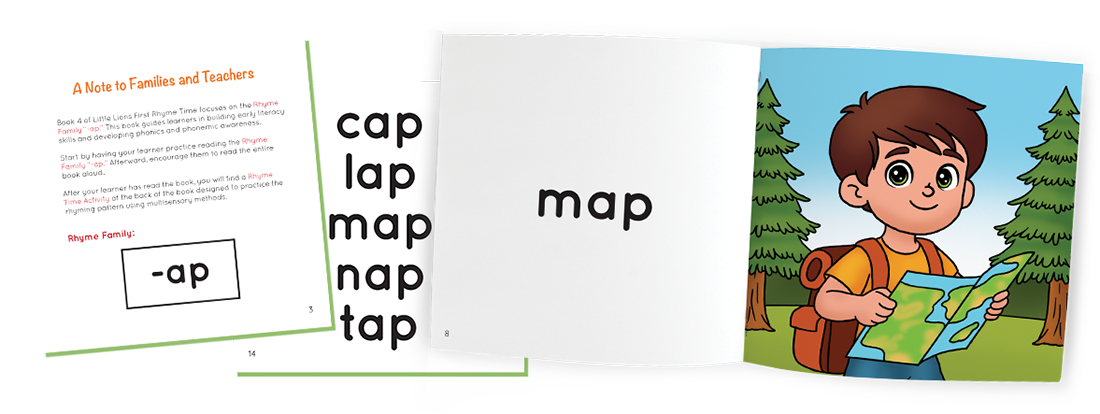
Alongside pictures, include a short list of decodable words that use the skill. For a chart on word families, you might list cat, hat, mat, and bat under the “-at” family. This shows the pattern in action and gives students immediate practice. Seeing the words reinforces the concept and builds their confidence as they successfully read each one.
The most powerful anchor charts are the ones students help create. When children are involved in the process, they take ownership of the learning. An anchor chart should be a record of a lesson you did together, using their ideas and even their handwriting. This collaborative approach makes the chart a meaningful tool rather than just another classroom decoration.
You can make a chart interactive by having kids add sticky notes with words they find in books, draw their own pictures, or use highlighter tape to find the phonics pattern in words. This active participation ensures the chart is something they return to again and again, solidifying their understanding of the phonics skill.
Ready to make an anchor chart that actually gets used? It’s easier than you think. The most effective charts aren’t the picture-perfect ones you see on Pinterest; they’re the ones that are built with purpose and with your students in mind. Think of an anchor chart as a visual record of a lesson—a tool that helps young readers grasp tricky concepts by making them clear and accessible.
The magic of a great anchor chart lies in three simple steps: planning your content thoughtfully, creating the chart with your students, and keeping the design clean and simple. When you focus on these key areas, you move beyond just making a poster and start creating a powerful learning tool that your students will turn to again and again. It’s all about making the learning visible and giving kids the confidence to use what they’ve learned independently. Let’s walk through how to do it.
Before you even pick up a marker, take a moment to think about the goal of your chart. What specific phonics skill are you trying to teach? Phonics anchor charts are fantastic tools for breaking down complex ideas into bite-sized, understandable pieces. To keep the chart focused, stick to one concept at a time. For example, if you’re teaching short ‘a’ sounds, the entire chart should be dedicated to that single skill. This clarity prevents young learners from feeling overwhelmed and helps them zero in on the lesson. A well-planned chart becomes a reliable reference tool they can use long after the lesson is over.
This is the most important step: make the anchor chart a team project. An anchor chart is most effective when it’s created collaboratively during a lesson. When you build the chart together, it becomes a shared resource that reflects your students’ own ideas and language. You can start with a title and a simple framework, then ask students to contribute words, help draw pictures, or suggest examples. This process gives them a sense of ownership and makes the chart far more meaningful than a pre-made poster. It’s no longer just a decoration on the wall; it’s their chart, a tangible representation of their learning journey.
When it comes to design, less is more. A cluttered or overly colorful chart can be distracting for young readers. Stick to a simple layout with dark, easy-to-read lettering. Using just one or two colors for the text can help students focus on the content without getting visually overwhelmed. To make the concepts concrete, be sure to include simple visuals. You don’t have to be an artist—basic drawings, photos, or even stickers work perfectly. These visual cues help beginning readers connect letters and sounds to real-world objects, making the phonics patterns much easier to remember.
Once you have the basics down, you can get creative with your anchor charts to target specific phonics skills. Think of these charts as your visual toolkit for breaking down the rules of reading. The best part is that you can tailor them to exactly what your young readers are working on, creating a dynamic and supportive learning environment. From basic letter sounds to tricky vowel teams, a good anchor chart can make abstract concepts feel concrete and manageable. These charts aren’t just static posters; they are living documents that grow with your students, capturing their learning and serving as a constant reference point.
By making them engaging and interactive, you transform a simple piece of paper into a powerful teaching tool that helps children see the patterns within our language. The goal is to create visual aids that are not only informative but also spark curiosity and build confidence as your child moves along their reading journey. Below are some ideas for different phonics skills, from foundational concepts to more complex patterns. You can adapt these to fit the specific needs of your learners, whether you’re introducing a new sound for the first time or reviewing a rule that needs a little more practice. Remember, the most effective charts are often the ones you create with your students, making the learning process a shared and memorable experience.
For the earliest readers, a solid foundation in the alphabet is everything. You can create a chart for each letter, featuring its uppercase and lowercase form, a keyword picture (like a ball for ‘B’), and even a demonstration of how to write it. To make it interactive, leave space for children to add their own drawings or magazine cutouts of things that start with that letter. This hands-on approach helps solidify the connection between the letter’s shape and its sound, turning a simple chart into a collaborative and ever-growing resource that they can take pride in.
As children begin to combine sounds, blends and digraphs can be a hurdle. An anchor chart is the perfect tool to clarify the difference. For blends, you can create a “Blends Smoothie” chart where you visually mix two letters (like ‘b’ and ‘l’) to create a new sound. For digraphs, a popular and effective idea is “The H Brothers,” giving each digraph (sh, ch, th, wh) a fun character and personality. These phonics and blends anchor charts help children remember that these letter pairs work together to make a single, unique sound, unlike blends where you still hear each individual letter.
Word families are a fantastic way to teach children about patterns in words. Create a chart for each common word family, like -at, -an, or -og. A simple house visual works wonders here: write the family name (e.g., “-at”) on the roof and list all the words belonging to that family (cat, hat, mat, sat) inside the house. You can use word cards with Velcro so kids can physically build the words on the chart. This reinforces the concept of rhyming and helps children read and spell new words with confidence, as they start to see that knowing one word helps them know many others.
The “Silent E” rule can feel like magic to a young reader, so why not make a chart to match? A “Magic E” or “Bossy E” chart can show how adding an ‘e’ to the end of a word transforms the vowel’s sound from short to long (e.g., cap becomes cape). Use a magic wand pointer to make it extra fun! You can also create charts that group different spellings for the same long vowel sound, like showing how ‘ai,’ ‘ay,’ and ‘a_e’ all make the long ‘a’ sound. This visual grouping helps demystify complex vowel patterns and makes them less intimidating.
When two vowels start appearing next to each other in words, things can get confusing. An anchor chart can clear this up by visually organizing vowel teams. A classic chart uses the rhyme, “When two vowels go walking, the first one does the talking,” to explain teams like ‘oa,’ ‘ee,’ and ‘ai.’ You can also create charts for trickier vowel digraphs and diphthongs like ‘ou’ and ‘ow.’ Grouping these pairs by the sounds they make helps children recognize them in new words and builds their decoding skills, giving them a reliable strategy to use when they encounter unfamiliar words.
Don’t be afraid to lean into a fun theme to make a phonics rule stick! A “Bandit Y” chart can explain how the letter ‘y’ sometimes steals the sounds of ‘e’ and ‘i.’ You could create a pirate-themed chart for the “ar” sound, complete with a treasure map leading to ‘ar’ words like car and star. Or, try a construction theme for “building” words with different prefixes and suffixes. When you connect a phonics concept to something your child already loves, you make the learning process more joyful and memorable. These creative themes can turn a tricky rule into a fun story.
A great anchor chart is more than just the information on it—it’s about how that information is presented. For young readers, a cluttered or confusing chart can be a barrier to learning. The goal isn’t to create a museum-worthy piece of art, but a clear, functional tool that invites students to use it. A visually appealing chart is one that is easy to read, understand, and reference from across the room. A few thoughtful design choices can transform a simple poster into a powerful resource that kids return to again and again. Let’s walk through three simple ways to make your phonics anchor charts visually effective and kid-friendly.
While a rainbow of markers might seem fun, it can be visually distracting for little learners. When it comes to anchor charts, less is more. Stick to a limited color palette to keep the focus on the phonics skills. Use a dark, strong color like black or dark blue for most of the text, as it’s easiest to read from a distance. Then, choose one or two accent colors to highlight specific patterns consistently. For example, you could write all vowels in red or underline every digraph in green. This creates a simple visual code that helps students organize information without overwhelming their senses.
Clarity is key. Avoid fancy, cursive, or bubble letters that can be difficult for children to decipher as they are still mastering letter formation. Your best bet is clear, simple print that mimics the lettering students are learning to write. If your handwriting isn’t your strong suit, you can always print out headings or key words in a clean, sans-serif font. Just as important is the layout. Leave plenty of white space to prevent the chart from looking crowded. A simple design with information organized in lists, columns, or boxes is much easier for young eyes to follow. Using your students’ actual words when brainstorming lists can also make the chart more meaningful and build their confidence.
For emergent readers, visuals are a powerful bridge to understanding. Including a simple drawing or picture next to a word provides a crucial context clue that reinforces the sound-letter connection. On a CVC word chart, a quick sketch of a cat, a bug, and a map helps children connect the letters to a concrete concept. You don’t have to be an artist—stick figures and basic shapes work perfectly! You can also use symbols to draw attention to important rules. For example, a small star next to a tricky rule or an eye next to a sight word can serve as a quick reminder. These visual aids make abstract phonics rules much more tangible for young minds.
Once you’ve created a phonics anchor chart, the next step is to bring it to life in your classroom or home. A chart that just hangs on the wall is a missed opportunity. The real magic happens when it becomes a functional, interactive part of the learning environment. How you display and use your chart is just as important as what’s on it. By being intentional with placement, interaction, and how the chart evolves, you can turn a simple poster into a powerful tool for building young readers’ confidence and skills.
For an anchor chart to be useful, kids need to be able to see and interact with it easily. Hang your charts at students’ eye level, where they can reference them without craning their necks. A reading corner, a low-hanging bulletin board, or a portable easel are all great spots. The goal is for children to feel comfortable walking up to the chart to find a sound or word they need. This strategic placement encourages them to use it as a resource independently, which is a key step in becoming a self-sufficient reader. If a chart is out of sight or out of reach, it’s likely to be forgotten.
The most effective anchor charts are living documents, not static decorations. They should be created with your students, capturing their ideas and using their language. When children contribute to the chart, they take ownership of the learning. You can keep the engagement going by making the chart a regular part of your lessons. Use it for quick warm-ups by having students point to and say different sounds. You can also play games with pointers or fly swatters to find specific words. These simple interactive activities help reinforce phonics concepts and keep the information fresh in students’ minds.
A phonics anchor chart shouldn’t be completed in one sitting. Instead, let it grow alongside your students’ understanding. Start with a few examples and add new words or patterns as you introduce them in your lessons. For instance, when teaching CVC words, you might start with just a few words from the “-an” family and add more as students discover them in their reading. This approach makes the learning process visible and manageable. Because these charts are tailored to each group of learners, there’s no need to laminate them for reuse. Creating fresh, effective anchor charts each year ensures they reflect the specific journey of your current students.
Anchor charts are fantastic tools for teaching phonics because they can grow with your child. You can use them to introduce the most basic letter sounds and continue to adapt them as you get into more complex spelling patterns. Because phonics can feel abstract, these charts make the rules concrete and visible, giving kids a reliable resource to turn to whenever they feel stuck.
The best part is that you don’t need a different strategy for every stage of learning. The same simple format—a clear heading, visual cues, and word examples—works for virtually every phonics skill. From learning the alphabet in preschool to figuring out tricky vowel teams in second grade, an anchor chart can provide the perfect visual support. Let’s look at how you can use them for different age groups and skill levels.
For our youngest learners, anchor charts are all about making the first connections between letters and their sounds. At this stage, reading concepts can feel big and overwhelming, but a simple, colorful chart can make them much easier to grasp. Focus on the absolute fundamentals: alphabet recognition, initial letter sounds, and maybe some simple CVC (consonant-vowel-consonant) words like ‘cat’ or ‘sun’.
An effective chart for this age might feature a single letter, like ‘B,’ surrounded by pictures of a ball, a bee, and a boat. This visual connection is key. You can also create charts for blends and digraphs as children become more confident. The goal here isn’t to memorize rules but to build a strong, foundational understanding that a letter makes a specific sound.
As children move into first and second grade, they start encountering more complex spelling patterns. This is where anchor charts really shine as reference tools. You can create charts to explain concepts like the “silent e” (or “magic e”), which changes the vowel sound in a word like cap to cape. They’re also perfect for illustrating the two sounds of ‘c’ and ‘g’ (hard and soft) or explaining the role of the “bossy r.”
This is also a great time to introduce charts for vowel teams. Create dedicated charts for vowel digraphs (like ‘ea’ or ‘oa’) and diphthongs (like ‘ow’ or ‘ou’) that show how two vowels work together to make a new sound. Having these visual guides on the wall gives students a place to look when they encounter these patterns in their reading, helping them become more independent decoders.
Once kids have a handle on the basics, they start to realize that English spelling has a lot of tricky exceptions. Learning phonics can be challenging because the same sound can often be spelled in many different ways. An anchor chart is the perfect way to organize this information and make it less intimidating. For example, you can create a chart that shows all the ways to spell the long ‘o’ sound (o_e, oa, ow, oe).
You can also create charts that explain specific spelling rules, like when to use ‘c’ or ‘k’ at the beginning of a word. These phonics anchor charts act as a visual filing cabinet for the brain, helping students sort and remember the patterns they’re learning. By providing clear examples, you empower them to tackle more complex words with confidence.
One of the most rewarding parts of teaching a child to read is watching them start to figure things out on their own. Anchor charts are fantastic tools for fostering this independence. Think of them as a patient, silent teacher on the wall, always available to offer a reminder or a clue. When children have a visual reference they can turn to, they learn to rely on their own problem-solving skills instead of immediately asking for help. This shift is huge for their development as learners.
By providing consistent and accessible information, these charts empower students to take charge of their reading journey. They become active participants, learning to find the answers they need right when they need them. This process not only reinforces phonics concepts but also builds a foundation of resourcefulness that will serve them well beyond learning to read.
For a beginning reader, tackling a new word can feel like a big challenge. Phonics anchor charts act as a safety net, making tricky concepts feel more manageable. When a child can independently look at a chart to remember the sound a digraph makes or to find an example of a word family, they experience a small but powerful success. These moments build on each other, creating a strong sense of capability. Instead of getting stuck and frustrated, they have a tool they can use to push through a difficult spot. This ability to find their own answers reduces reading anxiety and encourages them to take on new challenges with a more positive mindset.
“Oops, let me try that again.” Hearing a child say this is music to a teacher’s or parent’s ears. It shows they are actively thinking about their reading. Anchor charts are brilliant for encouraging this kind of self-correction. They serve as a quick and easy fact-checker. If a child sounds out a word and it doesn’t seem right, they can glance at the wall to confirm a vowel sound or a blend. The chart is like a temporary helper that students can use until a skill is mastered. It gives them the power to identify and fix their own mistakes, which is a critical step in becoming a truly independent reader and learner.
Learning how to find information is a skill that lasts a lifetime, and it can start with a simple anchor chart. When children use a chart to look up a phonics rule, they are practicing a foundational research skill. They learn to identify what they don’t know, locate a reliable source for the answer (the chart), and apply that information to solve their problem. Having these visual aids readily available in a classroom or learning space helps students become more independent learners. It teaches them that they don’t have to hold every single piece of information in their heads at all times. Instead, they learn how to use the resources around them to find what they need.
Anchor charts are fantastic tools, but a few common missteps can keep them from being truly effective. By steering clear of these pitfalls, you can make sure your charts are powerful learning aids and not just colorful classroom wallpaper. Let’s walk through some frequent mistakes and how to fix them.
First, avoid creating charts in isolation. It’s tempting to prep a beautiful, perfect chart before a lesson, but the real magic happens when you build it with your students. When charts are co-created during a lesson, they capture the learning process in real-time. Using your students’ exact wording helps them take ownership of the concepts and makes the chart a genuine reflection of their understanding, not just a poster you made.
Another common trap is leaving charts up for too long. Think of an anchor chart as a temporary scaffold for a specific skill. Once your students have mastered the concept, it’s time to take the chart down. A wall covered in charts from months past can be visually overwhelming and distracting for young learners. Keeping the display fresh and relevant to what you’re currently working on helps children focus on the task at hand.
Similarly, try not to reuse the same charts year after year. While it seems efficient to laminate a chart for future use, each group of students is different. A chart that resonated with last year’s class might not connect with your current one. Creating new charts together ensures they are tailored to the specific needs, questions, and “aha!” moments of the children right in front of you. This keeps the learning process authentic and responsive.
Ready to create your first phonics anchor chart? It’s simpler than you think and a fantastic way to connect with your young readers. The goal isn’t to create a museum-worthy piece of art, but a functional tool that supports your child’s learning. Let’s walk through the steps to make a simple, effective chart together.
First, choose a single, specific skill you’re currently working on. Trying to cover too much on one chart can be overwhelming for little learners. Are you introducing the short ‘a’ sound? Focusing on the ‘sh’ digraph? Or maybe exploring the ‘-at’ word family? Pick one concept and stick with it. This focus makes the chart a clear and powerful reference point. For example, if your child is working through a set of decodable books on CVC words, a chart focusing on the vowel sound in those books is a perfect starting point.
You don’t need a cart full of craft supplies. All you really need is:
That’s it. Keeping the materials simple keeps the focus on the learning process, not on creating a complicated craft project.
This is the most important step. An anchor chart is most effective when it’s made with students, not for them. Sit down with your child or students and start with a title, like “The Super ‘SH’ Sound!” Ask them, “What words can we think of that have the ‘sh’ sound?” Write down every contribution, like ship, shop, and fish. Sound out the words together. This collaboration makes the chart a record of their own learning and gives them ownership over the tool.
You don’t have to be an artist. A quick, simple drawing next to each word helps cement the connection between letters, sounds, and meaning. Draw a simple boat for ship or a basic storefront for shop. You can also have your child draw the pictures! Adding visuals is especially helpful for young readers who are still building their vocabulary. You can even incorporate fun themes like pirates for ‘ar’ words or a construction zone for blends to make it even more engaging.
Once your chart is done, hang it somewhere your child can easily see it, like in your reading nook or on the classroom wall at eye level. The chart isn’t just a decoration; it’s a tool. When you’re reading together and come across an ‘sh’ word, point to the chart. Encourage your child to use it as a reference when they’re writing. The more you integrate it into your daily routine, the more it will help build their confidence and independence as a reader.
Do I need to be a good artist to make an effective anchor chart? Not at all! The goal is clarity, not a masterpiece. Simple stick figures and basic shapes work perfectly to give your child a visual clue. In fact, overly detailed drawings can sometimes be distracting. The most important thing is that the picture clearly represents the word or sound you’re teaching. Your child will care more that you created it together than whether your drawing of a cat looks realistic.
Is it okay to just buy a phonics poster instead of making one? While pre-made posters can be beautiful, they miss the most important ingredient of an effective anchor chart: collaboration. When you create the chart with your child, it becomes a record of their learning. They develop a sense of ownership over it because their ideas and words are right there on the paper. This personal connection is what turns the chart from a wall decoration into a tool they will actually use.
How do I get my child to actually use the anchor chart? The key is to make it an active part of your routine. When you’re reading together and come across a word with the target skill, physically point to the chart as a reminder. You can also make it a game by using a pointer or fly swatter to find specific words or sounds. By consistently referencing the chart yourself, you model how to use it as a resource, and your child will naturally start to do the same when they get stuck.
How long should I keep an anchor chart on the wall? Think of an anchor chart as a temporary support for a specific skill. It should stay up as long as your child is actively learning and referencing that concept. Once they have mastered the skill and no longer need the visual reminder, it’s time to take it down. This keeps your learning space from becoming visually cluttered and ensures that the charts on display are relevant to what your child is working on right now.
What’s the one phonics skill you recommend starting with for a first anchor chart? For your very first chart, I recommend picking one highly specific skill that your child is currently learning. If they are just starting out, a chart for a single letter sound, like ‘s’, is perfect. If they are working on word families, choose one family like “-at” and brainstorm words together. Starting small and focused makes the process manageable and ensures the chart is immediately useful for your child.