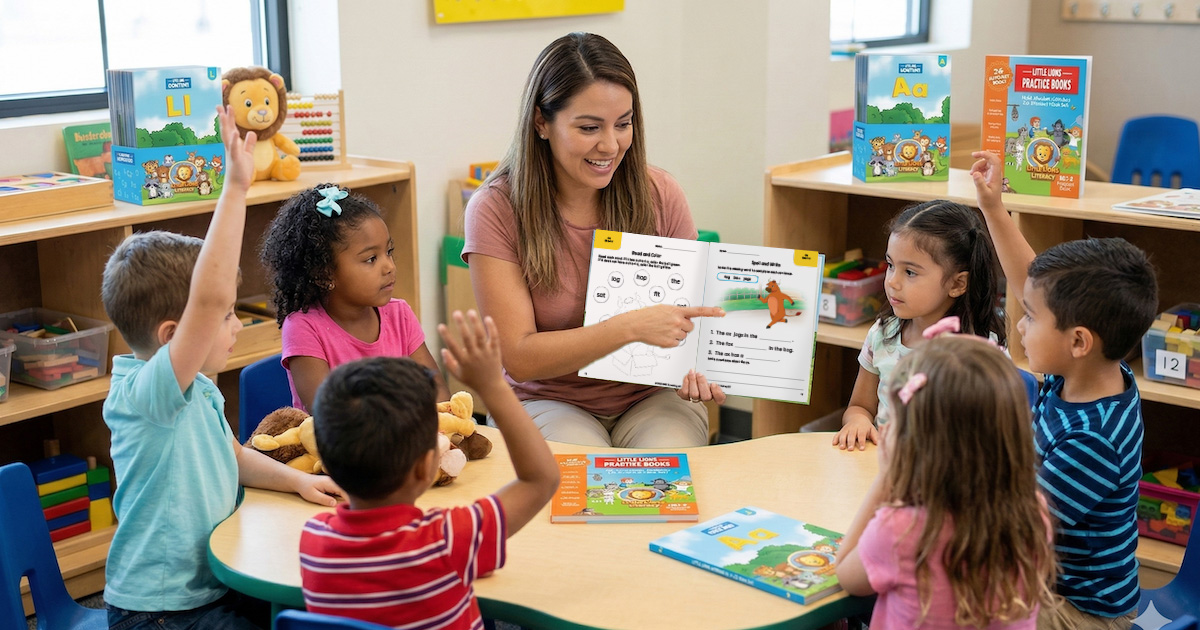
For many children, learning to read can feel like an overwhelming puzzle with missing pieces. This frustration can quickly chip away at their confidence. What if you could give them a tool that makes them feel like a word detective, capable of cracking any code? That’s the power of phoneme grapheme mapping. This structured, multisensory activity transforms the abstract rules of phonics into a concrete, manageable game. It empowers children by showing them exactly how words are built, sound by sound and letter by letter. This guide will walk you through how to use this simple yet profound technique to build not just stronger readers, but more confident and resilient learners.
Phoneme-grapheme mapping is a powerful, hands-on activity that helps children build a bridge between spoken language and written text. At its core, this structured literacy technique is all about making an explicit connection between the sounds we hear in words (phonemes) and the letters or letter combinations that represent those sounds (graphemes). Instead of just memorizing words, children learn to analyze them sound by sound, creating a solid foundation for both reading and spelling.
Think of it as creating a mental blueprint for words. When a child maps a word, they are actively engaging their eyes, ears, and hands to understand its structure. This multisensory approach helps cement the relationships between sounds and letters in their memory, making it easier to decode new words and spell familiar ones. It’s a foundational skill that moves children from guessing at words to confidently understanding how they work.
To really get a handle on phoneme-grapheme mapping, it’s important to understand these two key terms. A phoneme is the smallest individual unit of sound in a spoken word. For example, the word “cat” has three phonemes: /k/ /a/ /t/. The English language has about 44 distinct phonemes, even though we only have 26 letters.
A grapheme is the letter or group of letters that represents a single phoneme in writing. In the word “cat,” the graphemes are the letters ‘c,’ ‘a,’ and ‘t.’ But graphemes can be more than one letter. For instance, in the word “ship,” the /sh/ sound is represented by the two-letter grapheme ‘sh.’ Understanding this difference is the first step to helping kids see how our written language is a code for our spoken words.
The magic of phoneme-grapheme mapping happens when we guide children to connect those sounds to the letters on the page. By physically placing letters or tokens into boxes for each sound, students create a lasting visual and auditory link. This process is a direct path to orthographic mapping, which is how words become instantly recognizable sight words stored in our long-term memory.
This activity also clears up a common point of confusion for young learners: the number of sounds in a word doesn’t always match the number of letters. For example, the word “boat” has four letters, but it only has three sounds: /b/ /ō/ /t/. Mapping the word helps a child see that the grapheme ‘oa’ works as a team to represent the single long /o/ sound. This insight is a game-changer for both reading and spelling.
Phoneme-grapheme mapping might sound technical, but it’s a straightforward and hands-on activity that helps children make the crucial connection between the sounds they hear and the letters they see. Think of it as building a bridge from spoken language to written language. This structured literacy technique breaks words down into their smallest sounds, making the process of learning to read and spell much less intimidating. By physically moving objects and writing letters, kids get to see, hear, and feel how words are constructed, which helps cement these patterns in their minds. It’s an active, engaging process that transforms an abstract concept into a concrete, manageable task.
The beauty of phoneme-grapheme mapping is its simplicity. You can guide a child through it in four clear steps. Let’s use the word “ship” as an example.
You don’t need any fancy equipment to get started with phoneme-grapheme mapping. In fact, you probably have everything you need right at home or in your classroom. The goal is to provide simple, tangible tools that help children visualize the sounds within words.
Here’s a basic list of materials:
Elkonin boxes are a fantastic visual tool for this process. Each box in the grid represents a single phoneme, or sound. When a child says a word, they physically move a token into a box for each sound they hear. For the word “frog,” which has four sounds (/f/-/r/-/o/-/g/), you would use four boxes. As the child says each sound, they push a token into one of the boxes. This action helps them physically segment the word and understand that words are made up of a sequence of individual sounds. It’s a powerful way to make the abstract concept of phonemes tangible, giving kids a clear visual and kinesthetic anchor for their learning.
Have you ever watched a child struggle with a word one day and then, seemingly by magic, recognize it instantly the next? That “aha!” moment is often the result of a powerful process happening in the brain, and phoneme-grapheme mapping is one of the best ways to make it happen. This isn’t just another phonics activity; it’s a brain-building exercise that directly connects the sounds of our language to the letters on the page. It helps children build a mental blueprint for how words work, moving them beyond guessing or memorizing whole words.
The real power of mapping lies in how it facilitates a process called orthographic mapping. This is the mental process we use to store written words in our long-term memory so we can retrieve them instantly. When a child maps a word, they are consciously linking its sounds (phonemes) to its letters (graphemes). Doing this over and over again helps them permanently store the word, turning it into a “sight word.” This is how children transition from slow, effortful sounding-out to smooth, automatic reading. Let’s look at the four key ways this technique builds strong, confident readers.
Decoding is the ability to look at an unfamiliar word and sound it out. Phoneme-grapheme mapping gives children a reliable, step-by-step strategy to do just that. Instead of feeling overwhelmed by a string of letters, they learn to break the word into its individual sounds and match those sounds to the letters they see. This systematic approach builds confidence and independence.
As children practice mapping, they are building the foundational skills for reading and spelling. This prepares them to decode more complex words as they progress in their reading journey. They learn that they have the tools to tackle any new word they encounter, which is a huge step in becoming a resilient reader.
The ultimate goal of reading is not just to sound out words, but to recognize them instantly. This is where the magic of orthographic mapping comes in. Through this process, students use the language part of their brain to connect the sounds of words they already know to the letters in a printed word. Phoneme-grapheme mapping is the hands-on activity that makes this mental connection happen.
Each time a child successfully maps a word, they strengthen that connection, making it easier to recognize the word the next time they see it. With enough practice, the word becomes permanently stored in their memory. This is how children build a large bank of sight words, which is essential for achieving reading fluency.
Think of orthographic memory as your child’s internal dictionary of words. Phoneme-grapheme mapping is one of the most effective ways to fill that dictionary. The process creates a positive feedback loop. As children get better at mapping letters to sounds, their ability to hear the individual sounds in words (their phonemic awareness) also improves. This relationship is reciprocal; stronger phonemic awareness makes it easier to map new words.
This cycle strengthens a child’s ability to remember spelling patterns and whole words. Each word they map is another entry filed away in their long-term memory. This growing mental library allows them to read more smoothly and accurately, freeing up their mental energy to focus on what the text actually means.
One of the best things about phoneme-grapheme mapping is that its benefits extend beyond reading. The skills a child develops through mapping are directly transferable to spelling and writing. Reading and writing are two sides of the same coin; decoding is the process of reading a written word, while encoding is the process of writing it.
Phoneme-grapheme mapping helps students see exactly how letters represent sounds, which is crucial for both skills. When a child wants to write a word, they can use the same strategy in reverse. They can say the word, segment it into its individual sounds, and then write down the graphemes that represent those sounds. This makes spelling a logical process rather than a frustrating memorization game.
Phoneme-grapheme mapping is a powerful tool because it works for so many different types of learners. It’s not just for one specific group. This multisensory, explicit approach meets children where they are, providing the structured support needed to build connections between sounds and letters. Whether a child is just starting their reading journey, facing specific challenges, or learning a new language, mapping can make a significant difference in their confidence and ability. Let’s look at a few groups who find this strategy especially helpful.
For young children just beginning to read, phoneme-grapheme mapping is a fantastic way to build a strong foundation. It helps them understand that words are made up of individual sounds (phonemes) and that those sounds are represented by letters or letter groups (graphemes). This practice builds the foundational skills for both reading and spelling from the very start. By learning to map simple words, early learners are getting the tools they need to decode more complex words as they progress. It sets them up for future success by making the rules of our language clear and concrete.
Some children find it difficult to hear and separate the individual sounds in words, which is a sign of poor phonemic awareness. For these struggling readers, phoneme-grapheme mapping can be a game-changer. The process provides an essential visual component, helping them see the connection between the sounds they hear and the letters they see on the page. This is especially helpful for sounds that don’t have a simple one-to-one letter correspondence. By physically moving tokens into boxes as they say each sound, students create a tangible link that strengthens their orthographic mapping abilities and helps them become more accurate, fluent readers.
Learning to read in a new language presents unique challenges, as the sounds and spelling patterns can be very different from a child’s native tongue. Phoneme-grapheme mapping offers the explicit, step-by-step instruction that English Language Learners (ELLs) need to master English phonics. It makes the sound-letter relationships in English visible and clear, helping students build their literacy skills alongside their spoken language development. This method doesn’t assume any prior knowledge of English sounds, instead teaching them directly. This structured literacy approach helps close gaps and gives ELLs a solid framework for decoding and spelling English words.
Children with dyslexia and other language-based learning challenges thrive with structured, systematic, and multisensory instruction, which is exactly what phoneme-grapheme mapping provides. This method directly addresses the difficulties many students with dyslexia have with phonological processing. By breaking words down into their smallest sounds and linking them to graphemes, it helps build and strengthen the neural pathways needed for fluent reading. The consistent and repetitive nature of mapping activities enhances both reading and writing abilities, giving these learners a reliable strategy to approach words. It’s a research-backed approach that builds confidence and empowers students to become successful readers.
Phoneme-grapheme mapping is a hands-on, interactive way to help students connect sounds to letters. It’s not about rote memorization; it’s about making the abstract concept of reading concrete and visible. When you bring this practice into your classroom, you give students a powerful tool for decoding words. The key is to introduce it in a way that’s structured, supportive, and fun. By following a few simple strategies, you can seamlessly integrate mapping into your literacy block and watch your students’ confidence and skills grow. These steps will help you create a routine that builds a strong foundation for both reading and spelling.
Before kids can map letters to sounds, they need to be able to hear the individual sounds in a word. This is called auditory or phonemic segmentation. Think of it as the essential warm-up. Before you even bring out letter tiles or pencils, practice breaking words apart orally. For example, say the word “mop” and have students say the sounds back to you: /m/ /o/ /p/. You can make this a game by having them tap their fingers or clap for each sound they hear. As literacy experts note, students must have the ability to orally segment a word before they can attempt a mapping exercise. This auditory-first approach ensures they are ready to make the connection to the written letters.
Starting simple is the secret to success. Begin with short, simple words that follow predictable patterns, like CVC (consonant-vowel-consonant) words such as “cat,” “sun,” and “lip.” Once your students master these, you can gradually introduce more complex patterns. Move on to words with consonant blends (like “stop”) and digraphs (like “chat”). This step-by-step progression builds a solid foundation and prevents students from feeling overwhelmed. It also prepares them to decode more complex words as they move through their reading journey. By scaffolding the difficulty, you build their confidence and show them that they can tackle any word, one sound at a time.
Kids learn best when they can engage multiple senses. Bringing in multisensory techniques makes phoneme-grapheme mapping more effective and memorable. Instead of just using a pencil and paper, try using magnetic letters, playdough, or letter tiles. Have students push a chip into a box for each sound they hear. A powerful method is to have children practice forming the letters correctly while saying the corresponding sound out loud. This physical act of building or writing the word helps solidify the connection between the phoneme (sound) and the grapheme (letter) in their brains, turning an abstract concept into a tangible experience.
Let’s be honest, learning is more effective when it’s fun. Phoneme-grapheme mapping can easily become a favorite activity with a little creativity. Turn it into a game by using colorful markers, whiteboards, or even sand trays. You can call your students “word detectives” who are cracking the code of language. When students can clearly see how letters represent sounds, it helps them decode words and keeps them engaged in the learning process. Celebrate their progress, no matter how small, to build a positive and encouraging atmosphere. When students are motivated and having fun, they are more open to learning and more likely to retain what they’ve practiced.
Once your young reader has a good handle on simple CVC (consonant-vowel-consonant) words, you’ll start running into trickier spelling patterns. The English language is full of them, and this is where phoneme-grapheme mapping really shines. It gives kids a concrete, visual way to make sense of the complexities without getting overwhelmed. Instead of just memorizing abstract rules, they learn to see the patterns behind the words, which is a game-changer for building reading fluency.
This process helps demystify some of the most common hurdles in early literacy. Think about silent letters, like the ‘k’ in ‘know’ or the ‘b’ in ‘thumb’. Mapping shows that while the letter is there in print, it doesn’t represent a sound, connecting the written word to its spoken form. We’ll also cover consonant blends and digraphs. Blends are pairs like ‘bl’ or ‘st’ where you hear both sounds, while digraphs are pairs like ‘sh’ or ‘th’ that make a completely new sound. Visually separating these in mapping boxes makes the distinction crystal clear. Finally, we’ll get into vowel teams and diphthongs, those tricky combinations like ‘ea’ in ‘team’ or ‘oi’ in ‘boil’. Mapping teaches children to see these letter groups as a single unit representing one sound. By breaking down these advanced concepts into manageable, visual steps, you empower your reader to tackle more challenging texts with confidence.
Silent letters can be a huge source of confusion for new readers. Why is there a ‘k’ in ‘knife’ or a ‘b’ in ‘comb’? Phoneme-grapheme mapping helps clarify that the number of sounds in a word doesn’t always match the number of letters. When mapping a word like ‘knife,’ we focus on the sounds we hear: /n/ – /ī/ – /f/. There are only three sounds. We can then show that the grapheme ‘kn’ represents the /n/ sound and goes in the first box. This approach turns a confusing, irregular word into a puzzle that has a solution. It helps children understand that even tricky words have a structure, which builds their confidence and orthographic mapping abilities.
Consonant blends and digraphs are another area where mapping can clear things up. A consonant blend is when two letters work together, but you can still hear both of their individual sounds, like the ‘tr’ in ‘train’. When mapping ‘train’, you would segment the sounds into /t/-/r/-/ai/-/n/. Each sound gets its own box, so ‘t’ and ‘r’ would be in separate boxes. A consonant digraph, on the other hand, is when two letters team up to make one new sound, like ‘sh’ in ‘shed’. The sounds in ‘shed’ are /sh/-/e/-/d/. Here, the ‘sh’ makes a single sound, so the letters ‘s’ and ‘h’ go into one box together. This visual distinction is so powerful for helping kids see and understand the difference.
Just when you think you’ve got consonants figured out, along come the vowels! Vowel teams are groups of letters that work together to represent a single vowel sound. Think of the ‘ai’ in ‘rain’ or the ‘ea’ in ‘bread’. When mapping these words, the vowel team should be treated as a single unit. For the word ‘rain’, the sounds are /r/-/ai/-/n/. The grapheme ‘ai’ represents one phoneme, so it goes into one box. The same goes for diphthongs, which are gliding vowel sounds like ‘oi’ in ‘coin’ or ‘ou’ in ‘cloud’. By keeping these vowel teams together in one box, you reinforce the idea that they function as a single sound-spelling unit, making complex words much more manageable for young readers.
Phoneme-grapheme mapping is a powerful tool, but like many teaching strategies, it’s surrounded by a few misconceptions. When you understand what it is and what it isn’t, you can use it more effectively to support your young readers. Let’s clear up some of the most common myths so you can feel confident adding this practice to your literacy toolkit.
By separating fact from fiction, you can better appreciate how this simple activity builds a solid foundation for reading and spelling, helping children connect the sounds they hear with the letters they see on the page.
It’s easy to think of phoneme-grapheme mapping as a simple matching game, but it’s a much deeper teaching method. The process isn’t just about memorizing that the letter ‘b’ makes the /b/ sound. Instead, it teaches children to first listen for the individual sounds (phonemes) in a word and then connect those sounds to the specific letters or letter combinations (graphemes) that represent them. This active process of segmenting sounds and then mapping them builds a crucial bridge between spoken and written language, which is the bedrock of fluent reading and accurate spelling.
While phoneme-grapheme mapping is fantastic for children just starting their reading journey, its benefits don’t stop in kindergarten. This strategy supports learners at various stages. For early readers, it establishes the foundational skills needed to decode words. For students who are a bit older or struggling, it provides a concrete way to analyze more complex spelling patterns, like vowel teams or digraphs. By breaking words down into their sound parts, mapping helps all children develop the skills to tackle unfamiliar words with confidence, no matter their reading level.
Another common misconception is that mapping only works on one isolated skill. In reality, it strengthens phonemic awareness (the ability to hear and manipulate sounds) and phonics (the relationship between letters and sounds) at the same time. There is a reciprocal relationship between these two abilities; as a child gets better at hearing the sounds in words, their ability to connect them to letters improves, and vice versa. Mapping is the activity that brings these two critical skills together, creating a powerful cycle that supports overall reading and writing development.
You don’t need a teaching degree to make a huge impact on your child’s reading journey. Supporting phoneme-grapheme mapping at home can be simple, fun, and incredibly effective. By turning practice into playtime, you can reinforce what your child learns in the classroom and build their confidence as they connect sounds to letters. These activities fit easily into your daily routine and show your child that learning can happen anywhere, not just at a desk.
The best way to introduce phoneme-grapheme mapping is to make it feel like a game. At its core, the goal is to help your child practice matching each sound (phoneme) in a word to the letter or letters that represent it. You can start by saying a simple three-sound word, like “mop,” and having your child repeat it, stretching it out to hear each sound: /m/ /o/ /p/. Then, use magnetic letters to build the word together. You can also use sidewalk chalk to write words outside or shape letters with play-doh. Keeping the activities short, playful, and multisensory helps hold your child’s attention and makes learning feel exciting rather than like a chore.
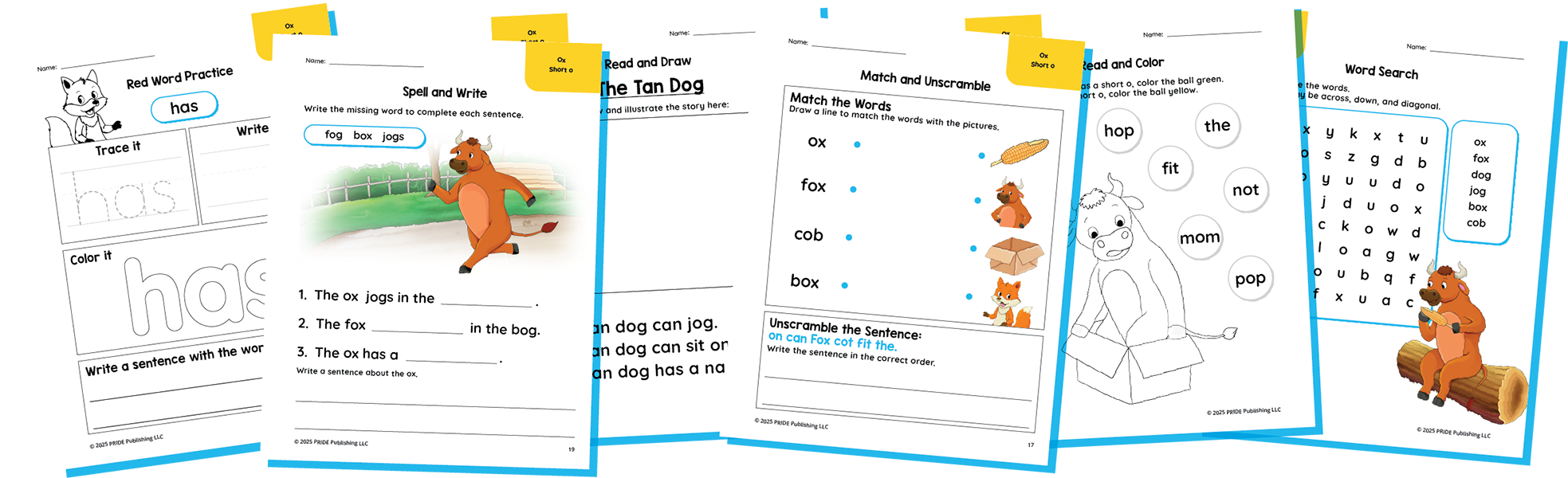
Consistency is more important than long study sessions. Just a few minutes of focused practice each day can make a real difference. A simple and powerful tool is using sound boxes. Draw three boxes on a piece of paper for a word like “sun.” As you say the word slowly, have your child touch one box for each sound they hear: /s/, /u/, /n/. Then, help them write the correct letter in each box. You can also use small objects like buttons, coins, or pom-poms to represent the sounds. This hands-on method helps children physically feel and see the individual sounds within a word, making an abstract concept much more concrete.
When you align your at-home activities with what’s happening in the classroom, you create a powerful learning loop for your child. This practice helps build foundational skills for reading and spelling and prepares them to tackle more complex words down the road. Don’t hesitate to connect with your child’s teacher. Ask them which letters and sounds they are focusing on each week. By practicing the same phonics patterns at home, you reinforce their school lessons, which helps the concepts stick. This teamwork between home and school shows your child that their reading progress is a shared and supported goal.
Having the right tools can transform phoneme-grapheme mapping from a simple exercise into a powerful learning experience. You don’t need fancy equipment; some of the most effective tools are the simplest. The goal is to give children hands-on ways to connect sounds to letters. By combining physical materials, digital resources, and the right books, you can create a well-rounded approach that makes mapping stick.
The best materials for mapping are often the most basic. A small whiteboard and a dry-erase marker are perfect for practicing words on the fly. You can also use magnetic letters, letter tiles, or even pop-it fidget toys to give kids a tactile way to segment sounds. Many teachers use mapping worksheets with boxes where children write each grapheme as they say the corresponding phoneme. This activity helps students visualize how letters correspond to sounds, making an abstract concept much more concrete. You can easily find printable templates online or simply draw boxes on a piece of paper to get started right away.
Digital tools can add a fun, interactive layer to your mapping instruction. Many educational apps and websites offer games that focus on segmenting sounds and building words, providing immediate feedback that helps children learn independently. For educators looking to deepen their understanding, there are excellent online professional development resources that can provide new strategies. Using these tools can help keep students motivated and offer a different way to practice the same essential skills, whether they’re in the classroom or learning at home. They make the process feel less like work and more like play.
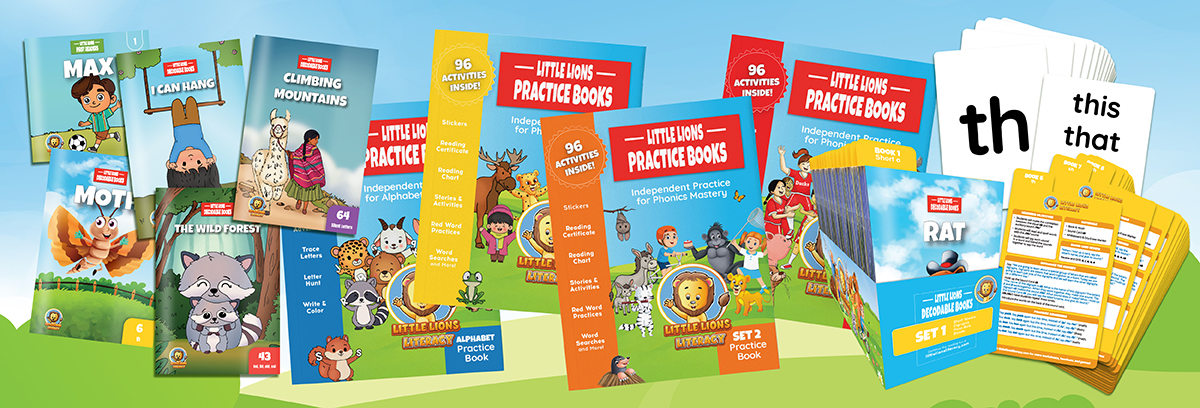
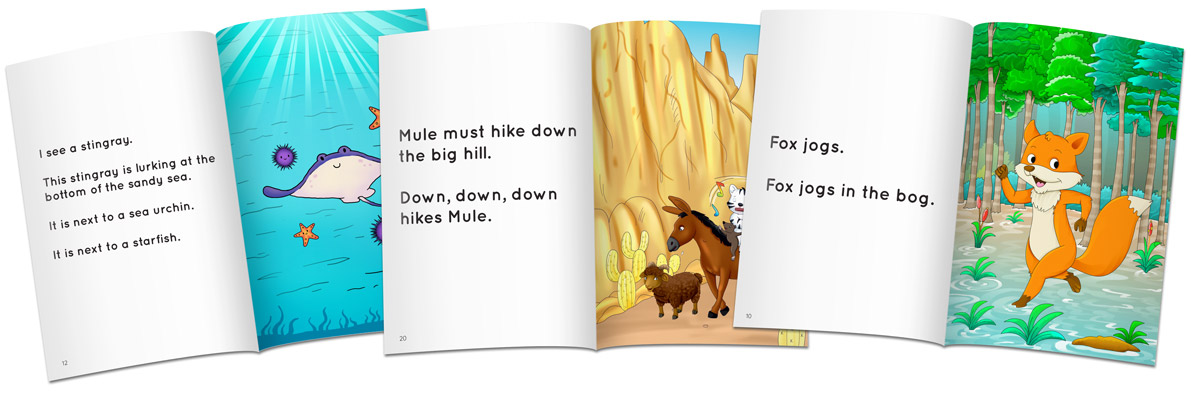
After students map a word, the most important next step is to find it in a story. This is where decodable books become your most powerful tool. These books are carefully written to include only the phonics patterns children have learned. When a child maps the word “cat” and then reads it in a sentence, it reinforces the connection between the skill and its purpose. This immediate application builds confidence and shows them that their work helps them become readers. Using a series of decodable books ensures children can practice their skills in a supportive and rewarding context.
How is this different from just practicing letter sounds? Practicing letter sounds is a great start, but phoneme-grapheme mapping takes it a step further. Instead of just knowing that ‘b’ says /b/, mapping teaches a child to first listen for the sequence of sounds in a whole word and then connect those sounds to the letters. It’s an active process of analyzing a word’s structure, which builds a much deeper understanding of how reading and spelling work.
At what age should my child start phoneme-grapheme mapping? You can introduce the basic concepts as soon as your child knows most of their letter sounds and can identify the beginning sound in a word. Typically, this is around kindergarten age. The key is to start simple with two or three-sound words. The goal isn’t to rush them but to provide a hands-on way to explore how sounds and letters work together as they begin their reading journey.
Is this just another way to memorize sight words? Not at all, it’s actually the opposite of memorizing a word’s shape. Traditional sight word memorization often relies on visual memory alone. Phoneme-grapheme mapping helps a child permanently store a word in their long-term memory by analyzing its sound structure. This process, called orthographic mapping, is how words become instantly recognizable, turning them into true sight words that don’t require memorization.
Do I really need to use tokens and sound boxes? While you can do this activity with just a pencil and paper, using tokens and sound boxes is highly effective, especially for beginners. The physical act of moving a token for each sound makes the abstract concept of phonemes very concrete. This multisensory approach helps cement the learning in a child’s brain, making it easier for them to grasp the connection between the sounds they hear and the letters they see.
What do I do if my child struggles to hear the individual sounds in a word? This is a common hurdle, and it means you should focus on building their phonemic awareness before moving to the letters. Put the pencil down and just play with sounds. Say a word like “sun” and stretch it out like a rubber band: “ssss-uuuu-nnnn.” Have your child say it back to you. You can also play games where you say the sounds (/k/ /a/ /t/) and they guess the word. Strengthening this listening skill first will make the mapping part click into place.