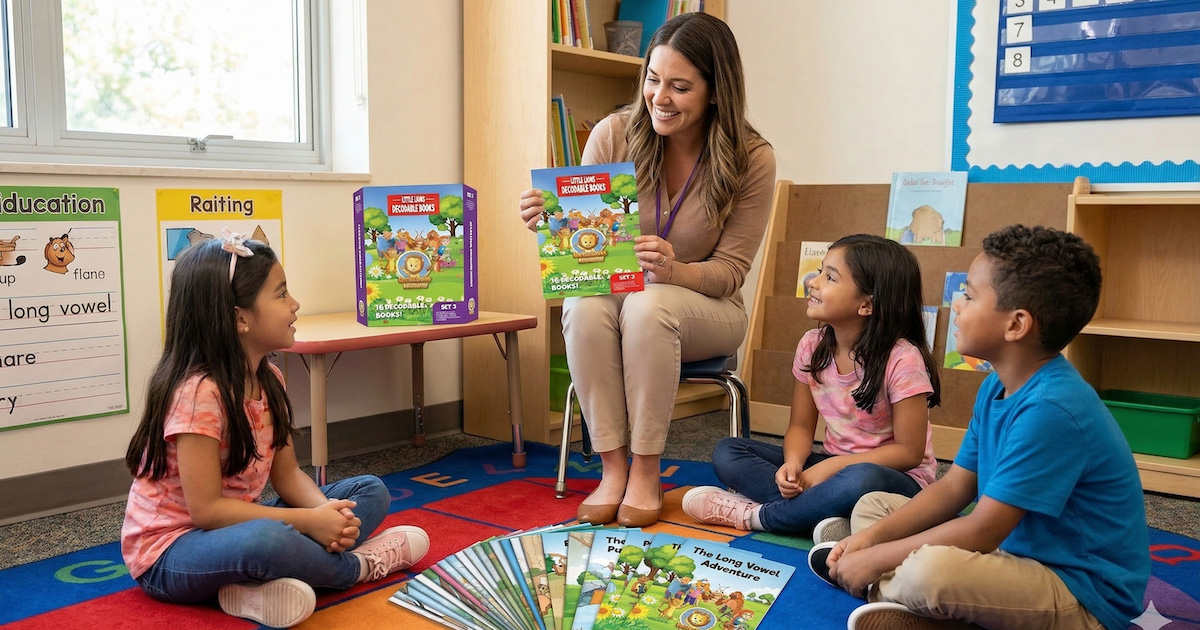
Think of learning to read as building with a set of blocks. First, kids learn the sounds of individual letters. Then they start putting them together into simple words like cat or sun. But to build bigger, more impressive structures, they need a few special connector pieces. Open syllables are one of the most important connector pieces in the English language. Mastering this one rule helps children understand how to read thousands of new words, from simple ones like me and go to multi-syllable words like music and tiger. This guide will show you how to introduce this crucial building block and make open syllable practice feel more like play than work.
When we break words down into smaller chunks, we get syllables. An open syllable is simply a syllable that ends with a vowel, like the ‘o’ in ‘go’ or the ‘e’ in ‘me.’ In these syllables, the vowel doesn’t have a consonant following it to “close it in,” so it’s free to say its name, which we call its long sound. Think of it as the vowel having an open door to shout its name loud and clear.
Understanding this concept is a game-changer for new readers. It’s one of the first major phonics rules they learn that helps them predict how a vowel will sound. Instead of guessing, they can apply the open syllable rule to sound out new and bigger words. Learning about open syllables gives children a reliable tool to read new words more accurately and builds the confidence they need to tackle more complex texts. It’s a foundational piece of the reading puzzle that helps everything else click into place. This single rule opens up a whole new world of words for them to explore, moving them from sounding out simple CVC (consonant-vowel-consonant) words to reading more fluently and with greater understanding.
The easiest way to remember the difference is to look at what comes last in the syllable. An open syllable ends in a vowel (like go, hi, we), and the vowel makes its long sound. A closed syllable ends in a consonant (like got, him, wet), which “closes in” the vowel and makes it say its short sound. Most reading programs teach closed syllables first because they are so common. In fact, open and closed syllables together make up 75% of all syllables in the English language. Once a child understands these two types, they have the key to decoding a huge number of words.
Grasping the concept of open syllables is a huge step toward understanding how long vowel sounds work in English. It gives kids a dependable rule they can apply when they encounter an unfamiliar word. When they see a vowel at the end of a syllable, they know it will likely say its name. For example, the ‘i’ makes a long /ī/ sound in ‘hi,’ the ‘o’ makes a long /ō/ sound in ‘go,’ and the ‘e’ makes a long /ē/ sound in ‘she.’ This knowledge helps them move from sounding out simple words to reading multi-syllable words like ro-bot, ti-ger, and mu-sic with greater ease and accuracy.
So, why spend time on this one little rule? Because understanding open syllables is a game-changer for young readers. It’s one of those foundational concepts that, once it clicks, makes so many other parts of reading fall into place. Think of it as giving your child a key to figure out countless new words. When they can spot an open syllable, they know the vowel will make its long sound, which takes a lot of the guesswork out of decoding. This predictability helps them become more strategic and confident readers, ready to tackle longer, more complex words without feeling overwhelmed.
Practicing this skill moves children beyond just sounding out simple CVC (consonant-vowel-consonant) words like ‘cat’ or ‘dog.’ It opens the door to words like ‘he,’ ‘go,’ and ‘hi,’ and is essential for reading multi-syllable words like ‘robot’ or ‘music.’ By focusing on open syllables, you are directly teaching a core component of the English language. This isn’t just about memorizing rules for a test; it’s about building a deep, intuitive understanding of how words are constructed. This knowledge gives kids a solid toolkit to approach unfamiliar text, making reading a less intimidating and more enjoyable experience. It’s a skill that serves them not just today, but for their entire reading journey.
At its heart, learning to read is about cracking a code. Open syllables are a huge piece of that code. When children learn to identify an open syllable, they learn a reliable rule: the vowel says its name (makes its long sound). This simple pattern helps them decode new words with much greater accuracy and ease. Instead of guessing whether the ‘o’ in ‘go’ sounds like the ‘o’ in ‘got,’ they have a rule to guide them. This builds a solid phonics foundation, making them more systematic and less reliant on memorization alone. Every time they successfully apply the rule, their understanding of how letters and sounds work together gets a little stronger.
Have you ever watched a child painstakingly sound out every single letter in a word? It’s hard work. Understanding syllable types, especially open syllables, helps lighten that load. Since open and closed syllables make up about 75% of syllables in English, mastering this concept allows kids to recognize word chunks much faster. This ability to see patterns is a major step toward improving reading fluency. When they aren’t stuck on individual sounds, their reading becomes smoother and more natural. This success is a massive confidence builder. Each word they read correctly reinforces the idea that they can do this, encouraging them to keep trying and tackle even bigger words.
For children who find reading challenging, phonics rules can feel abstract and confusing. Open syllable practice offers a concrete, predictable pattern they can hold onto. Consistent, hands-on practice helps them internalize the rule until it becomes second nature, which is essential for supporting struggling readers. This repetition builds both accuracy and speed, helping to close gaps in their foundational skills. When a child struggles, having a clear and reliable rule like ‘a syllable ending in a vowel has a long vowel sound’ can be an anchor. It provides a starting point for decoding tricky words and helps build the momentum they need to become more proficient readers.
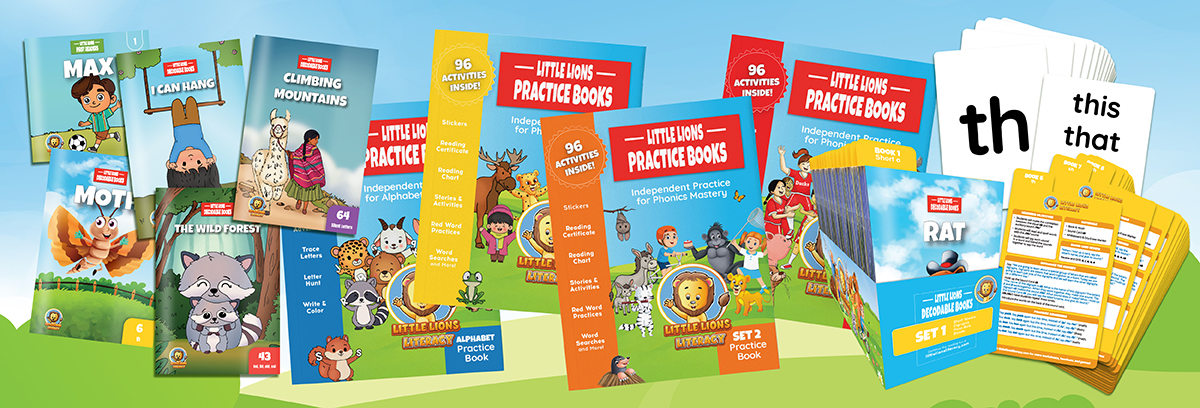
Once a child understands the concept of an open syllable, it’s time to practice. The key is to make this practice feel less like work and more like play. When learning is fun, kids are more likely to stay engaged and retain what they’ve learned. These activities are designed to be simple, hands-on, and effective, helping your young reader build confidence one syllable at a time. You can easily adapt them for home or classroom use with materials you probably already have.
Word sorts are a fantastic way for children to see the difference between open and closed syllables side-by-side. Write a mix of one-syllable open and closed words on small cards (think: go, me, hi vs. got, met, him). Have your child sort them into two piles or columns on a whiteboard. This simple activity helps them physically interact with the words and begin to recognize the visual spelling patterns that signal a long vowel sound. As they sort, ask them to read each word aloud. This reinforces both the visual and auditory connection to the open syllable rule.
Turn your reader into a word detective! Start with two-syllable words where the first syllable is open, like robot or music. Write the word on a piece of paper and have your child draw a line to split it into its syllables (ro/bot, mu/sic). Then, have them “mark” the long vowel in the open syllable with a small straight line above it, called a macron. This visual cue is a great reminder that the vowel says its name. This practice of dividing words helps kids break down longer words into manageable chunks, a skill that is essential for reading fluency.
Engaging more than one sense can make a concept stick. Let your child build open-syllable words with magnetic letters on the fridge or a cookie sheet. You can also have them trace words in a shallow tray of sand, salt, or even shaving cream for a fun, tactile experience. As they trace each letter, encourage them to say the sound it makes. Tapping out the syllables on their arm or with their fingers can also help connect the physical motion with the sound of the word. These hands-on methods are especially helpful for active learners who benefit from doing more than just reading from a page.
Incorporate movement to make learning open syllables more dynamic. Write simple open-syllable words (we, she, my, so) on index cards and place them around a room. Call out a word and have your child run or hop to the correct card. You can also turn it into a simple card game where you both draw cards from a pile, and whoever reads their word correctly gets to keep the card. The person with the most cards at the end wins. Adding a playful, competitive element can keep kids motivated and excited to show off their new reading skills.

The best way to introduce any new reading concept is to start small. Begin with simple, one-syllable words that are easy for children to sound out. Words like “me,” “go,” “hi,” and “she” are perfect examples. In these words, the vowel is at the very end and clearly makes its long sound, or says its name. Focusing on these foundational words helps your child hear the pattern without getting distracted by other letters or sounds. This approach builds their confidence right from the start and gives them a solid anchor for understanding how open syllables work before moving on to more complex words.
Once your child feels comfortable with single-syllable words, it’s time to show them how open syllables appear in longer words. Introduce two-syllable words like “ba-by,” “ro-bot,” “mu-sic,” and “ti-ger.” Guide them to split the word between the syllables and identify the open one. For example, in “robot,” the “ro” is an open syllable because it ends with a long ‘o’ sound. Practicing with these words helps children see that the rules they just learned apply to bigger words, too. This is a critical step in preparing them to decode unfamiliar words they will encounter in their reading.
Making learning visual can be a game-changer. Grab a whiteboard or a piece of paper and show your child how to physically mark syllables in a word. You can draw a line to separate the syllables (like in “si | lent”) and write an “O” above the open syllable. Another helpful visual cue is the macron, a small line drawn above the vowel (like ā) to show it makes a long sound. This hands-on method helps make an abstract concept concrete, giving kids a clear visual map of how a word is built. It connects the rule to the physical act of writing, reinforcing the lesson in a new way.
Reading is as much about hearing as it is about seeing. Incorporate activities that get your child listening for and saying the sounds in open syllables. Have them read word lists aloud, focusing on making the long vowel sound at the end of the syllable. You can also do word sorts, where you say a word and they identify if it has an open syllable. To make it more challenging, mix in some closed-syllable words (like “cat” or “stop”) and ask them to listen for the difference. This type of practice sharpens their phonological awareness and solidifies their understanding of syllable patterns.
When you’re ready to introduce open syllables, the best approach is to start small and build from there. Beginning with simple, familiar words helps children grasp the core concept: a syllable ending in a long vowel sound. Once they feel confident with the basics, you can gradually introduce more complex words. This step-by-step process builds a strong foundation, making it easier for kids to decode new words as they encounter them in their reading. Think of it as building with blocks; you start with the simplest shapes before creating something more elaborate. This progression ensures they feel successful and motivated to keep learning.
The best place to begin is with one-syllable words that are already part of a child’s vocabulary. These words clearly demonstrate the open syllable rule without any other tricky patterns. They are short, sweet, and to the point.
Here are some great starter words:
These high-frequency words are perfect because kids hear and use them all the time. Practicing with these words helps the long vowel sound in open syllables click. You can write them on flashcards, use magnetic letters, or simply practice saying them out loud to reinforce the concept.
Once your child has a good handle on single-syllable words, it’s time to move on to two-syllable words where the first syllable is open. This is a fantastic next step because it shows them how the rule works within bigger words. It helps them see patterns and break words into chunks, a crucial skill for fluent reading.
Try practicing with words like these:
When you introduce these, say them slowly and clap out the syllables. This helps your child hear the distinct parts of the word and notice that the first syllable ends with a long vowel sound.
For readers who are feeling confident and ready for a challenge, you can introduce words with three or more syllables. This is where their skills really start to shine, as they apply the open syllable concept to longer, more complex words. It’s exciting for them to realize they have the tools to read words that might have seemed intimidating before. This practice builds endurance and prepares them for the richer vocabulary they’ll find in more advanced decodable books.
Here are a few examples of longer words to explore:
Working with these words solidifies their understanding and shows them that the rules they’ve learned apply to all kinds of words, big and small.
Having the right tools can make all the difference when teaching open syllables. You don’t need a classroom full of expensive supplies; a few key materials can turn practice into a fun and effective part of your routine. The goal is to offer a mix of structured learning and playful exploration to keep your child engaged. From books designed for their skill level to simple hands-on games, these resources will help solidify their understanding and build their confidence as readers.
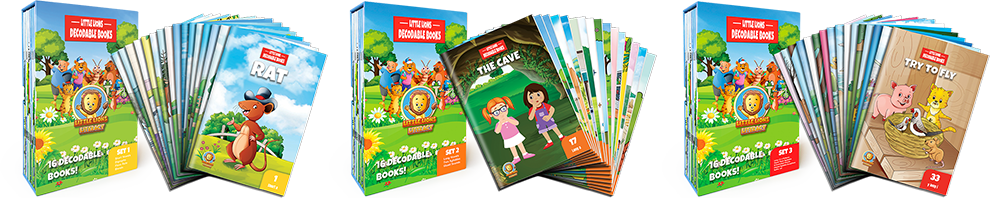
Decodable books are one of the best tools for practicing new phonics skills. These stories are written specifically for kids to sound out words using the rules they’ve just learned. When your child reads a decodable book focused on open syllables, they get to see these words in action within real sentences. This context helps them move beyond just identifying syllables and toward reading them smoothly and automatically. It’s a fantastic way to connect the dots between a phonics lesson and the magic of reading a story all by themselves.
Sometimes, a little focused practice is exactly what a child needs. Printable worksheets and activities can provide that structure. Look for resources that let kids sort words into open and closed syllables, practice dividing words, or simply read from an open syllable word list. These activities are great for a quick warm-up or for reinforcing the concept after a lesson. You can easily find free printables online that offer a variety of exercises, so you can choose what works best for your child’s learning style without any extra prep work.
Getting hands-on with learning can make abstract concepts like syllables feel much more concrete. You can use simple tools you probably already have, like magnetic letters, to build open-syllable words on the fridge. Have your child write words in a sand or salt tray to engage their sense of touch. You can even make it a game by tapping out the sounds on their fingers or arm. These multisensory activities create stronger neural pathways, helping your child remember the long vowel sound that defines an open syllable.
While we often try to limit screen time, some digital tools can be incredibly helpful for literacy practice. Many educational apps and websites offer games designed to teach syllable rules in a fun, interactive way. These games often provide immediate feedback, which helps kids learn from their mistakes and celebrate their successes in the moment. Look for apps that focus on syllable division or identifying vowel sounds. When used thoughtfully, these digital resources can be a great supplement to your other practice activities, especially for kids who are motivated by technology.
Creating the right atmosphere for learning is just as important as having the right materials. When a child feels safe, encouraged, and engaged, they’re more likely to take on new challenges with confidence. A supportive learning space turns practice from a chore into an exciting part of their day. It’s about celebrating small wins, working together, and understanding that every child learns differently. This positive foundation not only helps with specific skills like phonics but also shapes their entire attitude toward reading and learning for years to come. It shows them that learning is a journey, not a race, and that you’re there to cheer them on every step of the way.
Think of it as building the perfect reading nook. It’s not just about the books on the shelf; it’s about the cozy chair, the warm blanket, and the feeling of security that makes them want to stay and read. The same principle applies to teaching phonics. When the environment is free of pressure and full of encouragement, children are more willing to sound out a tricky word or ask for help when they’re stuck. This emotional safety net allows them to make mistakes without fear, which is a critical part of the learning process. By focusing on creating this space, you’re not just teaching them to read words; you’re nurturing a lifelong love of reading.
Let’s be honest: flashcards and drills can get old fast. The best way to keep kids motivated is to make learning feel like a game. Turn open syllable practice into a fun activity by using dice for a “Roll & Read” game where they read the word or syllable that corresponds with the number they roll. You can also create a simple word sort, having them place words into “open” and “closed” syllable piles. Using decodable books with engaging stories and illustrations also makes practice feel less like work and more like an adventure. When learning is joyful, children are more likely to stick with it and build lasting skills.
Learning doesn’t have to be a solo activity. Working with a partner or in a small group can make practice more dynamic and less intimidating. You can set up simple partner games where kids take turns reading open syllable words to each other. An activity like “Syllable POP!” where players collect cards by correctly reading syllables, adds a touch of friendly competition. This collaborative approach helps children learn from their peers, celebrate each other’s successes, and build communication skills. Whether it’s with a classmate, sibling, or friend, creating a “reading team” fosters a sense of camaraderie and shared accomplishment.
Positive reinforcement can make a world of difference in a child’s learning journey. Be specific with your praise. Instead of a simple “good job,” try saying, “I noticed how you remembered that the ‘o’ in ‘go’ makes a long sound. That was great!” This helps them understand exactly what they did right. It’s also helpful to set clear, achievable goals. For example, you can aim for 95% accuracy in a set of words before introducing a new concept. If a few words are still tricky, just circle back to them in the next session. This approach builds confidence by showing them their steady progress without pressure.
Every child learns in their own unique way. Some are visual, others are auditory, and many learn best by doing. Incorporating multisensory activities ensures that you’re catering to these different styles. You can use magnetic letters to build words, trace letters in a sand or salt tray, or have them tap out the sounds on their fingers. For visual learners, using different colored markers to highlight the vowel in an open syllable can be very effective. By offering a variety of ways to interact with the material, you make the concepts more concrete and memorable for every type of learner.
Even with the best activities, learning a new phonics rule can sometimes feel like hitting a speed bump. It’s completely normal for kids to get a little stuck when they’re learning about open syllables. The good news is that these hurdles are usually easy to clear with a bit of patience and a few targeted strategies. Let’s walk through some of the most common sticking points and how you can help your child work through them.
One of the first places kids often get tripped up is with the long vowel sound. The core rule of an open syllable is that the vowel says its name, like the ‘o’ in “go” or the ‘e’ in “we.” This can be a new concept if they’ve spent a lot of time on closed syllables, where vowels make their short sounds (like the ‘a’ in “cat”). If you notice your child defaulting to short vowel sounds, gently remind them of the rule. You can say something like, “I see a vowel at the end with no consonant to close it in. Let’s try making its long sound.” Consistent, friendly reminders will help this new pattern click.
Once kids grasp the open syllable rule, they sometimes get so excited that they apply it everywhere. This is when you might hear them pronounce “to” as “toe” or “do” as “doe.” English is full of exceptions, and it’s helpful to point these out as special cases. You can call them “rule breakers” or “tricky words” that we just have to memorize. You don’t need to get into complex explanations about the schwa sound (like the ‘a’ in “sofa”). Simply acknowledge that the word plays by its own rules and move on. The goal is to build confidence, not get bogged down in exceptions.
When your child hits a snag, having a few simple strategies ready can make all the difference. One great idea is to go on a word hunt. Create a chart and have your child write down any open syllable words they find in their decodable books or on signs around town. This turns practice into a fun game. Another powerful visual trick is marking the syllables. Show your child how to draw a small, straight line (called a macron) over the vowel to show it makes a long sound. This physical act helps reinforce the concept and gives them a concrete tool to use when they feel stuck.

As you work on open syllables with your child, it’s helpful to have a clear picture of how they’re doing. Tracking progress isn’t about high-pressure tests; it’s about knowing where your child is shining and where they might need a little more support. This helps you tailor your activities and celebrate all their hard work along the way. When you can see their growth, it makes the learning journey more rewarding for both of you and helps you know exactly what to focus on next.
You don’t need quizzes to see what your child is retaining. You can easily check for understanding during your practice sessions by turning it into a game. Ask your child to be a “syllable detective” and find the open syllable in a word like “robot” or “music.” You can also have them sort word cards into “open syllable” and “closed syllable” piles. The key is to make it light and fun. Remember, young readers need lots of consistent practice to get comfortable with reading and spelling open syllables. The more they practice, the more their accuracy and reading speed will improve.
Setting small, clear goals can make a huge difference for your child’s motivation and your peace of mind. Instead of a vague goal like “learn open syllables,” try something more specific and manageable. A great rule of thumb is to aim for about 95% accuracy before introducing a new concept. For example, a goal could be, “This week, we’ll practice our list of 20 open-syllable words until you can read 19 of them correctly.” Setting clear goals like this helps your child see their own progress and builds their confidence. It also gives you a concrete way to know when they’re truly ready to tackle multi-syllable words.
It can be tempting to move quickly to the next lesson, but ensuring your child has a solid grasp of the current one is essential for long-term success. True mastery of a concept is the goal. Aim for that 95% accuracy rate in a lesson before you move forward. What about those one or two tricky words that keep tripping them up? Don’t just leave them behind. A great strategy is to circle back and include those “trouble spots” in your current and future practice sessions until they stick. This approach ensures that no skill gaps are left behind, creating a sturdy foundation for all the reading adventures to come.
Consistency is the secret ingredient to helping your child master open syllables. But consistent practice doesn’t have to mean boring drills. The key is to build a simple, fun routine that fits into your daily life. By weaving short, engaging activities into your schedule, you can give your child the repeated exposure they need to build confidence and fluency. Think of it as creating small, positive learning habits. A few minutes of focused, playful practice each day can make a world of difference in their reading journey.
You don’t need to set aside an hour for phonics practice. Short and sweet is often more effective for young learners. Aim for 5 to 10 minute sessions each day. You can use this time to review a handful of open syllable words using flashcards or a small whiteboard. Try incorporating this mini-lesson into a part of your day that’s already established, like after snack time or before a bedtime story. Having a printable list of open syllable words handy makes these quick practice moments even easier.
Keep your child excited about learning by rotating through different activities. One day, you could do a word sort, challenging them to categorize words into “open syllable” and “closed syllable” piles. The next, you might go on a “syllable hunt” in a favorite picture book. You can even get active with games like open syllable hopscotch. By offering a variety of activities, you keep practice feeling fresh and prevent learning from becoming a chore.
The ultimate goal is for your child to apply their phonics knowledge while reading. This is where decodable books shine. These books are designed to include words that follow the phonics rules your child is learning, providing the perfect opportunity to practice identifying open syllables in context. As you read together, encourage your child to be a “word detective” and find the open syllable words on the page. This step connects the skill to its purpose and shows them how understanding syllables helps them become a stronger reader. Our Little Lions Literacy sets are built to grow with your child as they master these foundational skills.
How do I know if my child is ready to learn about open syllables? A great time to introduce open syllables is after your child has a solid grasp of closed syllables and their short vowel sounds. If they can confidently read words like cat, pen, and sit, they have the foundation needed to understand how a vowel sound can change. Think of it as the next logical step in their phonics journey, moving from short vowel sounds to long ones.
My child keeps using the short vowel sound for open syllables. How can I help? This is a very common hurdle, so don’t worry. The best approach is gentle, consistent reminders. When they read a word like “go,” you can say, “I see that vowel has nothing closing it in. Let’s try its long sound, the one that says its name.” Using a hand motion, like opening your hand to show the syllable is “open,” can also be a great physical cue to help the concept stick.
What’s the best way to explain the difference between open and closed syllables to a young child? I love using a simple “door” analogy. You can explain that a closed syllable has a consonant at the end that “closes the door,” so the vowel has to be quiet and use its short sound (like the ‘a’ in cat). An open syllable has no consonant at the end, so the door is wide open. This lets the vowel shout its name loud and clear, which is its long sound (like the ‘o’ in go).
Why are some words like ‘to’ and ‘do’ exceptions to the open syllable rule? English is full of history, and some of our most common words don’t follow the typical phonics patterns. I like to call these “rule breakers” or “tricky words.” The best strategy is to simply teach them as unique words that we need to memorize. Acknowledge that they don’t follow the open syllable rule, and then practice them separately so your child learns to recognize them by sight.
How do decodable books help with practicing open syllables specifically? Decodable books are powerful because they are carefully written to include words that follow the phonics rules your child is currently learning. When you use a book focused on open syllables, your child gets to practice this new skill in the context of a real story, not just on a worksheet. This repeated exposure helps them recognize the pattern automatically and builds their confidence to read more complex texts.