If you’ve ever felt frustrated trying to teach a young child their letter sounds, you are not alone. Traditional methods that rely on rote memorization can often lead to disinterest or even resistance from little learners. The Montessori approach offers a gentle yet powerful alternative that puts the child’s natural curiosity first. It recognizes that learning is a physical experience. By using Montessori phonics materials, you can engage a child’s senses and empower them to learn at their own pace. These tools are designed to be self-correcting, which builds confidence and fosters independence. This guide will show you how these materials work and how they can help create a positive, successful reading journey for any child.
Montessori phonics materials are hands-on tools designed to make learning to read an adventure of discovery. Instead of just looking at letters on a page, children get to touch, feel, and interact with them. These materials use a multi-sensory approach, which is a cornerstone of the Montessori method, to help kids connect sounds to symbols in a concrete way. It’s all about engaging their natural curiosity and making the building blocks of reading tangible and fun.
The Montessori approach to phonics is built on a few key ideas that put the child first. It’s all about gentle guidance, not rigid instruction. The Montessori method lets children learn at their own pace, following what sparks their interest. Learning is also a full-body experience. Children use multiple senses at once, touching textured letters while saying their sounds, which helps cement the connection in their minds. Interestingly, kids often learn to build words and write them before they officially start reading them. This helps them understand how sounds come together to form words from the very beginning.
One of the biggest differences you’ll notice is the focus on letter sounds over letter names. Instead of teaching a child that the first letter of the alphabet is ‘ay,’ the Montessori method teaches its sound, ‘ah.’ This is incredibly practical because it directly translates to decoding words. Children can start blending sounds together to read much faster this way. This child-led pace is another key distinction. It’s not about pushing kids to read ahead of schedule; it’s about creating a rich environment where they can progress naturally. This approach helps avoid some common misconceptions about early learning, showing what’s possible when children are free to learn without pressure.
Montessori phonics materials are designed to be hands-on, engaging a child’s senses to make learning concrete and memorable. Instead of relying on rote memorization from worksheets, these tools invite children to touch, see, and hear the components of language. This multi-sensory approach helps build a strong, intuitive understanding of how sounds and letters work together. Let’s look at some of the core materials you’ll find in a Montessori phonics curriculum.
Sandpaper letters are one of the first phonics materials introduced to a child, typically around age two or three. These are cards with lowercase letters made of fine-grit sandpaper, with consonants on pink boards and vowels on blue. The magic happens when a child traces the letter with their fingers. This tactile experience helps them internalize the shape and direction of each letter, creating muscle memory for writing later on. As they trace, you guide them to say the letter’s sound, not its name. This multi-sensory technique connects the physical shape to the auditory sound, creating a much stronger neural connection than simply looking at a letter on a page.
Once a child has a good grasp of several letter sounds from the sandpaper letters, the movable alphabet comes into play. This is a large box with compartments for cutout letters, again with vowels and consonants in different colors. It allows children to physically build words before their fine motor skills are ready for handwriting. They can arrange the letters to spell out simple phonetic words like “cat” or “sun,” essentially “writing” without a pencil. This tool is fantastic for helping kids explore spelling and word construction on their own. It empowers them to express their thoughts through words, which is a huge confidence builder on their journey to literacy.
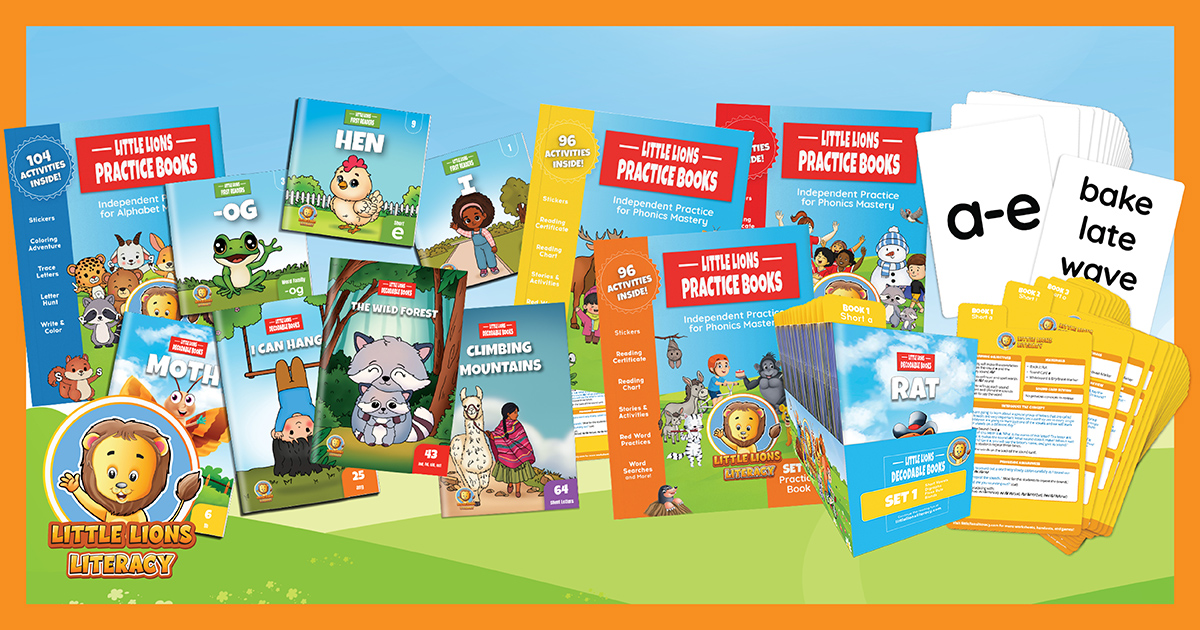
After children can build words with the movable alphabet, they are ready to start reading them. Phonetic reading cards and booklets are perfect for this stage. These materials feature simple, three-letter phonetic words (consonant-vowel-consonant) paired with a matching picture. A child sounds out “p-i-g” and then can check their work by looking at the picture of a pig. This provides immediate feedback and builds confidence. As they progress, they move from single words to short phrases and sentences in small booklets. These materials work beautifully alongside decodable books, like the sets we offer at Little Lions Literacy, to give children plenty of practice blending sounds into meaningful words.
Long before a child ever sees a letter, you can build their phonemic awareness with simple sound games. The classic “I Spy” game, focusing on the beginning sound of an object (“I spy something that starts with ‘b'”), is a perfect example. Object boxes, sometimes called sound baskets, take this a step further. You can fill a small box with trinkets that all start with the same sound, like a button, a ball, and a block for the /b/ sound. The child can hold and explore the objects while repeating the sound. These playful activities train a child’s ear to hear the individual sounds in words, which is a critical prerequisite for learning to read and spell.
Finding the right materials is a key step in bringing Montessori phonics to life. Several trusted suppliers create high-quality, effective tools for young readers. Whether you’re outfitting a classroom or a cozy reading nook at home, these companies are excellent places to start your search.
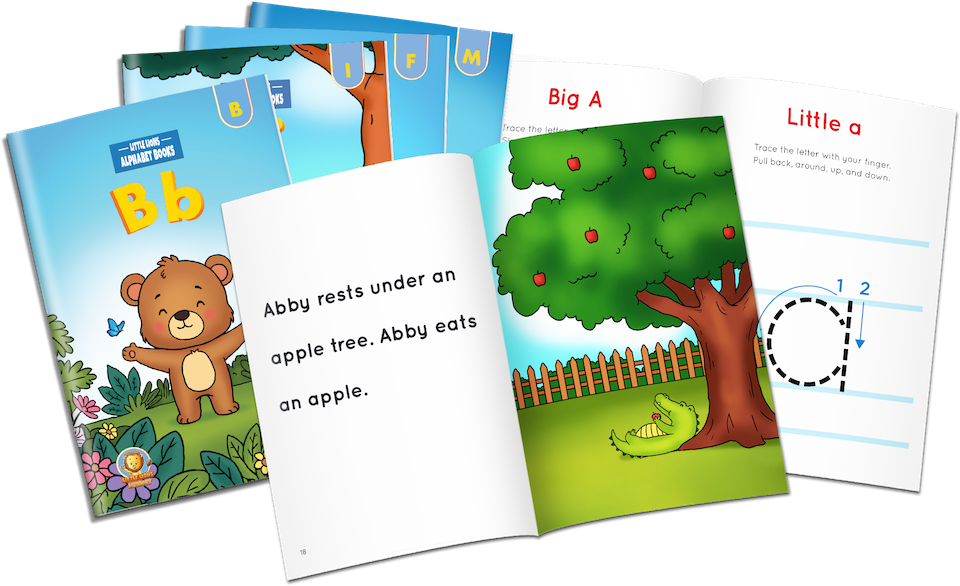
Our own decodable books and resources align perfectly with Montessori principles. We use a structured, phonics-first approach to give children a strong foundation for reading. Each book set follows a clear progression, introducing new sounds systematically. This method empowers children to decode words on their own, building confidence with every story. We create our materials to be engaging and fun, ensuring learning to read is a positive experience.
Nienhuis is a classic name in the Montessori world, known for producing beautiful, high-quality materials built to last. Their collection includes foundational phonics resources like the Sandpaper Letters and Movable Alphabet, all crafted to meet official Montessori standards. While an investment, many educators find the durability of Nienhuis language materials essential for a true Montessori environment. They are a trusted source for core classroom pieces that withstand years of use.
Montessori Services offers a comprehensive catalog, making it a great one-stop shop. They carry a wide selection of phonics tools, from sound games to phonetic reading cards. Catering to both schools and homeschool families, they provide options that fit various budgets and spaces. Their website is a fantastic place to explore different phonics resources and discover hands-on activities that support early literacy.
Alison’s Montessori is another excellent source for language materials that follow the Montessori method. They offer a wide range of tools, from basics to more advanced reading work. A great example is their collection of Phonic Word Booklets, designed to help children practice decoding systematically. These booklets are a perfect next step after a child masters letter sounds and is ready to start blending. They provide targeted practice that reinforces phonics skills and helps build reading fluency.
Have you ever wondered what makes Montessori phonics materials so successful? It’s not magic, but a thoughtful approach grounded in how children naturally learn. The effectiveness comes from a combination of hands-on engagement, built-in guidance, and a deep respect for a child’s individual pace. Instead of asking children to sit still and memorize abstract symbols, the Montessori method invites them to explore language with their whole bodies and all their senses. Each material is carefully designed to isolate a specific skill, allowing children to build their reading abilities with confidence and joy. This approach recognizes that learning to read isn’t a race; it’s a developmental process that unfolds differently for every child. The goal is to create an environment where curiosity thrives and children feel empowered to take charge of their own learning. By connecting sounds to tangible objects and movements, these materials help children form a deep, intuitive understanding of how language works. This foundation goes beyond simple decoding; it nurtures critical thinking, concentration, and a genuine passion for reading that can last a lifetime. The beauty of this method is that it builds skills sequentially, ensuring a child has mastered one concept before moving to the next, which prevents gaps in their understanding. Let’s look at the core principles that make these tools a powerful part of any literacy journey.
Children are natural explorers who learn about the world through their senses. Montessori phonics capitalizes on this by using a multisensory approach. Instead of just looking at letters on a page, children touch, see, and hear them simultaneously. Think of the classic Sandpaper Letters: a child traces the shape of the letter with their fingers (touch), sees its form (sight), and says the corresponding sound aloud (hearing). This process creates stronger, more memorable connections in the brain. This method of engaging many senses helps children internalize letter sounds far more effectively than rote memorization alone, making the abstract concept of a letter feel concrete and real.
One of the most empowering aspects of Montessori education is its focus on independence. The phonics materials are ingeniously designed to be self-correcting, which means a child can often see their own error without an adult pointing it out. For example, with a set of phonetic matching cards, the child knows they are finished when all pairs have been correctly matched. This feature allows children to learn from their mistakes in a low-pressure way, building resilience and a strong sense of self-reliance. It transforms learning from a passive activity into an active process of discovery and problem-solving, giving them ownership over their progress and building their confidence as capable learners.
Montessori phonics follows a clear, logical progression that meets children exactly where they are. The journey begins with the most basic building blocks: learning individual letter sounds. From there, children move on to blending those sounds to form words, and eventually, they construct their own sentences. This systematic path ensures that no steps are skipped, creating a solid foundation for reading fluency. Just like our Little Lions Literacy books follow a specific scope and sequence, Montessori materials introduce concepts incrementally. This prevents children from feeling overwhelmed and helps them experience consistent success, which keeps them motivated to continue learning and tackling new challenges.
The Montessori method respects that every child learns differently and at their own pace. Instead of rigid, adult-led lessons, the environment is set up to encourage curiosity and exploration. An educator or parent acts as a guide, introducing materials when a child shows readiness and interest. This child-led discovery makes learning feel like play rather than work. When a child chooses to work with the Movable Alphabet because they are excited to build words, the learning is more meaningful and lasting. This approach nurtures a genuine love of learning that can stay with a child for life, turning them into curious, self-motivated readers.

Having a beautiful set of Montessori phonics materials is a great first step, but the real learning happens when you know how to use them effectively. The goal isn’t to drill your child with flashcards but to create an engaging, hands-on experience that sparks their curiosity. By thoughtfully integrating these tools into your child’s day, you can guide them on a clear path from recognizing sounds to reading full sentences. The key is to create a supportive environment, establish a gentle routine, and connect the hands-on work with the joy of reading a real book. These simple strategies will help you make the most of your materials and foster a genuine love of reading.
Creating a space that invites learning is half the battle. Instead of keeping your Montessori materials tucked away, make them a visible and accessible part of your child’s play area. Place the Sandpaper Letters on a low, open shelf where your child can easily grab them. Set up a small basket with a few phonetic objects and their corresponding letters for a simple matching game. For younger toddlers, you can use these objects to help them learn new words and hear the first sound in words. The idea is to make phonics a natural part of their environment, allowing them to explore letters and sounds at their own pace without pressure.
Consistency is your best friend when teaching reading. This doesn’t mean you need a rigid, hour-long lesson each day. Instead, aim for short, joyful interactions with phonics materials that become a regular part of your routine. You could play a quick “I Spy” sound game while making breakfast or spend ten minutes tracing Sandpaper Letters after lunch. One of the most powerful things you can do is to read to your child often, starting when they are babies. Making reading a cozy, daily ritual builds a strong foundation and shows your child that books are a source of connection and fun, which is the perfect motivation for learning to read themselves.
Montessori materials are fantastic for teaching the mechanics of reading, and decodable books are where those skills come to life. After your child uses the Movable Alphabet to build a word like “sun,” imagine their delight when they find that same word in a story. This is the moment where the abstract concept of letters and sounds clicks into place. You can pair your hands-on activities with books that feature the specific phonetic skills your child is learning. For example, once they master short ‘a’ sounds, you can introduce them to a set of decodable books focused on CVC words like “cat,” “map,” and “fan.” This connection makes learning feel relevant and incredibly rewarding.
The Montessori approach to reading is beautifully systematic, guiding children from one skill to the next. Your role is to observe your child and introduce the next step when they seem ready. The journey typically starts with learning letter sounds, then moves to blending those sounds to make words. From there, you can introduce phonetic reading cards to help them build phrases and simple sentences. As their confidence grows, they can apply these skills to reading full books. Following a clear phonics scope and sequence ensures you are building skills logically, preventing gaps in their understanding and making the entire process feel smooth and successful.
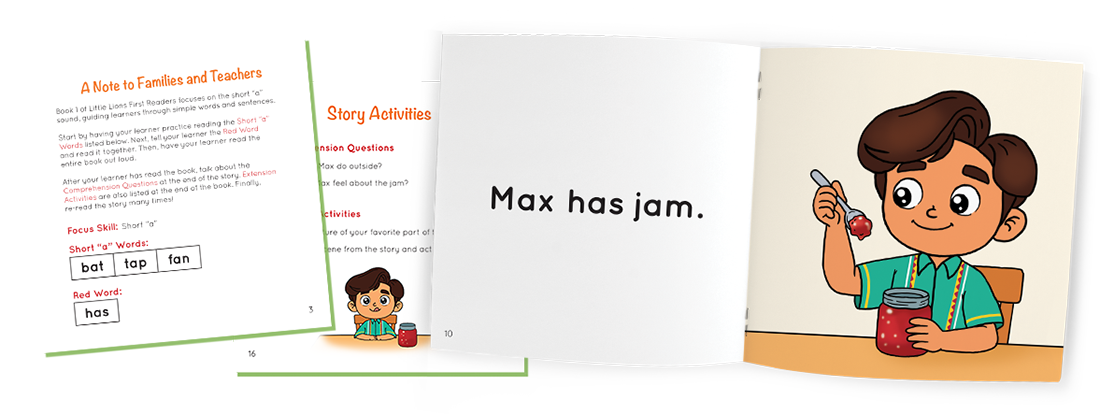
One of the best things about the Montessori approach is its flexibility. It isn’t a rigid system designed for a single age group or learning style. Instead, its hands-on, child-led philosophy meets children exactly where they are on their reading journey. From the very first steps of linking sounds to letters to blending words together, these methods support a wide range of young learners.
The multi-sensory materials are designed to grow with a child, offering new challenges as their skills develop. This adaptability makes Montessori phonics a powerful tool for preschoolers just starting out, kindergarteners building their confidence, and even older students who might need a different approach to find their reading rhythm. The focus is always on creating a positive, successful experience that builds a strong foundation for a lifetime of reading.
For three and four-year-olds, learning should feel like play. Montessori phonics excels at this by introducing foundational literacy skills through tactile, engaging experiences. At this age, the focus isn’t on reading full sentences but on building the essential pre-reading skills that make reading possible later on. Children can trace Sandpaper Letters to connect the shape of a letter with its sound or play sound games with small objects to develop phonemic awareness.
You don’t need a classroom full of materials to get started. Many foundational pre-reading activities can be done with just a few key items. The goal is to spark curiosity and make the connection between spoken sounds and written symbols feel natural and fun, setting a positive tone for the learning ahead.
As children enter kindergarten, their phonics journey takes a big leap forward. They move from learning individual sounds to actively building words. This is where materials like the Movable Alphabet truly shine. Instead of just using a pencil, children can physically manipulate letters to spell out words, which helps solidify their understanding of how sounds blend together.
In many Montessori environments, children learn letter sounds and begin writing words before they officially start reading books. This process of encoding (writing) builds a deep, intuitive understanding of decoding (reading). Once a child can confidently build words with the Movable Alphabet, they often start to read them on their own, turning a potentially daunting task into an exciting moment of discovery.
It’s a common myth that Montessori methods are only for preschoolers. In reality, the principles are highly effective with children of all ages, including early elementary students and those who find reading challenging. For a child who struggles with traditional phonics worksheets, the hands-on, multi-sensory nature of Montessori materials can be the key that helps everything click.
Because the materials are self-correcting, they allow children to explore and learn without a fear of failure. This builds confidence and independence, which is especially important for a struggling reader. The same tools used in preschool can be adapted for more complex activities, helping older children fill in foundational gaps and build skills at their own pace in a supportive, encouraging way.
When you start shopping for Montessori phonics materials, you’ll find a lot of options. It can be tricky to know which items are worth the investment and which are just toys with a “Montessori” label. To make the best choice for your child or students, it helps to have a clear set of criteria. A great set of materials should be more than just educational; it should be inviting, durable, and perfectly suited to the child’s developmental needs. By focusing on a few key areas like quality, age-appropriateness, and educational structure, you can confidently select tools that will genuinely support a child’s journey to literacy. Think of it as curating a toolkit that will not only teach them to read but also inspire a love for learning.
Montessori materials are designed for hands-on exploration, which means they need to withstand plenty of use. Look for items made from high-quality, durable materials like wood, which offers a warm, natural feel that plastic can’t replicate. The construction should be solid, with smooth, safe edges. Since these tools are meant to be touched, held, and manipulated, their tactile qualities are part of the learning experience. Many high-quality products also use realistic photographs or simple, clear illustrations to make learning more concrete and engaging for young children. Investing in well-made materials ensures they will last through multiple children and years of learning, making them a sustainable choice for your home or classroom environment.
The effectiveness of a Montessori tool depends heavily on whether it’s introduced at the right time. Always look for materials that are suitable for the developmental stage of the child. Most phonics work begins around age two and a half, but the specific materials will change as the child grows. For younger toddlers, you might start with sound games or object boxes to help them hear the first sound in words and build their vocabulary. As they get older, they can move on to Sandpaper Letters and the Movable Alphabet. The goal is to provide a healthy challenge that encourages growth without causing frustration. Choosing age-appropriate materials ensures the child feels successful and stays motivated to learn.
Random phonics activities can leave gaps in a child’s understanding. That’s why it’s so important to choose materials that align with a clear phonics scope and sequence, which is a structured plan for teaching reading skills in a logical order. This approach ensures that children master foundational skills, like letter sounds, before moving on to more complex ones, like blending sounds into words and reading sentences. A well-designed scope and sequence acts as a roadmap, guiding the child step-by-step from one concept to the next. When your materials support this structure, you create a cohesive learning path that builds confidence and prevents confusion, setting the stage for true reading fluency.
When selecting materials, think about their long-term impact. The best tools not only teach a specific skill but also contribute to a child’s overall educational development. For example, tracing Sandpaper Letters doesn’t just teach phonics; it also develops fine motor skills and prepares the hand for writing. Similarly, using the Movable Alphabet for word-building lays the groundwork for sentence construction and creative writing later on. Look for materials that are versatile and can be used in different ways as the child’s skills advance. By choosing tools with lasting value, you’re investing in a strong foundation that will support their language development for years to come.
When you’re investing in phonics materials, you want to be sure they’ll actually work for your child or students. Hearing from others who have used the tools can provide valuable insight. Instead of relying solely on product descriptions, look for reviews from experienced educators and parents who can share their honest feedback. These firsthand accounts can help you understand how the materials perform in real-world learning environments, giving you the confidence to choose the right resources for your young reader.
Educators are on the front lines of teaching children to read, and their blogs and forums are goldmines of practical advice. Teachers often share detailed reviews, creative ways to use materials, and what truly engages students. In communities like the Montessori subreddit, you can ask questions and get direct answers from experienced practitioners. As one teacher noted, the hands-on approach is a huge plus, stating, “The multi-sensory Montessori language materials used to teach phonics are a true highlight of the method. It’s fun, simple, and effective.” These platforms offer a space to learn from professionals who are passionate about literacy.
Parents and homeschoolers offer a different but equally valuable perspective. They can speak to the durability of materials, how they fit into a home environment, and whether they kept their child’s interest. Homeschooling blogs and parent forums often discuss the cost-effectiveness of different brands. One parent shared a tip for finding affordable materials, saying, “If you are looking for a good price on bead material I would recommend the Montessori Outlet beads.” These groups are fantastic for getting practical, budget-conscious advice from people who are on the same journey as you.
For information backed by deep educational expertise, turn to professional Montessori organizations. Websites like the American Montessori Society offer resources, articles, and sometimes even parent forums where you can find vetted information. These organizations often publish guides and host discussions that help parents and educators understand the principles behind the materials. One school’s guide, for example, “uses quotes from the text and thought-provoking questions to encourage readers to examine their own educational experiences and beliefs.” These sources provide a reliable, expert-backed perspective on the effectiveness and proper use of Montessori phonics tools.
High-quality Montessori materials are an investment, but that doesn’t mean you have to break the bank. With a little strategic shopping, you can find excellent deals on the phonics tools you need for your classroom or home. The key is knowing where to look and when to buy. From bundling purchases to catching seasonal sales, let’s walk through a few of the most effective strategies for finding affordable Montessori phonics materials.
One of the easiest ways to save is by purchasing materials in bundles. Many suppliers offer a discount when you buy a collection of items together, which is perfect for educators or parents wanting a comprehensive phonics program. For example, some retailers offer curated classroom packages that bundle essential materials at a reduced price. This approach saves money and ensures you have a cohesive set of tools. Our classroom sets are designed to give you a complete, sequential phonics path, making it a cost-effective way to stock your shelves.
Patience can pay off. Many Montessori suppliers run sales during key times of the year, like back-to-school season or Black Friday. Signing up for email newsletters from your favorite brands is a great way to get notified about these promotions. Some companies offer incredible limited-time offers that can lead to huge savings. For instance, you might see a bundle of resources that normally sells for hundreds of dollars offered for a fraction of the price for a short period. These flash sales are a fantastic opportunity to acquire high-quality materials.
If you’re just beginning your Montessori phonics journey, you may not need a full classroom collection right away. Look for budget-friendly starter sets that include the core materials for early reading. These bundles provide the essentials to get your child started without a significant upfront investment. Similarly, our decodable book sets are grouped by phonics skill, allowing you to buy exactly what your child needs for their current stage. This step-by-step approach lets you build your library over time in a way that’s manageable for your budget.
With so many wonderful materials available, it’s easy to feel like you need to buy everything at once. But the best approach is always the one that’s tailored to your specific child. Choosing the right tools isn’t about creating a picture-perfect classroom; it’s about thoughtfully selecting items that will support your child’s unique learning path. The goal is to spark curiosity and build confidence, not to overwhelm them with too many options.
Before you add anything to your cart, take a step back and consider a few key factors. Think about where your child is right now in their literacy journey, what practical constraints you might have, and what you hope to achieve. By focusing on your child’s individual needs, you can build a collection of phonics materials that is both effective and manageable. This intentional approach ensures that every tool has a purpose and helps you make the most of your investment in their education.
The first step is always to observe your child. Where are they right now? Can they identify a few letter sounds, or are they starting to blend sounds to read simple words? The Montessori philosophy encourages us to let children learn at their own pace, and that begins with understanding their current abilities. You don’t need a formal test to do this. Simply pay attention during playtime. Do they point out the first letter of their name on a sign? Do they enjoy rhyming games? These small moments offer big clues about their phonics awareness. By meeting them where they are, you can choose materials that provide the right amount of challenge without causing frustration.
Let’s be practical: Montessori materials can be an investment, and not everyone has a dedicated school room at home. The good news is you don’t need one. You can create a powerful learning environment with just a few carefully chosen items. Start with the essentials that offer the most value, like Sandpaper Letters or a Movable Alphabet. You can always add more later as your child progresses. Think about your physical space, too. If you’re working with a small corner in a living room, look for materials that are compact or can be easily stored. Creating a Montessori-friendly space is more about accessibility and order than it is about having a lot of stuff.
Every material you introduce should have a clear purpose that connects to your child’s learning goals. If your child is mastering letter sounds, Sandpaper Letters are a perfect fit. If they’re ready to start building words, the Movable Alphabet is the logical next step. The ultimate goal of phonics instruction is to create fluent readers, so it’s essential to bridge the gap between hands-on materials and actual books. Once your child can blend a few sounds together, introduce them to decodable books. These books are designed to align perfectly with their developing skills, allowing them to apply what they’ve learned and experience the joy of reading a story all by themselves.

You can start building phonemic awareness with sound games, like “I Spy” for beginning sounds, as early as age two or three. The more formal, hands-on materials like the Sandpaper Letters are typically introduced around age three, but the most important thing is to follow your child’s lead. When they show curiosity about letters and the words they see around them, that’s your cue that they are ready to begin.
Not at all. You can create a wonderful learning environment with just a small, organized space. A low shelf or a designated basket in a quiet corner of a room works perfectly. The key is to make the materials accessible and inviting so your child can choose to work with them independently. It’s about creating an atmosphere of orderly exploration, not replicating a full classroom.
It’s definitely not too late. Knowing letter names is great, but knowing their sounds is the skill that allows a child to decode words. You can simply begin emphasizing the sounds. When you point to the letter ‘b,’ you can say, “This is the letter B, and it makes the /b/ sound.” Gently shifting the focus to the sounds will give them the practical tool they need to start blending words together.
If you have to choose just one or two items, the Sandpaper Letters are a fantastic starting point. They provide that crucial multi-sensory link between a letter’s shape and its sound. Another powerful tool is the Movable Alphabet, which allows children to build words and understand spelling long before their hands are ready to write with a pencil.
They are the perfect partners. Montessori materials like the Movable Alphabet teach a child how to build a word, sound by sound. Decodable books give them the immediate opportunity to apply that new skill in a real story. After a child builds the word “cat,” finding “cat” in a book provides a powerful moment of success. This connection makes the learning feel meaningful and gives them the practice they need to become confident, fluent readers.