
Teaching the long /e/ sound can feel simple at first—until your child or student has to choose between ee and ea! If you have ever heard, “How do I know which one to use?” you are not alone. The good news is that with a clear routine, lots of reading practice, and a few smart spelling tips, you can teach this phonics pattern with confidence.
EE and EA both often spell the long /ē/ sound.
EE is usually the more consistent spelling, so it is often the best one to teach first.
EA can also say short /e/ and long /a/ in some words, so students need extra exposure and practice.
Word sorts, mnemonics, dictation, and decodable reading help students lock in these vowel teams.
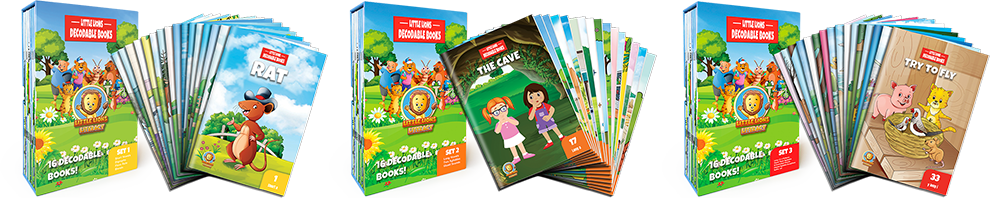
Decodable Books give students the repeated, meaningful practice they need.
Learning to read is a big adventure, but every adventure has its tricky paths! One of the most common “forks in the road” for young readers is the long /e/ sound. You’ve probably seen it happen: a student is writing the word tree and pauses, wondering, “Is it ‘ee’ or ‘ea’?”
It’s a classic phonics puzzle! Both ee and ea are vowel teams that love to make that long /e/ sound. While they sound identical in words like meet and meat, they play by slightly different rules.
As a teacher or parent, your job is to give your little reader the map they need to navigate these vowel teams with confidence. Today, we are going to dive into the Science of Reading approach to teaching ‘ee’ and ‘ea’ so your students can master these patterns and have a blast doing it!
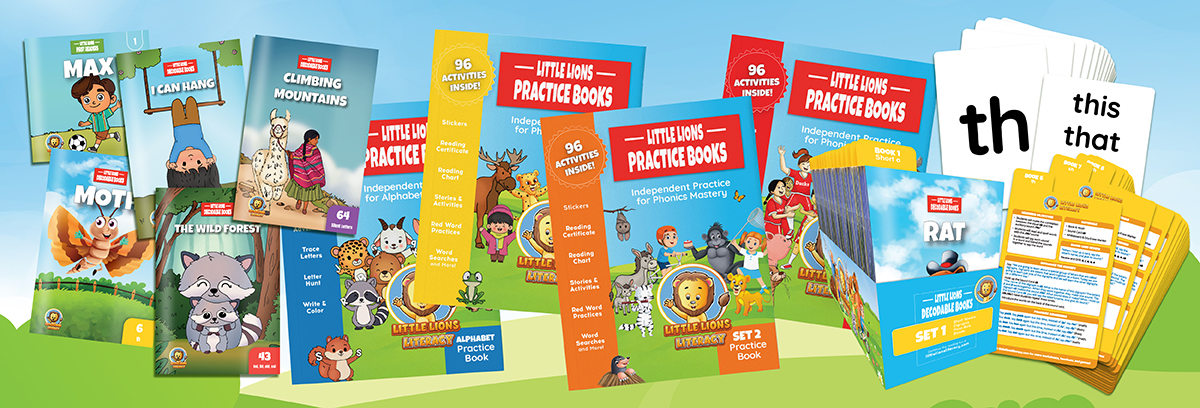
Before we jump into the “how,” let’s look at the “why.” In English, the long /e/ sound can be spelled in many ways (e, e_e, ee, ea, y, ie, ei, ey). However, ee and ea are two of the most common heavy hitters.
The challenge is that they often appear in the same position: usually in the middle of a word. Because they sound the same, students can’t rely on their ears alone. They need orthographic mapping: the process of bonding the letters to the sounds in their memory.
Key takeaway: Both vowel teams say /ē/, but they are used in different words. ‘EE’ is the more consistent team, while ‘EA’ is a bit of a multitasker!
In many Science of Reading curriculums, we introduce the ee vowel team first. Why? Because it is incredibly consistent! Unlike its cousin ea, the team ee almost always makes the long /e/ sound.
Teaching Tip: Have your students “see the bee in the tree!” This simple rhyme helps them associate the /ee/ spelling with common, concrete objects.
Want ready-to-use practice? View Product: Decodable Books
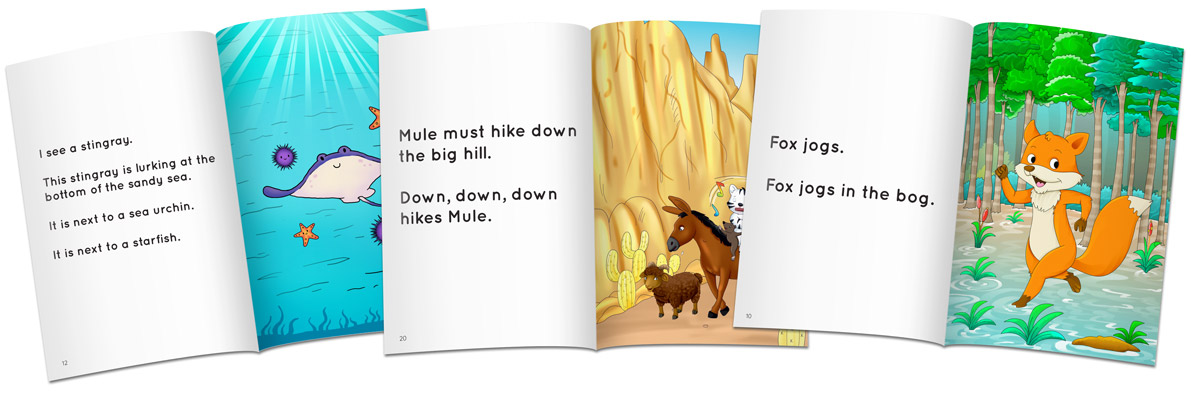
Once your students are comfortable with ee, it’s time to bring in ea. You can explain to your students that ea is another team that makes the long /e/ sound, but this team has a few more jobs to do. This gradual approach fits well with structured literacy routines like those highlighted in the UFLI literacy resources.
While ea most commonly says /ē/ (as in leaf or eat), it is also used for:
Don’t panic! When first teaching the difference, focus only on the long /e/ sound. You want to build success before introducing the variations.
Here is a helpful tip to share: ea is very common at the beginning of words (eat, each, eagle), whereas ee is quite rare at the start of words (except for eel or eerie).
Key Benefit: Teaching students that “EA often starts the word” gives your learner an immediate tool for spelling success!
One of the most effective ways to teach the difference between ee and ea is through active, hands-on learning. Word sorts are a wonderful tool for orthographic mapping!
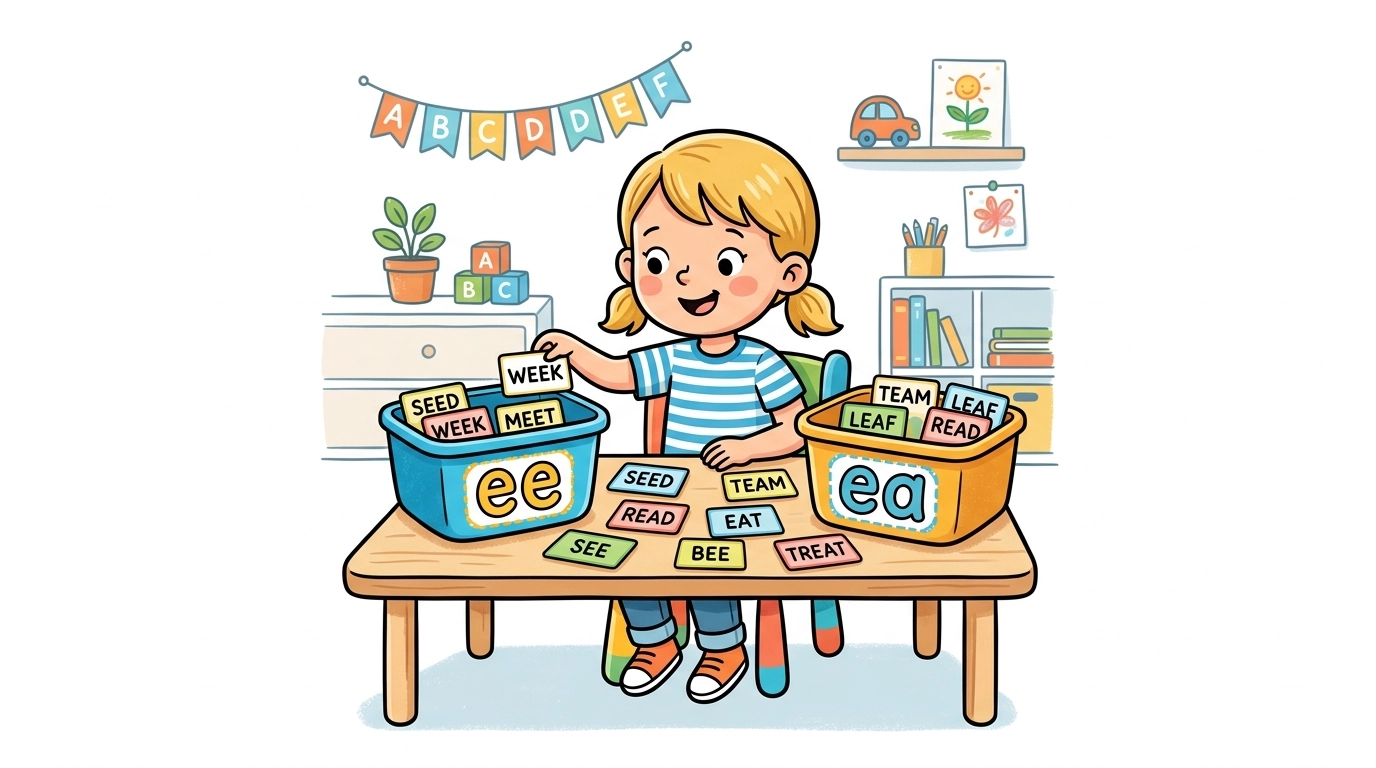
You can find excellent practice activities like this in our Practice Books, which are designed to reinforce these exact phonics concepts with over 96 engaging activities!
Need more hands-on review? Shop Now: Practice Books
Mnemonics are like “brain glue”: they help information stick! Since ‘ee’ and ‘ea’ look similar, visual anchors are essential.
By connecting the spelling to a category (seeing vs. eating), you give students a mental hook to hang the information on.
When a student is reading and encounters a word they don’t recognize, teach them to be a “Word Detective.”
If they see ea, they should try the most common sound first: the long /e/. If that doesn’t make a real word that makes sense in the sentence, they should try the short /e/ sound.
The Detective Checklist:
This strategy helps children to take control of their own learning. It turns a moment of frustration into a fun puzzle-solving exercise!
The secret sauce to mastering any phonics skill is application. Students need to see these words in the context of a real story, not just on a flashcard.
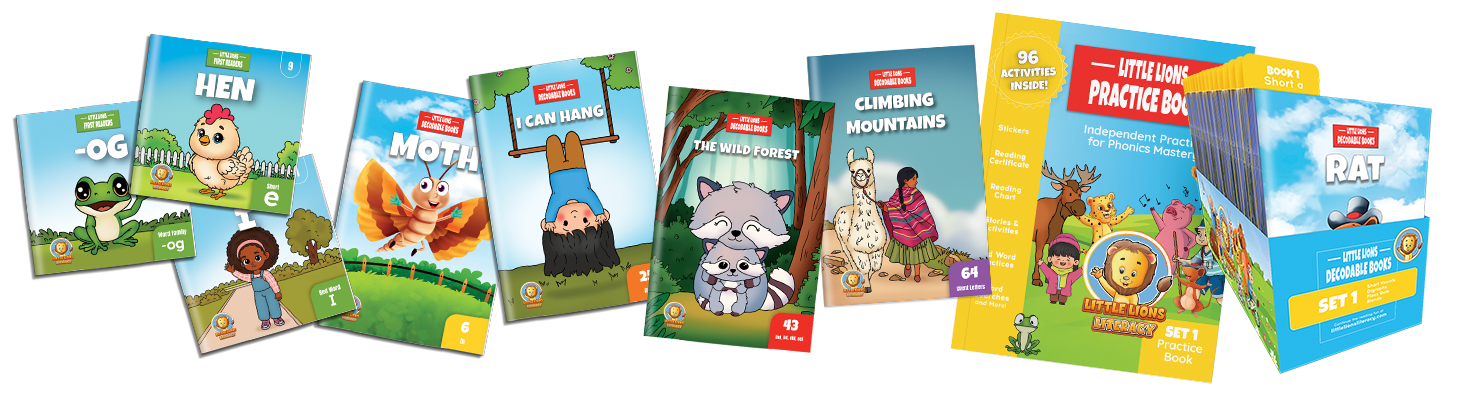
That is where our Decodable Books come in! Our sets are carefully sequenced to follow a science-based phonics progression. When you reach the vowel team stage, our books provide:
Our books are even UFLI approved, so you can trust that you are using the very best resources for your classroom or home!
Ready to put this skill into action?
Want to connect this phonics skill to your classroom routine? Check out these related articles:
Start with ee. It is more consistent, easier to generalize, and gives students an immediate win before they learn the added flexibility of ea.
There are helpful patterns, even if they are not absolute rules. EE commonly appears in the middle or at the end of words like see, tree, and green. EA is more likely to appear at the beginning or middle of words like eat, team, and leaf.
Keep practice short and explicit. Use word sorts, dictation, mnemonics, and decodable text. Repeated exposure helps students store the correct spelling in memory over time.
Teach the most common sound first: /ē/. Once that pattern is strong, introduce exception patterns like bread and steak one at a time so students are not overloaded.
Absolutely! Our Decodable Books, Practice Books, and Alphabet Books are designed to support structured literacy routines at school or at home.
Teaching the difference between ee and ea doesn’t have to be a headache. By focusing on consistency, using engaging visual aids, and providing plenty of practice in decodable texts, you are setting your students up for a lifetime of reading success.
Ready to supercharge your literacy block?
Explore our full range of Science of Reading resources today! From our First Readers for the youngest learners to our comprehensive Practice Books, we have everything you need to make learning to read simple, enjoyable, and effective.
Let’s get those little lions reading! 🦁📚