Walking into an IEP meeting can feel overwhelming. Surrounded by specialists and educational jargon, it’s easy to feel like your voice might get lost. But as a parent or teacher, you are the expert on your child. One of the most powerful ways you can contribute to the process is by understanding how to craft meaningful learning objectives. This is especially true when it comes to writing effective IEP goals for decoding, as this skill is the foundation for all future reading. This guide will give you the tools and confidence to be an active, informed partner in creating a plan that truly works.
Before we can talk about goals, let’s get clear on what we’re aiming for. Decoding is a fundamental skill, and understanding its role is the first step in helping a young reader succeed. It’s the bridge between seeing letters on a page and hearing a story in your mind.
Let’s break it down. Decoding is the ability to sound out written words. It’s the process of looking at letters and connecting them to the sounds they make to correctly read a word. Think of it as cracking a code. This skill is the absolute bedrock of reading. Before a child can read fluently or understand the story they’re reading (comprehension), they first have to master decoding. It’s the most critical first step. Without a solid grasp of how to sound out words, the path to becoming a confident reader is blocked. Strong phonics instruction is what gives children the tools they need to become successful decoders.
You might wonder how sounding out words connects to understanding a story. The link is huge. When a child struggles with decoding, all their mental energy goes into figuring out each individual word. This leaves very little brainpower left to think about what the sentences actually mean. For skilled readers, decoding is so automatic they don’t even think about it. This frees them up to focus on the story’s plot, characters, and message. But for a struggling reader, the effort of decoding can be so exhausting that comprehension becomes nearly impossible. Building strong decoding skills with the right decodable books helps children read more smoothly, which builds their confidence and allows them to truly engage with and understand what they are reading.
Decoding is simply the process of sounding out words. It’s how kids connect the letters on a page to the sounds they make, turning written text into spoken language. Think of it as the first and most important step in learning to read. Before a child can read smoothly (fluency) or understand the story (comprehension), they first need to master decoding. It’s the bedrock of literacy, and without a solid foundation, the whole structure can feel wobbly.
An IEP goal for decoding is a specific, written objective designed to help a student build this essential skill. It’s not just a vague wish for them to “get better at reading.” Instead, it’s a clear roadmap that tells teachers, parents, and the student exactly what skill they’re working on, how they’ll practice it, and what success looks like. These goals are so important because they break down the complex process of reading into manageable steps. By focusing on specific decoding IEP goals, the team can address the root of a reading challenge and build a solid base for all future learning.
A strong IEP goal is clear, actionable, and easy to track. Vague goals like “The student will improve decoding” aren’t helpful because they don’t define what success looks like or how to get there. To make sure a goal is effective, it helps to use a simple formula: When given [a specific task], the student will [perform a skill] with [a certain accuracy] in [a number of trials] by [a specific date]. For instance, “When given a list of 20 CVC (consonant-vowel-consonant) words, the student will read them with 90% accuracy in 4 out of 5 trials by the end of the grading period.” This structure ensures everyone on the team is on the same page.
When setting decoding goals, it’s important to focus on the right things at the right time. A common mistake is to jump ahead to fluency or comprehension goals before a child has mastered decoding. Always prioritize decoding first; it’s the foundation everything else is built on. Mastering this skill builds a child’s confidence and opens the door to understanding all subjects, from science to social studies. The best goals are also tied to evidence-based strategies like structured literacy, ensuring the teaching methods used are proven to work. This approach gives children the systematic, explicit instruction they need to succeed.
When you’re creating an Individualized Education Program (IEP), the goals you set are the roadmap for your child’s learning journey. Vague goals like “will become a better reader” don’t provide a clear direction for teachers or a way to measure success. This is where the SMART framework comes in. It’s a simple, powerful tool to help you write goals that are clear, practical, and tailored to your child’s needs.
SMART is an acronym that stands for Specific, Measurable, Achievable, Relevant, and Time-bound. Using this structure helps ensure that every decoding goal is well-defined and focused on what truly matters: building a strong foundation for reading. It transforms abstract hopes into concrete, actionable steps that everyone on the IEP team can understand and work toward together. Let’s walk through what each part of the SMART framework looks like when writing effective IEP goals for decoding.
A specific goal targets one precise skill. Instead of a broad statement, you’ll name the exact area of decoding the student needs to work on. Start the goal with an action verb that describes what the student will do. For example, instead of saying “will improve decoding,” a specific goal would be, “The student will correctly identify the initial consonant sound in 30 different CVC (consonant-vowel-consonant) words.” This clarity helps the entire IEP team focus their instruction on a single, critical skill. Other examples of decoding IEP goals might focus on blending sounds, recognizing specific vowel teams, or reading multi-syllable words.
To know if a goal is working, you have to be able to measure it. This means adding numbers to your goal. How will you know when the student has mastered the skill? A measurable goal includes criteria for success, such as “with 80% accuracy,” “in 4 out of 5 trials,” or “reading 60 correct words per minute.” This gives you a clear benchmark to track progress over time. For instance: “By the end of the semester, the student will read a list of 50 single-syllable words containing short vowels with 90% accuracy.” This way, everyone knows exactly what success looks like.
An achievable goal is one that challenges the student but is still within their reach. It’s all about finding that sweet spot between pushing for growth and setting a child up for success. To set an achievable goal, you first need to know the student’s current skill level, or baseline. If a child can decode CVC words, a good next step might be words with consonant blends, not complex multi-syllable words. If a student isn’t meeting their goals, the team can work together to adjust teaching methods or break the goal into smaller, more manageable steps.
A relevant goal directly addresses the student’s unique challenges and supports their overall reading development. It should focus on the most critical skill holding them back right now. For example, it doesn’t make sense to write a goal for reading comprehension if the student first needs to master foundational decoding skills. A relevant goal for a beginning reader would target phonemic awareness or letter-sound correspondence, as these are the building blocks for everything else. The goal should always connect directly to what the student needs to become a more confident and capable reader.
Every goal needs a deadline. A time-bound goal establishes a clear timeframe for when the student is expected to achieve the objective. This creates a sense of purpose and provides a schedule for monitoring progress. Timelines are often tied to the school calendar, with goals like, “by the end of the second grading period” or “within 36 instructional weeks.” For example: “By May 15, the student will be able to segment the sounds in 20 CVC words with 90% accuracy.” This gives the IEP team specific dates to check in, assess progress, and make any necessary adjustments to the plan.
When a child struggles with reading, it can be tough to figure out why. Often, the issue lies in decoding: the skill of matching letters to sounds to read words. Pinpointing the specific challenge is the first step toward providing the right support. Here are some of the most common decoding hurdles young readers face.
Before kids can read words, they need to hear the individual sounds in spoken language. This is called phonemic awareness. It’s the ability to play with sounds, like identifying the first sound in “cat” is /k/. If a child has trouble hearing these distinct phonemes, connecting them to letters becomes a huge obstacle. This foundational skill is purely auditory, and strengthening it makes a world of difference for a young reader.
Decoding is like cracking a code. To do it well, a reader needs the key: the connection between letters and their sounds. When a child hasn’t mastered which sounds letters and letter patterns make, they can’t sound out new words. They might guess based on pictures or the first letter instead of working through the word systematically. Consistent instruction helps build this knowledge so children can decode with confidence.
Once a child knows their letter sounds, they have to put them together to read a word (blending) or pull them apart to spell it (segmenting). For example, a reader blends the sounds /d/, /o/, /g/ to read “dog.” Some children struggle here, saying the sounds individually but finding it hard to smoothly combine them into a word. This makes reading feel choppy and slow. Targeted practice with simple words is a great way to help children master this mechanical skill.
As children advance, they encounter longer words like “fantastic” or “dinosaur,” which can look intimidating. A common challenge is not knowing how to break these big words into smaller chunks. Without a strategy for tackling multi-syllable words, a child’s reading fluency and comprehension can stall. Teaching students how to spot syllable patterns and break words apart helps them approach longer words with a clear plan instead of feeling overwhelmed.
Seeing examples can make the process of writing IEP goals much clearer. Remember, these are templates to guide you. The most effective goals will always be tailored to the specific child, using data from their assessments to set ambitious yet achievable targets. A great goal pinpoints exactly what the student needs to work on and how you’ll know when they’ve mastered it.
When you’re ready to write, think about the foundational skills of reading and where your student needs the most support. Are they struggling to hear the individual sounds in words? Or maybe they know their letter sounds but have a hard time blending them together. The following examples cover some of the most critical areas of decoding. Use them as a starting point and adjust the details, like percentages and timelines, to fit your student’s unique learning journey.
Phonemic awareness is the ability to hear, identify, and play with the individual sounds (phonemes) in spoken words. It’s a crucial pre-reading skill that happens entirely with our ears; no letters are involved yet. A child with strong phonemic awareness can tell you the first sound in the word “cat” is /k/ or that if you take the /s/ sound off of “stop,” you get “top.” This skill is the bedrock of learning to decode.
Here is an example of a goal targeting this skill:
This goal is strong because it clearly names the skill and sets a measurable target for success. You can find more decoding IEP goals to help you brainstorm.
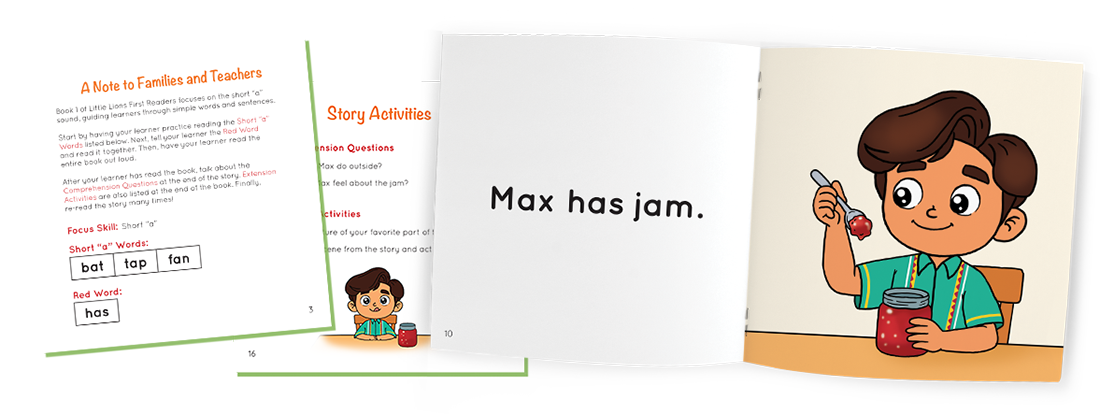
Once a child can hear the sounds in words, the next step is connecting those sounds to written letters. This is letter-sound correspondence, also known as phonics. It’s the understanding that the letter b makes the /b/ sound and that certain letter combinations, like sh, make a single sound. A student needs to master these connections to sound out unfamiliar words. Using decodable books that systematically introduce new letter-sound patterns is a fantastic way to practice this skill.
A goal for letter-sound correspondence could look like this:
Blending is the process of pushing sounds together to read a word (e.g., /c/ /a/ /t/ becomes “cat”). Segmenting is the opposite: pulling a word apart into its individual sounds. These two skills work together and are essential for both reading and spelling. When a child can blend sounds smoothly, they can read new words independently. When they can segment, they can spell those words by listening for each sound.
Here’s a sample goal from Life Skills Advocate that focuses on blending:
Sight words, or high-frequency words, are words that appear so often in text that readers need to recognize them instantly. While many of these words follow regular phonics patterns (like “and” or “it”), some are irregular (like “the” or “said”). Automating the recognition of these words frees up a child’s mental energy to focus on decoding more challenging words and understanding the meaning of the text.
An effective goal for this skill might be:
This goal is time-bound and specific, making it easy to track progress.
As children advance, they encounter longer words with multiple syllables, like “fantastic” or “dinosaur.” Decoding these words requires an extra step: breaking the word down into smaller, more manageable chunks or syllables. Students need to learn syllable division patterns to tackle these words successfully. This skill is a bridge to reading more complex, grade-level texts and is critical for building reading fluency and stamina.
Here is an example of a goal for this advanced skill:
Once you have a well-written IEP goal, the next step is to track your child’s progress. Consistent monitoring shows you what’s working and where you might need to adjust your approach. It also gives you concrete data to bring to IEP meetings and, most importantly, helps you celebrate every bit of progress your young reader makes along the way. Think of it as creating a roadmap: you need to check your location regularly to make sure you’re still heading in the right direction.
Running records are a fantastic way to get a real-time look at a child’s reading skills. As your student reads a short text aloud, you can make simple notes on a copy of the text, marking which words they read correctly and how they handle mistakes. Do they self-correct? Do they skip words? This method gives you rich, qualitative information about their reading behaviors. You can learn more about how to conduct a running record and what to look for.
Word lists offer a more direct, quantitative measure of progress. You can create lists based on the specific phonics skills the child is working on, like CVC words or words with consonant digraphs. Simply ask the child to read the list and mark how many they get right. This gives you a clear, simple score that you can track over time to see their accuracy improve.
As a child’s decoding becomes more automatic, their reading fluency, or the ability to read with speed, accuracy, and expression, will improve. A great way to measure this is by conducting timed fluency checks. Ask the child to read a grade-level passage for exactly one minute. Count the total number of words they read and subtract any errors to find their “words correct per minute” (WCPM) score.
This isn’t about creating a high-pressure race against the clock. Instead, it’s a quick and effective way to get a snapshot of their progress. Doing this regularly, perhaps every couple of weeks with a new passage, helps you see if their reading speed and accuracy are growing. You can find many free fluency passages online to get started.
Tracking progress is most effective when you do it consistently and use the data to guide your instruction. Keep a simple chart or notebook to log the results from running records, word lists, and fluency checks. This helps you spot patterns and see growth over time. Remember to break down big goals into smaller, more manageable steps and check in on them frequently, even with quick weekly assessments.
It’s also important to celebrate the small wins. When a child sees their own progress on a chart, it can be a huge motivator. For a more formal starting point, you can use placement tests that come with many phonics programs or find specific decoding assessments to establish a clear baseline. This data helps the entire IEP team make informed decisions about the best next steps for your reader.
Once you have well-written IEP goals, the next step is to figure out how you’ll measure progress. Choosing the right assessment methods is essential for understanding what’s working and where a child might need more support. A balanced approach, combining different types of assessments, will give you the most complete picture of a student’s decoding abilities.
Think of it like this: some assessments are like taking a formal photo, capturing a student’s skills at a specific moment, while others are like candid snapshots from daily activities. Both are valuable. Teachers, reading specialists, and speech-language pathologists use a variety of tests and observations to track how a student’s decoding skills are developing. The key is to use these tools consistently to gather meaningful data that can guide instruction and celebrate every bit of progress along the way.
Assessments generally fall into two categories: formal and informal. Formal assessments are standardized tests that compare a student’s performance to that of their peers. They provide valuable benchmark data and can help identify specific areas of weakness. Think of these as the high-level check-ins that measure overall growth over a longer period.
Informal assessments, on the other hand, are the day-to-day observations you make in the classroom. These include tools like running records, checklists, and analyzing a child’s reading in real-time. These methods are fantastic for getting immediate feedback on how a student is applying their decoding skills. They help you see not just what a child can do, but how they do it, offering insights that standardized tests might miss.
To see real improvement, progress monitoring needs to be a regular habit, not a once-or-twice-a-year event. Frequent, quick checks are the best way to stay on top of a student’s needs and adjust your teaching strategies accordingly. You can use several simple methods to track growth, including running records, checking their accuracy with word lists, and holding timed reading fluency sessions.
Setting clear, measurable goals is the first step, but breaking those big goals into smaller, manageable steps is just as important. Aim for quick, weekly assessments to monitor progress effectively. This consistent data collection allows you to spot patterns, address challenges as they arise, and keep the student motivated by showing them how far they’ve come. Visual graphs can be a great way to track this data and share it with the student and their family.
Once you have a solid IEP goal, the next step is to choose the right strategies to help your student achieve it. The best goals are supported by teaching methods that are backed by research and tailored to the child’s specific needs. By focusing on proven strategies, you create a clear path for your young reader to build confidence and master decoding skills. Let’s look at three key strategies that can make a real difference in your instruction.
When supporting a child with decoding challenges, it’s essential to use teaching methods that are proven to work. Evidence-based practices are instructional techniques that have been shown through scientific research to be effective. For students with reading difficulties like dyslexia, approaches like structured literacy programs provide the direct, explicit instruction they need to succeed. These aren’t just passing trends; they are reliable, research-backed frameworks that have helped countless children learn to read. Choosing an evidence-based method ensures you’re using your time and the student’s effort on strategies that truly make an impact on their reading development.
A structured literacy approach is a cornerstone of effective decoding instruction. This method involves teaching the connections between letters and sounds in a logical, systematic order, starting with the simplest concepts and gradually moving to more complex ones. Instead of asking children to guess words from pictures or context, structured literacy explicitly teaches them how to sound out words. This systematic progression ensures there are no gaps in a child’s knowledge. Every skill builds directly on the one before it, creating a strong and stable foundation for reading. This explicit instruction is critical for making sure young readers truly understand how our written language works.
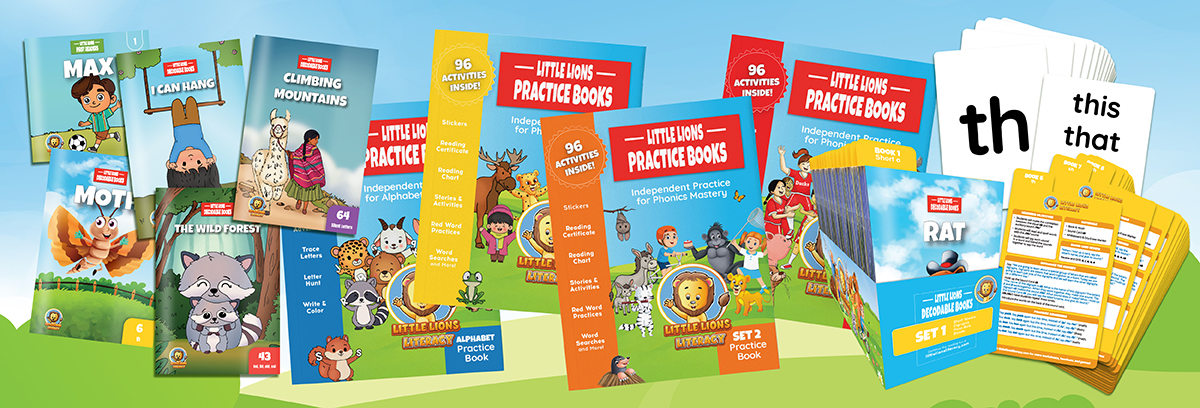
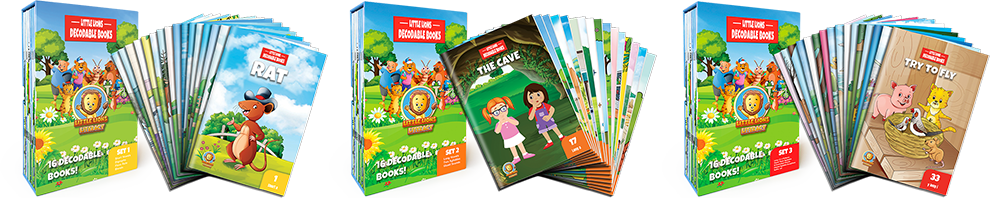
Worksheets have their place, but children need to apply their new skills by reading real sentences and stories. This is where decodable books come in. These books are carefully written to include only the letter-sound patterns that a child has already been taught. This allows them to practice their decoding skills with confidence, since they won’t encounter words they aren’t equipped to read yet. Using the right decodable books ensures that reading practice is a positive and successful experience. When a child can successfully read an entire book on their own, it reinforces their skills and shows them that they are a reader, which is a powerful motivator.
Writing IEP goals can feel like a high-stakes task, but a few key adjustments can make all the difference. The objective is always to create a clear, supportive path for the student. By steering clear of a couple of common missteps, you can ensure the decoding goals you set are powerful, practical, and truly helpful for your young reader. It’s all about creating a roadmap that everyone on the team can understand and follow, which ultimately sets the child up for success. Let’s look at two of the most frequent mistakes and how to avoid them.
A common pitfall is writing goals that are too broad. A goal like “Sarah will improve her decoding skills” sounds good, but what does it actually mean? It doesn’t tell the teacher what to teach or how to measure progress. Instead, get specific. A stronger goal would be, “Sarah will correctly read 20 out of 25 CVC (consonant-vowel-consonant) words from a list.” This pinpoints the exact skill and provides a clear target. When you write specific decoding IEP goals, you ensure that everyone is focused on the same target. It’s also important not to move on to more complex skills like fluency if a child hasn’t mastered the foundational decoding skills first.
Another mistake is setting timelines that are either too long or not achievable. Every IEP goal needs a deadline, such as “by the end of the school year” or “within 12 weeks.” This creates a clear timeframe for instruction and assessment. However, the timeline must be realistic for the child. If a student isn’t meeting their goals, it’s not a sign of failure. Instead, it’s a signal for the team to regroup. This is the time to look at the teaching methods being used, add more support, or break the goal down into smaller, more manageable steps. Think of the timeline as a check-in point to ensure the strategies for dyslexia and other reading challenges are working effectively.
Writing effective decoding goals isn’t a solo mission. It’s a team effort, and every member brings a unique and valuable perspective to the table. The Individualized Education Program (IEP) is designed to be a collaborative process, bringing together educators, specialists, and family members to create a plan that truly supports the student. When everyone works together, you can build a comprehensive strategy that addresses your child’s specific needs and sets them up for reading success. Open communication and mutual respect are the keys to making this partnership work for your young reader.
Your child’s teachers and specialists are your expert allies in the IEP process. The general education teacher sees how your child manages in the classroom daily, while special education teachers and reading specialists bring deep knowledge of targeted interventions. They use specific assessments to pinpoint exactly where the breakdown in decoding is happening. By combining their professional insights, they can create a full picture of your child’s learning profile. This ensures the goals they recommend are not just generic, but are tailored to your child’s precise needs, whether it’s mastering letter sounds or blending multi-syllable words.
Never underestimate your role on the IEP team. You are the expert on your child. While educators have the professional training, you have the invaluable, day-to-day knowledge of your child’s strengths, frustrations, interests, and what motivates them. Come to meetings prepared to share your observations from home. What do you notice when you read together? What strategies have you tried? Your input provides crucial context that helps the team create goals that are not only ambitious but also meaningful and achievable for your child. Remember, you are an equal member of the IEP team, and your voice is essential to the process.
My child’s IEP goal is about reading comprehension, not decoding. Should I be concerned? Comprehension is the ultimate goal of reading, so it’s great that the team is focused on it. However, a child can’t understand a story if they’re struggling to read the words on the page. If decoding is a challenge, all their mental energy goes into sounding out words, leaving little room for meaning. It’s worth discussing with your IEP team whether adding a specific, foundational decoding goal would help build the skills needed to make comprehension possible.
What’s the difference between phonics and decoding? This is a great question because the terms are so closely related. Think of it this way: phonics is the instruction, like the rulebook that teaches how letters and sounds work together. Decoding is the action; it’s the skill of applying those phonics rules to sound out a word you see on a page. In short, we teach phonics so that children can become skilled decoders.
How can I tell if a decoding goal is truly achievable for my child? An achievable goal is one that stretches a child without overwhelming them. The key is to start with a solid baseline from a recent assessment that shows what your child can already do. The goal should then target the very next logical skill. For example, if a child has mastered single letter sounds, a good next step is blending simple three-letter words, not tackling multi-syllable words. It should feel like a challenge, but one they can meet with the right instruction and practice.
You mentioned decodable books. How are they different from regular storybooks? While regular storybooks are wonderful for reading aloud, they often contain complex words and sentence structures that can frustrate a beginning reader. Decodable books are different because they are written specifically for practice. They only contain the letter-sound patterns that a child has already been taught, which allows them to apply their skills successfully. This builds confidence and reinforces the idea that they can read on their own.
What should I do if my child isn’t meeting their decoding goal by the deadline? First, don’t panic. An unmet goal isn’t a failure; it’s just information. It’s a signal for the IEP team to come together and figure out what needs to change. The team might decide to adjust the teaching strategies, increase the frequency of instruction, or break the goal down into smaller, more manageable steps. The timeline is a checkpoint to ensure the plan is working, and it’s perfectly normal to make adjustments along the way.