Just when your child seems to have mastered their letter sounds, they hit a wall. Words like “boat,” “train,” and “feet” suddenly don’t follow the rules they’ve worked so hard to learn. This is a common hurdle, and it’s where vowel teams come into play. These letter combinations are the key to unlocking thousands of new words, but they can also be a major source of confusion. The old rhyme, “when two vowels go walking,” is often more misleading than helpful. This guide will give you a clear, effective framework for how to teach vowel teams without the confusing rules, using simple, direct instruction to build a strong and confident reader.
As your child masters the basic sounds of the alphabet, they’ll soon encounter words that don’t seem to follow the rules they’ve learned. Words like “boat,” “train,” and “feet” introduce a new concept: vowel teams. Understanding these letter combinations is a major step forward in their reading journey, helping them decode more complex words and read with greater confidence. Let’s look at what vowel teams are and why they are so important for building strong readers.
A vowel team is simply a group of letters that work together to make a single vowel sound. Think of the ‘ai’ in ‘rain’ or the ‘ee’ in ‘feet’. These letters team up to create a sound that’s different from the sounds they make on their own. Sometimes it’s two vowels, but it can also be a vowel and a consonant working as a team. Mastering vowel teams is a huge milestone for young readers because it helps them accurately read and spell thousands of new words. It’s the skill that bridges the gap from simple, three-letter words to the richer vocabulary they see in everyday books.
So, why do we even need vowel teams? The English language has about 18 vowel sounds, but only five vowel letters (a, e, i, o, u) to represent them. To make up for the shortfall, we combine letters to create all the different sounds we use. This is where things can get a little tricky for kids. They’ve just learned that ‘e’ makes the short /e/ sound in ‘bed,’ and now they see ‘ea’ in ‘bread’ making that same sound, or in ‘read’ making a long /e/ sound. This is why direct, clear instruction is so important. Recognizing these patterns helps children understand the logic behind spelling, even when it seems confusing at first.
Once your child is comfortable with single vowel sounds, it’s time to introduce the idea that two vowels can work together to make a new sound. We can group these teams into a few key categories to make them easier to teach and learn. Focusing on the most frequent patterns first gives new readers the tools they need to decode a huge number of words.
Long vowels are the ones that “say their name,” like the ‘a’ in ‘ape’ or the ‘o’ in ‘open’. Vowel teams are one of the most common ways to spell these sounds. You can start by introducing the most frequent pairs for each long vowel sound. For example, when teaching the long ‘a’ sound, you can introduce ai (as in rain) and ay (as in play).
Here are some of the first long vowel teams to teach:
Start by focusing on one team at a time. Introduce the sound it makes, show examples in simple words, and practice reading them in decodable sentences.
Diphthongs are special vowel sounds that glide from one mouth position to another, creating a unique sound. Think of the sound in oi (coin) or ou (cloud). These can be fun to teach because the sounds are so distinct. The most common diphthongs are oi/oy and ou/ow.
It’s also helpful to point out that some vowel teams can be tricky. For instance, the team ow can make the sound you hear in cow or the long ‘o’ sound you hear in snow. This is a great opportunity to teach children how to be flexible readers. Encourage them to try both sounds if a word doesn’t make sense the first time. This problem-solving skill is a key part of learning to read.
The “Bossy R” is a fun way to explain r-controlled vowels. When the letter ‘r’ follows a vowel, it bosses the vowel around and changes its sound. The vowel no longer makes its short or long sound. Instead, the vowel and the ‘r’ team up to make a whole new sound. This concept is a cornerstone of many structured literacy programs.
The five r-controlled vowels are:
Because these sounds are so common, mastering them opens up a whole new world of words for young readers. Teach these as a single unit, helping your child see ‘ar’ as one sound, not ‘a’ and ‘r’ separately.

Once you know which vowel teams you want to introduce, the next step is figuring out how to teach them effectively. A structured and consistent approach makes all the difference in helping these tricky patterns stick. Instead of asking children to memorize random rules, you can use direct instruction and plenty of practice to build true reading confidence. The goal is to move them from sounding out individual letters to recognizing these vowel patterns automatically. Here are four practical steps to guide your child or students toward mastering vowel teams.
Explicit instruction simply means teaching concepts directly and clearly. When it comes to vowel teams, you can’t just hope kids will pick them up on their own. You need to show them the letters, say the sound, and explain that these two letters work together as a team to make one new sound. Vowel teams are a common reason kids make mistakes in reading and spelling, so clarity is key. For example, you can say, “When you see the letters ‘a’ and ‘i’ next to each other, they team up to say the strong /a/ sound, like in the word ‘rain’.” This direct approach removes guesswork and gives children a reliable strategy to use when they encounter new words.
You wouldn’t teach a child to run before they can walk, and the same idea applies to phonics. Introducing all 25 common vowel teams at once would be overwhelming. Instead, follow a logical order, or a scope and sequence, that builds skills incrementally. Start with the most common vowel teams first, like ‘ai’, ‘ee’, and ‘oa’. It’s also helpful to teach the most frequent spelling for a sound before introducing less common ones. For instance, you would teach that ‘ai’ is often found in the middle of a word (‘train’) before teaching ‘ay’, which usually comes at the end (‘play’). This systematic progression helps children build a strong foundation and feel successful along the way.
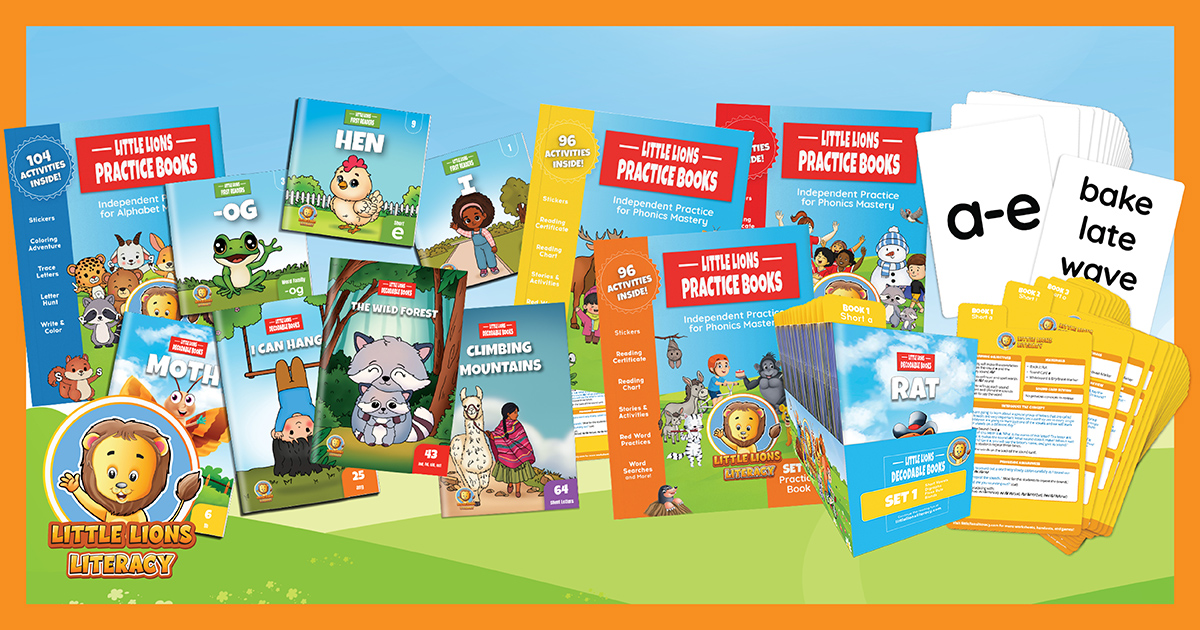
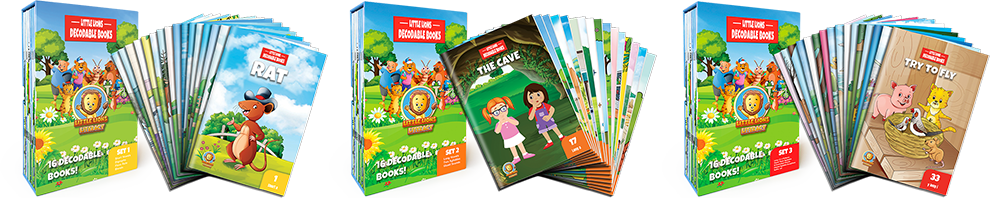
Making learning a hands-on experience helps new concepts stick. You can use tools like sound boxes or magnetic letters to help children physically build words with vowel teams. This allows them to see and feel that the two letters in a team represent just one sound. The most powerful multisensory tool, however, is a decodable book. After you teach a new vowel team, have your child read a book filled with words featuring that specific pattern. Our decodable book sets are designed for exactly this purpose, giving kids the chance to apply their new skills immediately in a rewarding and fun way. This immediate practice is what helps cement their learning.
Flashcards are great for introducing a new vowel team, but children need to see these patterns in action to truly master them. After practicing words with a specific vowel team in a list (like ‘boat’, ‘coat’, ‘goat’), have your child read those same words in sentences. This step is crucial because it bridges the gap between knowing a phonics rule and actually using it to read fluently. Reading sentences and short stories helps children understand that these letter patterns are the building blocks of real words and meaningful text. This contextual practice solidifies their learning and shows them the true purpose of phonics: to read and understand stories.
Once you’ve introduced a new vowel team, the key is practice, practice, practice. But that doesn’t have to mean boring drills and endless worksheets. The best way to help a child master these new patterns is to make learning feel like playing. By turning practice into a game, you help solidify these important phonics skills in a way that is engaging and memorable. These simple, hands-on activities use everyday materials and can easily be adapted for home or the classroom. They show kids that learning to read is an exciting adventure, not a chore.
There’s something magical about getting your hands on letters. Using manipulatives like magnetic letters or letter tiles helps make the abstract concept of building words concrete. After you teach a new vowel team, have your child practice making words with it. You can call out a word like “train” and have them find the letters to build it, paying special attention to the “ai” team. Or, for a fun challenge, give them a vowel team like “ee” and see how many words they can create (see, keep, feet). This tactile process helps cement the sound-spelling connection in their brain and builds confidence with each word they successfully build.
Visual cues are powerful tools for young learners. You can create simple anchor charts for each vowel team, featuring the letters, a keyword, and a picture. For example, for the “oa” team, you could draw a boat and write the word underneath. These charts serve as a quick reference during reading and writing. In a classroom setting, a sound wall is an excellent tool. Unlike a traditional word wall, a sound wall organizes words by their sounds (phonemes), helping children understand that a single sound can be represented by different letter patterns. This visual organization helps them make sense of the complexities of English spelling.
Reading together is one of the best ways to see phonics in action. Make sure your child sees, reads, and spells words with vowel teams often in the stories you share. This exposure is crucial for reinforcing their understanding. As you read, go on a “word hunt.” When you spot a word with a vowel team you’re working on, point it out. Ask your child to find other words on the page with the same pattern. Using decodable books is especially effective for this, as they are intentionally written with specific phonetic patterns, giving your child plenty of opportunities for success and building their confidence as a reader.
Games are a fantastic way to get in the repetition needed for mastery without it feeling like work. Word sorting is a simple yet effective activity. Write words with different vowel teams on small cards and have your child sort them into categories. For example, they could sort words into an “ai” pile and an “ay” pile. This helps them recognize the patterns and learn when to use each spelling. You can also create simple board games, memory matching games, or a round of Bingo using vowel team words. These playful activities make learning interactive and help children internalize the spelling patterns more quickly.

When you’re teaching vowel teams, it’s easy to fall back on old rules you might have learned in school. But some of those classic tricks can actually create more confusion for new readers. By avoiding a few common mistakes, you can build a much stronger and more confident foundation for your child and make the process smoother for everyone involved.
You’ve probably heard the rhyme: “When two vowels go walking, the first one does the talking.” It’s catchy, but it’s also one of the most misleading rules taught in early reading. This shortcut is only accurate less than 40% of the time, which means it fails more often than it works. Think about words like “bread,” “chief,” or “boat.” Teaching this rule sets kids up for frustration when they try to apply it and find it doesn’t work. It’s much more effective to skip the rhyme altogether and teach vowel teams as unique pairs that make specific sounds.
Vowel teams can be tricky because some of them make more than one sound. For example, the team ‘ea’ makes the long ‘e’ sound in “read” (present tense) but the short ‘e’ sound in “read” (past tense). The team ‘ow’ can sound like it does in “snow” or like it does in “cow.” Instead of presenting vowel teams as having one fixed sound, teach your child to be a flexible decoder. Encourage them to try one sound, and if the word doesn’t make sense, to flip the sound and try the other. This approach builds critical thinking and resilience, turning them into active problem-solvers as they learn to read.
Instead of relying on rhymes, you can teach specific phonics patterns that are much more consistent. For example, you can show your child that the vowel team ‘ai’ usually appears in the middle of a word (like in “train”), while ‘ay’ comes at the end (like in “play”). Both make the same long ‘a’ sound, but their placement is a reliable pattern. The same goes for ‘oi’ (in the middle, like “coin”) and ‘oy’ (at the end, like “toy”). Focusing on these predictable spelling patterns gives children a solid framework they can actually use to decode new words, rather than a rule that will let them down.
English is full of exceptions, and vowel teams are no different. Words like “friend,” “said,” and “people” don’t follow the rules. Trying to sound them out using typical vowel team patterns will only lead to confusion. It’s important to have a plan for these words. Many educators teach them as “tricky words” or “heart words,” explaining that these are words we just have to know by heart. Set these words aside for memorization. By separating them from words that follow predictable patterns, you help your child understand that there are different strategies for different words, which prevents them from getting stuck on irregular spellings.
You are your child’s first and most important teacher, and you can make a huge difference in their reading journey right from your own home. Supporting their learning doesn’t require a special degree or expensive tools. It’s all about creating a positive, encouraging environment where they can practice new skills. With a few simple strategies, you can reinforce what they’re learning in school and help them build the confidence they need to tackle tricky vowel teams.
One of the best ways to keep kids engaged is to make learning feel like play. You can find tons of vowel team activities online, from simple worksheets to interactive games that help solidify these new patterns. Look for resources that let your child build words, sort them by sound, or find them in puzzles. A quick search can turn up a week’s work of activities for specific sound patterns. These materials provide focused practice in a low-pressure way, helping your child get the repetition they need to achieve mastery without getting bored. Remember, a little bit of fun can go a long way in keeping them motivated.
You don’t need to set aside special “lesson time” to practice vowel teams. You can weave practice into your daily routine by pointing out these letter pairs in the world around you. When you’re reading a bedtime story, pause and say, “Look, the word ‘boat’ has the ‘oa’ team we talked about!” You can also spot them on cereal boxes, street signs, and grocery store ads. This approach helps your child see that these patterns aren’t just for school; they are a real part of reading. Decoding vowel teams can be a challenge, so connecting them to familiar words makes the concept much more concrete and approachable.
Learning to read is a marathon, not a sprint, and vowel teams can be a particularly tricky part of the race. Your encouragement is one of the most powerful tools you have. Be patient and praise your child’s effort, not just their correct answers. When they successfully sound out a word with a vowel team, celebrate it! If they stumble, treat it as a learning opportunity, not a failure. A positive and supportive attitude helps build their confidence and resilience. Keeping the process light and encouraging ensures they see themselves as capable readers, even when things get tough.
Creating a strong home-school connection is key to supporting your child’s learning. Your child’s teacher is your best resource for understanding what they’re working on in the classroom. Reach out and ask which vowel teams are being introduced and what strategies they recommend for at-home practice. Sharing what you’re observing at home can also give the teacher valuable insight. When parents and teachers work together, it creates a consistent learning experience for the child. This parent-teacher collaboration ensures everyone is on the same page, providing a seamless web of support that helps your child master new reading skills.
Once you start teaching vowel teams, you’ll naturally want to know how your child is doing. Tracking their progress isn’t about giving them a test or a grade. It’s about observing their reading journey so you can give them the right support at the right time. By paying close attention, you can spot areas where they feel confident and identify which vowel teams might need a little more practice. This helps you tailor your approach and keep learning positive and productive.
You can learn so much just by listening to your child read. This is what educators call informal observation, and it’s one of the most powerful tools you have. As they read a book or a list of words, notice how they handle words with vowel teams. Do they pause? Do they sound out the word correctly on the first try? Decoding vowel teams can be a challenge, so watching how your child works through these words gives you a real-time look at their understanding. It’s a low-pressure way to see what’s clicking and what’s not, without the stress of a formal assessment.
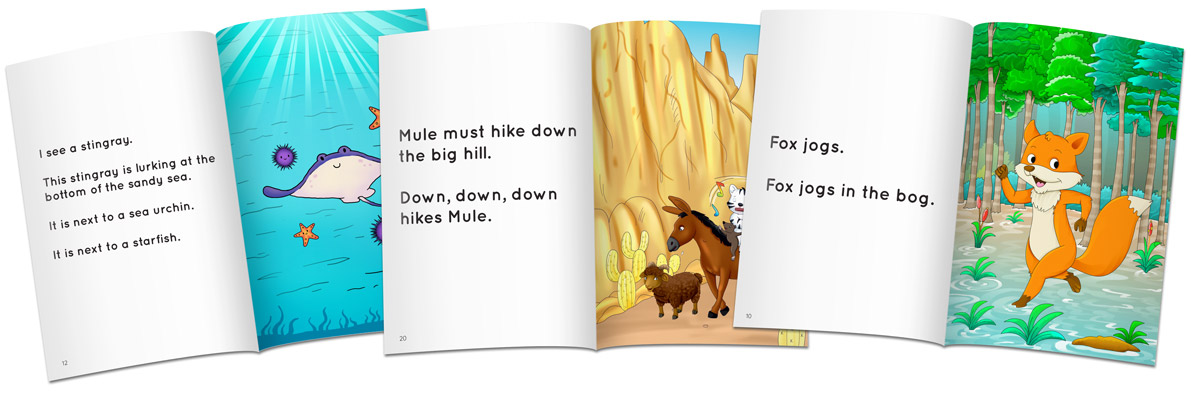
The true test of any phonics skill is seeing a child apply it while reading connected text. This is where decodable books shine. Because these books are written with specific phonics patterns in mind, they give children the perfect opportunity to practice recognizing vowel teams in the wild. When your child reads a decodable book focused on the “ee” or “ai” sound, you can see if they are quickly and accurately recognizing those patterns. The goal is for them to read these words smoothly, which shows they are truly mastering the skill and not just memorizing a word list.
Vowel teams can feel tricky because they often bend the phonics rules kids have just learned. If you notice your child frequently hesitating or mispronouncing words with vowel teams, it might be a sign they need more support. For example, they might try to sound out each vowel separately (like saying “b-o-a-t” with a short /o/ and short /a/ sound). These little stumbles are completely normal, but they are also important clues. Recognizing these signs early helps you provide extra practice before frustration sets in, keeping their reading confidence high.
If you see your child struggling with a specific vowel team, you can adjust your approach. Many vowel teams can make more than one sound, so it’s helpful to teach flexibility. For instance, if they are stuck on a word with “ow,” you can remind them to try both sounds (like in “cow” and “snow”) to see which one makes a real word. Tailoring your teaching to their specific challenges makes learning more effective. You can circle back to word-building activities, play a sorting game with that specific vowel team, or simply offer gentle reminders as they read.
Your child is likely ready to start learning about vowel teams once they have a solid grasp of individual letter sounds, including short and long vowels. If they can confidently read simple words like “cat,” “pen,” and “bike,” and are starting to encounter words that don’t follow those basic rules, it’s the perfect time to introduce the idea that letters can work together in teams.
A great strategy is to start with the most common long vowel teams. I recommend beginning with ai (as in rain), ee (as in feet), and oa (as in boat). These patterns appear frequently in early reading materials, so mastering them will give your child a quick and rewarding sense of accomplishment as they start to recognize them in books.
While many of us learned that catchy rhyme, it’s actually more confusing than helpful because it’s only accurate about 40% of the time. It fails with common words like “bread,” “said,” and “great.” It’s much more effective to teach children that each vowel team is a unique pattern that makes a specific sound. This direct approach builds a more reliable foundation for decoding words.
This is a perfect moment to teach reading flexibility. You can explain that some teams are tricky and can make two different sounds, like the ‘ow’ in ‘cow’ and ‘snow’. Encourage your child to be a detective. If they try one sound and the word doesn’t make sense, they should try the other sound. This empowers them to solve problems independently as they read.
Think of a diphthong as a special kind of vowel team. While a standard vowel team makes one single, sustained vowel sound (like the long ‘e’ in ‘feet’), a diphthong is a sound that glides from one mouth position to another. You can hear this unique gliding sound in the ‘oi’ in ‘coin’ or the ‘ou’ in ‘cloud’. All diphthongs are vowel teams, but not all vowel teams are diphthongs.