
When a phonics rule feels a little abstract, the best way to make it stick is to make it fun. R-controlled vowels, also known as the “Bossy R,” can be a tricky concept for young readers to grasp. Instead of relying on endless drills, we can turn learning into an experience by engaging sight, sound, and touch. When a child physically builds a word with magnetic letters or sorts pictures by their sounds, they create a deeper, more memorable understanding of the pattern. This guide is packed with practical ideas that show you how to teach r-controlled vowels using engaging, multisensory activities that transform practice into play.
Just when young readers think they have vowel sounds figured out, the letter ‘r’ shows up and changes the rules. When a vowel is followed by an ‘r’ in a syllable, the ‘r’ takes charge and changes the vowel’s sound. This creates a whole new phonics pattern known as an r-controlled vowel. You might hear it called the “Bossy R” for a good reason—it tells the vowel what to do!
Understanding this concept is a major step for early readers. It helps them decode a huge number of words they’ll encounter every day, from car and bird to farmer and water. Mastering r-controlled vowels builds a child’s confidence and fluency, paving the way for more complex reading. It’s one of those foundational skills that makes a real difference in their reading journey.
The “Bossy R” is a simple and effective way to explain r-controlled vowels to children. The story goes like this: when the letter ‘r’ comes right after a vowel, it’s so “bossy” that it doesn’t let the vowel make its usual short or long sound. Instead, the ‘r’ takes over and makes a whole new sound with the vowel. For example, the ‘a’ in cat sounds very different from the ‘a’ in car. That’s the Bossy R at work! This simple analogy helps kids remember that the ‘r’ is a special letter that can change the sound of the vowel it follows.
So, why is this one phonics rule so important? Because r-controlled vowels are incredibly common in the English language. Learning to spot them helps children read more smoothly and accurately. When a child can decode words like her, first, and turn, their reading comprehension improves because they aren’t getting stuck on individual words. The main sounds to focus on are /ar/ as in car, /or/ as in fork, and /er/ as in her (which also covers the sounds in bird and fur). By directly teaching r-controlled vowels, you give kids the tools to tackle a large percentage of words, which is a huge step in their overall reading development.
When it comes to phonics, the order you teach skills in can make a huge difference. Just like you wouldn’t teach a child to run before they can walk, you want to introduce r-controlled vowels in a logical sequence that builds on what they already know. This systematic approach helps prevent confusion and builds a strong foundation for reading success. By starting with the most common and straightforward sounds and then moving to the trickier ones, you set your little reader up for confidence and mastery. Here’s a simple, effective order to follow.
The best place to begin is with the ‘ar’ sound, as in car and star. It’s one of the most common r-controlled vowels, and its spelling is consistent, which makes it a great entry point for kids. A simple way to introduce it is to show your child a word they already know, like ‘cat,’ and then add an ‘r’ to show how the vowel sound changes to ‘cart.’ This direct comparison makes the ‘bossy r’ concept click. Once they feel comfortable with ‘ar,’ you can introduce ‘or,’ as in fork and corn. The ‘or’ sound is distinct enough from ‘ar’ that children can easily tell them apart, which helps build their confidence before moving on to more complex sounds.
After your child has a good handle on ‘ar’ and ‘or,’ it’s time to introduce the trio: ‘er,’ ‘ir,’ and ‘ur.’ These three are best taught together because they all make the exact same /er/ sound. Think of words like her, bird, and fur. Presenting them as a group helps children recognize that different spellings can represent the same sound. You can explain it like they are a family of spellings for the /er/ sound. This approach helps prevent the confusion that can arise if they are taught in isolation. By learning to recognize these patterns together, kids can more easily decode new words they encounter while reading.
To tie it all together, think of your teaching plan as a simple, four-step process. First, introduce the main idea: explain that when the letter ‘r’ follows a vowel, it becomes the boss and changes the vowel’s sound. Second, focus on ‘ar,’ using clear examples like jar and farm. Third, move on to ‘or,’ highlighting its unique sound in words like for and storm. Finally, teach the /er/ family (‘er,’ ‘ir,’ and ‘ur’) as a group, emphasizing that they all make the same sound. This clear, structured literacy sequence builds skills logically, ensuring your child feels successful at every stage and is ready for more advanced reading.
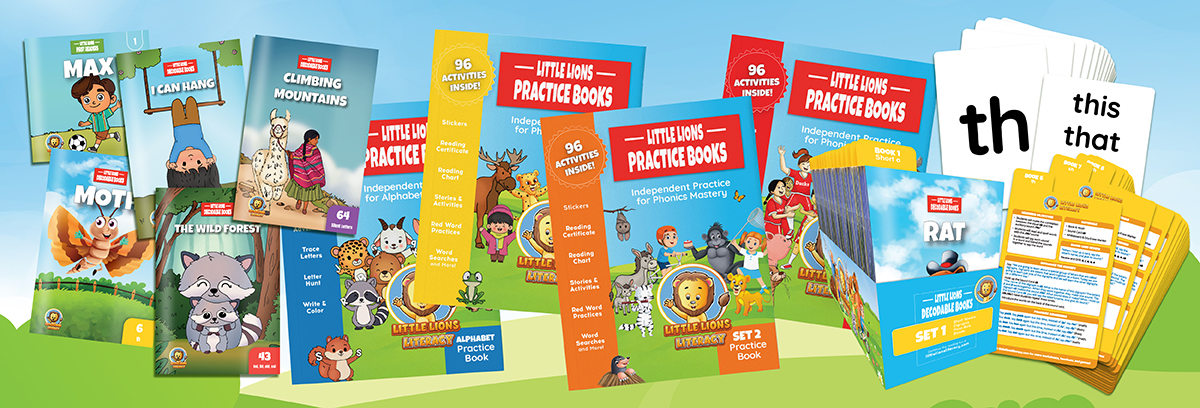
Once you know the order you want to teach them in, introducing r-controlled vowels can be a really fun part of your phonics instruction. The key is to make this new concept as concrete and memorable as possible for your young readers. Instead of just presenting a list of words, you can use stories, familiar vocabulary, and hands-on tools to bring the “Bossy R” to life. These simple, engaging strategies help demystify the rule and give students a solid foundation for recognizing and reading these new vowel sounds in words.
One of the most effective ways to introduce this concept is with the “Bossy R” story. Explain to your students that when the letter ‘r’ comes after a vowel, it becomes the boss. It doesn’t let the vowel say its usual short or long sound; instead, it bosses it around and makes a whole new sound. This simple narrative gives a tricky phonics rule a personality, making it much easier for kids to remember. You can create a “Bossy R” character puppet or draw it on an anchor chart to serve as a visual reminder. Using storytelling in your teaching helps anchor abstract rules in a way that resonates with young learners and makes the lesson stick.
Build on what your students already know to make the new concept feel less intimidating. The ‘ar’ sound is a great place to start because it’s common and consistent. Show students a word they can already read, like cat. Then, add an ‘r’ to make the word cart and model how the vowel sound changes. This direct comparison makes the “Bossy R” rule tangible. You can do the same with fad and far or ham and harm. This method leverages their existing vocabulary as a bridge to new learning, building their confidence as they see how a small change can create a new word with a new sound.
For a more hands-on, visual approach, try phoneme-grapheme mapping. This activity helps students connect the sounds they hear (phonemes) to the letters that represent them (graphemes). When mapping an r-controlled word like park, students would tap out three sounds: /p/ /ar/ /k/. Using a mapping grid or simple boxes, they would place the ‘p’ in the first box, ‘ar’ together in the second, and ‘k’ in the third. This visually reinforces that the vowel and the ‘r’ team up to make a single sound. This structured literacy practice is incredibly powerful for helping students internalize spelling patterns for reading and writing.
When a new phonics rule feels a bit abstract, the best way to make it stick is to get kids to use their senses. Multisensory learning isn’t just about making lessons more fun—it’s about helping the brain build stronger, more lasting connections to the material. By engaging sight, sound, and touch, you give children multiple ways to process and store information. This approach is especially powerful for concepts like r-controlled vowels, where the sounds can be tricky to distinguish.
Instead of just drilling flashcards, we can turn learning into an experience. When a child physically builds a word, sorts pictures by their sounds, or moves their body while spelling, they are creating a deeper, more memorable understanding of the phonics pattern. These activities help bridge the gap between hearing a sound and connecting it to the letters on a page. They invite children to become active participants in their own learning, which builds both their skills and their confidence. The goal is to make the “bossy r” feel less like a confusing rule and more like a familiar pattern they’ve explored with their own hands.
Hands-on tools are fantastic for making abstract concepts concrete. Using magnetic letters lets children physically manipulate the “bossy r,” moving it next to a vowel to see how it changes the word and the sound. Have them start with a word like “cat,” say it aloud, and then slide the ‘r’ in to form “cart.” This simple action provides a powerful visual and tactile reinforcement of the rule. You can also take this a step further with other tactile writing methods. Let your child trace r-controlled words in a shallow tray of sand, salt, or shaving cream. The sensory feedback from their fingertips helps lock the spelling patterns into their memory in a way that pencil and paper alone can’t.
Sorting activities are perfect for helping students tune their ears to the different r-controlled vowel sounds. Start with picture cards and have your child sort them into piles based on the sound they hear—one pile for /ar/ words like car and star, and another for /or/ words like fork and corn. As they become more confident, you can use word cards instead. This simple act of categorizing helps their brains organize the new phonics patterns. You can also turn practice into a game. Create a simple Bingo board with r-controlled words, or play a matching game with picture and word cards. These phonics games make repetition feel fresh and exciting, encouraging kids to practice without feeling like it’s a chore.
For kids who need to move, sitting still can be the biggest obstacle to learning. So, let’s get them up and about! Kinesthetic activities connect physical motion with phonics concepts, which can be incredibly effective. Try “sound stretching” by having your child use their arms to stretch out a word like a rubber band as they say it slowly—for example, sh-ar-k. You can also have them use a “spelling voice,” where they exaggerate the r-controlled sound while doing a specific motion, like pretending to drive a car for /ar/. Another fun idea is to lay out hula hoops or pieces of paper with ‘ar’, ‘or’, ‘er’, ‘ir’, and ‘ur’ on them and have your child jump to the correct sound as you call out words.
One of the trickiest parts of learning r-controlled vowels is that some of them sound very similar, especially er, ir, and ur. For a child just learning to decode, telling the difference between the sounds in fern, bird, and burn can be a real challenge. That’s why activities focused on listening are so important. Before students can spell these sounds correctly, they need to be able to hear the subtle distinctions between them.
Training the ear is a foundational step that makes all the other pieces fall into place. When children can confidently identify these sounds in spoken words, they have a much stronger base for connecting them to their written forms. The following strategies are designed to build this auditory awareness in a way that’s engaging and effective, helping your young readers tune into the unique sounds of bossy R.
A great way to help students hear the difference is to compare sounds directly. Start with a word they know, like cat, and ask them what happens when you add an r to make cart. Say both words aloud and have them repeat, encouraging them to notice how the vowel sound changes. This direct comparison makes the abstract concept of an r-controlled vowel much more concrete.
You can expand on this by using minimal pairs—words that are identical except for one sound. For example, you can compare bid and bird, or hut and hurt. Have students listen as you say the pair of words, then ask them to identify which word has the bossy R sound. This simple exercise helps them distinguish between sounds and understand how a single letter can completely change a word’s vowel sound and meaning.
Listening activities are perfect for building strong auditory discrimination skills without the pressure of reading or writing. A simple and effective tool is a set of flashcards with pictures or words representing different r-controlled vowels. Hold up a card for car and one for corn. Say one of the words aloud and have your student point to the correct card.
You can also turn this into a sorting game. Give students a pile of picture cards (like star, fork, nurse, girl) and have them sort them into piles based on their r-controlled vowel sound. This hands-on activity encourages them to listen carefully and categorize what they hear. These games are fantastic for warm-ups or small group work, reinforcing the sounds in a fun, low-stakes way.
It’s also helpful to remember that regional accents can affect how r-controlled vowels are pronounced. For example, in some accents, the /er/ sound in a word like doctor or teacher might sound more like a soft /uh/ sound. This is perfectly normal, but it’s something to be aware of as you teach.
The goal isn’t to change a child’s accent but to help them connect the sound they hear and say to its correct spelling. Be mindful of your own pronunciation and acknowledge that words might sound slightly different depending on who is speaking. You can find excellent resources for educators that discuss these variations. This awareness helps you provide clear, supportive instruction for every student in your classroom, no matter where they’re from.
Once you’ve introduced the concept of the “Bossy R,” the key to mastery is practice. But endless drills and worksheets can quickly lead to burnout for young learners. The goal is to make practice feel like play, so children can build phonics skills without even realizing they’re working. When learning is joyful, concepts stick. Games are one of the most effective ways to provide the repetition students need in a format they’ll love.
By turning practice into a game, you help children build positive associations with reading and learning. They’ll be more motivated to participate and more likely to retain what they’ve learned. Whether you’re using classic board games, active scavenger hunts, or digital apps, the right activities can transform a tricky phonics rule into a fun challenge. These games are perfect for small groups in the classroom or for one-on-one practice at home, allowing you to reinforce r-controlled vowels in a low-pressure, engaging way.
You can’t go wrong with the classics. Games like Bingo, Snap, and Concentration are fantastic tools for practicing r-controlled vowels because the rules are simple and the focus is on fun. For Bingo, create cards with words like car, bird, fur, corn, and her. As you call out each word, students find it on their card. This simple act of matching the spoken word to the written word reinforces their understanding. Similarly, you can create a deck of cards for Snap or a memory game, where students match pairs of r-controlled vowel words. These engaging activities help students learn automatically, solidifying their skills while they play.
Get your students moving with activities that take learning off the page. A word hunt is an easy way to add some excitement to your practice. Simply write r-controlled vowel words on sticky notes and hide them around the room. Give students a checklist and have them search for the words, reading each one aloud as they find it. You can also set up matching games or word sorts where students categorize words based on their r-controlled vowel sound (e.g., putting all the ‘ar’ words in one pile and all the ‘or’ words in another). These hands-on activities are perfect for kinesthetic learners and help make abstract phonics concepts more concrete.
A balanced approach that includes both technology and tactile experiences can keep students motivated. Many high-quality educational apps and websites offer games specifically designed to practice phonics skills. These technology-based games can feel like a special treat and are great for independent practice. At the same time, don’t underestimate the power of hands-on tools. Building words with magnetic letters, tracing them in a sand tray, or stamping them in play-doh provides a multisensory experience that helps cement learning. By offering a variety of game-based options, you can cater to different learning styles and keep practice feeling fresh and exciting.
After you’ve introduced the “bossy r” and played some fun games, it’s time to put those new skills to work. This is where the real learning sticks—when children apply their phonics knowledge to actual reading. Consistent practice with the right texts helps move the concept of r-controlled vowels from a tricky rule they have to remember into an automatic skill they can use effortlessly. Reading practice is what builds the bridge from sounding out individual words to reading sentences smoothly and confidently. It’s one thing to identify ar on a flashcard, but it’s another to see it in the word park and read it smoothly in a sentence.
The goal is to give your students plenty of opportunities to encounter r-controlled vowels in context. This helps them become faster and more accurate, which is the foundation of reading fluency. When a child can decode words automatically, their brain is freed up to focus on what the story actually means—which is the whole point of reading, after all. By focusing on targeted practice, you solidify their understanding and show them that they have the tools to tackle new and challenging words. Let’s walk through the three key ingredients for making this practice effective: choosing the right books, using supportive strategies, and building fluency through consistency.
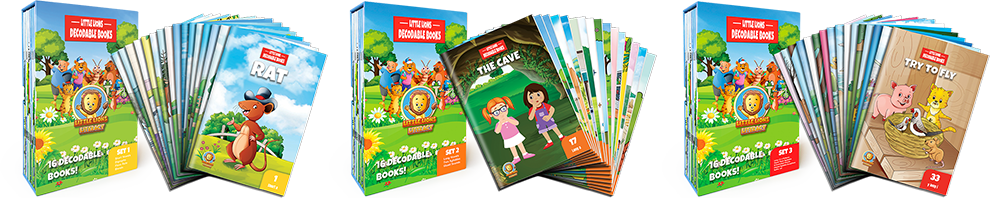
The single most effective tool for practicing a new phonics skill is a decodable text. These books are written specifically for emerging readers, using a high percentage of words that feature the phonics patterns they have already been taught. For r-controlled vowels, you want books that are rich with words like car, art, her, bird, and fur. As literacy experts point out, “Decodable texts are essential for helping students practice…These texts allow students to become faster and more automatic in their reading, which is crucial for developing fluency.” Our Little Lions Literacy sets are carefully designed to follow a phonics sequence, so you can easily find books that provide this targeted practice.
Simply handing a child a book isn’t enough; guiding them through it makes all the difference. Before they start reading a page, try a quick “word hunt” where you ask them to find all the words with a “bossy r” pattern. This primes their brain to recognize the pattern as they read. When they come to an r-controlled word, encourage them to find the vowel-r pair first. This structured approach helps them see the pattern as a single unit, like in star or farm. If they get stuck, gently cover the letters after the r-controlled vowel to help them focus on sounding out that first key part of the word.
Fluency is the ability to read with speed, accuracy, and expression. And just like learning to play an instrument, it only comes with practice. Regular practice is essential for mastering r-controlled vowels. Encourage your child to read decodable books that feature these patterns over and over again. Re-reading the same text might seem repetitive, but it’s incredibly powerful for building confidence and automaticity. Each time they read it, they’ll get a little smoother and faster. You can also mix it up with r-controlled vowel word lists or sentence strips for quick, daily practice that reinforces their skills without feeling overwhelming. Consistency is the key to making their new knowledge stick.
Even with the best lesson plans, teaching r-controlled vowels can present a few hurdles. It’s completely normal for kids to get tripped up by the tricky nature of the “bossy r.” The key is to anticipate these challenges and have a few strategies ready to go. When you can pinpoint exactly where a student is struggling, you can provide targeted support to help them move forward with confidence. Let’s walk through some of the most common issues and how you can address them in your classroom or at home.
One of the biggest challenges is that some r-controlled vowels sound nearly identical. The sounds in fern, bird, and curl can be especially tough for little ears to tell apart. Because the /er/, /ir/, and /ur/ sounds are so tricky, they simply need extra practice to master. It also helps to be very clear when a letter combination can make more than one sound. For example, you’ll want to teach ‘or’ carefully, explaining that it can make the /or/ sound like in fork and the /er/ sound like in word. Explicitly pointing this out prevents confusion down the road.
When sounds are similar, spelling mistakes are sure to follow. Since they sound the same, it’s common for kids to misspell words, like writing “berd” instead of “bird.” Your role is to help them remember the correct spelling pattern through repetition and visual aids. A fantastic tool for this is phoneme-grapheme mapping. When you map a word like farm, you put the ‘ar’ in a single box to visually reinforce that the two letters work together to make one sound. This helps students build a mental picture of the spelling pattern, making it easier to recall later.
Consistent exposure and varied practice are crucial for cementing these new skills. If students only see r-controlled vowels on a worksheet, the concept won’t stick. Try to use a variety of activities to keep them engaged, like building words with magnetic letters, sorting word cards by their vowel sound, or writing words in sand or shaving cream. Most importantly, encourage them to read words, sentences, and stories that are packed with r-controlled vowels. This is where decodable books, like our Little Lions Literacy sets, are so effective. They allow children to apply their phonics knowledge in a real reading context, building both skill and confidence.
Once you’ve introduced r-controlled vowels and practiced them with fun activities, you’ll want to check in on how your students are doing. Assessing their progress doesn’t have to mean formal tests and quizzes. Often, the most valuable insights come from simple, consistent observation and targeted practice. By keeping a gentle pulse on their understanding, you can catch any confusion early and provide the right support to keep them moving forward with confidence.
You can learn so much just by watching and listening to your students during your phonics block. Simple, informal check-ins are a fantastic way to see who’s getting it and who might need a little more help. Use a variety of hands-on activities to see their skills in action. Things like word sorts, spelling words from picture cards, or building words with magnetic letters can give you a clear picture of their understanding. Oral blending exercises, where you say the sounds and they blend them into a word (e.g., “/c/ /ar/ /d/ is ‘card’”), also provide great insight into how they are processing these new sounds.
The ultimate goal is for students to read these words in actual text. This is where decodable readers and word lists become your best friend. Have your students practice reading lists of r-controlled vowel words and short sentences that feature them heavily. This targeted practice helps them build speed and automaticity. As they read, you can easily spot if they are applying the “bossy r” rule correctly. Using a set of decodable books that systematically introduces phonics concepts ensures they are practicing exactly what you’ve just taught them, making it a perfect tool for authentic assessment.
As you observe your students, you can identify who needs extra support. Pay close attention during reading practice. Some students may struggle with the subtle differences between sounds, especially with the /er/, /ir/, and /ur/ trio. It’s also helpful to be mindful of how regional accents can affect pronunciation. For example, the /er/ sound can sometimes sound like a soft /uh/ (the schwa sound) in unaccented syllables. Regularly having students read these words aloud helps build their familiarity and allows you to provide immediate, corrective feedback. This consistent monitoring is key to supporting struggling readers before they fall behind.
At what age should I start teaching my child about r-controlled vowels? There isn’t a magic age, as it’s more about readiness than a birthday. Generally, children are ready to learn about the “Bossy R” after they have a solid grasp of basic letter sounds and can confidently read simple CVC (consonant-vowel-consonant) words like cat, hen, and sit. Once they understand how short vowels work, you can introduce the idea that the letter ‘r’ comes along and changes the rules.
My child keeps confusing the spellings for ‘er’, ‘ir’, and ‘ur’. How can I help? This is one of the most common hurdles, so you’re not alone! Since they all make the same sound, it’s a matter of memory, not sound. The best approach is to teach them together as a “sound family.” Create a visual chart with columns for each spelling and add words as you find them. Consistent exposure and practice through sorting games and reading will help their brain build a visual memory for which spelling belongs to which word.
Why can’t my child just learn these words by sight? Why is learning the “rule” so important? While some words will be memorized, teaching the r-controlled vowel pattern gives your child a powerful tool. It helps them understand how words work so they can decode new words they’ve never seen before. Instead of having to memorize thousands of individual words, they learn a system that applies to a huge portion of the English language. This builds true reading independence and confidence.
How do I know if my child is ready to learn about the “Bossy R”? A good sign of readiness is when your child can comfortably blend sounds to read short vowel words. If they can look at the word cat and sound out /c/ /a/ /t/ to read it, they have the foundational skill needed to understand how adding an ‘r’ changes that ‘a’ sound in a word like cart. They should also be able to hear the individual sounds in words, which is a skill you can practice with simple listening games.
Besides decodable books, what’s a simple way to practice these sounds every day? You can easily weave practice into your daily routine. Turn it into a game of “I Spy” while driving, looking for words with the “Bossy R” on signs, like park or store. At the grocery store, you can point out words like corn or butter. When you’re reading any book together, you can occasionally ask them to hunt for a word with an /ar/ or /er/ sound. These small, playful interactions reinforce the concept in a natural, low-pressure way.