Learning to read isn’t about memorizing thousands of individual words. It’s about learning the code. For many children, the moment they understand the Magic E rule is the moment they realize that English spelling has predictable patterns they can rely on. This concept, also called the Silent E or VCe pattern, shows them how letters work together to create new sounds. It’s a game-changer that moves them beyond basic CVC words and into a much wider world of reading. If you’re wondering how to teach magic e effectively, the key is to make it visual, interactive, and fun. This article will walk you through simple, playful strategies to help the rule stick.
The Magic E rule is a game-changing phonics concept that helps children decode a huge number of new words. You might also hear it called the “Silent E” or the “Vowel-Consonant-E” (VCe) rule. At its core, the rule is simple: when an ‘e’ is at the end of a word, it’s usually silent, but it has a special job. It makes the other vowel in the word say its name, which is its long sound.
Think about the word tap. The ‘a’ makes its short /a/ sound. But when you add an ‘e’ to the end, it becomes tape, and the ‘a’ now says its name, /ā/. The ‘e’ doesn’t make a sound, but it completely changes the word. This is a foundational step for young readers moving beyond simple three-letter words. Understanding this pattern helps them read and spell hundreds of new words, building confidence and fluency. It’s one of the first rules that shows kids how letters work together in predictable ways to create sounds.
The “magic” in Magic E is a fun way to explain how the silent ‘e’ does its work. You can tell your child that the ‘e’ at the end of the word sends its power over the consonant to the first vowel, telling it to “say your name!” This is why the vowel sound changes from short to long. For example, in the word hide, the silent ‘e’ makes the ‘i’ say its name (/ī/), unlike in the word hid, where the ‘i’ makes its short /i/ sound. This phonics rule applies to all the vowels, turning hop into hope and cub into cube.
Before learning the Magic E rule, most children master short vowel words, often called CVC words (consonant-vowel-consonant), like cat, pen, and sit. The Magic E rule introduces a new pattern: Vowel-Consonant-E (VCe). The best way to show this is by comparing word pairs. Start with a familiar CVC word like mat. Then, add an ‘e’ to the end to create mate. Say both words out loud and help your child hear the difference in the vowel sound. This direct comparison makes the rule click. You can do this with many word pairs: pin and pine, rob and robe, or cut and cute. This contrast highlights the power of that silent ‘e’.
Knowing when to introduce a new phonics rule is just as important as knowing how to teach it. If you introduce the Magic E too soon, it can create confusion and frustration for a new reader. But when you time it right, it feels like a natural next step that clicks into place, opening up a whole new set of words for them to read.
The goal isn’t to rush through phonics rules but to build a solid foundation, one skill at a time. Think of it like building with blocks. You need a sturdy base before you can add the next layer. The Magic E, or CVCe (consonant-vowel-consonant-e) pattern, builds directly on what your child already knows about letters and sounds. Before they can understand how the silent “e” changes a vowel’s sound, they first need to be completely comfortable with the vowel’s original, short sound. This ensures the “magic” makes sense instead of just feeling like another rule to memorize.
Before you even whisper the words “Magic E,” your child should have a rock-solid understanding of CVC (consonant-vowel-consonant) words. These are the simple, three-letter words like cat, pen, and sit that form the bedrock of reading. Your child needs to be able to read them smoothly and recognize their short vowel sounds automatically.
The entire concept of Magic E hinges on transforming a short vowel sound into a long one. For a child to understand how the “e” in cape makes the “a” say its name, they first need to know the short /a/ sound in cap inside and out. Without mastering CVC words, the Magic E rule has no context and will only cause confusion.
So, how do you know your child has that solid foundation? Look for a few clear signs. Your reader is likely ready for Magic E if they can confidently and consistently do the following:
Once they’ve mastered these skills, they are ready. Introducing the Magic E at this stage is exciting because it dramatically expands the number of words they can read using decodable books.
Once your child has a solid grasp of CVC words and short vowel sounds, you can introduce the Magic E. The key is to make it fun and interactive. Instead of just explaining the rule, show them how it works with hands-on activities that feel more like play than practice. When kids can physically manipulate letters and see the vowel sounds change right before their eyes, the concept clicks much faster.
The goal is to create a memorable “aha!” moment that helps the rule stick. By turning this lesson into a game, you can build their confidence and show them that learning new reading skills is an exciting adventure. Below are a few simple, effective, and playful ways to introduce the Magic E and help your young reader master this important phonics pattern.
One of the most engaging ways to introduce this concept is by turning it into a magic trick. Create a simple “magic wand” by attaching the letter ‘e’ to a craft stick. Start with a stack of CVC word flashcards, like cap, kit, or hop. Have your child read the word aloud. Then, let them wave their magic wand and place the ‘e’ at the end of the word. Suddenly, cap magically transforms into cape! This hands-on activity gives them a physical way to see how the silent ‘e’ changes the vowel sound, making the abstract rule feel concrete and memorable.
Get your child moving to help the lesson sink in. Write or tape CVC words on pieces of paper and place them around the room. Give your child their magic ‘e’ wand and send them on a mission to find the words and transform them into new ones. As they find each word, have them tap it with their wand and read the new CVCe word aloud. You can also play simple sorting games where they decide if a CVCe word is a “real” word or a “nonsense” word. These interactive games are perfect for keeping energetic learners focused and making practice feel like playtime.
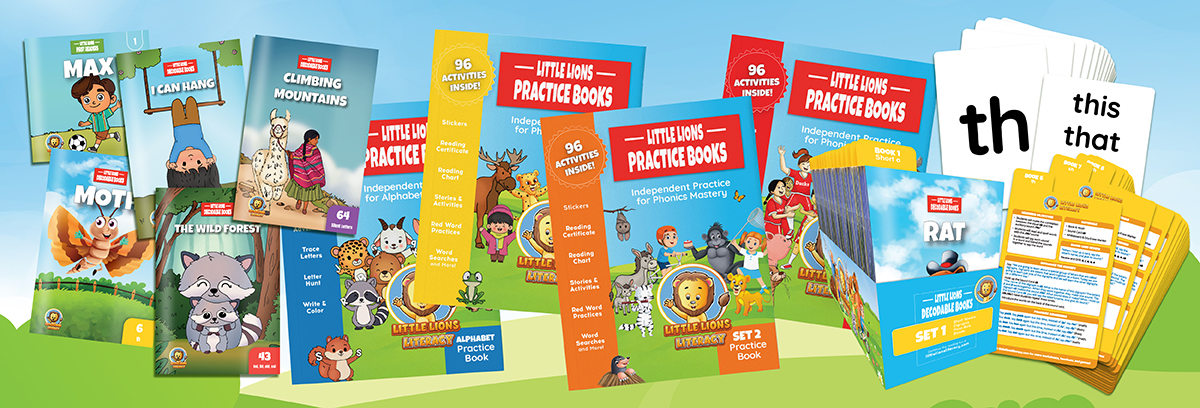
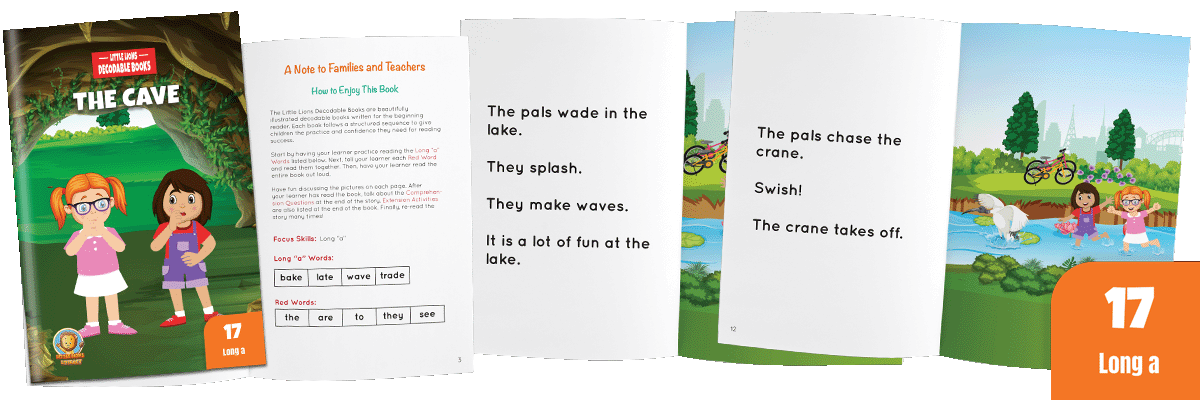
After introducing the Magic E through games, it’s time to see it in action. This is where decodable books are essential. Unlike many picture books, decodable texts are carefully written to include specific phonics patterns your child is learning. Using books that focus on CVCe words allows your child to practice their new skill in a real reading context. This reinforces the rule and helps them build fluency and confidence. Seeing the words they just practiced with their magic wand appear in a story is a powerful way to solidify their understanding. Our decodable book sets are designed to follow a clear progression, so you can find the perfect stories to practice the Magic E rule.
For many kids, seeing is believing. Abstract spelling rules can feel confusing, but turning them into something visual makes the concept click. When you show your child how the Magic E works, you’re giving them a concrete mental picture to hold onto. This is especially helpful for visual learners who thrive when they can see the patterns in action. Visual aids transform a tricky phonics rule into a simple, observable change. Instead of just hearing that an ‘e’ at the end of a word changes the vowel sound, they can see it happen. This hands-on approach builds a stronger, more memorable connection in their brain. Think of it as creating a visual anchor that helps them recall the rule when they encounter new words. Simple tools like whiteboards, colored markers, and flashcards can make a world of difference in making this lesson stick. By making the learning process tangible, you lower the frustration that can sometimes come with phonics. It becomes less about memorizing a rule and more about discovering a pattern. These visual strategies help children organize the information in their minds, creating a clear distinction between short-vowel words and their long-vowel counterparts. It’s about showing, not just telling. Below, we’ll explore a few simple but powerful ways to make the Magic E visual, including using color-coded charts, interactive flashcards, and special sound boxes to illustrate how this silent letter does its job.
One of the easiest ways to illustrate the Magic E is with color. Grab a whiteboard or a large piece of paper and write down a CVC (consonant-vowel-consonant) word like “tap.” Then, right next to it, add the Magic E to transform it into “tape.” Use a different color for the vowels and the final ‘e’. For example, you could write the ‘a’ in “tap” in red, and then in “tape,” write the ‘a’ and the ‘e’ in red. This simple color-coding technique helps your child’s eyes immediately spot the change and connect the two vowels that are working together to make a new sound. You can create an anchor chart with several word pairs (like kit/kite, hop/hope) to hang in your learning space for easy reference.
Flashcards are a classic for a reason—they work! You can create your own or find pre-made sets. For each Magic E pattern, you can explicitly teach the connection between the letters and the sound. For example, show a card with the “a_e” pattern. Guide your child to say the letters (“a, consonant, e”), a keyword (“cake”), and the long vowel sound (“/ā/”). This repetition builds automaticity. You can make it a quick game by flashing a CVC word card, having your child read it, and then adding a separate “Magic E” card to the end to transform the word. This interactive element keeps them engaged and reinforces the concept in a fun, low-pressure way.
Sound boxes, also known as Elkonin boxes, are a fantastic tool for helping kids hear and see the individual sounds in a word. To adapt them for Magic E, draw one box for each sound. For a word like “kite,” you would draw three boxes for the sounds /k/, /ī/, and /t/. When you write the word, place the silent ‘e’ just outside of the last box. This visually demonstrates that the ‘e’ doesn’t get its own sound but is still part of the word, doing the important job of changing the vowel’s sound. This method makes it crystal clear that the ‘e’ is silent but powerful, helping to prevent confusion about its role in the word.
As your child starts to work with the Magic E, you can expect a few bumps along the way. It’s a big concept! Seeing them mix up sounds or apply the rule at the wrong time is a completely normal part of the learning process. Instead of seeing these as failures, think of them as opportunities to gently guide them toward a deeper understanding.
Most mistakes fall into a few common categories, and thankfully, they have simple fixes. With a little patience and some targeted practice, you can help your reader clear these hurdles and build confidence. The key is to stay positive and focus on fun, low-pressure activities that reinforce the concept without causing frustration. Let’s walk through the most frequent mix-ups and how you can help.
One of the first challenges you might notice is your child confusing the short vowel sound with the new long vowel sound. They might read “cape” as “cap” or vice versa. This happens because they’re still getting used to the idea that one little letter can change everything.
To help, focus on the physical feeling of making the sounds. Have your child say the short sound (like ‘a’ in ‘apple’) and then the long sound (‘a’ as in ‘ape’). Ask them what their mouth is doing differently. You can also use keywords to help them remember, like associating ‘itch’ with the short ‘i’ and ‘ice’ with the long ‘i’. Playing a quick call-and-response game where you say the short sound and they say the long one is another great way to practice vowel sounds.
Sometimes, kids get so excited about their new “magic” power that they start applying it everywhere! They might see a CVC word like “tub” and try to read it as “tube.” This over-application shows they’re trying to use the rule, which is great—they just need help understanding when it applies.
The best way to fix this is through direct comparison. Create word lists or use flashcards that mix CVC and CVCe words, like fin/fine, hop/hope, and cut/cute. Reading them side-by-side helps your child see the pattern and learn to look for the ‘e’ at the end. You can also teach them to “mark up” words by crossing out the silent ‘e’ and drawing a long line over the vowel. This makes the rule a more concrete, visual process.
When your child makes a mistake, the goal is to correct them gently and turn it into a learning moment. Avoid saying “that’s wrong” and instead try something like, “Good try! Let’s look at that word again. Do you see a Magic E at the end?” This keeps the experience positive and encourages them to problem-solve.
Repetition is your best friend here. Kids need many opportunities to practice a new skill before it sticks. Short, frequent practice sessions are much more effective than long, overwhelming ones. The best way to get this practice is by reading. Using decodable books that specifically feature Magic E words allows your child to see the rule in action again and again in real sentences, which is the most meaningful way to learn.

Once your child understands the basic concept of the Magic E, it’s time to make it stick. Practice doesn’t have to feel like a chore. Turning skill-building into a game is one of the best ways to keep young readers engaged and motivated. These simple, fun activities will help your child master the Magic E rule while creating positive memories around learning to read. The key is to keep things light, playful, and consistent. A few minutes of a fun phonics activity each day can make a huge difference in building their confidence and solidifying this important reading skill.
Games are a fantastic way to practice the Magic E rule without any pressure. Start with a simple “word-building” game using magnetic letters or letter tiles. Have your child build a CVC word like cap, read it aloud, and then add the Magic E to the end to transform it into cape. As they add the ‘e’, encourage them to say something silly like “Abracadabra!” to make the vowel sound change. This simple action helps them physically see how the ‘e’ changes both the sound and the meaning of the word. You can also find plenty of printable CVCe games online that turn practice into a fun challenge, helping kids blend sounds and apply the rule in a playful context.
Kids learn so well through music and movement. A catchy song is one of the easiest ways to introduce and reinforce the Magic E concept. Search for a fun Magic E song and have a mini dance party while you listen. You can even make up your own hand motions—maybe a little wiggle for the short vowel sound and a big, dramatic stretch for the long vowel sound. Singing about how the silent ‘e’ gives its power to the vowel helps the rule stick in their memory. This multi-sensory approach connects the phonics rule to a fun, physical activity, making it much more memorable than just reading it on a page.
Connect reading and writing to build stronger pathways in the brain. A mini whiteboard is a great tool for this. Say a CVCe word like bike, have your child tap out the sounds they hear (/b/ /ī/ /k/), and then practice writing it. The erasable surface makes it feel low-stakes and fun. For a truly magical activity, try a “secret message” reveal. Write CVC words like pan or kit on a piece of paper, adding the final ‘e’ with a white crayon. When your child paints over the word with watercolors, the Magic E will magically appear, transforming the word into pane or kite. This is a delightful way to visually demonstrate the power of that silent letter.
Once your child understands the concept of Magic E, the key is consistent practice. Creating a simple, low-pressure routine helps solidify the rule without causing burnout for you or your little reader. Think of it as a small, daily dose of phonics fun that builds a strong foundation for reading fluency. The goal is progress, not perfection, and a little bit of practice every day goes a long way toward building confident, independent readers. A predictable routine makes learning feel safe and manageable.
Repetition is what helps new skills stick. A quick, five-minute review each day is far more effective than a long, weekly lesson. This daily check-in helps transfer the Magic E rule from your child’s short-term to long-term memory. You can make it fun by using a small whiteboard to change CVC words to CVCe words (like turning cap into cape with the flick of a marker). Or, keep a stack of Magic E flashcards by the breakfast table and flip through a few each morning. This consistent, gentle reinforcement builds confidence and makes the concept feel like second nature.
When you’re building a new skill, you start with the first block. The same goes for Magic E. Don’t throw all the long vowel sounds at your child at once. Instead, focus on one pattern at a time, like words with ‘a_e’ (make, take, same). Once they feel comfortable with that, you can introduce ‘i_e’ words. This step-by-step approach prevents them from feeling overwhelmed and sets them up for success. Our decodable book sets are designed this way, introducing skills sequentially so your child can build their knowledge on a solid foundation.
What’s the simplest way to explain the Magic E rule to my child? The easiest way is to make it a story. You can tell them that the ‘e’ at the end of a word is silent but has a special job: it sends its power over to the other vowel, telling it to “say its name.” This is a fun way to explain why the vowel sound changes from its short sound (like the ‘a’ in cap) to its long sound (like the ‘a’ in cape).
How do I know for sure if my child is ready to learn about Magic E? Your child is ready when they can read simple three-letter words, often called CVC words, without much effort. If they can look at words like sit, pen, and mop and instantly know their short vowel sounds, that’s a great sign. They need to have mastered short vowels first so they can understand how the Magic E changes them into long vowels.
My child keeps applying the rule to the wrong words. What should I do? This is a very common step in the learning process! It shows they are trying to use their new skill. The best way to help is to practice comparing words side-by-side. Write down pairs like fin and fine or cut and cute. Read them together and point out that the rule only applies when they see that ‘e’ at the end. Gentle, consistent reminders will help them learn when to use their magic powers.
Do we have to use decodable books, or can we just practice with our regular picture books? Decodable books are incredibly helpful at this stage because they are written specifically for your child to practice the exact skills they are learning. A decodable book focused on Magic E will be full of words like hike, rope, and flame, giving your child many chances to succeed. Regular picture books are wonderful for reading aloud, but they often contain complex spelling patterns that can frustrate a new reader who is trying to sound things out.
Besides flashcards, what’s a fun way to practice this without it feeling like homework? Turn it into a game! One of the best ways is to make a “magic wand” by taping the letter ‘e’ to a craft stick. Write down a few simple CVC words like tap or kit. Have your child read the word, then let them tap the end of it with their wand to magically transform it into tape or kite. This makes the concept physical and memorable, turning practice into playtime.