Most of us learned our ABCs by singing the alphabet song, so it feels natural to start there when teaching our own kids. But what if that’s not the most effective first step? While knowing letter names is helpful eventually, it doesn’t actually help a child sound out the word dog. Knowing the letter sounds does. This is the core of letter-sound correspondence, and it’s the most critical skill for a beginning reader. Shifting your focus from letter names to letter sounds is a simple change that makes a huge difference. This article will show you how to teach letter sound correspondence in a way that builds confidence and gives your child the tools they need to start reading words almost immediately.
Before a child can read the word “cat,” they first need to know that the letter c makes the /k/ sound, a makes the /a/ sound, and t makes the /t/ sound. This connection between a letter and the sound it represents is called letter-sound correspondence.
Put simply, letter-sound correspondence is the knowledge of which sounds are associated with which letters. It’s a two-way skill that’s essential for both reading and writing. For reading, kids need to see a letter and instantly recall its sound. For writing, they need to hear a sound in a word and know which letter to write down. Mastering this skill is one of the earliest and most important steps in learning to read, and it’s a strong indicator of how well a child will progress on their literacy journey.
Think of letter-sound correspondence as the concrete foundation you pour before building a house. Without it, nothing else stands up. This skill is a core component of phonics instruction, which is the system that teaches children the relationships between letters and sounds.
Daily, systematic phonics practice helps children move from knowing individual letter sounds to blending them into words. This work directly improves their reading fluency, allowing them to read more smoothly and accurately. When a child isn’t struggling to sound out every single letter, they can focus their mental energy on what the text actually means, leading to much stronger reading comprehension.
So, where does letter-sound correspondence fit into the bigger picture of phonics? Phonics is the set of rules that explains how letters and groups of letters connect to sounds. For example, phonics teaches that the letters ‘s’ and ‘h’ together make a new sound: /sh/.
But before a child can grasp that concept, they must first master the individual sounds of each letter. Teaching letter-sound correspondence is the very first step in phonics. It starts with modeling the sound for a letter and having the child repeat it. Once children have a solid grasp of the sounds for individual letters, they can begin blending those sounds to read words and learning the more complex rules that govern our language.
If you learned the alphabet by singing the “ABC” song, you might assume that teaching letter sounds should follow the same A-to-Z sequence. But when it comes to building strong readers, there’s a much more effective way. The goal isn’t for a child to memorize the alphabet in order; it’s to give them the tools to start decoding words as quickly as possible. A strategic, intentional order can make all the difference.
Think of it like this: you wouldn’t teach a new builder how to install fancy crown molding before they know how to frame a wall. You start with the most essential, high-use skills first. The same logic applies to reading. By introducing high-frequency letter sounds early on, you empower your child to start blending those sounds into actual words almost immediately. This early success is a huge motivator and shows them that these strange new symbols have a real, exciting purpose. Most structured literacy programs follow a specific scope and sequence for this very reason—it’s a proven path to building a solid foundation for reading.
Instead of starting with A, B, C, a more effective approach is to begin with letters that appear most often in simple words. A common and effective order is to introduce sounds like /a/, /m/, /t/, /p/, and /s/ first. Why? Because with just those few sounds, a child can suddenly read words like “am,” “at,” “sat,” “mat,” and “tap.” This is an incredible confidence builder!
This method provides the most bang for your buck, giving kids the ability to decode and read words right away. A suggested letter-sound order often starts with: a, m, t, p, o, n, c, d, u, s, g, h. You’ll notice that this sequence mixes vowels and consonants, allowing for dozens of word combinations early in the learning process.
Vowels are the glue that holds words together, but not all vowel sounds are created equal in early reading. It’s best to teach the short vowel sounds first—like the /a/ in apple, /e/ in egg, /i/ in igloo, /o/ in octopus, and /u/ in umbrella.
Short vowel sounds are far more common in the simple, one-syllable words that new readers will encounter first (e.g., cat, pen, sit, top, run). Long vowel sounds, which say the letter’s name (like the /a/ in cake), often involve more complex spelling patterns (like the silent ‘e’ or vowel teams) that are better saved for later. By mastering short vowels first, children gain access to a huge number of decodable words, which helps them practice their blending skills and build fluency.
Take a quick look at this sentence. What do you notice? Almost every letter is lowercase. This is true for nearly everything we read, from picture books to websites. Because lowercase letters are used so much more frequently, it makes sense to teach them first. When children learn the lowercase letters and their corresponding sounds, they can immediately apply that knowledge to the words they see in books and all around them.
This doesn’t mean uppercase letters aren’t important. They are essential for starting sentences and for proper nouns. However, you can introduce them as the “partner” to the lowercase letter once the child has a firm grasp on the lowercase form and sound. This approach reduces confusion and makes the learning process more relevant to a child’s daily experience with text.
Building a strong phonics foundation is one of the most important things you can do for a new reader. It’s what turns letters on a page into words with meaning. But this foundation isn’t built by accident. It requires a thoughtful, intentional approach that sets kids up for success from their very first letter sound. Think of it like building a house—you need a solid plan and the right materials, laid in the correct order.
The good news is that you don’t need a degree in education to do this effectively. The best methods are actually quite straightforward. By focusing on a few key principles, you can create a clear path for your child to follow as they learn to read. It all comes down to being direct and organized in your teaching, prioritizing what truly matters for decoding words, and introducing new skills in a logical sequence that builds confidence every step of the way. Let’s walk through exactly what that looks like.
When it comes to teaching phonics, a little structure goes a long way. The most effective instruction is both explicit and systematic. Explicit means you teach concepts directly and clearly. Instead of just pointing out letter sounds as you read together, you’ll say, “This is the letter ‘m.’ It makes the /m/ sound.” A systematic approach means you follow a specific sequence, building from simple skills to more complex ones. You’ll teach common consonants and a short vowel before moving on to trickier sounds. This method ensures there are no gaps in a child’s learning and is especially helpful for children who may have learning differences.
This might feel counterintuitive, especially since most of us learned the “ABC Song” by heart. But when a child is first learning to read, it’s far more important for them to know the sound a letter makes than its name. Knowing the letter name “bee” doesn’t help a child sound out the word bat. Knowing the sound /b/ does. As literacy experts point out, “Knowing letter names isn’t needed for reading and can sometimes make it harder to learn to read words.” You can always teach letter names later, but starting with sounds gives kids the immediate tools they need to start decoding words and feeling like successful readers.
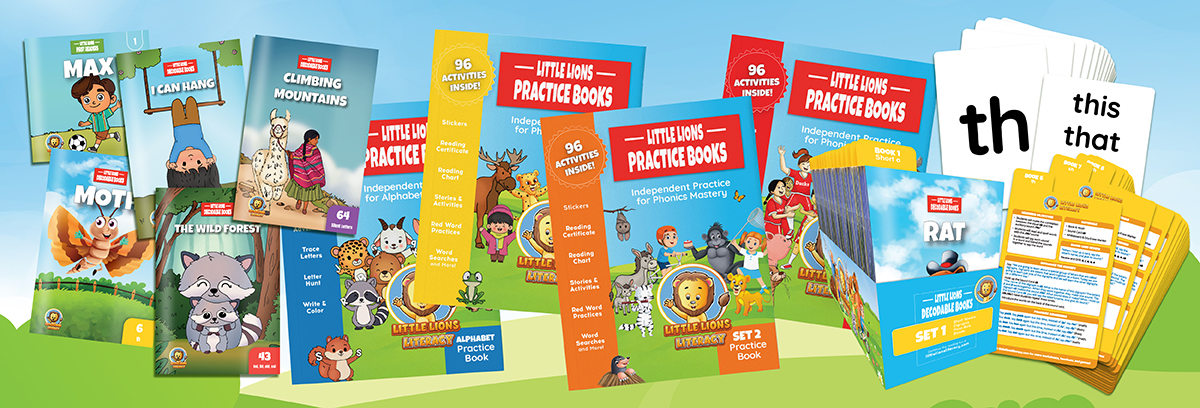
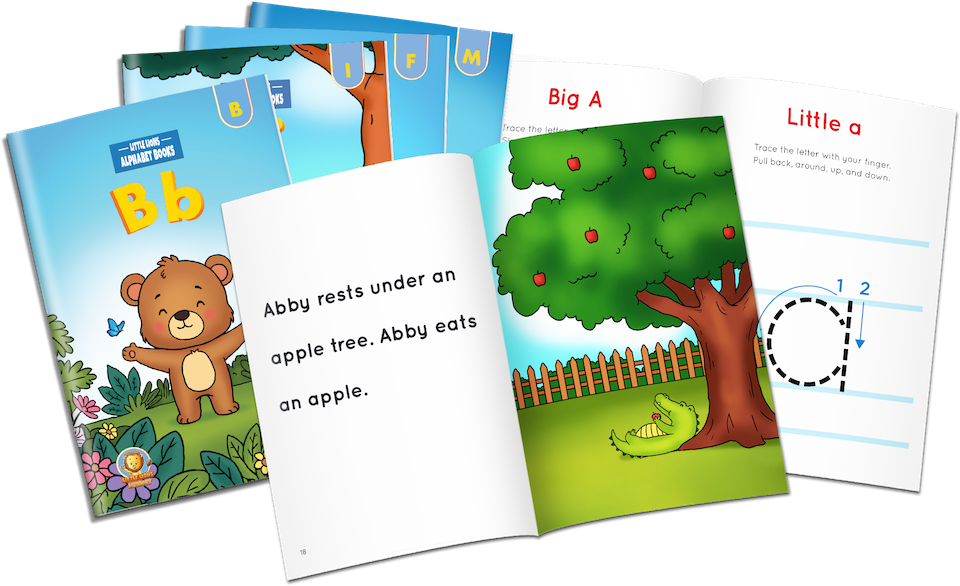
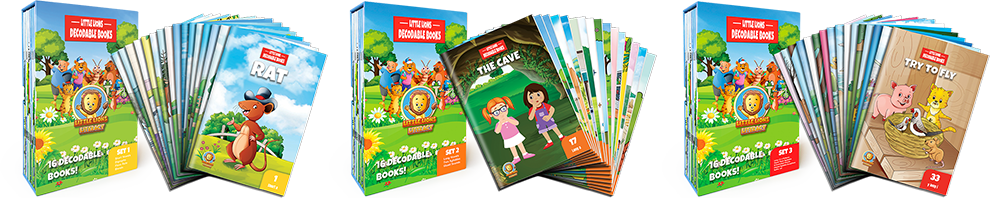
The order in which you introduce letter sounds matters. Instead of teaching them in alphabetical order, a systematic approach introduces high-frequency letters first. A common and effective order starts with letters like a, m, t, p, o, and n. Why this sequence? Because as soon as a child knows a few consonants and a vowel, they can start blending them to read their first words, like mat, pat, and tap. This early success is a huge confidence builder. Our Little Lions Literacy books follow a similar step-by-step progression, ensuring that each book only uses the letter sounds your child has already learned, allowing them to practice their skills and grow into confident, independent readers.
Kids learn best when they can engage their whole bodies. Multi-sensory learning is a fancy term for a simple idea: when children use more than one sense at a time—like touch, sight, sound, and movement—they build stronger connections in their brains. For letter-sound correspondence, this is a game-changer. Instead of just looking at a letter and hearing its sound, they can feel its shape, say its sound out loud, and even move their bodies to form it. This approach makes learning more active, memorable, and fun, which is especially helpful for kids who have a tough time sitting still.
Think of it as creating multiple pathways to the same piece of information. If one pathway is a little foggy, another one can light the way. By incorporating touch, movement, and sound, you’re helping your child build a rich, three-dimensional understanding of how letters and sounds work together. These hands-on activities don’t require expensive materials, just a bit of creativity. They transform abstract symbols into something tangible and concrete, helping the new knowledge stick for good.
One of the simplest ways to get moving is with air writing. Have your child use their pointer finger to write a letter in the air while saying its sound. This simple action helps build muscle memory for letter formation, making the shape of each letter more automatic. You can do this anywhere—in the car, waiting in line, or during story time. For another layer of sensory input, create tactile letters. You can use sandpaper, puffy paint, or glitter glue on index cards to make letters your child can trace with their finger while saying the sound. This hands-on approach connects the physical feeling of the letter’s shape with its sound.
A shallow tray filled with sand, salt, or even shaving cream can turn letter practice into playtime. Say a sound, like /m/, and have your child trace the letter ‘m’ in the sand with their finger. As they trace, encourage them to say the sound out loud. This combination of seeing the letter, feeling the motion of writing it, and hearing the sound reinforces the connection in a powerful way. You can find lots of ideas for practicing the alphabet with simple household items. This activity is great because it’s low-pressure; if they make a mistake, they can just shake the tray and start over.
Getting the whole body involved can make learning letter sounds feel like a game. Grab some sidewalk chalk and create a simple hopscotch board with letters instead of numbers. As your child hops on each square, they can say the letter’s sound. You can also play letter-sound scavenger hunts around the house (“Find something that starts with the /b/ sound!”). There are many fun letter-sound activities that get kids up and moving. Pairing sounds with actions helps anchor the information in their memory, all while letting them burn off some energy.
Once your child has been introduced to a few letter sounds, it’s time to practice! The goal is to make this practice so fun that it doesn’t feel like work. Turning letter-sound practice into a game helps children stay engaged and builds positive associations with learning to read. These hands-on, multi-sensory activities are perfect for reinforcing what they’ve learned in a playful, low-pressure way. You can easily adapt them to fit the sounds you’re currently focusing on, whether you’re just starting with /s/, /a/, and /t/ or moving on to more complex sounds.
This activity is a fantastic way to practice sound recognition quickly. All you need are some dice with letters on them—or you can make your own by writing letters on blank wooden cubes. Have your child roll a die, identify the letter, and say its sound out loud. To take it a step further, ask them to find something in the room that starts with that sound. You can also turn it into one of many simple rhyming games that are perfect for developing phonological awareness, a key skill for reading.
Ready to take the learning outside? Grab some sidewalk chalk and draw a hopscotch board, writing a different letter in each square. Instead of just hopping through, your child has to say the sound of the letter they land on. This is a perfect example of kinesthetic learning, where children learn by moving their bodies. The physical action of hopping and saying the sound helps cement the connection in their brain. For a bigger challenge, ask them to say a word that starts with the letter’s sound before they can hop to the next square.
For a hands-on activity that also builds fine motor skills, break out the Play-Doh. Write a letter on a piece of paper and have your child roll the Play-Doh into long “snakes” to form the letter on top of your example. As they shape the letter, encourage them to say its sound. After they’ve formed it, they can trace the Play-Doh letter with their finger while repeating the sound. This tactile experience is incredibly powerful for helping kids remember letter shapes and their corresponding sounds, making an abstract concept feel concrete and memorable.
Once your child starts mastering individual letter sounds, it’s time to put them all together. This is where decodable books come in—they’re the perfect practice field for new readers. These books are carefully written using only the letter-sound patterns your child has already learned, transforming reading from a guessing game into a successful, skill-building activity. By giving children stories they can actually read, we empower them to apply their new phonics skills and see themselves as real readers.
Decodable books bridge the gap between knowing a letter’s sound and reading it in a sentence. Each book is specifically designed to align with a child’s current phonics knowledge, using a limited set of phonetic patterns and high-frequency words they’ve already been taught. For example, if your child has just learned the sounds for s, a, t, p, i, and n, they’ll get a book filled with words like “sat,” “pat,” and “spin.” This allows them to practice decoding in a meaningful context, turning abstract sounds into concrete words that tell a story. It’s an immediate, rewarding application of what they’ve learned.
Learning to read is a marathon, not a sprint, and it requires a logical progression. Phonics instruction should be explicit and systematic, building from simple concepts to more complex ones. Decodable books are the perfect companion for this journey. As your child learns new letter sounds and patterns, they can move on to the next set of books in a series. This step-by-step approach allows them to apply their skills progressively, reinforcing their understanding. They won’t be overwhelmed by sounds they haven’t learned yet, ensuring each reading session builds on the last.
Nothing lights up a child’s face like the moment they realize, “I can read this all by myself!” Decodable books make this moment possible. Because these texts are perfectly matched to their skill level, children can read them successfully from cover to cover. This success is incredibly powerful. It fosters a sense of achievement and shows them that the hard work of learning letter sounds pays off. This newfound confidence reduces reading anxiety and encourages them to pick up the next book, creating a positive cycle of practice and motivation essential for growing a lifelong love of reading.

Teaching a child to read is an incredible journey, but it’s not always a straight line from A to Z. You might find that a strategy that works for one child doesn’t click for another, or that progress stalls unexpectedly. That’s completely normal. The key is to have a few different approaches in your back pocket for when you hit these common hurdles. Instead of feeling stuck, you can pivot your strategy to meet your child right where they are. From navigating the confusion between letter names and sounds to keeping kids engaged, these simple adjustments can make a world of difference in building a confident, happy reader.
One of the biggest mix-ups for new readers is the difference between a letter’s name and its sound. Think about it: the letter name “aitch” has nothing to do with the /h/ sound it makes in “hat.” This can be confusing! To clear things up, prioritize teaching the sounds first. Research shows that knowing letter names isn’t actually necessary for learning to read and can sometimes complicate the process. When you introduce a new letter, lead with its most common sound. For example, say, “This is the letter ‘m,’ and it makes the /m/ sound.” This direct letter-sound correspondence helps children connect the symbol on the page to the sound they need for blending words.
Every child learns at their own pace and in their own way. Some kids are visual learners who need to see the letter, while others are kinesthetic learners who need to build it with their hands. If a child is struggling, try switching up your approach. Using a variety of activities helps you connect with different learning styles. You can trace letters in a sand tray, form them with Play-Doh, or sing songs about their sounds. The goal is to offer multiple ways for the information to stick. Consistent practice using different senses helps children internalize letter sounds until they can recognize them instantly, making the path to reading much smoother.
The ultimate goal of teaching letter sounds is for children to recognize them automatically, without having to stop and think. This skill is called automaticity, and it’s what frees up a child’s brain to focus on the bigger tasks of reading, like blending sounds into words and understanding the story. When a child achieves automatic sound-symbol correspondence, they’re no longer bogged down by decoding individual letters. You can build this skill with short, fun, and frequent practice sessions. Flashcard drills, quick letter-sound games, and reading decodable books all work together to make that connection between a letter and its sound instantaneous.
The English language is full of quirks. The letter ‘a’ sounds different in cat, cake, and car. The letter ‘c’ can sound like /k/ or /s/. These inconsistencies can be frustrating for kids and parents alike. Don’t be afraid to address this head-on. It’s helpful to be upfront with children when a letter represents different sounds in different words. You don’t need to teach all the rules at once, but you can explain them as they appear. For example, when you encounter the word “gem,” you can say, “Sometimes the letter ‘g’ makes a /j/ sound, like in this word.” Acknowledging these complexities in the alphabetic principle builds trust and helps your child become a more flexible and resilient reader.
You are your child’s first and most important teacher, and you don’t need a degree in education to make a huge impact on their reading journey. Supporting letter-sound learning at home is all about creating a positive and playful environment where your child can explore sounds and letters without pressure. By weaving simple, consistent activities into your daily life, you can reinforce what they’re learning in school and build a strong foundation for literacy. These small moments—a five-minute game with magnetic letters or pointing out sounds on a walk—add up, building your child’s skills and confidence one sound at a time.
You don’t need to buy expensive, high-tech gadgets to practice letter sounds. The best tools are often the simplest. Start by gathering a few key items, focusing on lowercase letters, since those are what your child will see most often in books. A set of magnetic letters for the fridge is a classic for a reason—they’re perfect for hands-on play. You can also use alphabet flashcards, a small whiteboard for writing practice, or even an old keyboard. The goal is to have tangible, interactive learning tools that invite your child to touch, move, and explore the shapes of letters as they connect them to sounds.
Consistency is far more effective than long, infrequent study sessions. Aim for just five to ten minutes of focused practice each day. You could make it a fun part of your morning routine or a quiet activity before bed. Start simple by focusing on a small group of letters, like a few consonants (m, s, t) and one short vowel (a). Once your child feels comfortable with those sounds, you can practice blending them into simple words like “mat” and “sat.” Keeping your practice sessions short, playful, and predictable helps build a positive learning routine that your child will look forward to instead of dread.
Turn your home into a literacy-rich environment by making words a visible part of your everyday space. Use sticky notes to label common household items like “door,” “bed,” and “table.” This helps your child see that printed words represent real-world objects. You can also make it a game. As suggested by literacy experts at Lexia, try writing a word on a label but leaving out the first letter, like “_an” on the fan. Then, have your child find the right magnetic letter to complete the word and say the sound out loud. This simple activity makes learning interactive and shows your child how letters and sounds work together to create meaning all around them.
Your child’s teacher is your greatest ally. Open communication ensures that you’re reinforcing the same concepts at home that are being taught in the classroom. At your next conference or in a quick email, ask the teacher which letter sounds the class is currently focusing on. They can also offer fantastic, classroom-tested ideas for games and activities to try at home. This parent-teacher collaboration creates a consistent learning experience for your child, which helps them master skills more quickly and confidently. Remember, you’re a team working toward the same goal: helping your child become a happy, successful reader.
As you introduce new letter sounds, you’ll want to gently check in on your child’s learning. This isn’t about giving them a test or putting them on the spot. It’s simply about making sure they feel confident with one concept before you move on to the next. Think of it as taking a quick temperature check to see what’s sticking and what might need a little more practice. Keeping these check-ins light and positive helps build their confidence and keeps the learning process fun and encouraging for everyone involved.
One of the best ways to gauge understanding is to simply watch and listen. When you’re reading a book together, does your child point to a letter and say its sound? Do they try to sound out the first letter of a word on a cereal box? These small moments are big indicators of progress. As your child gets better at connecting letters to sounds, you’ll notice their reading fluency improves, which is a key step toward stronger reading comprehension. Pay attention to how they interact with letters and words in everyday life—it will tell you more than any formal quiz ever could.
You can easily check for understanding with quick, game-like activities. Grab some letter cards or magnetic letters and say a sound, like /s/. Then, ask your child to find the letter that makes that sound. The goal is for them to connect the sound to the correct letter. A good benchmark for mastery is when a child can correctly identify the letter for a given sound about 80% of the time. Keeping it playful ensures they see it as a fun challenge, not a test. This approach helps you pinpoint which sounds need more review while celebrating the ones they’ve mastered.
Keeping track of which letter sounds your child knows doesn’t have to be complicated. You can use a simple checklist or just make a mental note. The key is to make practice a positive experience. When you introduce a new letter, continue to mix in older letters they already know well. This constant review reinforces their memory and builds confidence. A great strategy for practicing the alphabet at home is to start with familiar letters and then slowly add one new one at a time. This method prevents overwhelm and shows your child how much they’re learning, turning practice into a rewarding part of their day.
My child knows the “ABC Song” by heart. Isn’t that enough to start? It’s a great start, but the song actually teaches letter names, not their sounds. To read the word “ball,” a child needs to know the sound /b/, not the name “bee.” Focusing on the sounds first gives your child the direct tools they need to start sounding out words, which is the ultimate goal. You can always connect the letter names later on.
Should I teach uppercase or lowercase letters first? You should definitely start with lowercase letters. Think about any children’s book—almost all the letters are lowercase. Teaching these first makes the learning immediately relevant and allows your child to start recognizing letters in the books and signs they see every day. You can introduce the uppercase letters as the “partners” once the lowercase form and sound are solid.
How much time should we really spend on this each day? Consistency is much more important than duration. Aim for just five to ten minutes of playful practice each day. Short, fun, and frequent sessions are far more effective than one long, stressful lesson per week. This approach keeps your child engaged and helps build a positive routine around learning to read.
What should I do if my child gets frustrated or seems bored? If you sense frustration, it’s a sign to switch things up. Put away the flashcards and try a more hands-on activity. You could trace letters in a tray of salt or shaving cream, form them with Play-Doh, or head outside for some letter hopscotch. Every child learns differently, and moving to a more sensory-based activity can make the concept click in a new way.
When is the right time to introduce decodable books? You can bring in decodable books as soon as your child has mastered a few consonant sounds and one short vowel sound. For example, once they know /s/, /a/, /t/, and /p/, they can read a book with words like “sat,” “pat,” and “tap.” These books are designed to give them immediate success and show them the magic of putting those individual sounds together to make real words.