Think of learning to read like building a house. Knowing letter sounds is like having a big pile of bricks—essential, but not a house just yet. The skill of blending is the mortar that holds those bricks together to build actual words. It’s the process of connecting sounds like /d/, /o/, /g/ so smoothly that your child hears the word “dog.” Without this crucial connection, the letters remain separate pieces. Understanding how to teach blending sounds is the key to helping your child construct a strong reading foundation. In this article, we’ll give you the blueprint, from laying the first brick with oral games to building sentences with decodable books.
Ever wonder how kids make that incredible leap from knowing their ABCs to reading actual words? The secret ingredient is a skill called blending. Simply put, blending is when a child takes individual sounds and pushes them together to say a whole word. Think of the sounds /c/ /a/ /t/. A child who can blend will smoothly connect them to say the word “cat.” It’s the bridge between knowing what sound the letter ‘c’ makes and being able to read the word cat in a book.
This skill is the very foundation of phonics-based reading. It’s what allows children to tackle new and unfamiliar words without having to memorize every single one. While fluent readers seem to recognize words instantly, they’re actually using a highly practiced, lightning-fast version of blending to decode words they haven’t seen before. Mastering blending is a crucial step for learning to read because it gives kids the confidence and the tools to become independent readers. It transforms letters on a page from a jumble of symbols into meaningful words, stories, and ideas.
Blending is the engine of decoding. When a child learns to blend, they learn how to “crack the code” of written language. Instead of seeing “fish” as a single, intimidating unit, they see it as a sequence of sounds: /f/ /i/ /sh/. Blending is the action of pushing those sounds together until they hear the word “fish.” This skill empowers them to sound out almost any phonetically regular word they encounter. It’s a skill that needs a lot of practice, but the great news is you can start working on it as soon as your child knows just a handful of letter sounds. It turns reading from a guessing game into a predictable, manageable process.
Blending is the first step on the path to fluent reading. At the beginning, sounding out a word like “s-t-o-p” is slow and deliberate. But with practice, the process gets faster and smoother. The ultimate goal is for this blending process to become so quick and effortless that it feels automatic. This is how children build a library of words they recognize on sight. They’ve blended a word so many times that their brain no longer needs to go through the slow, sound-by-sound process. Sounding out words is the essential starting point, but consistent practice helps children achieve automatic word reading, which is the hallmark of a confident, fluent reader.
Figuring out the right time to introduce a new skill can feel like a guessing game, but when it comes to blending, there are some clear signs to look for. Instead of focusing on a specific age, we want to look for skill-readiness. When your child has a few key foundational skills in place, they’ll be able to connect sounds to letters and start putting them together to read words. This is where the reading magic really begins to happen!
Before kids can blend letters on a page, they need to understand what blending even means. Simply put, blending is the process of pushing individual sounds together to say a whole word. For example, when you say the sounds “m-a-p” and your child can say “map,” they are blending. This skill relies on two main building blocks: knowing letter sounds and having some phonological awareness. This just means they can hear and play with the sounds in spoken language. They don’t need to know the entire alphabet to start, just a handful of sounds to begin building their first words.
So, how do you know if your child has those building blocks in place? It’s less about a formal test and more about observing their skills during everyday play and conversation. Your child is likely ready to start blending if they can do a few of these things:
If you’re nodding your head to these, it’s a great sign that they’re ready to try blending with letters.

There is no magic age for learning to blend. Some children might show interest and readiness around age three or four, while others might be closer to five or six. The most important thing is to follow your child’s lead. Pushing them before they’re ready can lead to frustration for everyone. The good news is that you can start practicing blending with just a few letter sounds. Once they know a handful of letters from their alphabet books, you can start building simple words. This approach keeps the process fun and builds confidence from the very beginning, ensuring their journey into reading is a positive one.
Ready to get started? Teaching blending doesn’t have to be complicated. By breaking it down into simple, manageable steps, you can guide your child from hearing individual sounds to reading whole words with confidence. This four-step process starts with listening games and gradually introduces letters, hands-on activities, and finally, reading words on the page. Let’s walk through it together.
Before your child even looks at a letter, they can start practicing blending. This is called “oral blending,” and it’s all about listening. You say the sounds, and they blend them together to figure out the word. A classic game for this is “I Spy.” Instead of spying something that starts with a letter, you spy something by its sounds: “I spy, with my little eye, a d-o-g.” You can also weave this into your daily routine. When you give instructions, just stretch out a word: “Can you please get your c-oa-t?” These simple phonemic awareness games build the foundational listening skills your child needs before they can connect sounds to letters.
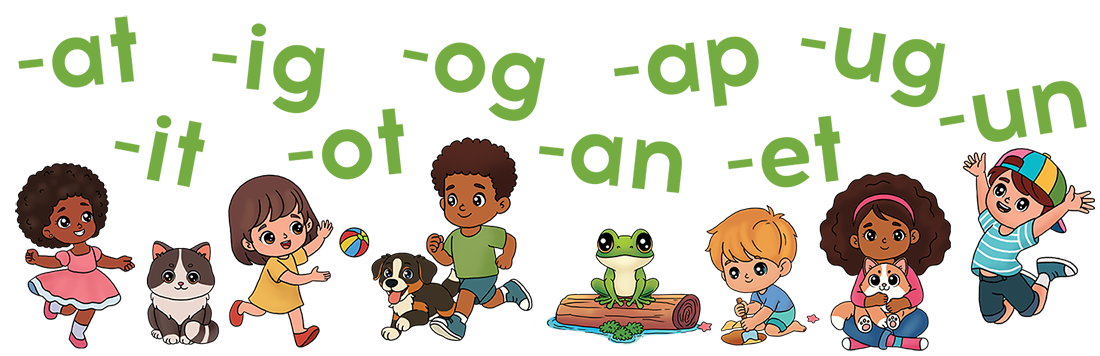
Once your child is a pro at oral blending, it’s time to bring in the letters. This is where they connect the sounds they’ve been hearing to the symbols on the page. Grab some letter tiles or flashcards for simple CVC (consonant-vowel-consonant) words like ‘cat,’ ‘sun,’ or ‘pig.’ Point to each letter, say its sound clearly (/c/…/a/…/t/), and then slide your finger underneath the letters as you say the whole word, “cat.” This visual cue helps them see how the separate sounds flow together to form a word. Keep these sessions short and positive, focusing on the magic of turning three little sounds into a real word.
For many kids, blending clicks when they can feel it. Engaging multiple senses makes the learning stick. Using magnetic letters is a fantastic way to do this. Have your child physically push the letters together as they say the sounds, which can create a powerful “aha!” moment. Another great technique is called “arm blending.” For a word like ‘mop,’ they would tap their shoulder and say /m/, their elbow for /o/, and their wrist for /p/. Then, they slide their hand from their shoulder to their wrist while saying the blended word, “mop.” This multisensory approach connects the physical action to the mental process, making an abstract concept much more concrete.
When blending starts to feel more natural, you can help your child apply this skill to reading. The goal is to move from sounding out every word to recognizing them more automatically. A great way to practice is by using a small set of words on flashcards or in a list. Have your child read about five words, then mix up the order and have them read them again. This repetition helps build fluency and ensures they are truly decoding, not just memorizing. This is the perfect time to introduce decodable books, which are specifically designed for children to practice their new blending skills with words they can successfully sound out.
Once your child is comfortable with oral blending, you can introduce activities that connect sounds to letters. The goal here is to make practice feel like playtime. When kids are having fun, they’re more likely to stay engaged and absorb what they’re learning. These simple, hands-on activities use everyday items and a bit of movement to help your child master blending. Choose one or two to try, and don’t be afraid to get creative!
You can turn almost any moment into a blending lesson with a simple game of “I Spy.” Instead of spying colors, you’ll spy sounds. For example, while in the kitchen, you could say, “I spy with my little eye, something that sounds like /c/ /u/ /p/.” Then, encourage your child to blend the sounds together to guess the word “cup!” This is a fantastic way to practice oral blending anywhere—in the car, at the grocery store, or during playtime. It’s a no-prep activity that sharpens listening skills and helps children hear how individual sounds connect to form the words they use every day.
For kids who learn best by touching and doing, visual and tactile tools can be a huge help. Grab a few small objects like buttons, coins, or blocks. Place three in a row and point to each one as you say a sound in a word, like /s/ /u/ /n/. Then, slide your finger under the three objects as you say the blended word, “sun.” You can also draw three connected boxes on a piece of paper—these are often called Elkonin Boxes. Have your child push a token into each box for each sound, then sweep it across to blend. This makes the abstract idea of blending sounds concrete and visible.
If you have a child who can’t sit still, use that energy for learning! An active approach called “Arm Tapping” or “Stretch and Slide” gets the whole body involved in blending. Have your child hold out one arm. For a three-sound word like “mop,” they’ll tap their shoulder for /m/, their elbow for /o/, and their wrist for /p/. After tapping each sound, they slide their hand from their shoulder to their wrist while saying the whole word, “mop.” This physical motion helps cement the blending process in their minds and is perfect for kinesthetic learners who need to move to learn.
Magnetic letters are a classic for a reason—they’re perfect for hands-on word building. Pull out the letters for a simple CVC (consonant-vowel-consonant) word like “cat.” Place them on a magnetic board or the fridge with a little space between them. Point to each letter as you and your child say its sound: /c/, /a/, /t/. Then, physically push the letters together while you say the word “cat” smoothly. Seeing the letters connect as you blend the sounds can create a powerful “lightbulb moment.” This activity gives children a sense of control as they literally build words with their own hands.
It’s completely normal for kids to hit a few bumps when they’re learning to blend sounds. Think of it like learning to ride a bike—a little wobble is part of the process! Most of the time, these challenges are temporary and can be smoothed out with a bit of targeted practice and patience. If you notice your child getting stuck, don’t panic. It usually points to one of a few common hurdles that are easy to clear once you know what to look for.
The key is to identify where the breakdown is happening. Is your child sounding out each letter perfectly but not connecting them into a word? Or are they forgetting the first sound by the time they get to the last one? Pinpointing the specific issue helps you choose the right strategy to help them move forward. Let’s walk through some of the most common blending challenges and simple ways you can help your little reader clear them.
Have you ever watched your child look at the word “map” and say, “/m/… /a/… /p/,” then look up at you, waiting for the next step? This is a classic hurdle. They’ve mastered the first skill—identifying letter sounds—but haven’t yet made the leap to connecting them. For some kids, sounding out each letter becomes a habit they find hard to break. For others, especially those who may have dyslexia, the challenge lies in holding those sounds in their working memory. This can cause them to mix up the order of sounds or struggle to pull them together into a recognizable word. It’s not about a lack of effort; their brain just needs a little extra help building that bridge from individual sounds to whole words.
Another common scenario is when a child starts blending a word but forgets the beginning sounds by the time they reach the end. For example, with the word “sit,” they might say “/s/… /i/…” and then pause, unable to remember the first sound to connect it with “/t/.” This often happens for one of two reasons. First, they might struggle to hold onto the sounds long enough to blend them all together. Second, they may not fully grasp the core concept of blending—that the sounds need to connect smoothly without any stops. Instead of a continuous flow, they treat each sound as a separate event. This makes it nearly impossible to hear the word they are trying to read.
The good news is that you can use simple, hands-on tricks to help your child overcome these hurdles. If they are stuck in the sound-by-sound habit, try encouraging them to sound out the word in their head first, then say the whole word out loud. This little step helps them practice blending internally and gives them the confidence to say the word correctly.
For kids who forget sounds, a multisensory approach works wonders. Grab three small objects like blocks or counters. As you say each sound in a word like “fin,” touch one counter (“f”), then the next (“i”), and the last (“n”). Then, say the word again, sliding the counters together as you stretch out the sounds to show how they connect: “fffiiinnn.” This physical action provides a concrete visual for the abstract process of blending sounds into a word.
Watching your child learn to read is one of the most rewarding experiences, but it can also feel a bit mysterious. How do you know if all those sound games and practice sessions are actually working? The good news is that progress isn’t always a giant leap; it’s often a series of small, wonderful steps forward. You don’t need formal tests or quizzes to see improvement. Instead, you can look for simple, everyday signs that show their blending skills are taking root and getting stronger.
The key is to observe them during your reading time together. Are they a little faster at sounding out a word than they were last week? Do they seem more confident? These small victories are the building blocks of reading. Recognizing and celebrating them not only shows you that they’re on the right track but also keeps your child motivated and excited about their reading journey. It’s all about noticing the little shifts that signal big learning is happening.
You can easily spot progress by paying attention to how your child plays with sounds. A great sign of improvement is when they get quicker and more accurate with oral blending. For example, if you say the sounds “m-a-p,” can they say “map” faster than before? You might also notice they can handle words with more sounds. Another clear indicator is their ability to isolate sounds in words. Ask them, “What’s the first sound in ‘sun’?” or “What’s the last sound in ‘dog’?” As their phonemic awareness grows, they’ll answer these questions with more confidence and ease. When they start pointing out letters and trying to sound out words on signs or cereal boxes, you know their skills are starting to stick.
The ultimate goal of blending is to help your child read words automatically, without having to stop and sound out every single letter. At first, you’ll hear them blend sound by sound, which sounds choppy (like “b-a-t”). The next step you’ll notice is a smoother, more connected blend (like “bbbaaattt”). The biggest sign of progress is when they start recognizing familiar words instantly. After blending “cat” a few times, they’ll eventually just see the word and say “cat.” This is a huge milestone because it shows they are moving from decoding to automatic word recognition, which is the foundation of fluent reading.
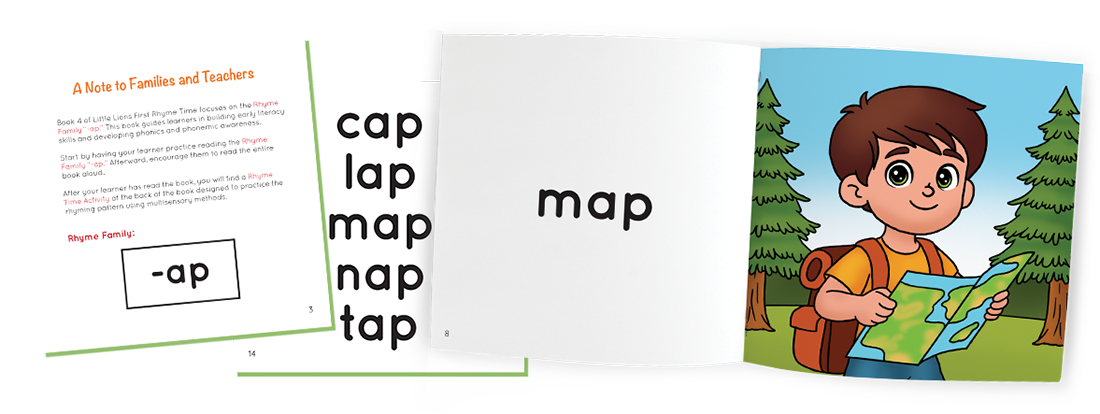
Once blending clicks, you’ll see a ripple effect across all their literacy skills. They might start trying to spell simple words by sounding them out, which is a fantastic sign. This is also when they’re ready to start reading short sentences and tackling a few “tricky words” (like ‘the’ or ‘a’). When you see this happening, it’s the perfect time to introduce books that build on what they know. Using decodable book sets that follow a clear progression ensures they practice their new skills with words they can successfully read. Remember, every child moves at their own pace. Some kids pick up blending in a few days, while others take a few weeks. The most important thing is to keep it positive and celebrate their effort.
Consistency is your best friend when teaching a child to read. Weaving blending practice into your daily life helps solidify these new skills, but it doesn’t have to feel like a chore. The goal is to make it a positive and anticipated part of the day, like storytime before bed. By keeping it light, fun, and consistent, you show your child that learning is an exciting adventure, not a task to be completed.
Blending is a critical skill that helps children tackle new words, yet it’s often a step that doesn’t get enough focus in a busy classroom. That’s why a little bit of regular, joyful practice at home can make all the difference. Whether it’s for five minutes while waiting for dinner or as a special activity on the weekend, finding small moments to play with sounds will build a strong foundation for a lifetime of reading.
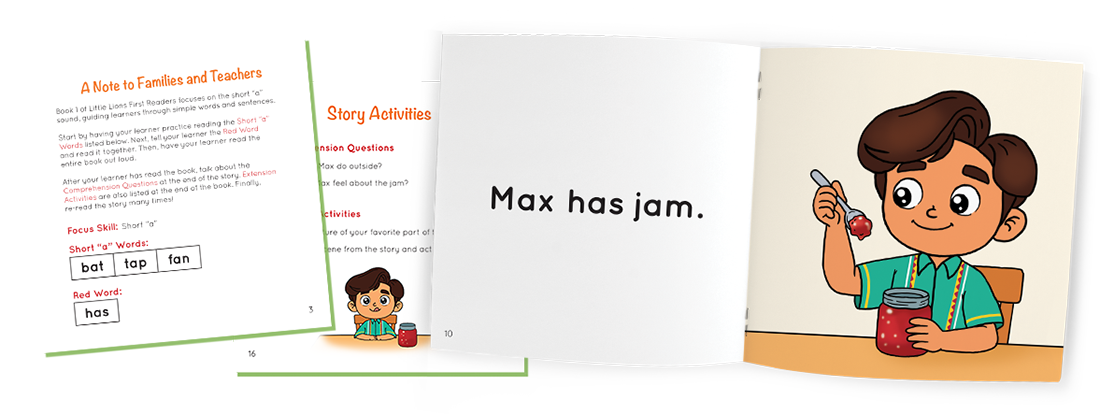
Once your child is comfortable with oral blending, it’s time to connect those sounds to letters on a page. This is where tools like decodable book sets become so valuable. Decodable books are written specifically for new readers, using only the letter-sound patterns they have already learned. This controlled text gives them the chance to practice blending—sounding out c-a-t to read cat—and experience real reading success.
Instead of guessing or relying on pictures, your child gets to apply their new skills in a meaningful way. Each word they successfully blend and read builds their confidence. This repeated practice is what moves blending from a slow, deliberate process to an automatic skill, paving the way for them to read more smoothly and with greater understanding.
Remember, learning to blend is a process, not a race. Every child moves at their own pace; some might grasp it in a few days, while others may take a few weeks. The most important thing you can do is create a supportive and low-stress environment. Find a cozy, quiet spot where you can focus together without distractions.
Keep your practice sessions short and sweet—just 5 to 10 minutes is plenty. The key is to end on a high note, before frustration has a chance to set in. If you notice your child getting tired or overwhelmed, it’s perfectly okay to take a break. You can always come back to it later or the next day. A positive experience is far more important than pushing through a difficult moment.
Blending is hard work for a developing brain! Your role is to be their guide and biggest cheerleader. When they get stuck on a word, gently remind them of the sounds and help them slide them together. Your calm and patient presence will give them the confidence to keep trying. Celebrate the effort, not just the success. A “Great try!” or “I love how you worked on that sound!” can be incredibly motivating.
With enough practice and encouragement, almost all children will learn to blend and read. If you find they are consistently struggling, there are different blending techniques you can explore. But most of the time, all they need is a little more time and a lot of your positive reinforcement.
This is such a common point of confusion, so know you’re not alone! Knowing individual letter sounds is the first essential piece of the puzzle. Blending is the next step—it’s the action of pushing those sounds together to form a word. Think of it like having all the ingredients to bake a cake but not yet knowing the recipe to combine them. The activities in this post are designed to teach that “recipe” and bridge the gap between knowing sounds and reading words.
Yes, it’s more than okay—it’s a sign that they are doing the hard work of decoding! At the beginning, blending is a very deliberate, sound-by-sound process. It’s like learning to play a song on the piano one note at a time. With consistent practice, their brain will get faster at this process until it becomes so quick it feels automatic. That initial slow pace is the foundation for future fluent reading.
The key is quality over quantity. Aim for short, positive sessions of just 5 to 10 minutes each day. It’s far more effective to have a fun and focused five-minute activity than to push through a frustrating twenty-minute lesson. The goal is to end on a high note, before your child gets tired or discouraged, so they look forward to practicing again tomorrow.
The best thing you can do is stop for the day. Acknowledge their effort, praise them for their hard work, and then switch to an activity you both enjoy. Pushing through frustration can create negative feelings around reading. You can always come back to it later or the next day when they are fresh. Your calm and patient support is what will give them the confidence to keep trying.
You can bring in decodable books as soon as your child can blend a handful of simple CVC (consonant-vowel-consonant) words, like ‘mat,’ ‘sit,’ and ‘top.’ These books are specifically designed to let children practice their new blending skills with words they can successfully sound out. This provides immediate reinforcement and helps them feel like a real reader right from the start.