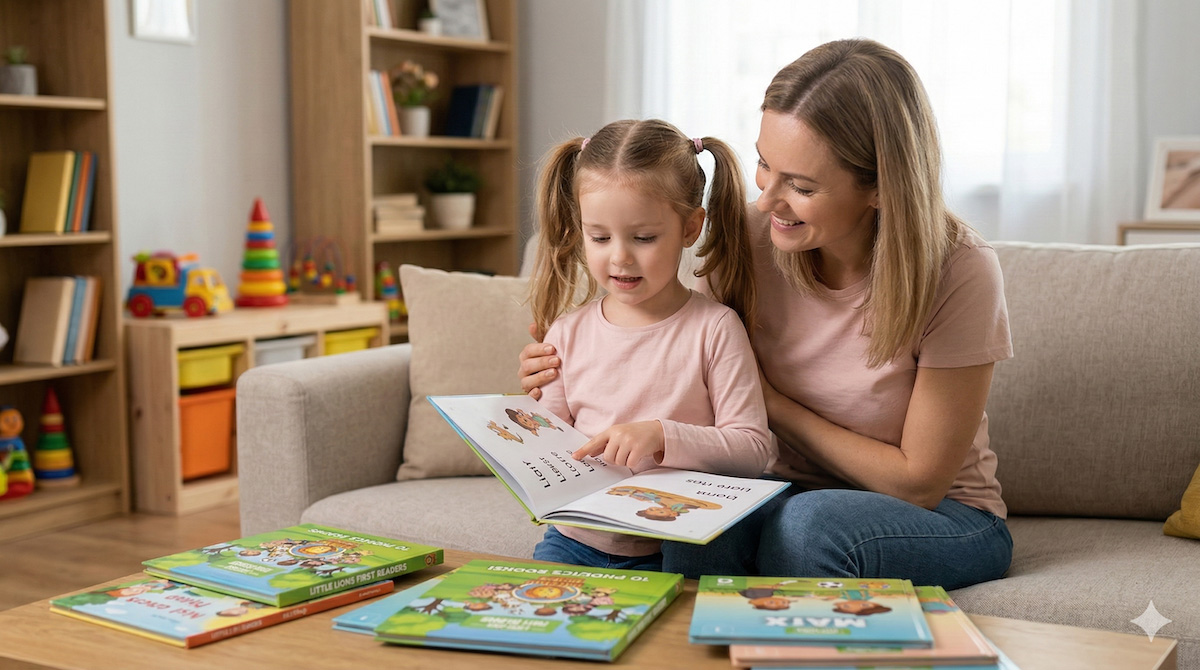
Before learning to read, a cup is a cup no matter which way it’s turned. Letters are one of the first things a child encounters where direction suddenly matters a great deal. A ‘b’ flipped around isn’t just a backward ‘b’; it becomes a completely different letter, ‘d’. This is a huge mental leap for a developing brain that’s used to recognizing objects regardless of their orientation. Understanding this simple fact is the first step in knowing how to help with letter reversals. It’s not about a vision problem; it’s about the brain learning a brand new rule. Here, we’ll explore this process and provide simple, hands-on ways to support your child.
If you’ve ever seen your child proudly write their name with a backward ‘J’ or mix up ‘b’ and ‘d’, you might have felt a little flicker of concern. Take a deep breath, because this is one of the most common hurdles in early literacy. For most children, reversing letters is a completely normal part of learning how to read and write. Their brains are working hard to build brand new pathways for a skill that isn’t innate, and sometimes, the wires get crossed.
Think about it: our brains are wired to recognize objects no matter their orientation. A chair is still a chair whether it’s facing left or right. Letters are one of the first things kids encounter where direction suddenly matters a great deal. A ‘b’ flipped around isn’t just a backward ‘b’; it’s a completely different letter, ‘d’. It takes time and practice for a child’s brain to learn and automate this new rule. Letter reversals are typical for children up until about age seven or eight. While it’s a common worry, it’s important to know that for most young learners, this is not an early indicator of dyslexia.
You’ll likely notice patterns in the letters your child flips. The most frequent mix-ups are mirror-image letters that share similar shapes and strokes. The classic culprits are ‘b’ and ‘d’, but you might also see ‘p’ and ‘q’ or even ‘m’ and ‘w’ getting swapped. Some children also reverse letters that face a different direction, like writing ‘E’ as ‘Ǝ’ or ‘S’ as ‘Ƨ’. Numbers aren’t immune either, with pairs like ‘6’ and ‘9’ or ‘2’ and ‘5’ often causing confusion. This happens simply because their developing brains are still mastering the specific orientation required for each symbol.
Our brains are not naturally built for reading. Unlike spoken language, which we are hardwired to learn, reading requires us to repurpose parts of the brain originally meant for other tasks, like object recognition. This is why a young child can see ‘b’ and ‘d’ as the same object viewed from different angles. They haven’t yet solidified the neural pathways that signal, “Direction matters here!” Children who continue to reverse letters may be working on their understanding of positions-in-space, which is the ability to recognize where an object is in relation to other things. It’s a key visual processing skill that allows them to understand that the stick on a ‘b’ goes on the left and the circle is on the right.
If you’ve noticed your child mixing up ‘b’ and ‘d’ or writing their numbers backward, take a deep breath. This is one of the most common hurdles young learners face, and in most cases, it’s a completely normal part of their development. Think about it: before learning to read, a cup is a cup no matter which way it’s turned. Letters are one of the first things a child learns where direction suddenly matters a great deal.
Their brains are working hard to build new pathways for visual discrimination and spatial awareness. It takes time and practice for them to remember that flipping a ‘p’ creates a ‘q’. Understanding the typical timeline can help you know when to be patient and when it might be time to offer a little extra support. Let’s look at what you can generally expect at different stages.
Most children start to recognize letters between the ages of three and four. As they begin writing, it’s very common for them to reverse letters and numbers, and this can continue until they are about seven or eight years old. Their brains are still learning to coordinate all the complex skills needed for writing, including visual memory, fine motor control, and directionality. Frequent letter reversals are not an immediate sign of a problem; rather, they are often a sign of a developing brain that is still figuring things out. It’s a phase that most young learners go through as they solidify their understanding of the alphabet.
So, when does this phase typically end? For most kids, letter reversals start to disappear as they become more skilled readers and writers. As they practice more, the correct letter formations become more automatic. You can usually expect to see a significant decrease in reversals by the end of second grade. If your child is still frequently reversing letters beyond age eight, it might be a good idea to check in with their teacher. They can offer insights into what they’re seeing in the classroom and help you decide if any extra practice or different strategies could be helpful.
It’s completely natural to feel a little worried when you see your child consistently mixing up their letters. While most of the time it’s just a normal part of their learning journey, there are moments when it’s wise to pay closer attention. Knowing what to look for can help you feel more confident and prepared to support your child in the best way possible.
Think of it less as looking for problems and more as being an informed guide for your little learner. If reversals continue past a certain age or are accompanied by other struggles, it might be time to gather more information. This doesn’t mean you should jump to conclusions. It just means you’re being a proactive and caring advocate for your child’s education, ready to connect them with the right resources if they need a little extra help.
Most children naturally stop reversing letters and numbers by the time they are 7 or 8 years old. Their brains are still developing the complex skills needed for writing, so a ‘b’ for ‘d’ swap in kindergarten or first grade is usually nothing to worry about. However, if your child is still frequently reversing letters by the end of second grade, it’s a good idea to chat with their teacher. They can offer valuable insight into whether your child’s reversals are more persistent than what’s typical for their age group. If you notice they also struggle with visual skills, you can reach out to an Occupational Therapy (OT) department for an evaluation.
Many people immediately associate letter reversals with dyslexia, but the connection isn’t that simple. It’s a common myth that kids with dyslexia see letters backward. In reality, dyslexia is not a vision problem; it’s a language-based learning difference that affects how the brain processes written and spoken words. While some children with dyslexia do reverse letters, many do not. For most young learners, letter reversal is simply a temporary hiccup related to learning directionality, or which way things are supposed to face. So, if your child is reversing letters, it’s just one small piece of a much larger puzzle, not a definitive diagnosis.
When your child is struggling with letter reversals, turning practice into a game can make all the difference. Instead of endless drills with a pencil and paper, these hands-on activities engage multiple senses, helping your child’s brain build stronger connections for letter formation. The goal is to make learning feel like play, so they can build skills and confidence at the same time. Here are some fun, effective strategies you can try at home or in the classroom.
Getting your child’s hands involved is a powerful way to correct letter reversals. Tactile learning helps build a physical memory of how a letter is formed, making it stick in a way that just looking at it can’t. Break out a shallow tray and fill it with sand, salt, or even shaving cream. Guide your child’s finger to trace the letters they mix up. You can also use finger paints or trace letters on a textured surface like sandpaper. These multisensory activities feel like playtime but are actually hard at work building a solid understanding of letter shapes in your child’s brain.
Sometimes, a simple visual reminder is all a child needs to get a letter right. You can create helpful reference points in their learning space to guide them. Try placing posters of commonly confused letters, like ‘b’ and ‘d’ or ‘p’ and ‘q’, near their desk. One of the most popular tricks is the ‘bed’ card. Write the word ‘bed’ on a small card and show your child how their two hands can form the shape of the word. Their left hand makes the ‘b’ and their right hand makes the ‘d’. This simple visual cue gives them a concrete tool to check their work and build their visual memory.
Let’s get moving! Kinesthetic learning uses whole-body movement to help concepts sink in. Instead of sitting still, encourage your child to stand up and write letters in the air with their arm. This is often called ‘skywriting’ and it helps them feel the motion of forming a letter from their shoulder all the way to their fingertips. You can also tape a large piece of paper to the wall and have them write with big arm movements. The idea is to teach letters as movements, not just as static shapes. This approach reinforces muscle memory and makes the correct letter formation feel more natural over time.
Pairing physical practice with spoken words can be incredibly effective. As your child writes a letter, give them a simple, consistent verbal cue to follow. For example, when writing a ‘b’, you could say, “First the bat, then the ball.” This creates a little story that helps them remember the sequence of strokes. You can make up your own phrases for tricky letters, like “First the doorknob, then the door” for the letter ‘d’. These mnemonic devices are easy to remember and give your child an internal script to rely on when they feel unsure, turning a moment of confusion into a moment of confidence.
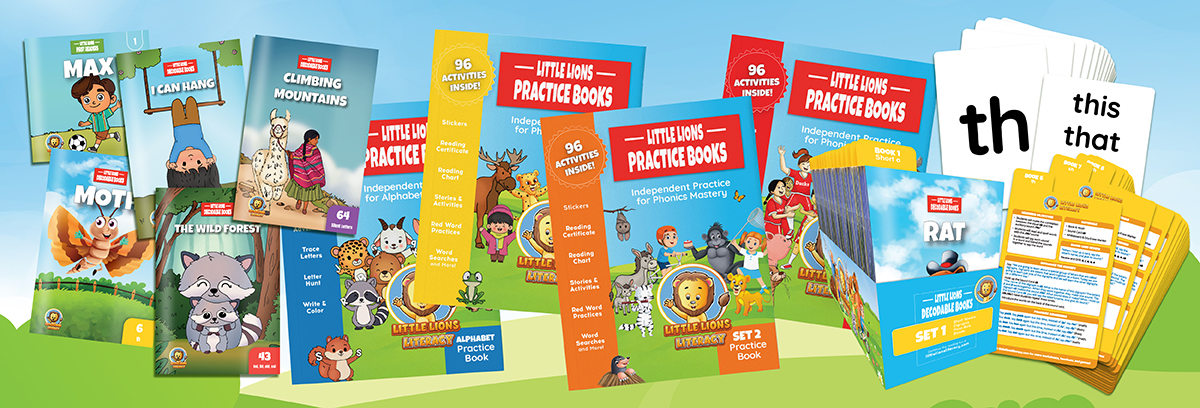
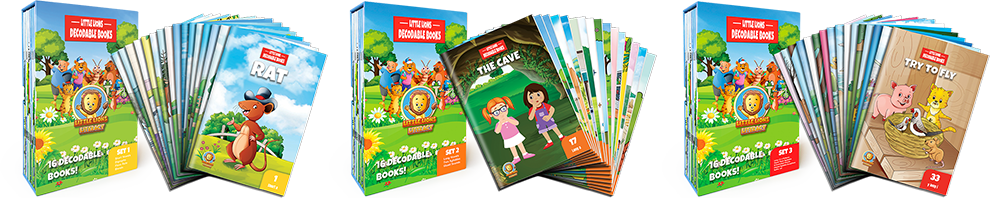
If you’re looking for a powerful tool to help your child with letter reversals, decodable books are one of the best resources you can have. Unlike many early readers that expect kids to guess words from pictures or memory, decodable books are carefully designed to build reading skills from the ground up. They work by only including words made up of letter-sound patterns that your child has already been taught. This intentional structure removes the guesswork and allows your child to practice their new phonics skills in a supportive, confidence-building way.
By giving children readable texts that align perfectly with their phonics lessons, you provide a clear path for them to apply what they’ve learned. This targeted practice is incredibly effective for solidifying their understanding of how letters and sounds work together. Instead of feeling overwhelmed by unfamiliar words, they feel successful as they sound out words and read sentences on their own. This success is key to helping them master letter recognition and overcome common hurdles like reversals.

Decodable books are built to reinforce the crucial link between a letter’s shape and its sound. Each book focuses on a specific set of letter-sound relationships, giving your child repeated opportunities to see, say, and apply them in context. For example, if a child has learned the sounds for s, a, t, p, i, and n, their decodable book will only feature words like “sat,” “pin,” “tap,” and “sit.” This repetition helps cement phonetic principles in their mind, making letter recognition more automatic. As they consistently practice decoding words with letters they know, their brain gets better at distinguishing the subtle differences between similar-looking letters, like b and d.
One of the biggest advantages of decodable books is how they support a systematic approach to phonics. The skills build on each other in a logical order, which prevents children from feeling confused or overwhelmed. While other types of books might introduce complex spelling patterns randomly, decodable texts provide focused practice on specific skills. This targeted approach minimizes the mental load on a new reader, allowing them to concentrate on applying the rules they’ve just learned. This consistent, structured practice is essential for building reading fluency and helps a child’s brain create strong, accurate pathways for recognizing letters and words correctly, making reversals less likely over time.
Consistency is your best friend when it comes to correcting letter reversals. A simple and effective routine, practiced for just a few minutes each day, can make a world of difference. The goal isn’t to drill for hours, but to build muscle memory and automaticity through short, positive, and frequent practice sessions. When you sit down with your child, focus on one or two tricky letters at a time to avoid overwhelming them.
The most important part of this routine is clear, direct instruction. Show your child exactly how to form each letter, using the same simple language every time. For example, for the letter ‘d’, you might say, “First the magic ‘c’, then up like a helicopter, and back down.” This consistency helps cement the correct motor plan in their brain. As they practice, provide gentle and immediate feedback. Instead of just saying “that’s wrong,” guide their hand or point out the specific part to fix, like, “Remember, the ‘b’ has a belly in the front.” This approach keeps the experience positive and builds their confidence, turning practice from a chore into a moment of connection.
Make writing practice a full-body experience by getting different senses involved. Multi-sensory activities are fantastic for helping kids build strong muscle memory for letter formation. Instead of just using a pencil and paper, try having your child trace letters in a sand tray, on a steamy mirror after a bath, or with their finger in a bit of shaving cream on a cookie sheet. You can also try “rainbow writing,” where they trace the same letter multiple times with different colored crayons. This repetition feels like art, not work. The key is to focus on tricky pairs like ‘b’ and ‘d’ or ‘p’ and ‘q’ to help their brain clearly distinguish between them.

The best way to get a child to practice is to make it feel like a game. You can strengthen their visual processing skills with activities like jigsaw puzzles, mazes, word searches, and “spot the difference” pictures. These games train their eyes to pay close attention to detail and orientation, which is a key skill for telling letters apart. For the classic ‘b’ and ‘d’ mix-up, try the “bed” trick. Write the word “bed” on a small card and show your child how their hands can form the shape of the word, with the left hand making the ‘b’ and the right hand making the ‘d’. This simple visual cue can be a game-changer.
Sometimes, a simple visual reminder is all a child needs to self-correct. You can make letter formation easier by providing clear starting points. Use a small green dot to show where the letter begins and a red dot to show where it ends. You can also draw small arrows to guide the direction of their pencil strokes. For children who consistently struggle with the same few letters, a small reference card or a desk template taped to their workspace can be incredibly helpful. This gives them a quick and discreet way to check their work without having to ask for help, which builds independence and confidence.
Creating the right environment can make a world of difference when your child is working through letter reversals. It’s not about fancy gadgets or expensive programs; it’s about setting up your space to gently guide them toward the correct letter formations. A few simple adjustments at home or in the classroom can reduce frustration and build confidence, making practice feel less like a chore and more like a natural part of their day. By providing clear visual cues and having the right tools ready, you create a supportive foundation that helps these tricky letters finally click into place.
One of the easiest ways to help is by providing clear visual guides. Think of it as giving your child a roadmap for their pencil. You can draw small arrows on their paper to remind them where to start each letter and which direction to go. For letters that are consistently tricky, a simple desk template can be a game-changer. Having a correct model of the alphabet right in front of them gives them a quick reference to check their work without having to ask for help. This small addition empowers them to self-correct and builds independence as they write.
Making practice hands-on is key to building strong muscle memory for letter formation. Move beyond pencil and paper with multi-sensory approaches that engage more of your child’s senses. Let them trace letters in a tray of sand or shaving cream, or try “rainbow writing” by tracing the same letter multiple times with different colored crayons. You can also use simple verbal cues to help them remember. A classic trick for ‘b’ and ‘d’ is reminding them that “the bat comes before the ball.” These playful activities don’t just correct reversals; they make learning a fun, physical experience that helps the right information stick.
Keeping an eye on your child’s progress doesn’t have to feel like a formal assessment. It’s really about noticing the small wins and understanding where they might need a little extra support. By creating a simple system to track their improvement, you can celebrate their hard work and adjust your approach as they grow. This also helps you know when it might be time to bring in other members of your support team, like their teacher or a specialist. A consistent, gentle approach will show you just how far your little learner has come and help you provide the right support at the right time.
A few minutes of daily practice can make a huge difference in correcting letter reversals. You can use a small whiteboard and colorful dry-erase markers to make it feel more like a game than homework. The ability to easily erase and try again takes the pressure off. Try keeping a running list of the specific letters your child frequently reverses, like ‘b’ and ‘d’. You can review it together and celebrate when a letter comes off the list. This gives your child a clear, visual way to see their own success. These simple tracking methods help you stay informed without adding stress to your child’s learning journey.
Your child’s teacher is your number one ally in this process. They see your child in a learning environment every day and can offer incredible insight. Open a dialogue with them about what you’re seeing at home. They can share strategies that work in the classroom and provide extra resources. If your child continues to struggle with reversals past age seven or eight, it might be time to seek professional guidance. An occupational therapist can assess your child’s visual-motor skills and suggest targeted interventions. This isn’t a cause for alarm; it’s simply the next step in building a strong support system for your child.
It’s one thing to practice letter formation at home, but it’s another to know when you might need a little backup. While letter reversals are a totally normal part of learning for young children, sometimes they stick around longer than expected. If you have a nagging feeling that your child’s reversals might be more than a typical developmental phase, trusting your gut is important. Knowing when to reach out for a professional opinion can provide clarity and give you a clear path forward to support your little learner.
So, how do you know when it’s time to call in an expert? Age is a big clue. If your child is still frequently reversing letters by the end of second grade (around age 7 or 8), it’s a good idea to investigate further. The longer a child practices a reversal, the more ingrained that motor plan becomes, making it tougher to correct later on. Also, consider the frequency. Is it happening once in a while, or with almost every ‘b’ or ‘d’? Consistent, persistent reversals, especially when paired with frustration around reading or writing, are a clear sign to seek a professional evaluation.
Your first stop should be your child’s teacher. They have a wealth of experience with students at this developmental stage and can tell you if what they’re seeing is typical for the age group. They can also share what strategies are being used in the classroom. If concerns persist, an occupational therapist (OT) is a fantastic resource. OTs are experts in the visual and motor skills required for handwriting and can offer targeted activities to help. You can learn more about occupational therapy and how it supports children’s development. In some cases, a reading specialist or educational psychologist may also be helpful, especially if you suspect an underlying learning difference.
Watching your child struggle with something as fundamental as writing letters can be tough on both of you. It’s easy for frustration to creep in, which can make learning feel like a chore. The most important thing you can do is create a positive and encouraging environment. Your child’s confidence is the foundation upon which all these new skills are built. When they feel safe to make mistakes and know you’re their biggest cheerleader, they’re more willing to try again. Remember, letter reversals are a normal part of development for many kids. Your patient support is the secret ingredient that will help them move past this hurdle with their self-esteem intact.
Keeping your child motivated is all about celebrating the effort, not just the perfect outcome. When you practice, focus on gentle and consistent correction. Make sure your child always starts letters at the top and moves from left to right. If you see a reversal, don’t be afraid to ask them to fix it right away. The sooner you address the habit, the less ingrained it becomes. You can also use simple memory tricks to help them remember correct letter formation. For example, a common one for ‘b’ and ‘d’ is to make a “bed” shape with their hands or to remember that “the bat comes before the ball” for the letter ‘b’. These little mnemonic devices make learning feel more like a game.
Letter reversals often stem from a disconnect between how a letter looks and how it sounds. Building a strong phonics foundation helps bridge that gap. When a child has strong phonemic awareness, they can better hear the individual sounds in words, which makes connecting those sounds to written letters much easier. You can try multi-sensory techniques to reinforce these connections. For instance, have your child look in a mirror when they make the /b/ sound. They’ll see their lips make a straight line, just like the line in the letter ‘b’. Activities that engage sight, sound, and touch help solidify these concepts in a child’s brain, making letter recognition much more intuitive.
My child reverses letters all the time. Does this mean they have dyslexia? This is such a common worry, but for most young children, reversing letters is not a sign of dyslexia. Think of it this way: dyslexia is a language-processing difference, while letter reversals are usually a temporary hiccup in visual development. Your child’s brain is still learning that the direction of a symbol matters. While some children with dyslexia may also reverse letters, it isn’t the defining characteristic, so try not to jump to that conclusion based on reversals alone.
At what age should I actually be concerned about letter reversals? It’s completely typical to see letter and number reversals in children up until about age seven or eight. If your child is in preschool, kindergarten, or even first grade, seeing a backward ‘b’ or ‘S’ is a normal part of the learning process. If the reversals are still happening frequently by the end of second grade, that’s a good time to check in with their teacher to see if a little extra support or a different strategy might be helpful.
Practice sessions always end in frustration. How can I make this easier for my child? The key is to make practice feel like play, not a test. Put away the worksheets for a bit and try something hands-on. Have your child trace letters in a shallow tray of sand, salt, or even shaving cream. This engages their sense of touch and helps build a stronger physical memory of the letter’s shape. When you keep sessions short, positive, and sensory-based, you take the pressure off and help them build confidence.
Will simply reading more books with my child help correct this? Reading together is always wonderful, but for tackling reversals, the type of book can make a big difference. Decodable books are especially powerful because they only use words with the letter-sound patterns your child has already learned. This gives them repeated, successful practice at recognizing letters correctly in a real context, which helps solidify their learning and makes the right letter formations more automatic.
How much should we be practicing letter formation each day? Consistency is far more important than duration. A focused, positive practice of just five to ten minutes every day is much more effective than one long, stressful session on the weekend. This daily repetition helps build the muscle memory and visual recognition skills your child needs without causing burnout. The goal is to make it a quick and normal part of the day.