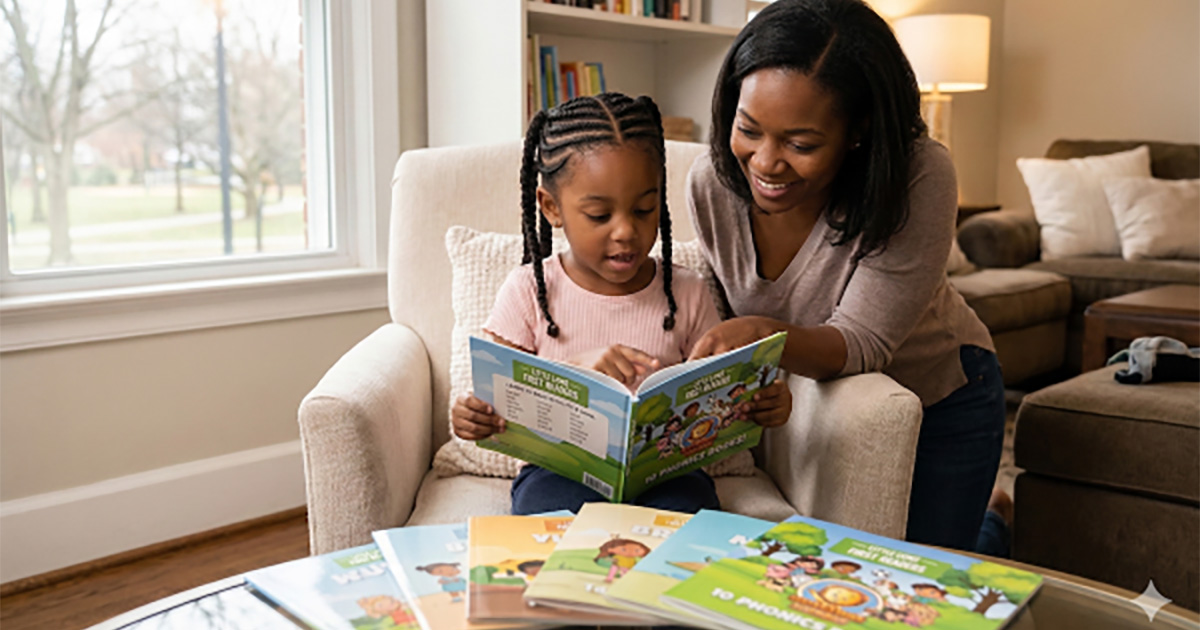
Think of learning to read like building a house. You can’t put up the walls and roof without first laying a solid foundation. In reading, phonics is that foundation. It’s the fundamental understanding that letters represent specific sounds, and these sounds can be blended together to form words. Without this core skill, children may rely on guessing from pictures or memorizing words, which are strategies that eventually fail as texts become more complex. This guide is your blueprint for building that strong base. We’ll walk you through everything you need to know about how parents can help with phonics, ensuring your child has the sturdy groundwork for a lifetime of confident reading.
If you’ve ever felt a little lost hearing about different reading methods, you’re not alone. But if there’s one term to get comfortable with, it’s phonics. Think of it as handing your child a secret decoder ring for the English language. Instead of asking them to memorize thousands of individual words, phonics teaches them the system behind reading. It’s a step-by-step approach that connects the letters they see on a page with the sounds they make in spoken words.
This method is a true game-changer because it empowers kids. It gives them a reliable strategy to figure out new words on their own, which builds incredible confidence. When a child knows the rules of the code, they don’t have to guess or rely on pictures to understand a story. They can tackle unfamiliar words with skill, turning the often-frustrating process of learning to read into an exciting adventure of discovery. This foundation is what separates struggling readers from those who read with ease and enjoyment. It’s the difference between giving a child a fish and teaching them how to fish—phonics equips them for a lifetime of reading. It provides a clear, logical path forward, which is reassuring for both you and your little learner.
At its heart, phonics is all about making a clear and predictable connection between letters and sounds. It teaches children that the letter ‘b’ makes the /b/ sound you hear at the beginning of “ball,” and ‘sh’ makes the /sh/ sound you hear at the end of “wish.” English can seem tricky, but phonics shows kids that there’s a reliable system at play. By learning these letter-sound relationships one by one, children build a solid base for reading. They start to see words not as random strings of letters, but as puzzles they have the tools to solve. This understanding is the absolute foundation of reading.
Phonics gives children the skills to actively sound out written words instead of passively memorizing them. When they come across a new word like “stamp,” they can break it down into its individual sounds—/s/ /t/ /a/ /m/ /p/—and then blend them together to read the whole word. This decoding ability is incredibly powerful. It means they can read words they’ve never seen before, which opens up a whole new world of books and stories. Each time they successfully figure out a new word, their confidence grows. It’s no surprise that research shows phonics works so effectively that it’s a core part of most school curriculums.
Ready to support your little reader at home? It’s easier than you think. You don’t need a special degree or fancy equipment—just a little time and a playful attitude. Phonics is all about understanding how sounds and letters work together. Focusing on these five core skills will help you build a solid foundation for your child’s reading journey, turning practice into a natural part of your day.
This is the first and most important step: helping your child understand that each letter has a name and makes a specific sound. When you introduce letters and sounds, keep it simple and direct. For example, hold up the letter ‘S’ and say, “This is the letter S. It makes the /s/ sound, like in snake.” Repetition is your best friend here. You can point out letters on cereal boxes, street signs, and in their favorite books. The goal is to make the connection between the letter’s shape and its sound automatic.
Once your child knows a few letter sounds, you can start blending them to read simple words. This is where the magic of phonics really clicks. Blending shows kids that there’s a predictable link between letters and sounds that helps them decode words they’ve never seen before. Start with short, three-letter words like c-a-t. Say each sound slowly—/c/…/a/…/t/—then speed it up until your child hears the word “cat.” This skill is a huge confidence builder and the key to unlocking independent reading.
Segmenting, or taking words apart, is the flip side of blending and is essential for spelling. It’s the ability to hear a whole word and break it down into its individual sounds. The best part? You can practice this anywhere. While driving, say, “Let’s break down the word ‘mop.’ What sounds do you hear?” Guide them to say /m/…/o/…/p/. These simple auditory games are a fun, no-pressure way to practice breaking words into parts and build the phonological awareness needed for writing.
While phonics is the foundation, some words just don’t play by the rules. Think of words like “the,” “was,” and “one.” These are high-frequency words, often called sight words, that appear so often in text that it’s best for kids to learn them by sight. You can practice these with flashcards, games, or by pointing them out during read-alouds. Learning sight words alongside phonics helps reading become smoother and more fluent, as your child won’t have to stop and sound out every single word on the page.
Before kids can read words, they need to be able to hear the sounds within them. This is called phonological awareness, and you can build it through play. Play simple ‘First Sound’ games like, “I’m thinking of something in this room that starts with the /b/ sound.” Sing rhyming songs, read rhyming books, and clap out the syllables in your family’s names. These activities train your child’s ear to hear the distinct sounds in language, making it much easier for them to connect those sounds to letters when they start reading.
Kids learn best through play, and phonics is no exception. You can build a strong foundation for reading by weaving simple games into your daily routine—no flashcards or special equipment required. When practice feels like a game, children are more engaged, confident, and excited to learn. The goal isn’t to become a drill sergeant, but to be a playful guide who helps your child discover the connections between letters and sounds. By turning phonics into playtime, you show them that reading is an adventure, not a chore. It’s about finding joy in words and sounds, which is the most powerful motivation for a new reader. Think of it this way: you’re not just teaching them to read; you’re helping them become sound detectives. Every game, every rhyme, and every silly word you build together is a clue that helps them crack the code of language. These simple, low-prep ideas will help you get started, turning everyday moments into fun learning opportunities. You can strengthen your child’s skills while waiting for dinner, during a car ride, or just before bed. The key is to keep it light, fun, and focused on connection, ensuring your child associates reading with positive, happy memories.
Tune your child’s ears to the sounds in language with simple rhyming games. During a car ride, say a word like “bug” and take turns finding rhymes—rug, hug, mug! Reading rhyming books is another fantastic way to practice. You can also play sorting games with toys. Grab a basket and find all the things that start with the /s/ sound, like a sock, a star, and a spoon. These simple sound games help your child hear the smaller parts of words, a key pre-reading skill that builds phonemic awareness.
Letting kids physically move letters around makes learning concrete and much more memorable. A simple set of magnetic letters on the fridge or a baking sheet is a powerful, low-pressure phonics tool. Start by asking them to find the letters in their name. As they learn more sounds, you can build simple words like ‘top’ or ‘hen.’ A fun game is to build a word like ‘pan’ and ask, “What letter do we change to make it ‘man’?” This hands-on practice helps solidify letter-sound relationships in a playful, stress-free way.
Help your child hear the individual parts of a word by segmenting (breaking words apart) and blending (putting them back together). Try saying the sounds in a word slowly—”m-o-p”—and have your child blend them to guess the word. Another fun activity is clapping out syllables. Pick a word and clap for each “beat” you hear: “spi-der” (two claps!). This helps kids understand that words have different parts, a skill that will be incredibly useful as they start to tackle longer words in their reading. It turns a complex skill into a simple rhythm game.
With phonics, consistency is more important than duration. Aim for just 5 to 10 minutes of playful practice a day, and always end on a high note before your child gets tired or frustrated. If practice feels like a chore, it loses its power. Look for small windows of opportunity throughout your day—a few minutes while waiting for dinner or during bath time. By keeping it short and positive, you’ll help your child build a love of learning that lasts. It’s all about making progress, not perfection.
You don’t need a classroom or a formal lesson plan to support your child’s phonics journey. Some of the most effective practice happens when you weave it into the simple, everyday moments you already share. By turning daily activities into opportunities for learning, you can reinforce phonics skills in a way that feels natural and fun, not like a chore. From the grocery store to bedtime stories, your day is full of chances to connect letters with their sounds.
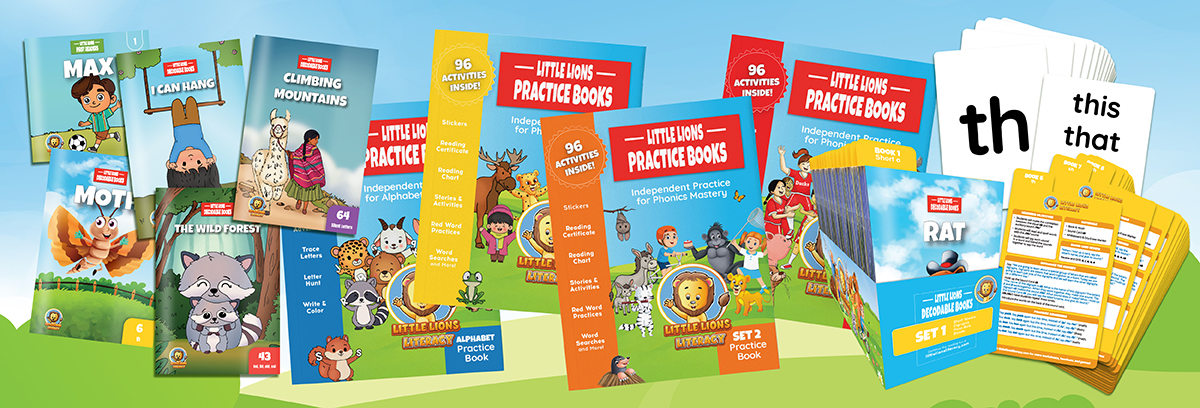
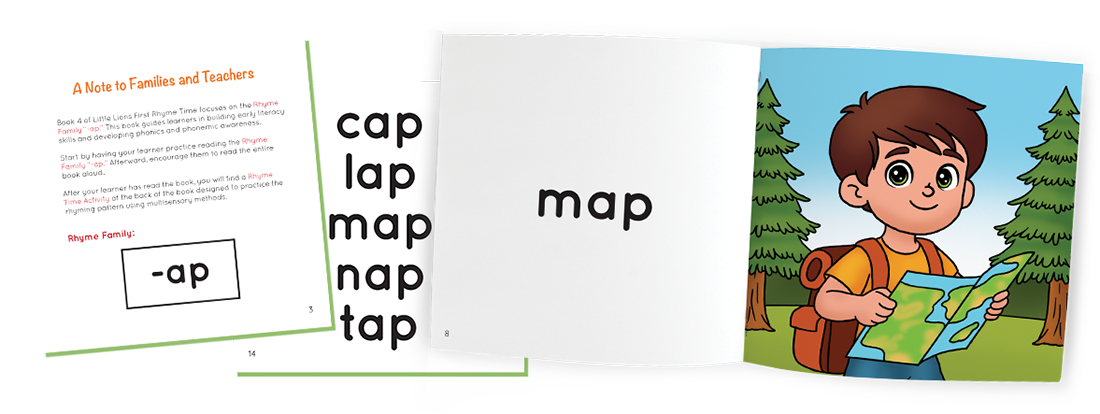
Decodable books are a fantastic tool because they are specifically designed for new readers. These books only use the letter sounds your child has already learned, allowing them to practice their skills and build confidence. When choosing the right books, look for a series that follows a clear progression, introducing new sounds gradually. This ensures your child feels successful and is never asked to read something they haven’t been taught yet. Reading a book from cover to cover on their own is a huge accomplishment for a little one and makes them excited to pick up the next one.
While your child uses decodable books to practice reading to you, it’s just as important for you to continue reading to them. Sharing picture books and stories aloud builds their vocabulary, introduces them to more complex sentences, and shows them that reading is a wonderful way to explore new worlds. During your shared reading time, you can keep a gentle phonics focus. Point to the first letter in a word and ask, “What sound does that letter make?” This simple habit connects the skills they’re learning with the joy of a good story.
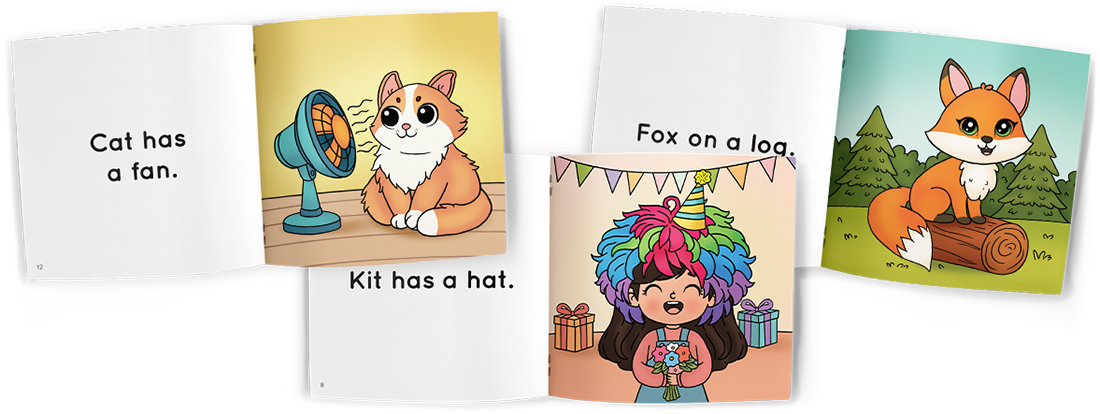
Reading and writing go hand in hand. As your child learns to decode words, they are also building the foundation for spelling them. You can strengthen this connection with simple, playful writing activities. Ask them to help you write a grocery list, sounding out the words for simple items like “jam” or “milk.” Encourage them to label their drawings or write their name on their artwork. Using practice books with guided activities for letter formation can also make writing feel more approachable and fun.
Once you start looking for them, you’ll see opportunities for phonics practice everywhere. The world is filled with words! When you’re driving, point out a stop sign and sound out the letters together: /s/ /t/ /o/ /p/. At the breakfast table, look at the cereal box and find letters you’ve been practicing. You can turn it into a game of “I Spy” by saying, “I spy something that starts with the /b/ sound.” These small interactions reinforce letter-sound knowledge in a real-world context, showing your child that reading is a useful skill for everyday life.
It’s completely normal for some parts of learning to read to feel a little tough for your child. Every little learner moves at their own unique pace, and hitting a few bumps with phonics is a common part of the journey. If you notice your child is getting stuck, the best thing you can do is offer gentle encouragement and support. The goal isn’t to become a drill sergeant but to be a patient guide. With a few simple strategies, you can help them build confidence and get back on track without adding any pressure.
First, it helps to know what to look for. Recognizing the early signs of a reading struggle allows you to step in with support before frustration builds. You might notice your child has a hard time remembering the sounds that letters make or struggles to blend those sounds together to read a word (like sounding out d-o-g). They might also guess at words based on the first letter or the pictures on the page instead of trying to sound them out. If their reading sounds slow and requires a lot of effort, it could be a sign that they need a little extra phonics practice to strengthen those foundational skills.
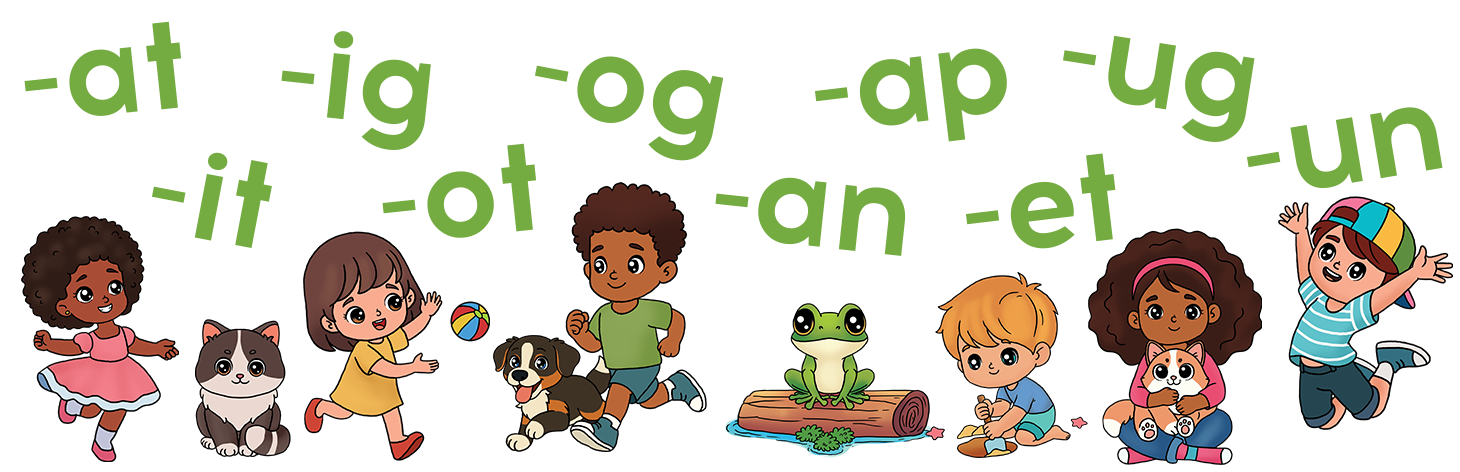
When your child hits a snag, gentle and specific support can make all the difference. The core of phonics is helping kids understand the predictable links between letters and sounds. You can reinforce these connections by using decodable books that focus on the exact skills they’re learning. For example, if they’re working on short ‘a’ sounds, read books filled with words like ‘cat,’ ‘sam,’ and ‘ran.’ This targeted practice helps them experience quick wins, which is a huge confidence builder. The goal is to help them see that they can use phonics to decode new words, turning a challenge into a moment of achievement.
You are not in this alone! Your child’s teacher is your greatest ally. If you have concerns, don’t hesitate to start a conversation with them. Teachers have a wealth of experience and can offer insights into what they’re seeing in the classroom. They can also share specific strategies and resources that align with their teaching methods. Ask them what phonics patterns the class is currently working on so you can support that learning at home. Working together ensures your child receives consistent guidance, which helps them feel more secure as they learn. This team approach makes the process smoother for everyone, especially your little reader.
The golden rule for helping at home is to keep it fun and light. Phonics practice should never feel like a chore or a test. Keep learning sessions brief—just 10 minutes of focused, playful activity is far more effective than a long, drawn-out lesson. If your child seems tired, frustrated, or just isn’t in the mood, it’s okay to stop and try again another day. Forcing it will only create negative feelings around reading. Instead, focus on creating a low-stress learning environment where your child feels safe to make mistakes and celebrate small successes. When learning is joyful, kids are much more motivated to keep trying.
You don’t need to turn your living room into a classroom to support your child’s reading. Creating a home environment that naturally encourages phonics skills can be simple, fun, and incredibly effective. It’s all about weaving literacy into the fabric of your daily life, making letters and sounds a familiar and friendly part of their world.
Surrounding your child with print helps them see that words are a part of everyday life, not just something they see in books. You can start by labeling common household items—like “chair,” “door,” and “table”—to help them connect written words with objects. As you go about your day, point out words on cereal boxes, street signs, and toy packaging. This simple act shows them how letters and sounds work together to create meaning all around them. Having alphabet puzzles or magnetic letters available for play also makes learning feel less like a task and more like a discovery.
Consistency is more important than cramming. A little bit of phonics practice every day goes a long way. Find a small pocket of time that works for your family, whether it’s five minutes after breakfast or ten minutes before their bath. The key is to keep it light and engaging. Phonics sessions should be fun, short, and always stop before your child gets bored or frustrated. Following a predictable learning routine helps your child know what to expect and makes them more open to learning. If they’re not in the mood, don’t push it. You can always try again tomorrow.
Phonics is the key that unlocks reading, but the ultimate goal is to foster a lifelong love of stories. Even as your child learns to read on their own, continue reading aloud to them. Sharing stories and non-fiction books exposes them to new words and complex ideas, all while creating warm, positive memories around reading. It’s also a great idea to connect with their teacher. Ask your child’s teacher how you can support their phonics work at home. This partnership ensures you’re reinforcing what they’re learning in school and working together as a team to help your little reader thrive.
My child knows the alphabet song. Is that the same as knowing phonics? That’s a great starting point! Knowing the alphabet song means your child is familiar with the names of the letters, like “bee” and “cee.” Phonics takes it one step further by teaching them the sounds each letter makes, like /b/ and /k/. Think of it this way: knowing the letter names is like knowing the names of the players on a team, while phonics is learning what each player actually does in the game. Both are important, but it’s the sounds that help them read words.
What’s the difference between a regular picture book and a decodable book? A regular picture book is fantastic for reading aloud to your child to build their vocabulary and love for stories. These books use a wide range of words, regardless of their phonetic patterns. A decodable book, on the other hand, is specifically designed for your child to practice reading to you. It strategically uses only the letter-sound patterns they have already been taught, which allows them to build confidence by successfully sounding out words on their own.
How long should we practice phonics each day? Consistency is much more important than duration. Aim for just 5 to 10 minutes of playful, focused practice each day. The goal is to keep it light and fun, so it’s best to stop before your child gets tired or frustrated. You can find these little pockets of time throughout your day, like while waiting for dinner to cook or just before bed. A few positive minutes every day will make a much bigger impact than one long, stressful session.
My child keeps guessing words based on the pictures instead of sounding them out. What should I do? This is a very common habit! When this happens, you can gently cover the picture with your hand and say, “Let’s use our sound power and look at the letters.” Point to the first letter and ask what sound it makes. Guide them through sounding out the word part by part. The key is to keep your tone encouraging and low-pressure, reminding them that they have the skills to figure it out.
Should we stop reading regular storybooks and only use phonics books? Definitely not! Both types of books play a crucial, and different, role in your child’s reading journey. Use decodable books for the moments when your child is practicing their reading skills with you. Continue to read rich, engaging storybooks aloud to them every day. This shared reading time is essential for building their vocabulary, comprehension, and most importantly, their lifelong love of stories.