
When you think about teaching your child common words, do flashcard drills immediately come to mind? While repetition has its place, learning doesn’t have to be a chore. The real question isn’t just what are high frequency words in kindergarten, but what is the best way to teach them so they actually stick. The answer is to make it meaningful and fun. By connecting these words to phonics skills and finding them in the context of real stories, you can move beyond rote memorization. This guide offers simple, engaging activities that feel more like play than practice, helping your child build essential reading skills without the pressure.
If you’ve ever read a book with a new reader, you’ve seen high-frequency words in action. They are the glue that holds sentences together—the small but mighty words that appear on almost every page. Think of words like the, and, is, and a. Because they show up so often, helping your child recognize them instantly is one of the best ways to support their reading journey. When kids don’t have to stop and sound out these common words, they can read more smoothly and focus their energy on understanding the story and tackling more challenging words.
High-frequency words are, quite simply, the most common words in the English language. They are the workhorses of our sentences, appearing far more often than other words. Because they are so prevalent, these words form a critical foundation for early readers. When a child can recognize high-frequency words automatically, it frees up their mental energy to decode less familiar words using their phonics skills. This is a huge confidence builder and a key step toward becoming a fluent, independent reader. Mastering these words helps children move from sounding out every single letter to reading with rhythm and flow.
You’ve probably heard the term “sight words” used alongside “high-frequency words,” and it can be a little confusing. The two are often used to mean the same thing, but there’s a slight difference. A sight word is any word a child has learned to recognize instantly, without needing to sound it out. High-frequency words are a specific set of words that we want children to learn by sight because they appear so often. So, the goal is for all high-frequency words to become sight words for your child. Learning these essential kindergarten words helps kids read more smoothly and better understand what they’re reading.
Not all high-frequency words are created equal. It’s helpful to split them into two groups: decodable words and irregular words.
Decodable words follow predictable phonics rules. Words like in, and, and it can be sounded out once a child knows the letter sounds. These words are fantastic because they reinforce the phonics skills your child is already learning.
Irregular words (sometimes called “tricky words”) don’t play by the rules. Words like the, was, and said can’t be sounded out easily. These are the words that children often need to memorize as unique shapes. Understanding this difference helps you know which words to practice with phonics and which ones might just need a little more repetition.
Think of high-frequency words as the glue that holds sentences together. They are the most common words in the English language, and kindergarteners will encounter them in almost every book they pick up. While phonics and decoding skills are the foundation of learning to read, mastering high-frequency words is the key that helps the entire process click into place. Recognizing these words instantly allows a child’s reading journey to become smoother, more meaningful, and a lot more fun.
When a child can recognize words like the, and, is, and it without having to sound them out, it dramatically reduces their cognitive load. Instead of getting stuck on these simple but essential words, their brain is free to focus on decoding more challenging words and, most importantly, understanding the story. Many high-frequency words are also phonetically irregular, meaning they don’t follow standard phonics rules. This is why a balanced approach that combines phonics instruction with high-frequency word practice is so effective. By helping your child memorize these common words, you’re giving them a powerful shortcut that makes the entire act of reading feel less like work and more like an adventure. This early success is crucial for building the momentum they need to become strong, independent readers.
When we talk about reading fluency, we mean the ability to read with speed, accuracy, and proper expression. High-frequency words are critical for developing this skill. Because these words appear so often, learning to recognize them on sight frees up a young reader’s mental energy. Instead of painstakingly sounding out words like the, and, or it every single time, your child can recognize them in a snap. This allows them to move through sentences more smoothly and devote their brainpower to tackling less common, more complex words. It’s a simple shift that can transform reading from a slow, choppy task into a more natural, flowing experience.
A fluent reader is better equipped to understand what they’re reading. When a child isn’t getting stuck on every other word, they can focus on the actual story—the characters, the setting, and what’s happening. Learning high-frequency words helps bridge the gap between simply decoding words and truly comprehending the text. Think of it this way: if all of a child’s effort goes into figuring out the individual words, there’s very little mental capacity left to piece together the meaning of the sentences. By making common words automatic, you give them the space they need to think, make connections, and enjoy the story.
Nothing builds a child’s desire to read like the feeling of success. Every time a kindergartener recognizes a word instantly, it’s a small win that builds their self-esteem. Mastering high-frequency words provides these little victories on every page, making kids feel capable and smart. This confidence is a powerful motivator that encourages them to tackle more challenging books. It also helps reduce common reading errors, like mixing up was and saw, which further reinforces their skills. This positive feedback loop—where success fuels motivation and motivation leads to more practice and success—is essential for nurturing a confident, lifelong reader.
Once you understand what high-frequency words are, the next logical question is, “Which ones do we start with?” You don’t need to guess. Educators have been compiling lists of these essential words for decades, giving parents and teachers a clear roadmap for what to introduce first. The key is to start small and build from there, focusing on the words that will give your new reader the biggest confidence gain right away.
If you start searching for word lists, you’ll quickly come across two names: Dolch and Fry. These are the two most common and trusted lists used in schools. The Dolch list contains 220 “service words” (like pronouns, adjectives, and verbs), while the Fry list is more extensive with 1,000 words. For a kindergartener just starting out, either list is a fantastic resource. You don’t need to get caught up in which one is better; both provide a solid foundation of the most frequently used words in children’s books. Many schools and teachers pull from both, creating a customized list that aligns with their curriculum.
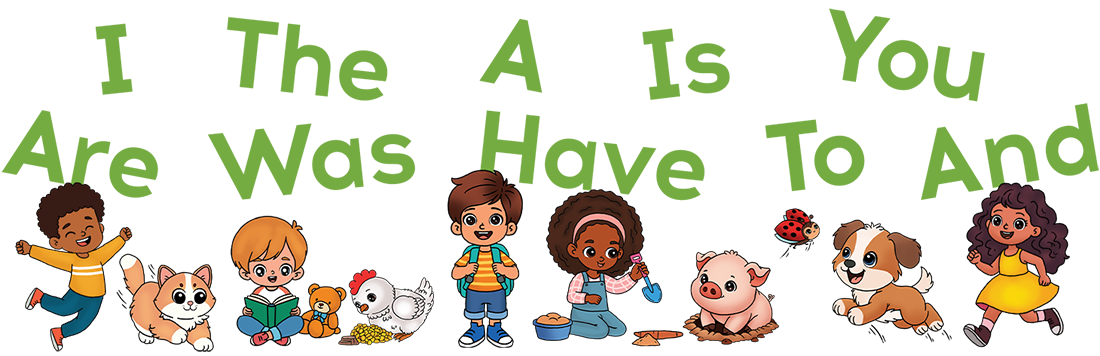
So, what do these words actually look like? They’re often small but mighty. Think of the words that glue sentences together. Common kindergarten high-frequency words include: the, to, and, a, I, in, is, it, you, that, he, for, was, on, are, with, she, have, this, and they. You can see why they’re so important—it’s nearly impossible to read a simple sentence without encountering several of them! Starting with a small group of 5-10 of these words is a great way to begin. Mastering these foundational words first makes it much easier for kids to read their first sentences and feel successful.
Learning high-frequency words isn’t a race. It’s a gradual process that happens right alongside learning phonics. As children learn to sound out words, they also practice recognizing these common words instantly. Over time, and with lots of practice, these words become true “sight words” that they know automatically. This is where the magic happens. When a child doesn’t have to stop and decode every single word, their reading becomes much smoother and faster. This fluency is a game-changer because it frees up their mental energy to focus on what the story actually means, leading to better comprehension and a genuine love for reading. Using decodable books is a perfect way to reinforce these words in a fun, supportive context.
Teaching high-frequency words isn’t just about flashcard drills. A thoughtful, structured approach can make all the difference in helping kids feel successful and confident. By blending different methods, you can help these important words stick without the stress. The goal is to move beyond simple memorization and toward true understanding, creating a solid foundation for a lifetime of reading. Here are some practical, classroom-tested strategies that work just as well in the living room.
It’s easy to feel pressure to have kids learn dozens of words quickly, but that often leads to frustration. Instead, focus on mastering just a few words at a time—maybe three to five per week. This gives your child a real sense of accomplishment and builds momentum. Once they have a solid grasp on one set, you can introduce the next. This method of chunking information helps prevent overwhelm and ensures that learning is deep and lasting, not just a temporary memory game. It’s all about quality over quantity.
Get kids moving and creating to make learning stick. Engaging multiple senses helps build stronger neural pathways for memory. Instead of just looking at a word, encourage your child to experience it. They can trace letters in a sand tray, build words with magnetic letters on the fridge, or clap out the letters in a word. A multi-sensory approach makes practice feel like play and caters to different learning styles, ensuring every child has a chance to connect with the material in a way that makes sense to them.
Consistency is your best friend when it comes to high-frequency words. A few minutes of focused practice every day is far more effective than a long, drawn-out session once a week. Repetition helps move words from short-term to long-term memory. You can make it a simple part of your routine, like reviewing a few flashcards before bedtime or pointing out words on a cereal box at breakfast. This steady, low-pressure exposure is what builds true automaticity and reading fluency over time.
High-frequency words shouldn’t be treated like random symbols to memorize. Many of them follow predictable phonics patterns, and pointing this out helps kids see the logic in our language. When you introduce a new word, talk about the sounds the letters make. For example, in the word “can,” you can sound out /c/ /a/ /n/. Even for irregularly spelled words, you can often find parts that do follow the rules. This approach, which integrates phonics with high-frequency words, empowers children to become word detectives rather than just memorizers.
This is where it all comes together. Seeing high-frequency words in the context of a story is the most powerful way to reinforce learning. Decodable books are designed specifically for this purpose. They allow children to practice the phonics skills and high-frequency words they’ve just learned in a rewarding and successful reading experience. As they read, they’ll encounter words like “the,” “is,” and “a” repeatedly, which helps cement them in their memory. Using a series of decodable books gives young readers the chance to apply their new skills and build confidence with every page they turn.
Bringing high-frequency word practice home doesn’t have to feel like a chore. The key is to make it playful and part of your daily routine. When kids are having fun, they’re more open to learning and the new words are more likely to stick. These simple, low-prep activities can transform practice time into playtime, helping your child build a strong foundation for reading fluency.
Turn learning into a game to keep your little one engaged. You can create simple, hands-on activities with items you already have around the house. Try writing words on pieces of paper and having your child drive a toy car over each letter as they sound it out. Or, get their senses involved by writing words on index cards and hiding them in a sensory bin filled with rice or sand. These kinds of tactile games help connect physical action with mental learning, making word recognition a more memorable experience.
Connecting the look of a word to the feel of writing it is a powerful way to build memory. Move beyond pencil and paper and let your child trace words in a salt tray, with shaving cream on a cookie sheet, or with their finger on a foggy window. Using flashcards as a guide, they can also practice copying words with sidewalk chalk outside or on a small dry-erase board. This multi-sensory approach makes writing practice feel less like work and helps solidify the spelling and shape of each word in their mind.
A word wall is a fantastic visual tool that keeps high-frequency words front and center. Designate a spot on a wall or the refrigerator and add new words as your child learns them. You can write the words on colorful index cards or cutouts. Make it an interactive part of your day by asking your child to find a specific word or use one of the words in a sentence. For an even greater impact, you can organize the words by their spelling patterns to reinforce the phonics skills they’re learning at the same time.
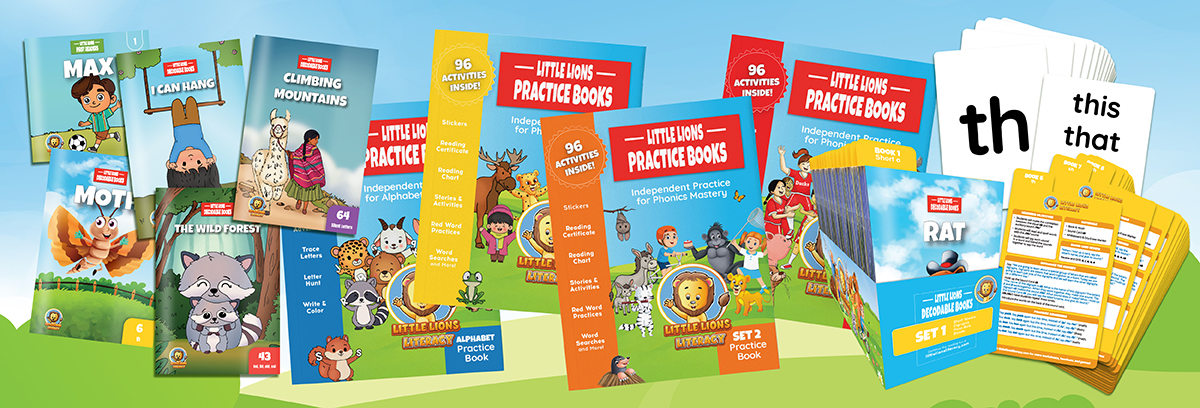
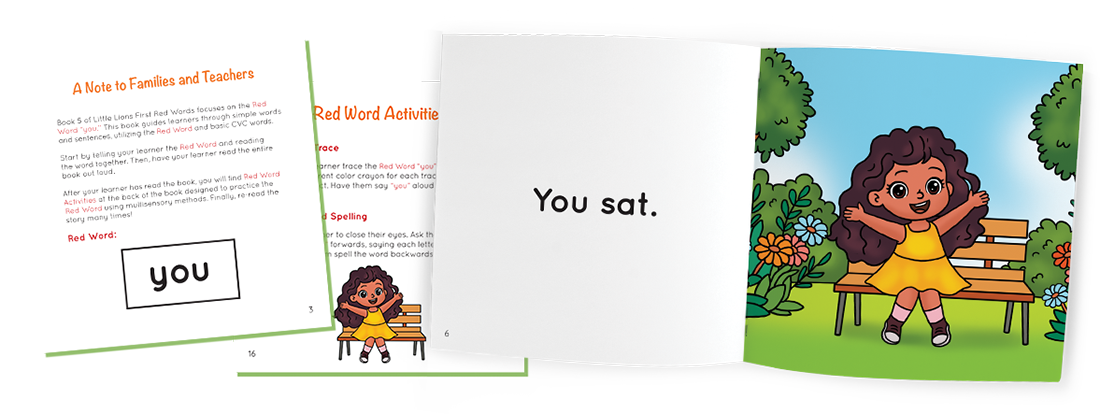
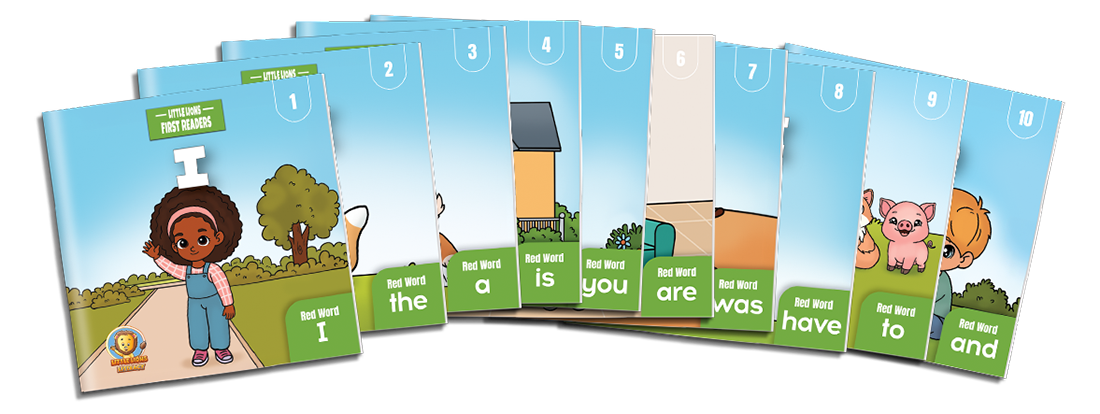
One of the best ways for children to master high-frequency words is by seeing them in the context of a story. Daily reading helps them recognize these words automatically, which builds fluency and confidence. As you read, you can gently point out the high-frequency words they’ve been practicing. Our Little Lions Decodable Books are specifically designed for this. Each set systematically introduces high-frequency words alongside phonics concepts, giving your child the perfect opportunity to apply their skills and see their hard work pay off in a fun and rewarding way.
Teaching high-frequency words is a huge step in a child’s reading journey, but it’s not always a straight path. It’s completely normal to encounter a few challenges along the way. If you find your child getting stuck, feeling frustrated, or losing focus, don’t worry. These are common hurdles with simple, effective solutions that can get you both back on track.
If you feel like you and your child are just “banging your heads against the wall” trying to memorize words, it’s time to change the approach. Rote memorization can be frustrating for little learners. Instead of asking them to memorize a word’s shape, encourage them to be word detectives. For example, many kids mix up was and saw. You can help by teaching them to look at the first letter and think about its sound before they say the word. This small shift moves the task from pure memory to active problem-solving, which is a much more powerful and less frustrating way to learn. A new model for teaching high-frequency words focuses on these analytical skills.
While flashcards have their place, showing a child a word in isolation over and over again can feel abstract. Words have jobs to do, and they make the most sense when we see them in action. After introducing a new word, use it in a simple sentence. Then, challenge your child to find that word in their favorite decodable book. This helps them connect the word to actual meaning and see its purpose in a story. A phonics-first approach emphasizes this strategy, making learning more relevant and effective by grounding it in the context of reading.
A kindergartener’s attention span is short, and that’s perfectly okay! The key is to work with it, not against it. Keep your practice sessions brief—just five to ten minutes is plenty. During that time, try to eliminate distractions by clearing the table of other toys or books and focusing on just one or two words. Using hands-on tools like magnetic letters, a small whiteboard, or even tracing the word in sand can make the practice feel more like play. The goal is to end the session on a positive note, before frustration has a chance to set in.
It can be tempting to work through a long list of high-frequency words quickly, but this can easily overwhelm a young learner. In many cases, children are expected to learn too many high-frequency words too fast, which can lead to anxiety and burnout. A better strategy is to introduce words in small, manageable sets. Start with just three to five words and focus on them until your child feels confident. True mastery of a few words is far more valuable than a shaky familiarity with many. Once they’ve got a set down, you can celebrate their success and introduce the next one.
The biggest secret about high-frequency words is that most aren’t just random shapes to be memorized. Many of them have parts that follow the phonics rules your child is already learning. Instead of treating them as completely separate from phonics, help your child analyze them. Look at the word “has,” for example. The /h/ and /s/ sounds are exactly what a child would expect. By pointing this out, you show them they can decode parts of the word. Focusing on the spelling patterns that these high-frequency words have empowers kids to see them as puzzles they can solve, not just pictures they have to remember.
Watching your child learn to read is one of the most rewarding parts of being a parent. But how do you know if they’re on the right track? Tracking progress isn’t about giving tests or creating pressure. It’s about observing their journey, celebrating the small wins, and knowing where they might need a little extra support. Every child learns at their own pace, so the goal is to look for steady growth, not perfection. By paying gentle attention to how they interact with words, you can make sure they have the tools they need to become confident, happy readers. These simple checks can be woven into your daily routine, turning practice into a natural part of your time together.
You don’t need flashcards and drills to see what your child knows. Turn it into a game! One of my favorite ways to do this is the “Silly Sentence” challenge. Lay out a few high-frequency word cards you’ve been practicing and ask your child to use as many as they can to make one funny sentence. This shows you not only if they recognize the words but if they understand their meaning. Another easy check is to simply point to a word while you’re reading a book together and ask, “What’s this word?” Keeping these interactions light and playful helps build positive reading habits and gives you a clear picture of which words have stuck and which might need more review.
It’s completely normal for kids to get stuck or mix up words. You might notice they consistently confuse words that look similar, like was and saw. This isn’t a sign of failure—it’s a clue that they need to practice thinking about the first sound before reading the word. If you see your child struggling, first try to simplify the task. Make sure you’re practicing in a quiet space and that the words are presented clearly, without other distracting text or pictures on the page. However, if your child continues to seem overly frustrated or isn’t making progress after consistent, gentle practice, it might be time to chat with their teacher. They can offer targeted strategies and let you know if it’s a common hurdle or something that needs more attention.
If your child is finding memorization difficult, it’s time to lean into phonics. Instead of treating every high-frequency word as something to be memorized, we should be focusing on their spelling patterns to help kids decode them just like any other word. Many high-frequency words, like can, it, and did, are perfectly regular and follow phonics rules your child is already learning. By connecting high-frequency words to your child’s phonics knowledge, you dramatically lessen the amount of pure memorization required. For the few truly irregular words (like of or the), you can teach them as special cases. This approach builds a stronger, more flexible foundation for reading.
It’s easy to get these two terms mixed up because they are so closely related. Think of it this way: high-frequency words are a specific list of the most common words in English, like the, and, and is. A sight word is any word, high-frequency or not, that your child recognizes instantly without needing to sound it out. The goal is to help your child turn all those essential high-frequency words into their own personal sight words.
This is an incredibly common hurdle, and it usually happens when a child is trying to memorize the word’s overall shape instead of looking closely at the letters. The best way to help is to gently slow them down. Before they guess, prompt them to look at the very first letter of the word and say its sound. This small habit encourages them to use their phonics skills and become more analytical readers.
When it comes to learning new words, less is definitely more. Trying to tackle a long list all at once can lead to frustration for everyone. A great approach is to focus on a small, manageable set of just three to five words per week. Once your child feels truly confident with that group, you can celebrate their success and introduce the next set. This method builds momentum and makes learning feel successful, not stressful.
While flashcards can be a useful tool for a quick review, they shouldn’t be the only strategy in your toolbox. Children learn best when they are actively engaged and having fun. Try incorporating hands-on activities like building words with magnetic letters, tracing them in a sand tray, or going on a word hunt in a favorite book. Seeing and using the words in the context of a story is the most powerful way to make them stick.
This is a fantastic question, and the answer is that these two skills should work together, not against each other. Many high-frequency words, like it, and, and did, are perfectly decodable and can be used to reinforce phonics rules. For the truly irregular words, you can still encourage your child to be a word detective. Help them find the parts of the word that do follow the rules and then point out the one “tricky” part they need to remember. This teaches them to analyze words, not just memorize them.