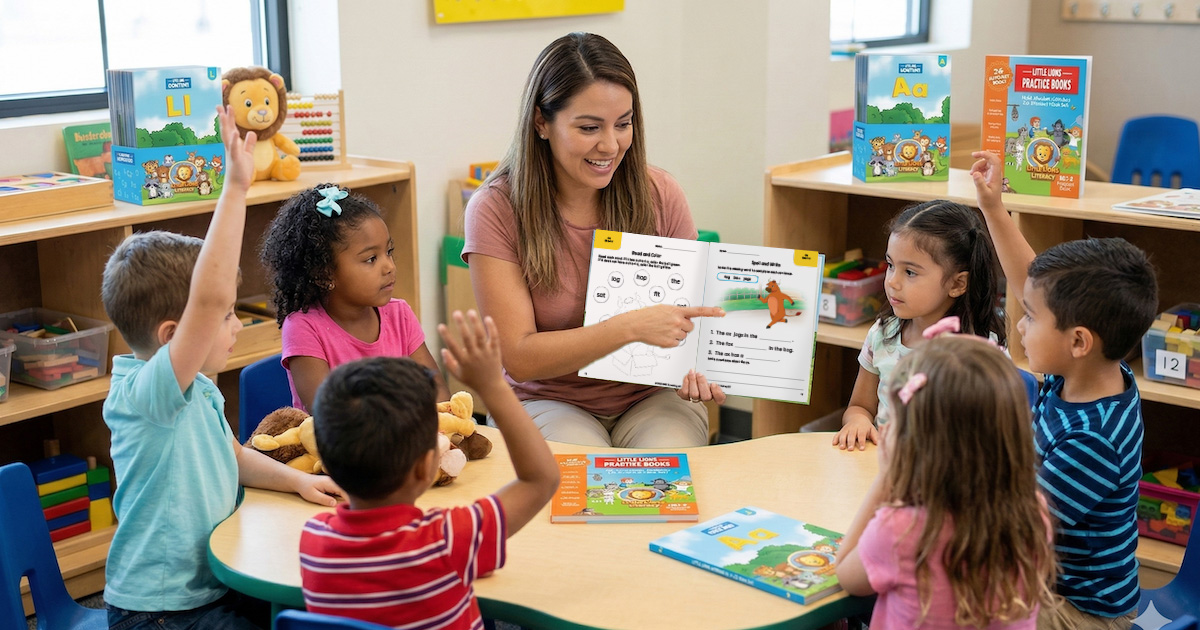
For decades, the standard way to teach high-frequency words was through memorization. We gave kids lists of sight words and hoped that with enough repetition, the words would stick. We now know there’s a more effective way that aligns with the science of how our brains learn to read. This is where the discussion of heart words vs sight words becomes so important. Instead of treating words as pictures to be memorized, the heart word method teaches children to be word detectives. It guides them to apply their phonics skills to every word, even the tricky ones, and isolates the small, irregular part they need to learn “by heart.” This approach builds stronger neural pathways, making reading feel less like magic and more like a puzzle they can solve.
If you’re helping a child learn to read, you’ve probably heard the terms “sight words” and “heart words.” They’re often used to talk about the same common words kids need to learn, like the, said, and was. But the way we teach these words makes a huge difference in a child’s reading journey. While the goal is for all words to eventually become sight words (words we recognize instantly), the teaching approach behind heart words is much more effective. Let’s break down what each term means and why the distinction matters.
A heart word is a high-frequency word that has a tricky part that doesn’t follow the usual phonics rules. The heart word method teaches children to sound out the parts of the word that are decodable and then learn the irregular part “by heart.” This approach is a science-backed way to teach high-frequency words because it connects them to phonics. Instead of asking a child to memorize the entire word as a shape, you’re showing them that even tricky words have parts they can figure out. This builds their confidence and strengthens their understanding of how letters and sounds work together.
Technically, a sight word is any word a reader recognizes instantly without needing to sound it out. For a fluent reader, most words are sight words. However, the term is more commonly associated with a traditional teaching method where kids are given lists of high-frequency words to memorize through repetition and flashcards. This approach often treats words as whole units to be memorized, separate from regular phonics lessons. While the intention is good, this method can feel like a lot of guesswork for young readers and doesn’t always stick.
The key difference lies in the teaching strategy. The traditional “sight word” approach often relies on rote memorization, which can be a heavy lift for many kids. The heart word method, however, is a phonics-based strategy. It empowers children by showing them how much of a word they can already decode using their phonics skills. They only need to remember the small, tricky part “by heart.” Research shows that our brains learn to read by connecting sounds to letters, not by memorizing visual shapes of words. The heart word method aligns with this science, making it a more logical and effective way to build a strong reading foundation.
If you learned to read by memorizing lists of words on flashcards, you’re not alone. For decades, that was the standard approach. But as we learn more about how the brain learns to read, teaching methods have evolved. The shift from rote memorization to a phonics-based strategy is a significant one, and it makes a world of difference for young readers. Instead of asking kids to memorize whole words as if they were pictures, the heart word method empowers them to see words as a series of sounds, which is a much more effective and sustainable way to learn.
Traditionally, high-frequency words were taught as “sight words,” and the main strategy was rote memorization. Children were given lists of words and encouraged to memorize their shapes using flashcards, drills, and repetition. This approach treated every word as a unique picture to be stored in visual memory, completely separate from phonics lessons. While this method works for some children, it leaves many others behind. For kids who struggle with memory or visual processing, memorizing hundreds of words is an overwhelming and often impossible task. This outdated way of teaching can create gaps in a child’s foundational reading skills because it bypasses the part of the brain that is actually wired for reading: the part that connects sounds to letters.
The heart word method flips the old approach on its head by integrating phonics from the very beginning. Instead of memorizing the whole word, children are taught to analyze it. They first identify the parts of the word that follow standard phonics rules, the parts they can easily sound out. Then, they focus on the tricky part of the word, the part that is irregular. This is the “heart part” because it’s the piece they have to learn by heart. For example, in the word “said,” the /s/ and /d/ sounds are regular. The “ai” making the short /e/ sound is the irregular part. By explicitly teaching this, we give children a strategy. They learn that most of the word makes sense, and only a small piece needs to be memorized.
This change in strategy is a game-changer for early literacy. When we teach high-frequency words using a phonics-based approach, we help children build a reliable system for decoding words. They learn that reading isn’t about guessing or memorizing pictures but about understanding the relationship between sounds and letters. This builds confidence and reduces the anxiety that many young readers feel. By connecting high-frequency words to phonics, we reinforce their overall reading skills. This method helps students learn to read and spell more effectively because it creates stronger, more permanent pathways in the brain. Instead of just storing a word in their short-term visual memory, they are mapping it by its sounds, which leads to true word ownership and fluency.
Switching from traditional sight words to the Heart Word method isn’t just about using new terminology. It’s a strategic shift based on what we know about how the brain learns to read. This approach works with the natural learning process, making reading feel more like solving a fun puzzle than memorizing a long list of rules. It helps children connect the dots between the sounds they hear and the letters they see, building a strong and lasting foundation for literacy.
Our brains don’t learn to read by taking snapshots of words and memorizing them as whole pictures. Instead, we learn by connecting sounds to letters. This mental process, known as orthographic mapping, is how we permanently store words for instant retrieval. The Heart Word method directly supports this process. By analyzing a word’s sounds and identifying the parts that follow standard phonics rules, children actively map the word in their brains. This is far more effective than simply looking at a word over and over, hoping it will stick.
For many young learners, staring at a list of sight words to memorize can feel daunting. The Heart Word method reduces this pressure by showing kids that they already have the skills to tackle most of a word. When we teach high-frequency words by integrating phonics, a “tricky” word like “said” becomes mostly decodable. They only need to remember the small “heart part” that is irregular. This approach helps students understand why a word is spelled a certain way, which builds their confidence and makes the English language feel much more predictable and less overwhelming.
The ultimate goal is for children to read smoothly and with understanding, which we call reading fluency. This happens when they can recognize words instantly without having to sound them out. The Heart Word method is a direct path to this goal. By encouraging children to deeply process a word’s sound-letter connections, we help them store words in their long-term memory. Teaching the regular parts of a word with phonics and only memorizing the irregular “heart” parts helps children learn words more deeply and remember them far better, paving the way for a lifetime of confident reading.
So, what exactly makes a word a “heart word”? It’s not just a random label for a tricky word. A word earns this title because it has an irregular part that doesn’t play by the typical phonics rules, and it’s a word your child will see over and over again in their first books. Understanding these traits is the first step in teaching them effectively.
The main idea behind heart words is that most of the word is actually decodable. Only one small piece is tricky, and this is the part your child needs to learn “by heart.” Think of the word “said.” Your child can sound out the /s/ at the beginning and the /d/ at the end. The tricky part is the “ai” in the middle, which makes a short /e/ sound instead of its usual long /a/ sound. By focusing only on that irregular part, we make the word much less intimidating. This approach helps kids see that they can use their phonics skills for most of the word, which builds confidence and makes teaching heart words a more logical process than rote memorization.
Heart words are also some of the most common words in the English language. They are high-frequency words, meaning they appear constantly in children’s books and everyday text. Because they show up so often, learning them early is essential for building reading fluency. When kids can recognize these words quickly, they don’t have to stop and struggle every few words. This allows them to focus on the meaning of the story instead of just decoding. It’s helpful to know that high-frequency words can be separated into two groups: regularly spelled words and irregularly spelled ones. Heart words are simply the irregular ones we need to give a little extra attention to.
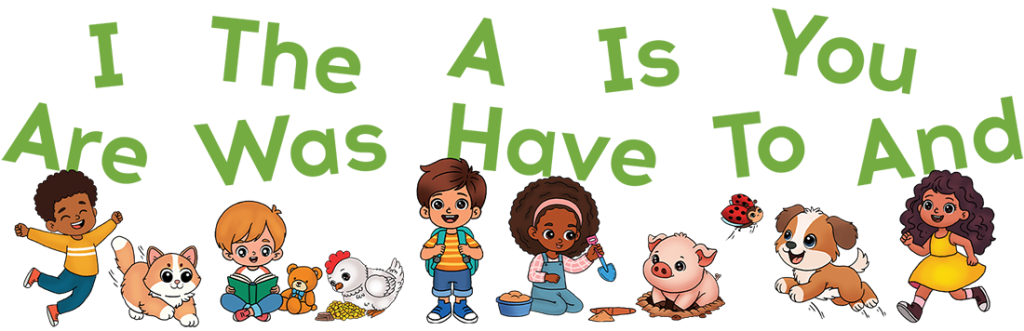
You’ll recognize many heart words right away. Common examples for early readers include words like the, of, said, was, and could. Each one has a part that doesn’t follow the rules your child is learning in their phonics lessons. What’s interesting is that a word can be a temporary heart word. For instance, if your child hasn’t learned the “silent e” rule yet, a word like “have” might be treated as a heart word for a while. The “v-e” part is the piece they learn by heart until the phonics rule is taught. This flexibility means you can tailor instruction to the specific spelling patterns that students do not yet know, making learning feel more manageable.
Teaching heart words doesn’t have to feel like a chore. Instead of relying on endless drills, you can use simple, engaging strategies that help your child truly understand how words work. The goal is to connect the sounds they know to the letters they see, even when a word has a tricky part. By making learning interactive and fun, you can help your child build a strong foundation for reading with confidence. These methods focus on mapping words in the brain for long-term recall, turning a potentially frustrating process into a rewarding one.
Children learn best when they can engage their whole bodies, not just their eyes. Multi-sensory learning techniques create stronger connections in the brain, which is exactly what we need for those tricky heart words to stick. Instead of just looking at a word on a flashcard, encourage your child to build it with magnetic letters, trace it in a sand tray, or form the letters with playdough. This hands-on approach helps them internalize the letter shapes and their order. By physically interacting with the word, they are creating a deeper, more lasting memory of its structure, making it easier to recall later.
A simple visual cue can make all the difference when a child is learning a heart word. The key is to draw their attention to the part of the word that doesn’t follow the rules. When you introduce a new word, write it down and have your child help you find the part you need to “learn by heart.” You can then mark it with a small heart or color that part of the word differently. For example, with the word ‘from,’ you might put a heart over the letter ‘o’ to show that it makes an unexpected sound. This visual tag helps your child’s brain separate the decodable parts from the irregular part, making the word less intimidating to learn.
Consistency is more important than intensity. Short, frequent, and fun practice sessions are far more effective than long, stressful ones. Make learning a playful part of your daily routine. You can have a “heart word of the day” on the fridge or play a quick game of “I Spy” with heart words in a book you’re reading together. When you practice, say the word, sound it out together, and identify the heart part. This collaborative process reinforces the connection between sounds and letters. Turning practice into a game helps maintain your child’s enthusiasm and makes learning feel like a natural and enjoyable activity.
The Heart Word method isn’t a replacement for phonics; it’s powered by it. This approach moves away from asking kids to memorize whole words and instead teaches them to look for the parts they can already sound out. By blending phonics with high-frequency word instruction, you give your child a reliable strategy for tackling any word they come across. This connection is what makes the Heart Word method so effective and helps build a solid foundation for a lifetime of reading.
At its core, the Heart Word method is about helping children understand that words are made up of sounds, and letters represent those sounds. Instead of treating a word like an abstract shape to be memorized, this strategy encourages kids to apply their phonics knowledge first. You guide them to connect the sounds they hear to the letters they see. This process, known as orthographic mapping, is how our brains learn to recognize words instantly. Even for tricky words, the goal is to sound out as much of the word as possible, which reinforces the idea that phonics is a tool they can always rely on.
The magic of the Heart Word method lies in how it breaks down words. First, you and your child work together to identify the parts of the word that follow standard phonics rules. These are the decodable parts. Then, you pinpoint the tricky part, the section that doesn’t play by the rules. This is the “heart part” that they need to learn by heart. A great visual trick is to draw a little heart above this irregular letter or letter combination. This helps your child focus their memory on just one small piece of the word instead of the entire thing, making the task much more manageable.

When you teach high-frequency words this way, you’re doing more than just helping your child learn a new word. You’re strengthening their overall reading skills. This method reinforces their understanding of letter-sound relationships and shows them that phonics is a powerful key to unlocking words. Using this strategy alongside a structured literacy program with decodable books helps children build confidence and fluency. They learn to approach new words with a problem-solving mindset, which is essential for becoming an independent reader. This integrated approach helps kids learn words more deeply and remember them for the long haul.
You don’t have to be a teacher to make a huge impact on your child’s reading journey. Extending Heart Word practice at home can be simple, fun, and incredibly effective. By weaving a few easy activities into your daily routine, you can reinforce what your child is learning in school and help them build confidence. These strategies are all about creating positive, low-pressure experiences with words, turning your home into a supportive space for your little reader to grow.
One of the best ways to support a beginning reader is to create a print-rich environment. This just means making written words a natural and visible part of your home. You can start by labeling everyday objects like the “door,” “table,” and “chair.” This simple act helps your child connect written words to real-world items. Make sure you also have plenty of books accessible. Having a basket of books in the living room encourages your child to pick them up, flip through the pages, and become comfortable with print long before they can read every word.
Kids learn best through play, and Heart Words are no exception. Turn practice into a game to keep your child engaged and excited. You can use magnetic letters on the fridge to build words, write them in shaving cream on a cookie sheet, or use flashcards for a quick round of memory. Tools like Heart Word Magic show how framing this practice as a fun activity helps students learn to read and spell high-frequency words, especially the tricky ones. The goal is to make learning feel like an adventure, not a chore.
Cuddling up with a good book is a powerful way to see Heart Words in action. When you read together, you give your child a chance to spot the words they’ve been practicing. As you come across a Heart Word, point it out. You can talk about the parts of the word that follow the rules and the one part they have to know “by heart.” Using decodable books is especially helpful here, as they are designed to build on skills your child is learning. This shared reading time not only reinforces their new skills but also creates warm, positive memories around reading.
Whenever a new teaching method gains traction, it’s natural for questions and myths to pop up. The heart word approach is a powerful strategy, but it’s often misunderstood. Let’s clear the air and tackle some of the most common myths so you can feel confident using this method with your young reader.
This is one of the biggest points of confusion, but it’s not quite right. While both heart words and sight words are high-frequency words, the teaching approach is completely different. The old sight word method relied on memorizing the entire word as a visual shape, which can be inefficient. The heart word method is much more strategic. It teaches children to identify the parts of a word they can sound out using their phonics skills and focuses on memorizing only the small, tricky part that doesn’t follow the rules. This is why we call it a “heart word,” you learn the irregular part “by heart.” This distinction is key to teaching heart words effectively.
Actually, the opposite is true. The heart word method is built on a strong phonics foundation. Instead of encouraging kids to guess or memorize whole words, it prompts them to be “word detectives.” For every word, the first step is to sound out all the parts that follow predictable phonics rules. This reinforces their phonics knowledge with every new word they learn. By integrating phonics into the process of learning high-frequency words, this science-backed strategy helps students understand word structure more deeply, making them stronger, more confident readers overall. It connects what they know about letter sounds to the words they see most often.
The heart word method is wonderfully flexible and can be adapted to each child’s unique learning journey. As a child’s phonics knowledge expands, the number of “heart parts” they need to memorize shrinks. For example, the word “she” might start as a heart word because the ‘sh’ sound and long ‘e’ sound are tricky. But once a child learns the ‘sh’ digraph, only the ‘e’ remains the heart part. This means the approach naturally evolves with your student’s skills. You can easily create differentiated instruction by focusing on the specific words and phonics patterns a child is ready to learn, ensuring they always feel successful and supported.
When you’re excited to help a child learn, it’s easy to make a few missteps along the way. The heart word method is incredibly effective, but a few common mistakes can slow down progress. By being mindful of these pitfalls, you can make sure your child gets the most out of every lesson and builds a strong, confident foundation for reading. Let’s look at three key things to avoid.
It can be tempting to treat heart words like old-school sight words, drilling them with flashcards until they stick. But relying only on memorization misses the whole point. The goal is to show kids how words work, not just to have them memorize a list of shapes. Teaching students to decode is far more effective for long-term reading and spelling success. When you focus on the sounds within the word, you give your child a powerful tool they can use for any word they encounter, not just the ones on the practice list. The “heart” part is the only piece they need to memorize.
When a child sees a tricky word like “said,” their first instinct might be to guess. Our job is to show them they don’t have to. Instead of treating the whole word as irregular, take the time to map it out. Point out the parts that follow the rules, like the /s/ sound at the beginning and the /d/ sound at the end. Then, you can highlight the “heart part” that’s tricky, in this case, the “ai” that makes a short /e/ sound. This new model for teaching high-frequency words shows kids that even irregular words are mostly predictable, which makes reading feel much more manageable and less like a guessing game.

Mastering new words takes time and repetition. It’s easy to feel like you need to move on to the next list, but true learning happens with consistent, patient practice. A word isn’t truly learned until a child can read and write it automatically, without having to stop and think. Make teaching heart words a small, fun part of your daily routine. A few minutes of practice each day is much more effective than one long, overwhelming session. Celebrate their progress and give them plenty of time to feel successful with one set of words before introducing the next. This steady approach builds lasting confidence and fluency.
Once you understand the power of the Heart Word method, the next step is finding resources that use it effectively. With so many options available, it can be tough to know what truly works. The best materials are built on a solid understanding of the science of reading and are designed to make learning feel more like play than work. A great program won’t just hand you a list of words; it will provide a clear roadmap for teaching them.
When you’re evaluating different books, worksheets, or classroom sets, you’ll want to look for a few key things. First, check how the program itself is structured. Does it align with a systematic phonics scope and sequence? Next, examine the teaching plan. Is it clear, explicit, and easy for you to follow? Finally, consider the learning materials. Are they engaging and designed to help children connect with the words in a hands-on way? Finding resources that check all three of these boxes will set your young reader up for success and help them build a confident, positive relationship with reading.
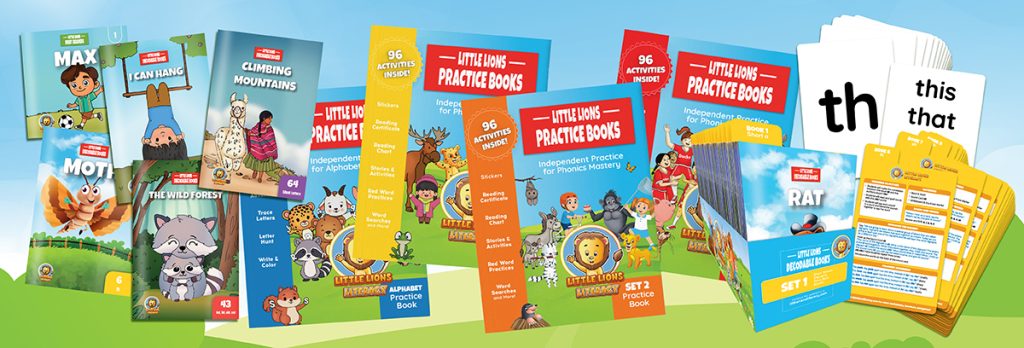
A high-quality decodable book program will do more than just tell stories. It will intentionally separate high-frequency words into two distinct groups: those that are fully decodable (sometimes called Flash Words) and those that are Heart Words. This distinction is critical because it shows the program is based on a new model for teaching high-frequency words that aligns with how children actually learn to read. Look for resources that explicitly identify the Heart Words in each book and introduce them systematically, ensuring your child has already learned the necessary phonics skills to decode the regular parts of the word. This thoughtful approach builds confidence and prevents overwhelm.
The best resources don’t just give you a list of Heart Words; they give you a clear, step-by-step plan for teaching them. This is about more than just pointing to a tricky letter and saying, “memorize this.” An effective plan will guide you through the process of introducing each word, breaking it down into its individual sounds (phonemes), and then clearly identifying the irregular part that needs to be learned “by heart.” This explicit instruction is a better way to teach sight words because it helps children orthographically map the word, storing it in their long-term memory for instant recognition later on.
Children learn best when they can engage their senses. Look for materials that encourage hands-on, multi-sensory practice. This could include activities like using colored squares or blocks to represent each sound in a word, tapping out the sounds, or tracing the letters with their fingers. Many effective resources provide visual cues, like drawing a heart over the tricky part of the word, to help children remember which part to focus on. Teaching Heart Words with these interactive methods helps make an abstract concept concrete, anchoring the learning in a child’s memory far more effectively than a simple flashcard ever could.
Watching your child’s confidence blossom as they learn to read is one of the greatest rewards for any parent or teacher. The heart word method is designed to do just that by giving kids tools that actually work. Instead of asking them to memorize a long list of words, this approach teaches them to see words as puzzles they can solve. By focusing on the parts of a word they can sound out, children learn that they already have the skills to read most of it. This is a huge confidence builder.
When a child realizes they can decode a word, the “heart part” (the tricky, irregular bit) becomes a small, manageable piece to remember. This is so much less intimidating than trying to memorize the entire word’s shape. This method is grounded in what we know about how the brain learns to read, often called the science of reading. It helps children permanently map words in their minds, rather than just storing them in their short-term memory for a test.
Teaching kids to sound out words is far more effective for long-term reading success than just memorizing. When they learn to connect the sounds with the letters on the page, they can read with more accuracy and speed. This process builds a strong foundation, showing them that they have a reliable strategy for tackling new words. As they encounter these high-frequency words again and again in their favorite books, their success reinforces their belief in themselves as capable readers, ready for the next story.
So, is the ultimate goal for all words to become sight words? In a way, yes. A “sight word” is technically any word you recognize instantly without needing to sound it out. For fluent readers, almost every word is a sight word. The problem isn’t the goal, but the old teaching method that relied on pure memorization. The heart word approach is simply a much smarter, more effective strategy to help your child build that large library of instantly recognizable words.
Can a word stop being a heart word for my child? Absolutely. A word is only a heart word as long as it contains a phonics rule your child hasn’t learned yet. For example, the word “have” might be a heart word because the “e” at the end is silent and doesn’t make the “a” say its name. Once your child learns the rule that English words don’t end in the letter “v,” that tricky part starts to make sense and the word becomes fully decodable for them.
Why is the old memorization method so bad if it seems to work for some kids? While some children can successfully memorize words through repetition, it’s an incredibly difficult task for many others and doesn’t build lasting reading skills. The heart word method is better because it works with how the brain is naturally wired to read, by connecting sounds to letters. This approach gives all children a reliable strategy for tackling words, rather than asking them to rely on visual memory alone.
How do I know which part of the word is the “heart part”? It’s a simple process of discovery you can do with your child. First, say the word aloud and listen for the individual sounds. Then, look at the written word and match the letters to the sounds you both know. Any letter or letter combination that makes an unexpected sound, or doesn’t follow a rule your child has learned, is the heart part. That’s the only piece they need to learn by heart.
What’s the best way to start practicing heart words at home without it feeling like homework? The key is to keep it light and playful. Start with just one or two words and make them visible, maybe on the fridge with magnetic letters. When you’re reading a book together, you can playfully hunt for that word on the page. Using hands-on tools like playdough or a small whiteboard to build the word also makes it feel more like a game. Short, positive, and consistent moments are far more effective than long, stressful drills.