Trying to understand the best way to teach a child to read can feel like navigating a battlefield of conflicting philosophies. On one side, you have Fountas & Pinnell, a system that has shaped literacy instruction in countless schools with its emphasis on guided reading, leveled books, and using context clues. On the other, you have the Science of Reading, a body of research that champions explicit, systematic phonics as the most reliable path to reading proficiency. The Fountas & Pinnell vs. Science of Reading debate gets to the very heart of how we believe children learn. Does reading come naturally through exposure, or is it a skill that must be taught directly? This article will break down these two powerful forces in education, helping you understand their core principles and what they mean for the young readers in your life.
If you’ve spent any time in an elementary school classroom over the past couple of decades, you’ve likely heard of Fountas & Pinnell. Developed by Irene Fountas and Gay Su Pinnell, this framework has been a cornerstone of literacy instruction in many schools. It’s a comprehensive system designed to cover all aspects of reading, writing, and even speaking, with the aim of creating lifelong learners. The core idea behind F&P is a “balanced literacy” approach, where phonics is treated as one important piece of a much larger puzzle that also includes comprehension, vocabulary, and fluency.
The system is best known for a few key components that work together: the guided reading model, where teachers work with small groups of students; a specific method for figuring out words called the three-cueing system; and a massive library of texts sorted by difficulty, known as leveled books. The goal is to create a rich, supportive environment where children can grow into confident readers by interacting with authentic texts. While it has been widely adopted for its child-centered approach, it has also faced growing scrutiny as more research on how children learn to read has come to light. Understanding its foundational principles is the first step in comparing it to other methods, like the Science of Reading.
At the heart of the Fountas & Pinnell system is the guided reading model. This is a small-group instructional approach where a teacher works with a handful of students who are at similar reading levels. The teacher selects a book that is slightly challenging for the group and guides them through it, offering support as needed. The idea is to provide targeted instruction that meets each child exactly where they are on their reading journey. Fountas and Pinnell state that they believe in the importance of explicit phonics instruction, but within their model, it’s integrated alongside other reading strategies rather than being the primary focus. This method aims to build a child’s confidence and skills by giving them successful reading experiences in a supportive setting.
One of the most debated parts of the Fountas & Pinnell framework is the three-cueing system. This is the strategy taught to children to help them figure out unfamiliar words. Instead of immediately sounding out a word, students are encouraged to ask themselves three questions based on different “cues”:
The major concern with this method is that it can train children to guess words rather than decode them. The visual cue, which involves looking at the letters, is often treated as a last resort. This approach directly conflicts with modern reading science, which shows that strong readers rely on decoding—sounding out words—not guessing from context.
To support the guided reading model, Fountas & Pinnell created a system for organizing books by difficulty, known as leveled reading. Books are assigned a letter from A to Z to indicate their complexity, based on factors like sentence length, vocabulary, and story structure. The goal is to match children with “just-right” books that aren’t too easy or too frustrating, allowing them to practice their skills and build fluency. While this sounds practical, the leveling criteria don’t always align with a systematic phonics progression. This means a leveled book might contain spelling patterns a child hasn’t learned yet, which can encourage guessing. This is a key difference from decodable books, which are written specifically to help children practice the phonics skills they have been taught.
If you’ve been following conversations about early education, you’ve likely heard the term “Science of Reading.” It’s not a specific curriculum, a new teaching trend, or a single program. Instead, the Science of Reading is a massive body of research that spans decades. It pulls from the work of experts in cognitive psychology, neuroscience, and education to give us the clearest picture of how we learn to read.
This research helps us understand what’s happening in the brain when a child learns to connect letters on a page to sounds and meaning. One of the most important findings is that reading is not a natural process like learning to speak. Our brains aren’t hardwired to read, which means most children need to be taught explicitly and systematically. The Science of Reading provides a framework for this instruction, focusing on proven methods that help all children build the skills they need to become confident, proficient readers. It’s about taking the guesswork out of reading instruction and replacing it with strategies that are backed by evidence.
The foundation of the Science of Reading is just that—science. It represents a consensus from decades of studies on how children actually learn to read. This isn’t based on tradition or philosophy, but on verifiable evidence about the reading process. Researchers have explored everything from how our eyes track words to how our brains process sounds and letters to create meaning.
This extensive body of research confirms that learning to read requires specific skills to be taught directly. It moves us past the idea that children will simply pick up reading through exposure to books. Instead, it gives us a map for instruction that aligns with how the brain is best able to acquire this complex skill.
A key pillar of the Science of Reading is its emphasis on explicit and systematic phonics instruction. This means teaching the relationships between letters and sounds in a logical, carefully planned sequence. Instruction starts with the most common and reliable letter-sound connections and gradually builds to more complex patterns.
This approach gives children the tools to decode words they’ve never seen before, rather than encouraging them to guess based on pictures or context. By focusing on phonics, we empower young readers to sound out words accurately and efficiently. This builds a strong foundation for reading fluency and frees up their mental energy to focus on what the text actually means.
Structured Literacy is the practical application of the Science of Reading. It’s an instructional approach that organizes all the essential components of reading in a logical and systematic way. This method ensures that every skill is taught explicitly and builds upon what the child has already learned, leaving no room for gaps.
The core components of a Structured Literacy approach include teaching phonemic awareness (the sounds in words), phonics (the letters that represent those sounds), fluency (reading with accuracy and expression), vocabulary, and, ultimately, reading comprehension. This comprehensive and sequential method is beneficial for all students but is especially critical for children who struggle with reading.
When you start looking into reading instruction, you’ll quickly come across two big names: Fountas & Pinnell and the Science of Reading. They aren’t just different brands; they represent fundamentally different beliefs about how children learn to read. Understanding these differences is crucial because the approach used can have a huge impact on a child’s journey to becoming a confident, skilled reader.
The Fountas & Pinnell system, a cornerstone of the “balanced literacy” movement, operates on the idea that children learn to read naturally, much like they learn to speak. It emphasizes immersing kids in rich literature and teaching them a variety of strategies to make meaning from text. On the other side, the Science of Reading is not a specific program but a vast body of research. This research concludes that reading is not a natural process and that most children require explicit, systematic instruction in phonics to learn how to decode words. At its core, the debate boils down to this: Should we teach children to use clues and context to guess words, or should we teach them how to sound them out with precision? Let’s break down what that looks like in practice.
This is where the two approaches really diverge. The Fountas & Pinnell method is known for using the three-cueing system. This encourages children to figure out unfamiliar words by asking three questions: Does it look right? Does it sound right? Does it make sense? Kids are taught to use context, pictures, and sentence structure to make an educated guess.
The Science of Reading, on the other hand, argues that guessing is not reading. Instead, it emphasizes explicit and systematic phonics instruction. The goal is for children to master decoding—the ability to connect letters to their sounds and blend those sounds together to read words accurately. The focus is on building a reliable, repeatable skill for tackling any word, not just familiar ones in a specific context.
Book selection in a Fountas & Pinnell classroom is based on a leveled reading system, where books are assigned a letter from A to Z based on their difficulty. The goal is to match a child with a “just-right” book that offers a bit of a challenge but isn’t overwhelming. These books often feature predictable sentence patterns and strong picture support to help children use cueing strategies.
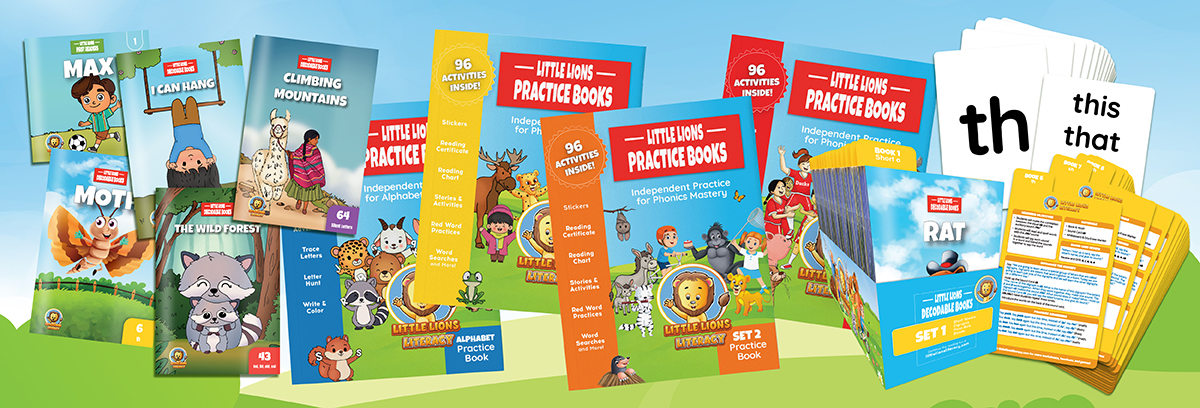
In a Science of Reading approach, children read decodable books. These books are carefully written to include only the letter-sound patterns that a child has already been taught. This gives them the chance to practice their new phonics skills in a real reading context. Instead of guessing, they can successfully sound out the words, which builds confidence and reinforces what they’ve learned in their lessons.
In the Fountas & Pinnell framework, progress is often seen as moving up the A-Z ladder of leveled books. Teachers use assessments like running records to observe a child’s reading behaviors, noting how they use different cues to solve words and whether their errors make sense in the context of the story.
The Science of Reading measures progress by assessing specific, foundational skills. A teacher will check a child’s mastery of letter sounds, their ability to blend sounds into words, and their fluency in reading words with the phonics patterns they’ve learned. The focus isn’t on what level of book a child is reading, but on whether they have the underlying skills needed to become an accurate and confident reader for life.
When you start looking into different reading philosophies, you’ll quickly find that the Fountas & Pinnell system has faced its share of criticism, especially from proponents of the Science of Reading. The conversation can get pretty heated, but the concerns generally boil down to a few key areas. Understanding these points of debate can help you clarify your own approach to teaching reading and decide what feels right for your child or students. The main disagreements center on how children are taught to figure out unknown words and the role that phonics plays in early literacy instruction.
A major point of contention is the three-cueing system. This method encourages children to use multiple clues—like pictures, sentence structure, and meaning—to guess a word they don’t know. From a Science of Reading perspective, this strategy teaches children to look away from the word itself, which can create habits that are difficult to break later on. Instead of guessing, the Science of Reading emphasizes decoding, which is the process of sounding out words based on letter-sound knowledge. The core belief is that teaching kids to rely on decoding as their primary strategy builds a much stronger and more reliable foundation for reading.
This brings us to the heart of the debate: phonics. A primary concern with the Fountas & Pinnell framework is that its approach to phonics isn’t as direct or systematic as many reading experts believe it should be. While Fountas & Pinnell state that they include phonics, critics argue it’s often presented as just one of several tools a child can use, rather than the most important one. For many children, especially those who struggle with reading, a scattered approach isn’t enough. They need explicit, sequential phonics instruction to truly understand how letters and sounds work together to form words.
To present a full picture, it’s important to know that Fountas and Pinnell have responded to these critiques. They argue that their system does, in fact, teach children how to decode using letters and sounds and does not encourage blind guessing. They describe their method as a “balanced approach” that teaches phonics clearly while also building vocabulary, comprehension, and fluency. Their goal, they say, is to address all aspects of literacy, not just one component. This back-and-forth highlights the deep philosophical differences in how to best help children become confident, capable readers.
When we talk about the Science of Reading, you’ll hear one word come up more than any other: phonics. There’s a good reason for that. Phonics is the foundation upon which strong, confident reading is built. It’s the instruction that connects the letters we see on a page to the sounds they represent. Instead of leaving reading up to chance or context clues, a phonics-first approach gives children a reliable, code-based system for figuring out unfamiliar words.
Think of it like giving a child a key to unlock a door. Other methods might suggest they jiggle the handle, look for an open window, or guess what’s inside. Phonics hands them the exact key that works every time. This systematic approach is empowering for young learners. It builds their confidence because they have a strategy that works, which encourages them to tackle more challenging texts. The goal isn’t just to read the words in one specific book but to equip them with the skills to read any words they encounter in the future. This focus on decoding is the central reason why phonics is the starting point in a Science of Reading-aligned classroom.
At its core, the Science of Reading champions decoding over guessing. Decoding is the act of using letter-sound knowledge to sound out and read a word. It’s a skill that can be taught, practiced, and mastered. In contrast, the three-cueing system, a hallmark of the Fountas & Pinnell model, teaches children to guess words using clues like pictures or sentence structure. While these clues can sometimes help with comprehension, relying on them to identify words can create poor reading habits. When a child’s first instinct is to look at the picture or guess, they aren’t practicing the essential skill of decoding. Good readers rely on their phonics knowledge, not guesswork, to read new words.
The emphasis on phonics isn’t based on a fleeting trend; it’s grounded in decades of scientific research. Major studies, including the landmark Report of the National Reading Panel, have confirmed the critical role of explicit and systematic phonics instruction. This research provides a large evidence base showing that children become better readers when they are directly taught the relationships between letters and sounds in a deliberate, logical sequence. “Explicit” means teachers state clearly what is being taught, and “systematic” means the skills build on each other in a carefully planned order. This structured approach ensures there are no gaps in a child’s learning as they progress from simple to more complex phonetic patterns.
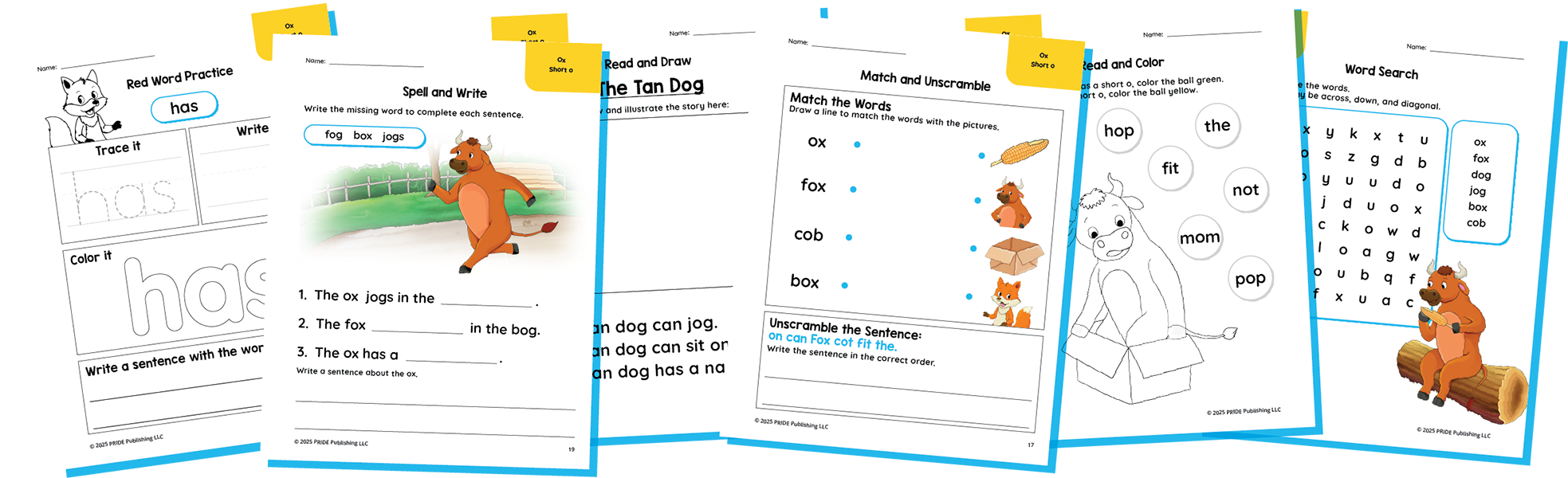
The ultimate goal of phonics instruction is to help children achieve automaticity. This is when word recognition becomes so fast and effortless that it feels automatic. When a child can decode words instantly, their brain is freed up to focus on the real purpose of reading: understanding the text. They can think about the story, the characters, and the meaning behind the words. Guessing strategies actually work against this goal. Every time a child stops to guess, they interrupt the process of building the neural pathways needed for automatic word recognition. By consistently practicing their decoding skills with materials like decodable books, children get the targeted practice they need to make reading second nature.
When it comes to teaching reading, there isn’t a single magic wand that works for every child. Kids come to the classroom with different backgrounds, strengths, and needs. The most effective reading instruction is the kind that meets a child exactly where they are. Whether you’re guiding a brand-new reader, supporting a child who’s finding it tough, or teaching a student who is also learning English, tailoring your approach is key. Understanding how different methods serve different learners can help you build a supportive and successful reading environment for everyone. Let’s look at how you might adjust your strategy based on the specific needs of your young readers.
For children just starting their reading journey, the Fountas & Pinnell system offers a structured path. F&P serves as a detailed guide for teaching reading and writing, using leveled books and small-group guided reading lessons. The main idea is to give children books that are just right for their current skill level—not too hard, not too easy. This approach allows teachers to provide instruction that is carefully matched to what each new reader needs at that moment. By working in small groups, educators can give personalized attention, helping young learners build confidence as they take their first steps into the world of words.
When a child struggles with reading, it’s often a sign that they need a more direct approach to learning how words work. A primary concern with the Fountas & Pinnell system is that its method for teaching phonics isn’t always systematic enough, which can leave some children without the foundational skills needed to decode unfamiliar words. For these learners, a strong, explicit phonics program is crucial. It’s worth noting that Fountas & Pinnell does offer the Leveled Literacy Intervention (LLI) program, which has been shown to help students who need extra support, including those with IEPs.

Learning to read is a big task, and it’s even more complex when you’re learning English at the same time. For English Language Learners (ELLs), understanding the relationship between sounds and letters is fundamental. Because of this, it’s incredibly important to supplement any F&P materials with more direct and explicit phonics instruction. This doesn’t mean you have to throw out your existing curriculum, but rather enrich it. Adding a systematic phonics component ensures that ELLs get the clear, foundational building blocks they need to sound out words and build a strong base for reading fluency in their new language.
As the conversation shifts toward a Science of Reading approach, the books we put in front of new readers are getting a closer look. This is where decodable books enter the picture, playing a pivotal role in the debate. Unlike leveled readers that often encourage children to use pictures or context to guess words—a strategy that can fail them as texts become more complex—decodable books are specifically designed to align with a systematic phonics curriculum. They are a core tool for putting phonics knowledge into practice, not just a story for the sake of a story.
The fundamental difference is one of strategy. Instead of asking a child to read words with spelling patterns they haven’t been taught yet, decodable books give them a chance to succeed. They provide the crucial link between learning letter-sound relationships and reading connected text. This builds a child’s confidence and reinforces the idea that they can rely on their decoding skills to figure out words, rather than guessing. It’s a shift from “What word would make sense here?” to “Let’s sound this word out together.” This process empowers young readers, showing them they have the tools to tackle new words and making the act of reading less about mystery and more about mastery.
The magic of decodable books lies in their controlled vocabulary. This simply means the words in the book are carefully selected to match the phonics skills a child has already learned. If a student has learned the sounds for s, a, t, p, i, n, they might read a book with words like “Pat sat on a pin.” Every word is an opportunity for them to practice what they know. Decodable books are “designed with a controlled vocabulary that aligns with the phonics skills being taught, allowing young learners to practice reading in a way that reinforces their understanding of sound-letter relationships.” This targeted approach removes the frustration of encountering unknown words and helps children build momentum and self-assurance as readers.
Learning phonics rules in isolation is one thing, but applying them to read a real story is where the learning truly sticks. Decodable books provide the perfect arena for this practice. They allow children to immediately use their new skills in a meaningful way, seeing how letters and sounds come together to form words that tell a story. As noted in some homeschool reviews, decodable books “can serve as readers alongside most phonics-based reading programs, providing students with the opportunity to apply their phonics knowledge in meaningful contexts.” This immediate application is what helps cement phonics patterns in a child’s brain, making the process of reading more automatic over time.
Ultimately, the goal is to create proficient, confident readers who enjoy books. The Science of Reading emphasizes that this starts with a strong foundation in skills like phonemic awareness and phonics. Decodable books are a critical piece of that foundation. By giving children texts they can successfully decode, we empower them to become accurate readers first. This accuracy paves the way for fluency—the ability to read smoothly and with expression. Once a child can decode words automatically, their cognitive energy is freed up to focus on what the text means. This approach helps develop all the critical skills needed to become a strong reader, from decoding to comprehension.
Shifting instructional practices is one of the biggest professional challenges an educator can face. Teachers are on the front lines, often caught between district mandates, years of personal classroom experience, and emerging research. The move from a deeply embedded system like Fountas & Pinnell to an approach grounded in the Science of Reading isn’t just about swapping out books on a shelf. It represents a fundamental change in pedagogy, one that questions long-held beliefs about how children learn to read. This transition comes with a set of very real, practical hurdles that have little to do with a teacher’s skill or dedication.
These obstacles are often systemic. They involve securing adequate training to master new techniques, finding the budget for completely different classroom resources, and managing the natural human resistance to upending familiar routines. For many educators, the F&P system has been the cornerstone of their literacy block for years. Acknowledging its shortcomings while adopting a new framework requires immense professional courage and institutional support. Understanding these common challenges is the first step in creating a path forward that empowers teachers and, most importantly, sets every student up for reading success.
Implementing any literacy program well takes a lot of work. As research on the Fountas & Pinnell system itself notes, using it effectively “requires research, training, and support at multiple levels.” This is true for any instructional approach. Shifting to practices aligned with the Science of Reading is no different. It’s not enough to just hand teachers a new curriculum. They need high-quality, ongoing professional development to understand the cognitive science behind how children learn to read. This training helps build the confidence and expertise needed to teach phonics, phonemic awareness, and other foundational skills explicitly and systematically. Without that support, even the best intentions can fall short.
School budgets are always tight, and many districts have already invested heavily in Fountas & Pinnell classroom libraries and materials. Moving away from these resources means finding the money for new ones, which is a huge hurdle. The problem is that continuing to spend on materials that don’t align with current research can hold students back. As one group of educators noted, “Budgets that continue to be used on ineffective materials and programs are a contributing factor of reading difficulties for students.” The challenge lies in reallocating funds toward high-quality, evidence-aligned resources like decodable book sets that give students the practice they need to become confident decoders. This often requires a district-level commitment to prioritizing long-term student success over existing investments.
Change is hard, especially when you’re a dedicated teacher who has seen students succeed with your current methods. Many educators have spent years mastering the art of guided reading within the F&P framework. The push toward the Science of Reading can feel like a criticism of their hard work. In fact, many teachers are already trying to fill the gaps they see, often by “supplementing F&P with explicit, systematic phonics instruction.” This shows a commitment to student learning, not a resistance to what works. Overcoming this hesitation requires clear communication about why the instructional shift is necessary, along with practical support and a collaborative environment where teachers can learn and adapt together.
The conversation around Fountas & Pinnell and the Science of Reading often feels like you have to pick a side. But for many educators, the reality is more complex. You might be working in a school with a long-standing F&P curriculum, or you may see value in parts of the program but recognize its gaps. The good news is that you don’t have to throw everything out to align your teaching with modern research.
Many teachers have found success by thoughtfully blending the two, taking the best elements of their existing framework and strengthening it with explicit, systematic instruction. The goal is to create a comprehensive literacy block that leaves no child behind. It’s not about finding a perfect 50/50 split, but about ensuring every student gets the foundational skills they need to become a confident, capable reader. This means prioritizing what the research shows is most effective while still creating a rich, engaging literacy environment.
A blended approach starts with shifting your focus during small-group time. While the Fountas & Pinnell model of guided reading is great for providing individualized attention, you can adapt the content of those lessons. Instead of focusing on three-cueing strategies, you can use this time for targeted phonics instruction based on student needs. Fountas and Pinnell themselves have stated that they believe “all children need explicit instruction in phonics.” By making phonics the core of your small-group work, you can build a stronger foundation while still using the familiar structure of your literacy block. This allows you to maintain a focus on comprehension and a love of reading without sacrificing essential decoding skills.
One of the primary concerns with the Fountas & Pinnell framework is that its approach to phonics is often not direct or systematic enough. This can leave some children without the tools they need to decode unfamiliar words. To bridge this gap, you can supplement your existing curriculum with a dedicated, structured phonics program. This doesn’t have to be a complete overhaul. It can mean adding a 20-minute daily phonics lesson for the whole class or using decodable books during small groups to give students practice with the specific phonics patterns they are learning. Many teachers are already successfully supplementing F&P with more explicit phonics to ensure all students build the skills they need to read effectively.
Finding a practical balance means putting first things first. The Science of Reading shows that strong decoding skills are the foundation upon which all other reading skills are built. This means prioritizing systematic phonics instruction, especially in the early grades. Once students have a solid grasp of decoding, the rich texts and comprehension focus from a balanced literacy approach can play a valuable role. The push to incorporate the Science of Reading into classrooms comes from years of stagnant literacy rates. By making data-informed decisions and focusing on foundational skills, you can create a balanced and effective approach that helps every child succeed in the long run.
Deciding on a core reading curriculum is a major decision, and it’s easy to feel overwhelmed by the conflicting information out there. The best path forward is one that’s thoughtful, informed, and centered on the children you’re teaching. Instead of simply choosing a side, you can move forward by focusing on what truly works for developing strong, confident readers. This means taking a close look at your students, digging into the data, and keeping the long-term goal of reading proficiency at the forefront of your mind.
The best place to start is by looking at the children right in front of you. Are they guessing at words based on pictures? Do they struggle to sound out unfamiliar words? These are signs that they may need more direct, systematic phonics instruction. A primary concern with a balanced literacy approach is that its method for teaching phonics isn’t always direct enough, “potentially leaving some children without the foundational skills they need to decode words.” If you notice gaps in phonemic awareness or decoding, it’s a clear signal that your current approach may not be meeting every child’s needs.
When you’re weighing different reading programs, it’s important to look at independent research, not just the publisher’s claims. For example, some independent reviews have found that Fountas & Pinnell materials for K-2 students don’t align with the standards of the Science of Reading, while the publisher points to its own studies showing the resources are effective. This is where your own classroom data becomes your most powerful tool. Use assessments to track your students’ progress in specific areas like phonemic awareness, decoding, and fluency. Let that data guide your instructional choices and help you determine if your current curriculum is delivering the results your students deserve.
The ultimate goal is to create lifelong readers, not just students who can get through a leveled book. True reading proficiency is built on a strong foundation of decoding skills. The Science of Reading shows that the most effective way for children to learn to read is by directly sounding out words using phonics. This isn’t about memorizing words or using guessing strategies; it’s about giving them the tools to tackle any new word they encounter. Effective instruction uses research-proven methods to teach foundational skills like phonemic awareness, phonics, fluency, vocabulary, and comprehension, setting your students up for a future where they can read to learn and for pleasure.
It’s a great question to ask. The main concern with this system is its reliance on the three-cueing method, which can encourage children to guess words rather than sound them out. While the program has other valuable components, this particular strategy can create habits that are tough to break later. The best thing you can do is support your child at home by focusing on decoding. When they get stuck on a word, gently guide them to look at the letters and sound it out. This reinforces the most reliable skill they need for long-term reading success.
Guessing can feel like a helpful shortcut in the beginning, especially when books have simple, repetitive sentences and lots of picture clues. The problem is that it teaches children to look away from the actual word on the page. This strategy falls apart as texts become more complex and the pictures disappear. In contrast, teaching a child to decode gives them a reliable tool that works for any word, in any book. It builds a strong foundation so they can confidently tackle unfamiliar words for the rest of their lives.
This is a common question, and it’s true that early decodable books could be a bit dry. Thankfully, they have come a long way! While their primary job is to give children practice with the specific letter-sound patterns they’ve been taught, today’s decodable books are written to be engaging and fun. The goal is to provide a successful and motivating reading experience. By reading a real story with words they can actually sound out, children build immense confidence and see themselves as capable readers.
Some children will learn to read in almost any classroom environment. However, decades of research show that a large percentage of kids need explicit and systematic phonics instruction to become proficient readers. A balanced literacy approach can leave gaps for these students because phonics is often treated as just one of many options for figuring out a word. An approach grounded in the Science of Reading ensures that every child gets the foundational decoding skills that are helpful for all and absolutely essential for many.
While systematic phonics is a huge and non-negotiable part of the Science of Reading, it’s not the whole story. The Science of Reading is a broad body of research that covers all the essential components of literacy. This includes phonemic awareness (the ability to hear and work with the individual sounds in words), fluency, vocabulary, and comprehension. It provides a complete map of how all these skills work together to build a proficient reader, with phonics serving as the critical foundation.